Two cities on one river
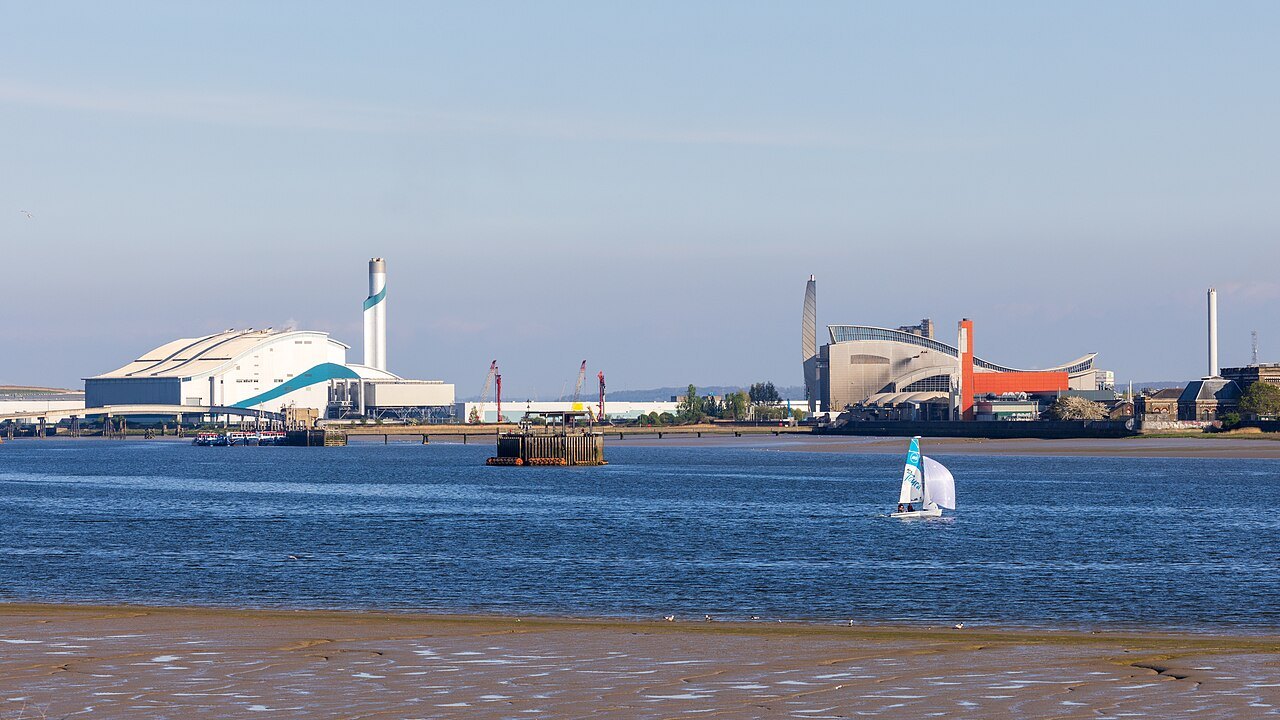
Follow the Thames from Westminster to the Tower.
A river city with two centers
London stands on the Thames at the head of a 50-mile tidal estuary, and has been a major settlement for nearly two thousand years. Its ancient core, the City of London, was founded by the Romans as Londinium and has kept its medieval boundaries; the City of Westminster, to its west, has been the site of the national government and parliament for centuries. Around both grew the metropolis, now governed as Greater London by 33 local authorities and home to more than nine million people. The river is the line to follow (the Thames), the Underground is the way across (getting around), and the airports and termini bring you in (getting here). Each district suits a different stay (where to stay).
From Roman town to world city
The first major settlement was founded around AD 47, about four years after the Roman invasion. William the Conqueror raised the White Tower in 1078, the Great Fire of 1666 cleared the way for Wren's cathedral, and in the nineteenth century London became the largest city in the world. Begin with the sights; the green spaces between them are described under the parks, and the castle, the university cities and the stones of Salisbury Plain are for day trips.
Rain in every month, and a few tickets
London has a temperate oceanic climate: cool winters, warm summers and rainfall spread fairly evenly through the year (when to come). Entry to the permanent collections of the national museums is free, while special exhibitions charge (booking ahead sorts out what needs a ticket in advance). The city eats at markets, in pubs and in curry houses (eating and drinking), and there is an itinerary for every length of stay.
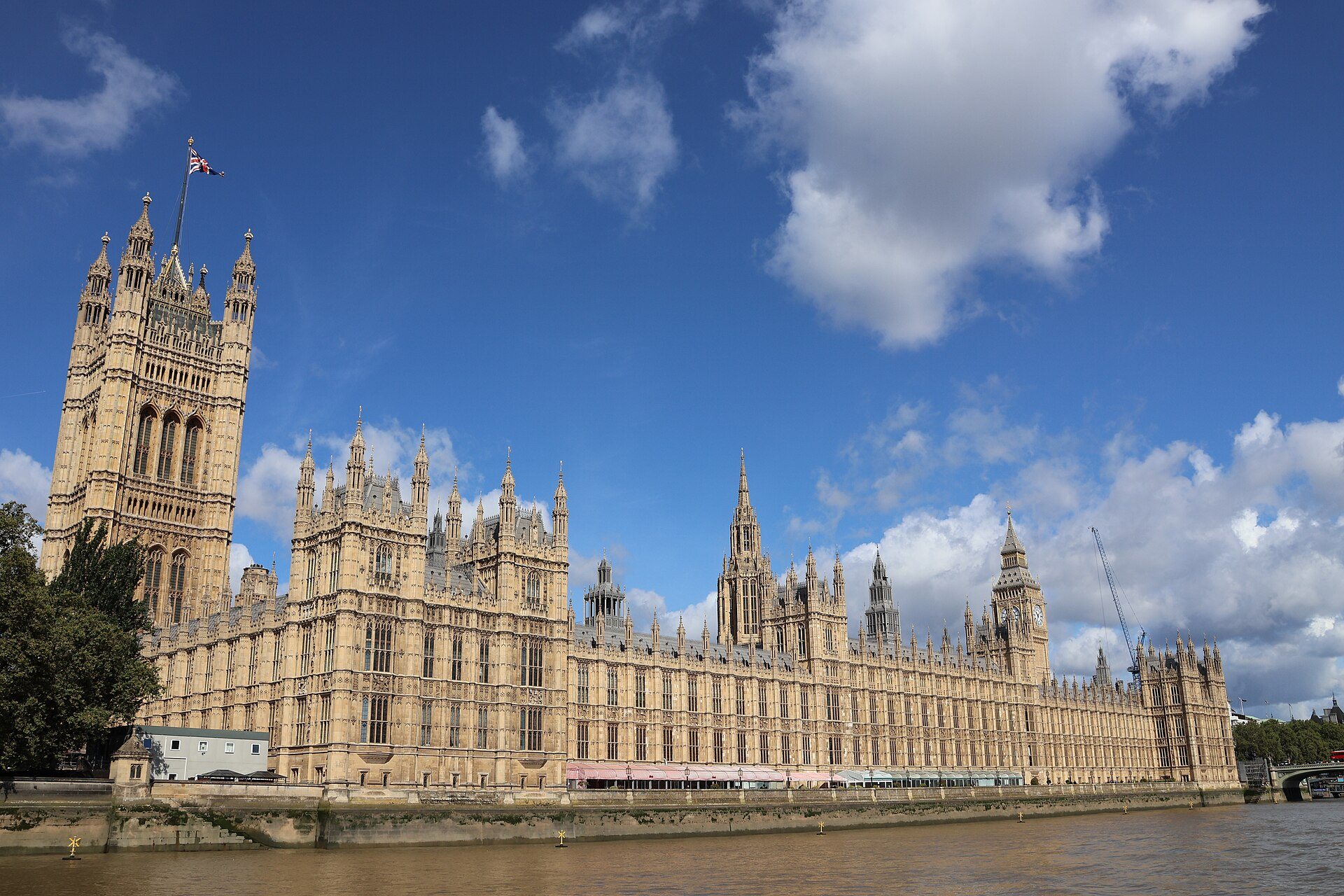
- The Palace of Westminster and Big Ben
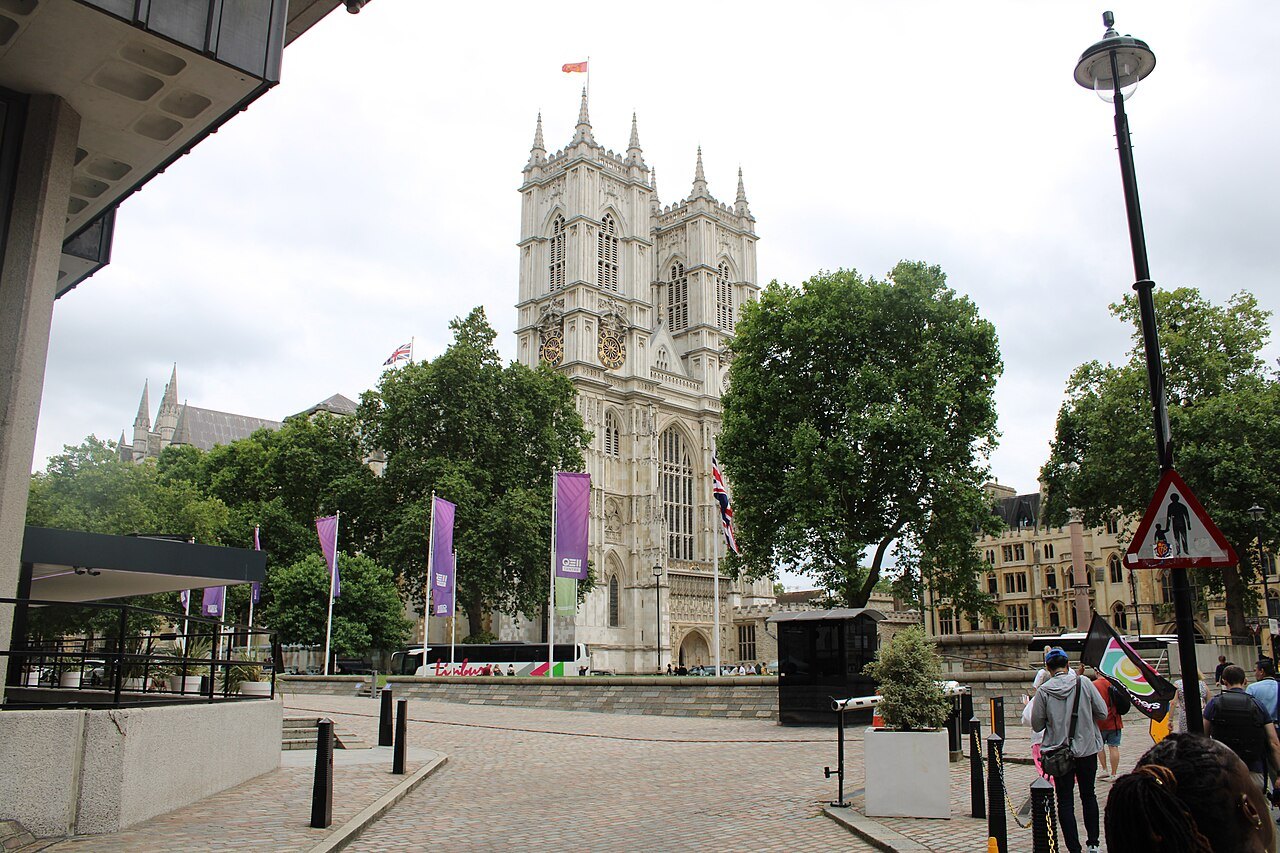
- Westminster Abbey
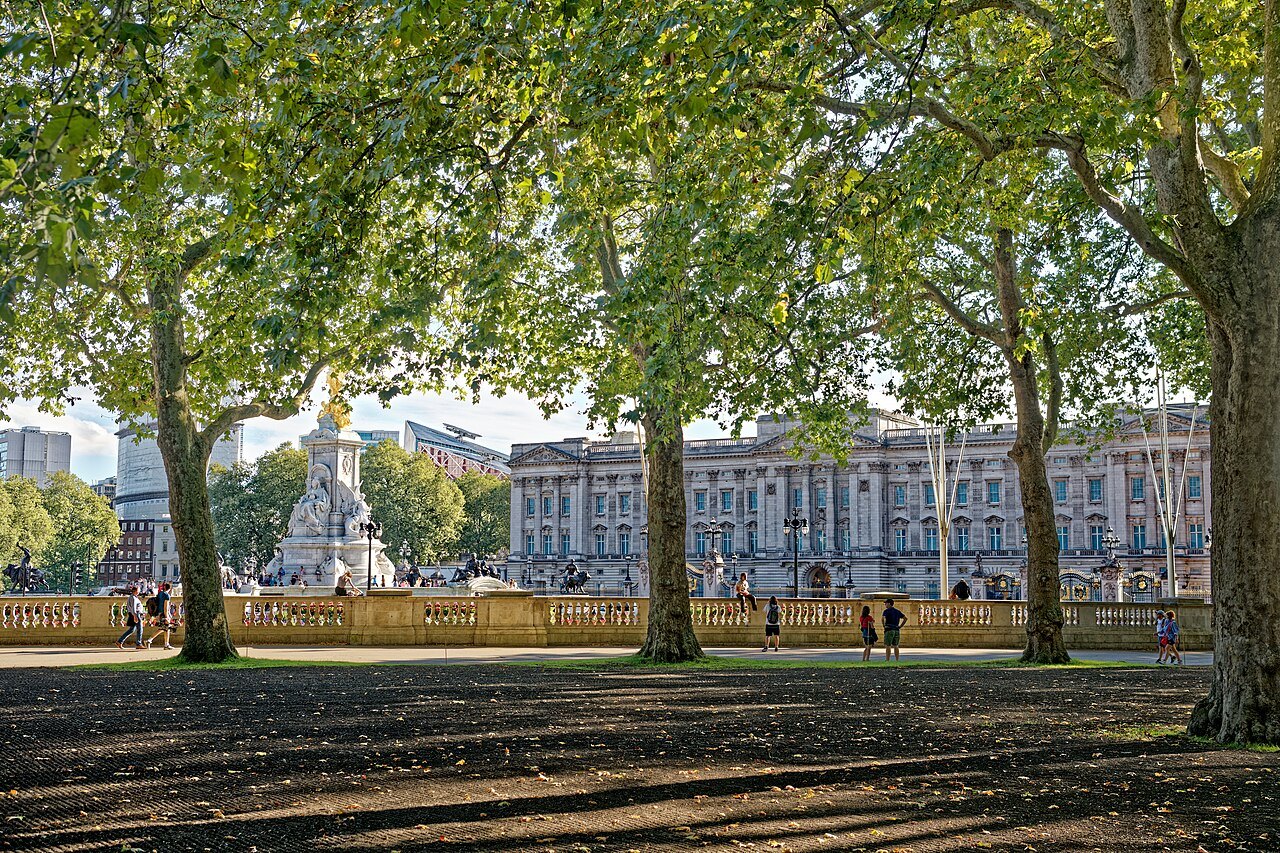
- Buckingham Palace
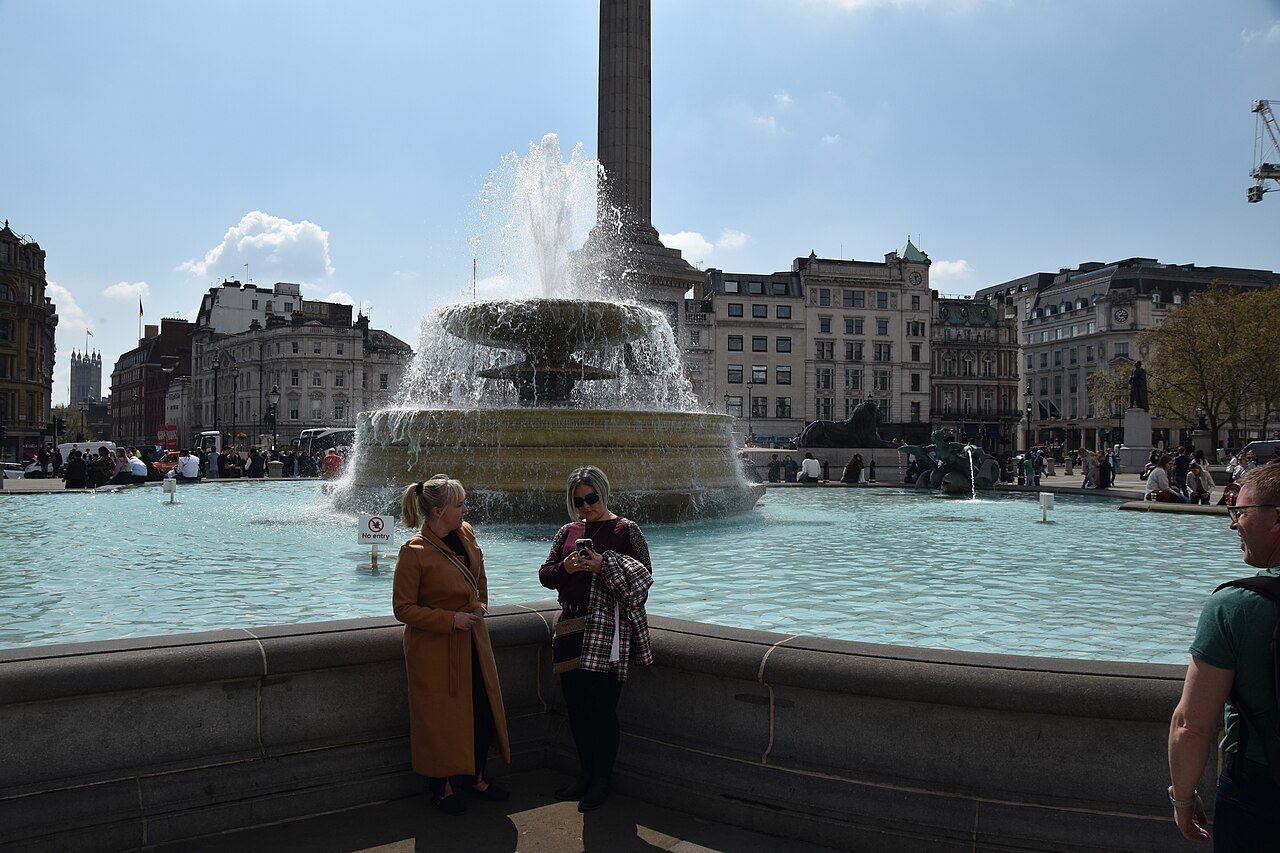
- Trafalgar Square
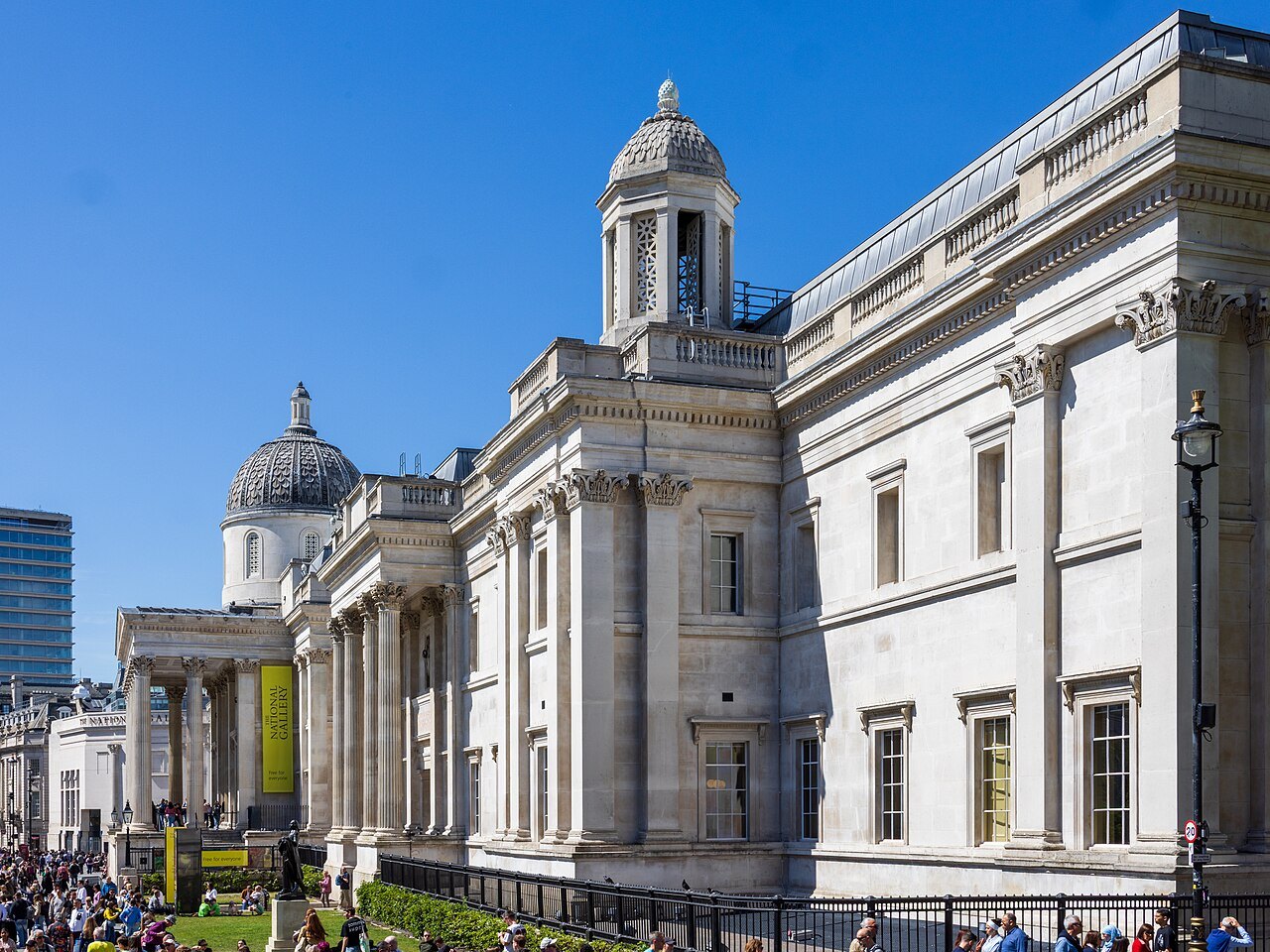
- The National Gallery
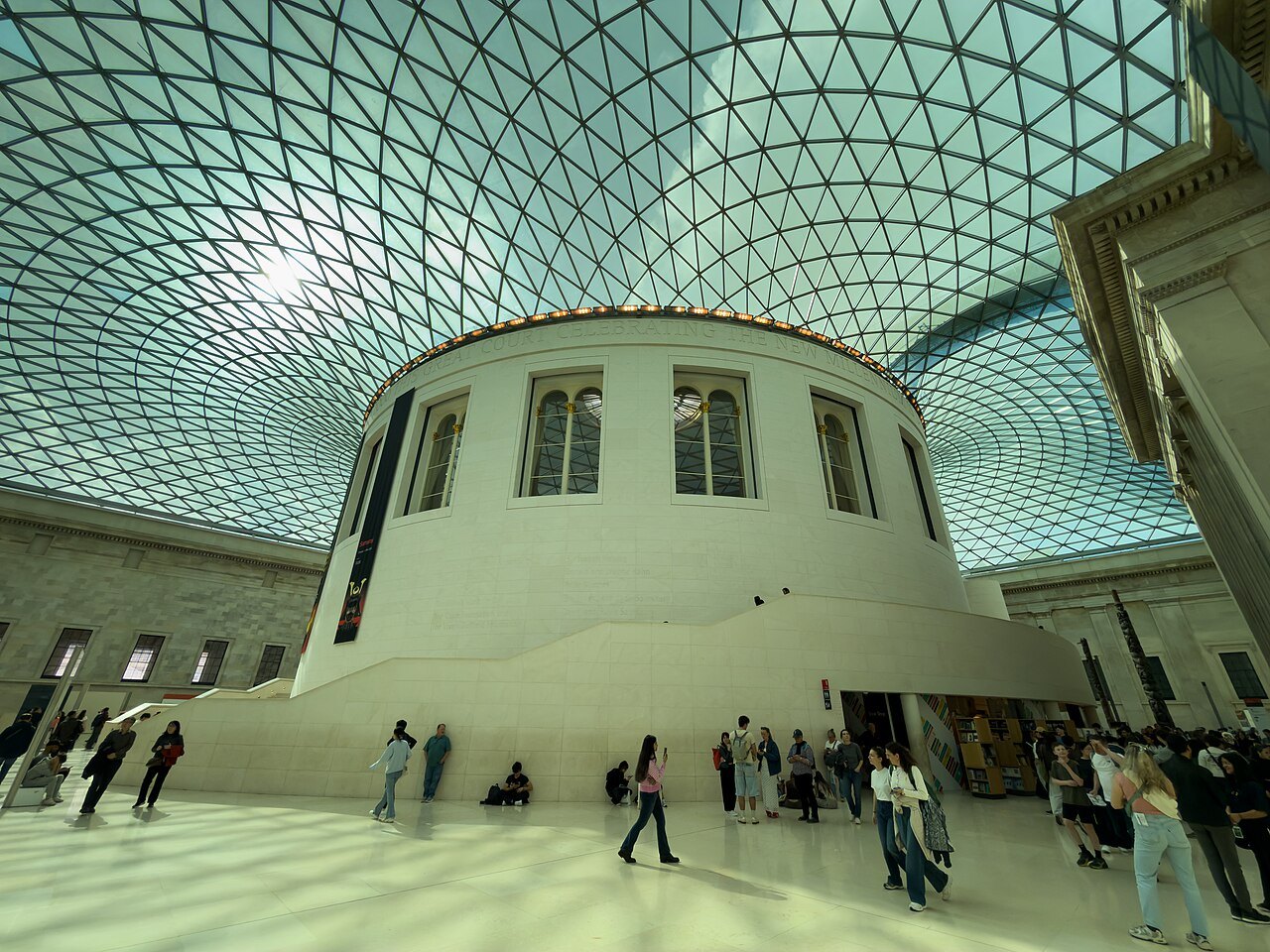
- The British Museum
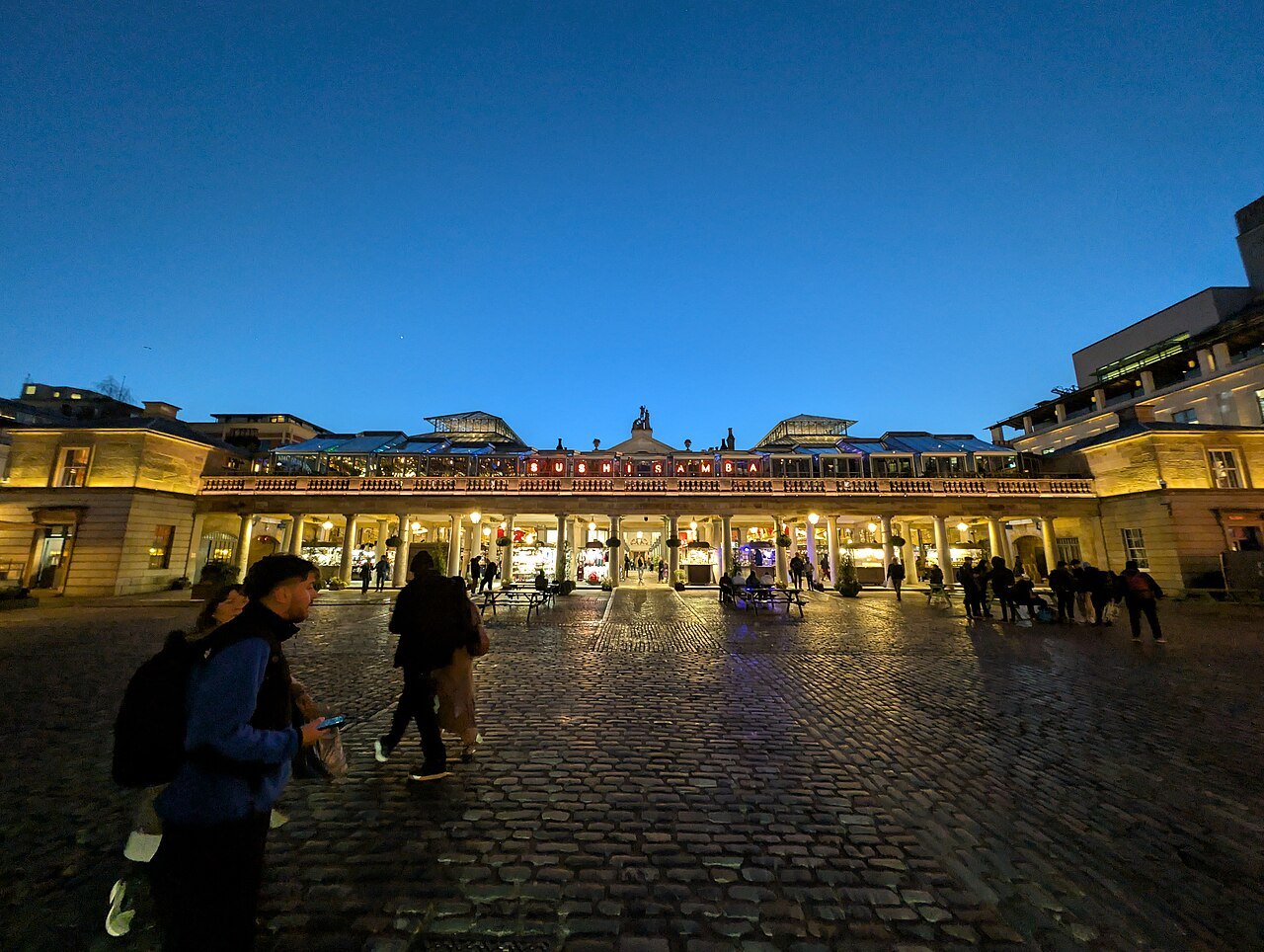
- Covent Garden
- The London Eye
- Tate Modern
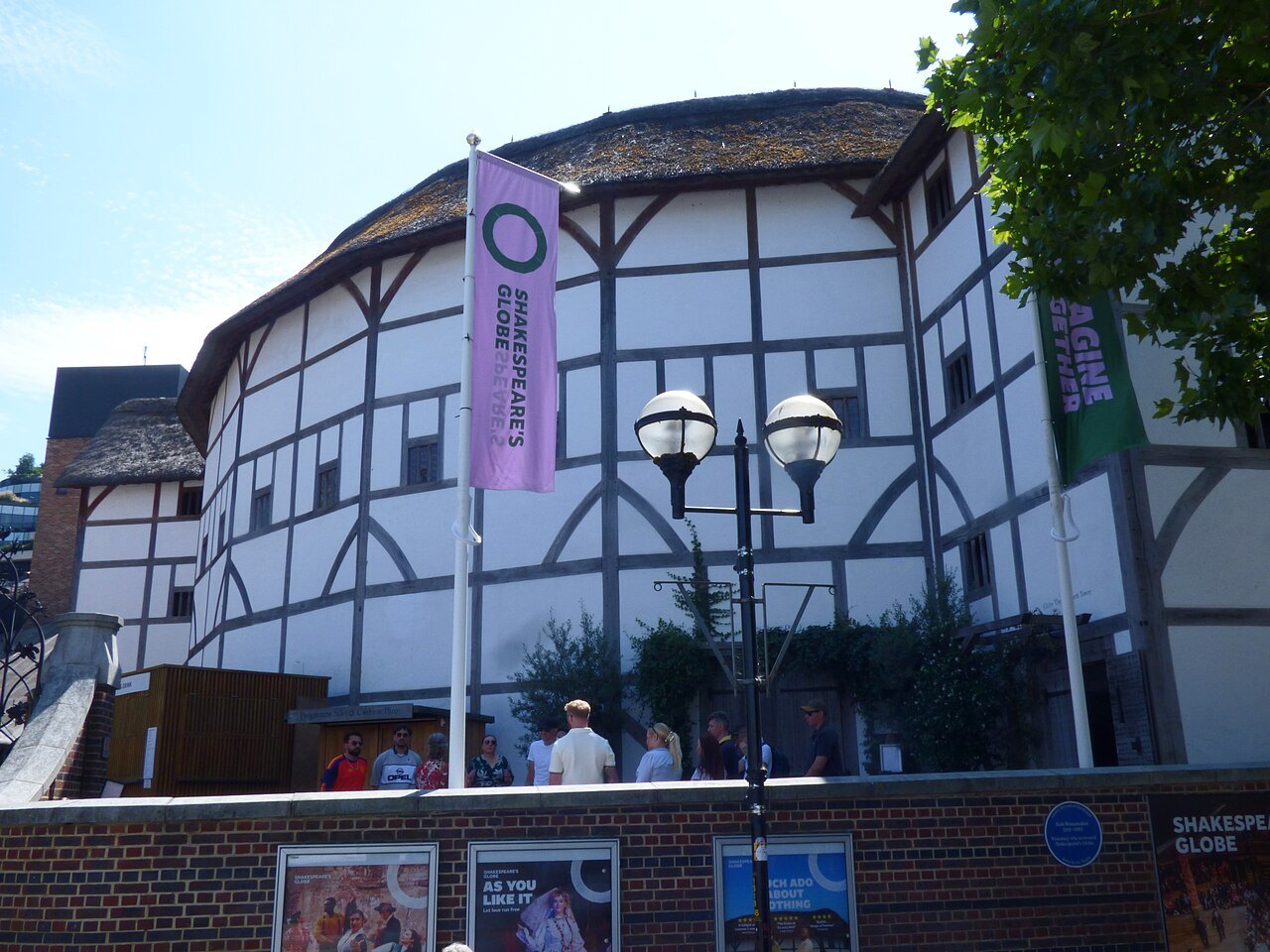
- Shakespeare's Globe
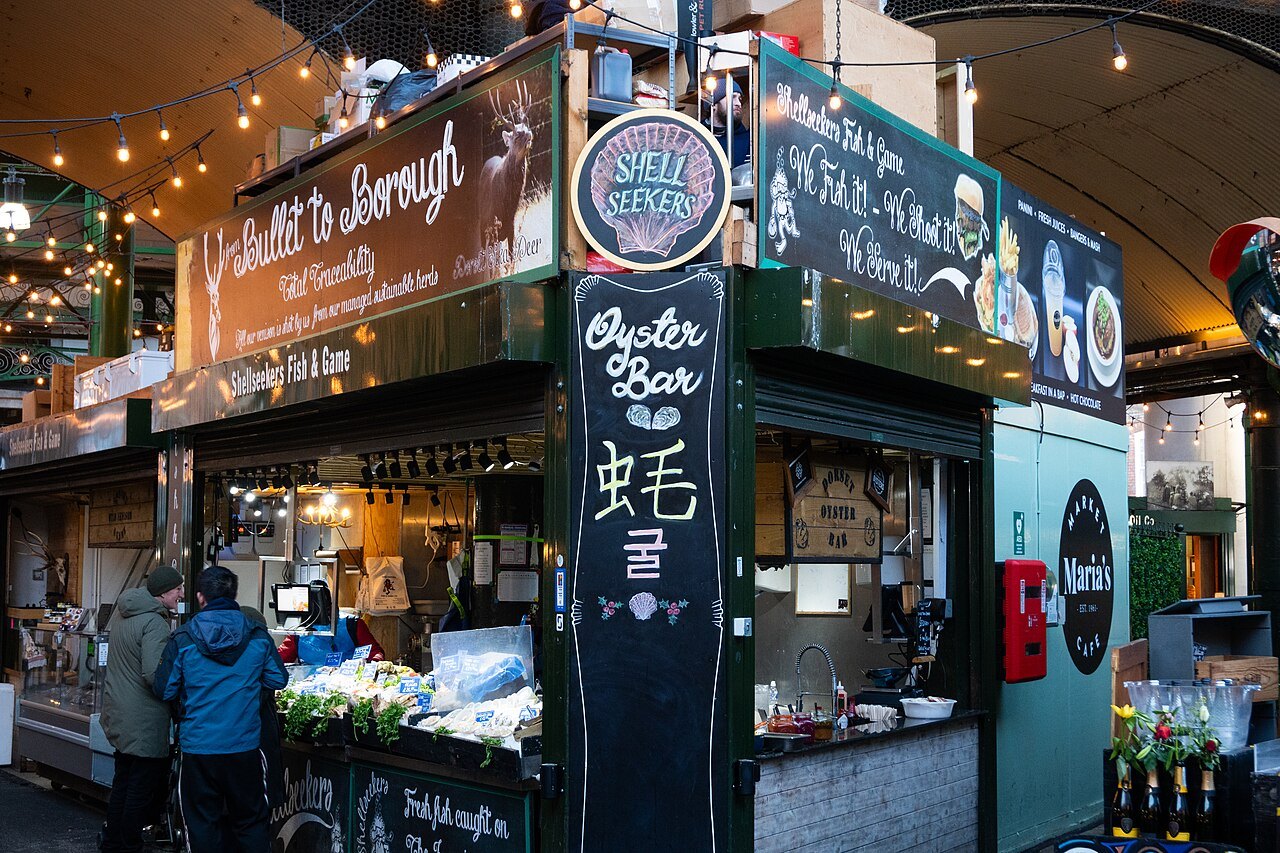
- Borough Market
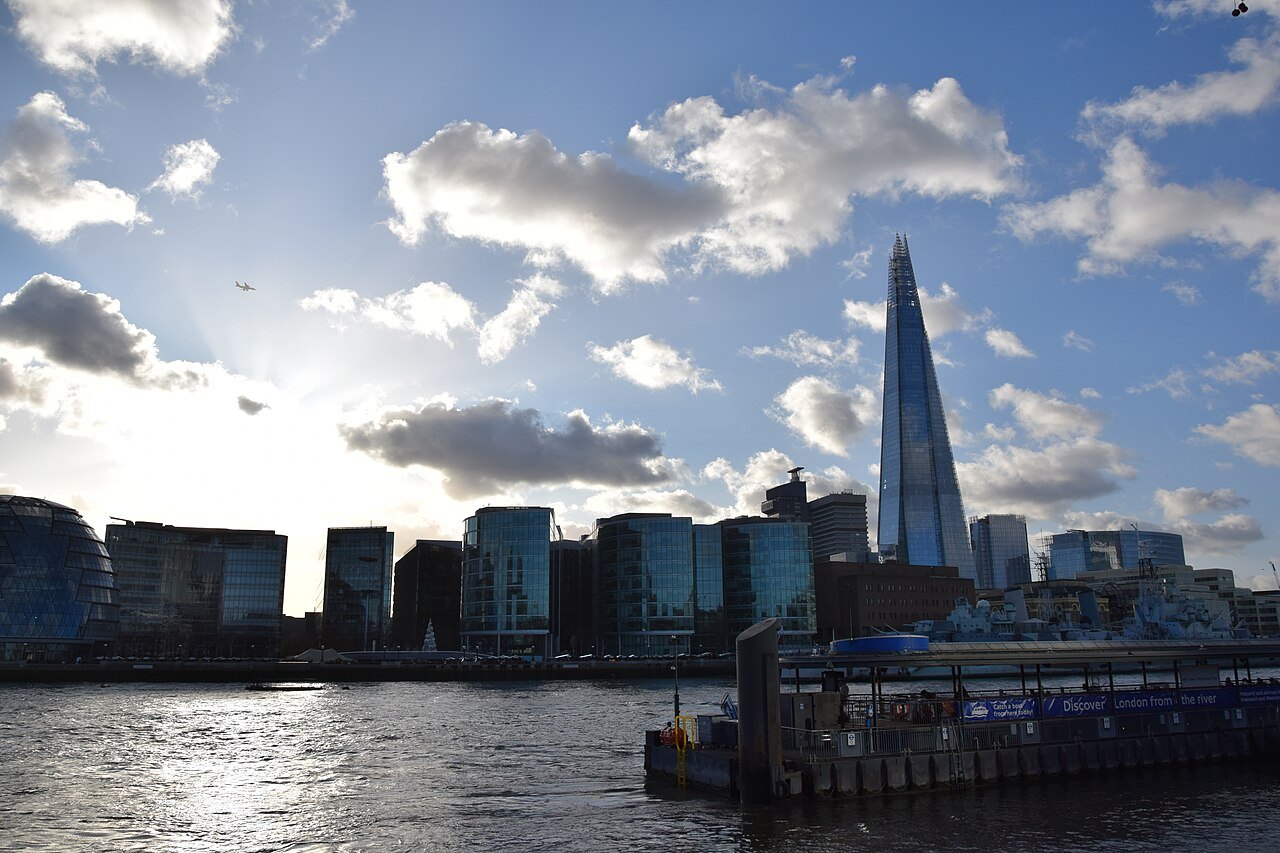
- The Shard
- St Paul's Cathedral
- The Tower of London
- Tower Bridge
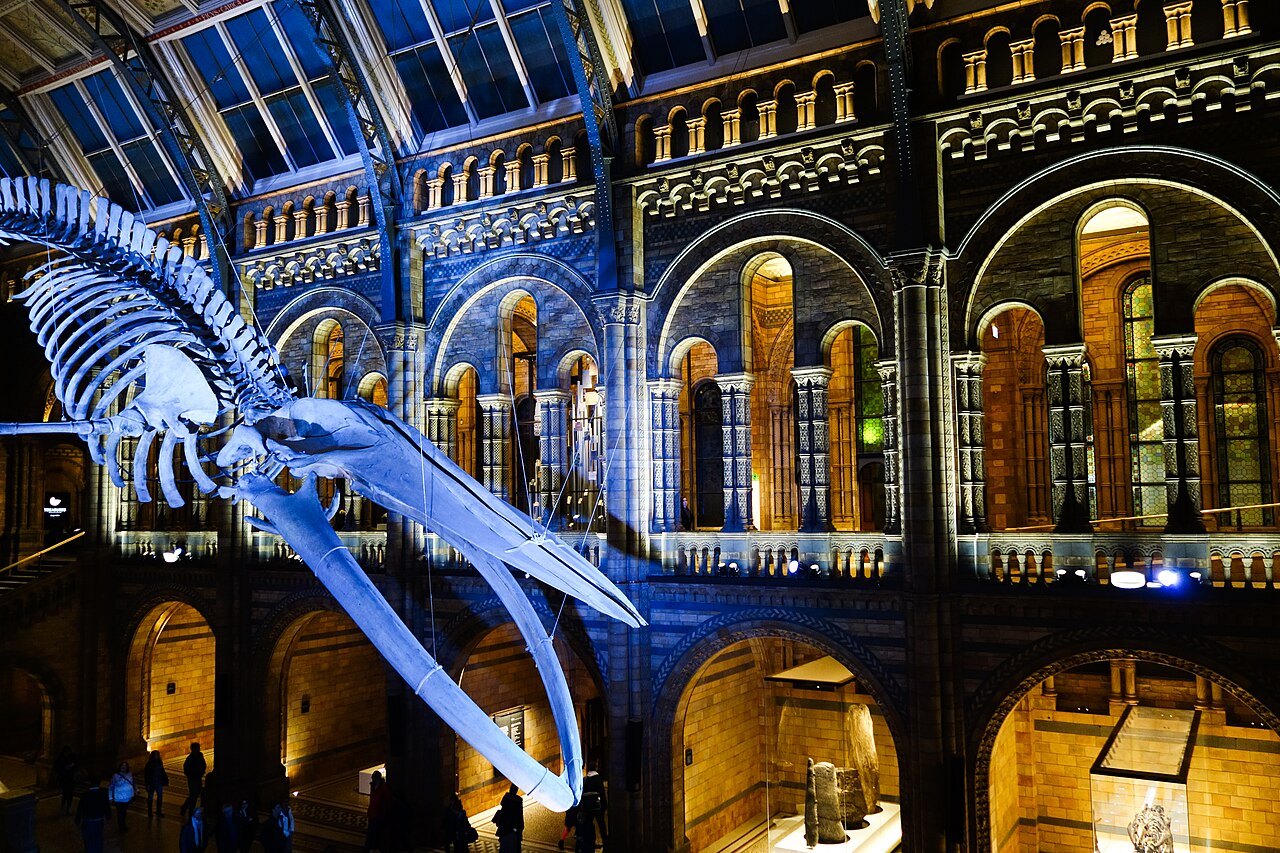
- The Natural History Museum
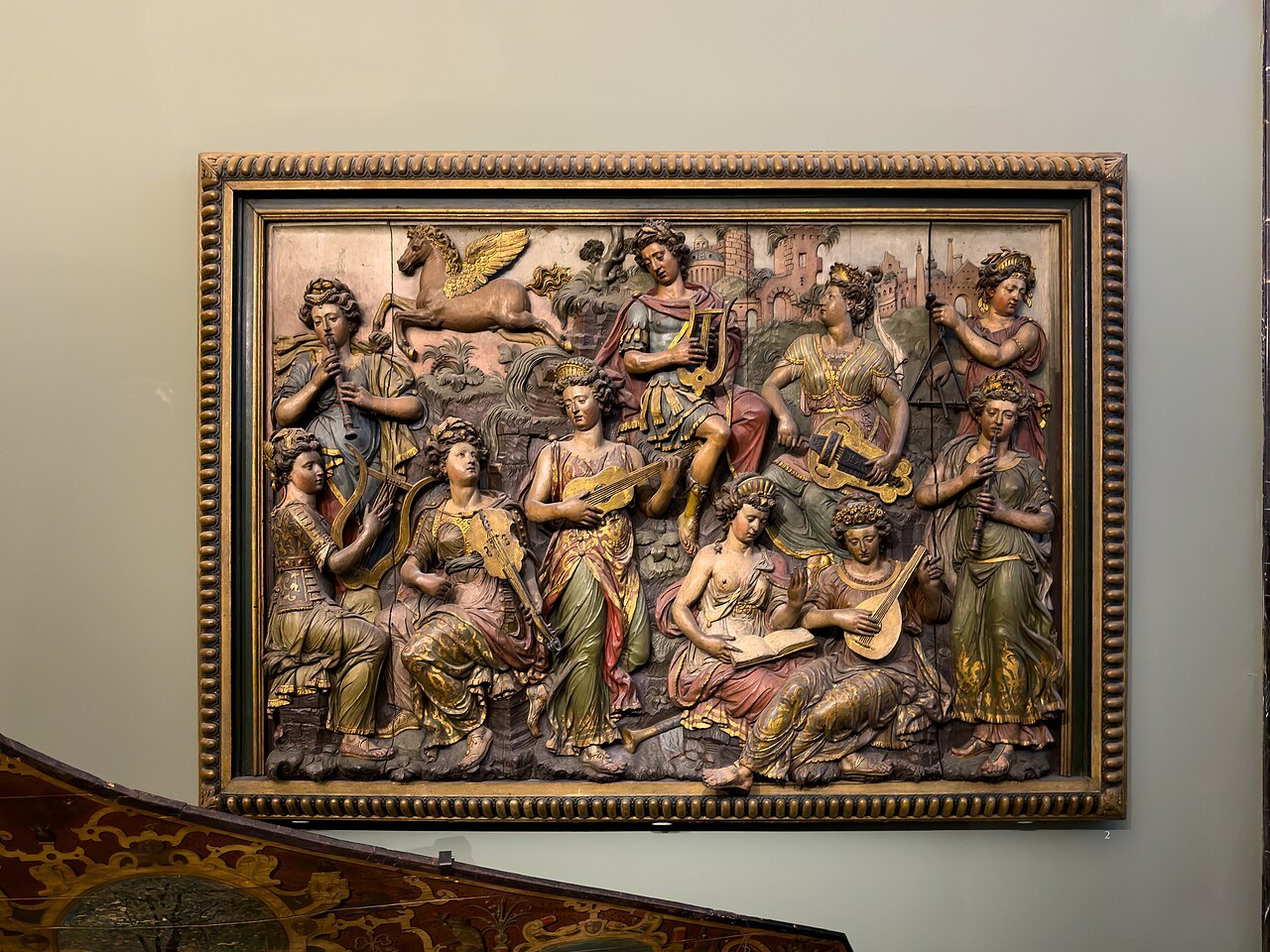
- The Victoria and Albert Museum
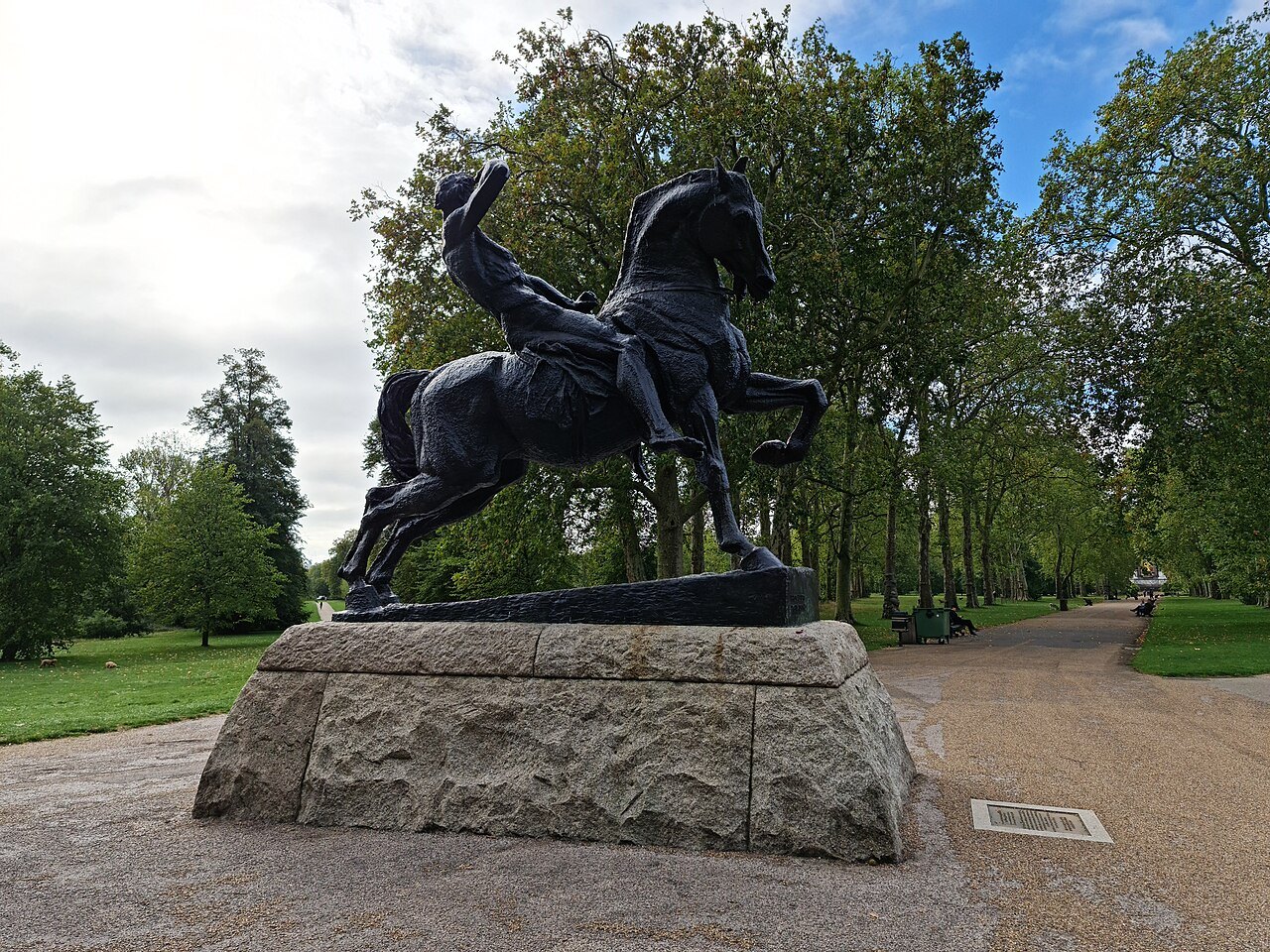
- Hyde Park and Kensington Gardens
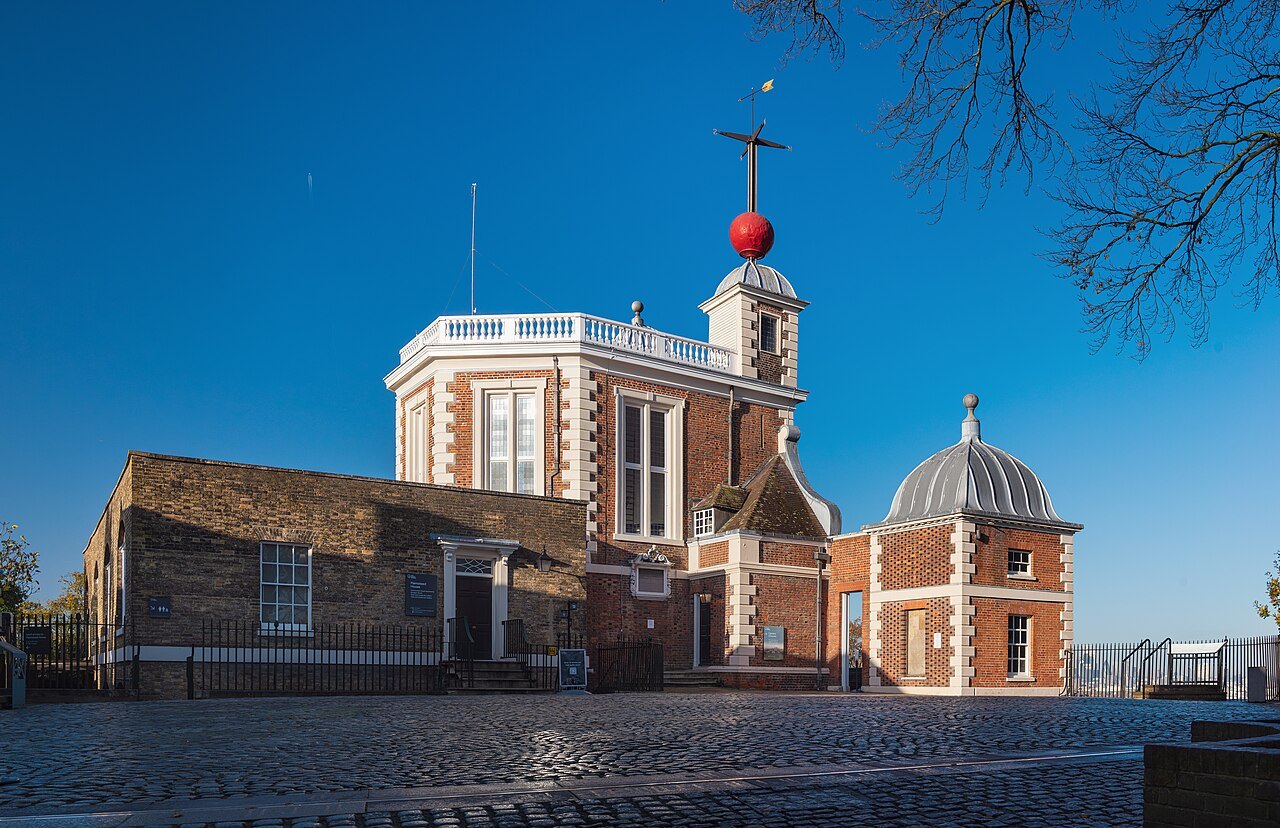
- Greenwich
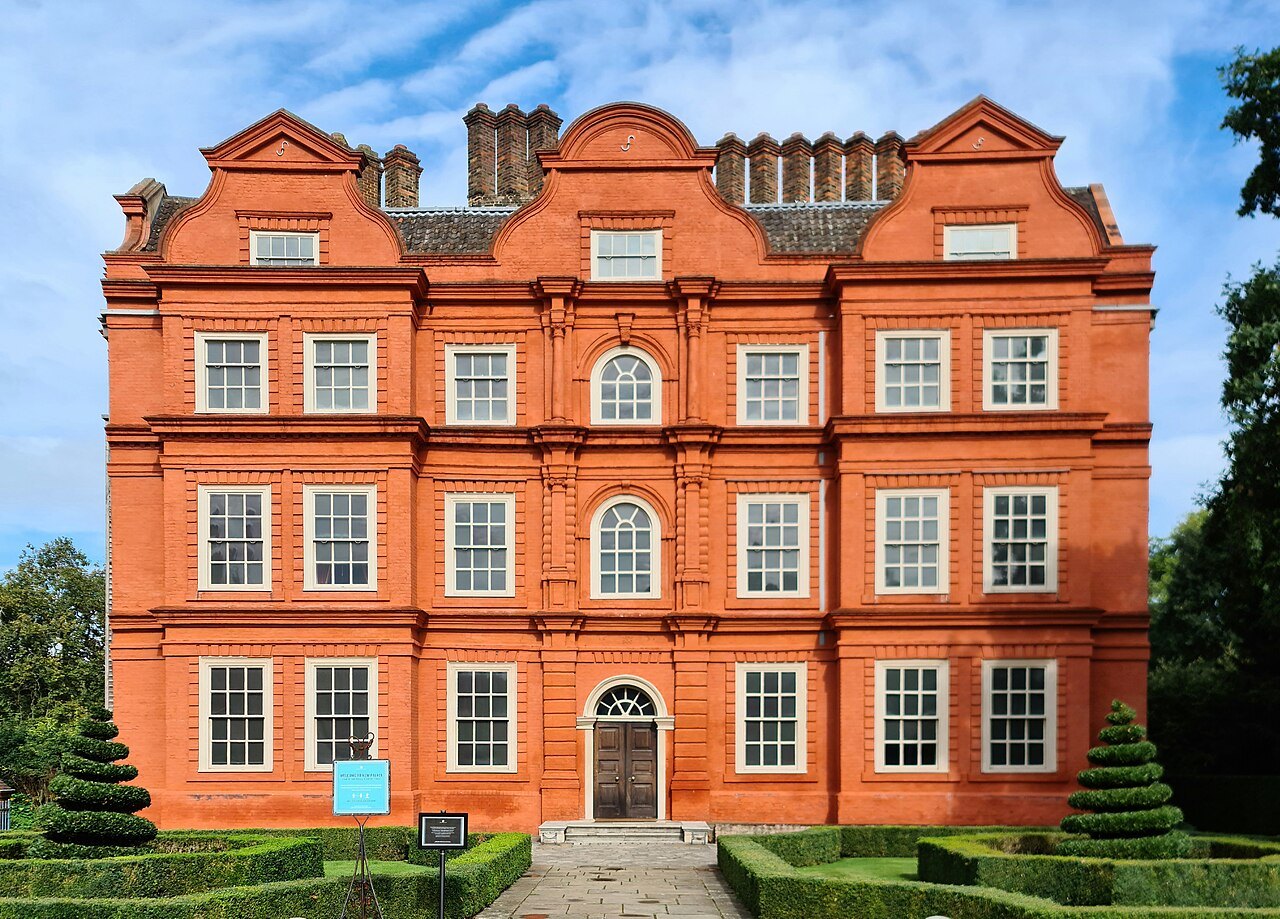
- Kew Gardens
A walk down the river
Six stops, downstream
From the Palace of Westminster, across to the South Bank, along Bankside and over to St Paul's, then on to the Tower and its bridge: six stops, always downstream.
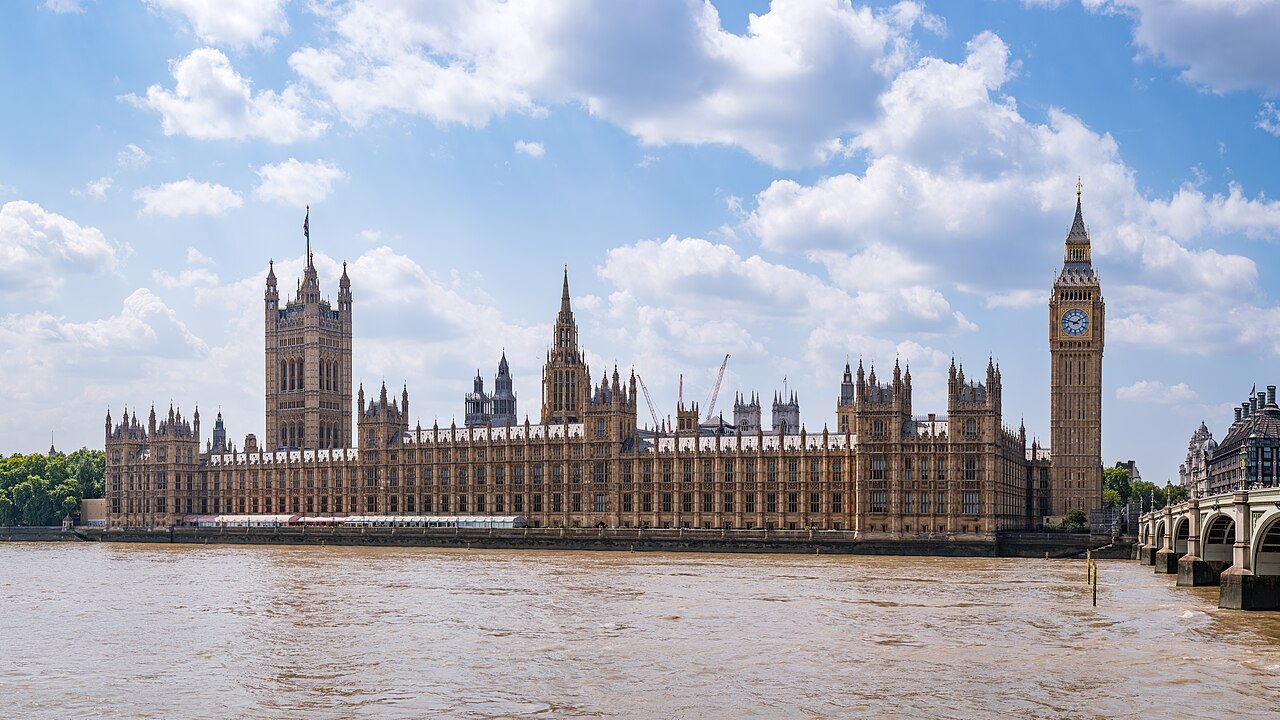
The clock tower and the palace
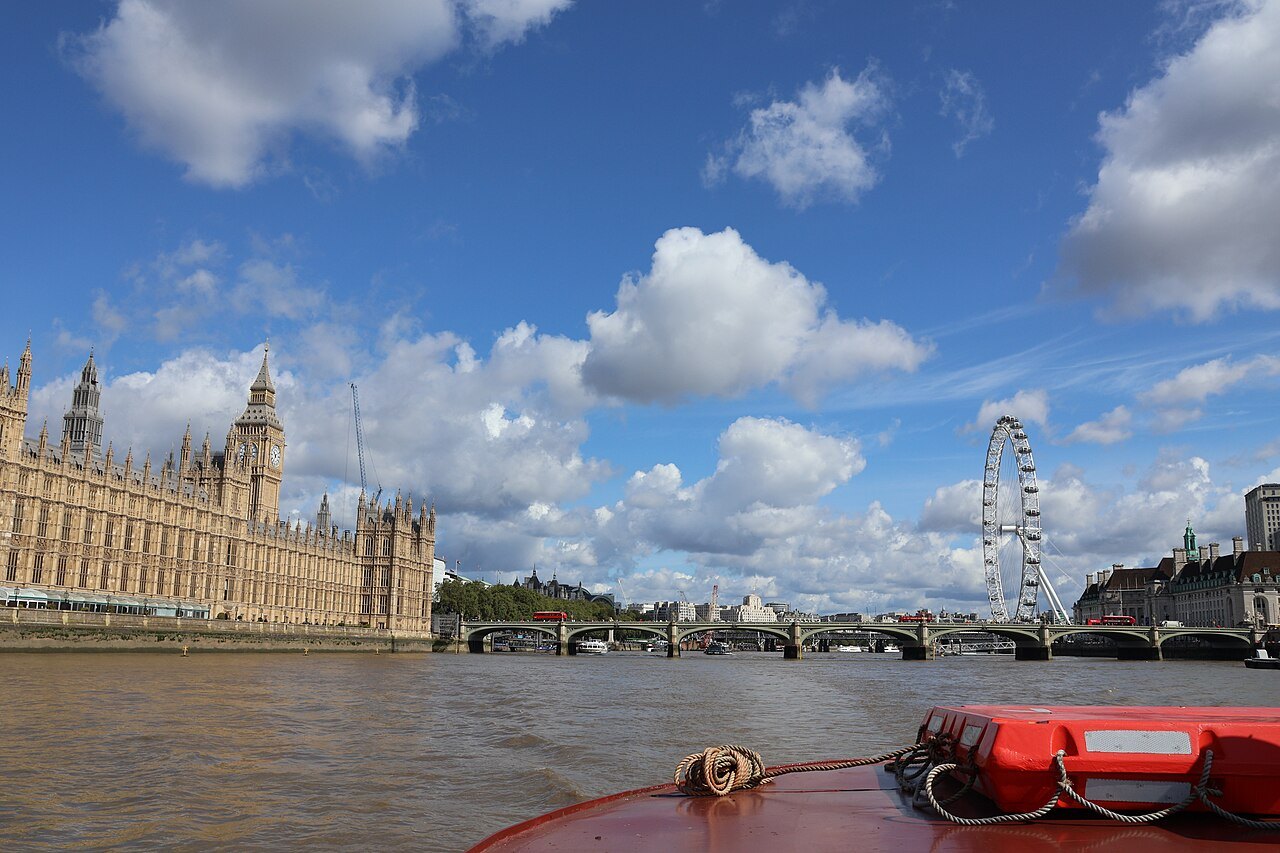
Start at the Palace of Westminster, where the UK Parliament meets. The Elizabeth Tower at its north end, completed in 1859, is 316 feet tall, and Big Ben is not the tower but the Great Bell inside it.
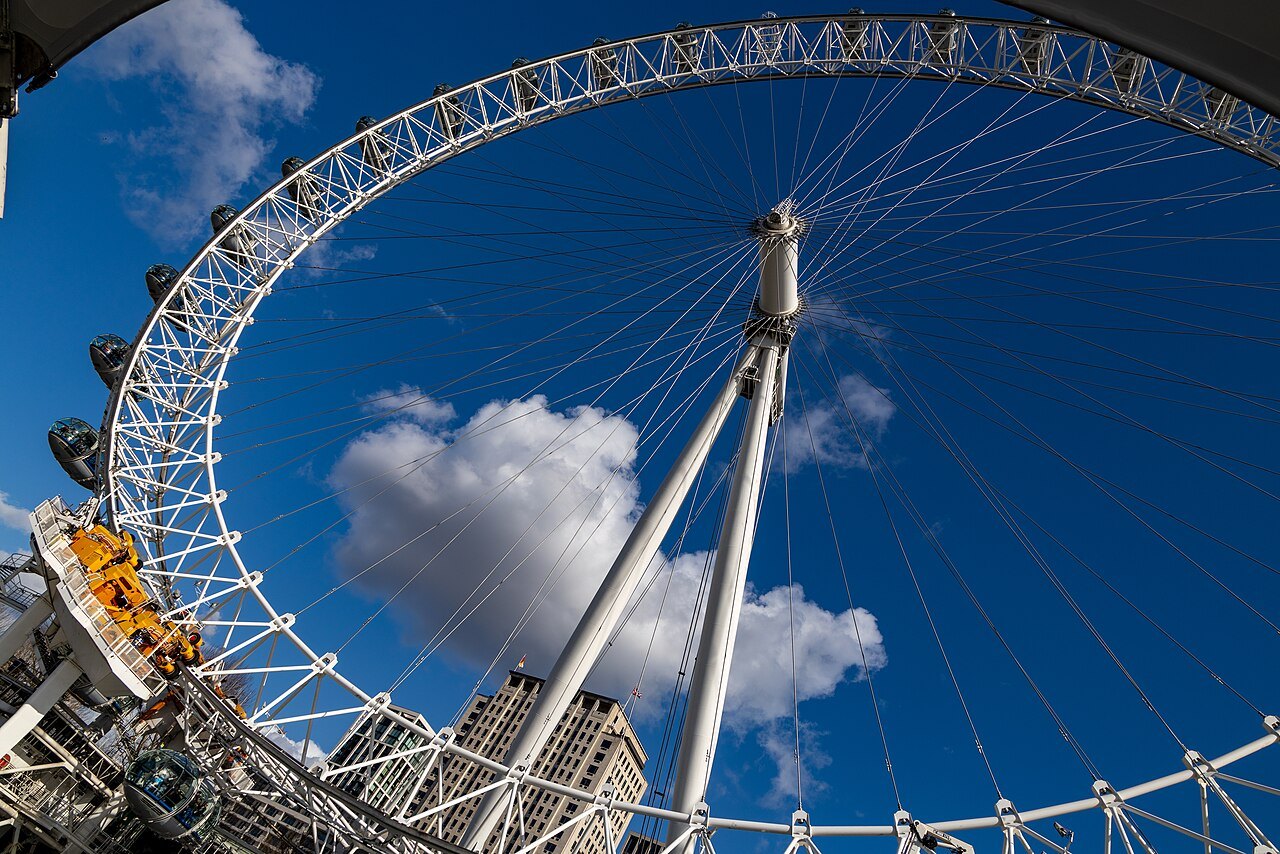
The wheel on the south bank
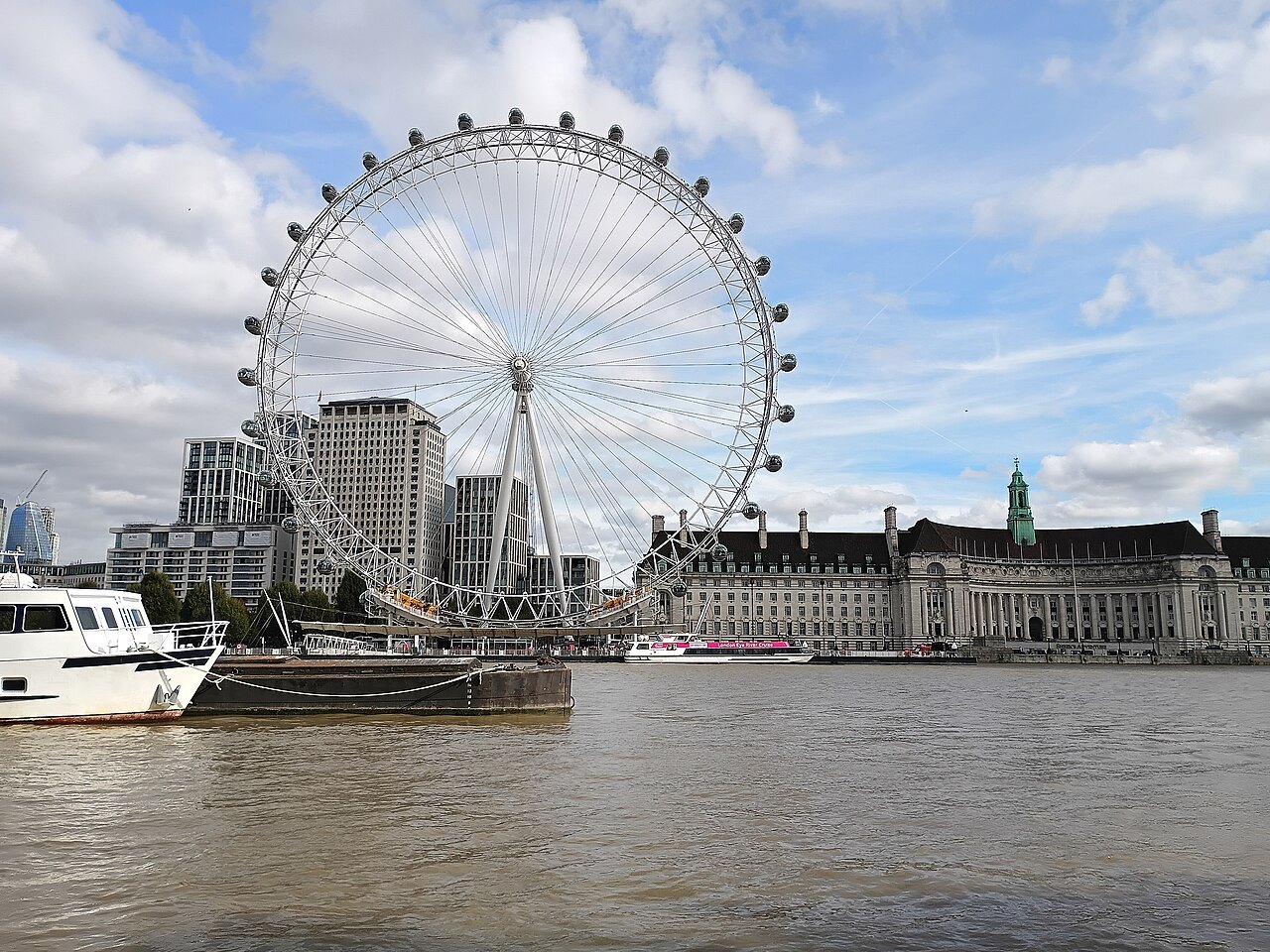
Cross to the South Bank and the London Eye, which opened to the public on 9 March 2000. It is the world's tallest cantilevered observation wheel, 135 meters high, supported from one side by an A-frame.
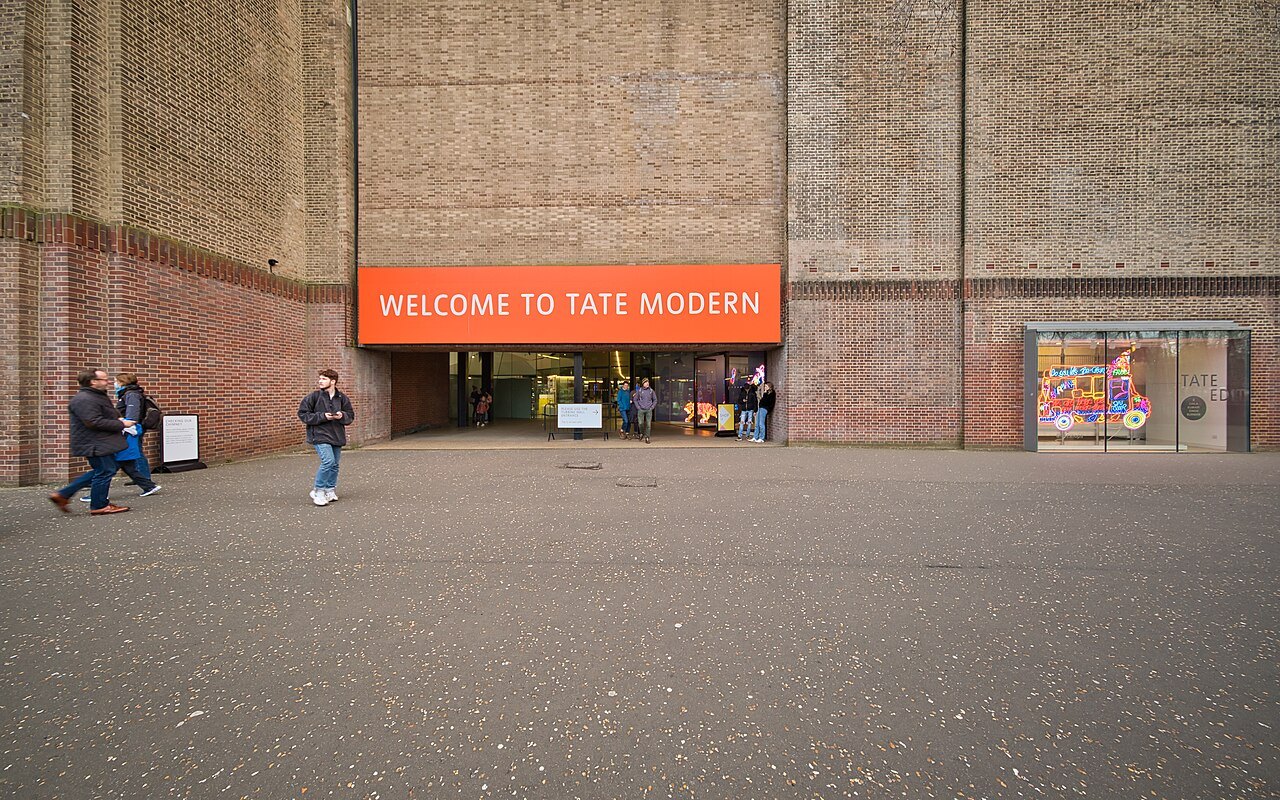
The power station that became a gallery
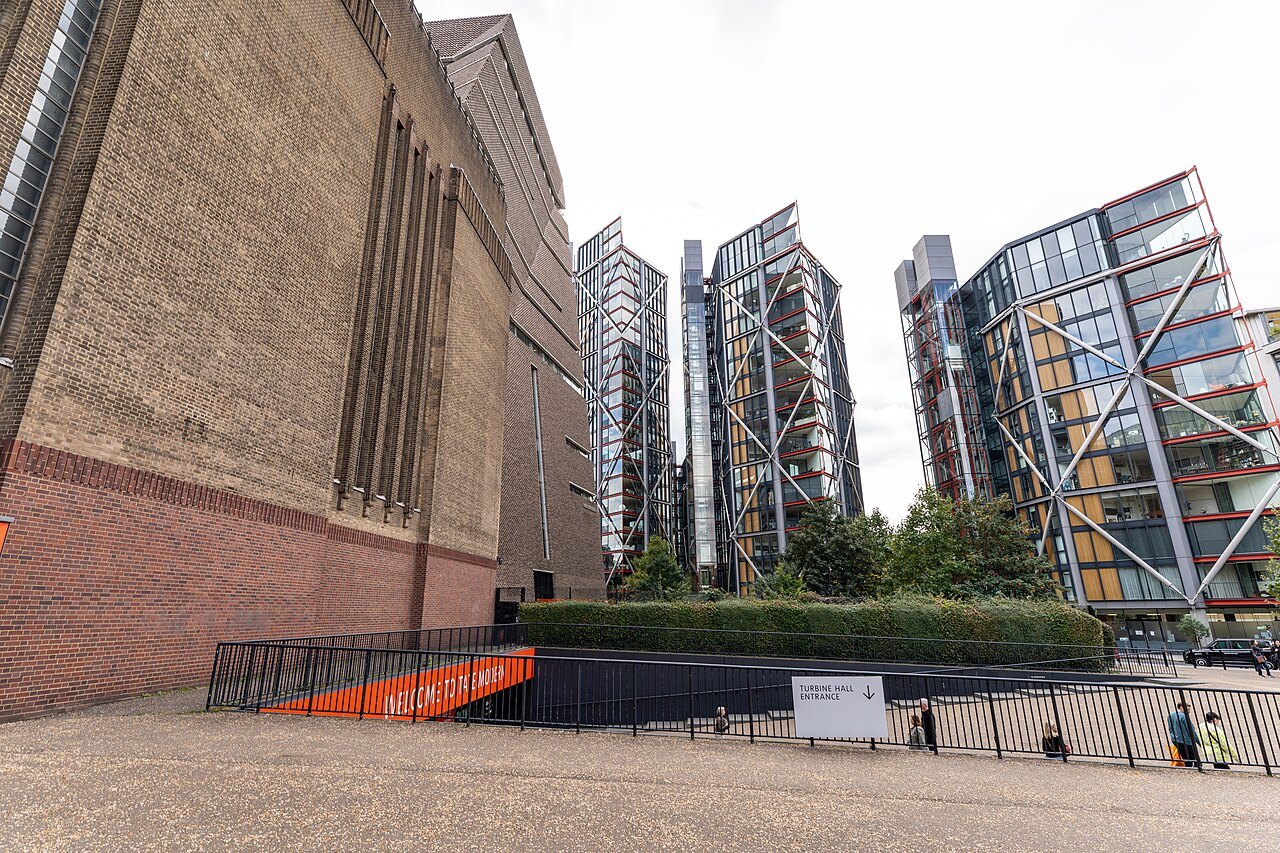
Walk east along the river to Tate Modern, in the former Bankside Power Station. Sir Giles Gilbert Scott designed the building, which was built between 1947 and 1963; the gallery opened there on 11 May 2000.
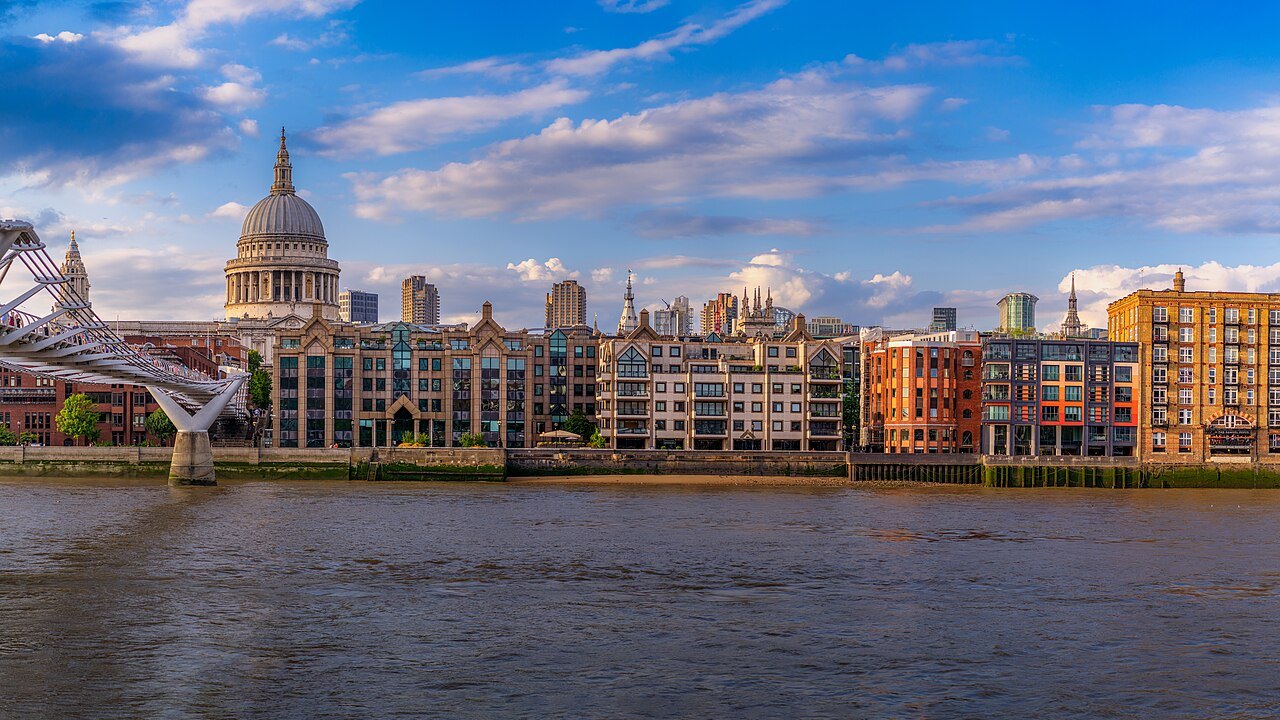
The dome across the footbridge
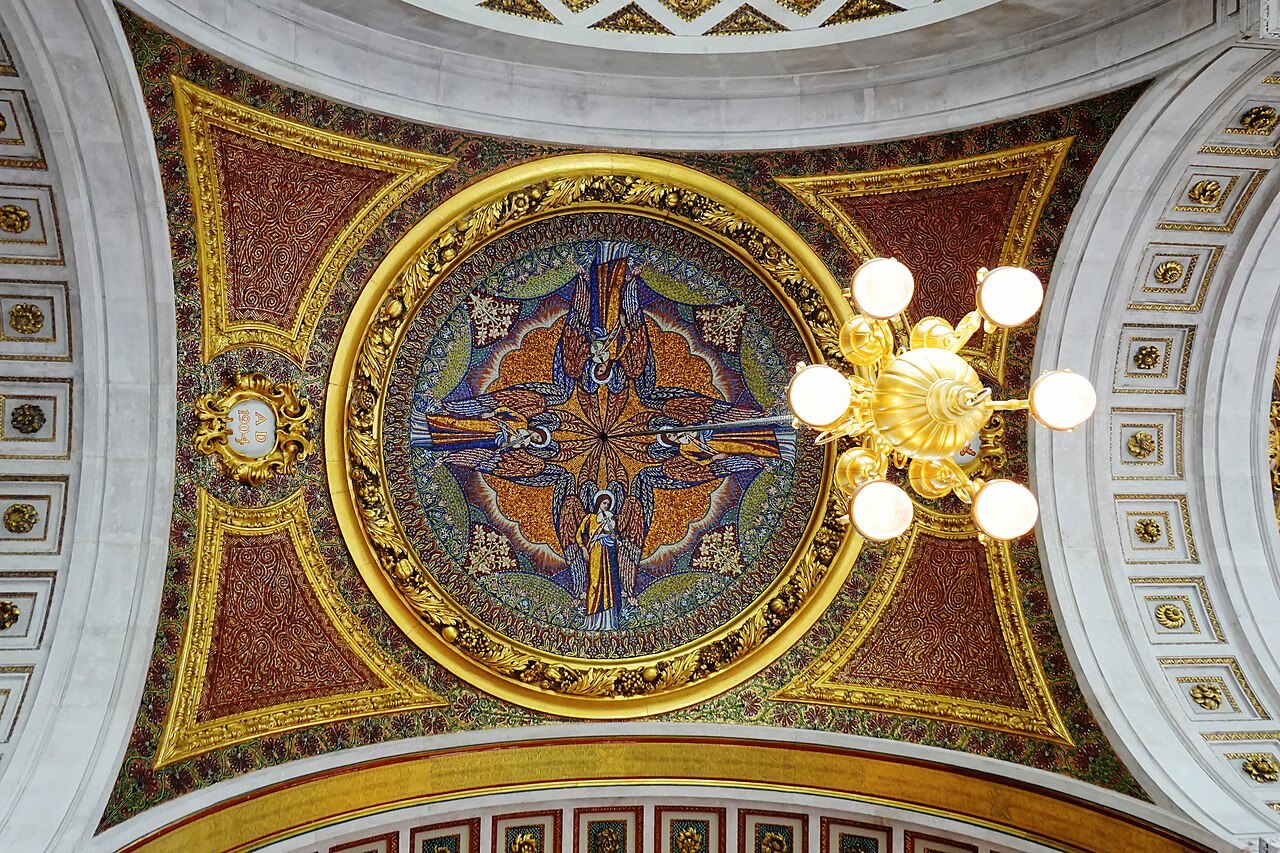
Cross the Millennium Bridge to St Paul's Cathedral, Wren's baroque church on Ludgate Hill, the highest point of the City. Its dome rises 365 feet, and no building in London was taller until 1963.
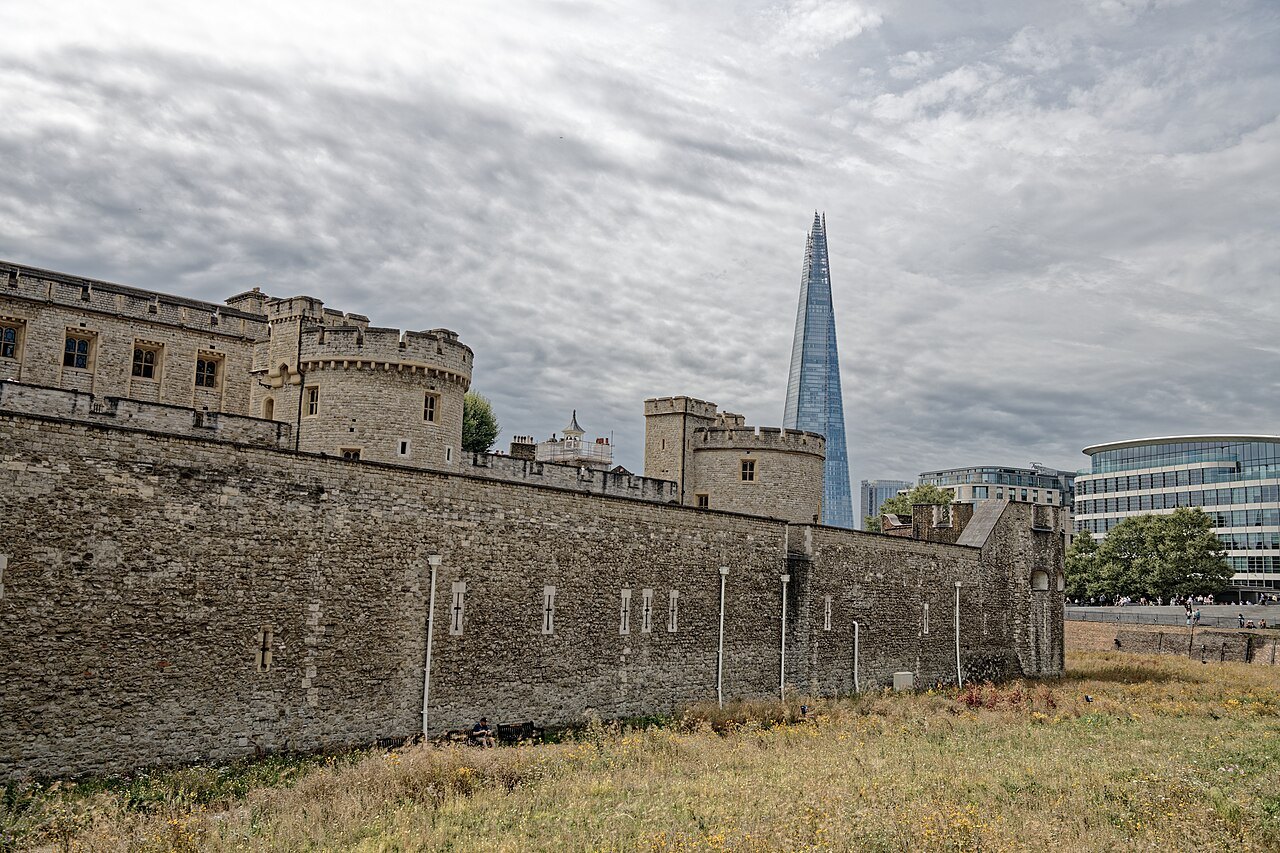
The fortress by the river
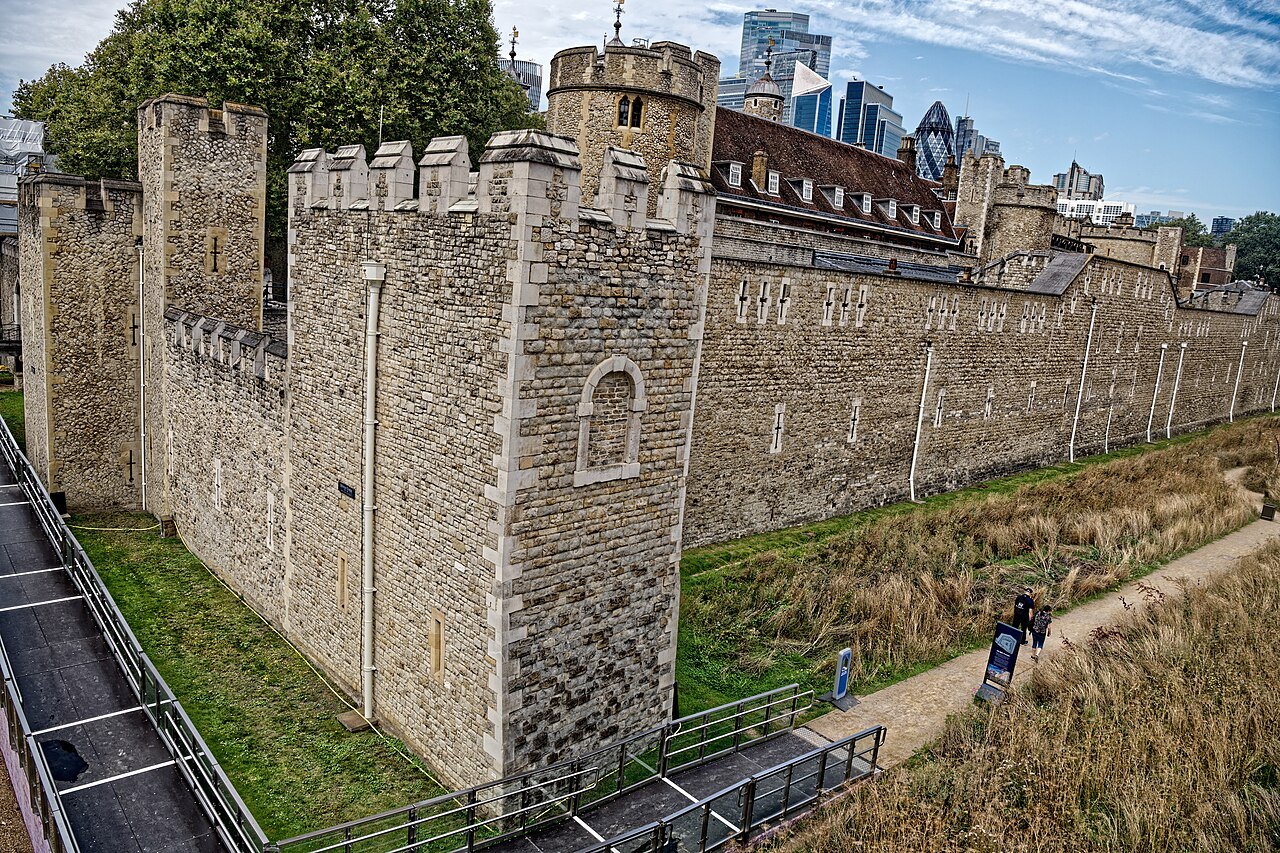
Continue east to the Tower of London, a complex of buildings inside two rings of walls and a moat. William the Conqueror's White Tower of 1078 gave the castle its name.
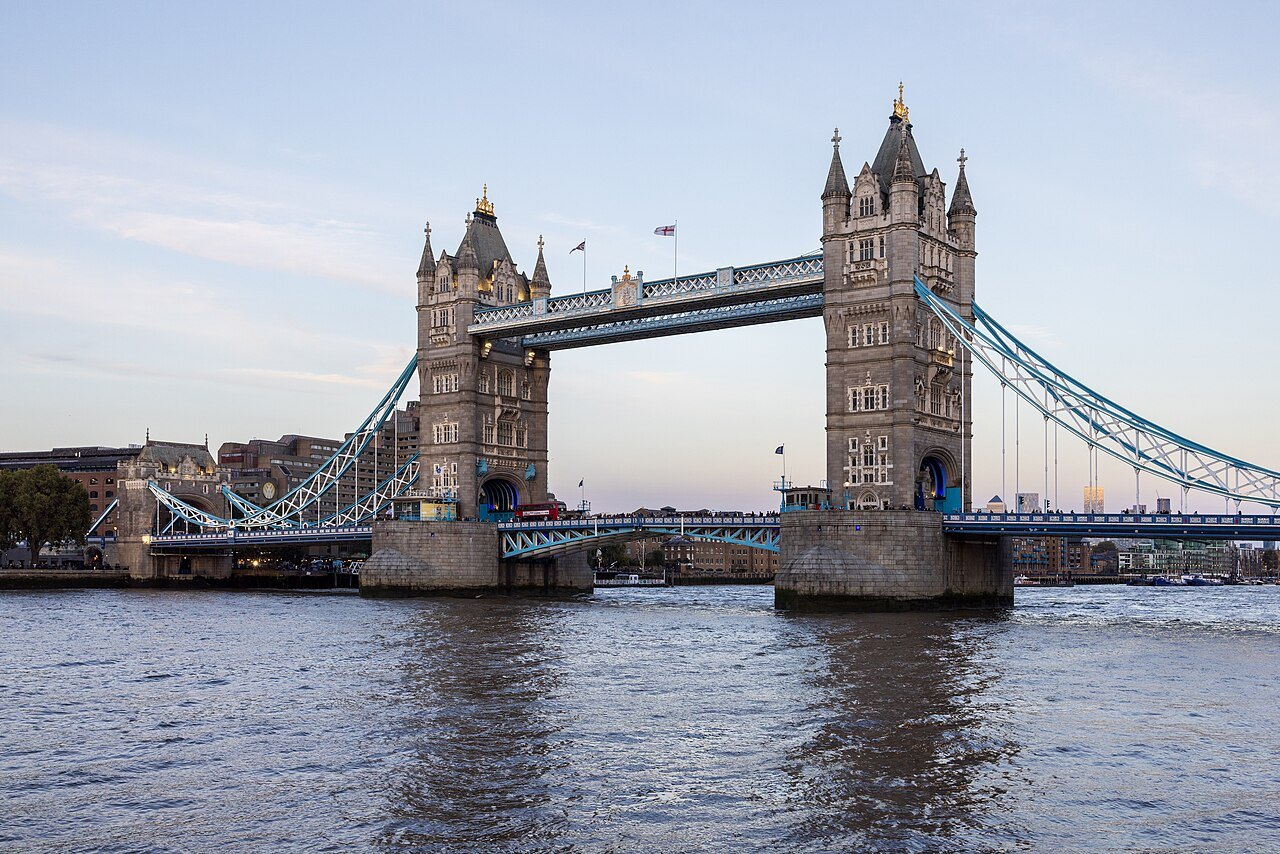
The bridge that opens
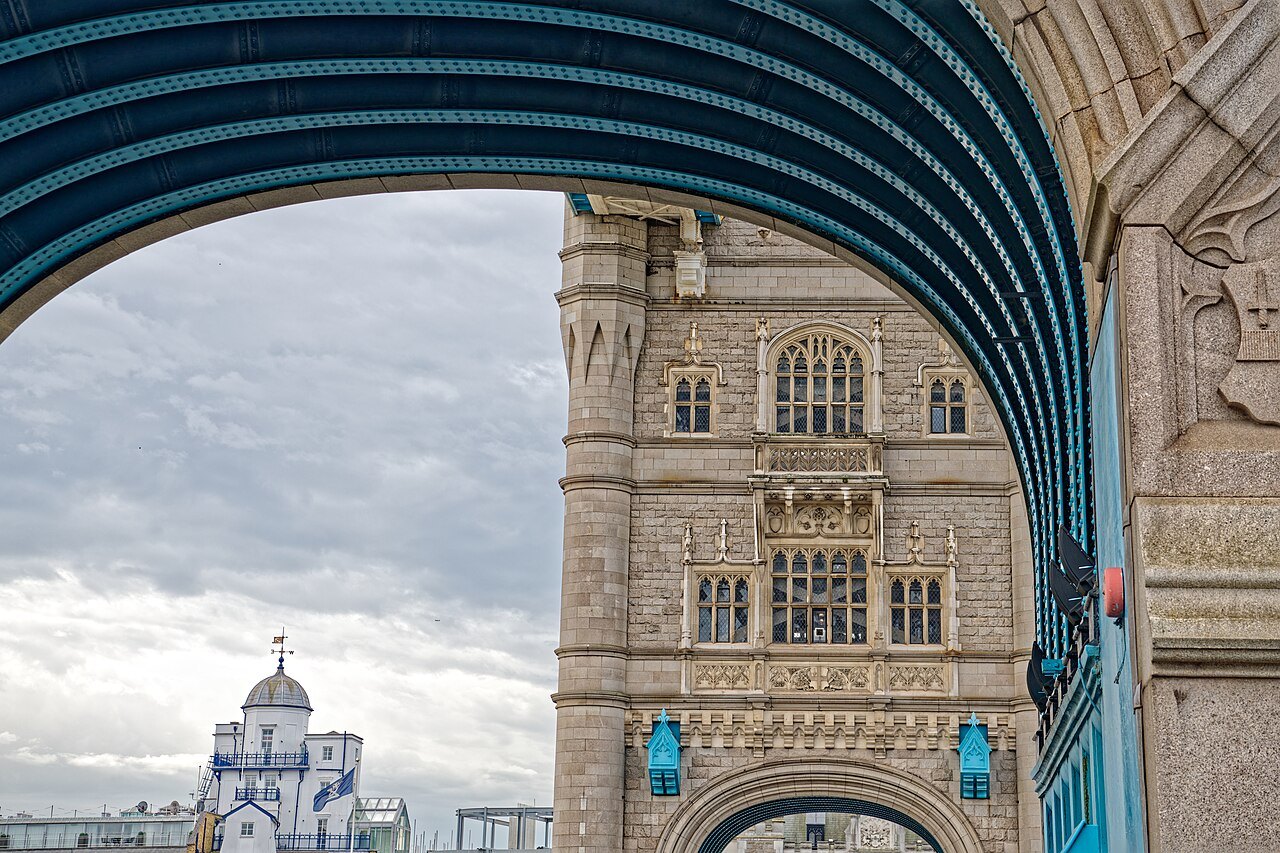
End at Tower Bridge, built between 1886 and 1894. Its two towers are joined by high walkways, and its central pair of bascules can open to let shipping through.
Three things to know first
Before you go
- ArrivingSeveral airports, and the trains from the continent.Heathrow is the busiest airport in Europe, and several independent airports serve London. Eurostar and Heathrow Express run on an open-access basis, and the Elizabeth line crosses the center.Getting here →
- The streetsThe oldest underground railway in the world.The Metropolitan Railway opened on 10 January 1863 as the world's first underground passenger railway. Transport for London now runs the Underground, the buses, the Docklands Light Railway, the Overground, the Elizabeth line and the river services.Getting around →
- The calendarRain in every month, snow on a few days.The climate is temperate and oceanic, with cool winters, warm summers and rainfall fairly evenly distributed through the year. Snow falls on an average of 16 days a year, though rarely heavily.When to come →
United Kingdom · England · Greater LondonMore than nine million peopleEnglish, and over 300 languages spokenPound sterlingFounded by the Romans around AD 4733 local authorities
The parts of this guide
Eleven parts and a journal
- 01
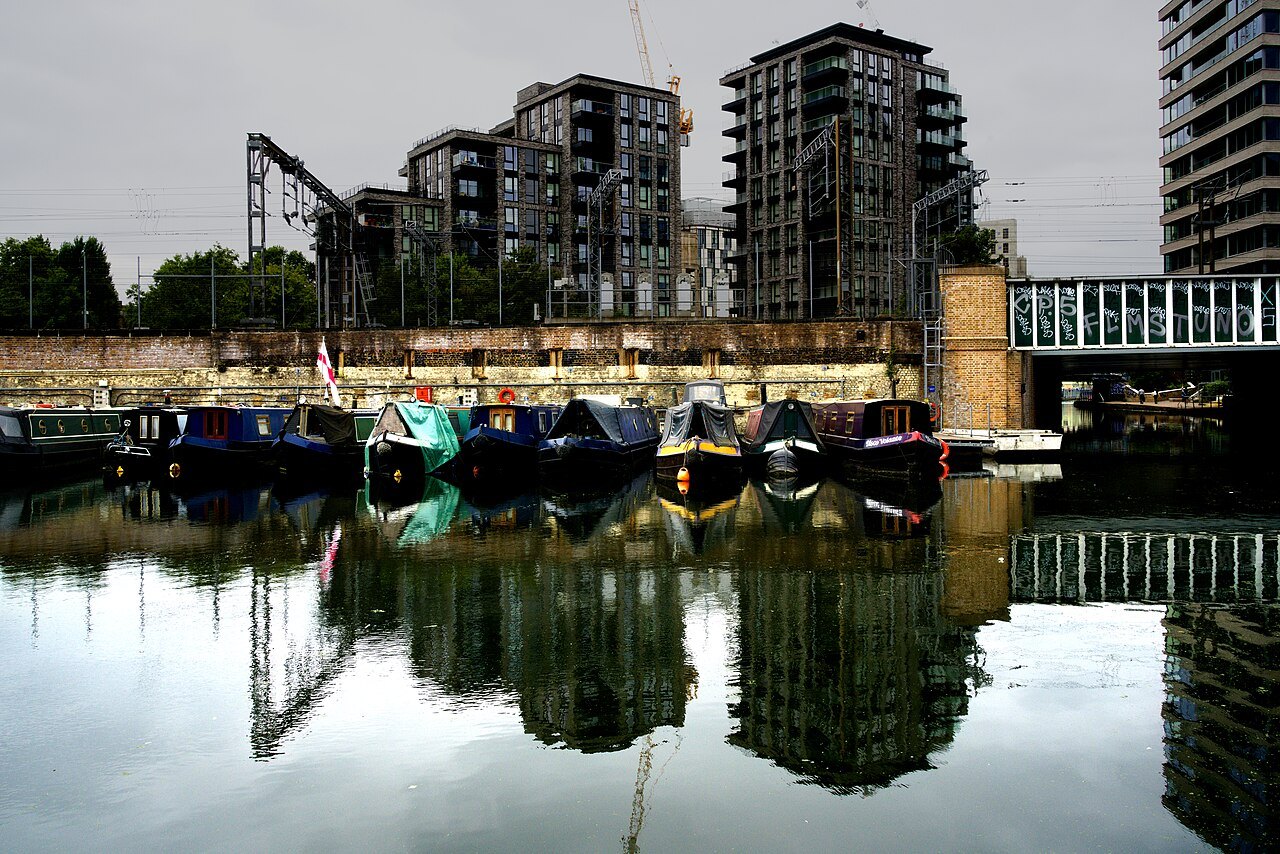 Twenty places, one page eachThe SightsFrom Westminster to the Tower, and out to Greenwich and Kew: what each one is, what you see there, and where it stands.
- 02
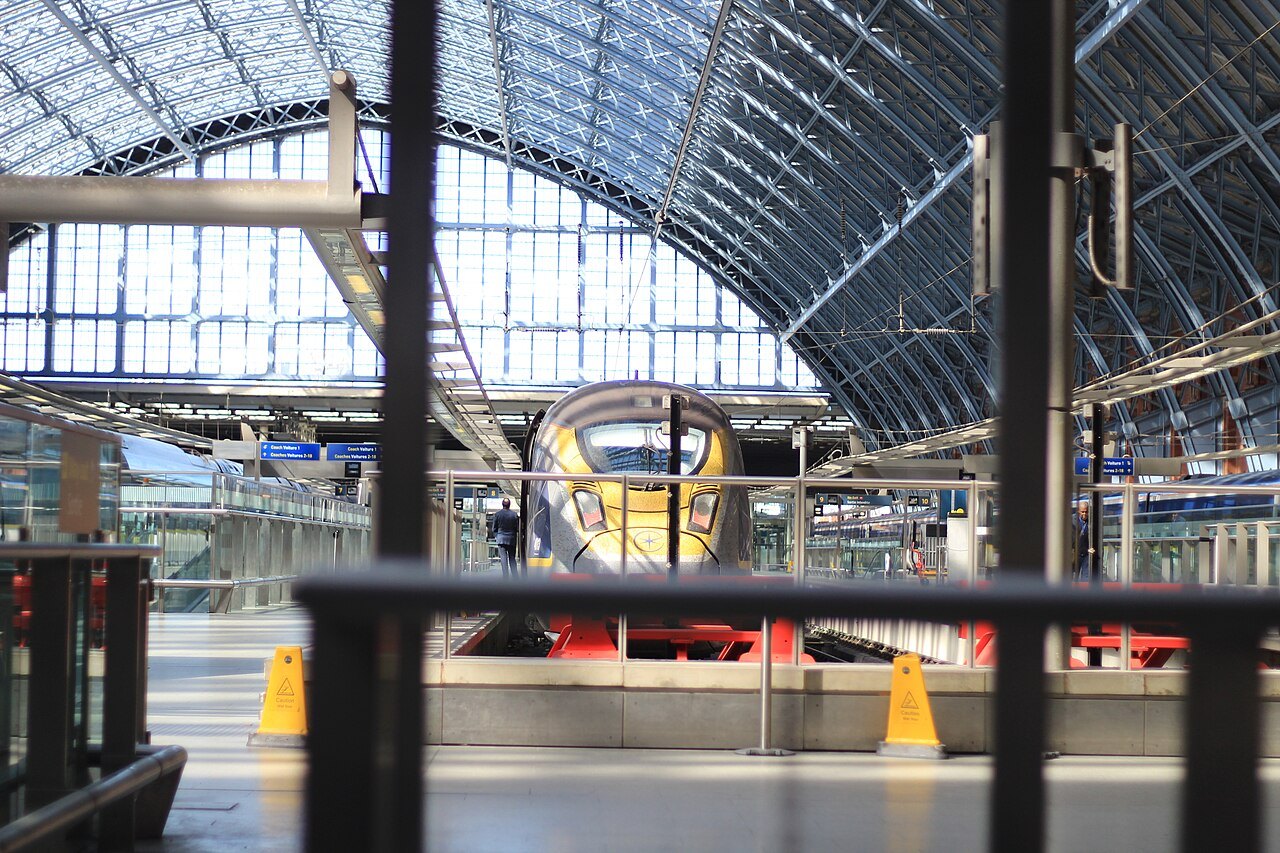 Five airports and the termini of the main linesGetting HereHeathrow, the busiest airport in Europe, and the other airports that serve London, the Elizabeth line and the railway termini — which to use and how each reaches the center.
- 03
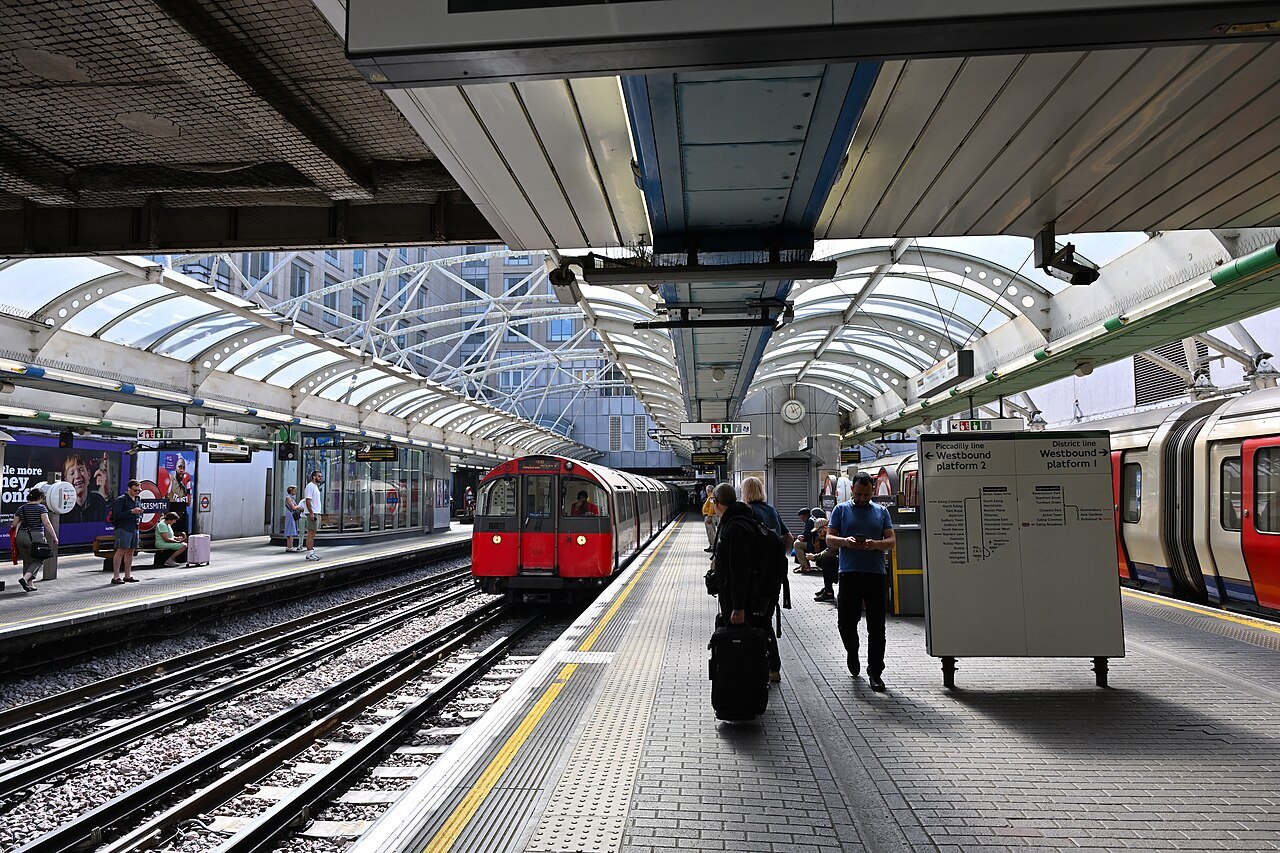 The Underground, buses, boats and your own feetGetting AroundThe world's oldest rapid transit system, the Elizabeth line, the Overground and the Docklands Light Railway, buses, river services and the walks that join the sights.
- 04
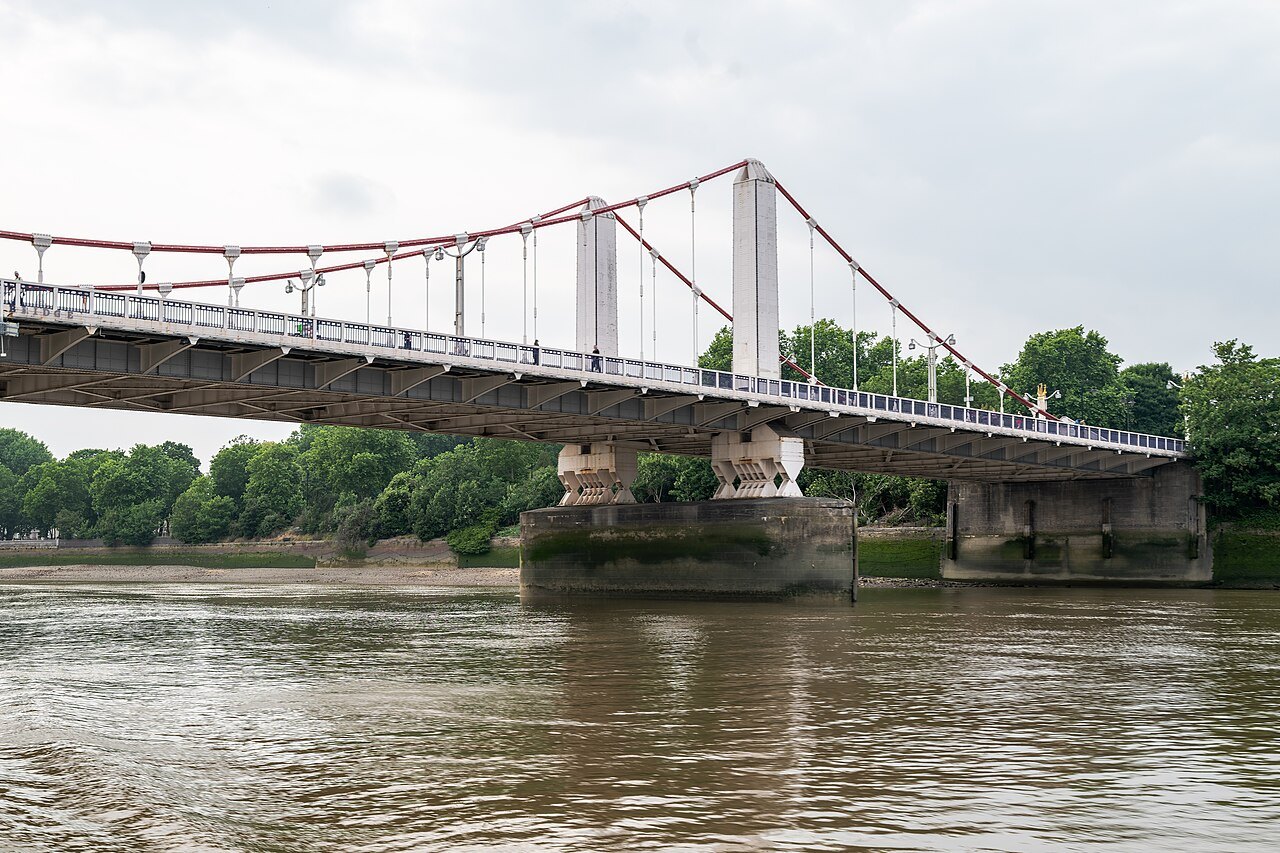 A tidal river through the whole cityThe ThamesThe Tideway that rises and falls with the sea, the bridges and the barrier, and how to see the city from the water and from its banks.
- 05
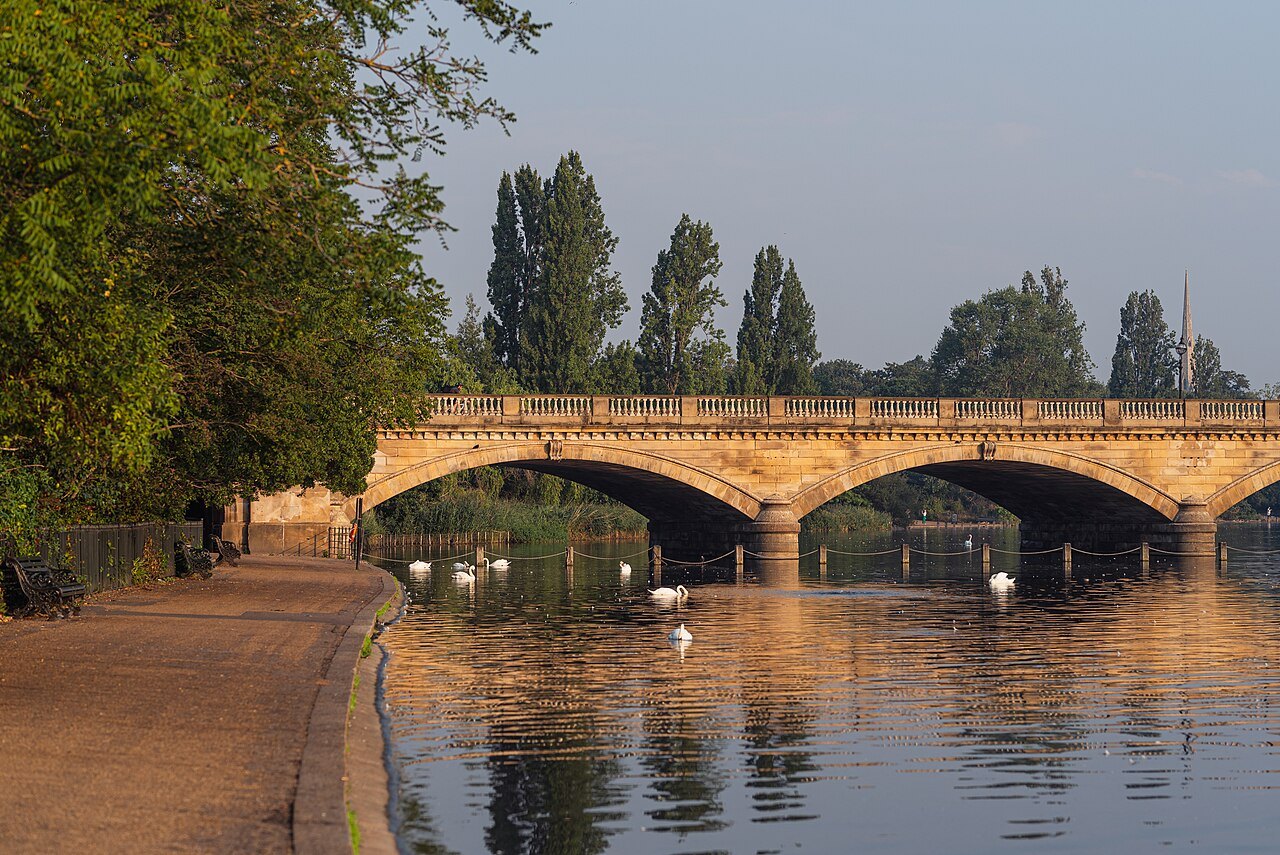 A chain of royal parks across the centerThe ParksHyde Park, Kensington Gardens, Green Park and St James's Park, Regent's Park, Greenwich and Richmond — what each park is and how they link.
- 06
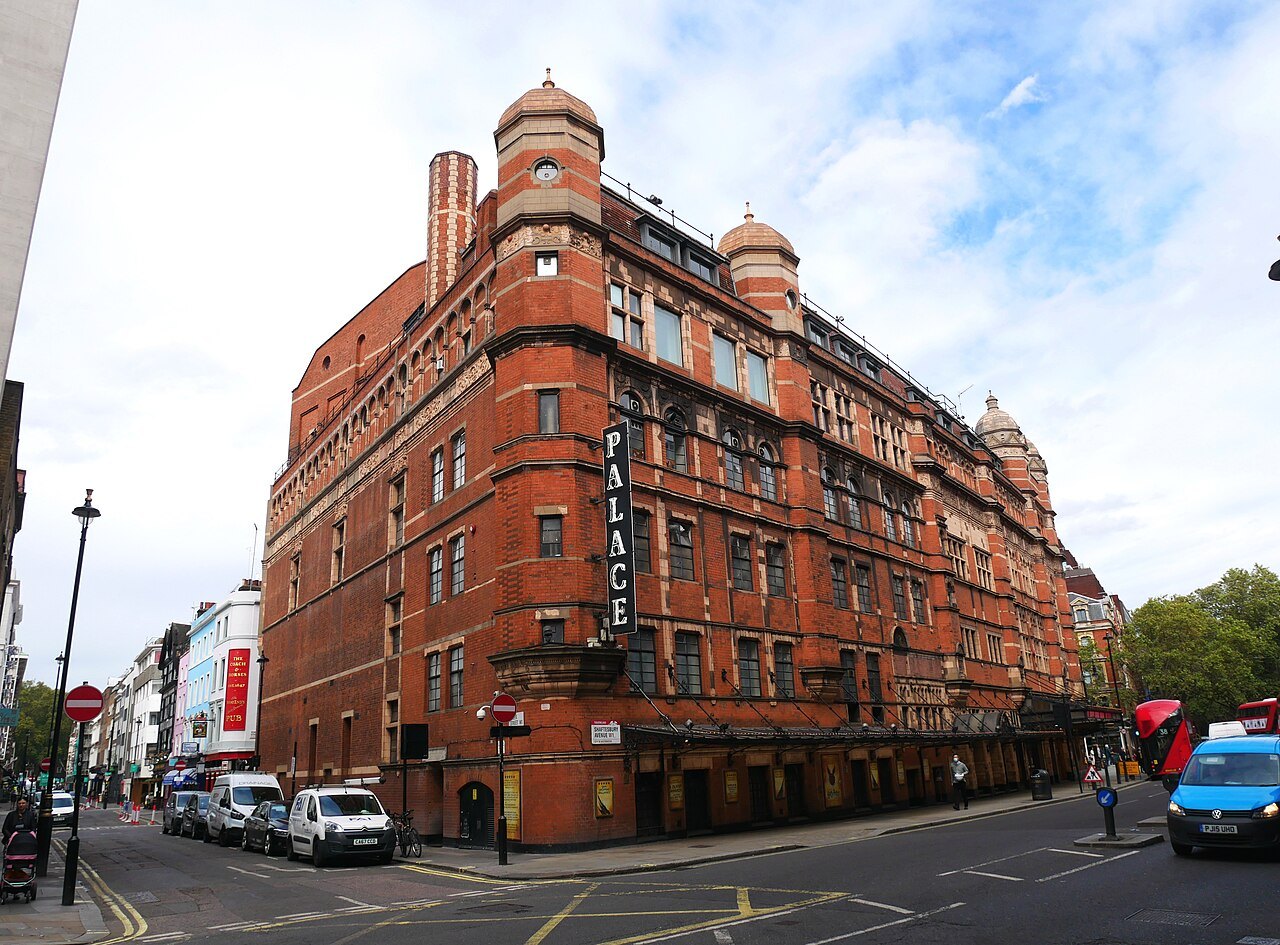 A palace, a tower and a theatre seasonBooking AheadWhat genuinely needs a ticket in advance — palaces, the Tower, timed galleries and West End theatres — and what never does.
- 07
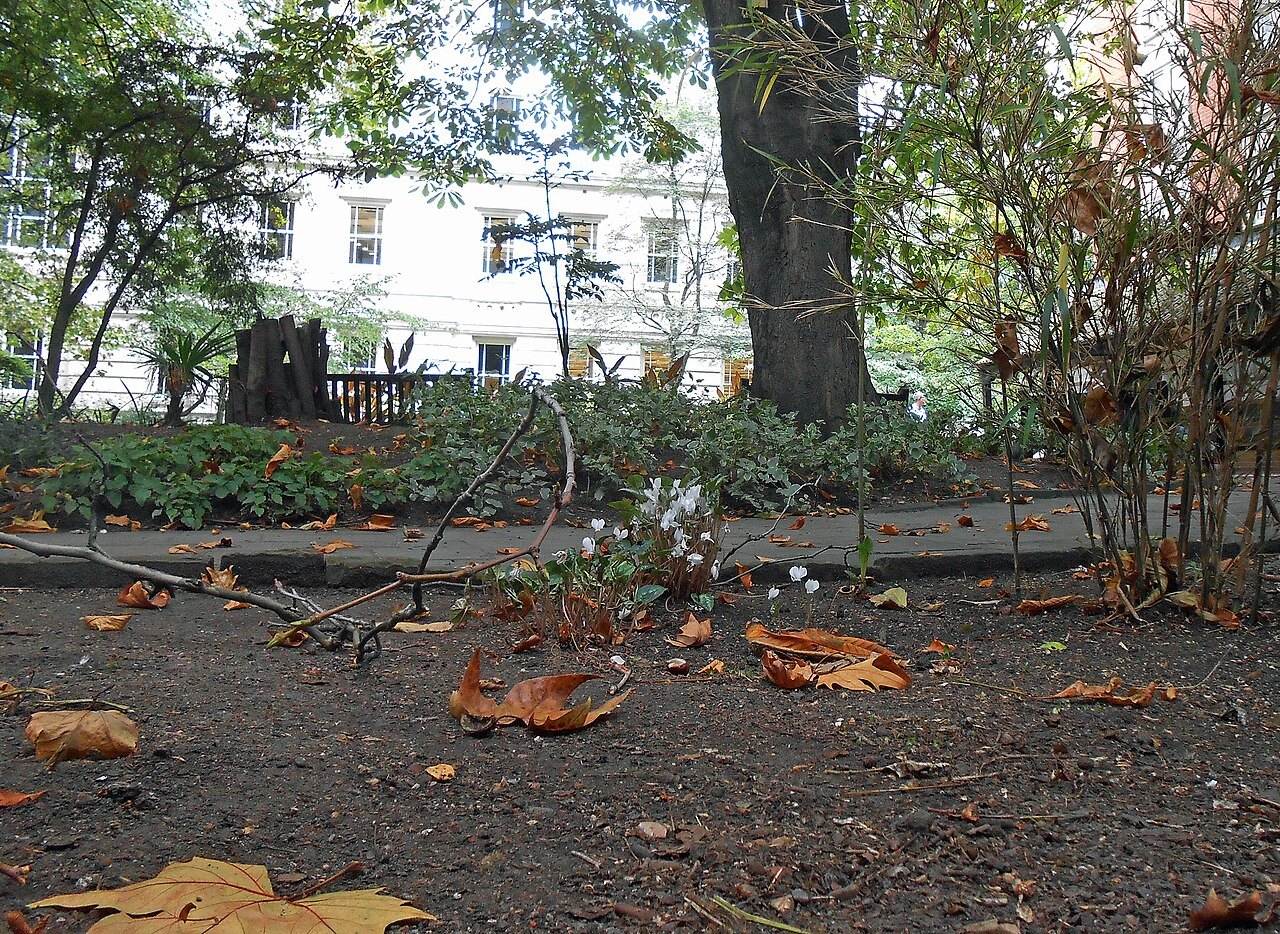 A temperate climate with rain in every monthWhen to ComeA temperate oceanic climate, cool winters, warm summers and rain spread through the year — season by season, with the events and the quieter weeks.
- 08
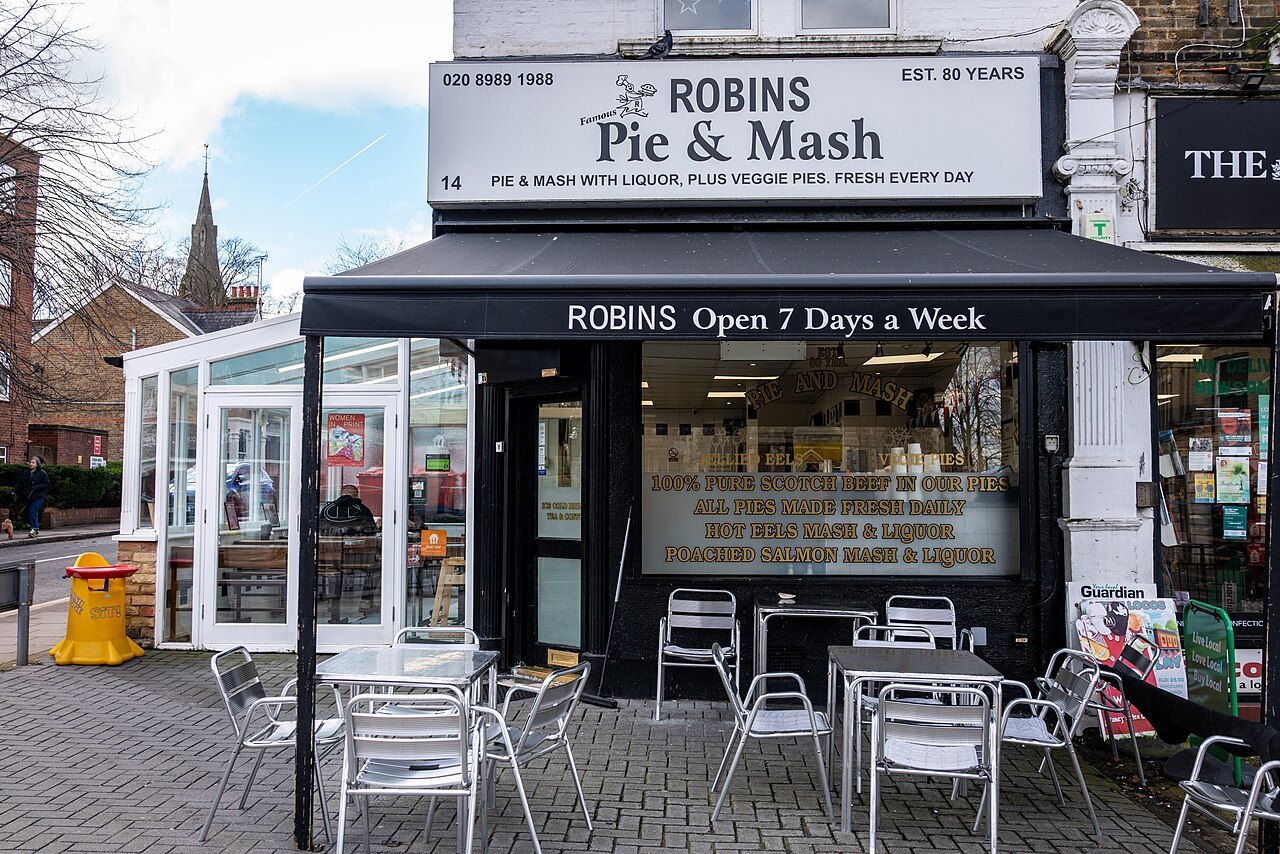 Pies, markets, pubs and curryEating & DrinkingThe city's own plates and how Londoners eat — a market on the south bank, a pie-and-mash shop, a pub's Sunday lunch and afternoon tea.
- 09
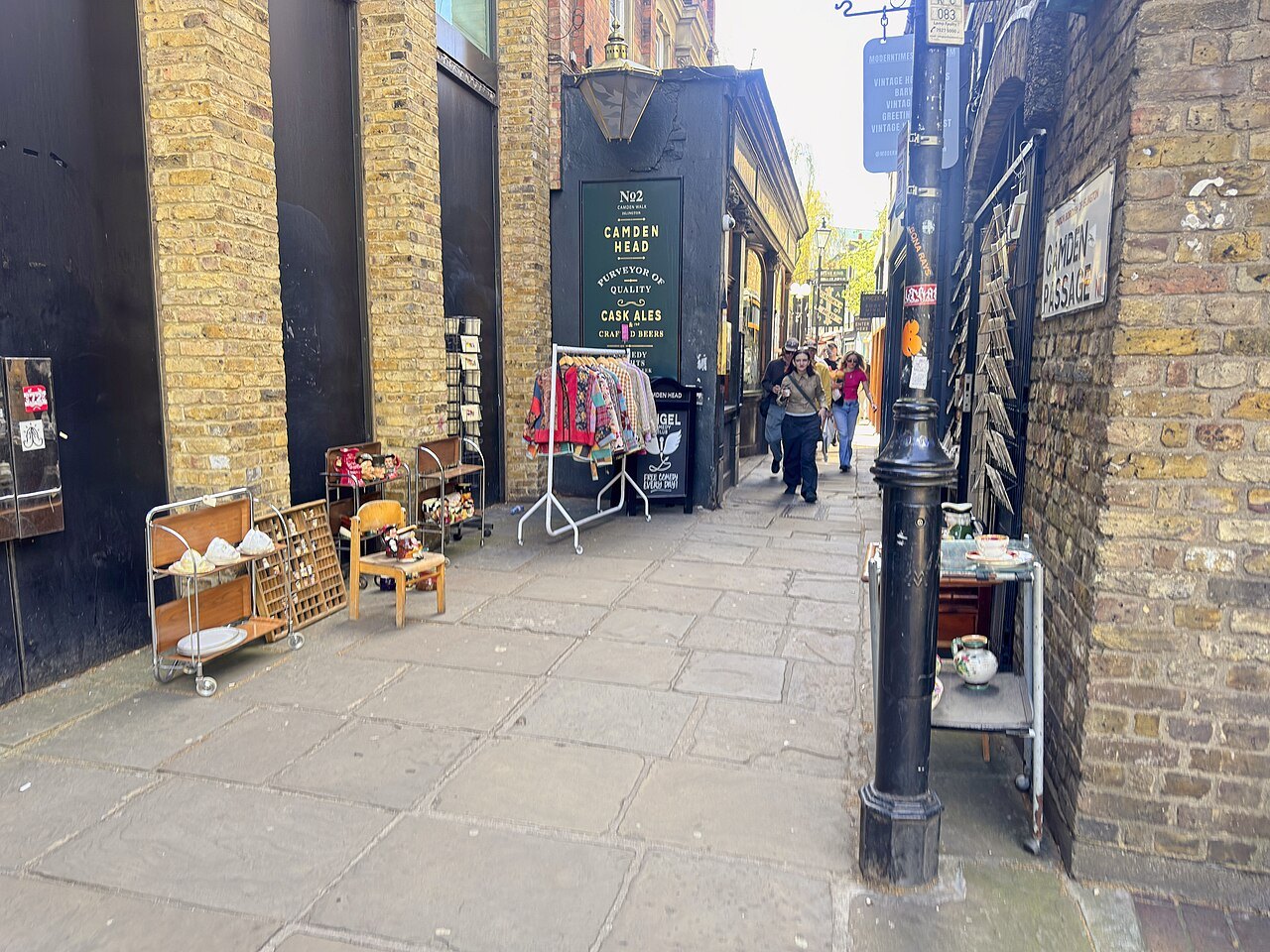 Westminster, the City, the south bank and beyondWhere to StayWestminster and the West End, the City, Bloomsbury, South Kensington, the south bank and the east — who each suits and how far it is from the sights, drawn on a map.
- 10
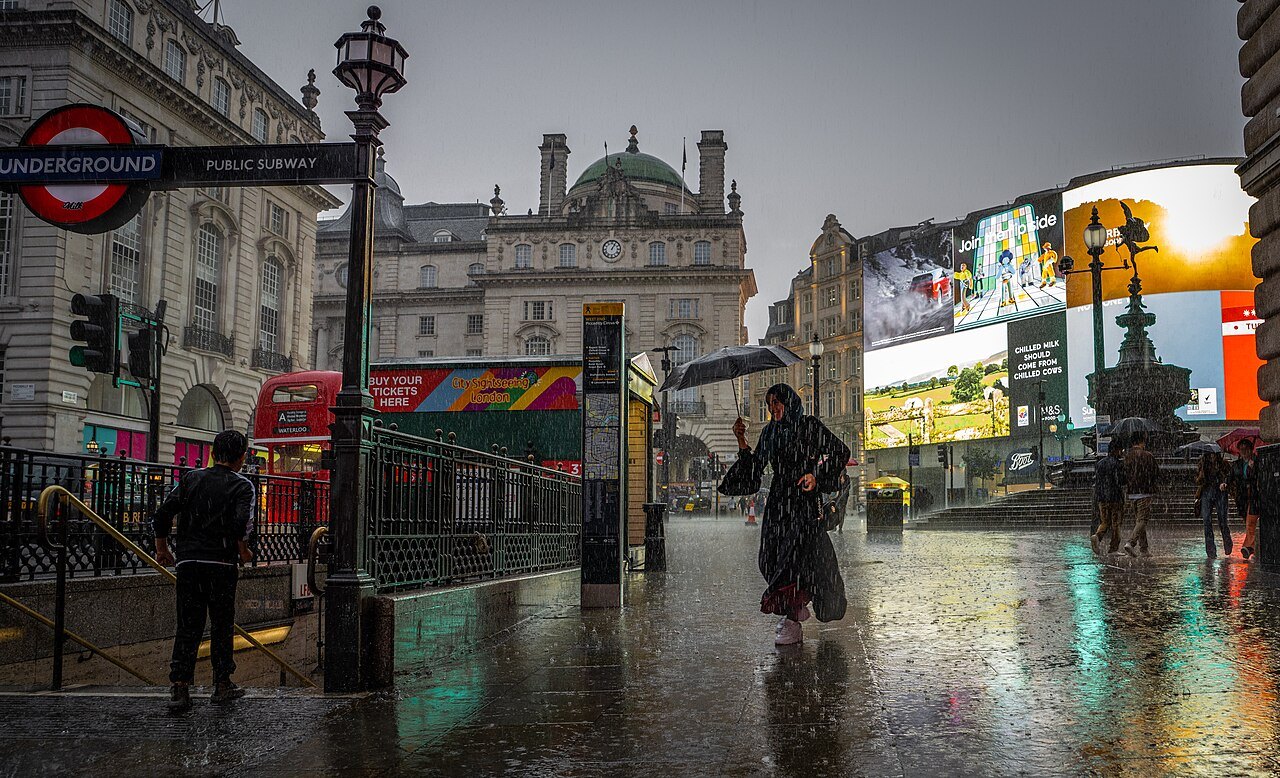 One day, two, three, fiveItinerariesRoutes by the length of your stay, built around the river, the museums and the parks.
- 11
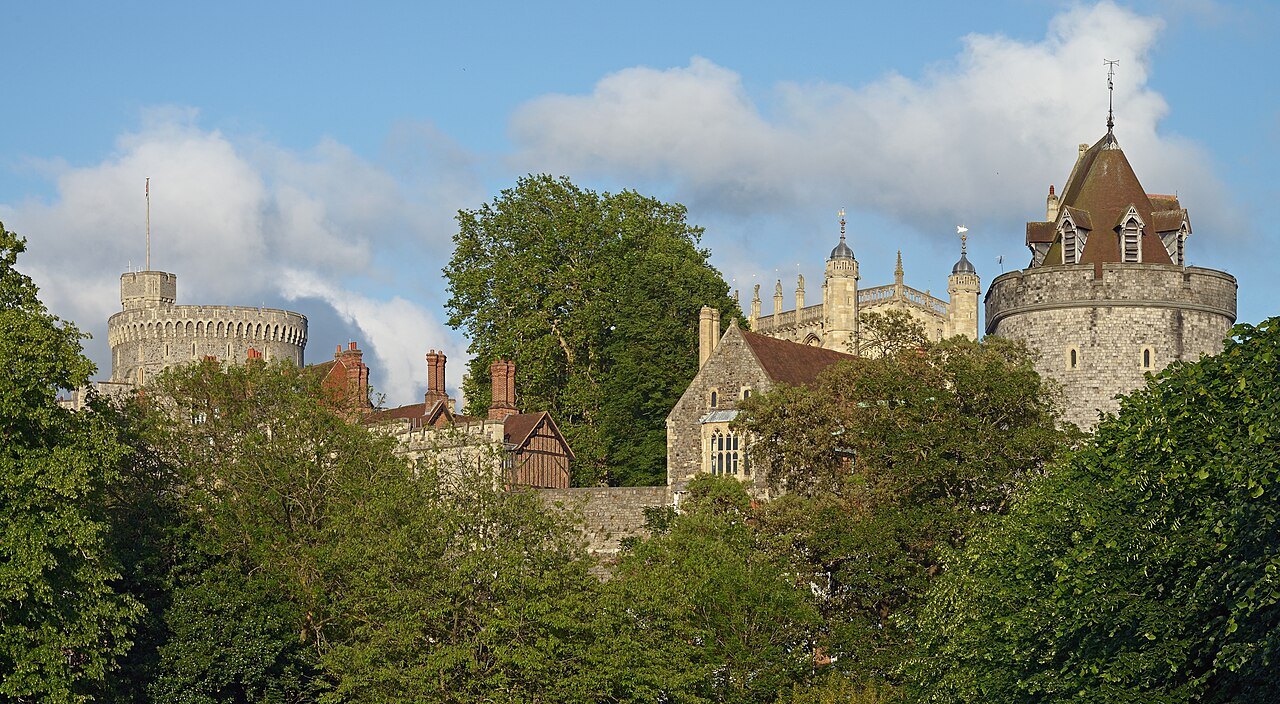 Windsor, Oxford, Cambridge, Stonehenge, Bath and BrightonDay TripsThe castle at Windsor, the two university cities, the stones of Salisbury Plain, the Roman baths and the seaside — each a train, a coach or a drive away.
- 12
 Questions answered at lengthThe JournalVisitor questions about London, answered in full, with new pieces as they are written.
All twenty sights
Grouped by where they stand: Westminster first, then the museums, the south bank, the City and the Tower, and the two ends of the river.
Westminster
Where the country is governed, beside the river
Bloomsbury and the West End
The great museum and the old market square
The south bank
Bankside, the market and the wheel, facing the City across the water
The City and the Tower
The Roman city's boundaries, Wren's dome and the fortress downstream
South Kensington and the royal park
Three museums on one road, and a park of 350 acres
Up and down the river
The Prime Meridian to the east, a botanic garden to the west