The Shard
What you are looking at
Southwark · south bank
- 1The pyramidA glass-clad spire of 95 storeys, rising from the bank beside London Bridge station.
- 2The View from The ShardA viewing gallery and open-air deck on the 72nd floor, about 801 feet up.
- 3Renzo Piano's designAn Italian architect's spire-like sculpture, sketched on a restaurant menu.
- 4The mixed usesOffices, a hotel, restaurants and homes in one tower.
- 5London BridgeThe station, the market and the cathedral at its foot.
Reading the place
The sight in full
What it is
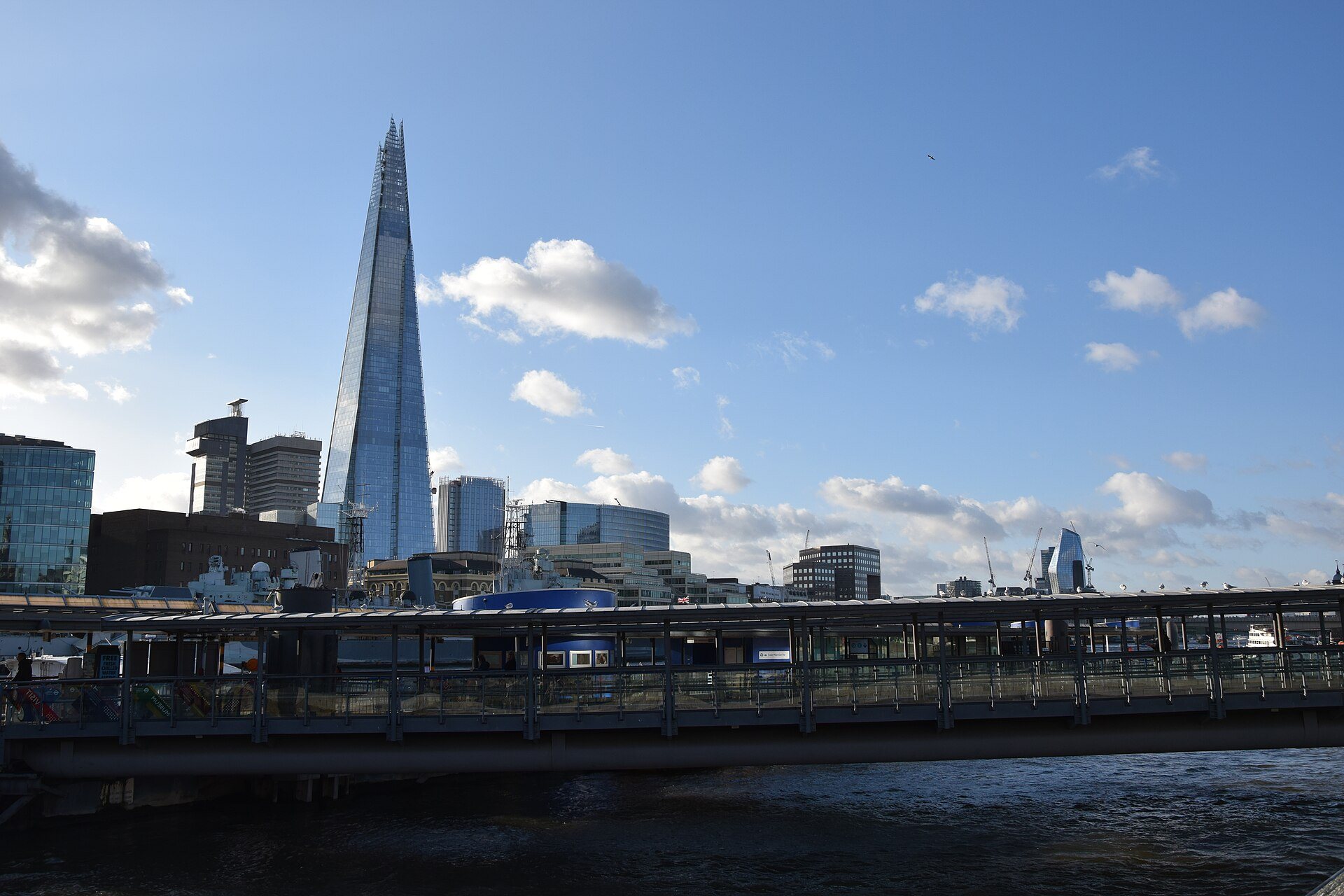
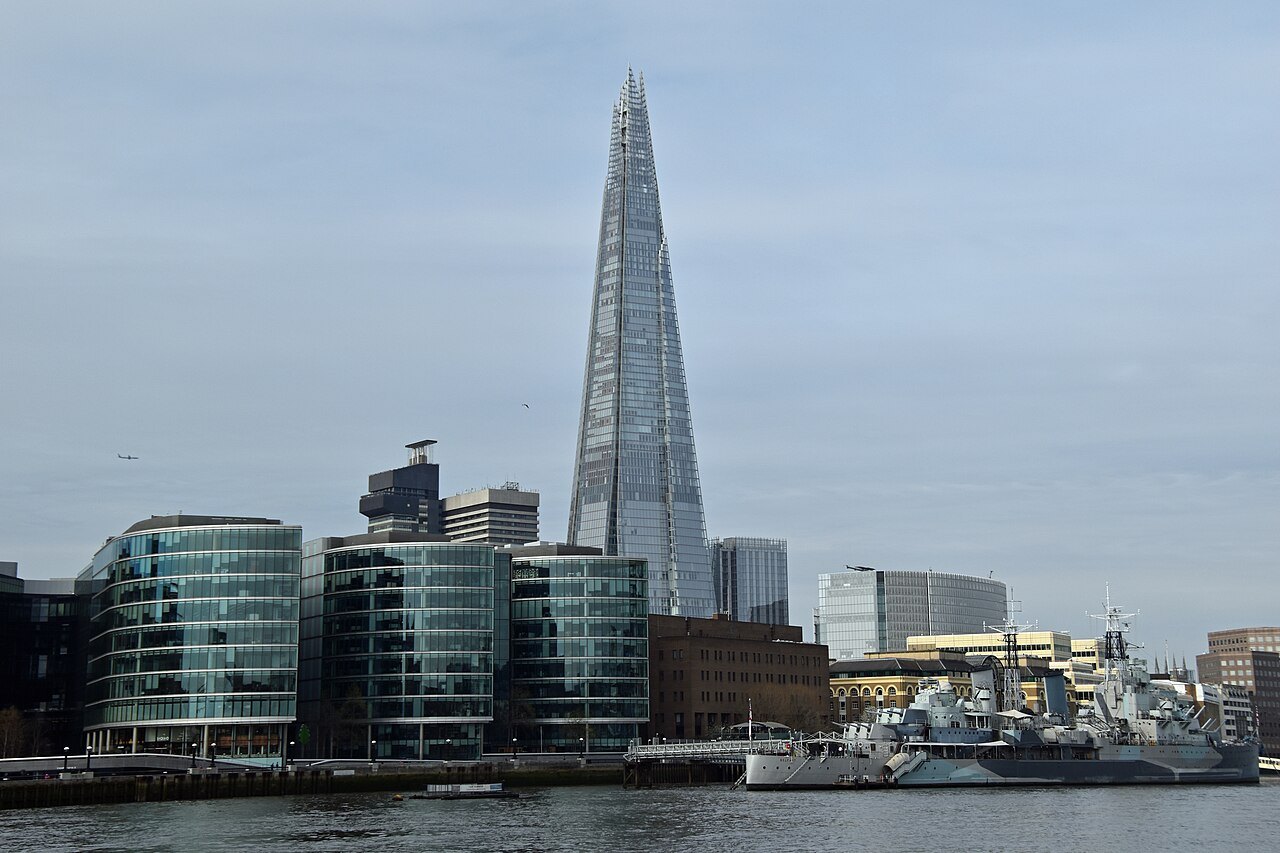
The Shard, also known as the Shard London Bridge, is a 95-storey pyramid-shaped skyscraper in Southwark designed by the Italian architect Renzo Piano. At 1,016 feet it is the tallest building in the United Kingdom. It is a mixed-use building, with offices, restaurants, a hotel and apartments, and a public viewing gallery near the top. It stands beside London Bridge station on the south bank of the Thames.
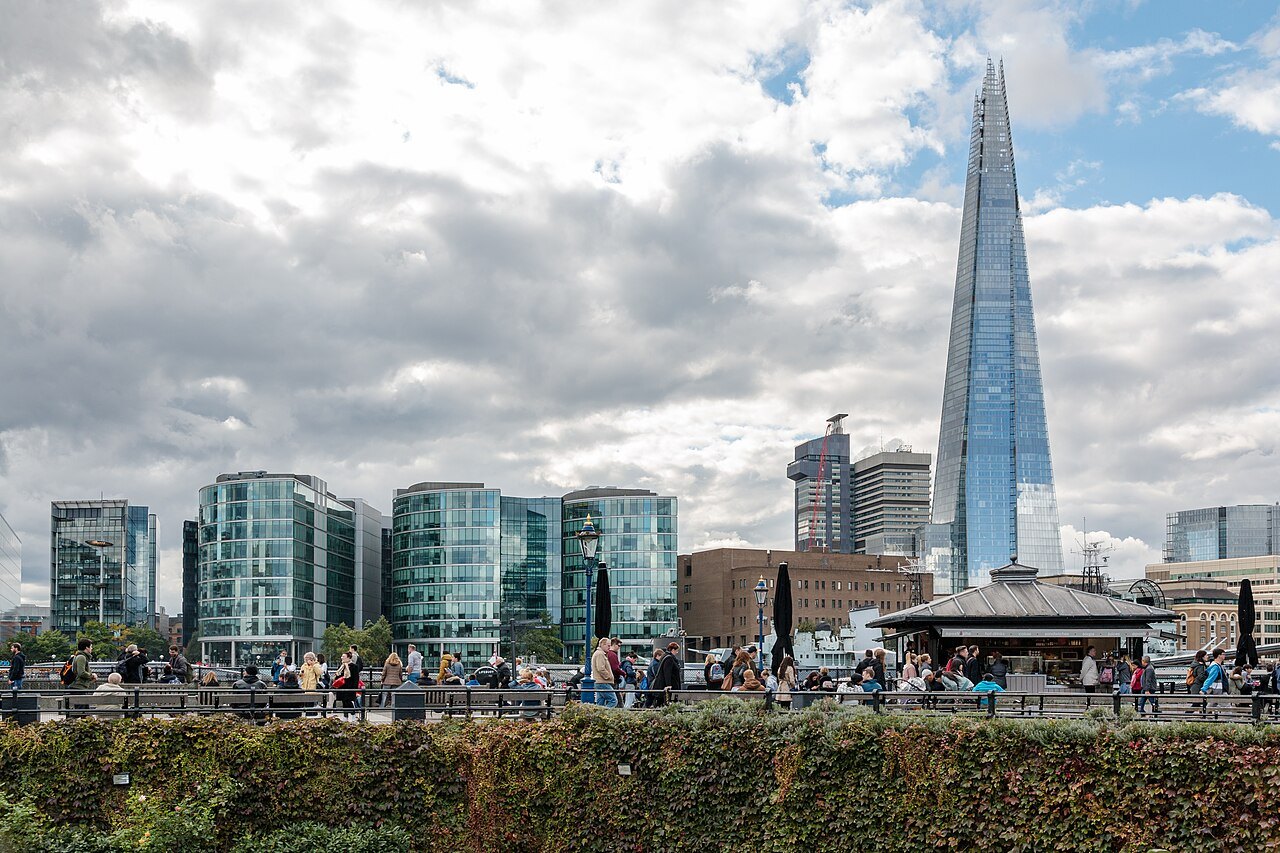
The tower replaced Southwark Towers, a 24-storey office block of 1975, and it is one of the few buildings in London you can see from almost every part of the city. Its facets of glass change colour with the weather, from pale grey to blue to a glow at sunset.
How it came about
In 1998 the entrepreneur Irvine Sellar and his partners decided to redevelop Southwark Towers, following a government paper that encouraged tall buildings at major transport hubs. In the spring of 2000 Sellar met Renzo Piano in Berlin. Piano spoke about his contempt for conventional tall buildings and, on the back of the restaurant menu, sketched a spire-like sculpture rising from the Thames.
The plan was opposed by the government's design advisers and by several heritage bodies, and a planning inquiry was held in 2003. Consent was approved in November 2003 on the grounds that the design was of the highest architectural quality, because only a skyscraper of exceptional design could be acceptable. Demolition began in 2007, and the financial crisis nearly stopped the project before funding from Qatari investors secured it.
Building the tower
Construction began in March 2009. The tower was topped out on 30 March 2012 and inaugurated on 5 July 2012, with practical completion in November that year. The View from The Shard opened to the public on 1 February 2013.
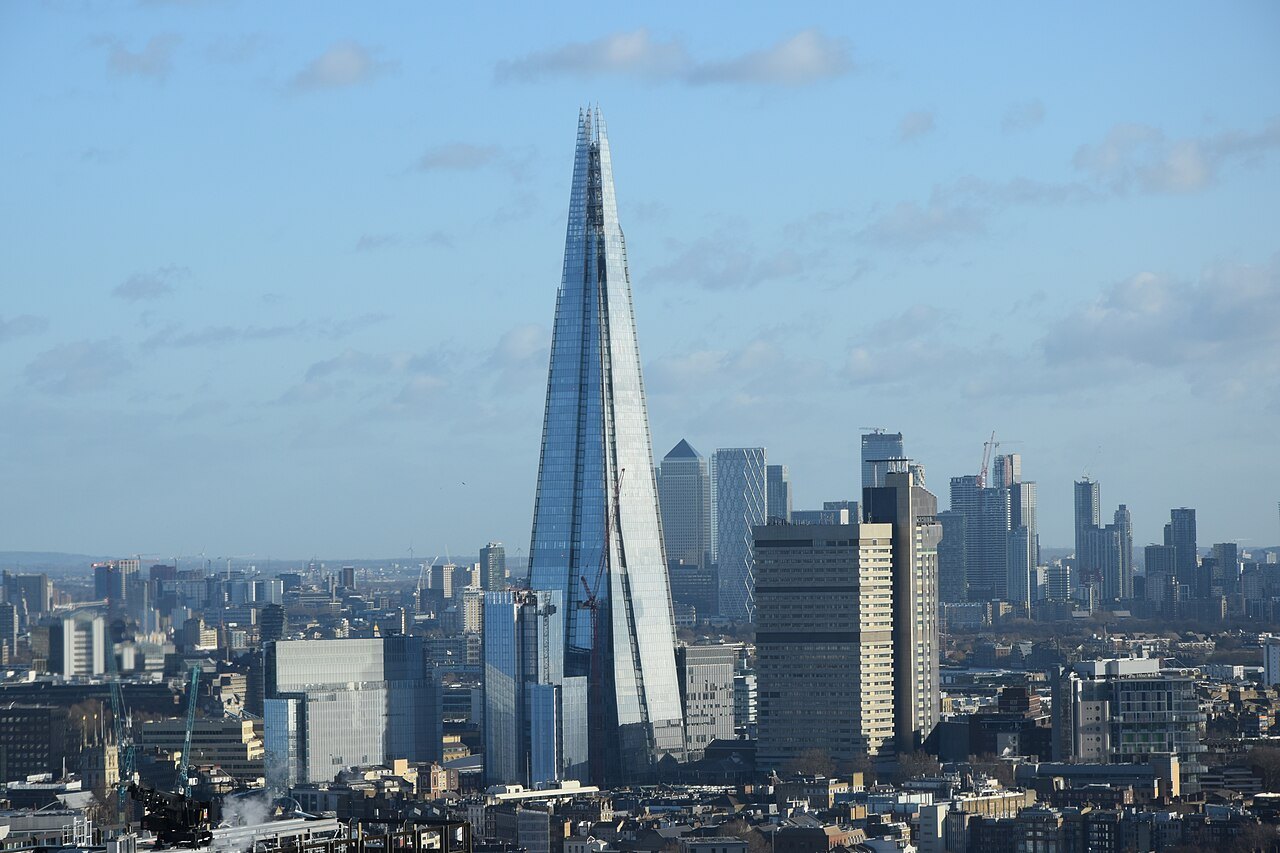
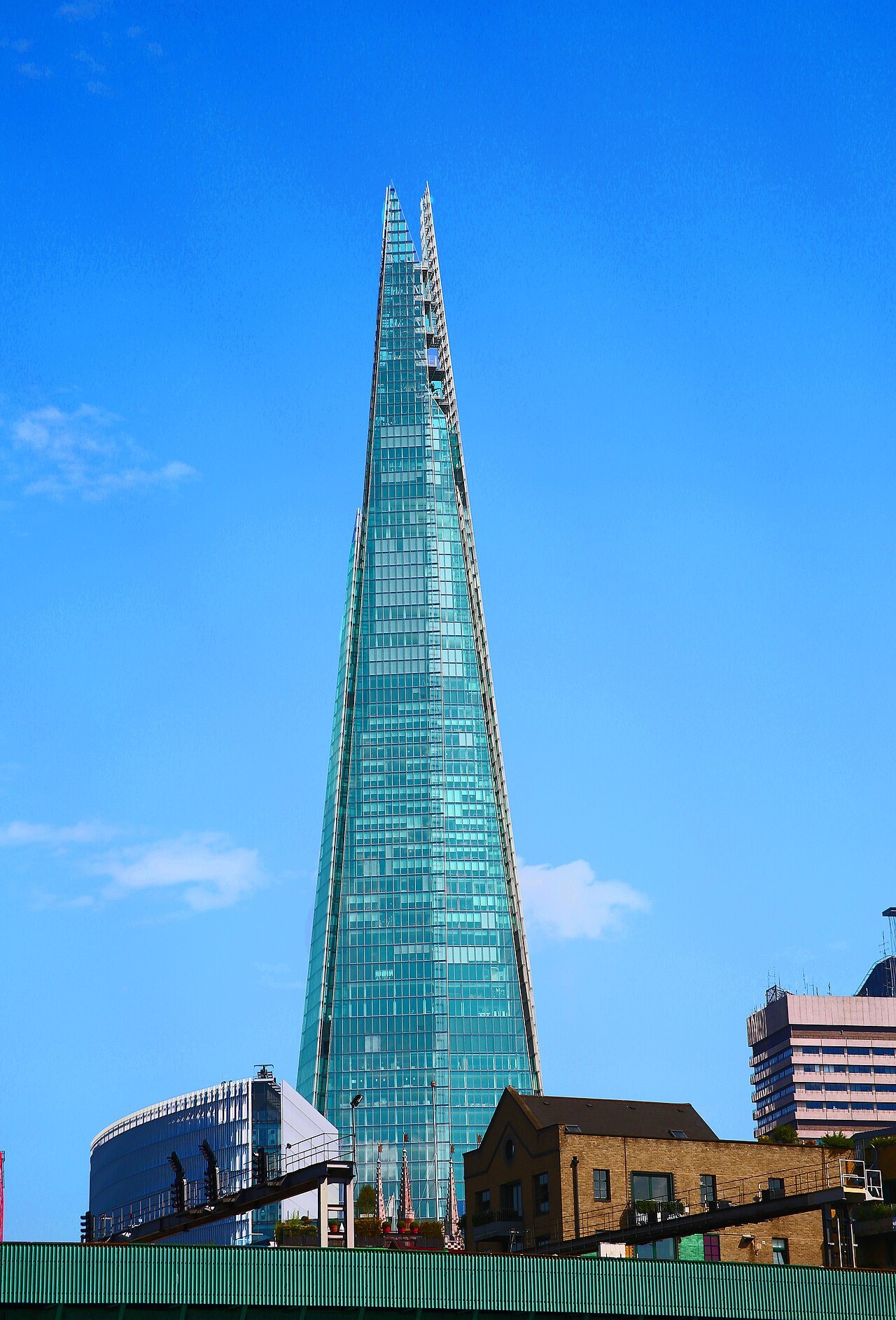
Piano designed the tower as a spire, a form that recalls the church steeples of historic London and the masts of ships on the Thames, and he gave it a sloping skin of glass that splits into shards at the top. The glass facades are made of low-iron glass, which reflects the sky, and they have blinds that respond to the sun.
The View from The Shard
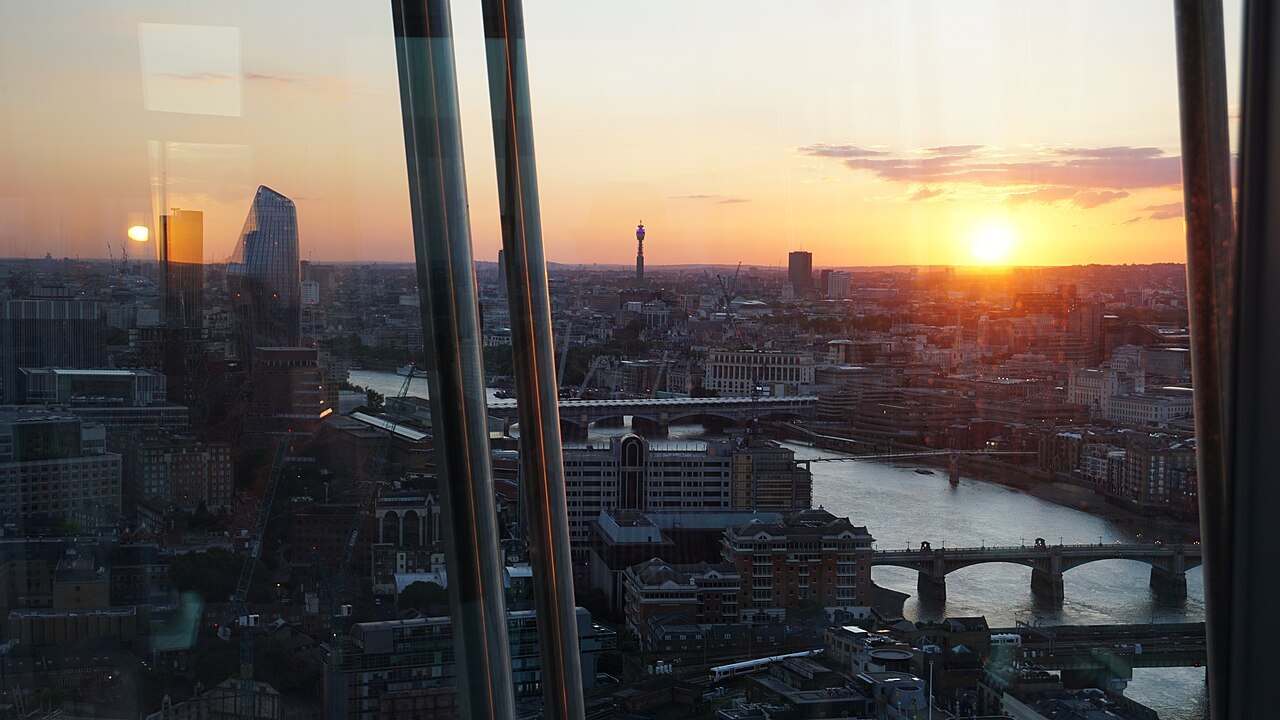
The public viewing gallery on the 72nd floor stands at about 801 feet, with an open-air deck above it. It opened in 2013 and surpassed the London Eye as the highest public viewing point in London. From here you see the whole city, from the bends of the Thames to the towers of the City and Canary Wharf to the green edges of the suburbs.
Visibility depends on the weather and the light, and the gallery is best chosen for a clear day. Tickets are timed, and the best approach to booking is explained in Booking Ahead.
Why London argued about it
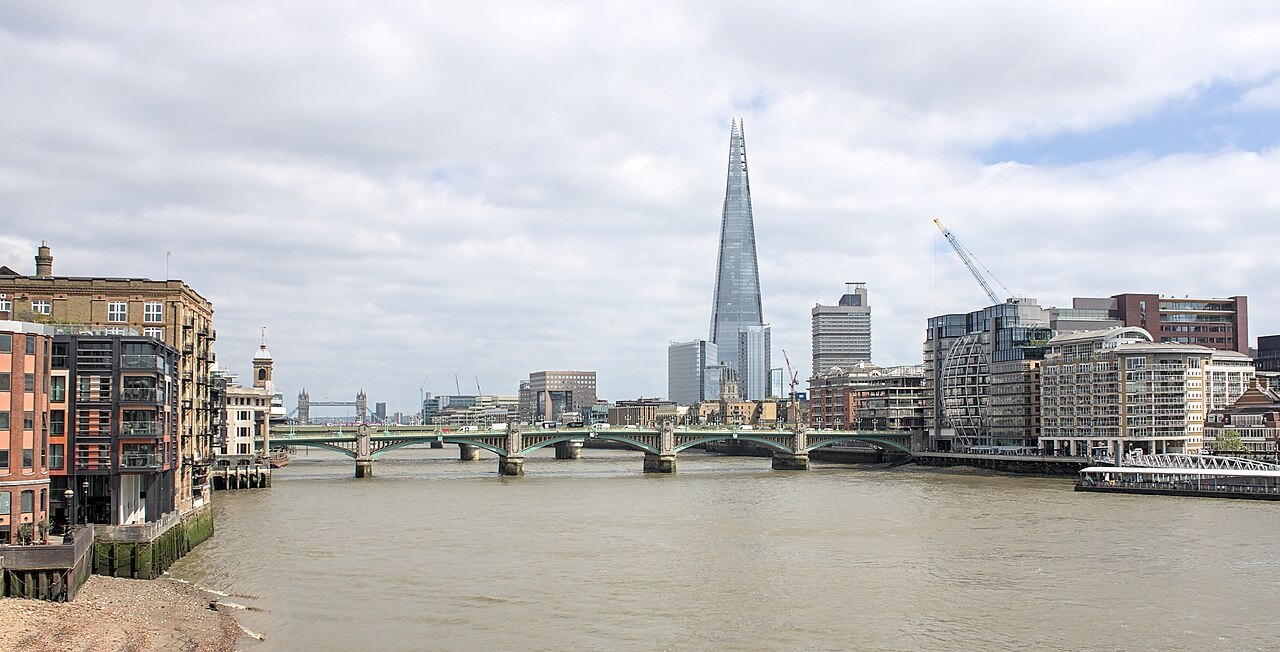
The Shard was not welcomed by everyone. Heritage bodies and the Royal Parks Foundation opposed it, worried that a tower of this height would damage views of St Paul's, the Tower of London and the royal parks. Supporters said that London needs landmarks, that a tall building belongs at a major transport hub and that the thin, faceted shape is graceful, not heavy. The planning inquiry weighed all this, and the government's conclusion was that a skyscraper could be accepted only if it was of exceptional quality.
More than a decade after its completion the debate has softened. The Shard has become a familiar part of the skyline, as the dome of St Paul's and the clock tower are. It also set a pattern for the cluster of new towers around London Bridge and the south bank, which has grown up around it.
From the tower's windows you can pick out the other landmarks in this guide: the Tower of London and Tower Bridge directly below, the dome of St Paul's to the west, the wheel of the London Eye further upstream, and in the far distance the green of the hills at Greenwich.
What is inside
The tower is a vertical neighbourhood. The lower floors hold offices, the middle floors restaurants and a hotel, the upper floors private homes, and the topmost levels the viewing gallery and the spire. Entry to the viewing floors is by a separate lift lobby, and the lifts rise fast enough that the ascent takes only a minute or so. Because the building contains homes and offices, the public sees only the viewing levels and the restaurants.
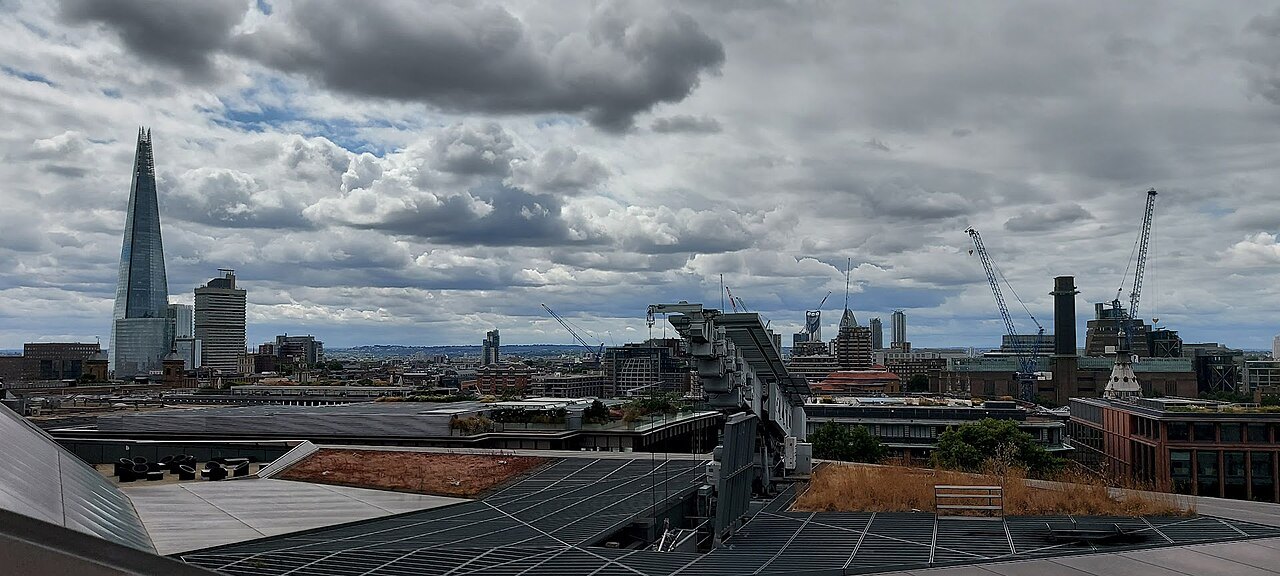
The glass facade is double-skinned and ventilated, with blinds that adjust to the sunlight. That is one reason the building looks different each hour of the day. In bright sun it is a field of sparkling facets, and on a grey day it fades toward the sky, which was exactly what Piano wanted.
The neighbourhood
At the foot of the tower is London Bridge station, one of the oldest railway terminals in the city, and just beyond it is Borough Market, with Southwark Cathedral beside it. A short walk along the river leads to Tower Bridge and the Tower of London on the opposite bank.
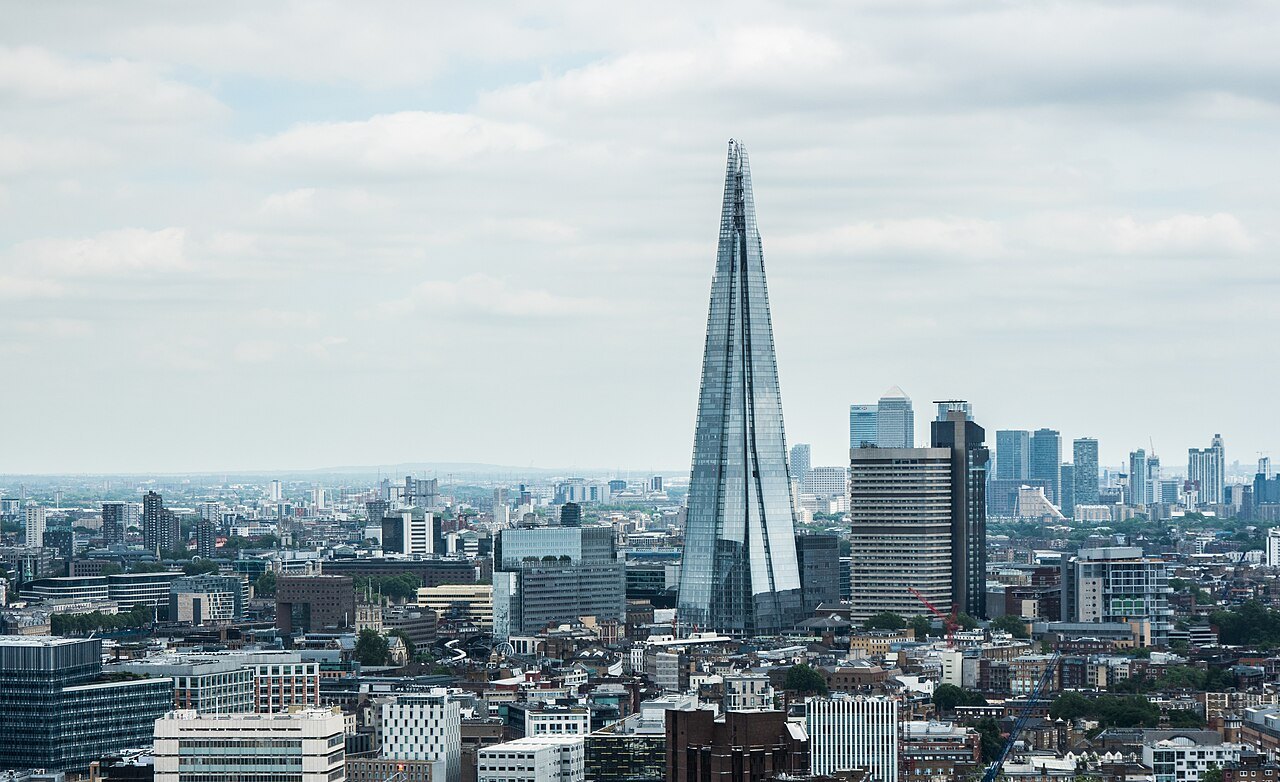
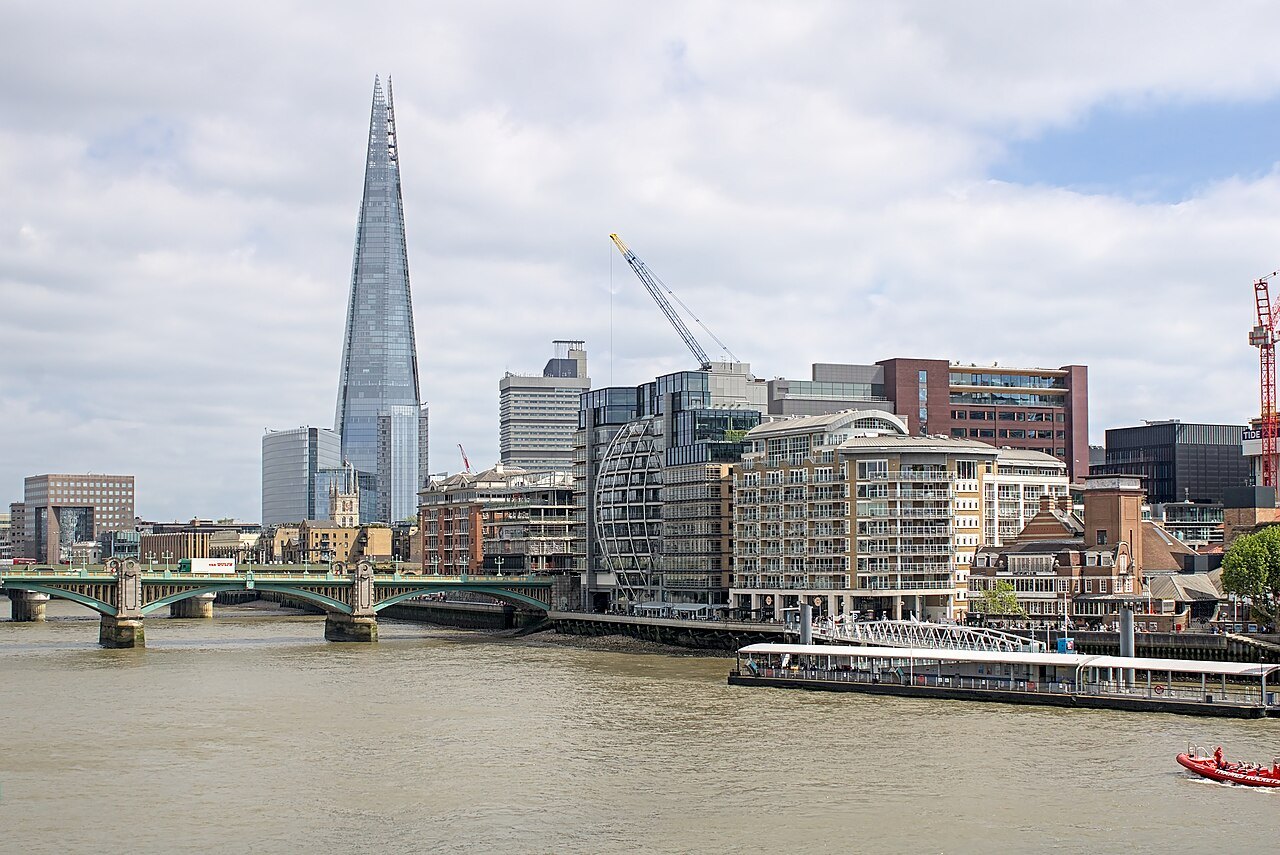
The riverside around the tower has changed completely since it opened, with new streets, offices, restaurants and a public square, and the area is much livelier than it was. It is worth seeing the Shard from a distance as well, and from the walkways of Tower Bridge you can frame it against the sky. Its best photographs are taken from the river, from Waterloo Bridge, or from the hills of Greenwich and Hampstead, where its point stands out on the skyline.
Nearby
Where to go next
- Nearby · Southwark · south bankBorough MarketA food market beside London Bridge with roots in the twelfth century or earlier, now under Victorian ironwork and mostly selling specialty foods to the public.Read the page →
- Nearby · Beside the TowerTower BridgeThe Victorian bascule and suspension bridge opened on 30 June 1894 beside the Tower of London, its towers joined by high walkways and its roadway able to split in two for ships.Read the page →
- Nearby · Tower Hamlets · north bankThe Tower of LondonA Norman fortress begun beside the Thames in 1066 and enlarged ring by ring, which has been a palace, an armoury, a mint, a menagerie, a prison and the home of the Crown Jewels.Read the page →