Home · Eating & Drinking
What to order
The London table
On the counter
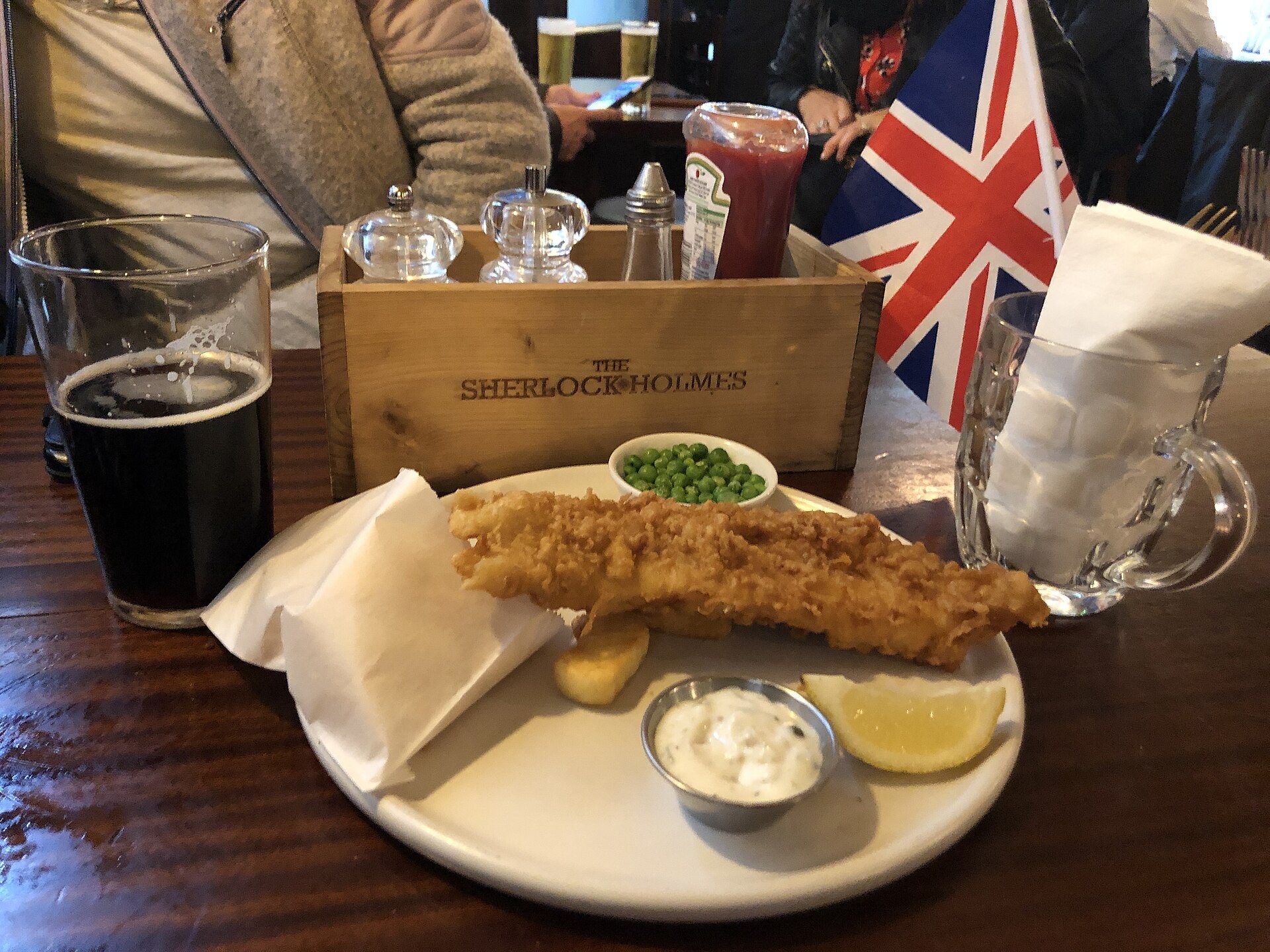
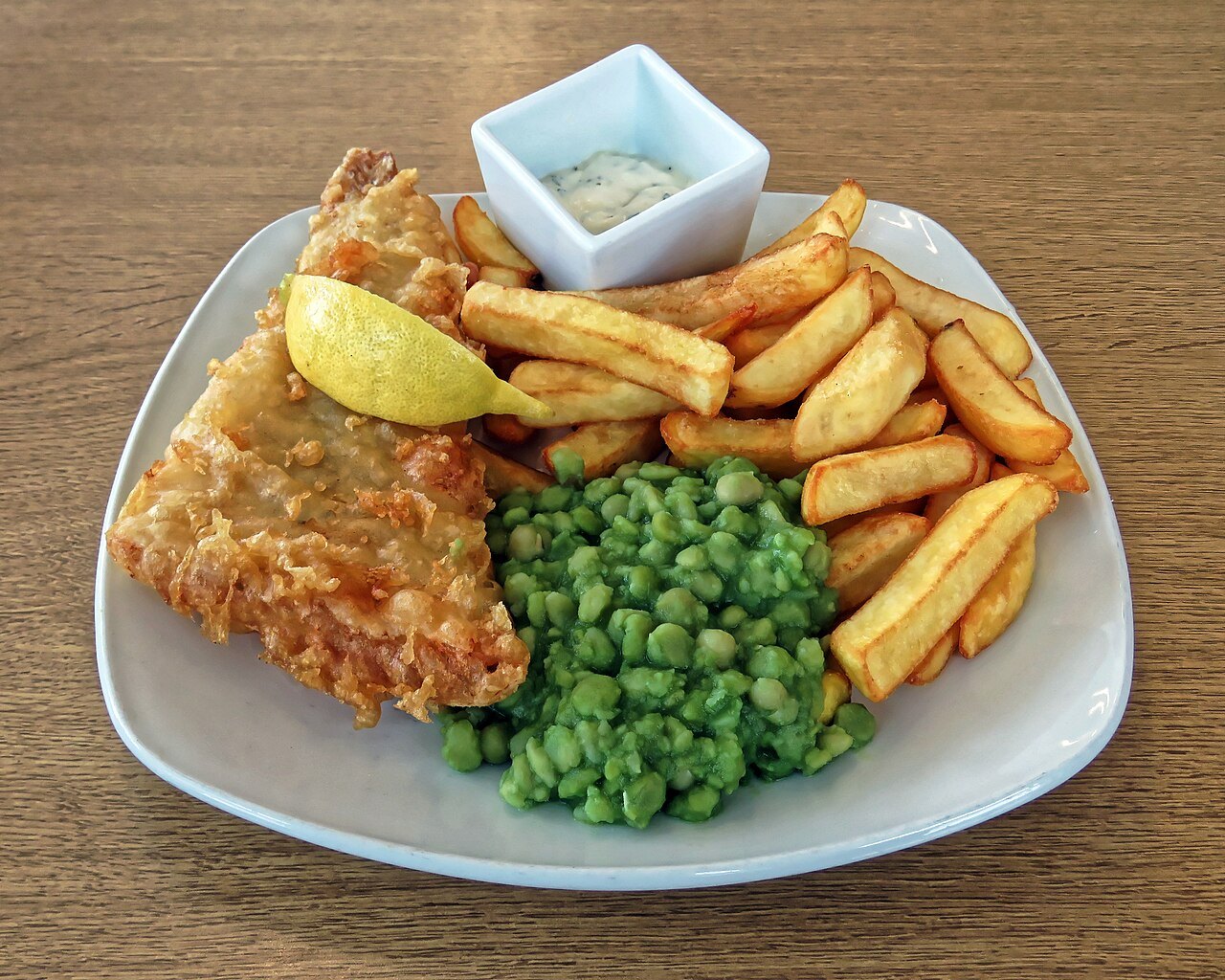
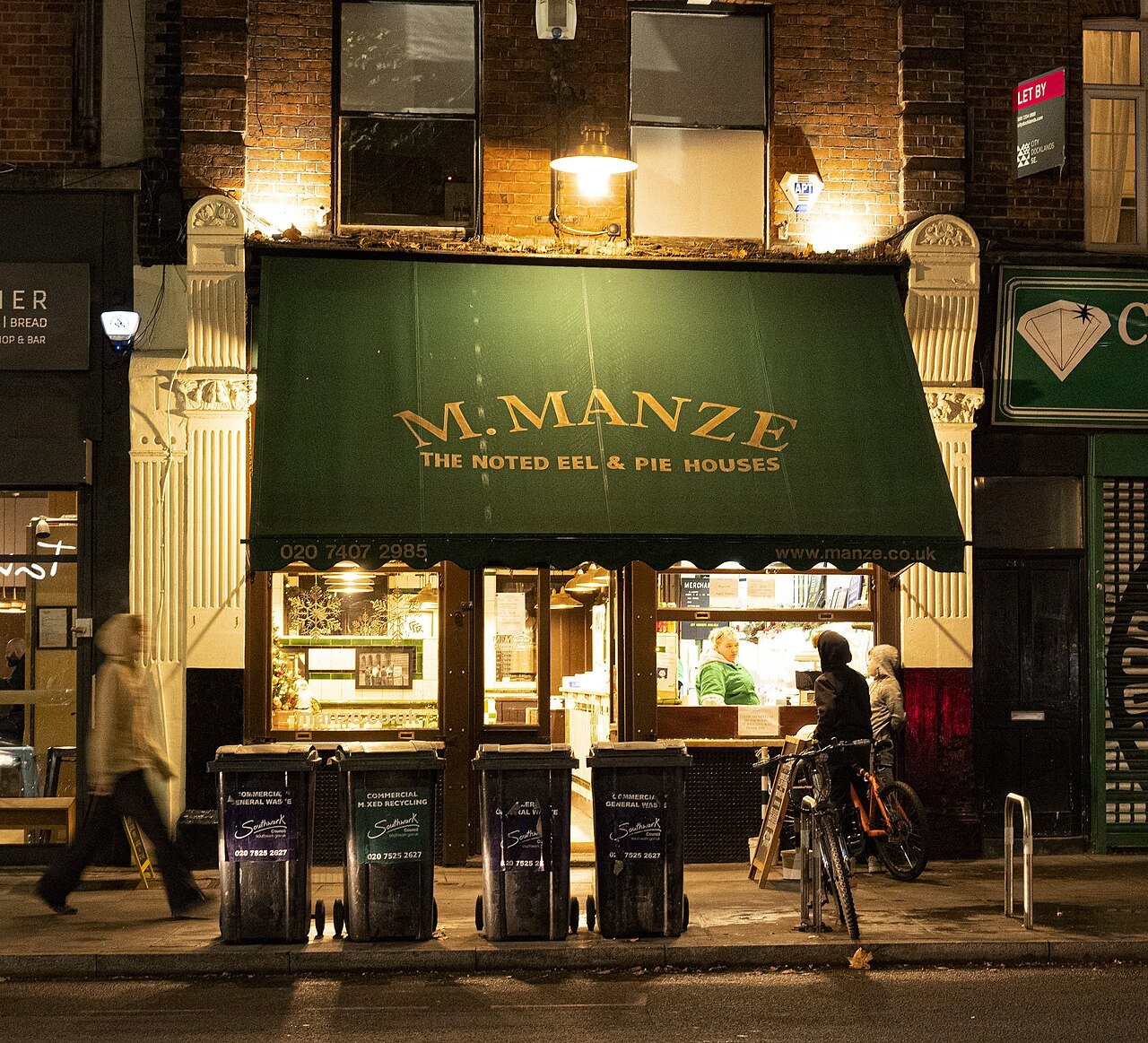
- Fish and chipsBattered fried fish with chips, a dish that began in England in the 1860s and was one of the few foods never rationed in either world war.
- Pie and mashA minced beef pie with mashed potato and a parsley sauce called liquor, a Cockney classic from the docks.
- Jellied eelsChopped eels boiled in a spiced stock and set into a jelly, served cold, an old East End dish.
- Sunday roastRoast meat with roast potatoes, Yorkshire pudding, gravy and vegetables, eaten at a pub or at home on a Sunday.
- A full English breakfastBacon, sausage, eggs, tomatoes, mushrooms, black pudding and fried bread or toast, with tea.
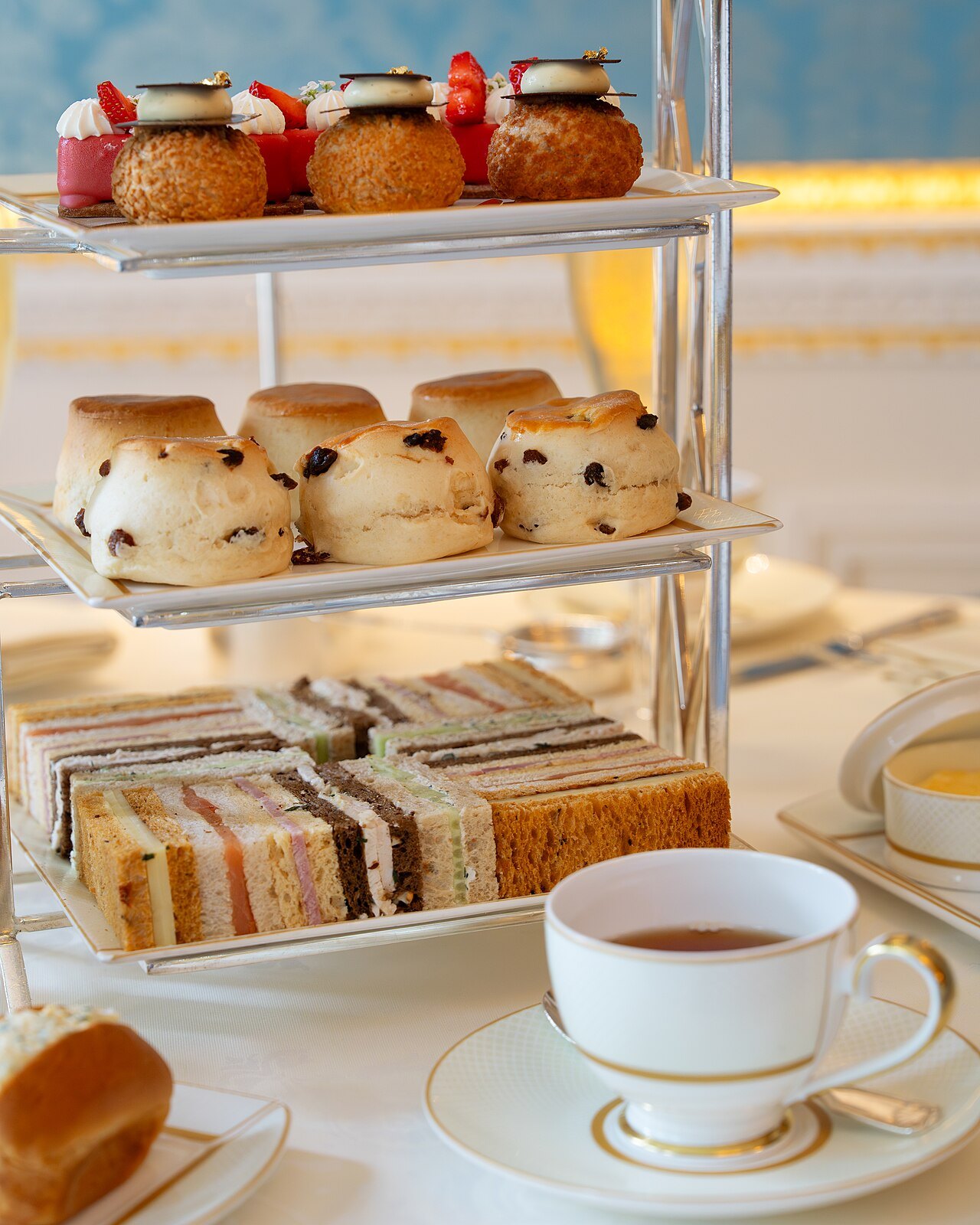
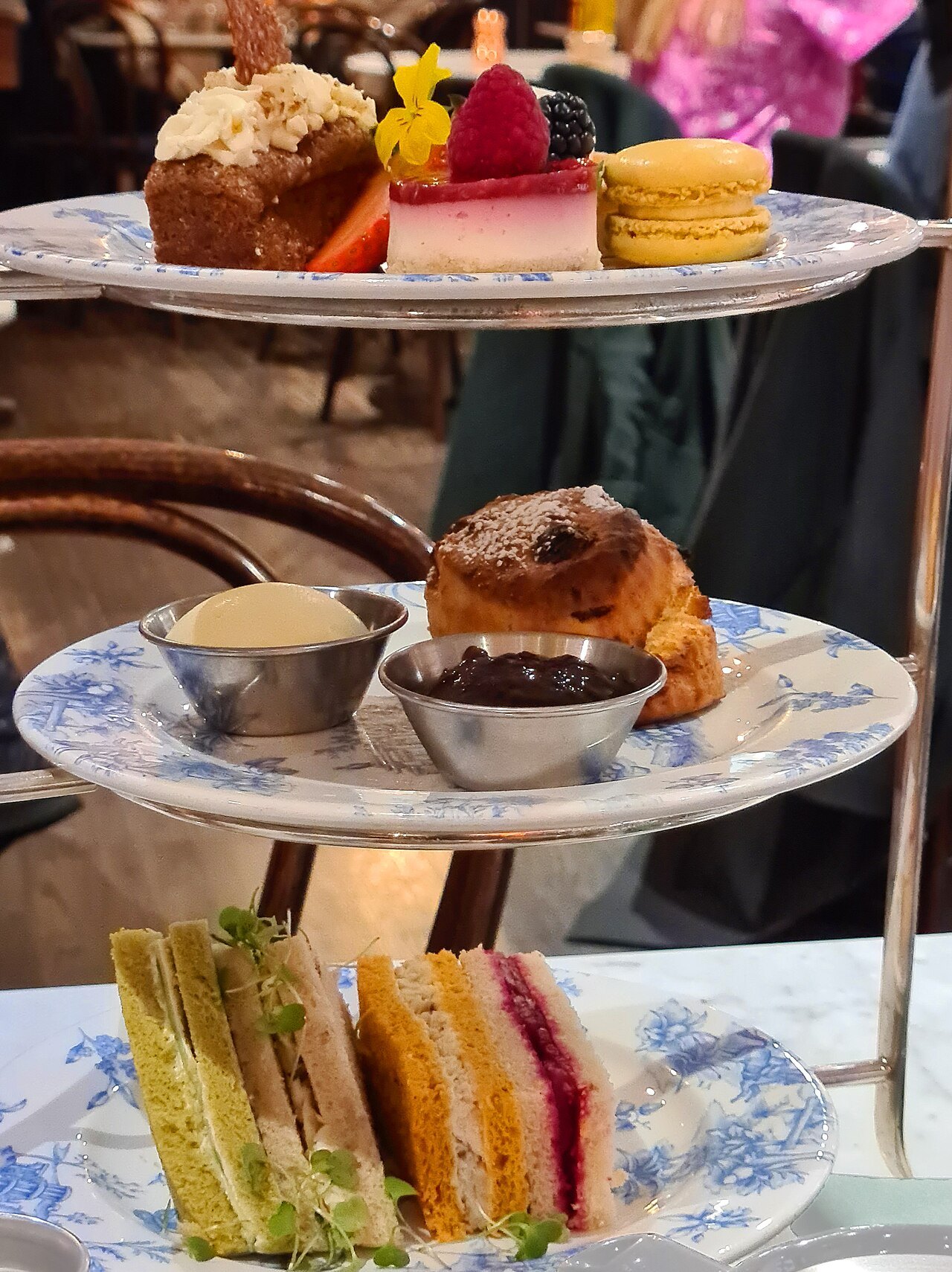
- Afternoon teaTea with sandwiches, scones and cakes, a hotel tradition from the Victorian age.
- CurryBritain's adopted national dish, from the Bangladeshi restaurants of Brick Lane to the chicken tikka masala thought to have been created in Britain.
- BagelsBoiled and baked rings of dense dough, brought by Jewish communities and still a feature of the East End.
Eating & Drinking
In full
How Londoners eat
London's food has been shaped by its docks, its markets and its immigrants. The city that once fed itself on pie and mash and fish and chips now eats curry, noodles, bagels and dishes from every part of the world, and its best meals are often in the least grand rooms. Eating well here is more a matter of knowing which street to walk down than of finding a famous restaurant.
The meal pattern is simple. Breakfast is toast or a full cooked plate, lunch is a sandwich or a pub dish, afternoon tea is an occasion rather than a habit, and dinner is eaten early by Spanish standards and late by American ones. Pubs serve food all day, and markets serve a hot lunch to anyone who stands in the queue.
The old plates
Fish and chips is often considered the national dish. Shops selling it first appeared in the 1860s, and by 1910 there were more than 25,000 of them across the country. The government protected the supply of fish and chips in both world wars. A good one has fresh fish in crisp batter, thick chips and salt and malt vinegar, eaten from paper.
Pie and mash is the older London meal, a minced beef pie, mashed potato and a green parsley sauce called liquor, sold in shops that have stood in East and South London since the nineteenth century. Jellied eels, boiled in a spiced stock and set cold, belong to the same tradition and are for the curious. The Sunday roast, a full plate of meat, potatoes and Yorkshire pudding, is the pub's great weekend meal.
Markets and street food
Borough Market is the best known of the food markets, but it is one of many. Smaller markets across the city sell street food at lunchtime, and the covered halls of Covent Garden offer snacks and a craft market. Graze before you commit to a meal, since portions are generous.
Many neighborhoods have their own market day, and the East End is the place to find bagels, Bangladeshi food and street stalls in the same walk. Look for queues of local workers at lunchtime, which is usually the best sign, and carry cash or a card, since a few market stalls take only one of the two. Street food is generally fine to eat standing up, and benches nearby are common.
Curry and the world on a plate
Curry is as much a London food as pie and mash. Brick Lane in the East End is the heart of the Bangladeshi community, an area branded as Banglatown in 1997, and its restaurants serve curry that is often better than the tourist menus nearer the center. Chicken tikka masala is a British creation, thought to have been created in Britain, possibly in Glasgow, and in 2001 a Foreign Secretary called it a true British national dish.
Chinatown in Soho has long served Cantonese and now many regional Chinese cuisines, and Turkish, Polish, Caribbean and West African food are found across the outer boroughs. The East End's Jewish heritage survives in its bagel bakeries, the hole-in-the-wall shops that sell salt beef or smoked salmon on a freshly boiled roll, open at all hours.
The pub
The pub is the heart of English social life, a licensed place open to the public where you order and pay at the bar, and where beer, cider and wine are served alongside food. The word is short for public house, and the term was in use by the late seventeenth century. Samuel Pepys called the pub the heart of England in his diary. In London, many pubs are historic, with etched glass and dark wood, and several stand beside the river.
Pubs rarely have table service, so find a seat, go to the bar, tell them your table if you want food, and pay when you order. Tipping is not expected for a drink at the bar. Children are usually welcome during the day, and many pubs serve a Sunday roast. A pint is the standard measure of beer.
Afternoon tea and breakfast
Afternoon tea in London is the traditional meal at hotels and tea rooms: tea, small sandwiches, scones with jam and cream, and cakes, served in the mid-afternoon. It began in the Victorian period and survives as a treat, and it needs a booking at the grand hotels. For a cheaper version, many cafes serve a cream tea of scones and tea.
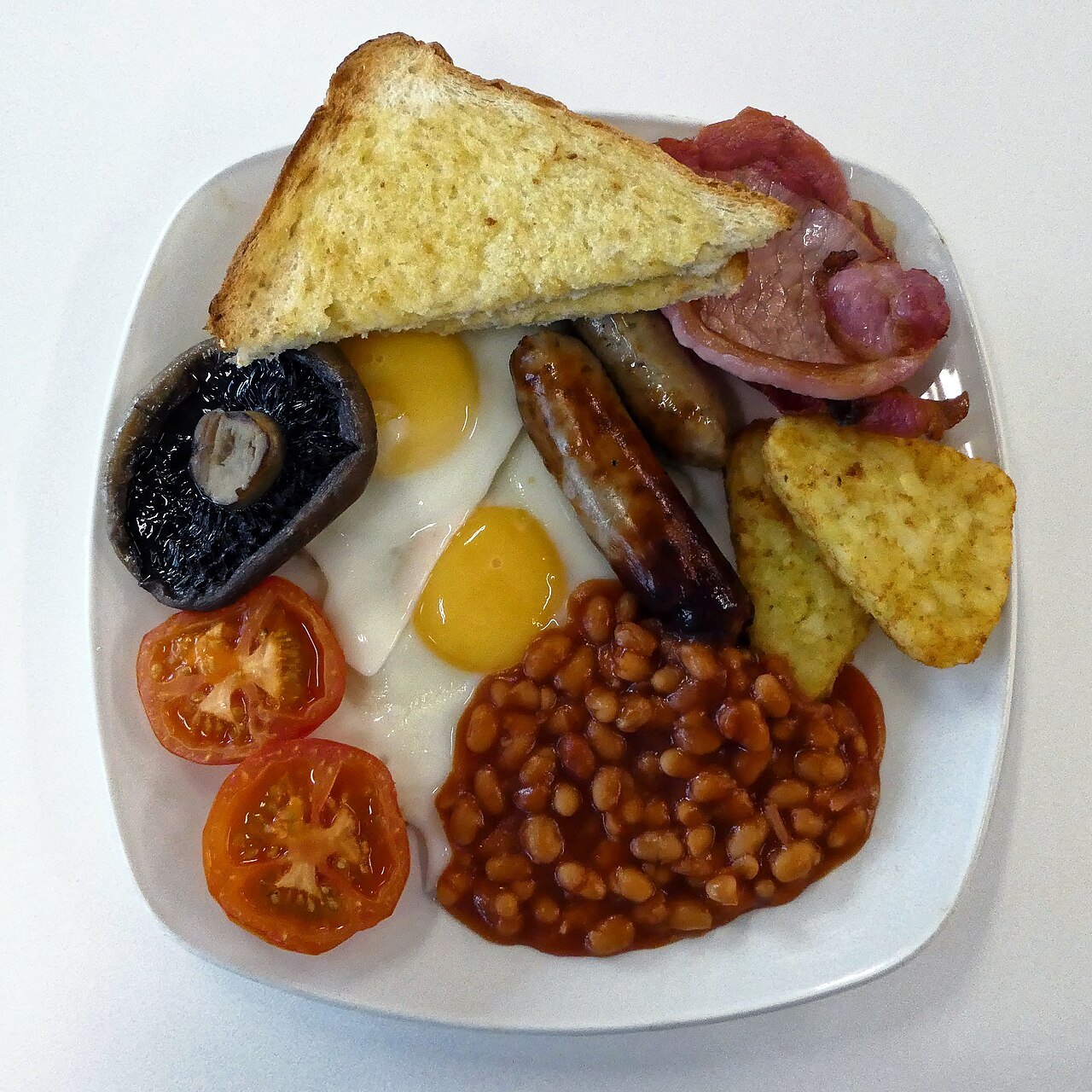
The full English breakfast is a substantial fry-up of bacon, sausages, eggs, tomatoes, mushrooms, black pudding and toast. It became popular in the Victorian era and is served in cafes and pubs all over the city, often all day. Many hotels include it in the room price, and vegetarian versions with mushrooms, beans and extra eggs are standard on most menus.
Drinks, coffee and the tea habit
Tea remains the national drink, and a pot or a mug is served almost everywhere, with milk by default. Coffee shops are on every corner, from chains to small independent roasters, and flat whites and espressos are as easily found as in any European capital. Many cafes close in the late afternoon, while pubs stay open into the evening.
London has a strong beer culture, with many small breweries and pubs that serve cask ale, a lightly carbonated beer served at cellar temperature. Order by the pint or half pint. Wine bars, cocktail bars and rooftop terraces fill the center in summer, and closing times are earlier than in many Mediterranean cities.
Eating well without a plan
The simplest rule is to avoid the busiest tourist streets, such as the squares around the main sights, and walk two or three streets away, where prices fall and quality rises. Look for places full of local office workers at lunchtime, a short menu and a handwritten board.
Book dinner in advance at popular restaurants, especially on weekends, and check whether a service charge has already been added to the bill before you tip. For where to stay near good eating, see Where to Stay, and for a market to start with, begin on the south bank walk described under the Thames.
More photographs
Seen on the way
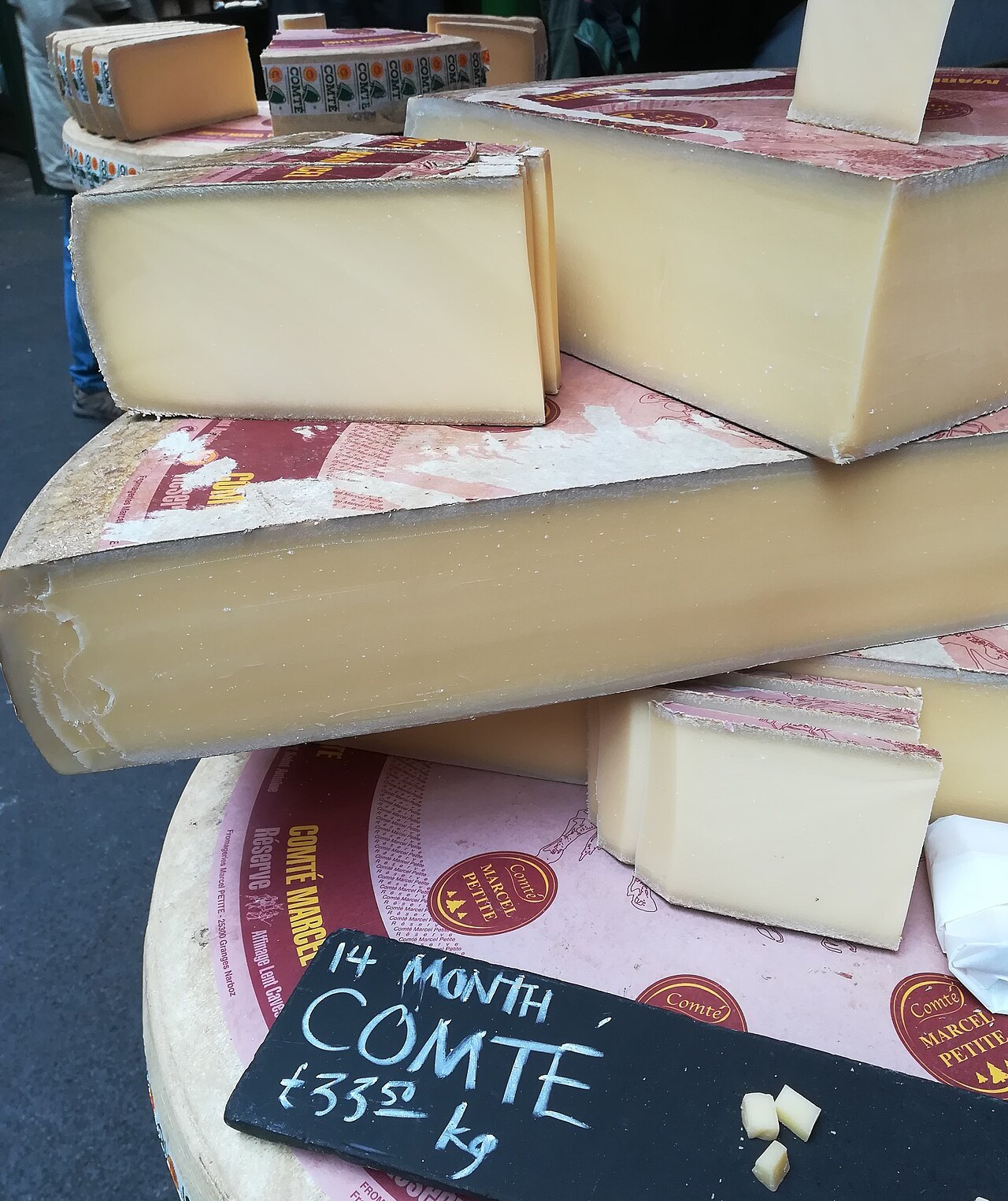
Wedges of Comte and other cheeses, one marked with a slate label, at a Borough Market stallMOs810, Wikimedia Commons, CC BY-SA 4.0 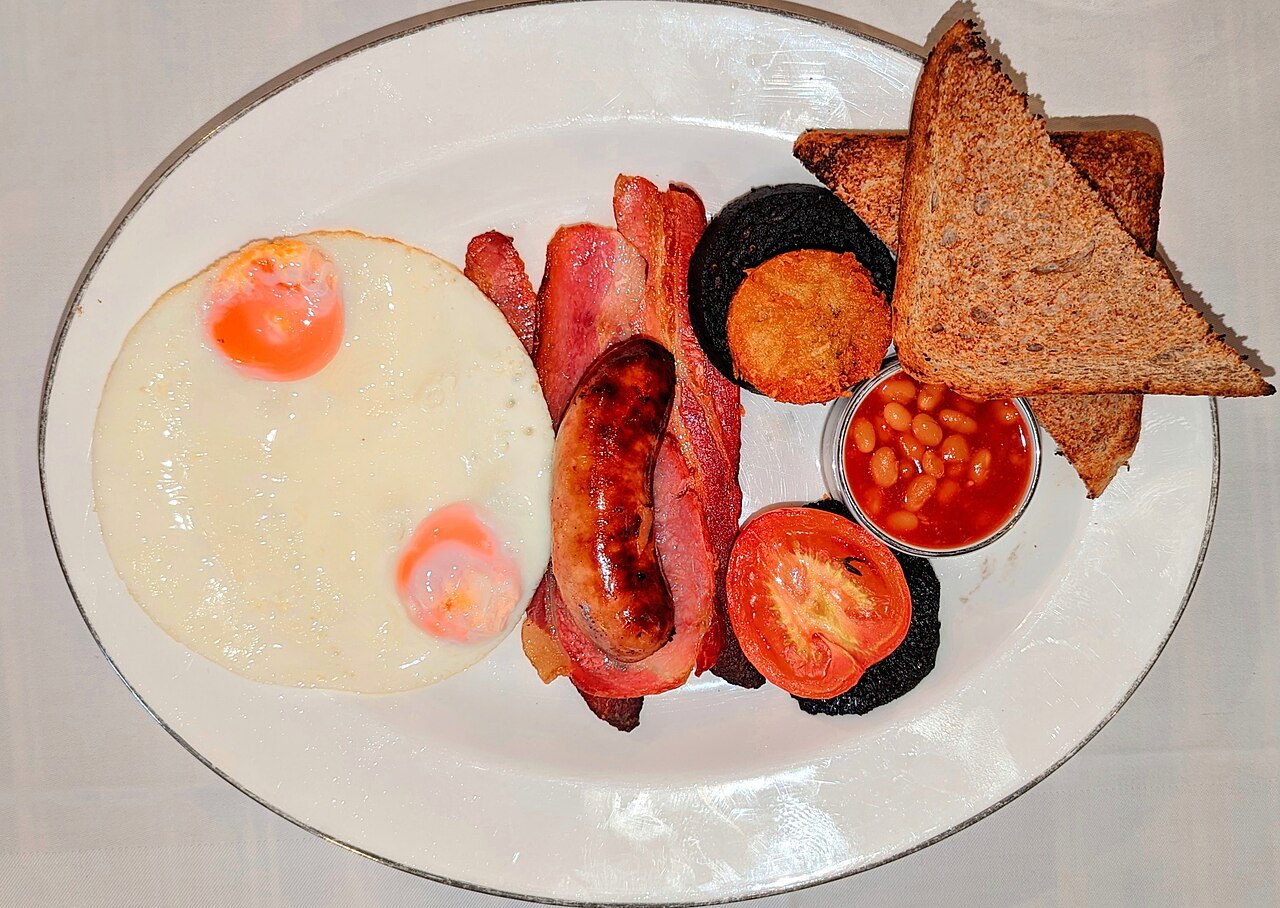
Eggs, bacon, black pudding, sausage, tomatoes, beans and toast on an oval plate: a full English breakfastDaderot, Wikimedia Commons, CC0