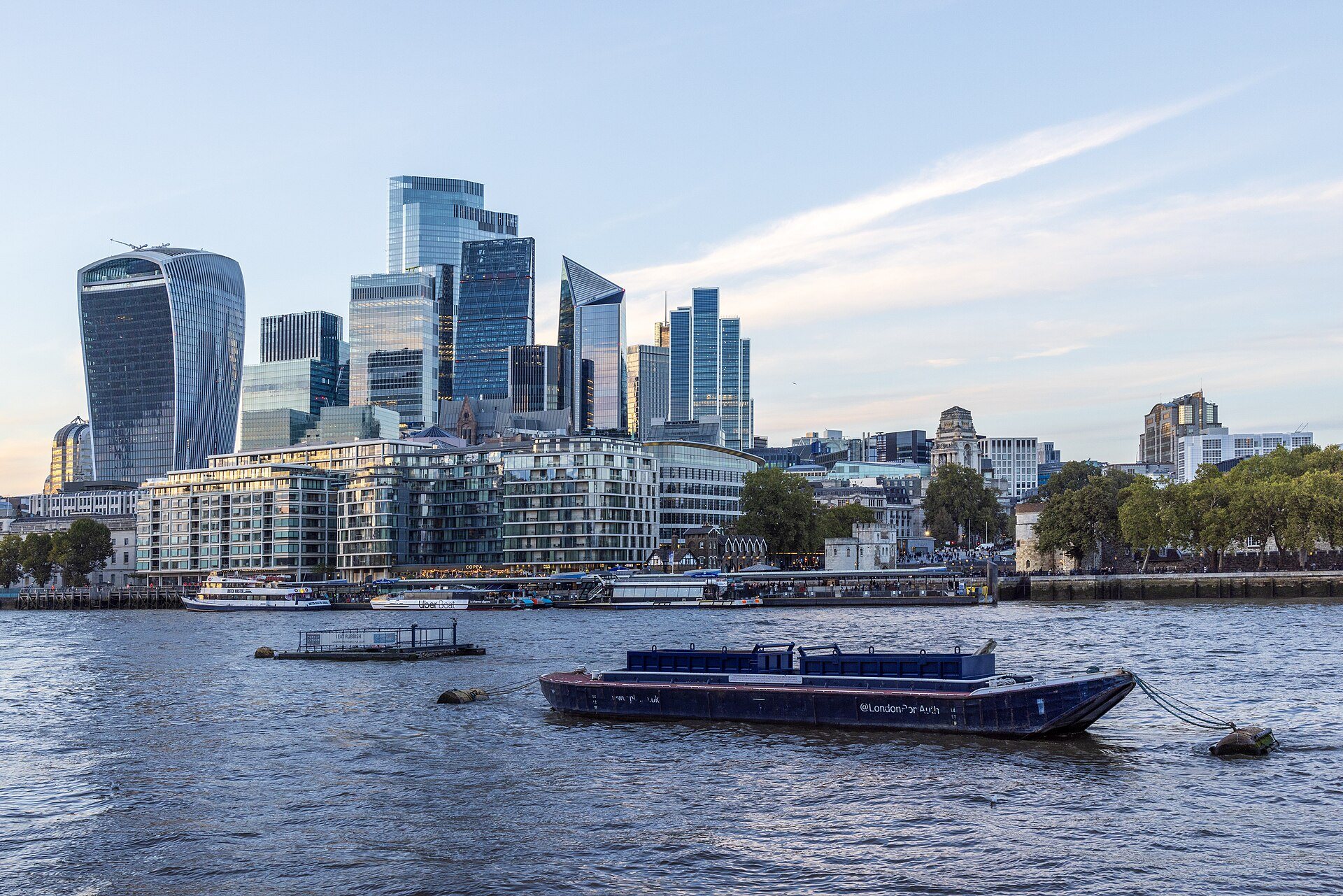
Home · The Sights
The sights, from Westminster to Kew
All twenty
Westminster
Where the country is governed, beside the river- 01
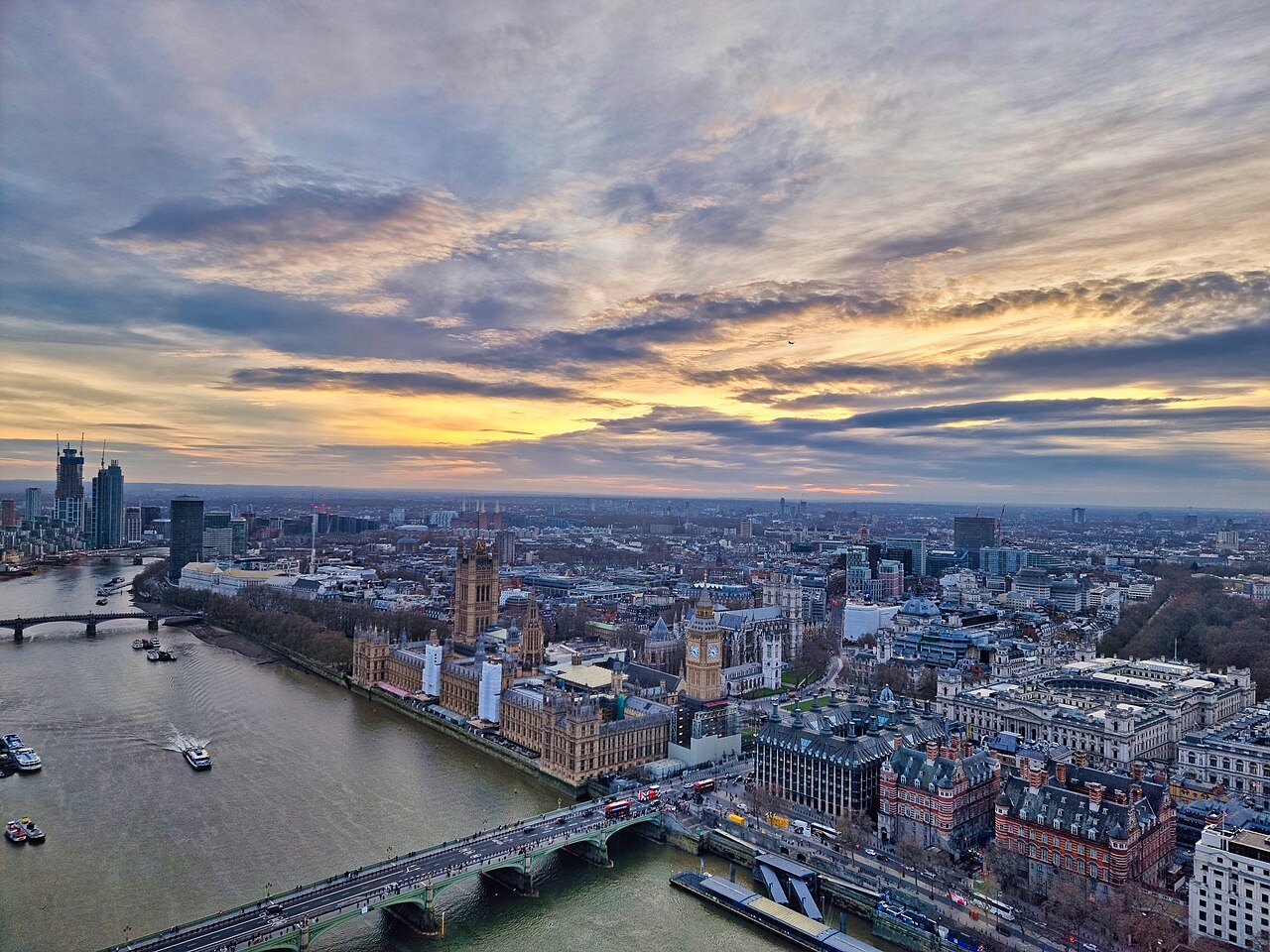
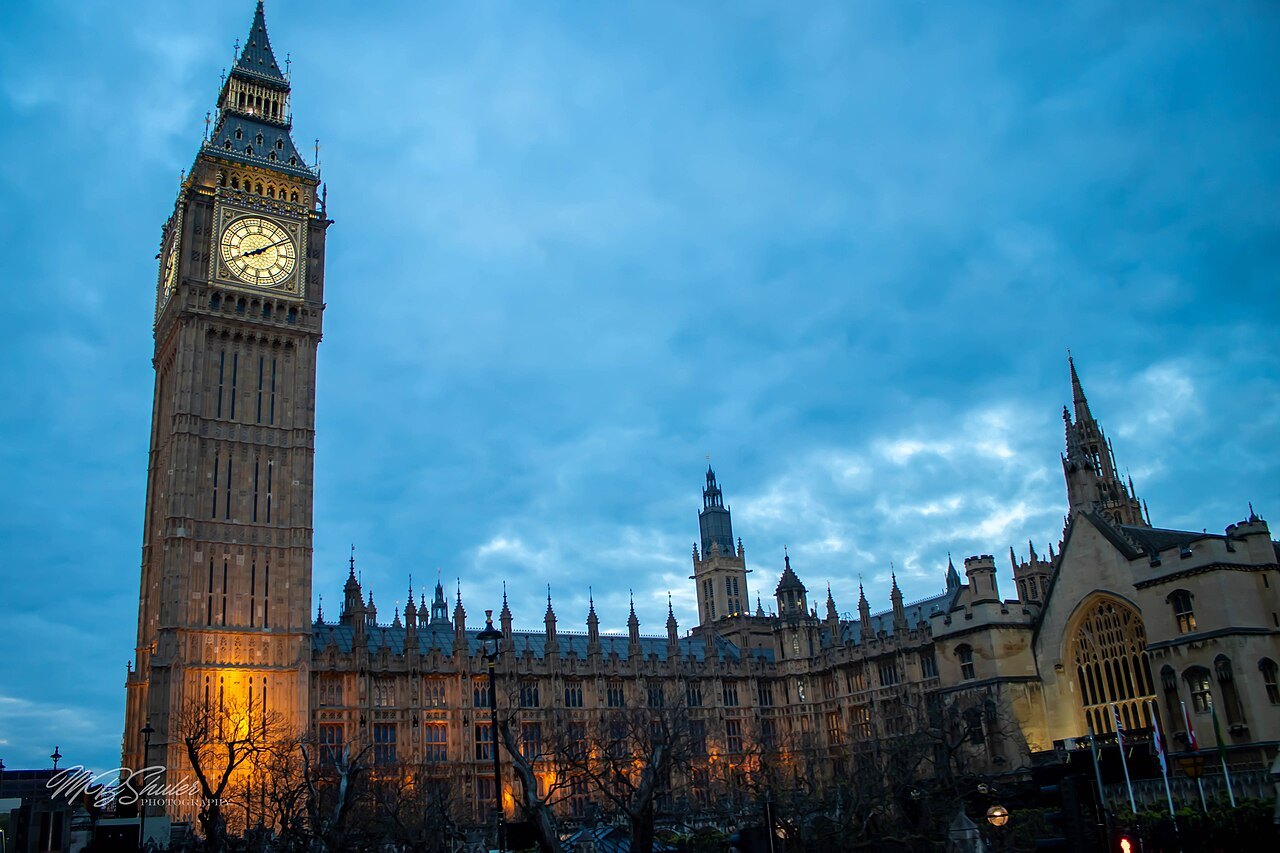 Westminster · north bankThe Palace of Westminster and Big BenThe meeting place of the UK Parliament, rebuilt in Gothic Revival style after the fire of 1834; the Elizabeth Tower holds the bell nicknamed Big Ben.
 - 02
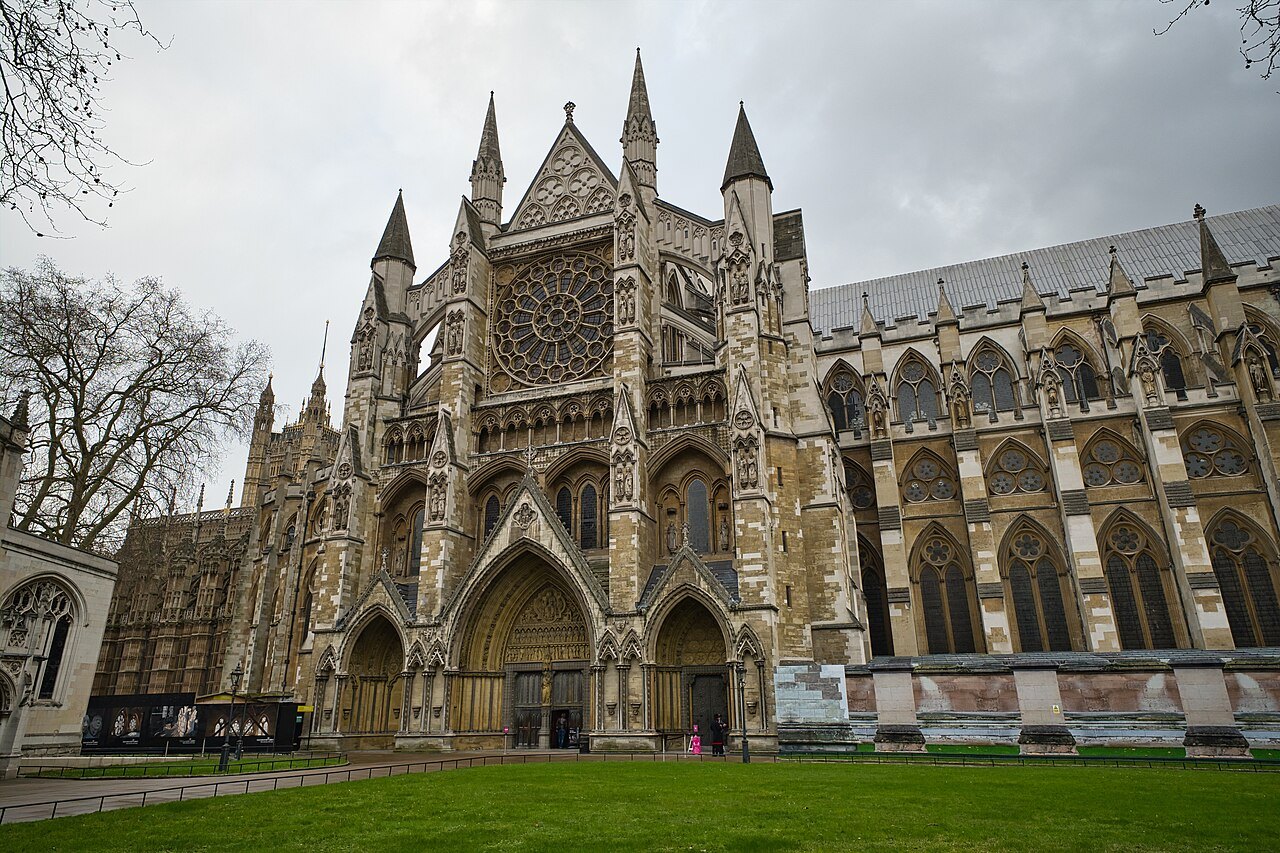 WestminsterWestminster AbbeyThe church where 40 monarchs have been crowned since 1066 and 18 are buried; the present building was begun in 1245 for Henry III.
 - 03
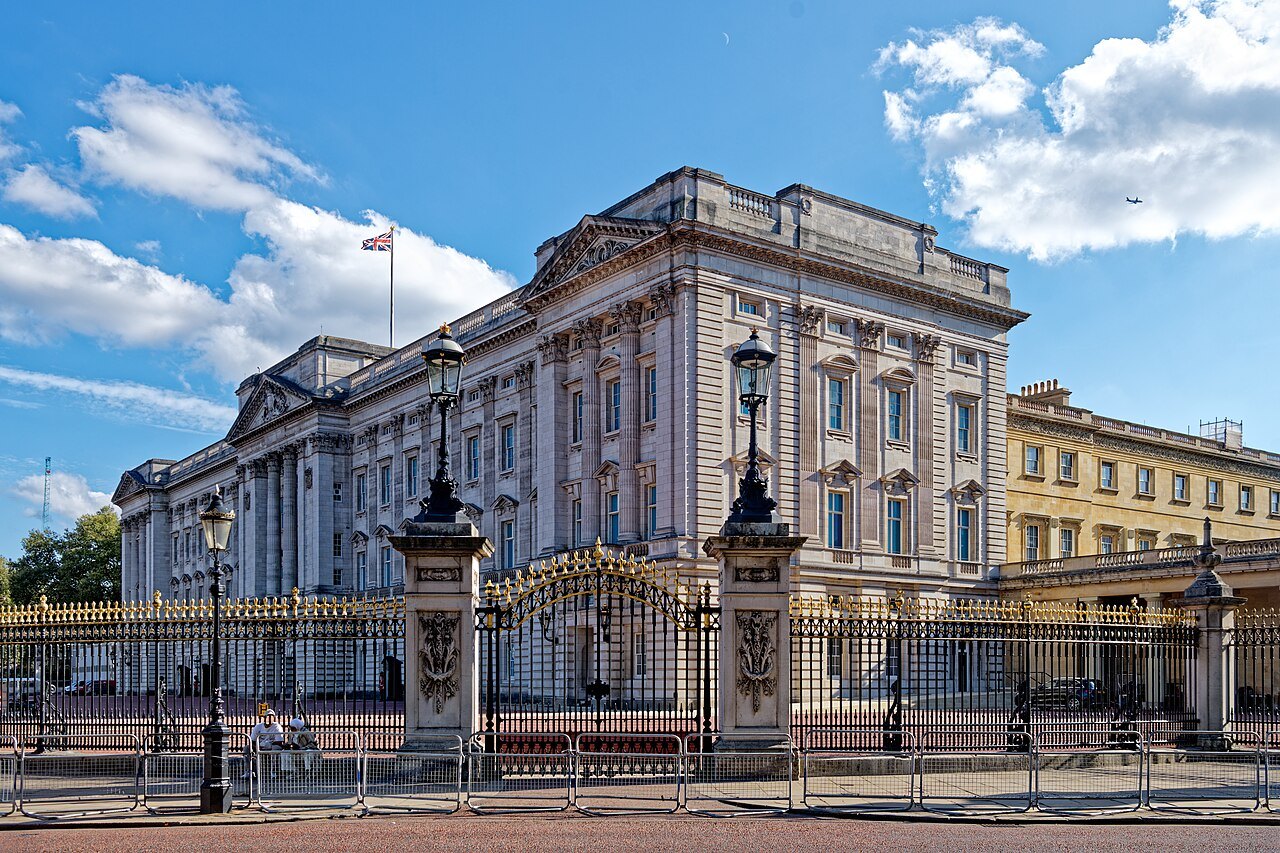 WestminsterBuckingham PalaceThe monarch's London residence, a townhouse of 1703 enlarged by John Nash and Edward Blore and the royal home since Queen Victoria's accession in June 1837.
 - 04
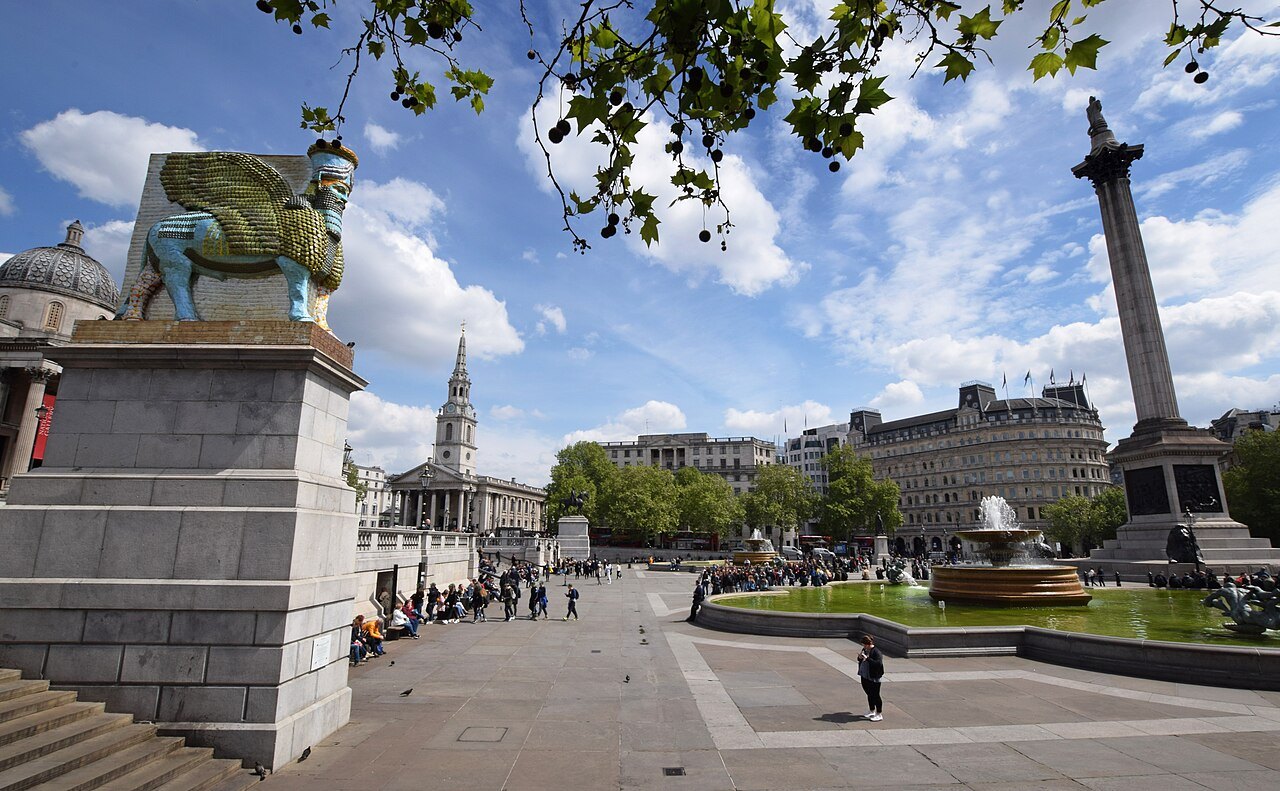 Westminster · Charing CrossTrafalgar SquareThe square laid out around Charing Cross and opened in 1844, with Nelson's Column 169 feet high at its center.
 - 05
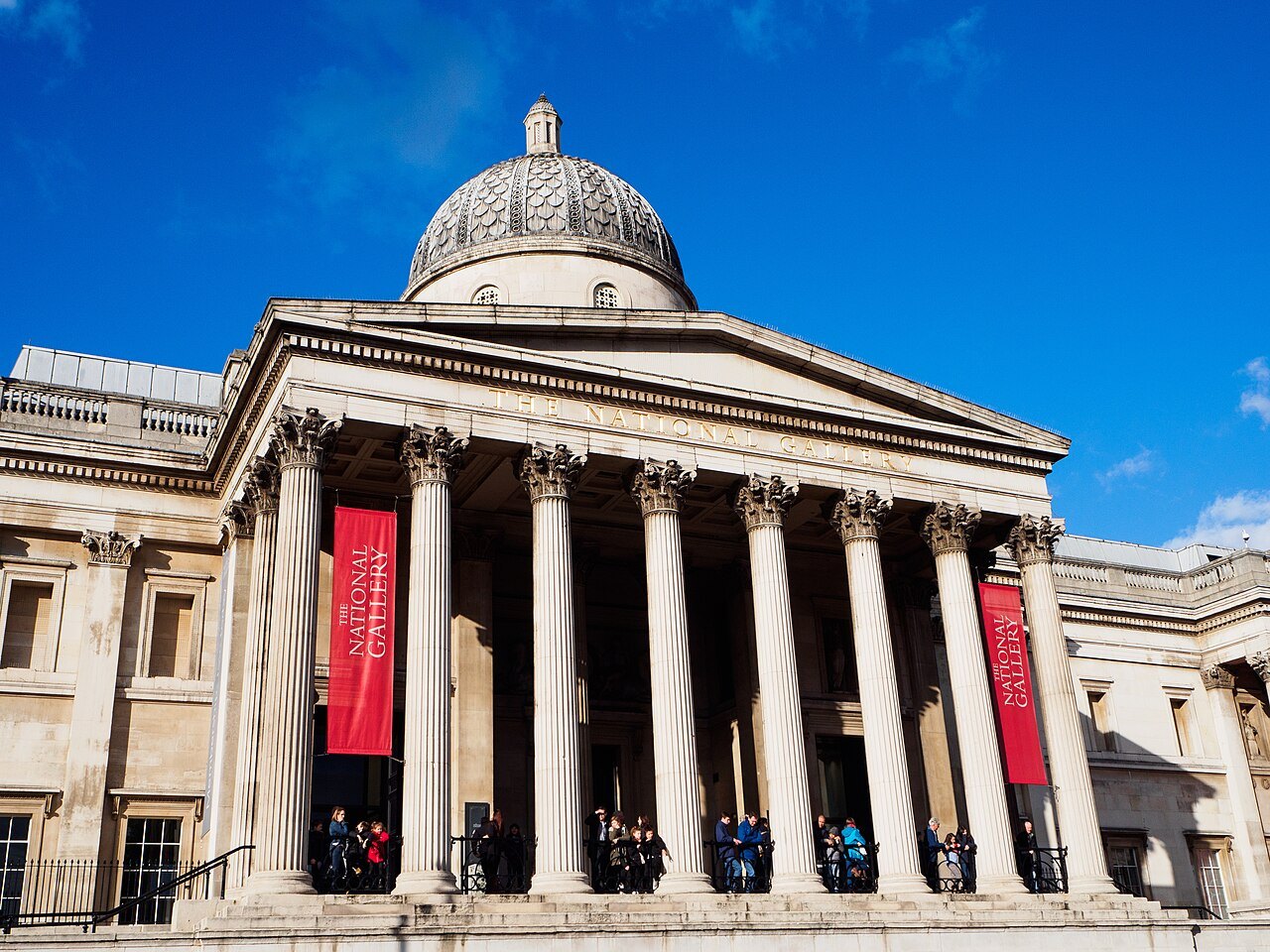 Trafalgar SquareThe National GalleryFounded in 1824 after the government bought 38 paintings; it now holds more than 2,300 paintings from the thirteenth century to 1900.
- 01
Bloomsbury and the West End
The great museum and the old market squareThe south bank
Bankside, the market and the wheel, facing the City across the water- 01
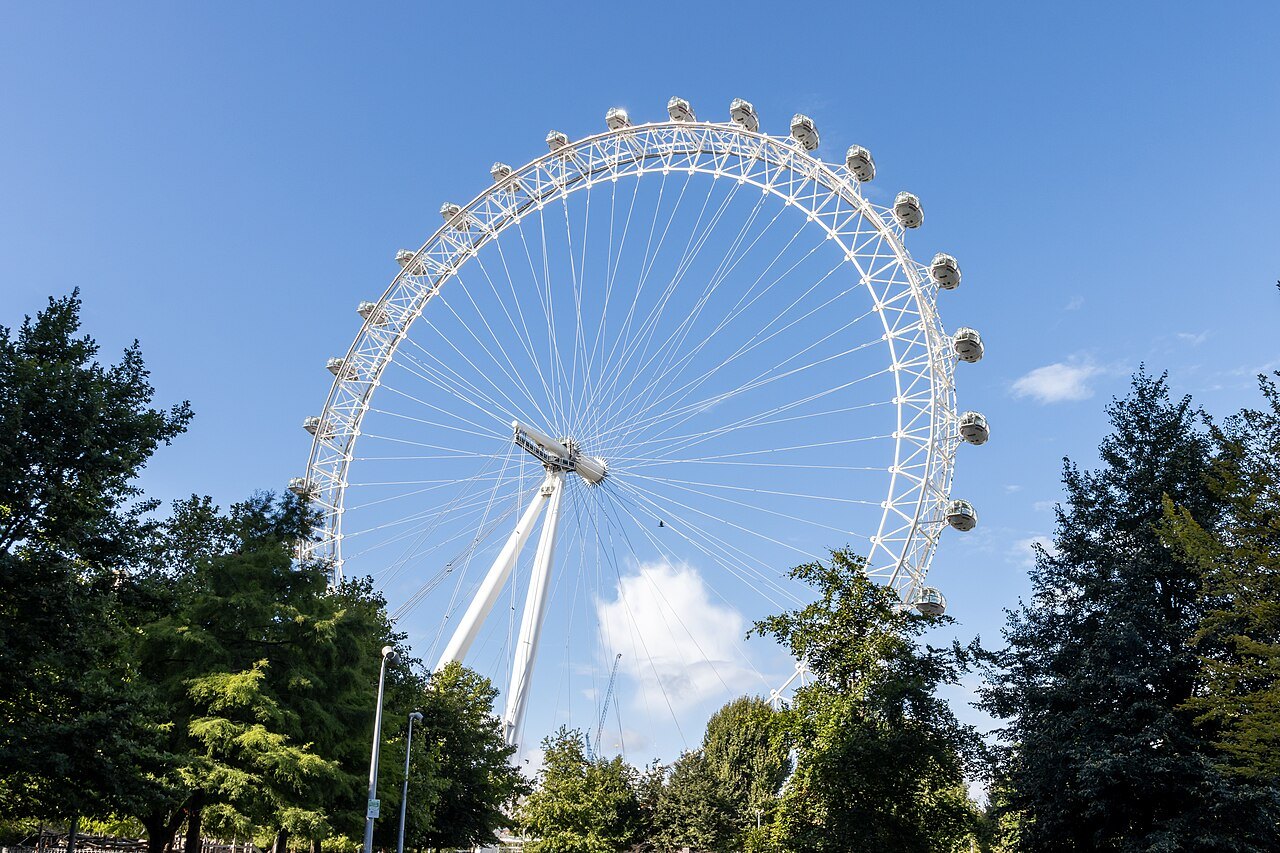 South BankThe London EyeA cantilevered observation wheel 135 meters tall, opened to the public on 9 March 2000, with 32 capsules.
 - 02
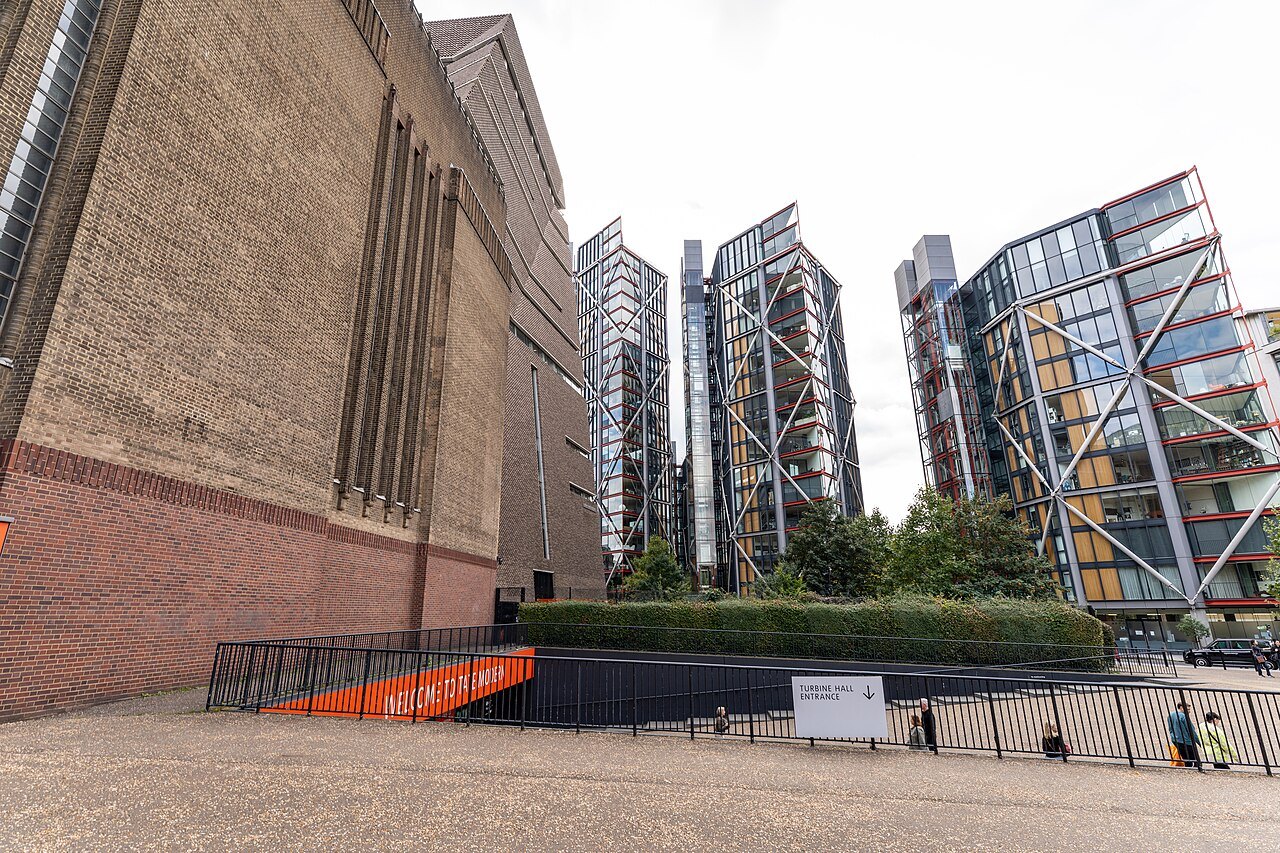 Bankside · south bankTate ModernThe national collection of modern and contemporary art, in the former Bankside Power Station; opened on 11 May 2000.
 - 03
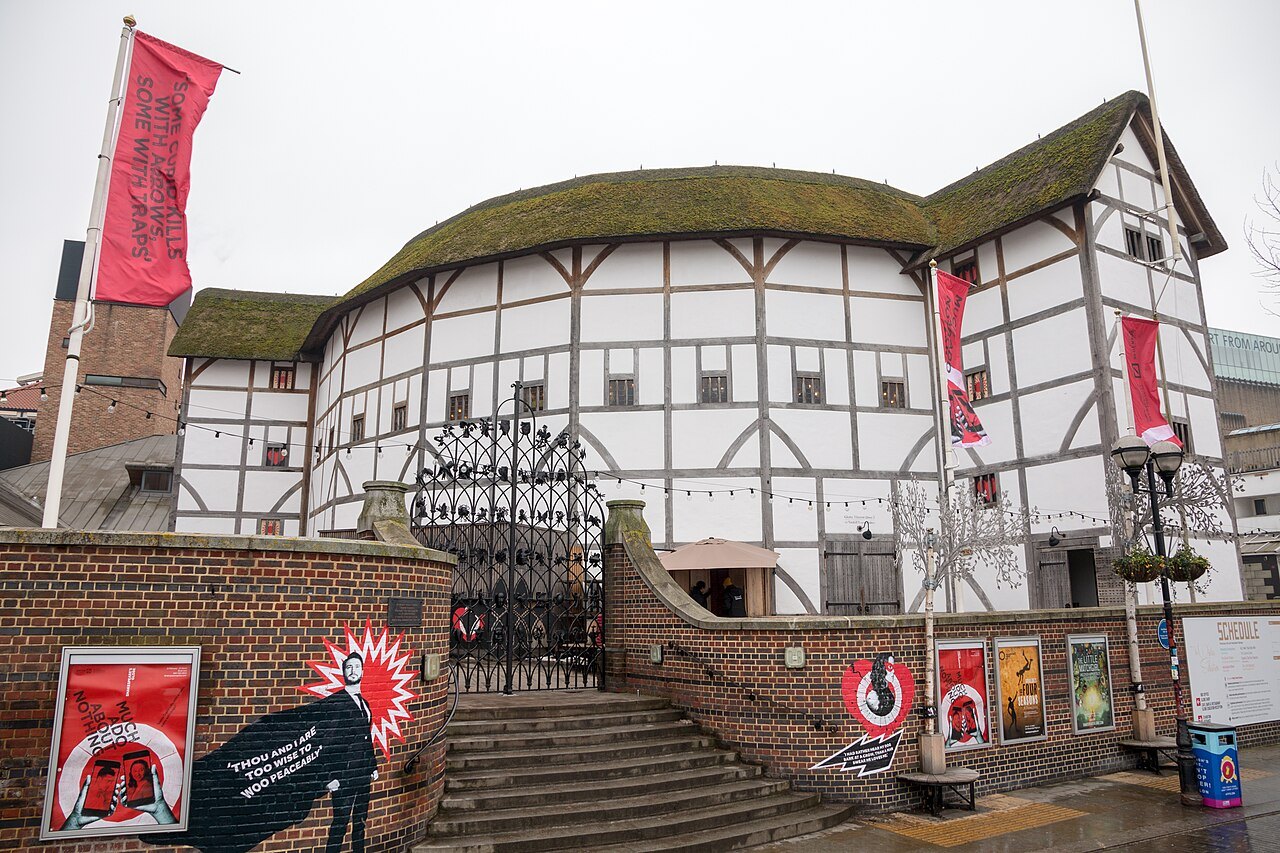 Bankside · south bankShakespeare's GlobeA reconstruction of the Elizabethan playhouse built in 1599 for Shakespeare's plays; completed in 1997.
 - 04
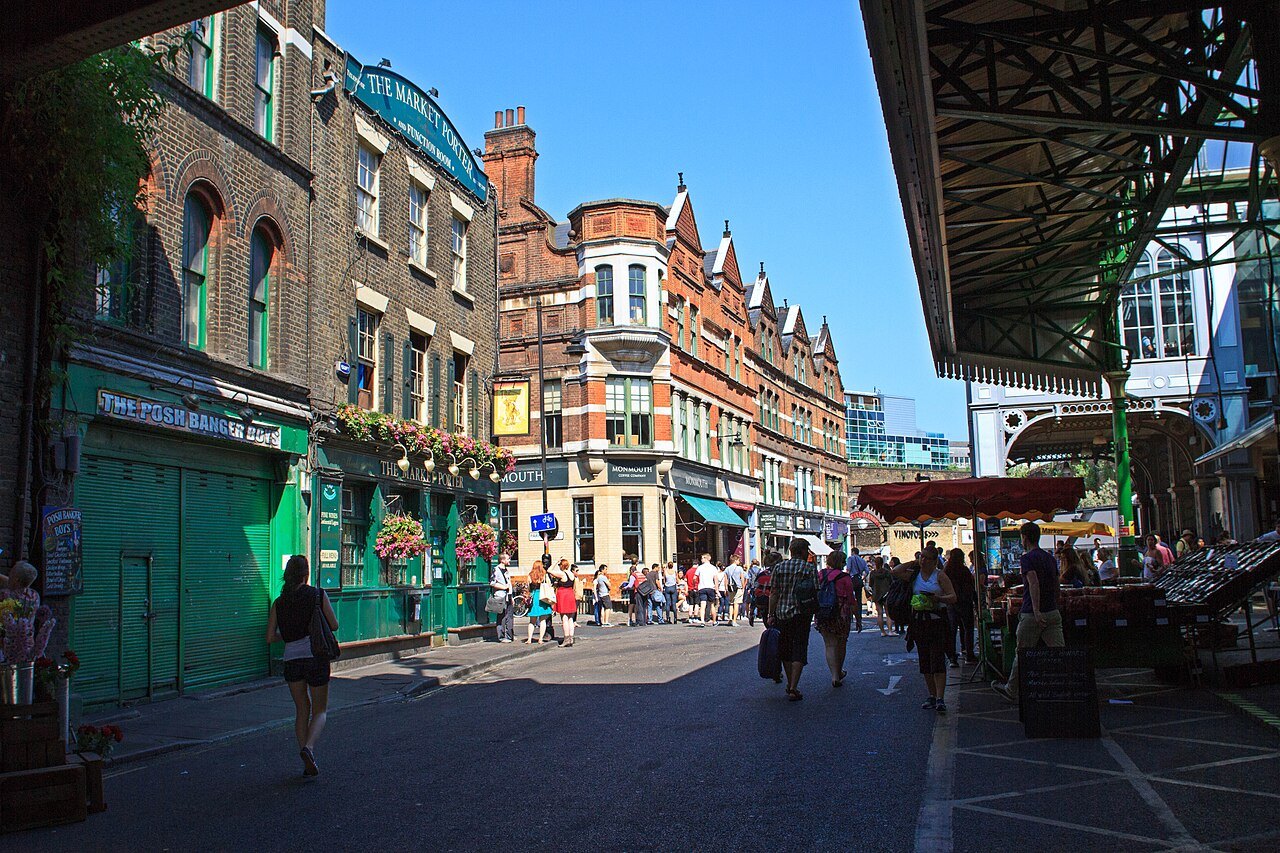 Southwark · south bankBorough MarketA food market in Southwark with a market on the site since at least the twelfth century; the present buildings date from the 1850s.
 - 05
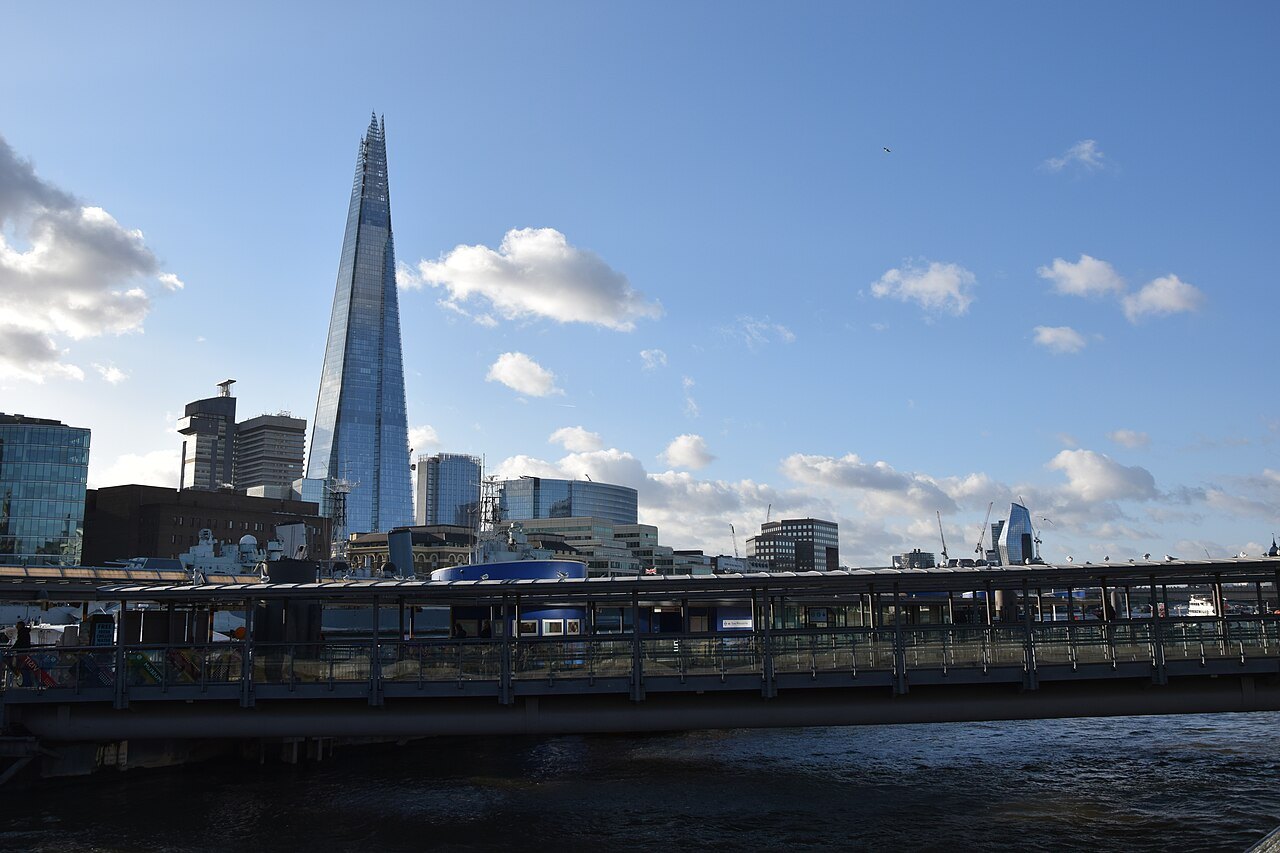 Southwark · south bankThe ShardA 95-storey glass pyramid designed by Renzo Piano, inaugurated on 5 July 2012 and the tallest building in the United Kingdom.
- 01
The City and the Tower
The Roman city's boundaries, Wren's dome and the fortress downstream- 01
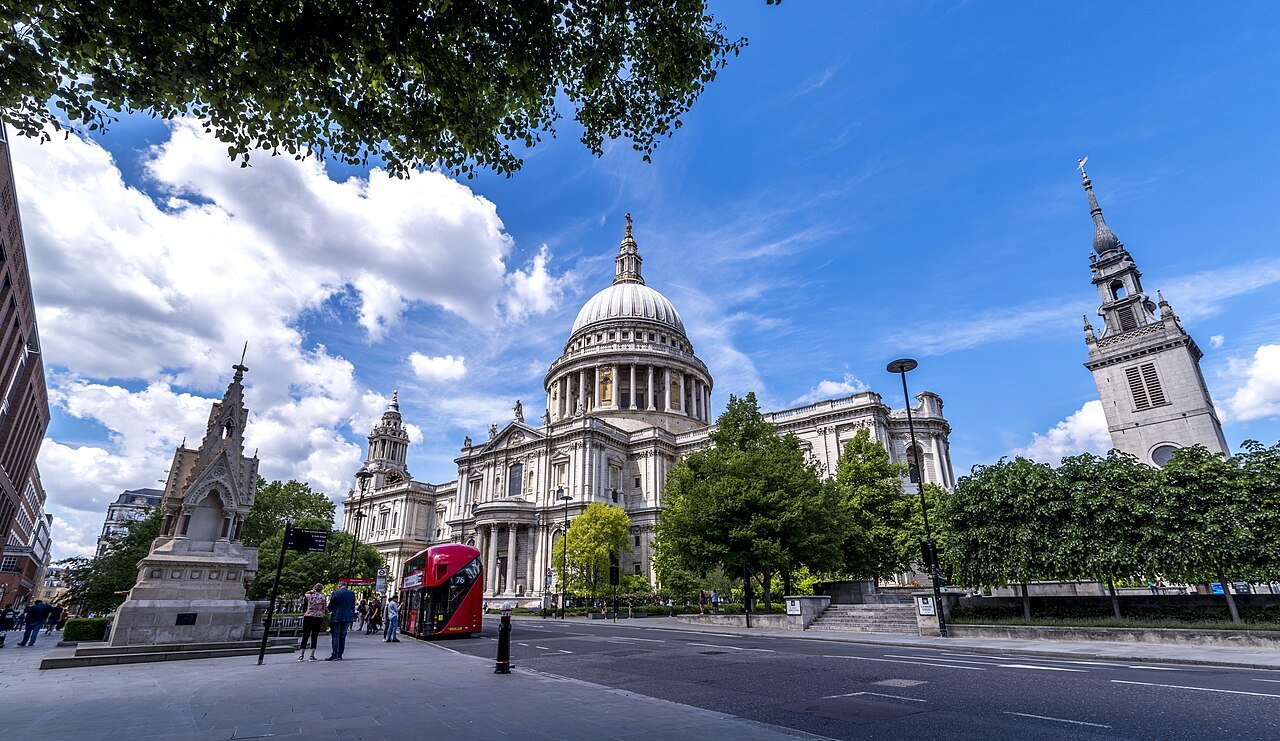 City of LondonSt Paul's CathedralSir Christopher Wren's domed cathedral on Ludgate Hill, completed in 1710 and the tallest building in London until 1963.
 - 02
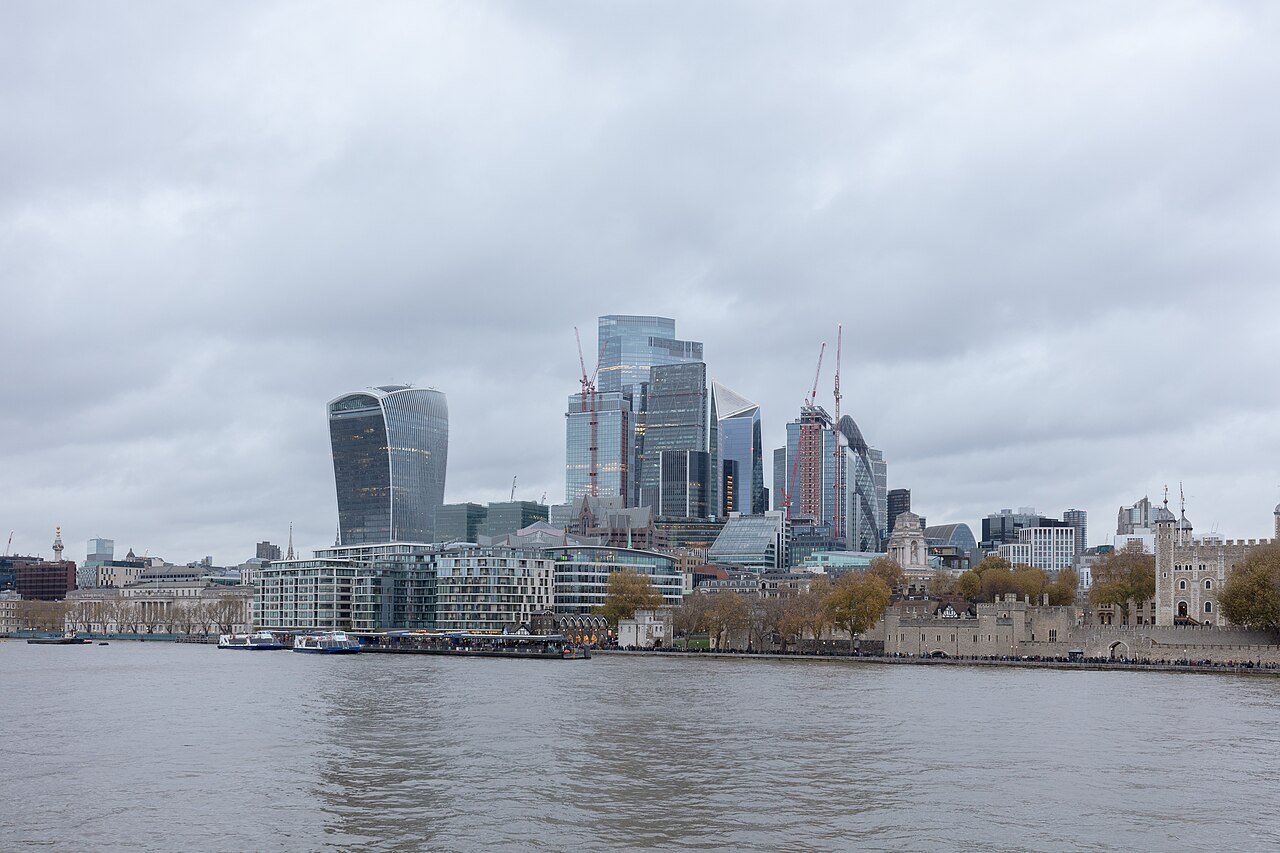
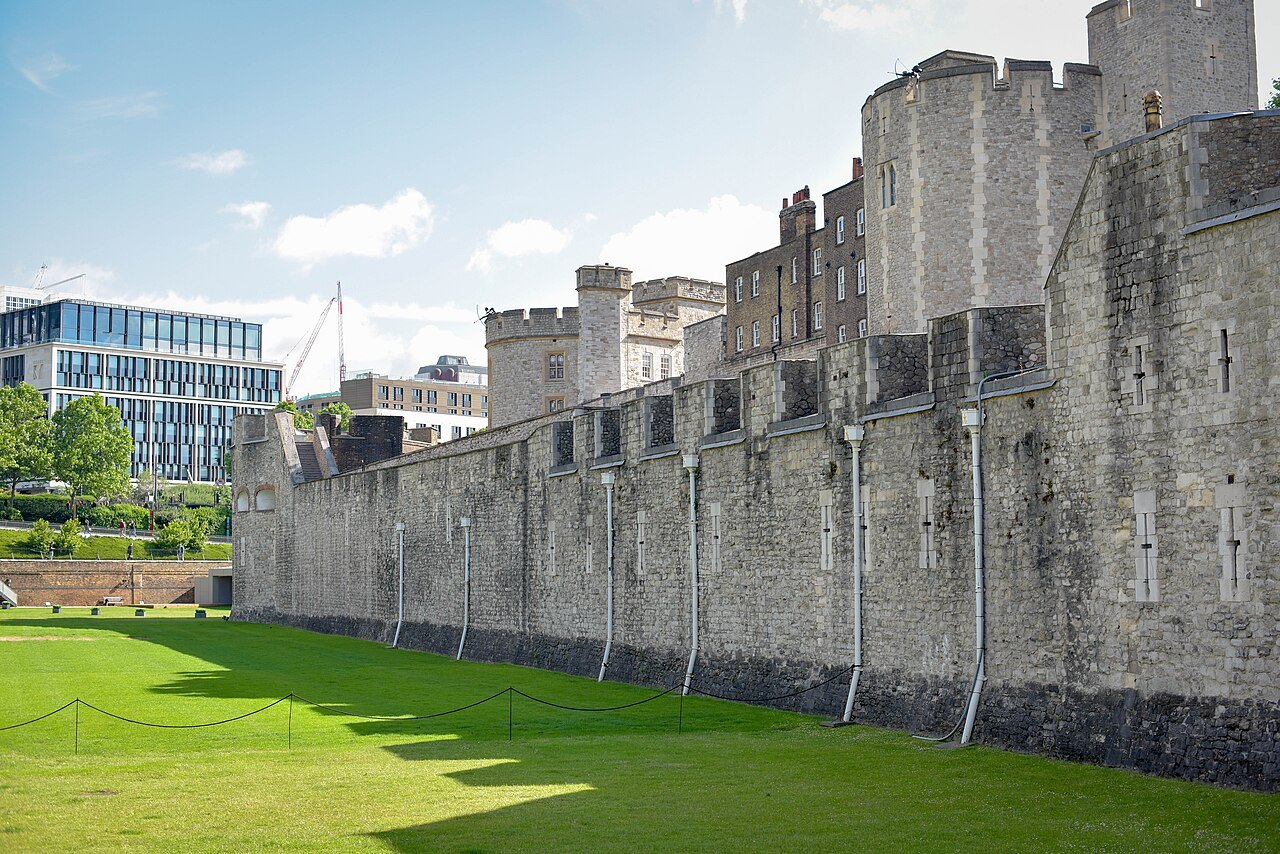 Tower Hamlets · north bankThe Tower of LondonA fortress founded in 1066 beside the Thames, whose White Tower William the Conqueror built in 1078; it has been a palace, a prison, a mint and the home of the Crown Jewels.
 - 03
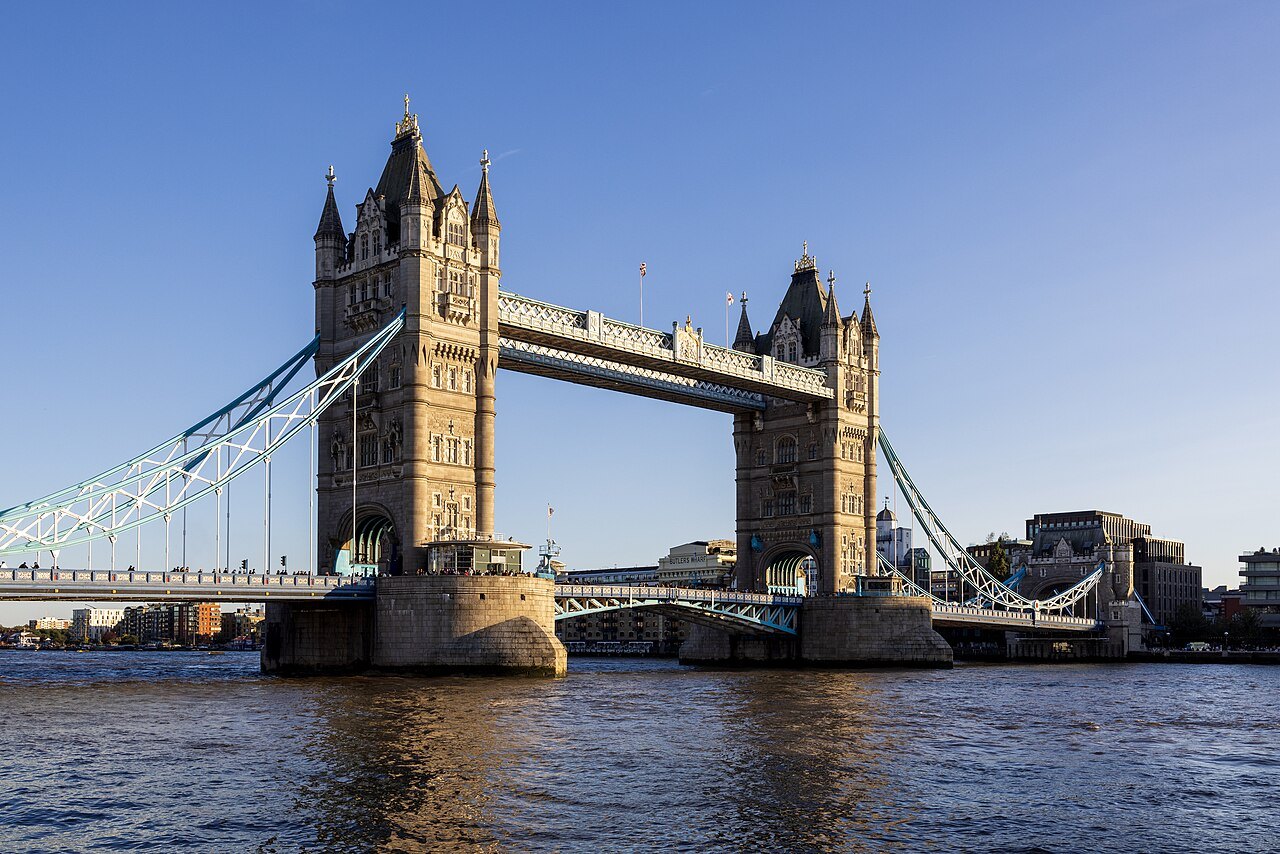 Beside the TowerTower BridgeThe bascule and suspension bridge built between 1886 and 1894, opened on 30 June 1894 beside the Tower of London.
- 01
South Kensington and the royal park
Three museums on one road, and a park of 350 acres- 01
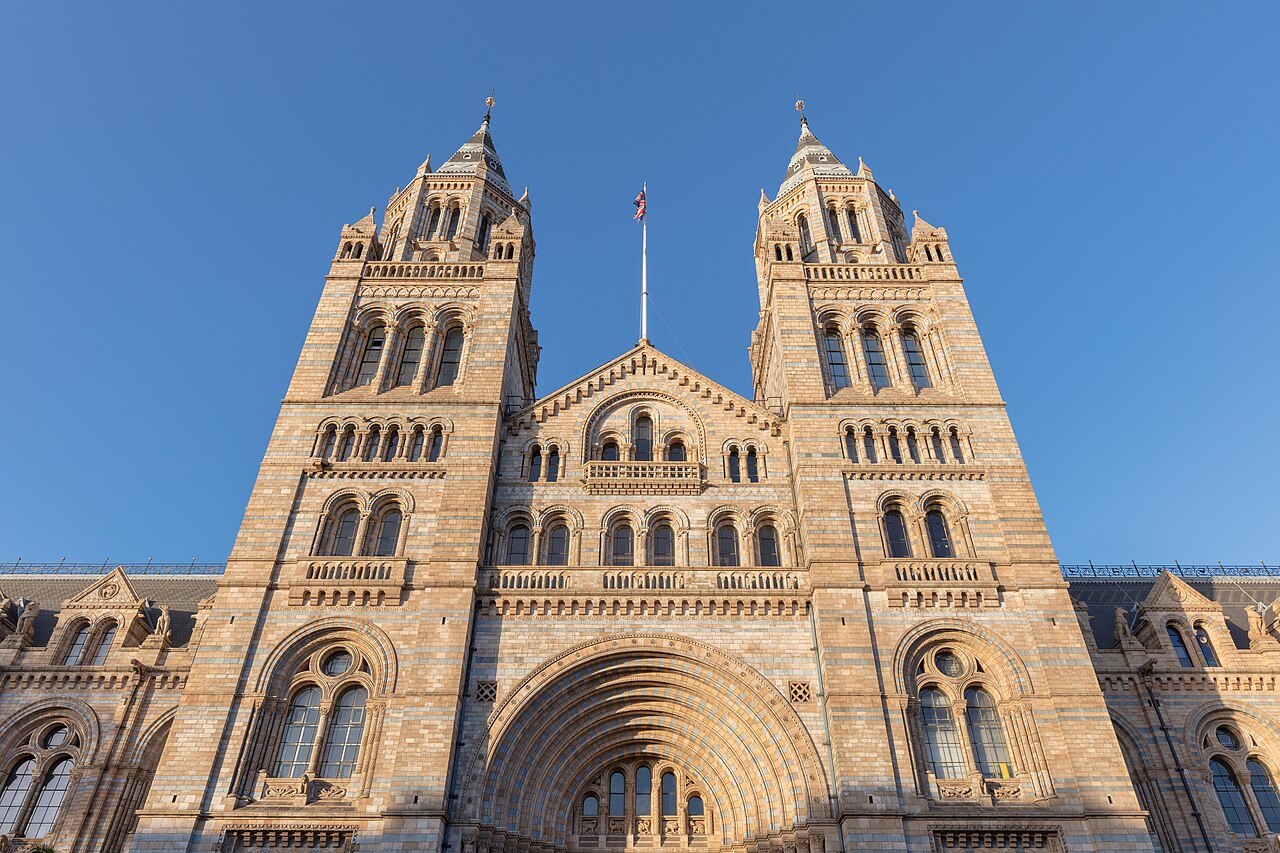 South KensingtonThe Natural History MuseumThe Alfred Waterhouse building of terracotta that opened on 18 April 1881, with a blue whale skeleton in its central hall.
 - 02
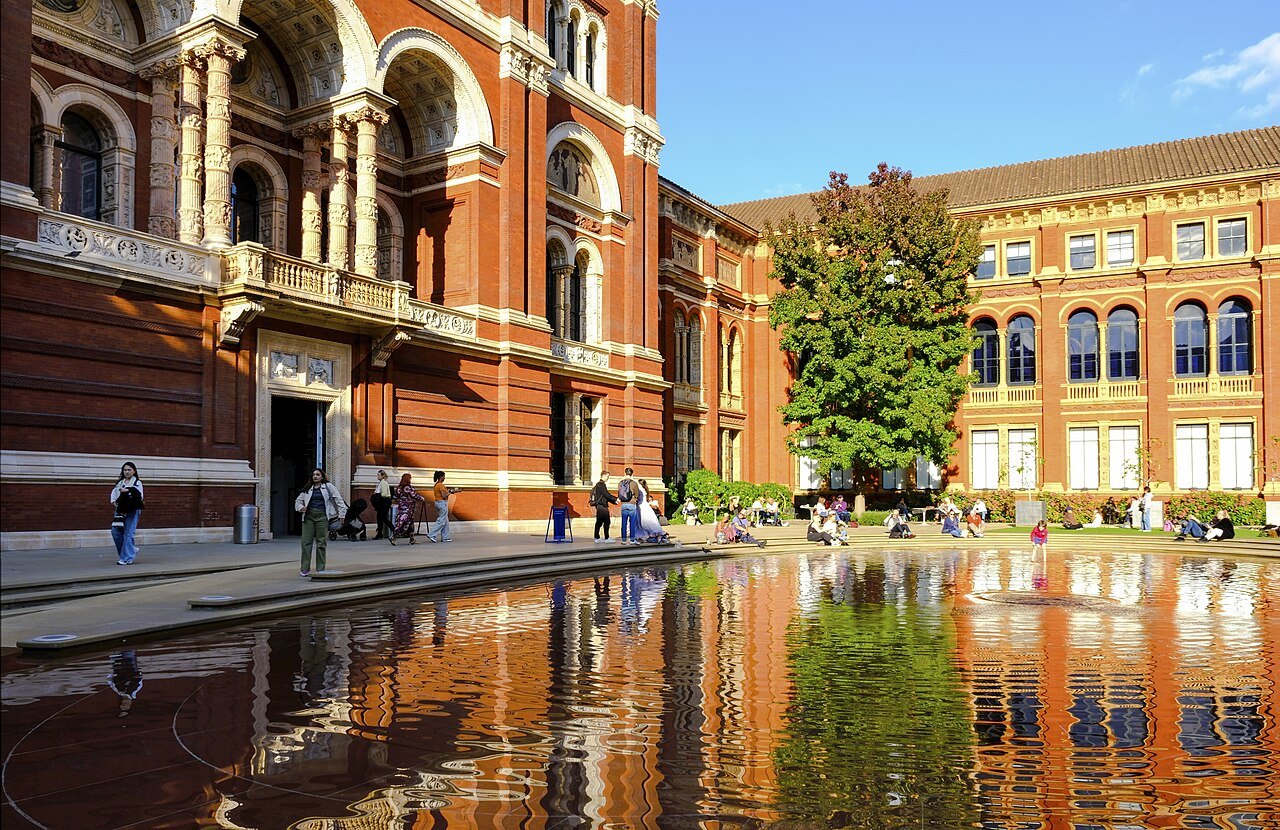 South KensingtonThe Victoria and Albert MuseumThe world's largest museum of applied arts, decorative arts and design, with a permanent collection of about 2,800,000 objects.
 - 03
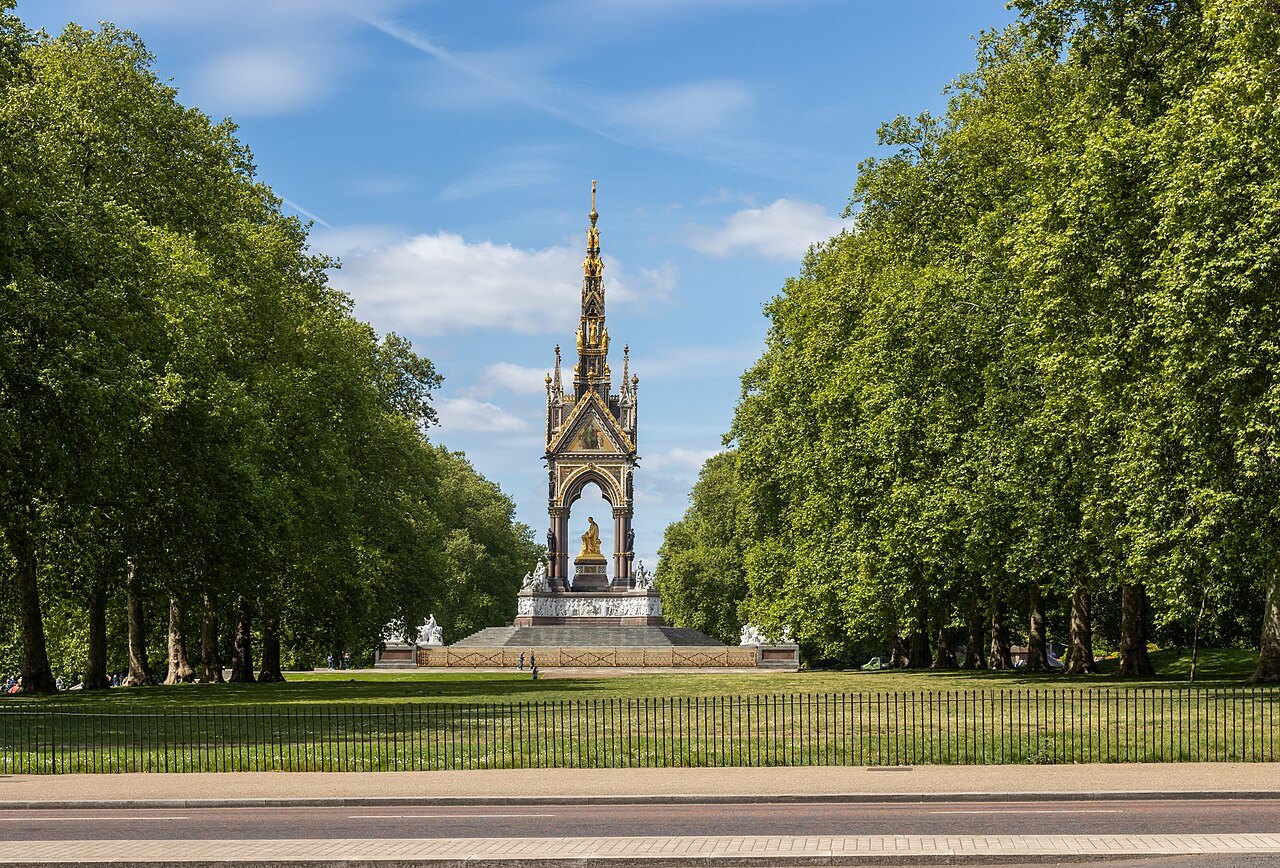 Westminster · KensingtonHyde Park and Kensington GardensA royal park of 350 acres created by Henry VIII in 1536, divided by the Serpentine and joined to Kensington Gardens.
- 01
Up and down the river
The Prime Meridian to the east, a botanic garden to the west- 01
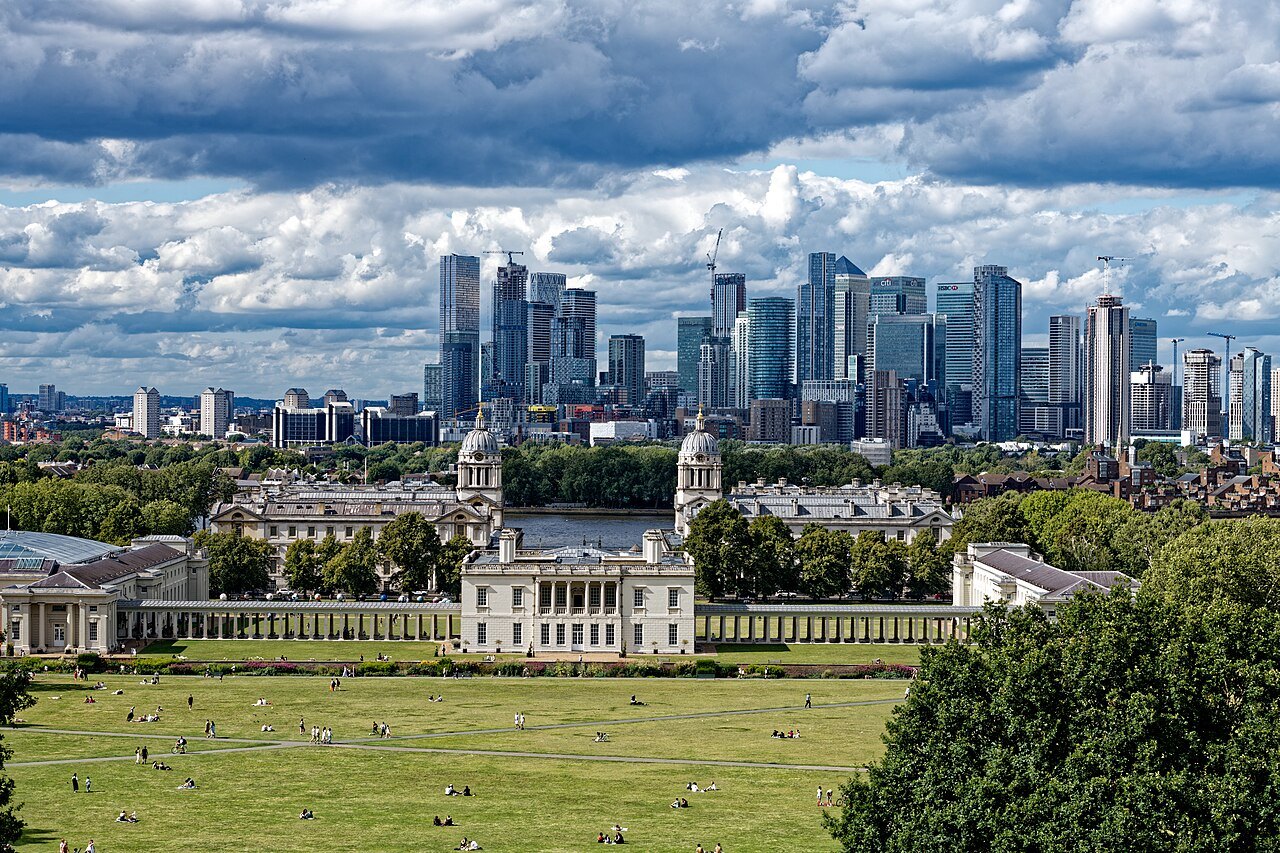 Royal Borough of Greenwich · south bankGreenwichThe home of the Prime Meridian and Greenwich Mean Time, with the Royal Observatory of 1675, the Cutty Sark and Wren's naval hospital.
 - 02
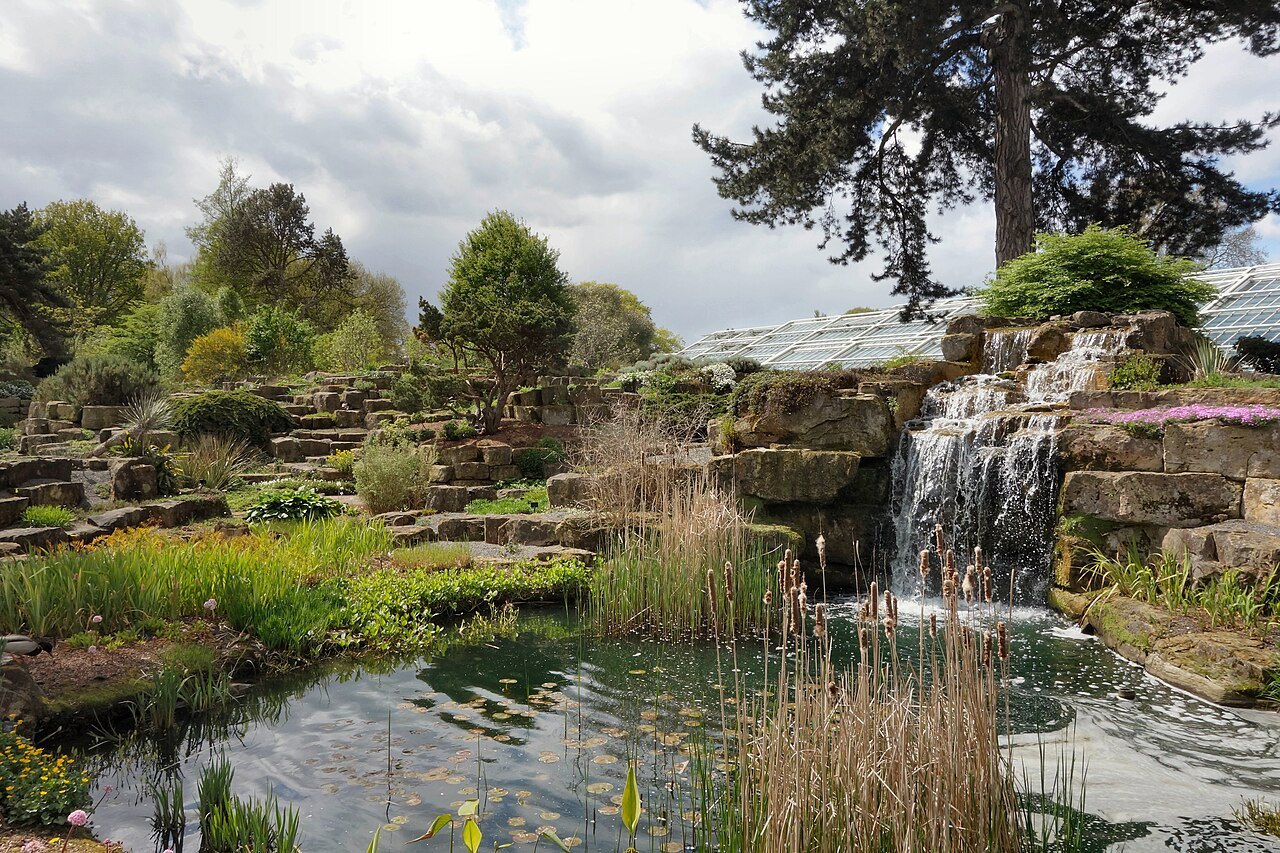 Richmond upon Thames · south-west LondonKew GardensThe botanic garden founded in 1759, now a World Heritage Site, with the iron-and-glass Palm House completed in 1848.
- 01
The Sights
In full
How the twenty are arranged
London is not a city with one center, and its sights fall into clusters that each suit a morning or an afternoon. Westminster holds the government and the monarchy; Bloomsbury and the West End hold the great museum and the theatres; the south bank faces the City across the Thames; the City and the Tower hold the oldest part of the capital; South Kensington holds three museums along one road; and two places, Greenwich and Kew, sit out on the river in opposite directions.
Grouping them this way saves time. A day that crosses from Westminster to the Tower to Kew spends most of its hours underground or on a train, while a day that stays inside one cluster can be done on foot. The pages below say what each place is and how it relates to its neighbors, and the itineraries turn the clusters into routes.
Westminster
Westminster is the ceremonial heart of the country. The Palace of Westminster, with the Elizabeth Tower that holds Big Ben, is the seat of Parliament, and beside it stands Westminster Abbey, the church where monarchs have been crowned since 1066. At the other end of the Mall, Buckingham Palace is the working residence of the monarch.
Between them, Trafalgar Square and the National Gallery make the cultural gateway to the district, with the column of Admiral Nelson at its center. All five can be reached on foot from one another in under half an hour, and the walk through St James's Park links the palace to the Houses of Parliament.
Bloomsbury and the West End
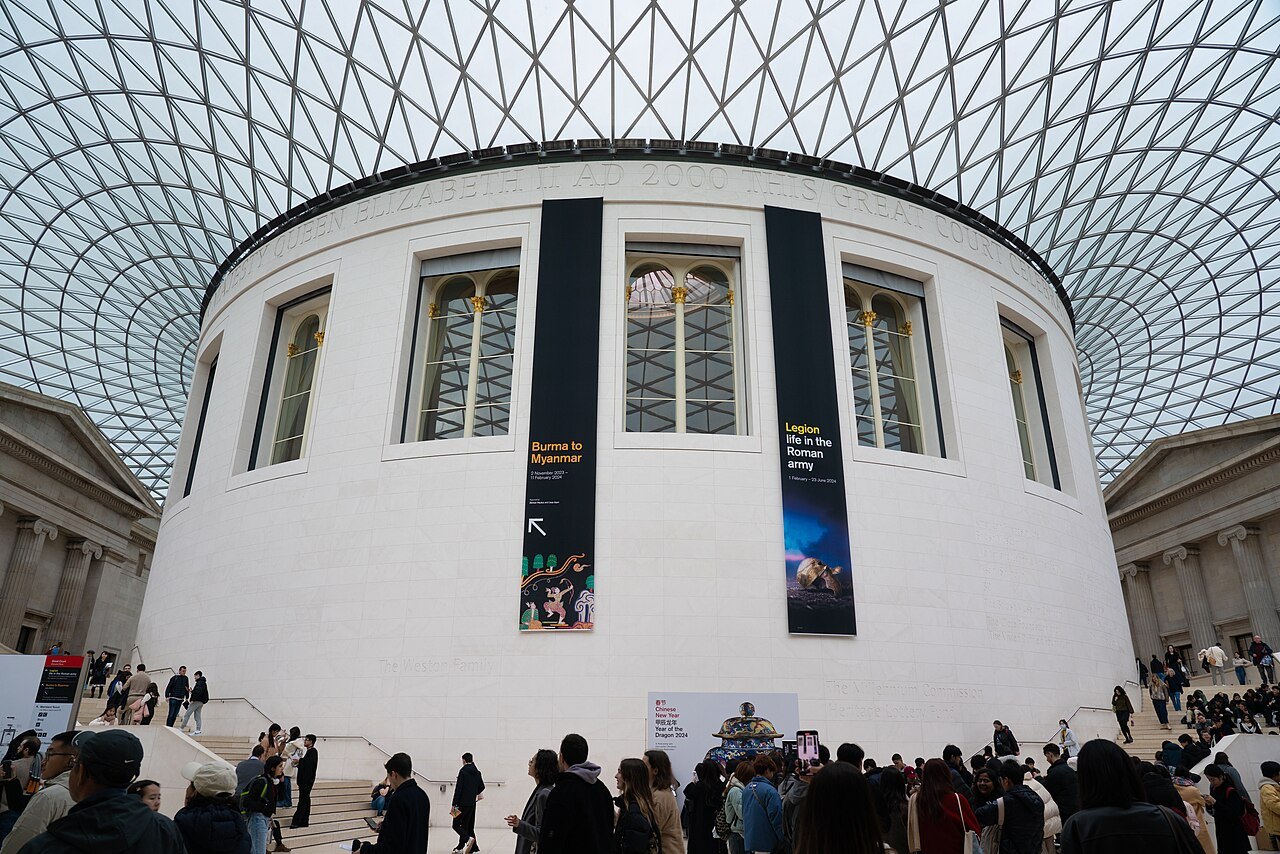
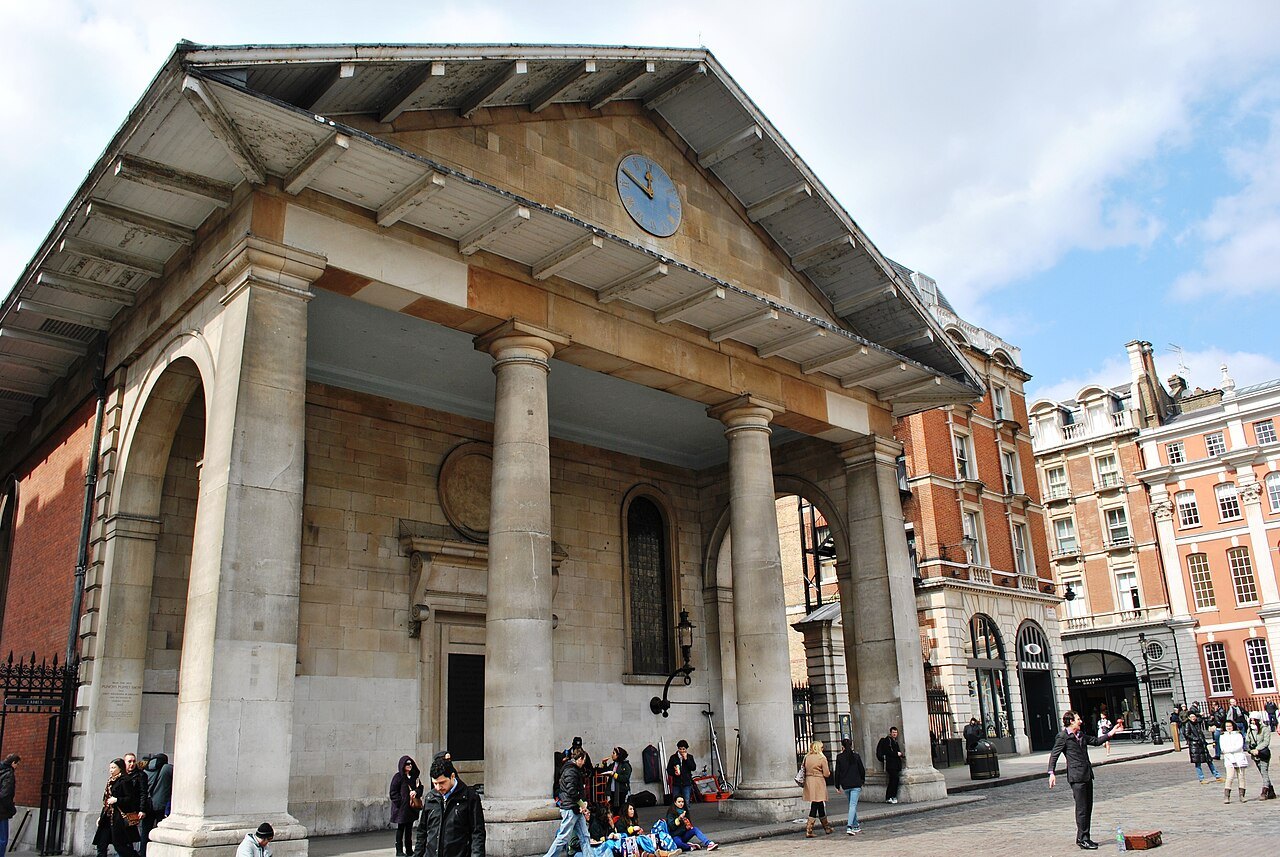
The British Museum, in Bloomsbury, holds some eight million objects and is free to enter, and it is the largest single draw in the northern half of the center. A short walk south brings you to Covent Garden, an Italianate square laid out in the 1630s, with its market, street performers and the Royal Opera House.
These two suit a day that is part serious and part wandering, and they are close enough to the Westminster cluster that the whole sweep, from the museum to the Abbey, can be walked.
The south bank
The river's south bank is a continuous walk, and five places stand along it. The London Eye faces Parliament, Tate Modern fills a former power station, Shakespeare's Globe recreates an Elizabethan playhouse, Borough Market serves food under Victorian iron, and the Shard rises over London Bridge station.
It is the best walk in the city for a first day, because it is level, mostly pedestrian and always has the river and the City skyline on one side. The stretch from the Eye to the Shard is about two miles, and a stop at the market makes a natural lunch.
The City and the Tower
Across the river, the City of London is the ancient core, founded by the Romans. St Paul's Cathedral, with Wren's dome, stands on its highest ground. Downstream, the Tower of London is the fortress begun by William the Conqueror, and Tower Bridge, which is often confused with it, crosses the river beside it.
These three are the best introduction to the older London, and they are best seen together, with the Tower and the bridge on the same morning and the cathedral on the walk between.
South Kensington and the park
Three museums stand within a few minutes of each other: the Natural History Museum, the Victoria and Albert Museum and the Science Museum, all products of the Great Exhibition of 1851. To the north lies Hyde Park, a Royal Park of 350 acres with the Serpentine, Speakers' Corner and Kensington Gardens.
This cluster suits a day with children or a day of museums, with the park as a break, and it is easy to reach by the Underground from the center.
Up and down the river
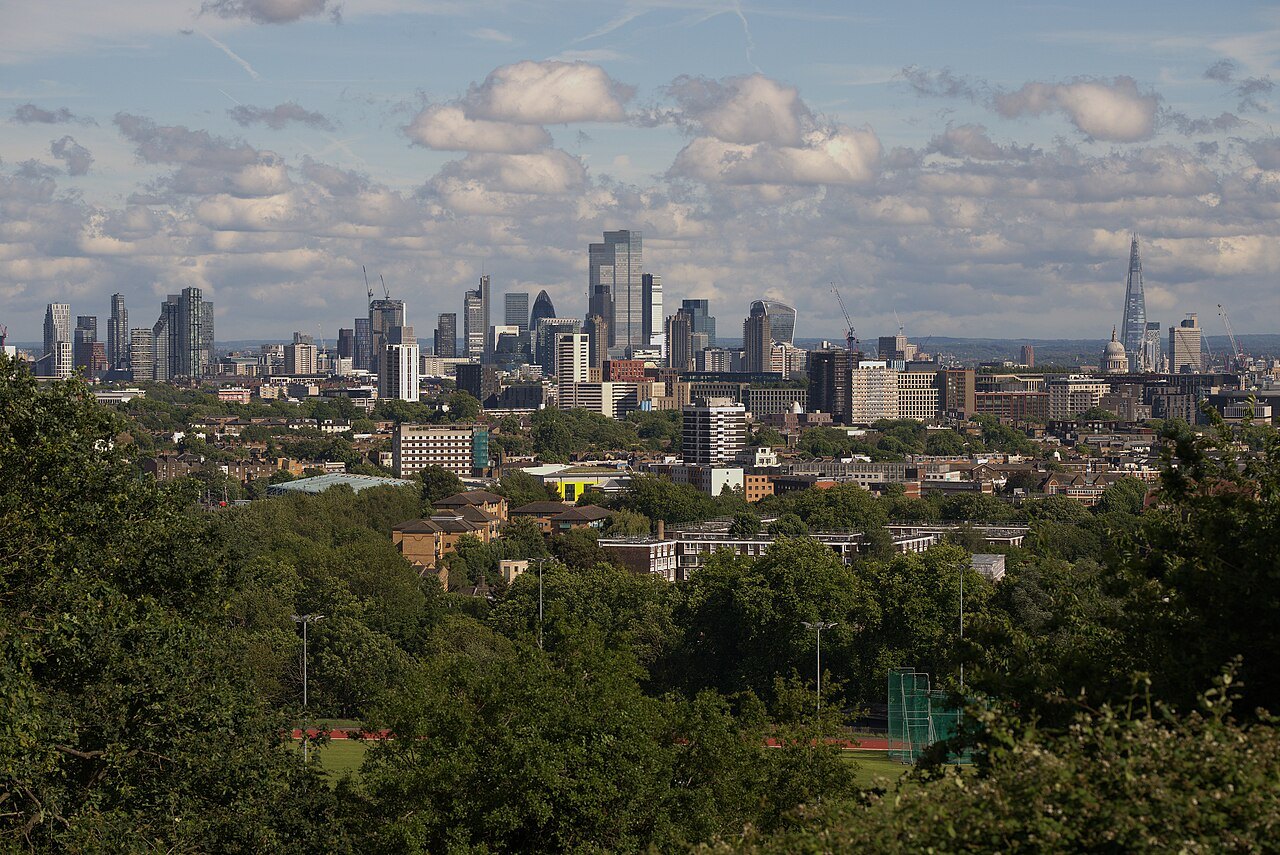
Two places lie outside the center, one at each end of the river. Greenwich, downstream to the east, holds the Prime Meridian, the Cutty Sark and Wren's naval college. Kew Gardens, upstream to the west, is a botanical garden with Victorian glasshouses and a pagoda, and a World Heritage Site.
Both can be reached by river boat, which makes the journey part of the visit. Each needs most of a day, and neither combines easily with a cluster in the center. The guides on the Thames and getting around explain how to reach them, and the sections on booking ahead say which of the twenty need a ticket before you go.
Which to pick if you have only a day
Time forces choices, and some of the twenty are better bets than others for a short stay. For the best single day, take Westminster in the morning, with the Abbey and the view of the Palace of Westminster from the bridge, then walk the south bank from the Eye to the Globe and finish at Tate Modern or the market. That one route shows the government, the river and the modern city in a single walk of about four miles.
For a second day, the Tower of London and Tower Bridge are the strongest single draw, followed by St Paul's. For a third, choose between the great museums: the British Museum for the ancient world, the V&A for design, the Natural History Museum for children and the National Gallery for painting. Greenwich is the best use of a fourth day, and Kew rewards a fifth, especially in spring.
Reading the pages
Each sight page says what the place is, where it came from, what to look for and what to combine it with, and each ends with its nearest neighbors. The pages avoid prices, opening hours and queue lengths, because those change; the official site of each place is the source for them. Where a ticket or timed entry genuinely matters, the page says so and sends you to the booking guide.
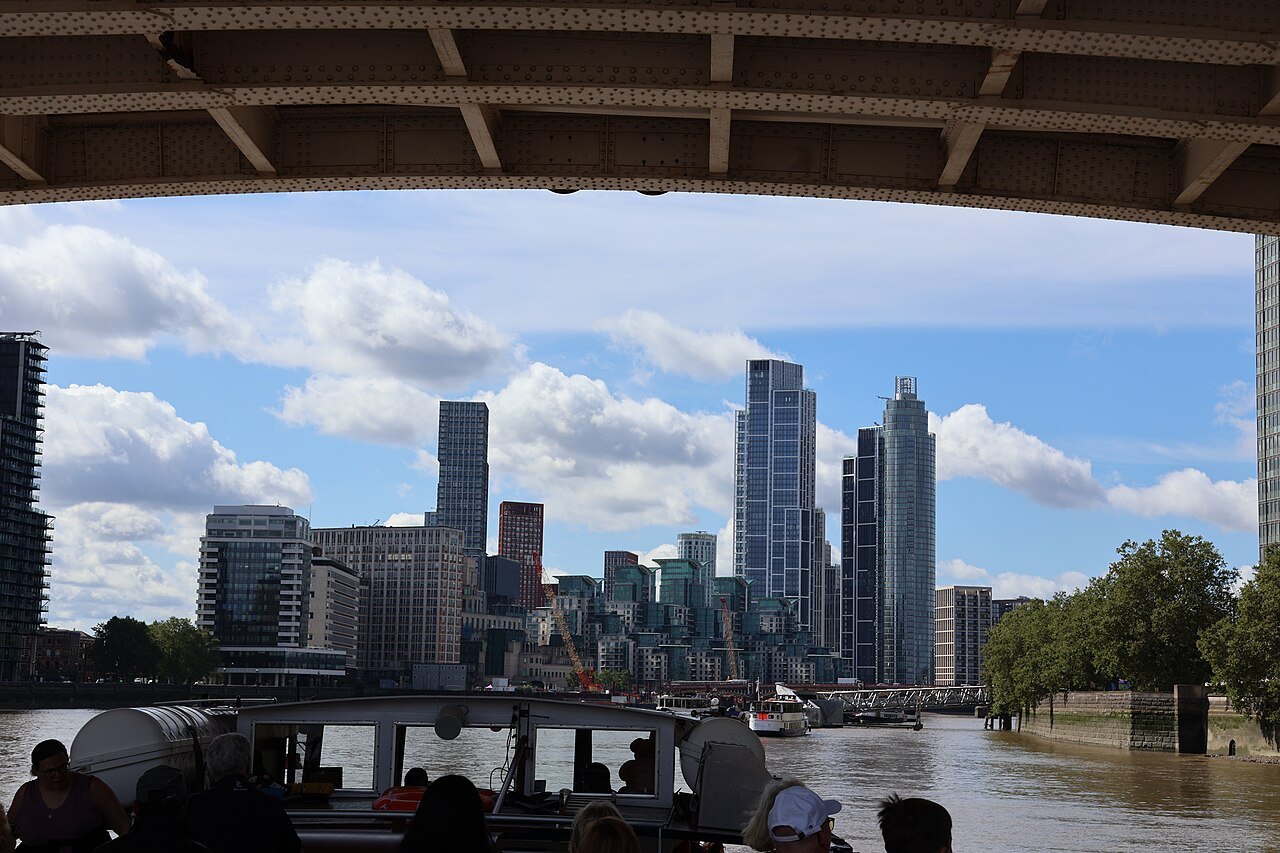
A few of the places are easily confused, and the pages take care to separate them. The Tower of London is not Tower Bridge and neither is London Bridge, Big Ben is a bell and not the tower that holds it, and Westminster Abbey is not the Houses of Parliament next door.