Home · Sights · The Tower of London
The Tower of London
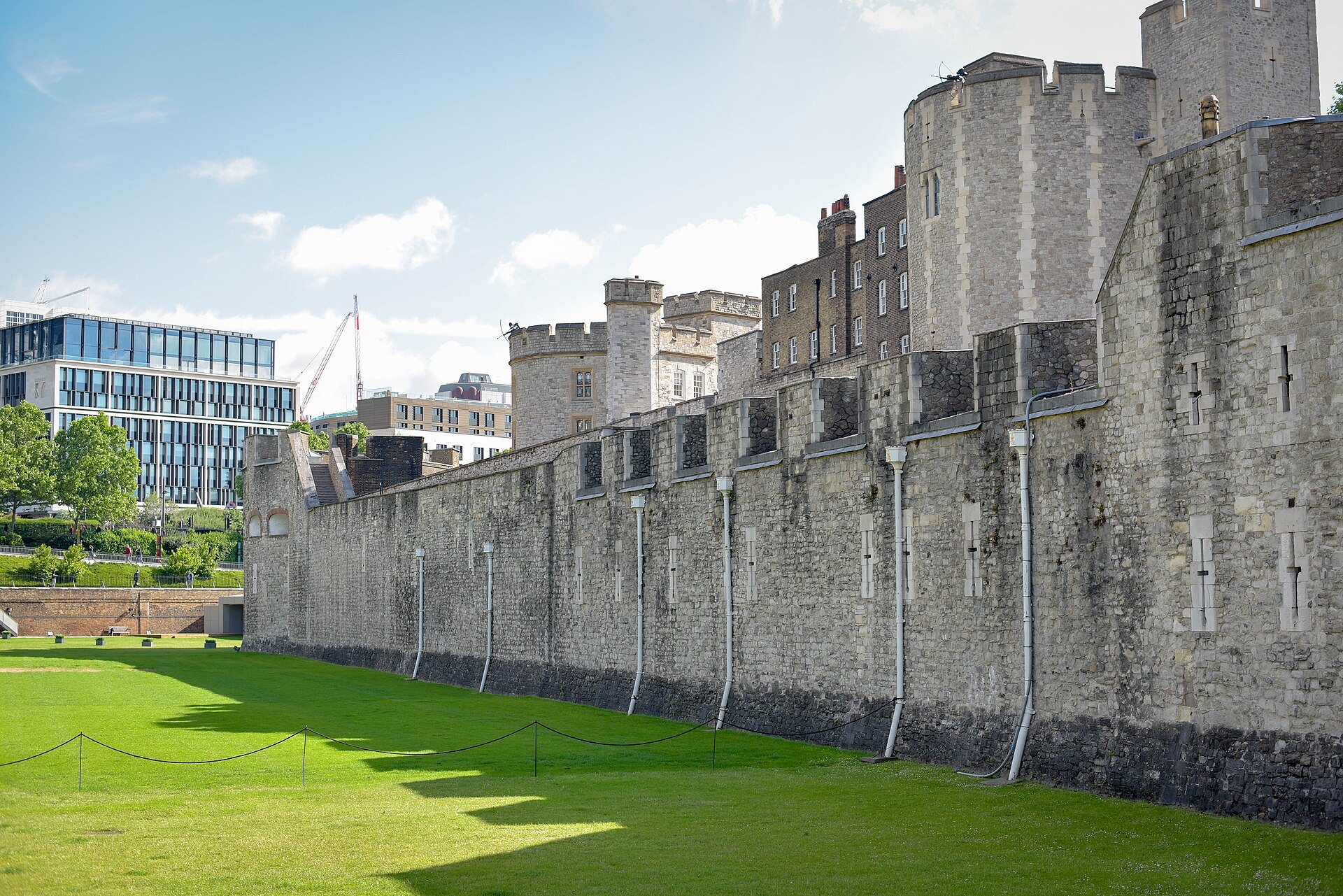
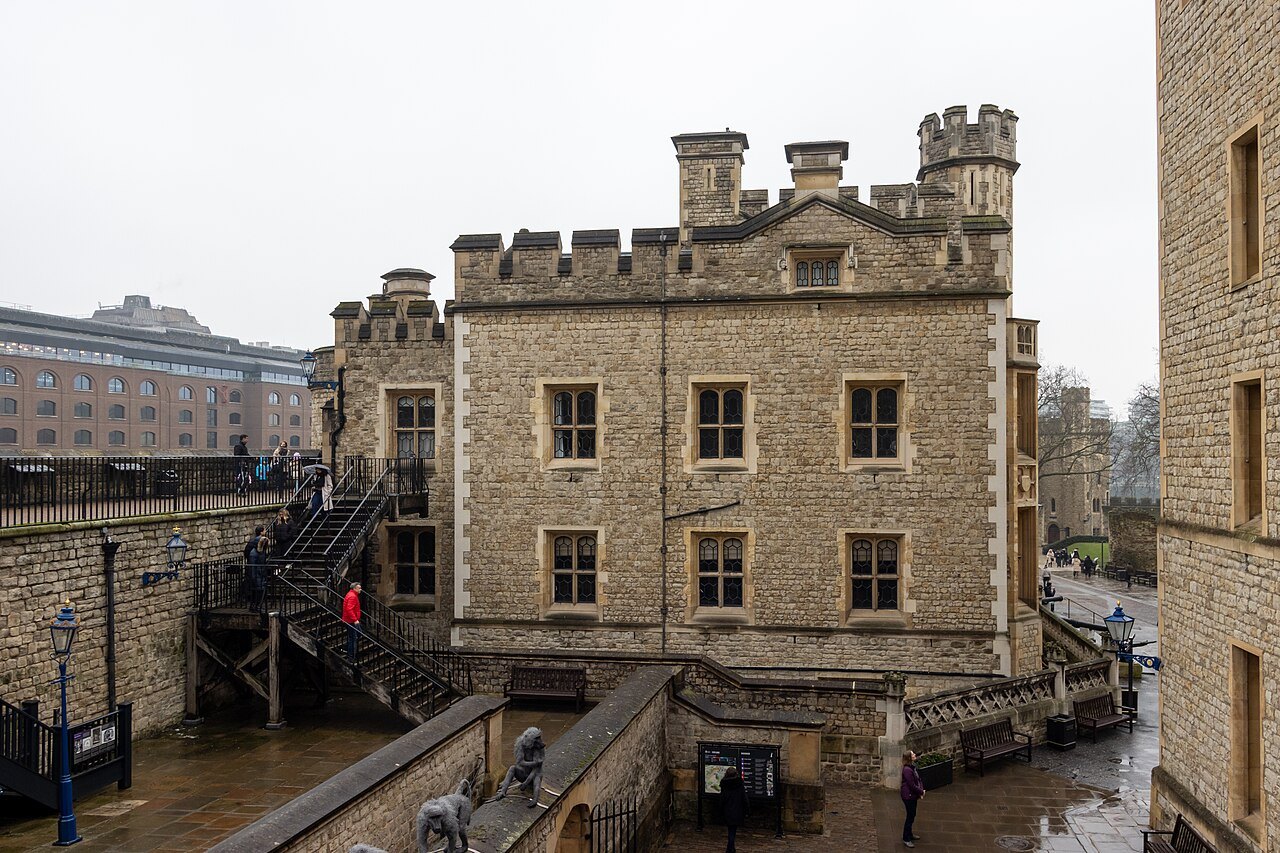
What you are looking at
Tower Hamlets · north bank
- 1The White TowerWilliam the Conqueror's keep of 1078, one of the largest in the Christian world, from which the whole castle takes its name.
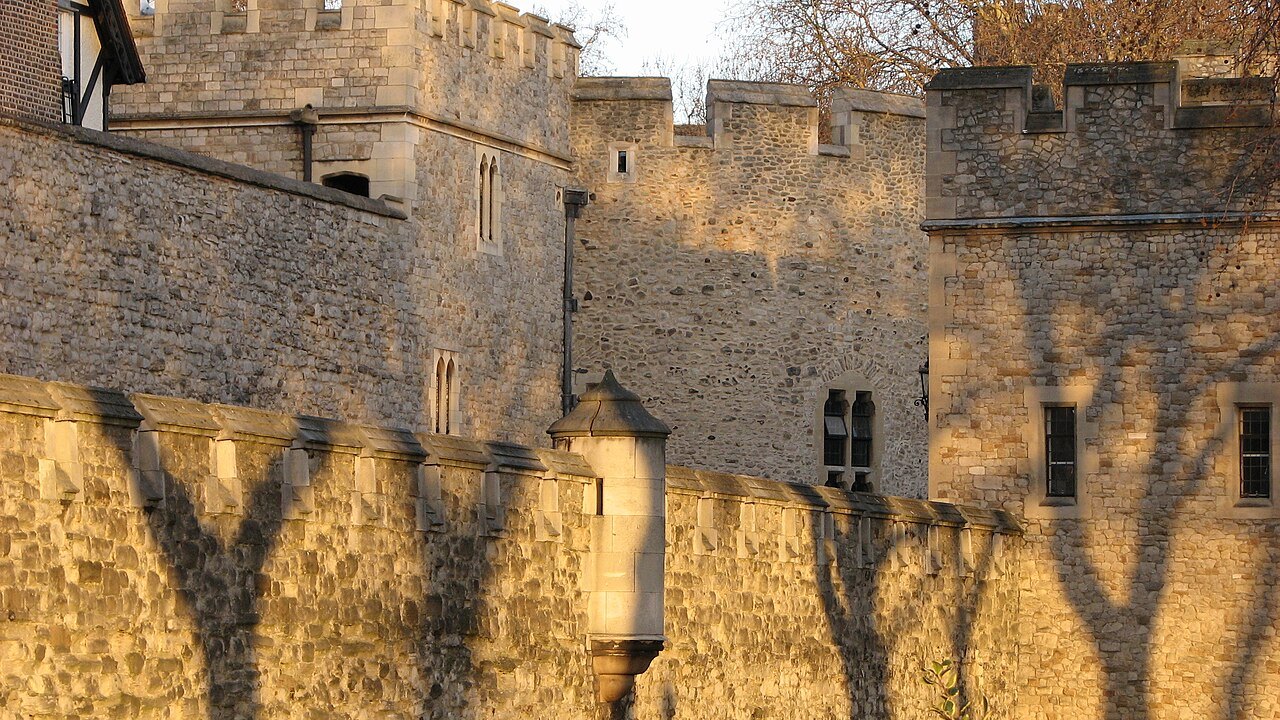
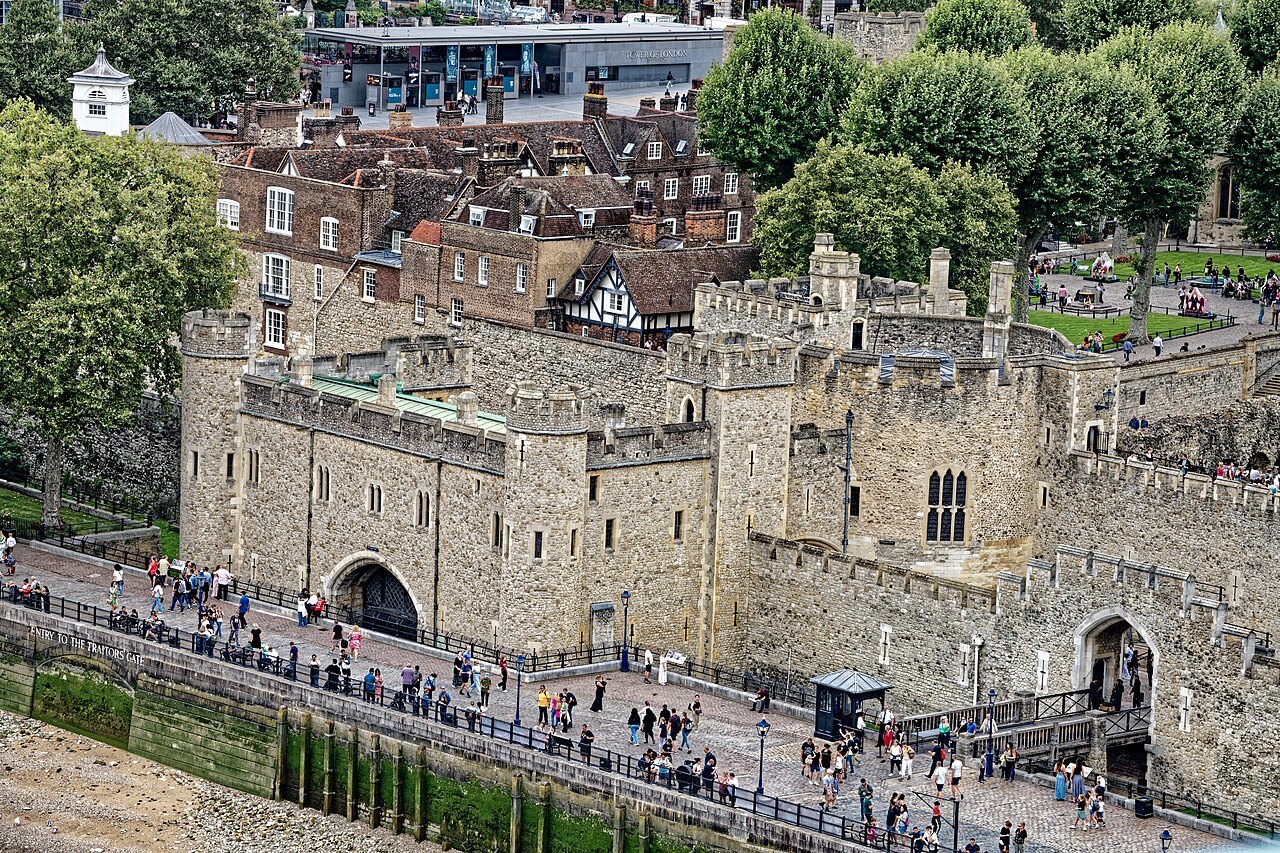
- 2The two rings of wallsThirteen towers stud the inner wall and a second, outer wall circles it, laid out by Henry III and Edward I.
- 3The Jewel HouseThe Crown Jewels have been shown to the public here since 1669, and in the Waterloo Block since 1994.
- 4The Yeoman WardersRetired servicemen in Tudor-style uniform who guard the castle and have led its guided tours since the Victorian era.
- 5The ravensAt least six ravens live at the Tower, tended by the Ravenmaster, in the belief that the kingdom falls without them.
Reading the place
The sight in full
Why it matters
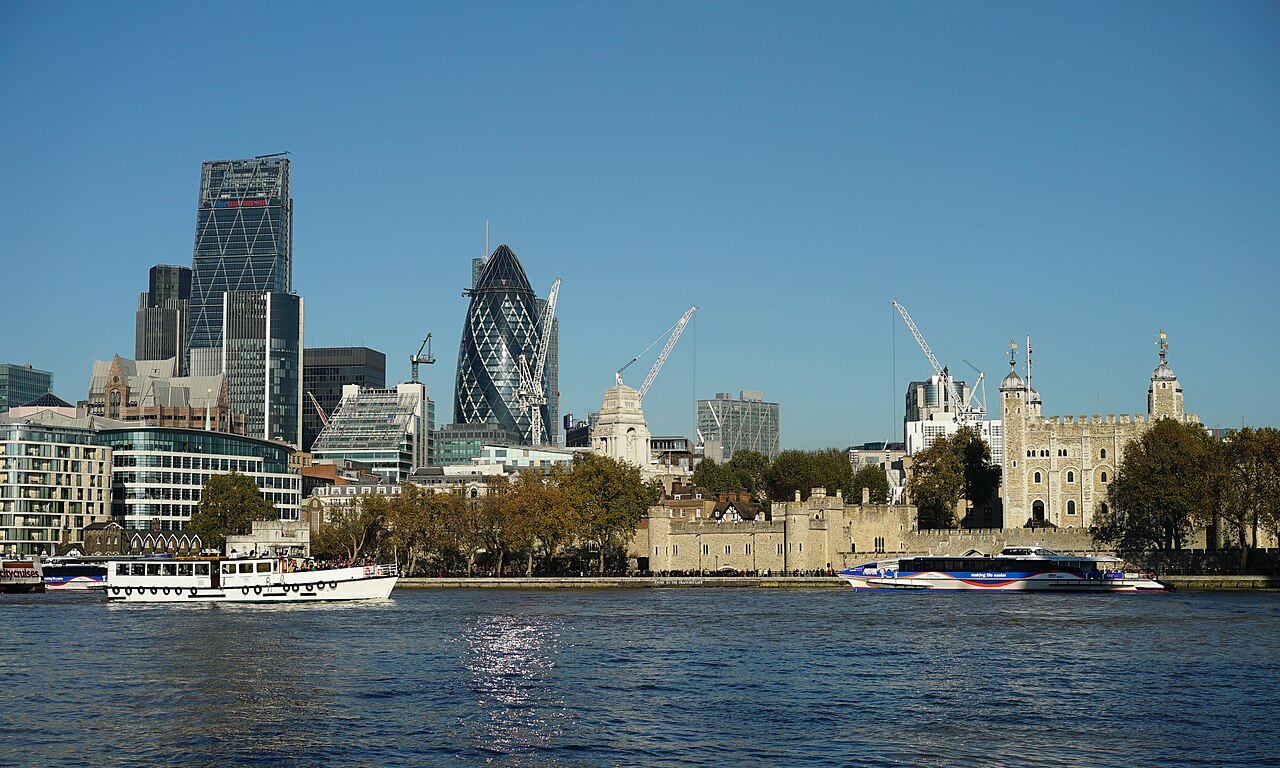
The Tower of London is officially His Majesty's Royal Palace and Fortress, a citadel on the north bank of the Thames that was founded toward the end of 1066 as part of the Norman Conquest. It stands in the borough of Tower Hamlets, separated from the eastern edge of the City of London by the open ground of Tower Hill, and it is the place where the story of the capital's government, wealth and fear can be read in stone.
The White Tower, which gives the castle its name, was raised by William the Conqueror in 1078 and was at first a resented symbol of oppression. Today the Tower is cared for by the charity Historic Royal Palaces, was added to the World Heritage list in 1988, and drew 2,817,852 visitors in 2025, making it the ninth most visited attraction in the country.
How the castle grew
William won at Hastings on 14 October 1066 and then took a roundabout route toward London, since the fortified bridge was held by Saxon troops. The city yielded without a fight that December, and the new king built a fortress into the south-east corner of the old Roman city wall, a corner that still shows in the outline of the site.
Most of what you walk through was made in the thirteenth century. Richard I's chancellor dug a moat, Henry III built the inner ward's east and north walls, and Edward I finished a rebuild in 1285 after which the general layout never changed. The castle has three rings: the innermost ward around the White Tower, the inner ward that wraps it, and the outer ward beyond, all enclosing almost twelve acres.
The Tower was a refuge as often as a threat. In 1214 rebels besieged it while King John was at Windsor, and the siege ended when he sealed Magna Carta. Henry III held parliament here on at least two occasions when he feared his barons.
What you actually see
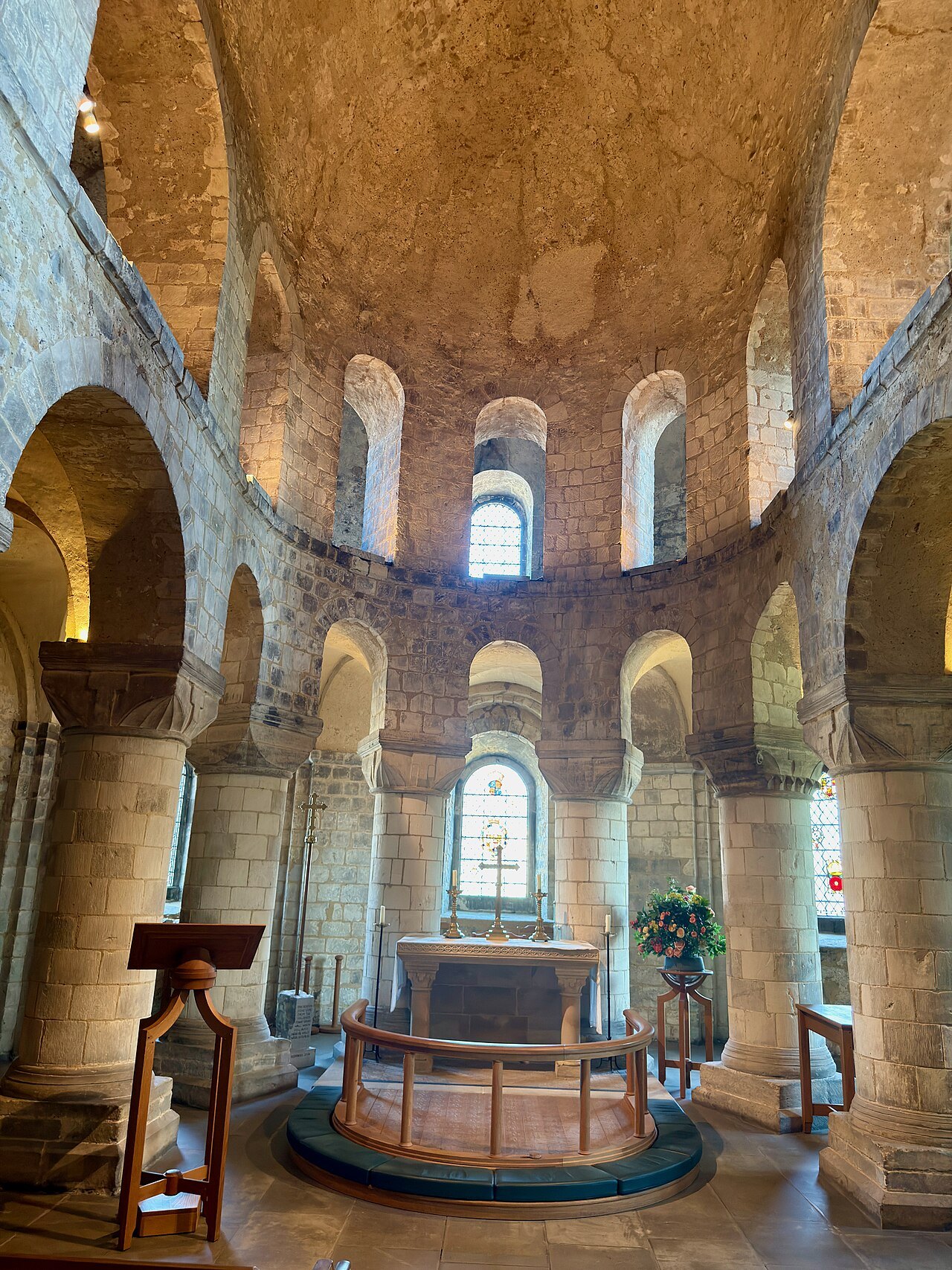
The White Tower is a keep about ninety feet high at its southern battlements, built of Kentish ragstone with Caen stone from northern France for the details, much of which was replaced by Portland stone in the seventeenth and eighteenth centuries. Its entrance was originally above ground on the south face, reached by a wooden stair that could be removed in an attack. Almost nothing of its original interior survives except St John's Chapel, whose bare, unadorned walls are close to what a Norman worshipper saw.
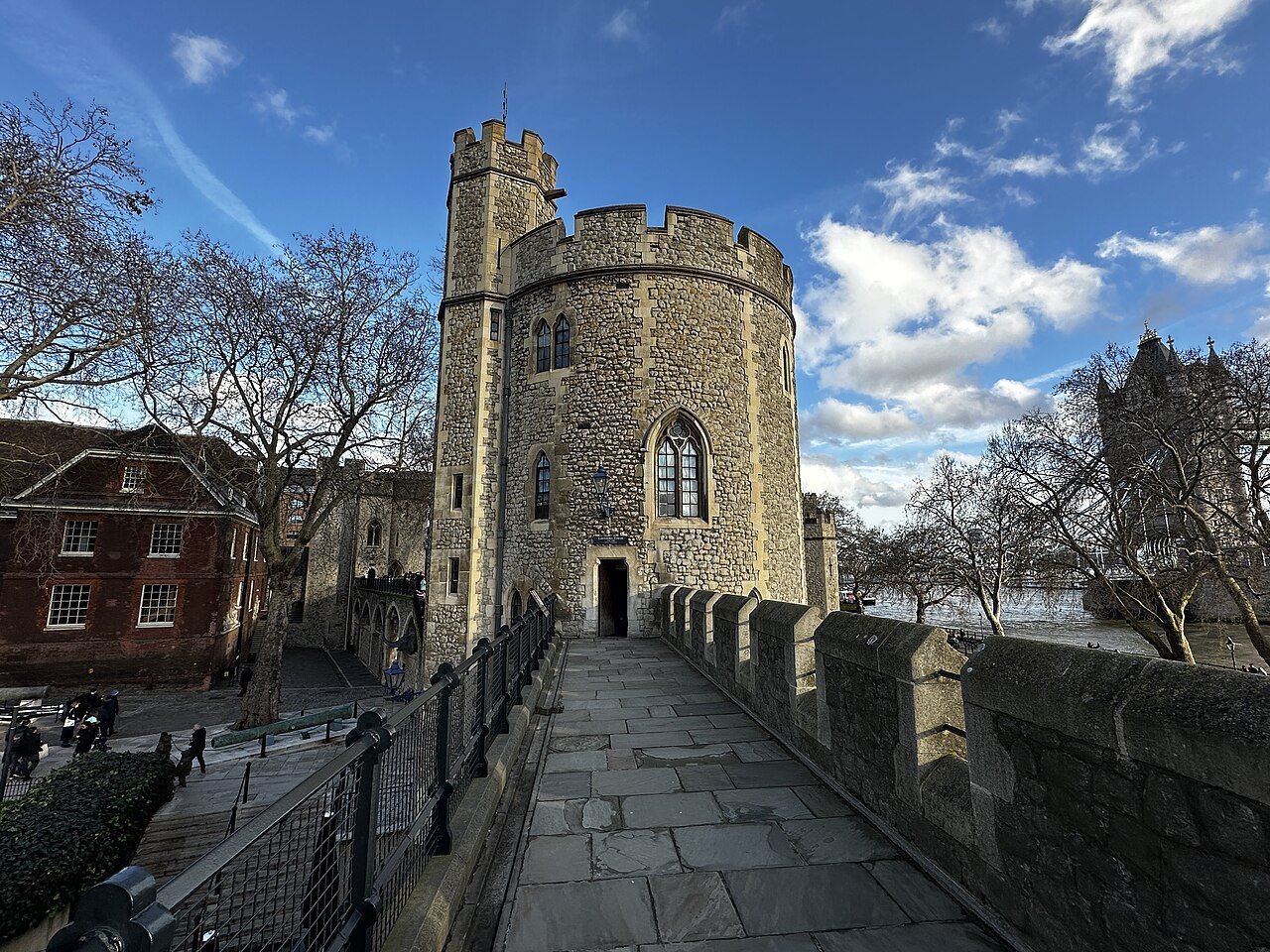
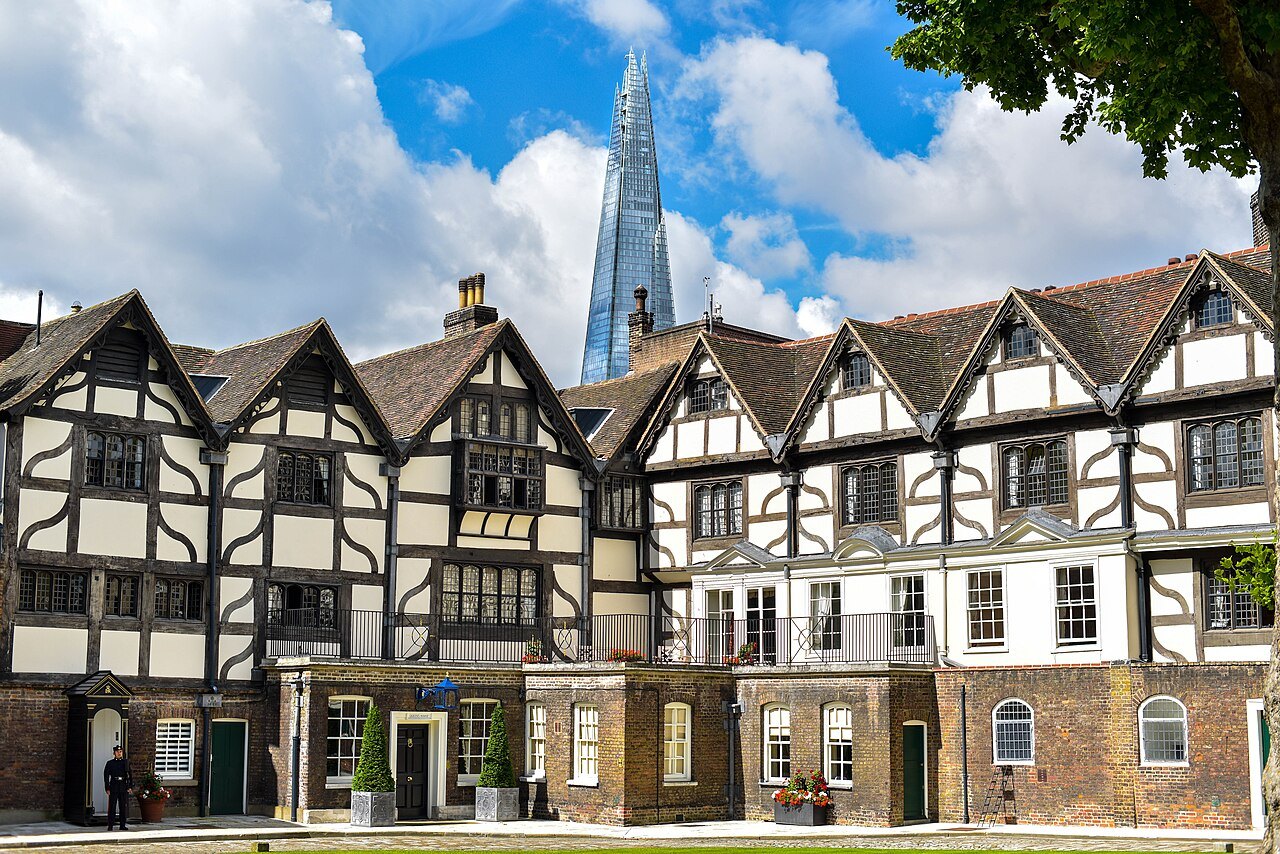
On the inner wall, the Beauchamp Tower marks the first large-scale use of brick in Britain since the Romans left. The Bloody Tower took its name in the sixteenth century, when people believed it was the place where the Princes in the Tower were murdered. Nearby the chapel of St Peter ad Vincula dates from Henry VIII's rebuilding of 1519 and holds the grave of Anne Boleyn.
Down by the river the Wakefield and Lanthorn Towers began around 1220 as the private lodgings of the queen and king. The medieval palace rooms there have been open to visitors since 2006, which is the best place to understand that the Tower was meant to be lived in before it was feared.
Prison, armoury and mint
From the sixteenth century the Tower acquired its grim name, though the reality was more varied. Prisoners were usually high-status people held for short periods, and they could buy better food and tapestries through the Lieutenant of the Tower. When Walter Raleigh was held here his rooms were altered for his family, and his son was born in the castle in 1605. Only seven people were executed inside the walls before the world wars; the sentences were usually carried out on Tower Hill, where 112 people died over four hundred years.
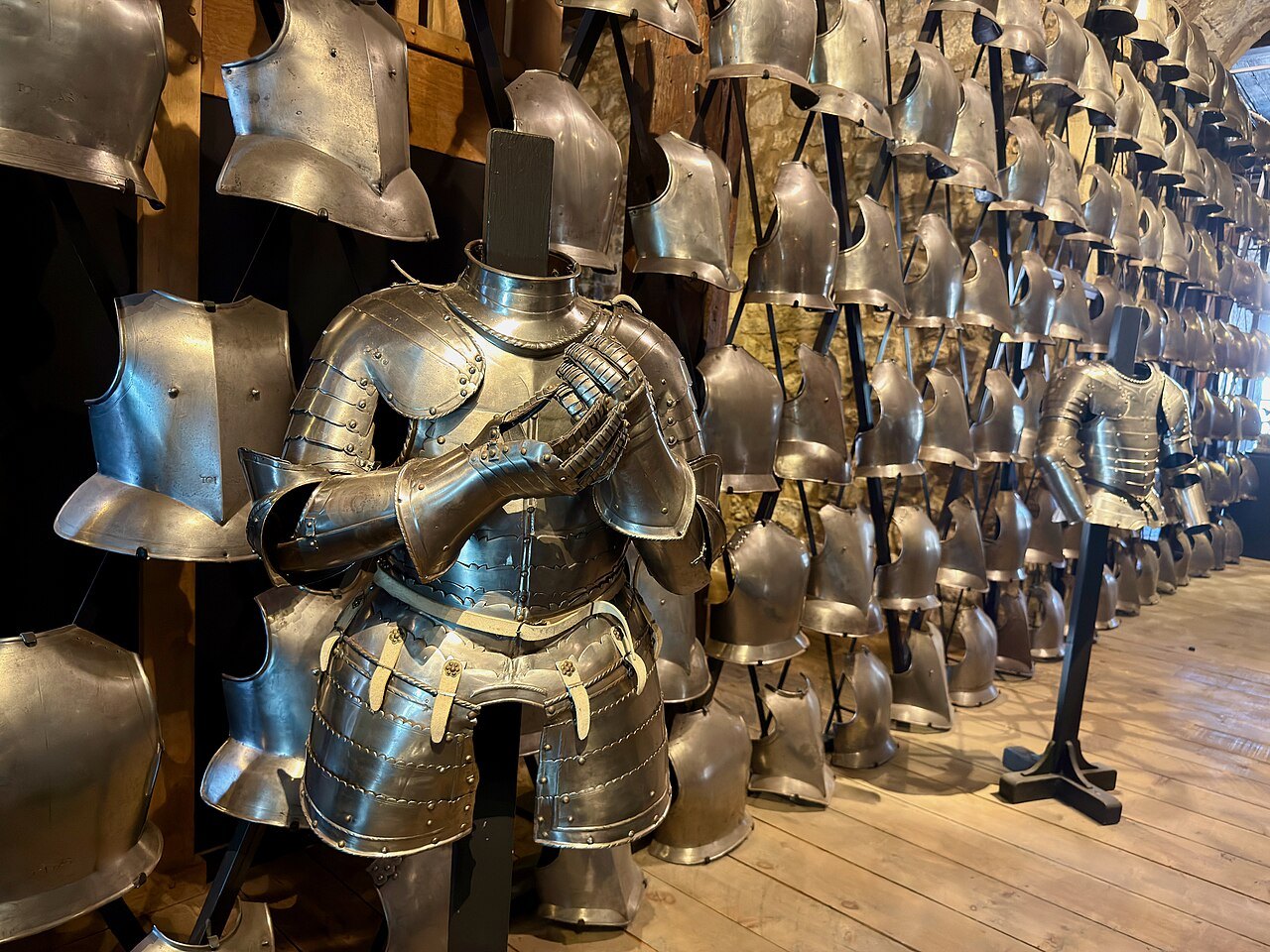
Behind the prison was a working arsenal. The Board of Ordnance had its headquarters in the White Tower until it was abolished in 1855, and the Royal Mint moved out between 1845 and 1885. The wars of the twentieth century brought the last prisoners: eleven men were shot for espionage in the First World War, and in 1941 Hitler's deputy Rudolf Hess was held for four days, the last state prisoner at the castle. Josef Jakobs, shot on 15 August 1941, was the last person executed here.
The story that the Tower had a permanent torture chamber is a myth. The basement of the White Tower held a rack in later periods, but the picture of underground dungeons comes largely from nineteenth-century novelists, among them William Harrison Ainsworth.
The Crown Jewels
Keeping the royal regalia at the Tower probably began under Henry III, and the Jewel House was built to hold it. The monarch could pawn the treasure when money was short, which gave kings independence from the nobles and made the stronghold worth guarding.
The collection was destroyed in 1649, after Charles I's execution, when metal items were sent to the Mint and the crowns were broken up. When the monarchy returned in 1660 the only surviving coronation items were a twelfth-century spoon and three ceremonial swords, and new regalia was made for the coronation of 1661. In 1671 Colonel Thomas Blood bound the Jewel House keeper and made off with the Imperial State Crown, sceptre and orb, but he was caught when the keeper's son arrived and raised the alarm.
Since 1994 the Crown Jewels have been displayed in the Jewel House in the Waterloo Block, with 23,578 gemstones among them, the 800-year-old Coronation Spoon, St Edward's Crown and the Imperial State Crown.
Warders, ravens and a menagerie
The Yeoman Warders, popularly called Beefeaters, are the ceremonial guardians of the castle. Every one is a retired member of the armed forces who served at least twenty-two years as a warrant officer, and the garrison is thirty-two warders and a Chief Warder. They have led guided tours since the Victorian era, and with a detachment of the King's Guard they take part in the Ceremony of the Keys each day, the ritual locking of the gates.
At least six ravens are kept at the Tower at all times, because tradition says that if they leave, the Crown will fall. The Ravenmaster, one of the warders, looks after them. The oldest picture of the birds here dates from 1883, and the Tower's own historian thinks the legend may be a Victorian invention, but the birds themselves are real.
Another resident, long gone, was the Royal Menagerie. King John kept wild animals here, Henry III received three leopards in about 1235, a polar bear in 1252 that fished in the Thames on a chain, and an elephant a few years later. The collection opened to the public in the eighteenth century and was moved to the new Zoological Gardens in Regent's Park in 1831 and 1835; the Lion Tower was demolished in 1853.
Visiting well
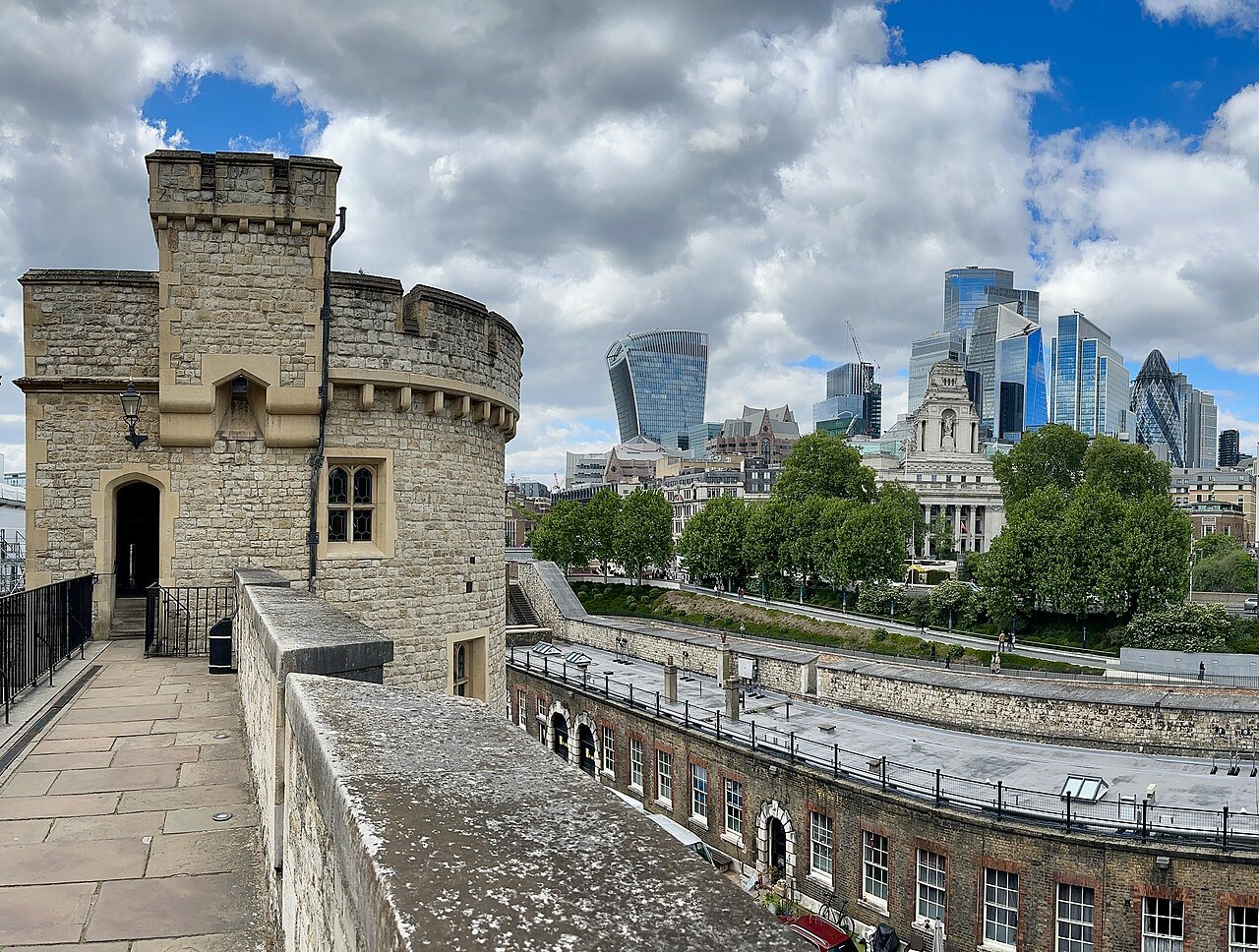
The site encloses almost twelve acres and several of its best things, the Jewel House, the White Tower, the medieval palace and the wall walk, are in different wards, so it rewards a route rather than a wander. Warder-led tours are the easiest introduction, and they begin from the near end of the castle.
The Tower stands beside Tower Bridge, so the two combine naturally, and the bridge's name is often confused with this castle's. For timed entry, the Jewel House and what needs booking in advance, see Booking Ahead, and for the downstream walk that ends here start at the Palace of Westminster.
Nearby
Where to go next
- Nearby · Beside the TowerTower BridgeThe Victorian bascule and suspension bridge opened on 30 June 1894 beside the Tower of London, its towers joined by high walkways and its roadway able to split in two for ships.Read the page →
- Nearby · City of LondonSt Paul's CathedralChristopher Wren's Baroque cathedral, finished in 1710 after the Great Fire, with a dome that was the tallest structure in London for more than two and a half centuries.Read the page →
- Nearby · Southwark · south bankThe ShardA glass pyramid of 95 storeys designed by Renzo Piano, 1,016 feet high, completed in 2012 beside London Bridge station and still the tallest building in the United Kingdom.Read the page →