WINDSOR, OXFORD, CAMBRIDGE, STONEHENGE, BATH AND BRIGHTON
Day Trips
The castle at Windsor, the two university cities, the stones of Salisbury Plain, the Roman baths and the seaside: each a train, a coach or a drive away.
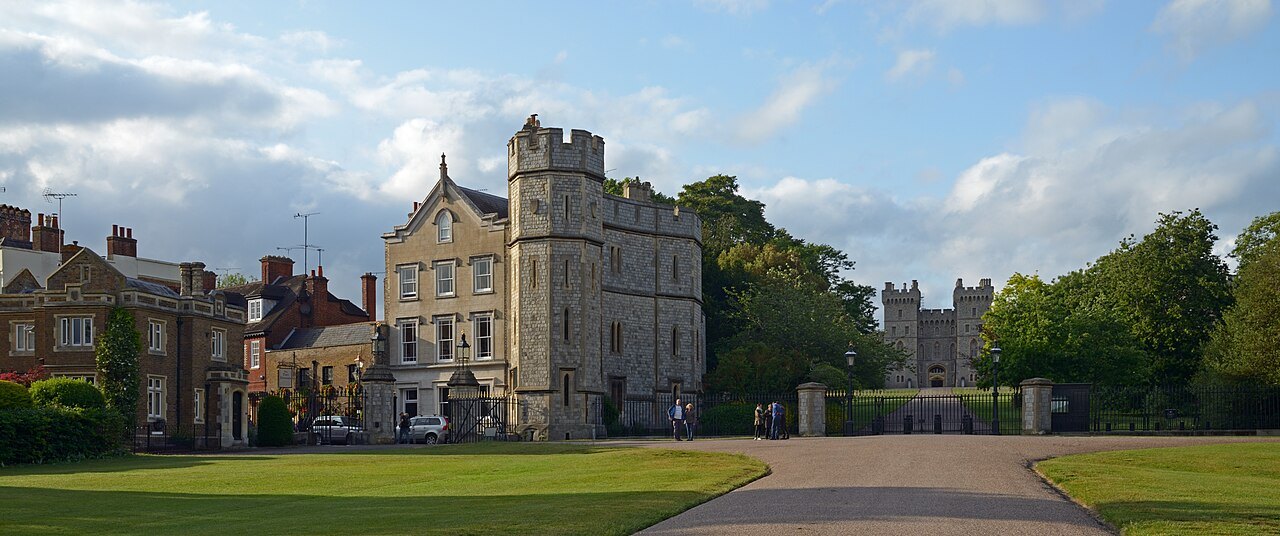
Windsor Castle seen from the Long Walk across the grass of Windsor Great ParkВвласенко, Wikimedia Commons, CC BY-SA 3.0Train from Paddington or Waterloo, about an hourWindsorA royal castle about 25 miles west of London, the longest-occupied palace in Europe, with St George's Chapel inside its walls.
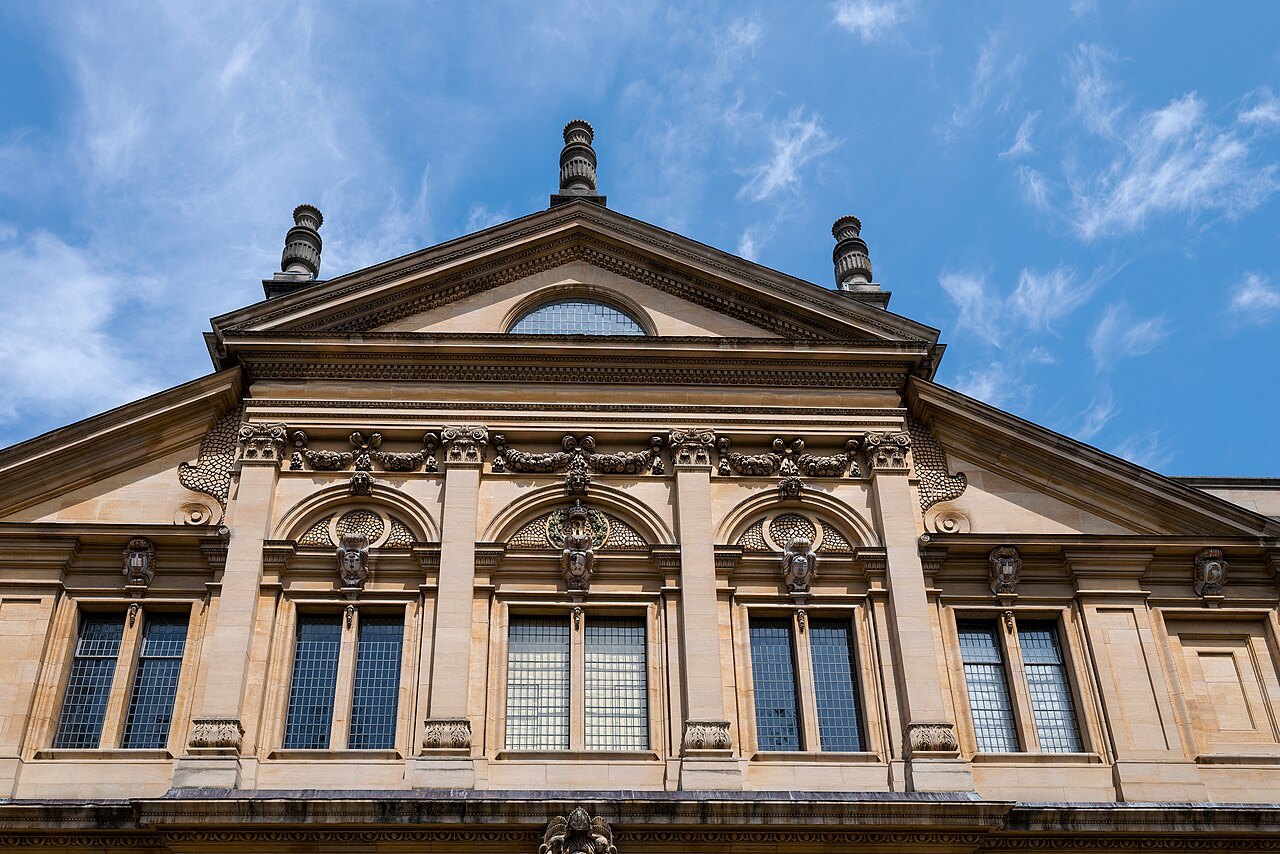
The pink stone front of the Sheldonian Theatre in Oxford, with arched windows and a pedimentThe New Athens, Wikimedia Commons, CC BY-SA 2.0Train from Paddington or Marylebone, about an hourOxfordA university city of colleges and spires, home to the oldest university in the English-speaking world.
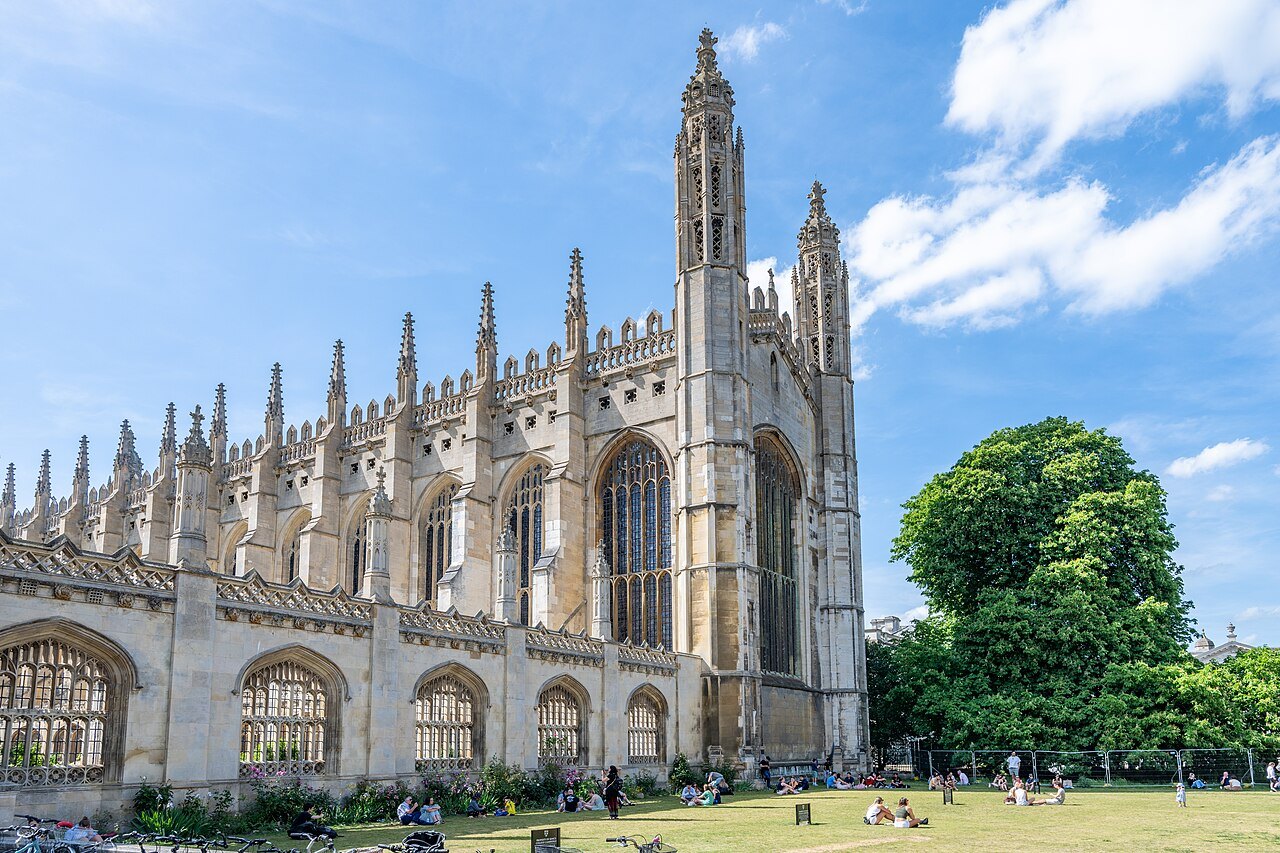
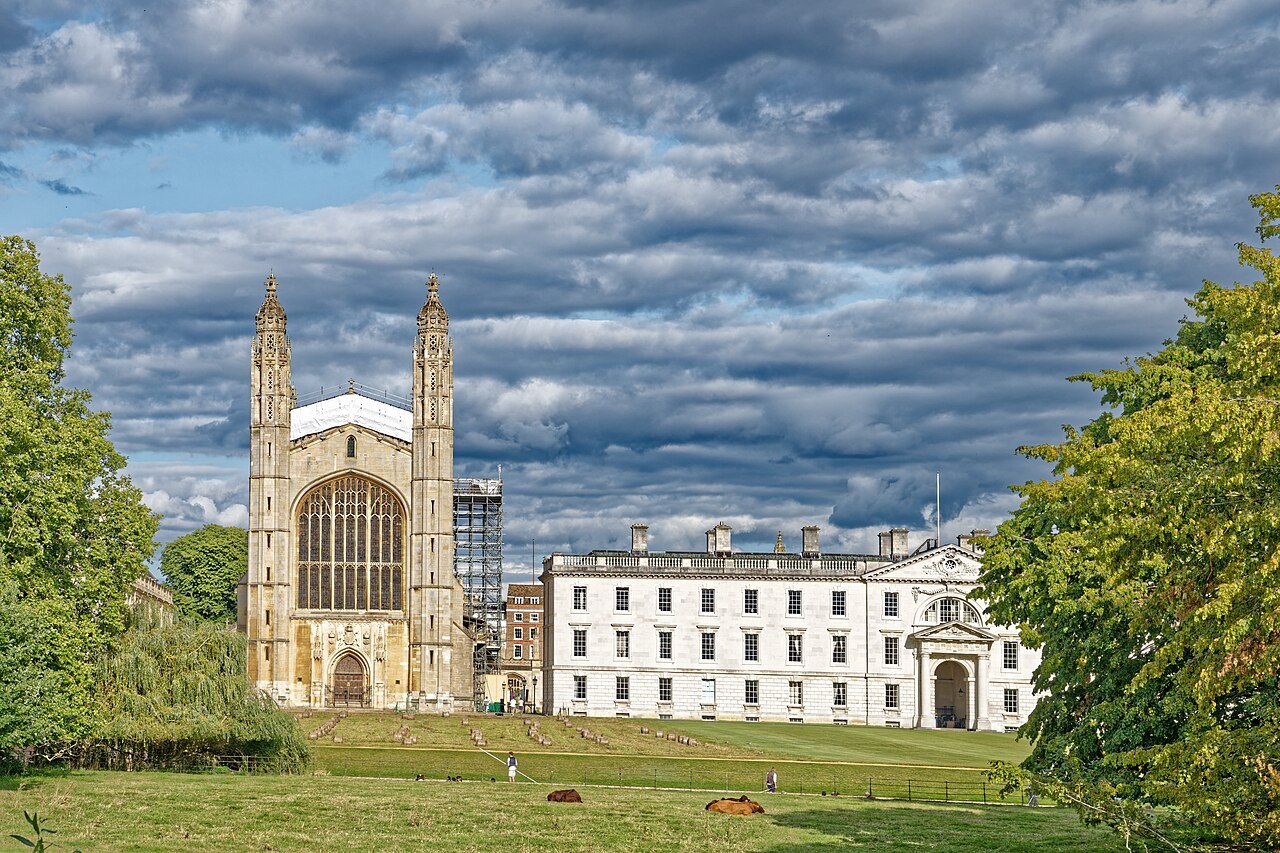
King's College Chapel at Cambridge, its pinnacled stone front rising above the lawnTilman2007, Wikimedia Commons, CC BY-SA 4.0Train from King's Cross or Liverpool Street, about an hourCambridgeA university city on the River Cam, with King's College Chapel and punts along the Backs.
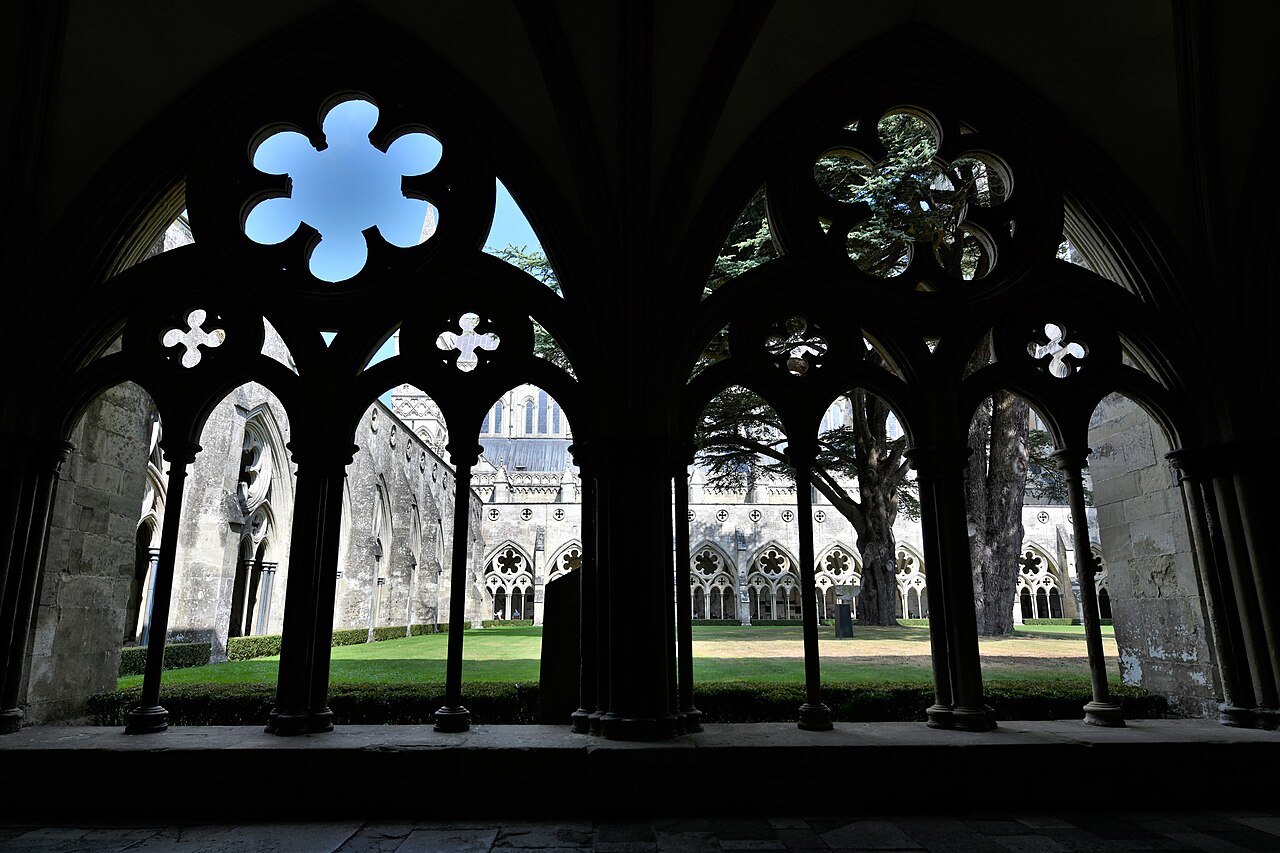
Gothic tracery in the cloister of Salisbury Cathedral, looking through to the green courtMichael Garlick, Wikimedia Commons, CC BY-SA 2.0Train to Salisbury from Waterloo, then a bus or tourStonehengeA prehistoric ring of standing stones on Salisbury Plain, built in phases from about 3100 BC.
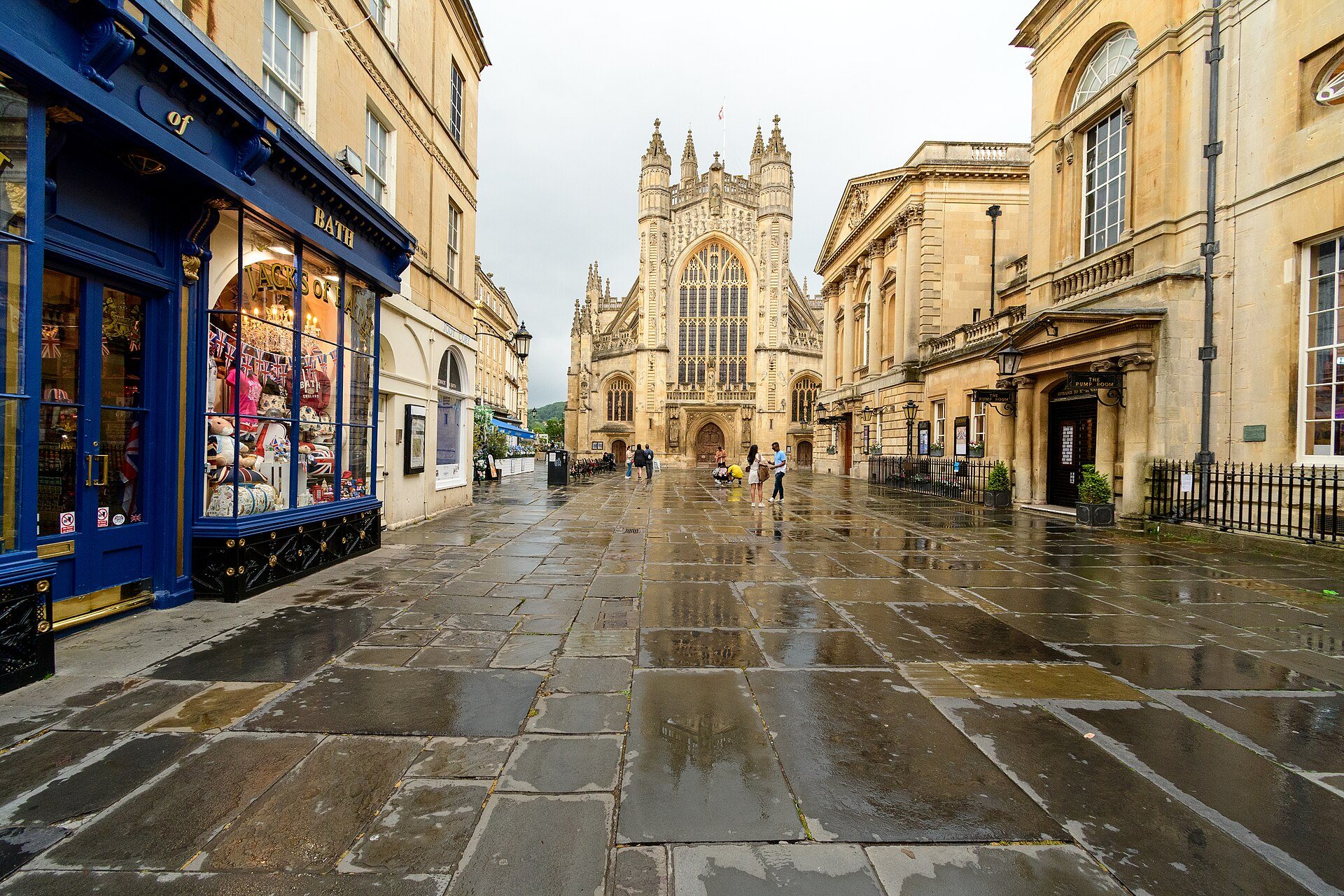
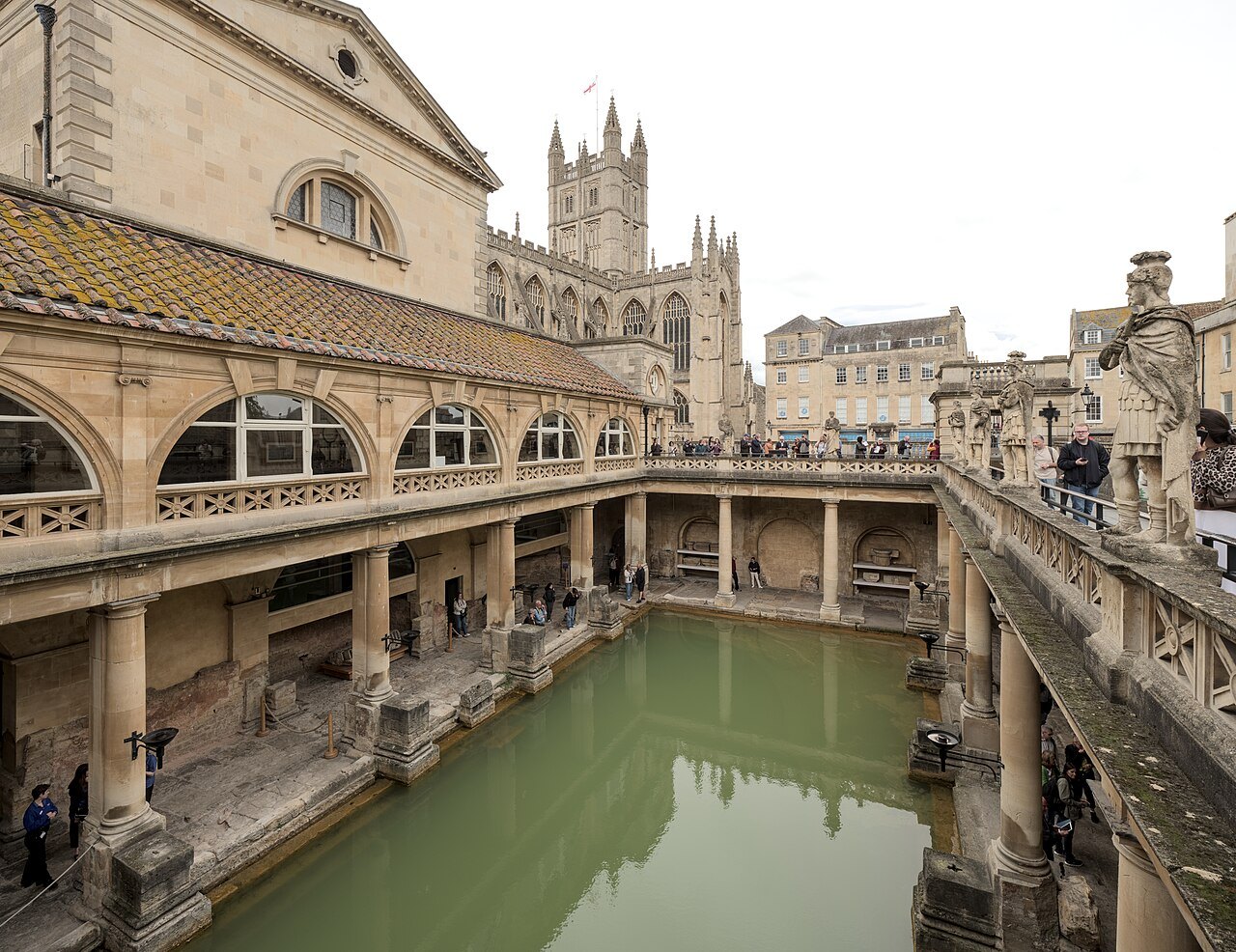
The Roman Baths at Bath, the green pool below a terrace of statues, with the abbey tower behindDaniel Lu (User:dllu), Wikimedia Commons, CC BY-SA 4.0Train from Paddington to Bath Spa, about an hour and a halfBathA Georgian spa city built around Roman baths, a World Heritage Site.
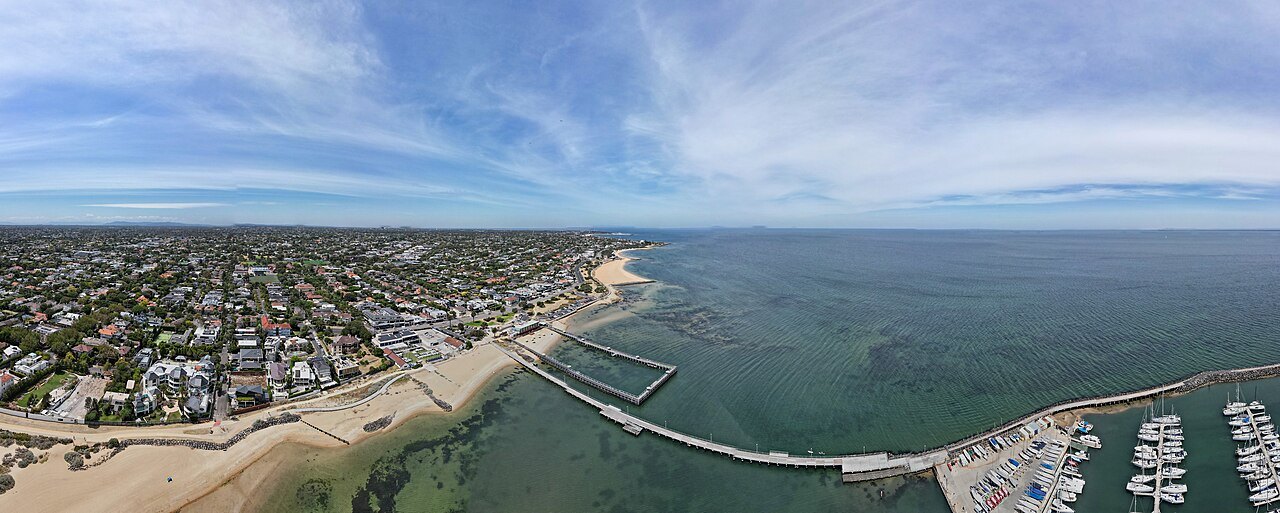
An aerial view of Brighton's coast, a pier reaching into a calm sea beside a seafront of housesBob Tan, Wikimedia Commons, CC BY 4.0Train from Victoria or London Bridge, about an hourBrightonA seaside resort 47 miles south of London, with the Royal Pavilion and a pier.
IIIn full
Day Trips
In full
Why leave London
London can fill a week, but a day outside the city is a good break and a way to see the rest of southern England. Six places stand out, each reachable in about an hour or two by train, and each offering something London cannot: a living royal castle, two medieval university cities, a prehistoric monument, a Roman spa and a seaside resort.
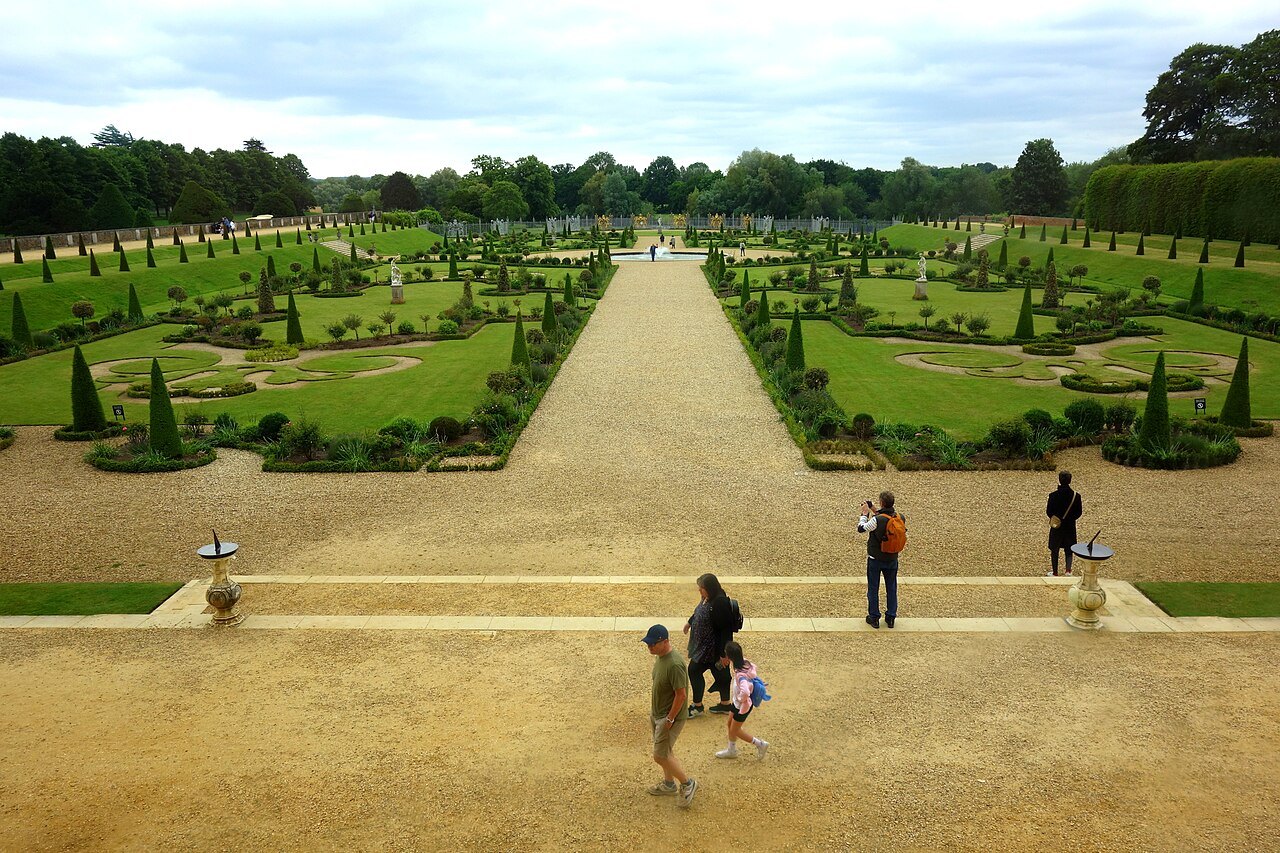
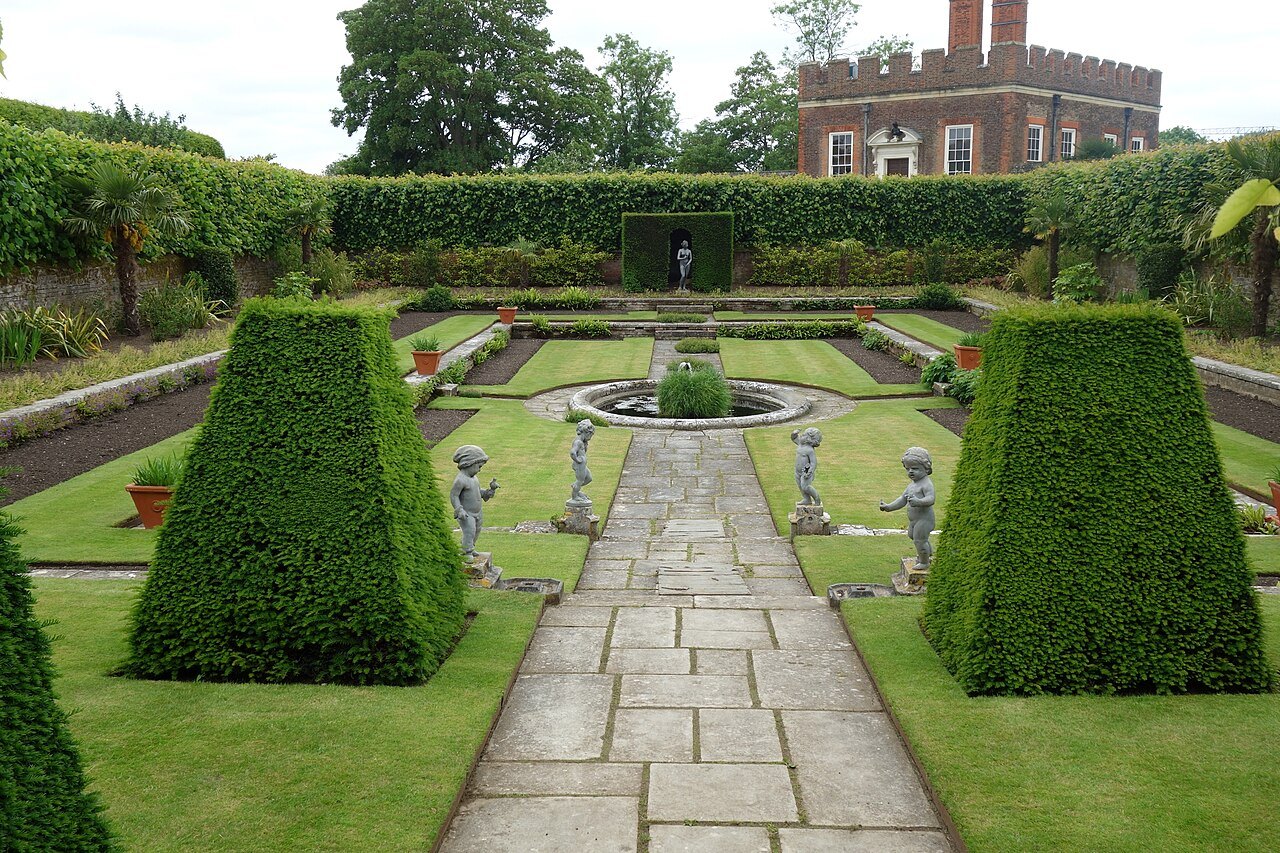
The sunken formal gardens at Hampton Court Palace, with clipped hedges and a gravel pathDaderot, Wikimedia Commons, Public domain
Plan one day trip for every four or five days in London. Book train tickets in advance for the best fares, avoid the busiest weekend departures, and check the opening conditions of each sight before you go, as several of them use timed tickets.
Windsor
Windsor Castle is a royal residence about 25 miles west of central London. The first castle was built in the eleventh century after the Norman invasion, and since the time of Henry I it has been used by the monarch, making it the longest-occupied palace in Europe. Its Georgian state apartments are among the finest in the country, and St George's Chapel inside the walls is one of the great achievements of English Perpendicular Gothic.
Trains run from Paddington, with a change at Slough, and from Waterloo, to stations a few minutes' walk from the gate. The town below the castle has a high street, the river and a long tree-lined walk. Hampton Court Palace, upstream on the Thames, is a Tudor and Baroque alternative within the London boundary.
Oxford and Cambridge
Oxford, 56 miles north-west of London, is home to the University of Oxford, the oldest in the English-speaking world, with buildings in every style of English architecture. Walk through the college quads, climb a tower for the skyline and visit a museum. Trains run from Paddington and Marylebone in about an hour.
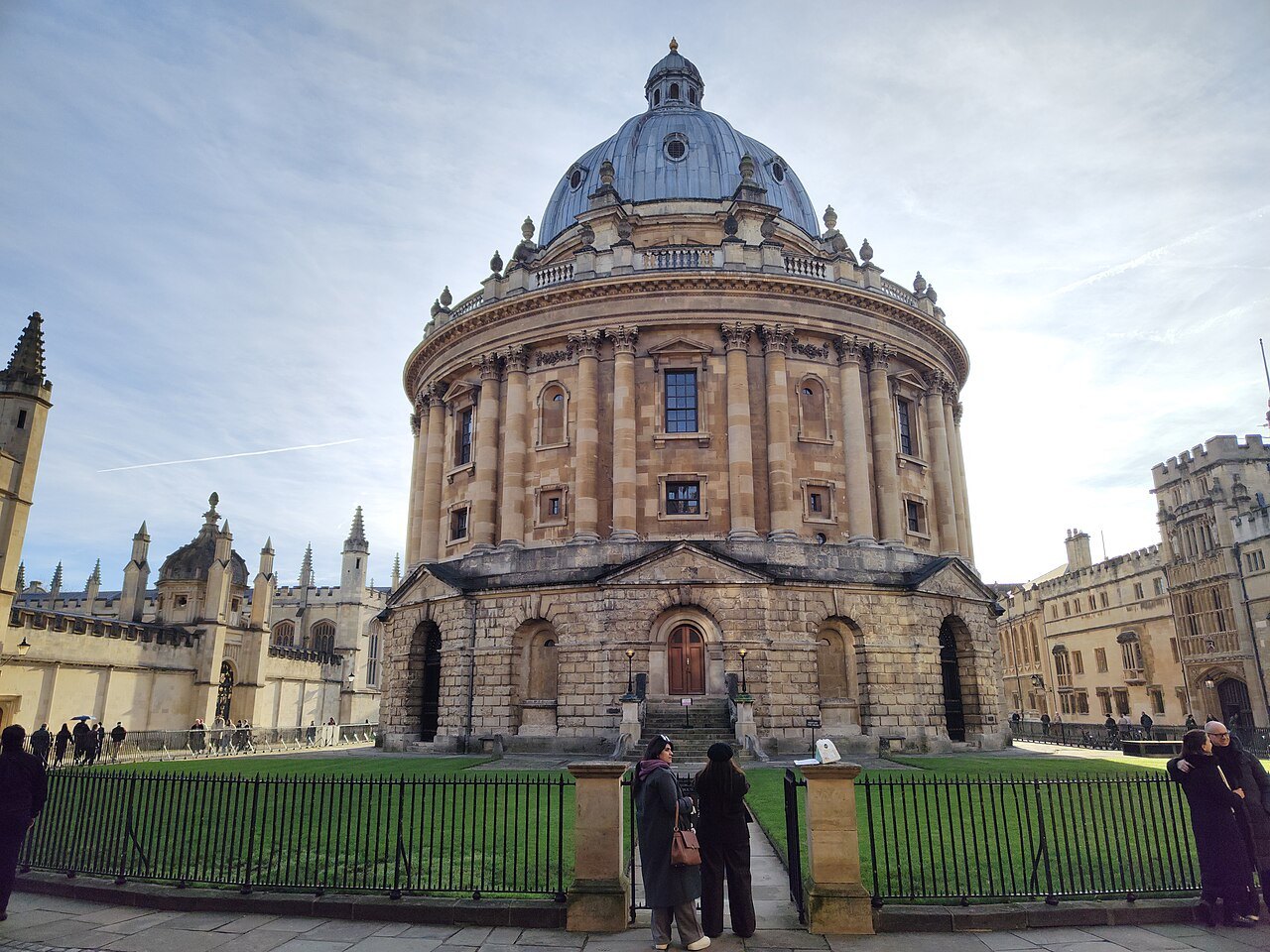
The Radcliffe Camera in Oxford, a round domed library behind railings, with spires of the colleges around itJumk18, Wikimedia Commons, CC BY-SA 4.0
Cambridge lies 55 miles north on the River Cam and has been a university city since 1209. Its great set pieces are King's College Chapel and the Backs, the lawns that run to the river, which are best seen from a punt. Trains run from King's Cross and Liverpool Street in just under an hour. Choose one or the other, not both, for a single day.
Stonehenge and Salisbury
Stonehenge is a prehistoric ring of standing stones on Salisbury Plain in Wiltshire. It was built in phases beginning about 3100 BC, and the great sarsen stones were set up between about 2600 and 2400 BC. The monument aligns with the sunrise on the summer solstice and the sunset on the winter solstice, and the earthworks around it belong to a landscape of burial mounds.
By train, go to Salisbury from Waterloo, then take a bus or taxi to the site, which has timed entry. Many visitors choose a guided coach tour, which combines Stonehenge with other sights and handles the transport. Book ahead in summer, and allow a full day.
Bath and Brighton
Bath, 97 miles west of London in the valley of the River Avon, takes its name from its Roman baths. The city became a spa in the first century AD, grew rich in the Georgian era and is a World Heritage Site. The Roman Baths, the Abbey, the Royal Crescent and the Circus are the main sights, all within a walkable center. Trains from Paddington take about an hour and a half.
King's College Chapel in Cambridge beyond a lawn, with the college buildings beside itTilman2007, Wikimedia Commons, CC BY-SA 4.0
Brighton, 47 miles south, is a seaside resort that became fashionable in the Georgian period under the patronage of the Prince Regent, who built the Royal Pavilion. It has a pebble beach, a pier, narrow lanes of shops and a lively food scene. Trains from Victoria and London Bridge reach it in about an hour, and it is the easiest of the six for a spontaneous trip.
Beyond the six
Other trips are possible too. Hampton Court Palace, on the Thames 12 miles south-west of the center, was built from 1514 for Cardinal Wolsey and became a favourite of Henry VIII, and William III later rebuilt part of it in Baroque style. Bletchley Park, in Buckinghamshire, was the principal Allied code-breaking center of the Second World War and now houses a museum.
Both are reachable by train in under an hour, and both suit visitors with a specific interest. Canterbury and Leeds Castle are also popular, though they take longer. Choose by interest, not by fame, and give each place a full day to see properly, and do not try to fit two in one day.
Guided tours or independent travel
Several operators run coach tours that combine Windsor, Stonehenge and Bath in a single long day. They solve the transport problem for sights that trains reach awkwardly, but they leave little time at each place. Independent travel by train gives more freedom, and costs less for a single destination.
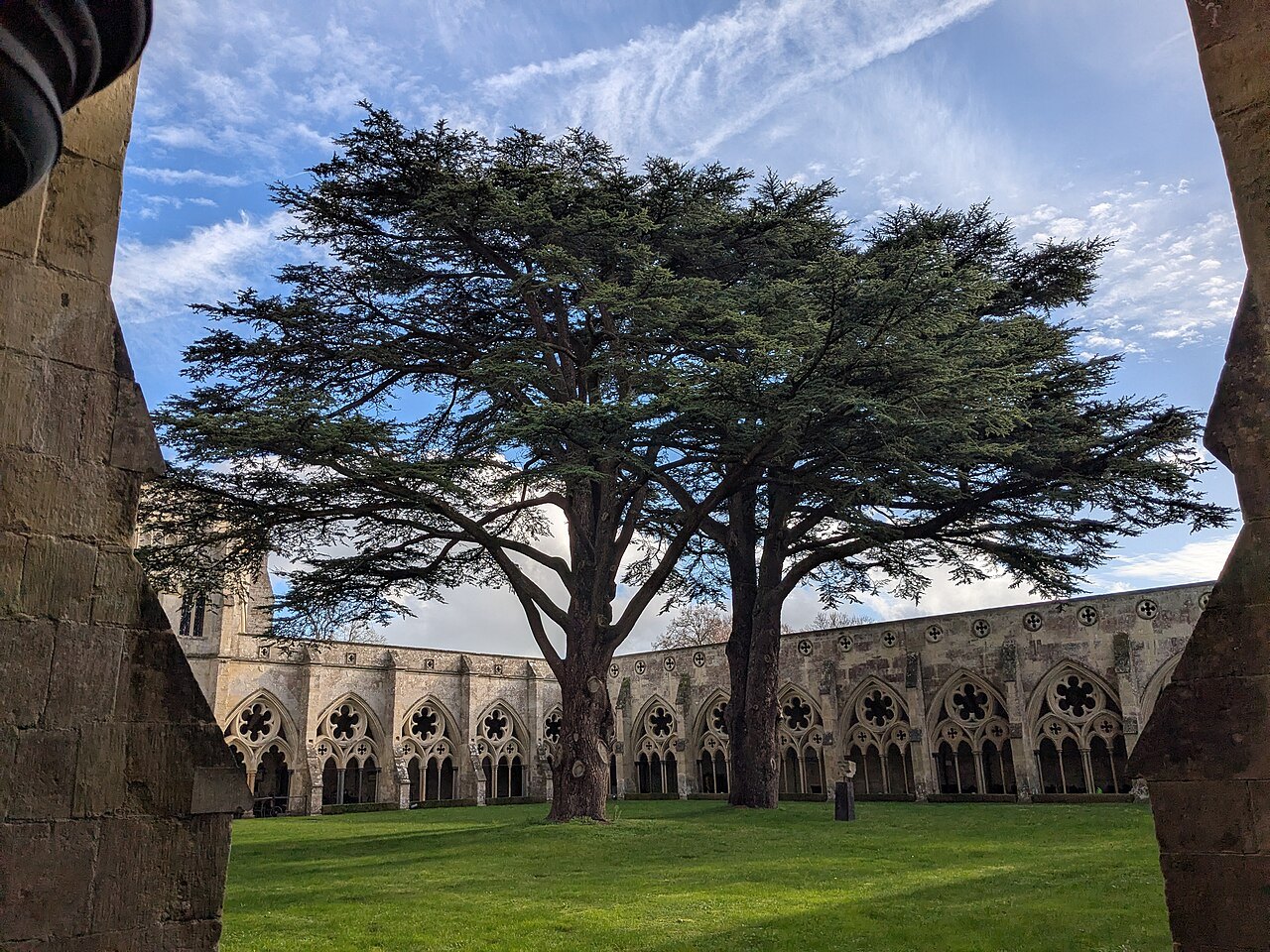
Two cedar trees on the lawn of the Salisbury Cathedral cloisters, framed by stone archesdon cload, Wikimedia Commons, CC BY-SA 2.0
For Stonehenge, a tour is often the practical choice, because the stones stand several miles from Salisbury station. For Oxford, Cambridge and Brighton, the train is clearly better. Whichever you pick, check what the price includes, especially entry tickets, and confirm the pickup point and return time, since coaches leave on schedule.
How to choose
For history and royalty, choose Windsor. For architecture and learning, choose Oxford or Cambridge. For prehistory, choose Stonehenge, and for Roman and Georgian elegance, Bath. For sea air and a lively town, Brighton is the pick. Several of these are very busy in summer, so a weekday visit is calmer.
None of these trips needs a car, and trains are generally faster and less stressful than driving. Check the first and last trains home before you set out, and keep the return ticket flexible, since a day outdoors may run late.
Practical tips
Buy train tickets in advance on the operator's own site, and compare off-peak and peak fares, since the difference can be large. Oyster and contactless cards work only inside the London fare zones, so a rail ticket is needed for the trip itself. See Getting Here for the London termini, and Booking Ahead for the timed tickets at the main sights.
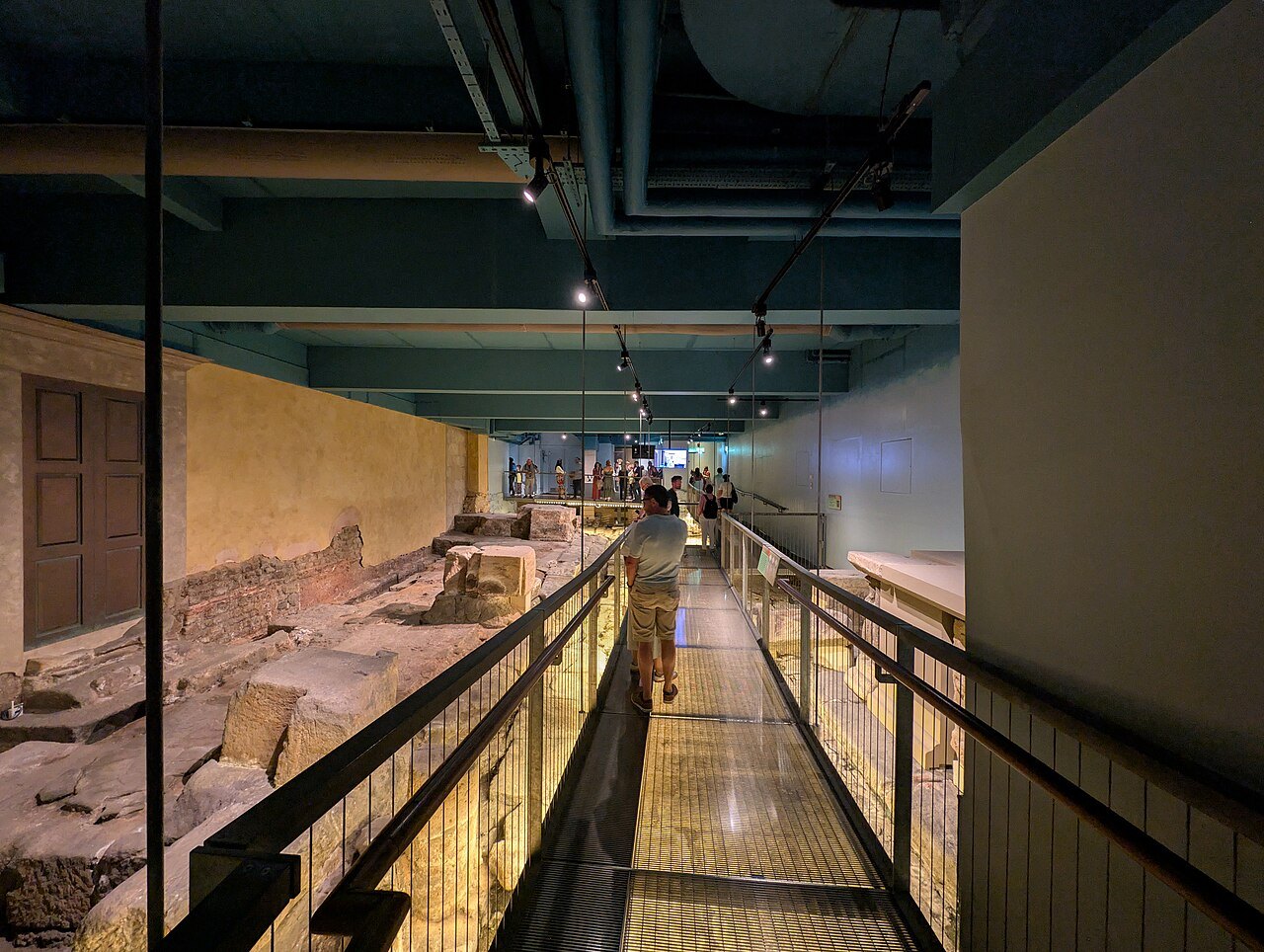
A raised walkway through the excavated remains below the Roman Baths at BathAndy Li, Wikimedia Commons, CC0
Bring a waterproof, comfortable shoes and a snack. Some of the trips include a good deal of walking, and the weather outside the city can differ from London's. When to Come sets out the seasons.
IIISeen on the way
More photographs
Seen on the way
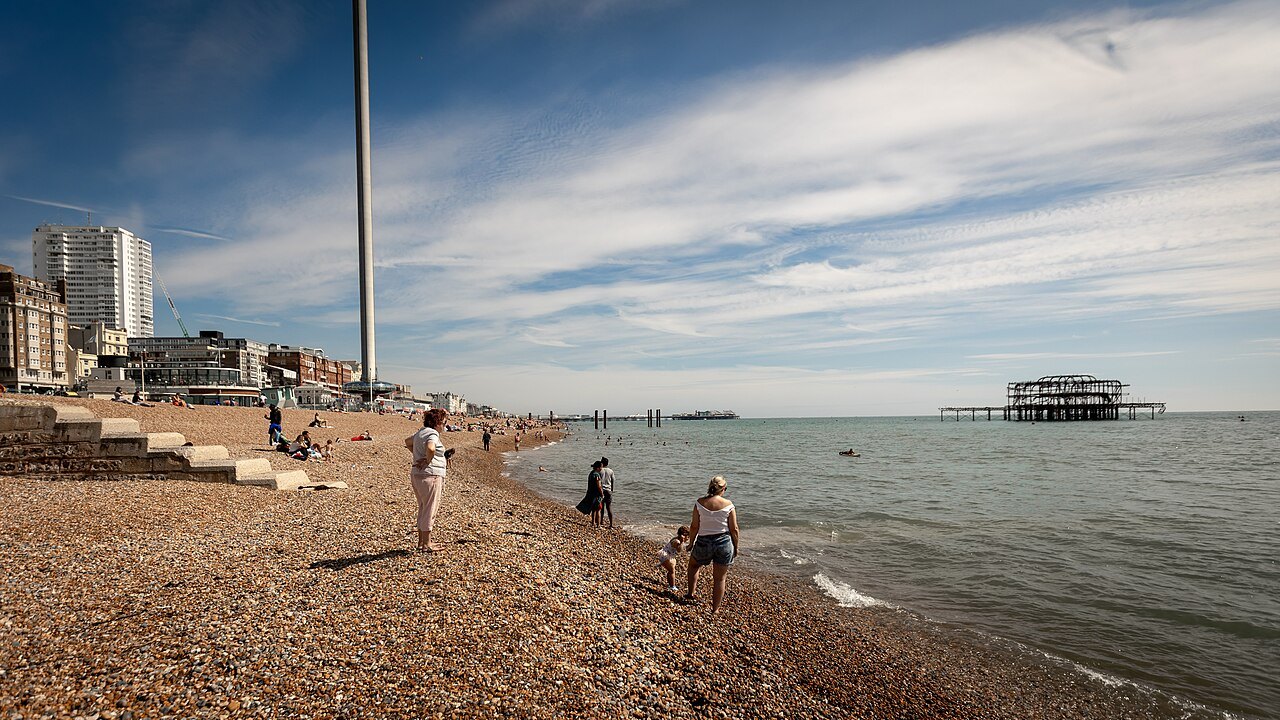
The shingle beach at Brighton, with the remains of a pier standing in the seaN i c o l a, Wikimedia Commons, CC BY 2.0
The Privy Garden at Hampton Court Palace, a paved path between clipped hedges with statues beyondDaderot, Wikimedia Commons, CC0
The pedimented front of the Sheldonian Theatre in Oxford, with arched windows and carved headsTilman2007, Wikimedia Commons, CC BY-SA 4.0