Kew Gardens
What you are looking at
Richmond upon Thames · south-west London
- 1The Palm HouseA glass-and-iron house finished in 1848, the first greenhouse on this scale and an early use of wrought iron in a big structure.
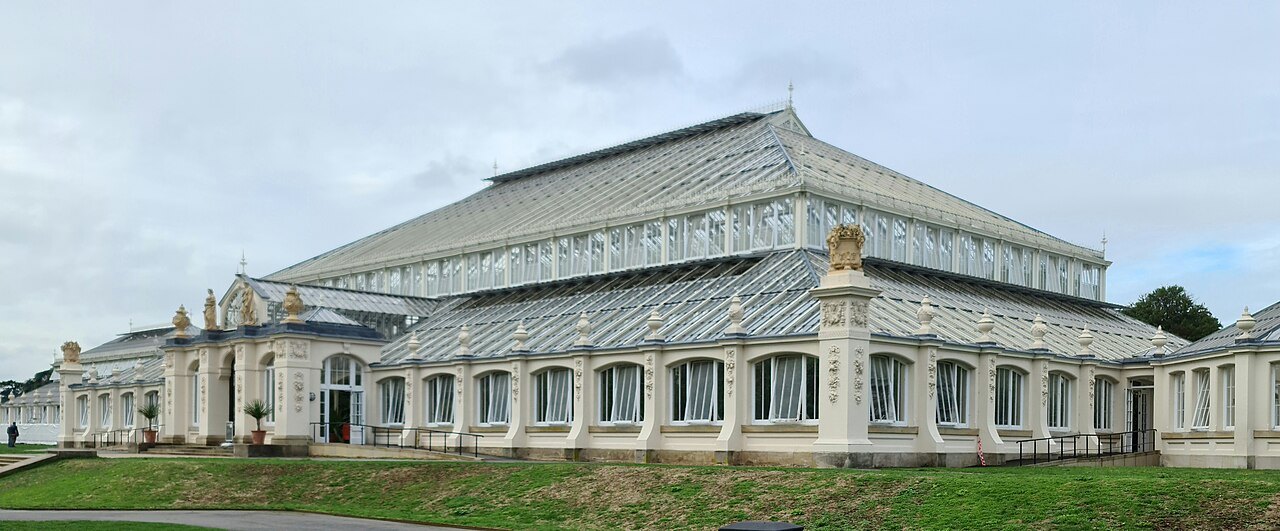
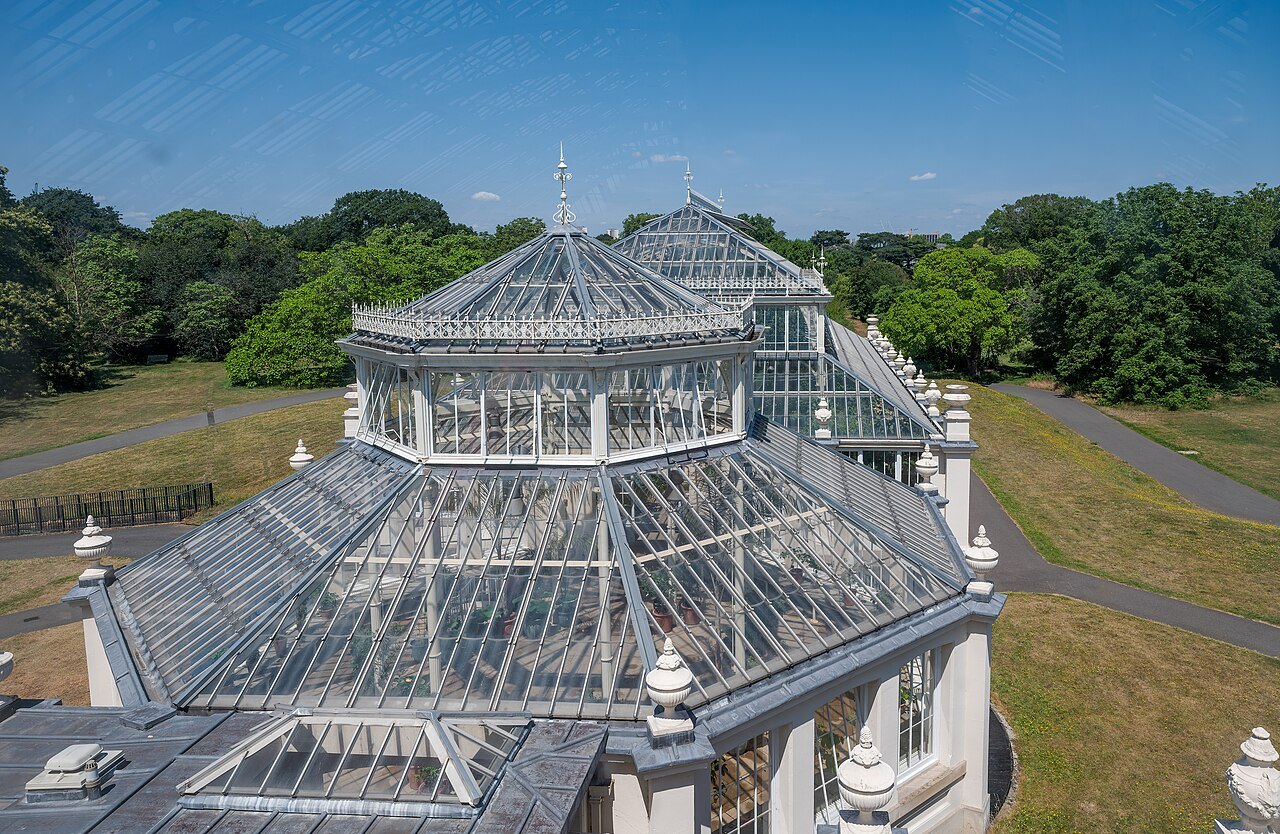
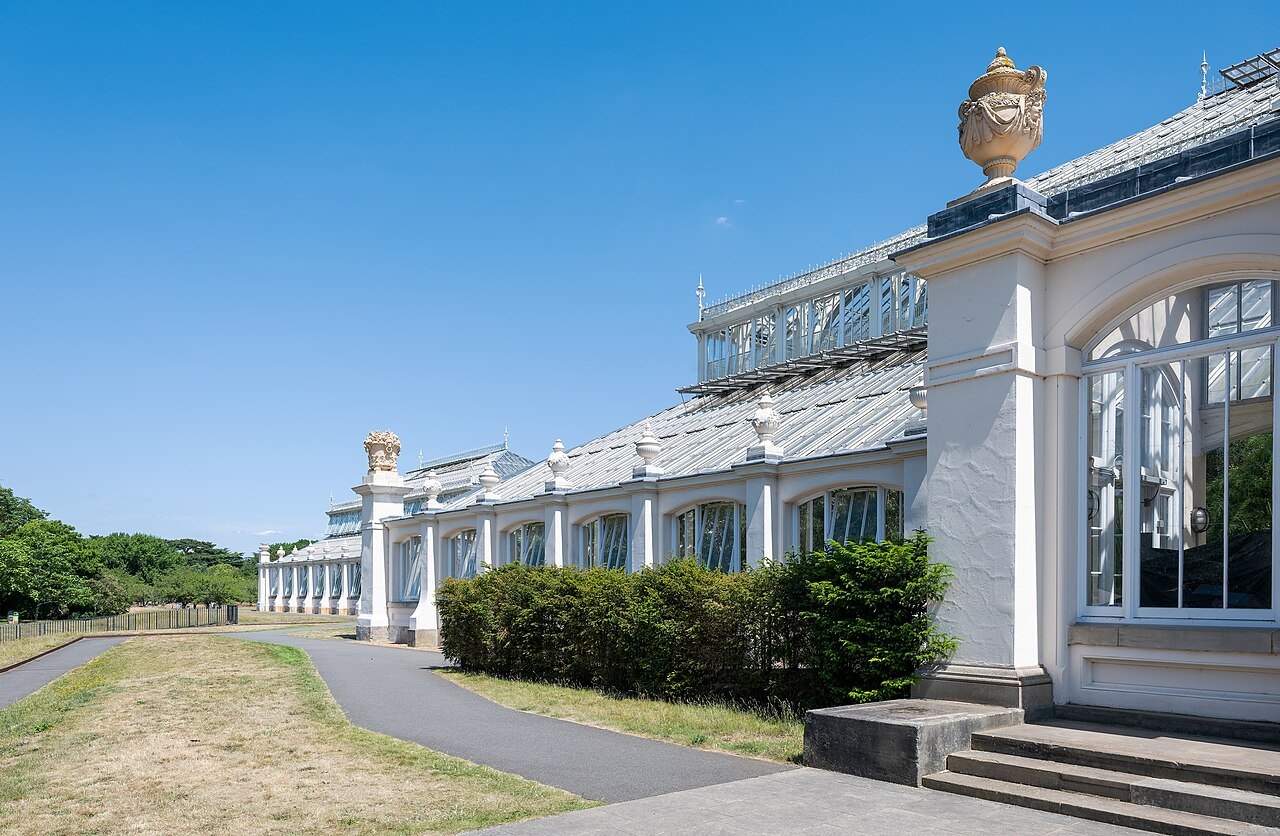
- 2The Temperate HouseA Grade I listed glasshouse that opened in 1863, the home of the largest plants.
- 3The Great PagodaA ten-storey chinoiserie tower of 1761, 163 feet tall, with 253 steps to the viewing gallery.
- 4The herbarium and scienceMillions of dried specimens and a team of hundreds of scientists.
- 5Kew PalaceA small Georgian royal house in the grounds.
Reading the place
The sight in full
What it is
The Royal Botanic Gardens, Kew, is a botanical garden and research institution in Richmond upon Thames, in south-west London. Its 326-acre site holds about 40 historically important buildings, and it became a UNESCO World Heritage Site in 2003. It is a public body with more than a thousand staff, and its mission is to use scientific research to understand plants and fungi and to put that knowledge to use.
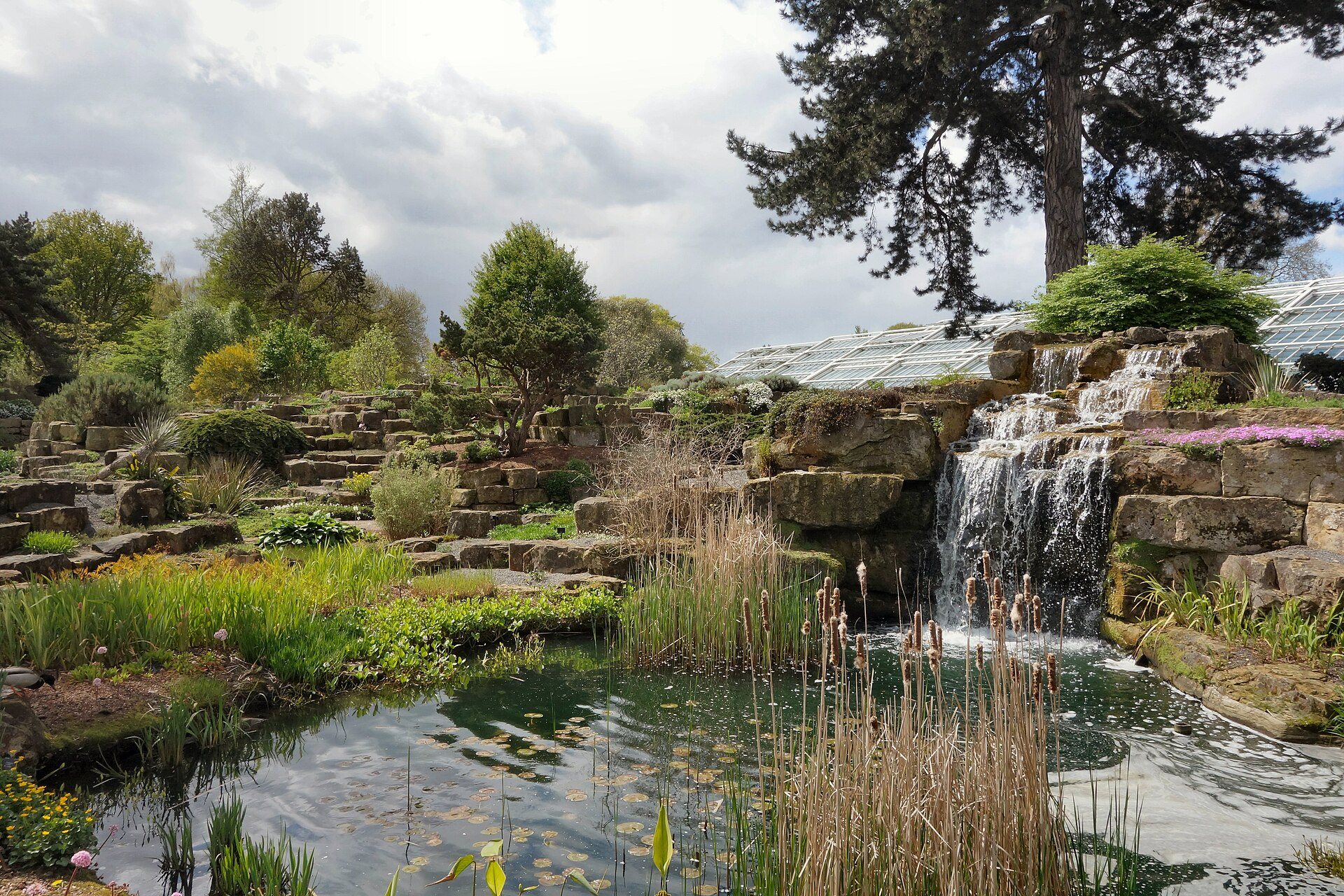
For visitors it is first of all a very large and very beautiful garden, with lawns, a lake, glasshouses, woodland and a long river frontage. It rewards slow walking, and it is among the best outings in London in every season, whether for the spring bulbs, the summer borders, the autumn colour or the warm glasshouses in winter.
From royal estate to botanic garden
The garden grew out of the royal estates at Kew. Princess Augusta, the widow of Frederick, Prince of Wales, established a botanic garden here in 1759, and the architect Sir William Chambers designed a number of buildings for it. Under later royal patronage the garden took plants from voyages of exploration, and over the following century it became the centre of a network of colonial botanic gardens.
Sir William Hooker was appointed director in 1841 and began a programme to improve the garden's standing. His plans led to the great glasshouses and to the opening of the gardens to the public. The state took over the gardens from the crown in the nineteenth century, and the institution has grown into a centre of world botany.
The Palm House
The Palm House, completed in 1848, was designed by Decimus Burton and built by the ironmaster Richard Turner, who had built an earlier palm house in Belfast. It was the first greenhouse built on this scale and the first large-scale structural use of wrought iron. Its curving glass walls and domed roof look like the hull of a ship turned upside down.
Inside it is hot and humid, packed with tropical palms and other plants, many of them endangered or extinct in the wild. A spiral stair leads to an upper walkway, which takes you into the branches of the tallest palms. The house was a showpiece of Victorian confidence, and it has been restored more than once.
The Temperate House
The Temperate House is larger still. It opened in 1863 and was not finished until 1899, and it is a Grade I listed structure designed by Decimus Burton and Richard Turner. The building was meant to be the first thing visitors saw when they entered the gardens from a planned railway station, but the station was built further north and left the great glasshouse somewhat stranded.
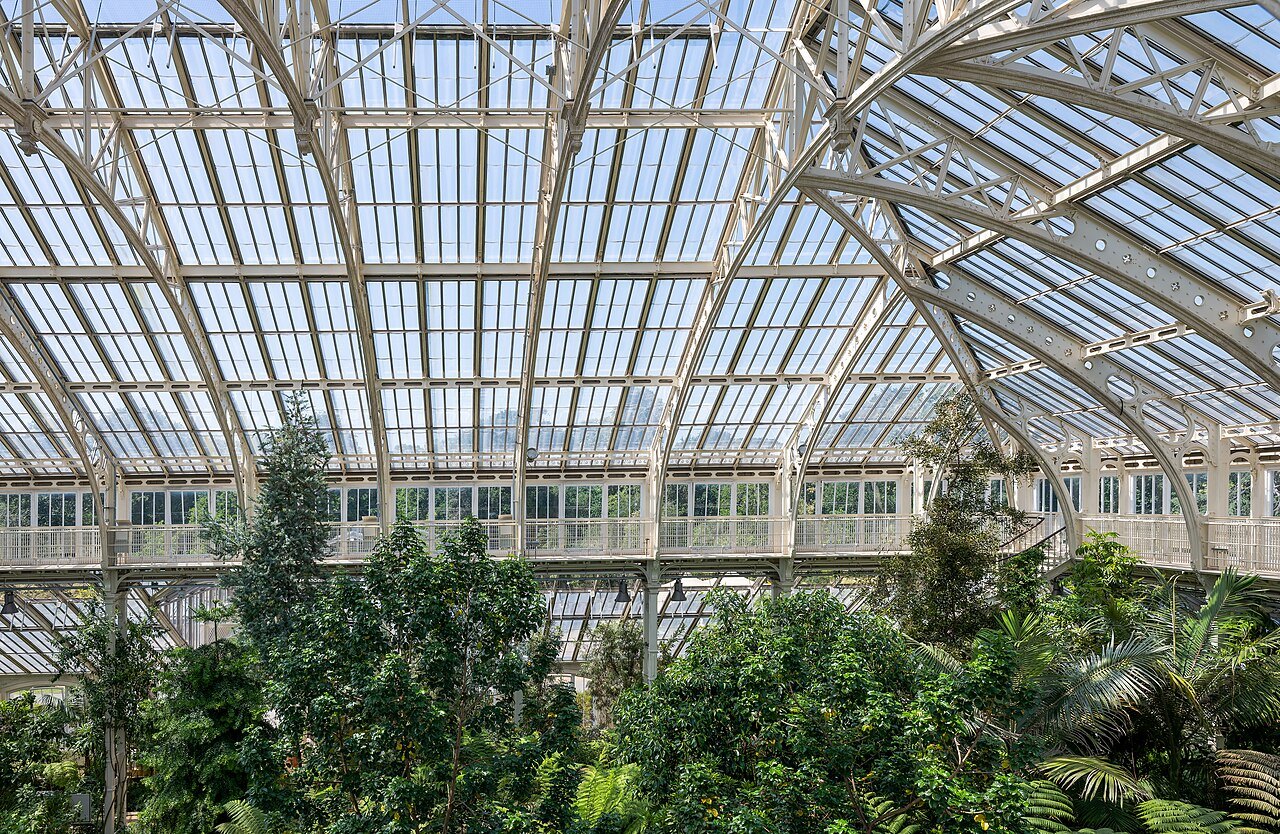
It is kept at a cooler temperature than the Palm House and holds the plants of temperate regions, including the largest plants, with a gallery above. The Victorians hid drainpipes inside the stone columns, a detail that conservators found during restoration.
The Great Pagoda
A little way into the gardens stands the Great Pagoda, built in 1761 by Sir William Chambers as a gift for Princess Augusta. It has ten storeys of grey brick, rises 163 feet and has 253 steps to the viewing gallery. Each storey has curved roofs and balconies, and 80 dragons once decorated the roof corners and have been put back after a restoration that reopened the pagoda in 2018.
It is considered one of the most important surviving examples of chinoiserie, the eighteenth-century European taste for Chinese styles. The pagoda is Grade I listed, and it is the most distinctive landmark in the gardens.
Science and seeds
Kew is a working scientific institution. Its scientists maintain the databases that name and classify the world's plants, and its collections include millions of dried specimens in the herbarium and living plants numbering in the tens of thousands of kinds. Kew also manages a second garden at Wakehurst, which holds the Millennium Seed Bank, a vault of more than two billion seeds from tens of thousands of species.
The best way to glimpse that science on a visit is through the displays in the glasshouses and the visitor centres, which explain how the plants are collected and what they are used for.
Walking it well
The gardens are large enough that a plan helps. Many visitors start at the Palm House and the Rose Garden, walk the lake to the Temperate House, and then cross to the pagoda and the woodland on the far side. The Treetop Walkway lifts you into the canopy of a woodland, and the Hive, an installation of aluminium and light, shows the life of a bee colony. In spring the bulbs and the cherry blossom draw the crowds, and in winter the glasshouses are the warmest rooms in the neighbourhood.
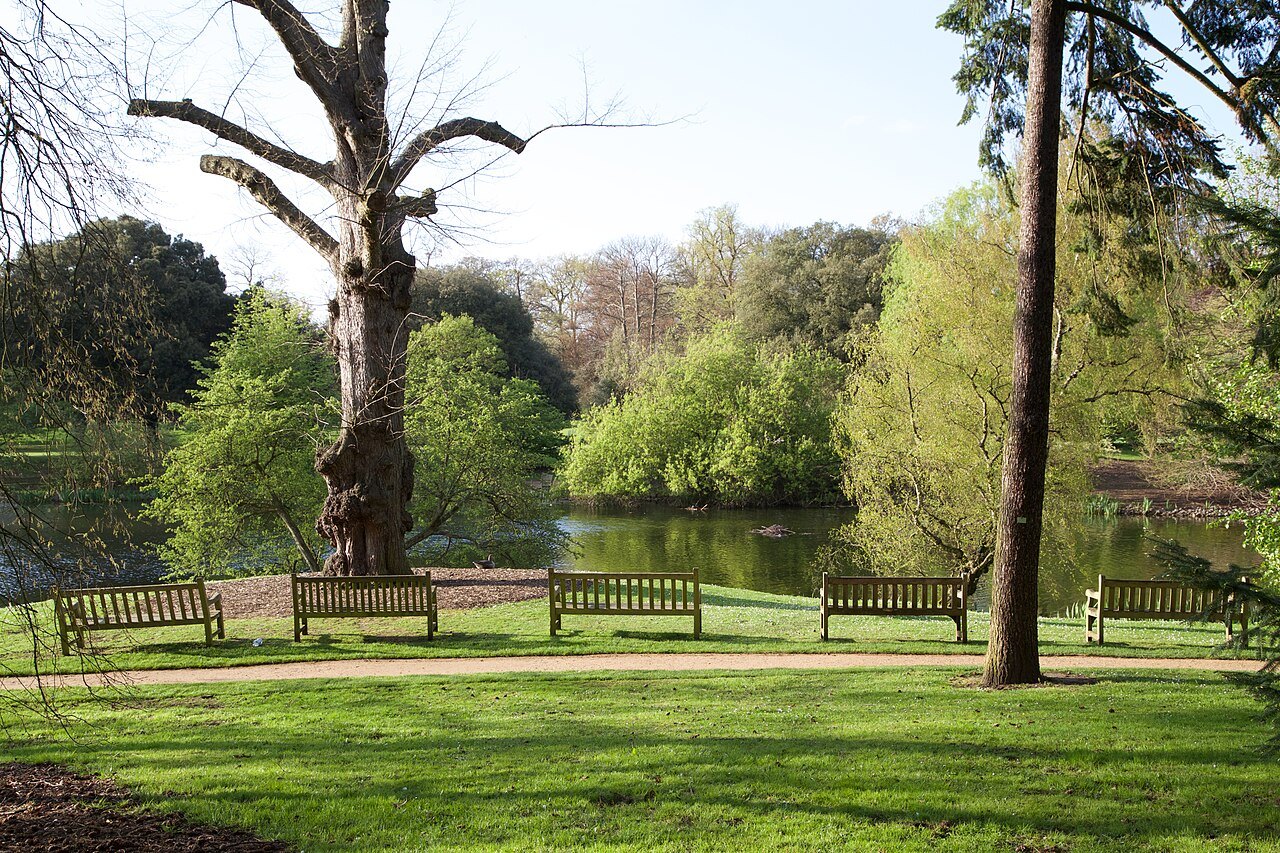
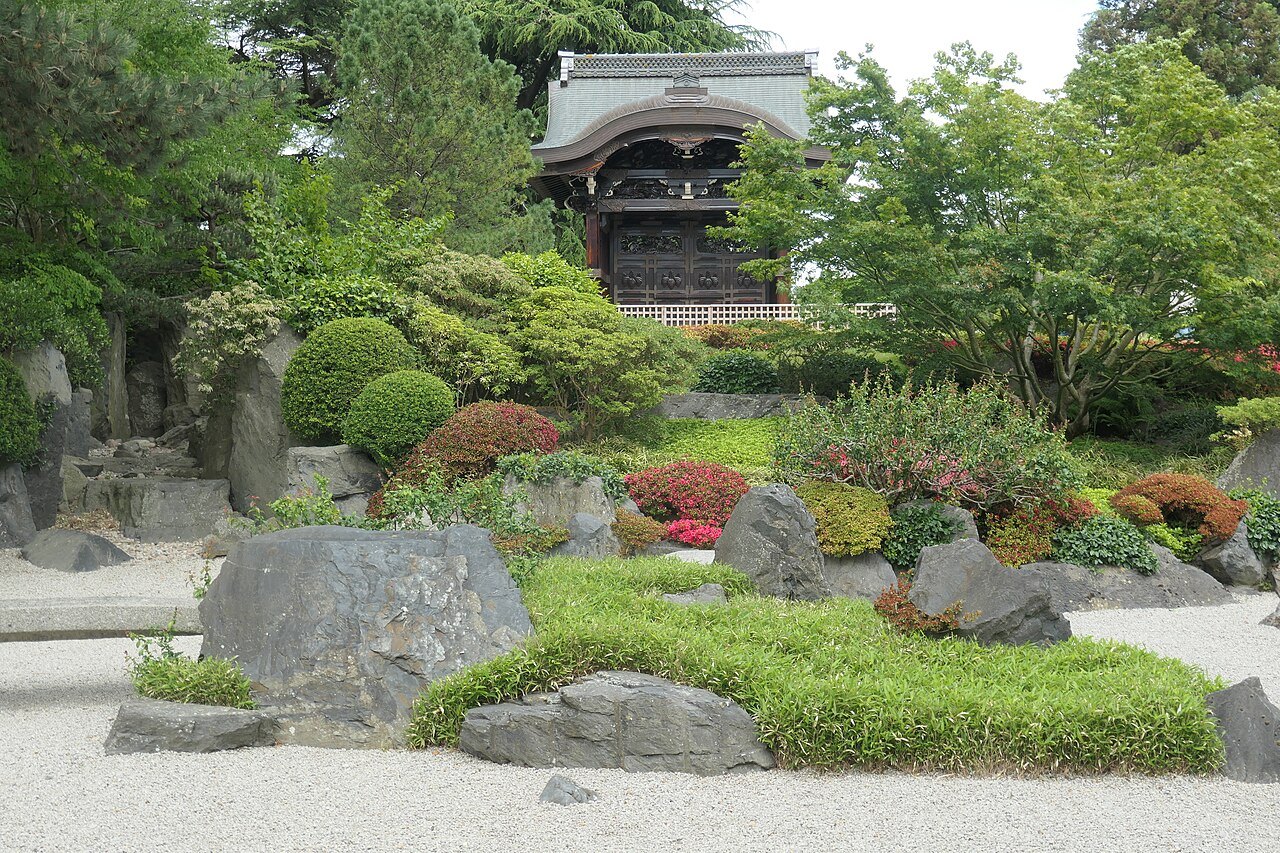
Because the gardens are a working collection, there are also quiet corners. The Japanese gateway, the bamboo garden and the Princess of Wales Conservatory with its desert and orchid zones reward a detour. Bring a picnic, as there are lawns everywhere, or use one of the cafes near the main gates.
Planning your visit
Tickets are required for entry and the details are in Booking Ahead. The gardens have several gates, and the station gate on Kew Road is the most convenient for the Underground and the overground. Boat services also run to Kew pier from central London, as explained in The Thames.
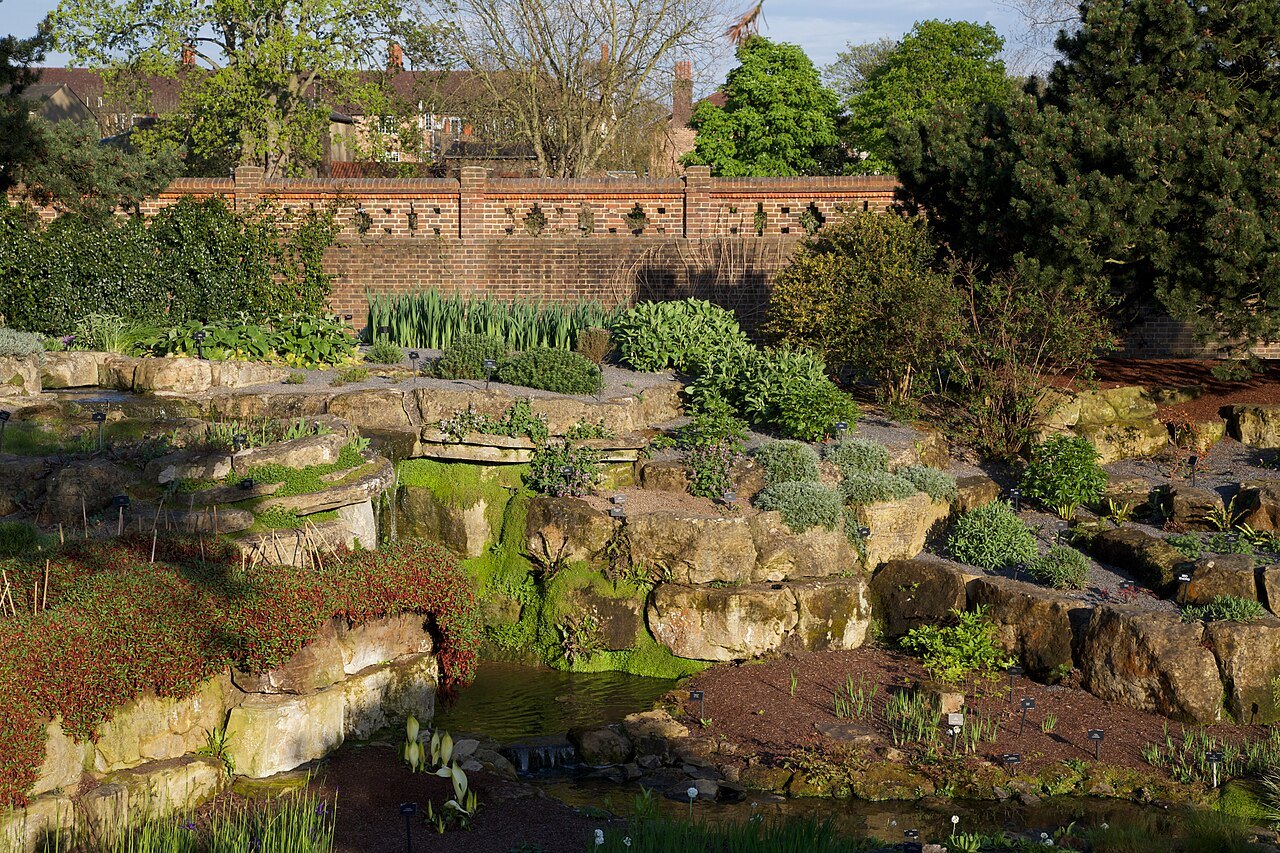
Kew is on the western edge of London, and it makes a half day or a whole day. For other green spaces, see The Royal Parks, and for a quieter option nearer the centre, Hyde Park.
Nearby
Where to go next
- Nearby · Westminster · KensingtonHyde Park and Kensington GardensA 350-acre Royal Park in the middle of London, first a royal hunting ground and now the city's great open lawn, with a lake, a free-speech corner and Kensington Gardens beside it.Read the page →
- Nearby · South KensingtonThe Natural History MuseumAlfred Waterhouse's terracotta palace on Cromwell Road, opened in 1881, holding some 80 million specimens, with a blue whale skeleton in its great hall and free entry to the main galleries.Read the page →
- Nearby · South KensingtonThe Victoria and Albert MuseumThe largest museum of applied arts, decorative arts and design in the world, born from the profits of the Great Exhibition, with more than two million objects and free entry.Read the page →