Home · Sights · Borough Market
Borough Market
What you are looking at
Southwark · south bank
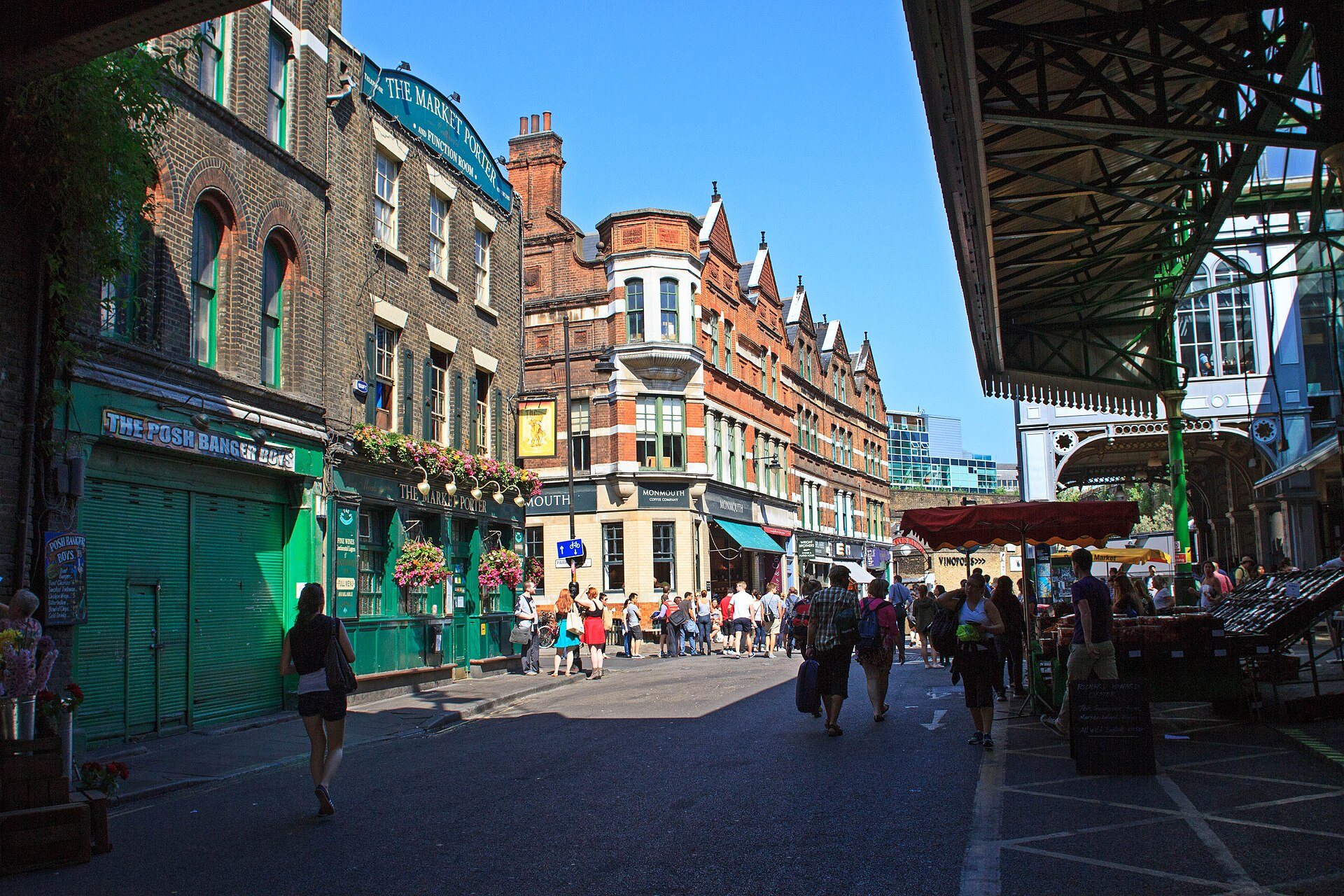
- 1The Victorian market hallHenry Rose's iron and glass buildings of 1851, rebuilt and extended over the years.
- 2The Floral Hall porticoA portico from the old Floral Hall at Covent Garden, re-erected here in 2004.
- 3Specialty stallsCheese, bread, game, fruit and vegetables, and traders who started as wholesalers.
- 4Southwark CathedralA medieval church beside the market, with a quiet garden.
- 5The riverside walkA short step to the Thames and the south bank path.
Reading the place
The sight in full
What it is
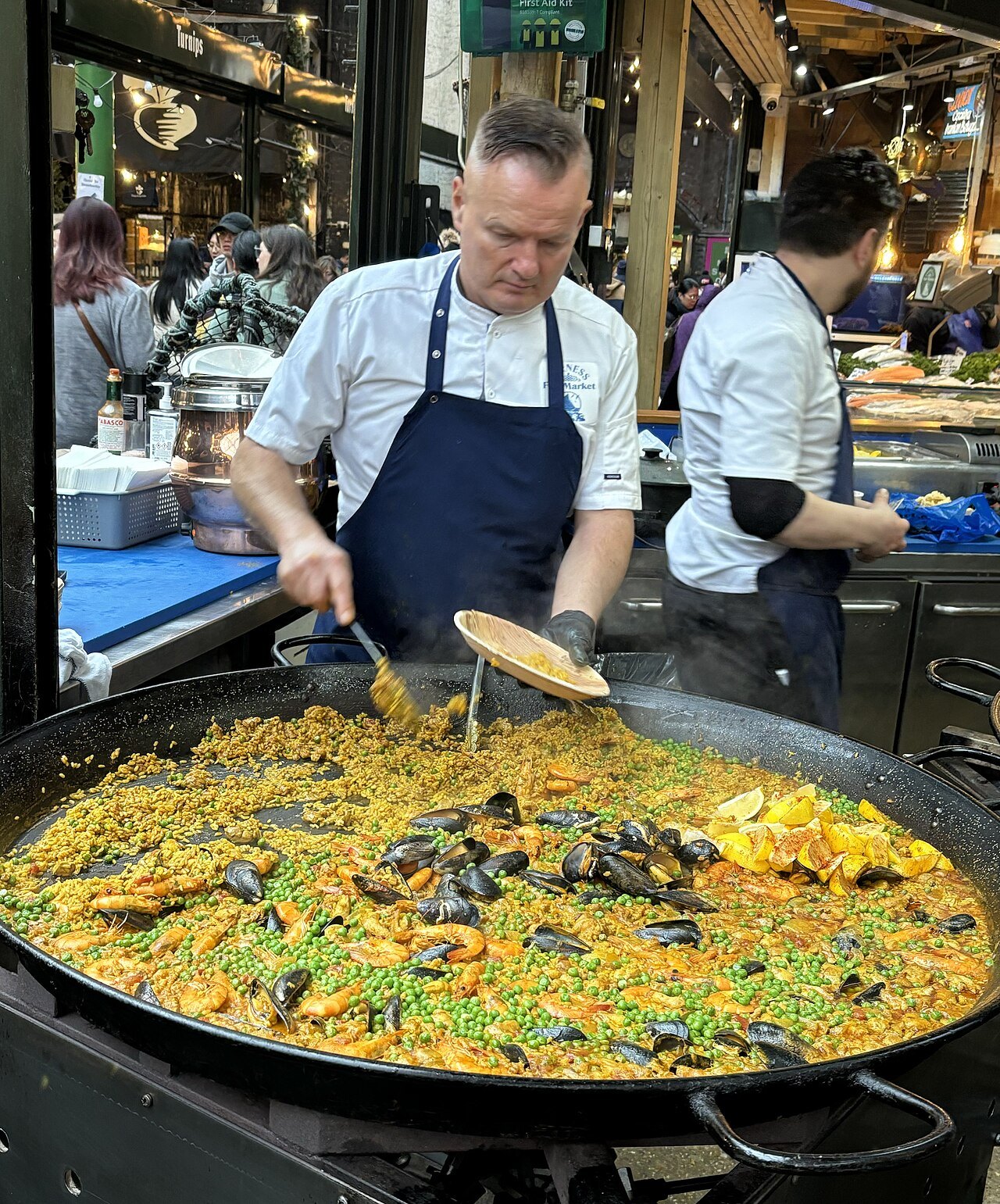
Borough Market is a market hall in Southwark, just south of London Bridge and beside Southwark Cathedral. It is one of the largest and oldest food markets in London, and its stalls today sell mainly specialty foods to the general public: cheese, bread, pastry, cured meat, game, fruit and vegetables, and hot food to eat on the spot. Traders come from across the UK, and traditional European products are imported for the stalls.
It is a charity in English law, run by a board of volunteer trustees who must live in the area. That structure explains something about its character: the market answers to its neighbourhood as well as to its visitors, and it has kept its identity while the area around it was rebuilt.
A very old market
The market itself claims to have existed since 1014 and probably much earlier, citing the Norse writer Snorri Sturluson, who calls Southwark a great market town in his account of an event of that year. A market was recorded at the end of London Bridge in 1276, and it was later moved south onto the High Street. In 1550 Edward VI granted the City of London control of the markets in Southwark.
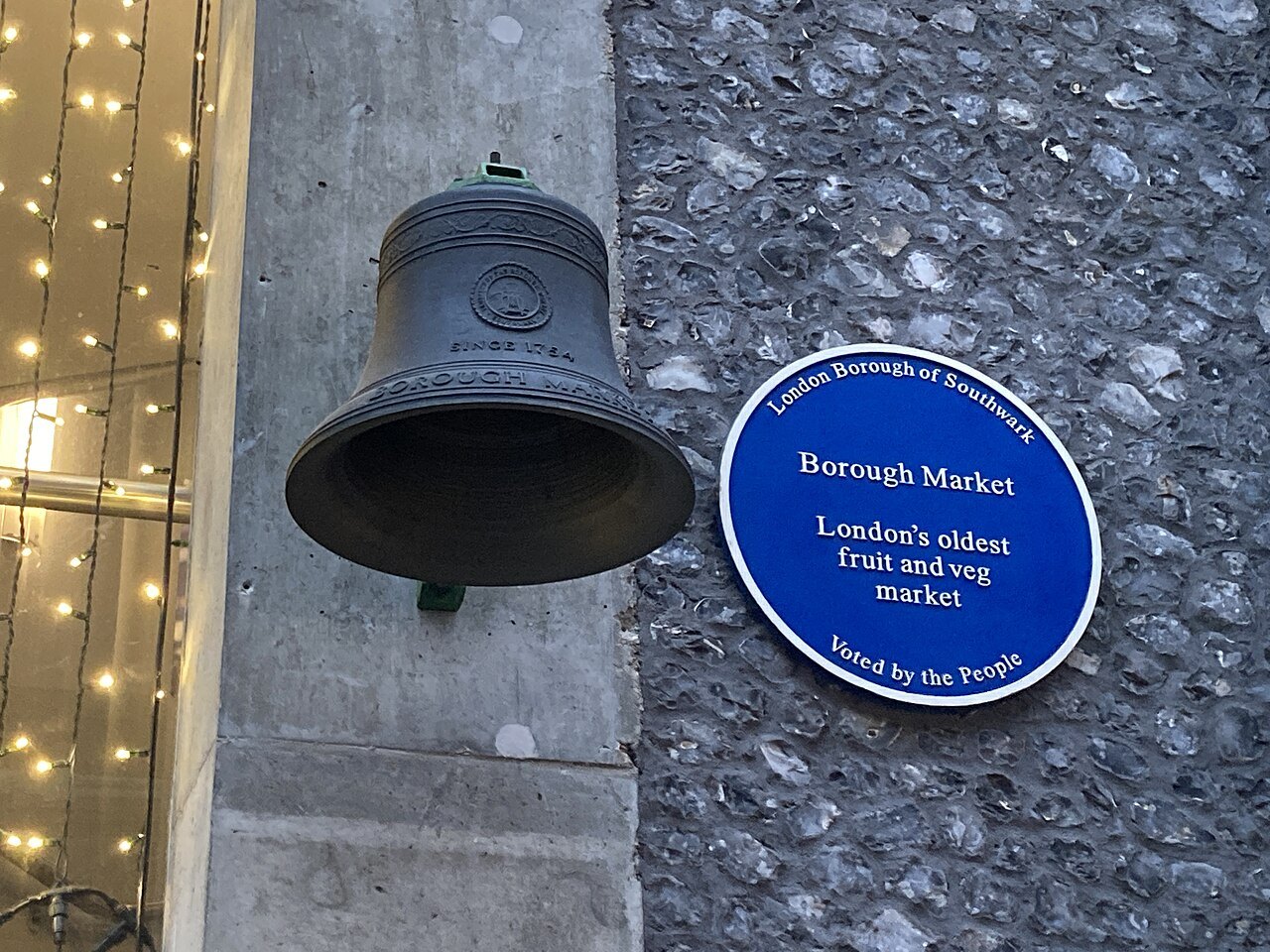
The market caused such traffic jams on the road leading to the bridge that Parliament abolished it in 1754. The following year a second act allowed local parishioners to set up a new market on another site, and it began again in 1756 in Rochester Yard. In the nineteenth century it became one of London's most important food markets, thanks to its position beside the wharves of the Pool of London, where ships unloaded produce.
The buildings
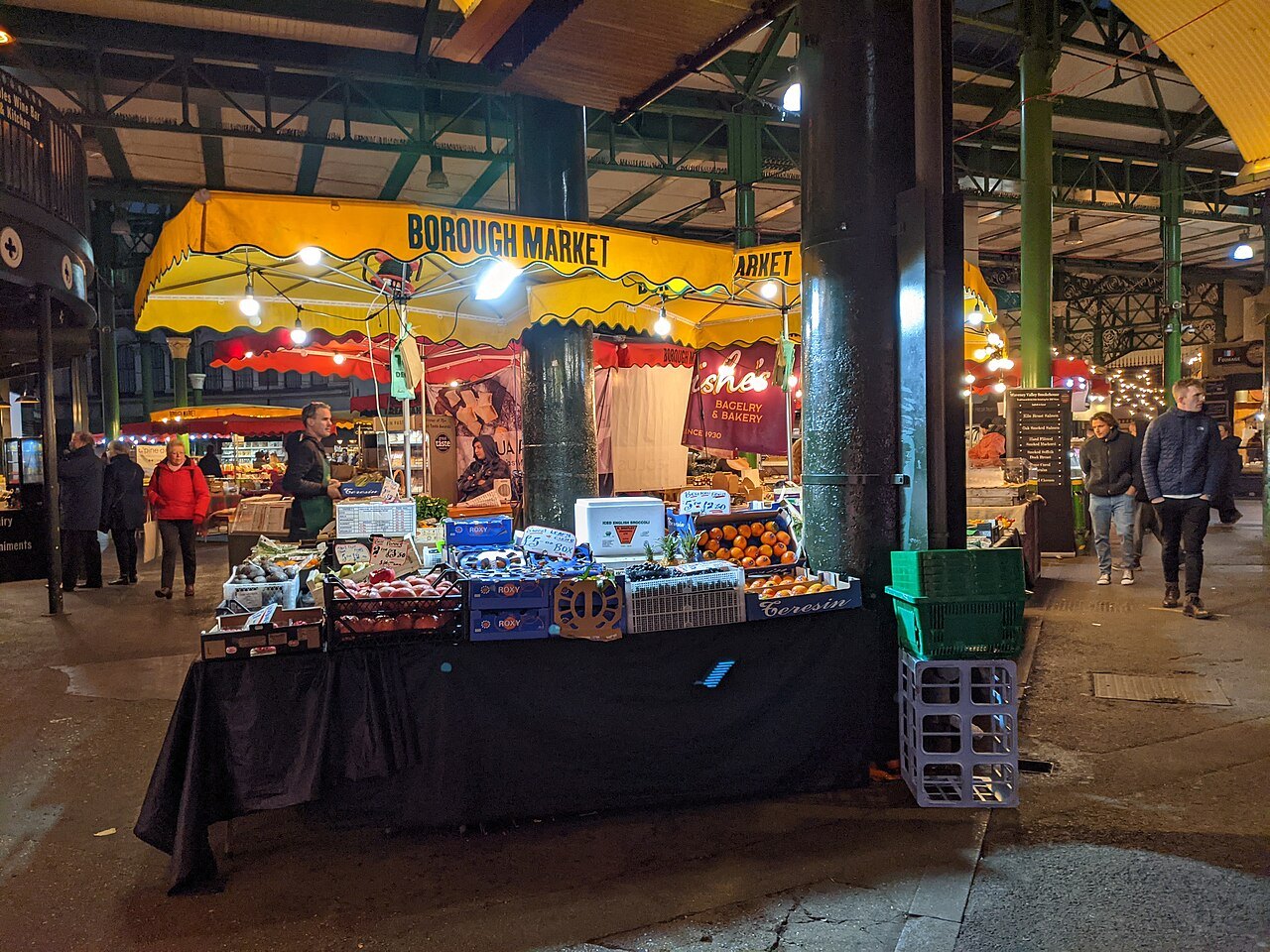
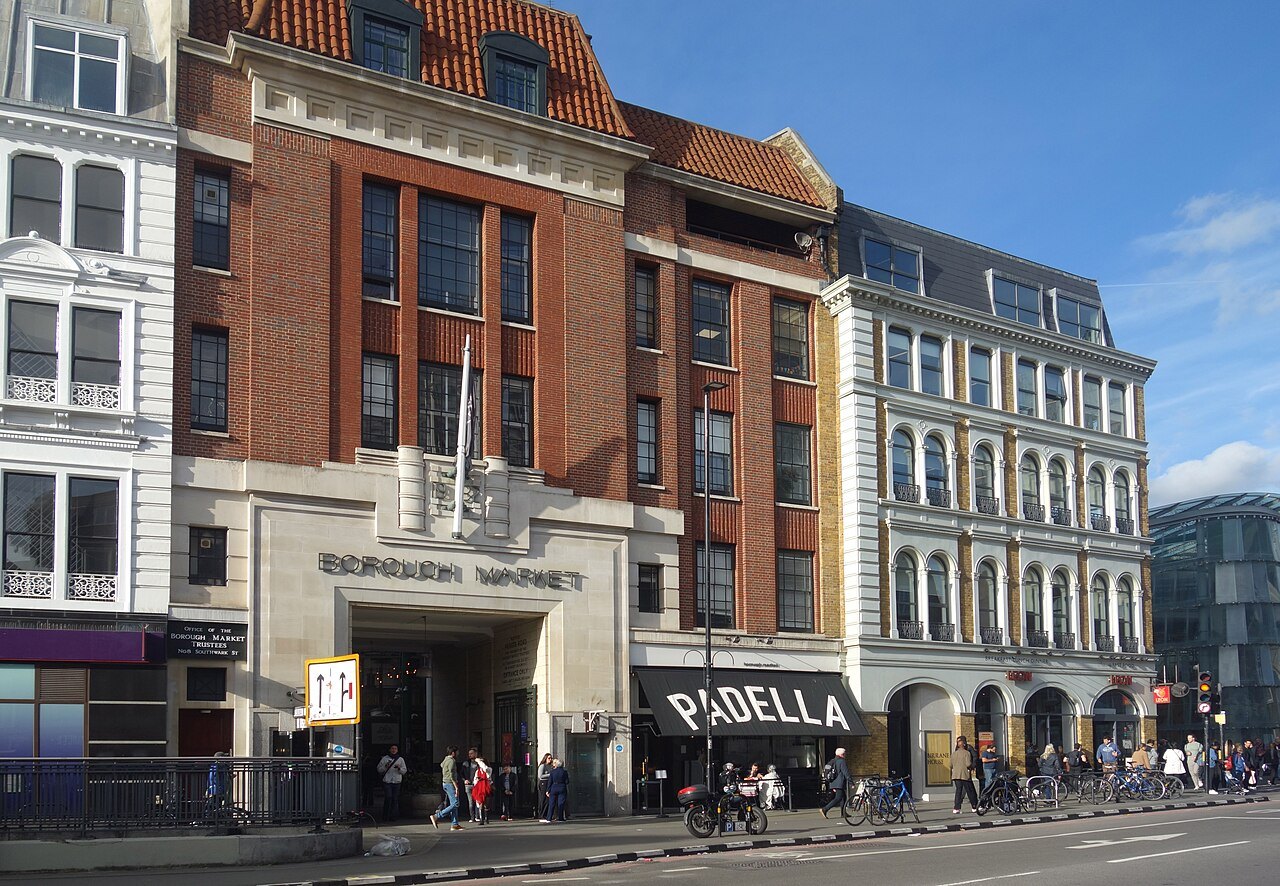
The present market hall was designed by Henry Rose in 1851, with additions in the 1860s and an Art Deco entrance on Southwark Street added in 1932. The iron columns and roof give the market the feeling of a railway shed, which makes sense, because the railway runs overhead. Brick viaducts carry trains into London Bridge station directly above the stalls, and the rumble of trains is part of the atmosphere.
A refurbishment began in 2001, and in 2004 the south portico of the Floral Hall at Covent Garden was brought here. The Floral Hall had been taken apart when the Royal Opera House was rebuilt in the 1990s, and its glass-and-iron entrance now makes a gate to the market. The portico is Grade II listed. Look for it and you have a link between two of the best-known markets in London.
Revival
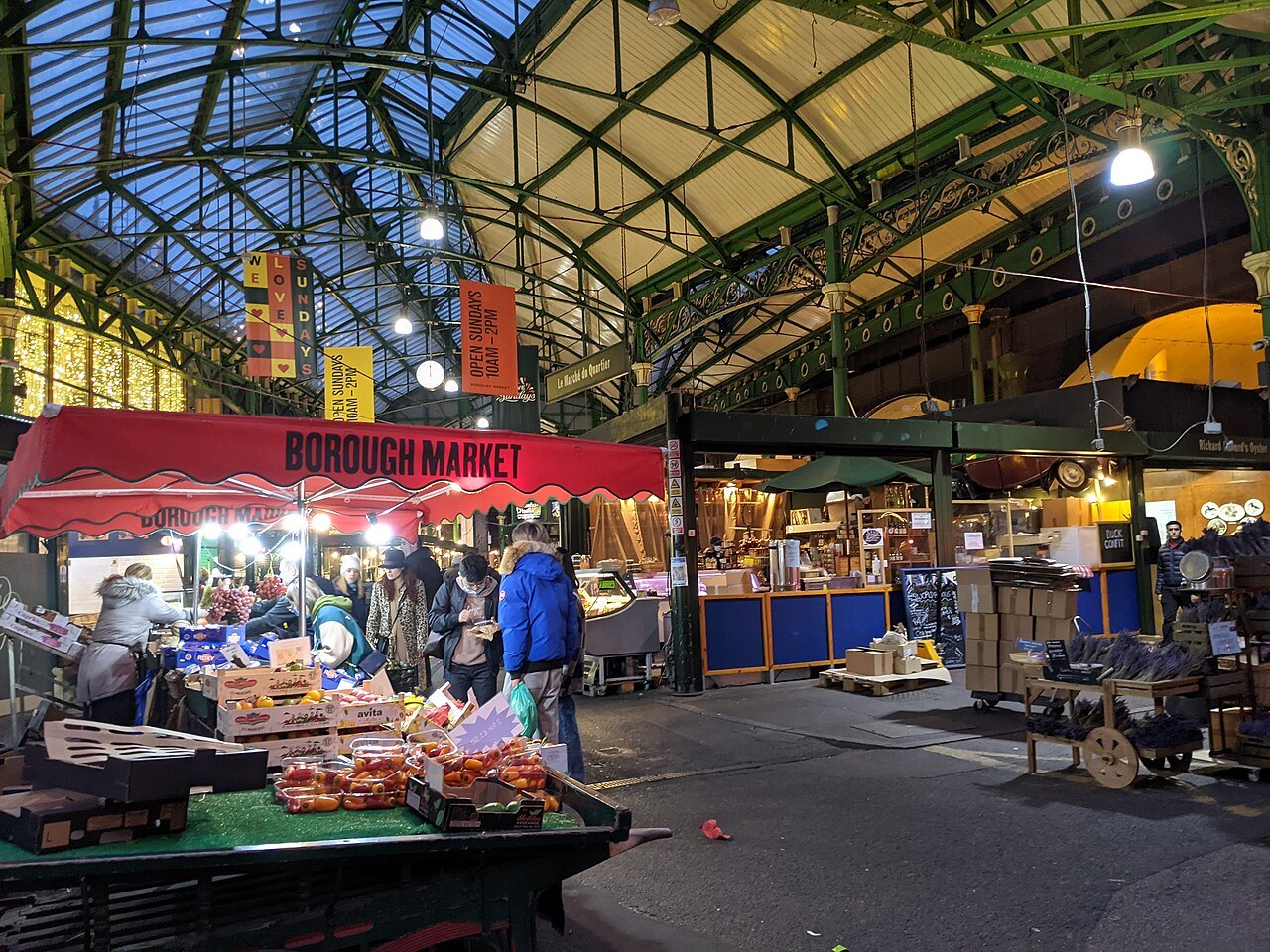
By the mid-1990s the market had declined as a wholesale operation, supplying greengrocers across London. The trustees decided to revive it as a retail market. In 1998 they invited Henrietta Green to hold a Food Lovers' Fair, which recruited several traders who stayed. From 1996 the trustees had also let unused space to businesses such as Neal's Yard Dairy, Brindisa and Monmouth Coffee, and encouraged them to sell to the public.
That began the transformation into the market of today, which is a place where London's food culture shows itself. It has also drawn criticism at times, since the shift toward takeaway food and prepared dishes means that some regular shoppers feel the stalls cater more to visitors than to local cooks.
What to eat and how to visit
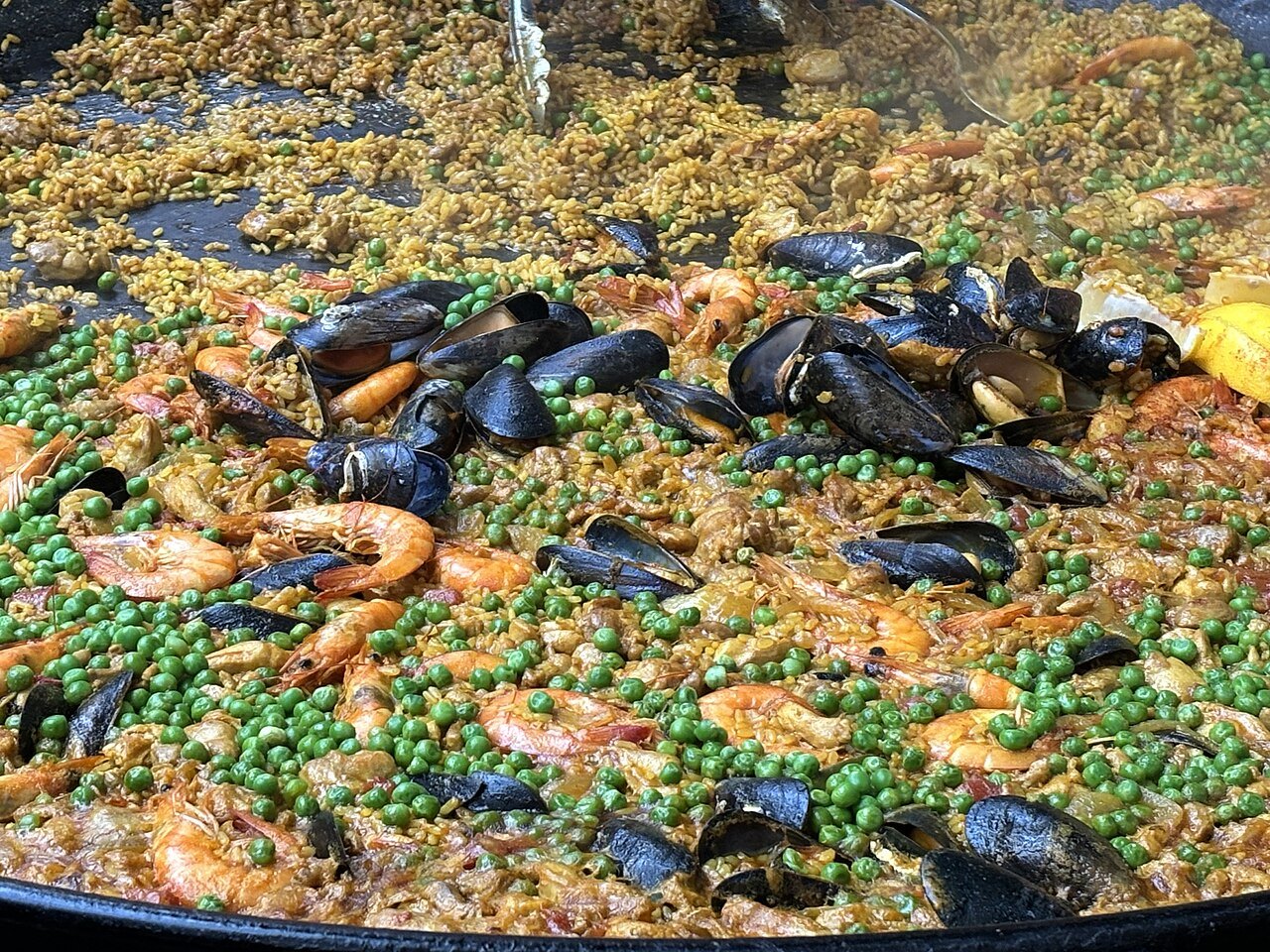
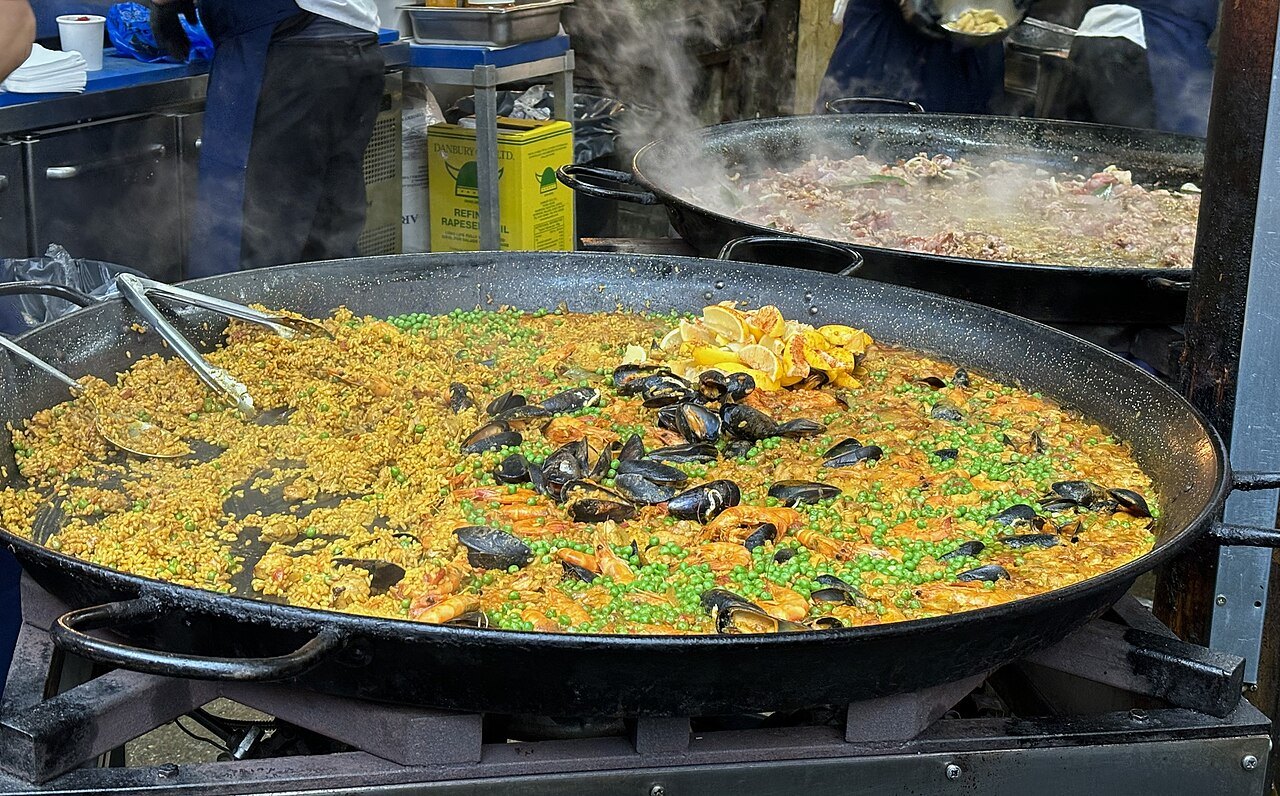
The best approach is to graze. Walk the whole market before you buy anything, as the stalls repeat and the queues vary, then eat standing up or on the nearby steps or by the river. Cheese, bread and pastry stalls are classics, and the market's hot-food traders sell dishes from many countries. The side streets have more cafes and pubs, some of which are very old.
Weekdays are calmer than weekends, and the late morning crowd is the thickest. Check the market's own website for its opening days and hours, which differ by day and by season, and for any days when it closes, so you do not travel for nothing.
A day around Southwark
The market sits in one of the oldest parts of London south of the river. Southwark was the place where travellers stopped before crossing the bridge, and its inns, such as the old coaching inns on Borough High Street, served them. Charles Dickens knew the area well, and the lanes around the market and the cathedral turn up in his novels. A single lane behind the market, still cobbled, gives a fair idea of how the neighbourhood felt in the age of the wharves.
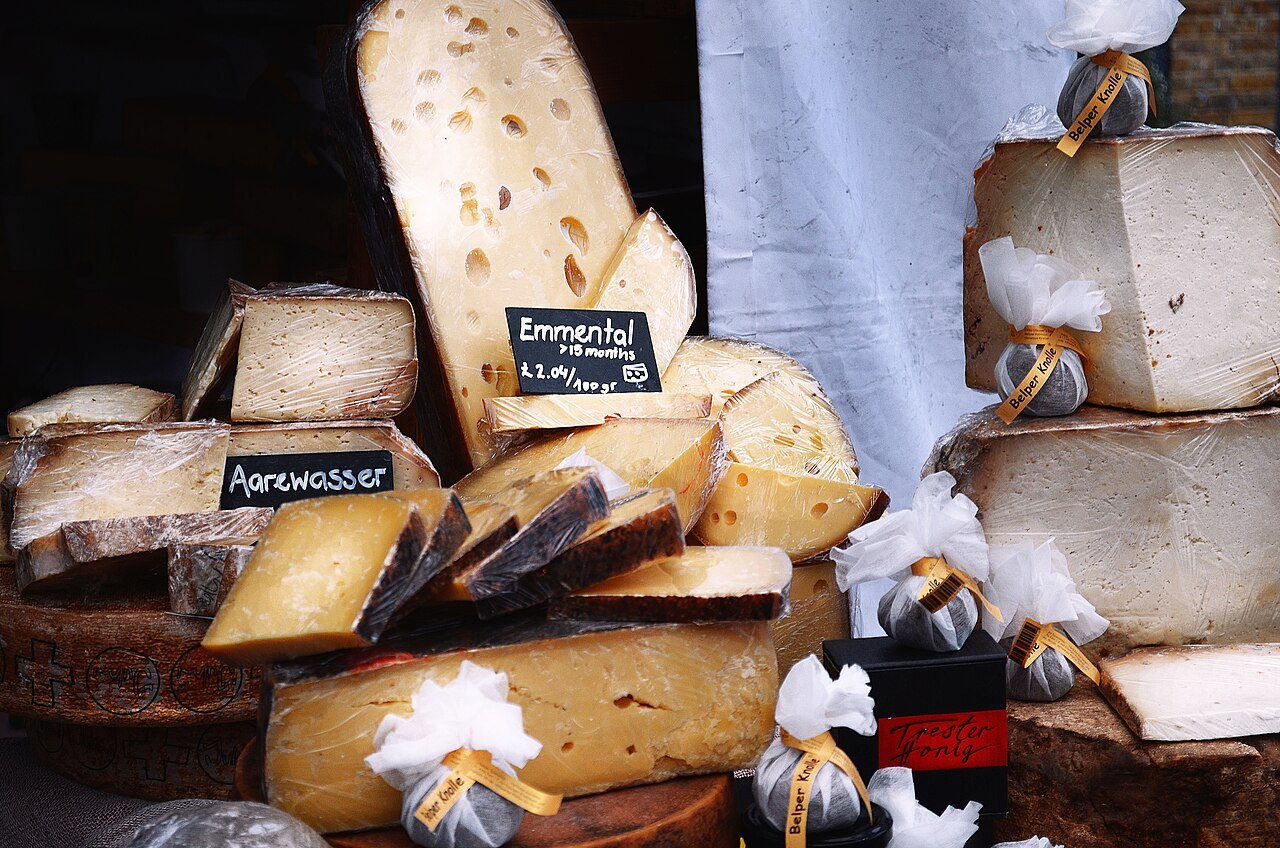
The market's own food halls, the Green Market and the Three Crown Square, are linked by passages, so it is worth looking up from the stalls at the roof structure. In the afternoon, when the lunch crowd thins, you can see the ironwork and the old trading signs without being jostled. The area is also a good place to compare food traditions side by side, since stalls specialising in British cheese stand next to others selling Spanish ham or Italian pasta.
Around the market
Southwark Cathedral, a medieval church of great beauty, is a few steps away and has a quiet garden. A short walk west along the river is Shakespeare's Globe and then Tate Modern, and the Shard rises above the market to the east. Tower Bridge is a pleasant walk downstream along the south bank.
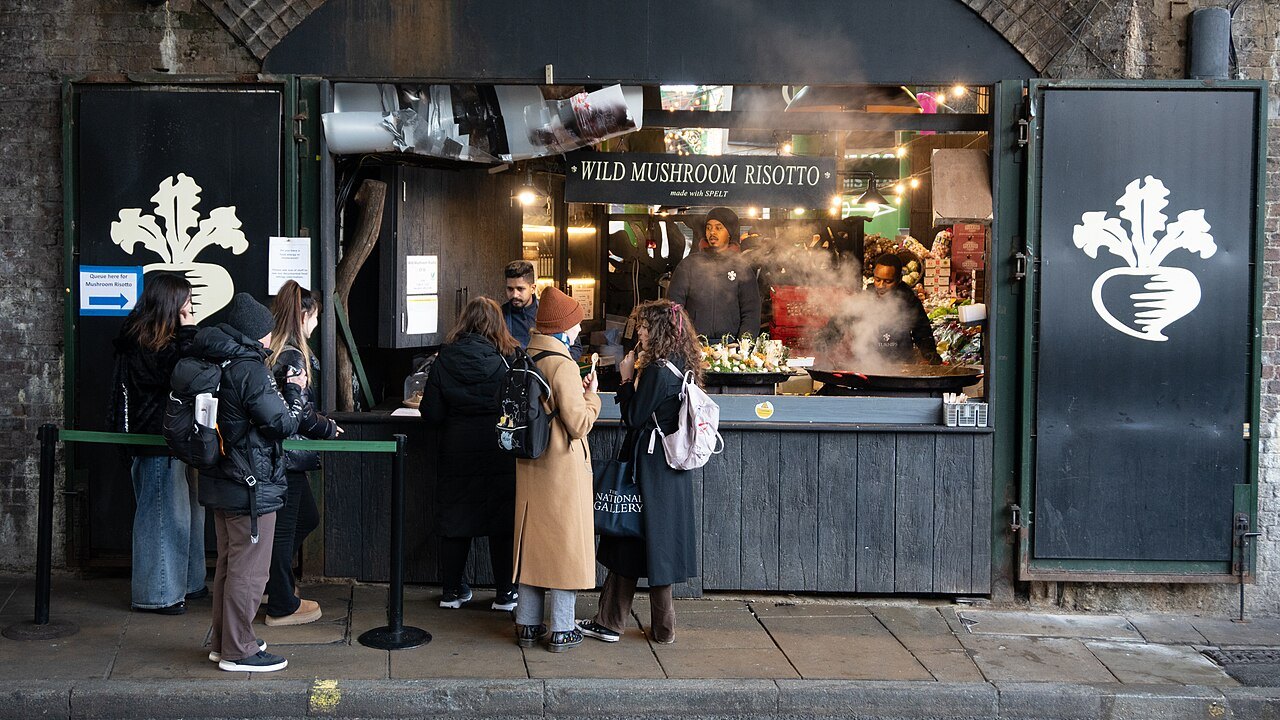
For what to eat across the whole city, and which dishes London does best, see Eating and Drinking.
Nearby
Where to go next
- Nearby · Southwark · south bankThe ShardA glass pyramid of 95 storeys designed by Renzo Piano, 1,016 feet high, completed in 2012 beside London Bridge station and still the tallest building in the United Kingdom.Read the page →
- Nearby · Bankside · south bankShakespeare's GlobeA reconstruction of the open-air Elizabethan playhouse where Shakespeare's company performed, completed in 1997 close to the site of the original beside the Thames.Read the page →
- Nearby · Beside the TowerTower BridgeThe Victorian bascule and suspension bridge opened on 30 June 1894 beside the Tower of London, its towers joined by high walkways and its roadway able to split in two for ships.Read the page →