Tate Modern
What you are looking at
Bankside · south bank
- 1The Turbine HallThe cavernous main hall of the old power station, kept as a vast entrance and a space for large commissions.
- 2The chimneyThe brick chimney, 325 feet tall, still stands over the south bank as a landmark.
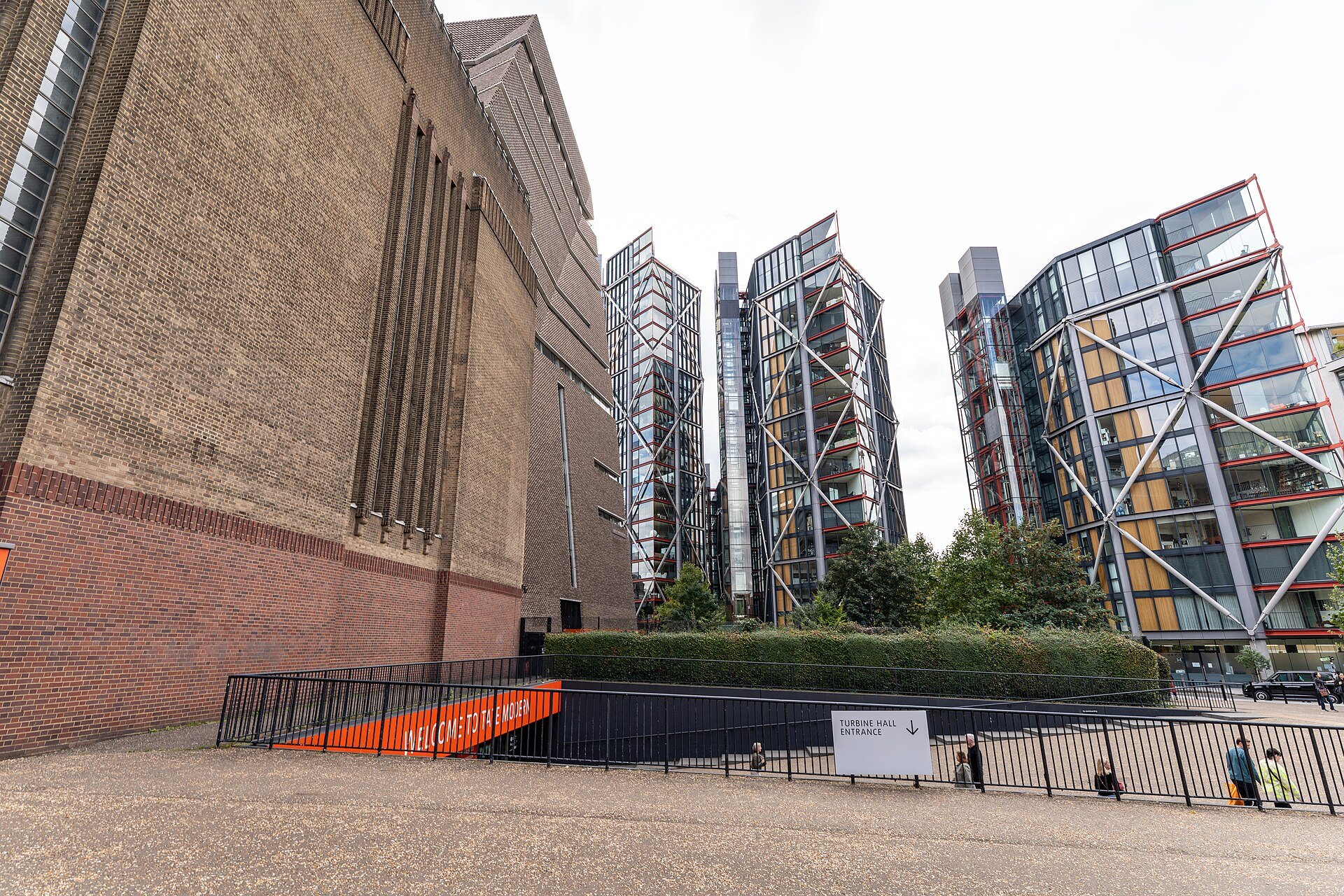
- 3The Blavatnik BuildingThe tower extension on the south side, opened in 2016, with galleries stacked in a stepped brick pyramid.
- 4The TanksThree circular underground oil tanks converted into spaces for performance and installation art.
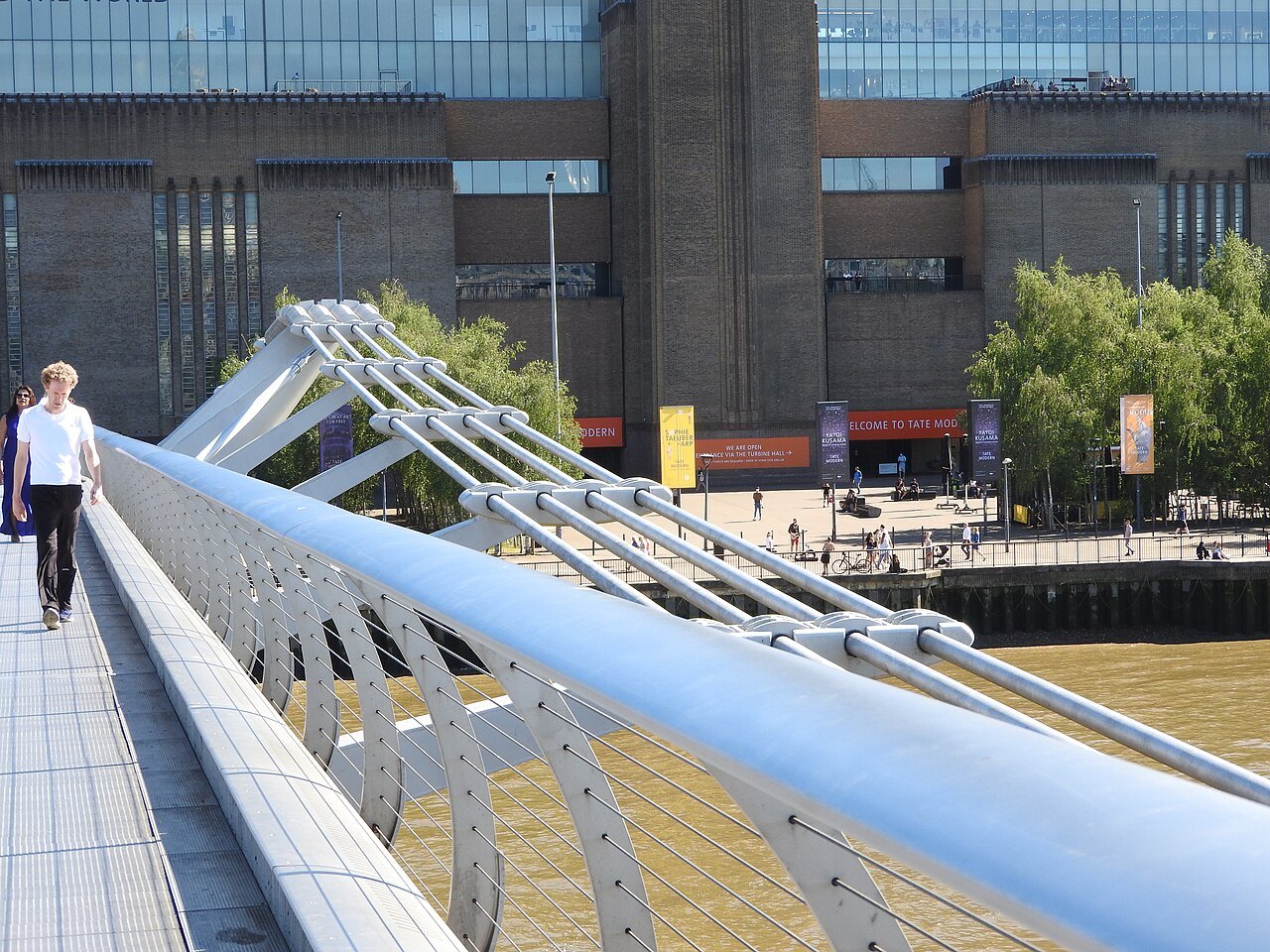
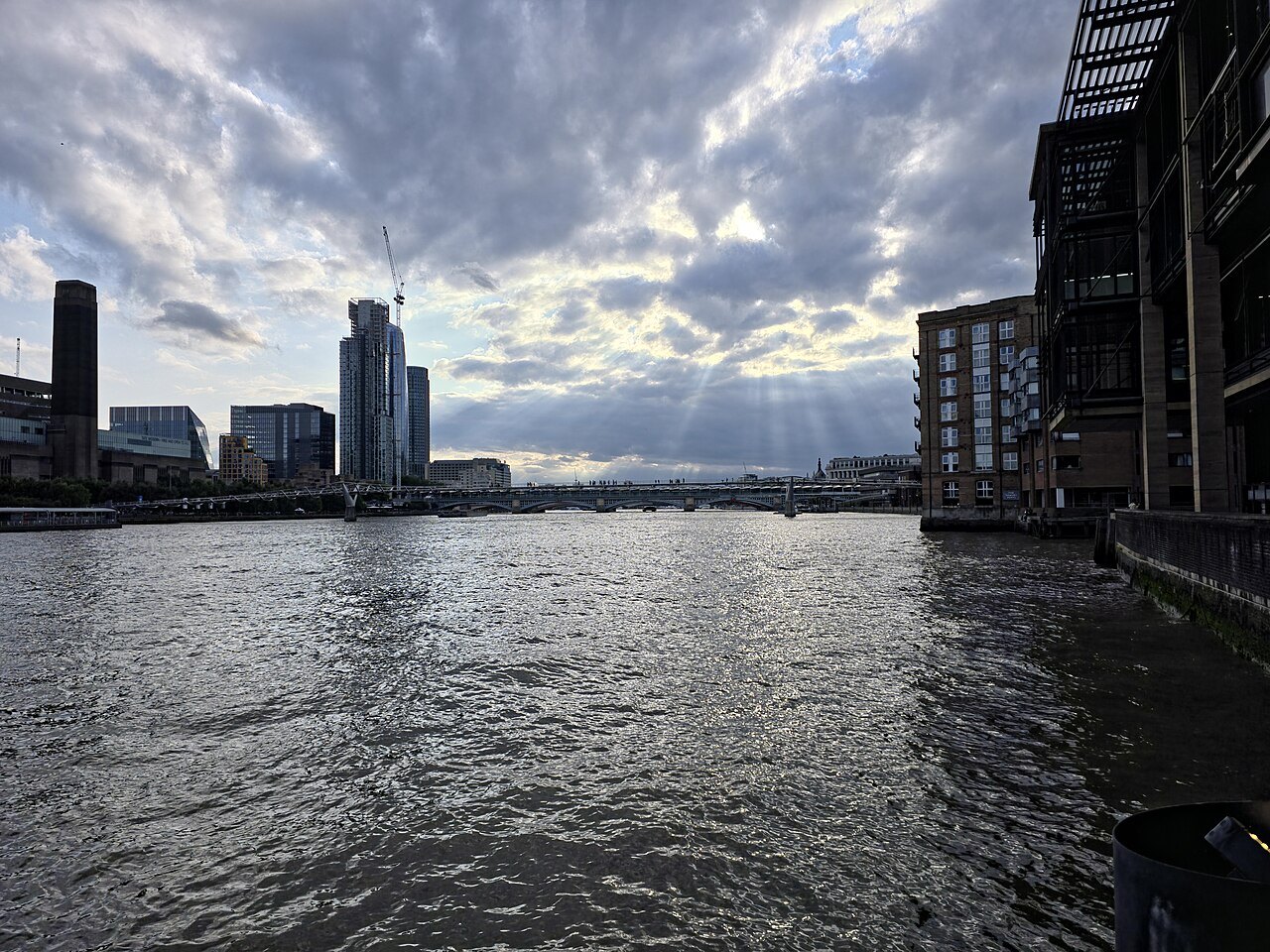
- 5The Millennium BridgeA footbridge that links the gallery's door to the steps of St Paul's Cathedral.
Reading the place
The sight in full
What it is
Tate Modern is the United Kingdom's national gallery of international modern and contemporary art, meaning work made in or after 1900. It is part of the Tate group alongside Tate Britain, Tate Liverpool and Tate St Ives, and it is among the largest museums of modern art in the world. Admission to the collection displays, which take up most of the space, is free, while tickets must be bought for the major temporary exhibitions.
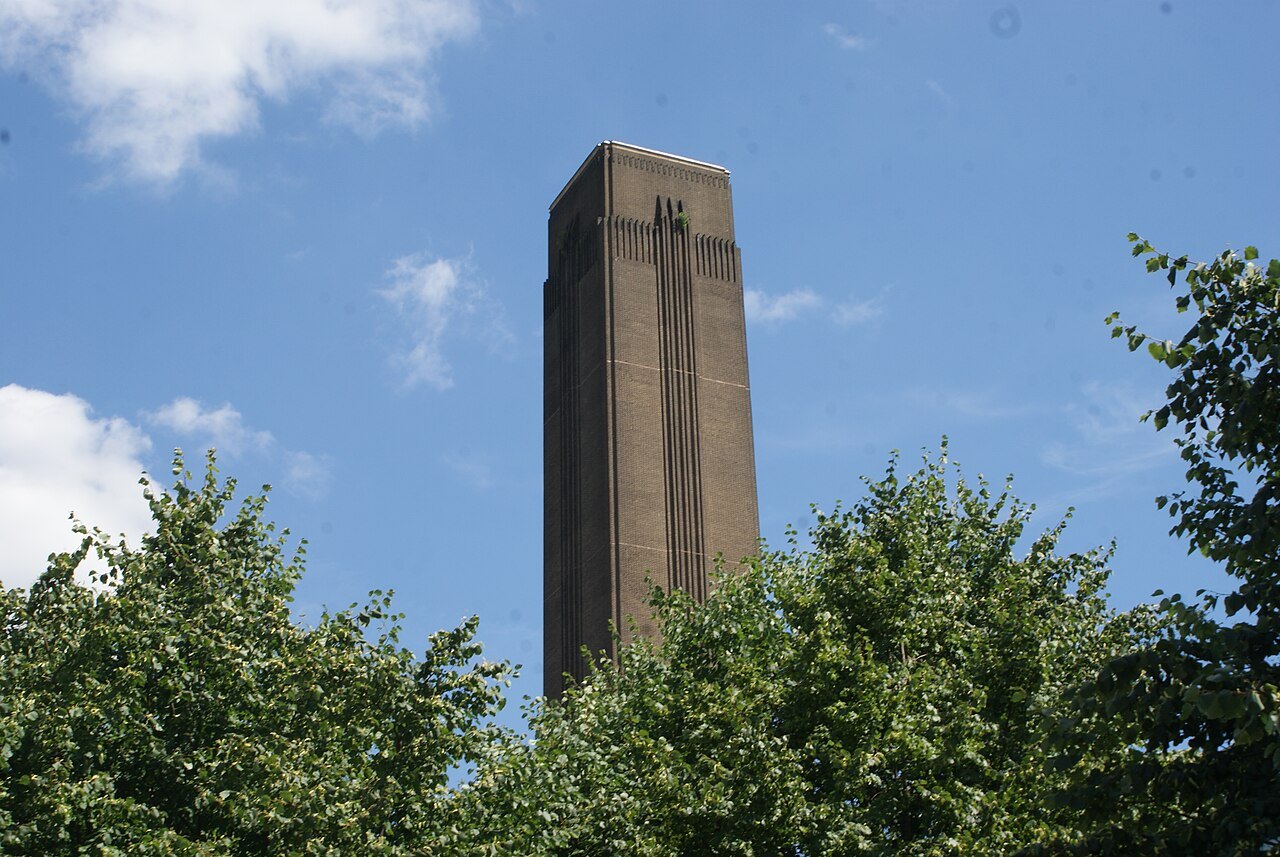
It is the most popular art gallery in the UK, and one of the four or five most visited attractions in the country. It stands in the Bankside area of Southwark, and its great brick chimney is one of the easiest landmarks to spot on the south side of the river.
The power station
Before it was a gallery, the building was Bankside Power Station, designed by Sir Giles Gilbert Scott, who also designed Battersea Power Station and the classic red telephone box. It was built in two stages between 1947 and 1963, a steel-framed building clad in brick, 660 feet long, with a central chimney that rose 325 feet. The design was deliberately restrained, so that the new station would not compete with St Paul's across the river.
The station closed in 1981 because oil had become too expensive, and for years it stood empty and at risk of demolition. An application to list the building was refused. Then in 1994 the Tate announced that Bankside would be the home of a new gallery for modern art, a choice that surprised many people.
The conversion
An international competition was held, and the Swiss architects Jacques Herzog and Pierre de Meuron won in January 1995. Their conversion started in June 1995 and finished in January 2000. They chose to keep most of the building as it was. The main external change was a two-storey glass extension along the roof, a light box that glows at night. Inside, the great Turbine Hall kept its overhead travelling crane.
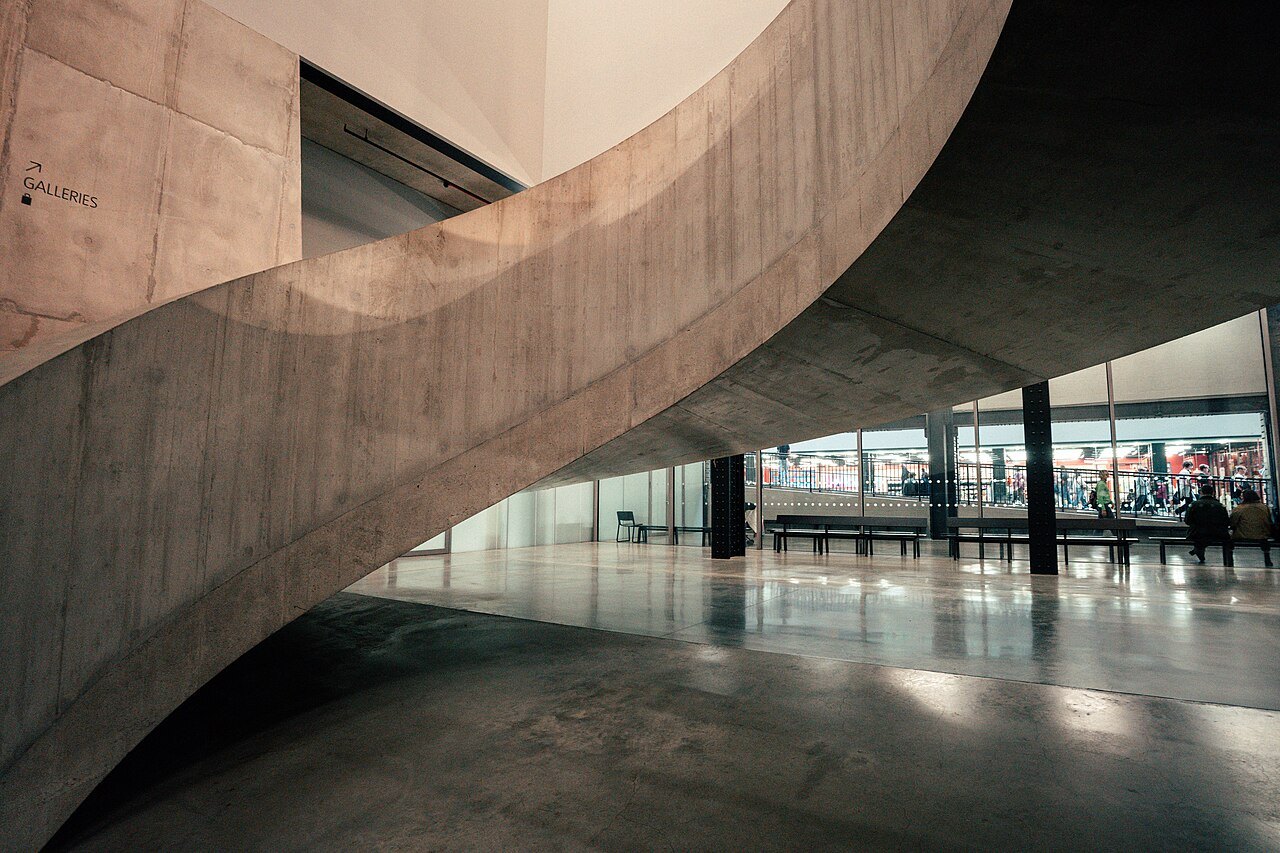
The building has three bands running east to west: the Turbine Hall in the middle, the boiler house to the north and the switch house to the south. The gallery took over the boiler house for its main exhibition spaces, while the switch house stayed in service as an electrical substation for years. Tate Modern opened on 11 May 2000, and in its first year it received more than five million visitors, about twice as many as all three existing Tate galleries had drawn the year before.
The Turbine Hall
The Turbine Hall is the heart of the gallery, a space so large that it works as an indoor street. It is free to enter and often has a large commission by a contemporary artist, usually on view for around six months, so what you see depends on when you come. Some installations have filled the space with light, others with objects, slides or sound.
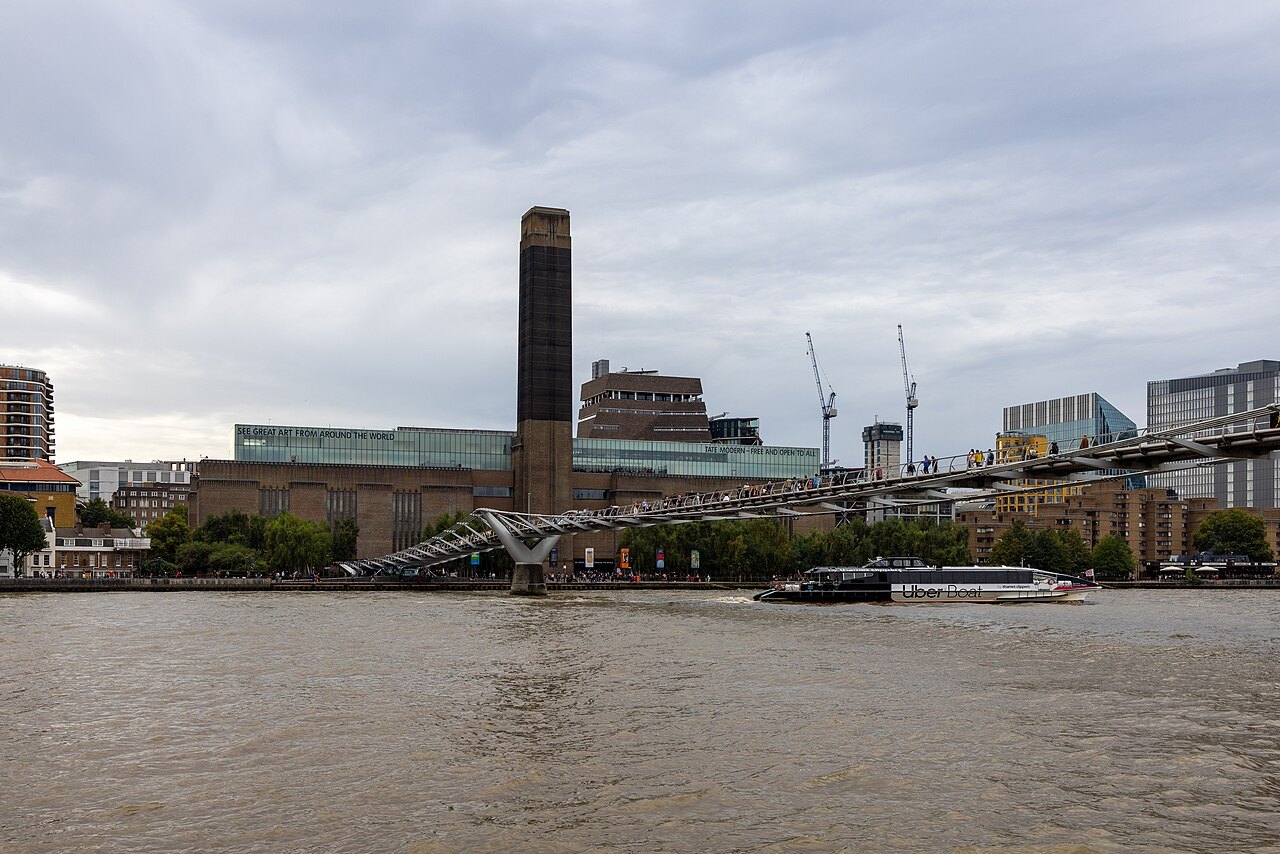
Even when the hall is almost empty it is worth walking down the long ramp from the west entrance, because the scale is the point. Visitors sit on the floor and look up at the high steel roof, and the hall has become one of London's great public rooms.
The tower and the Tanks
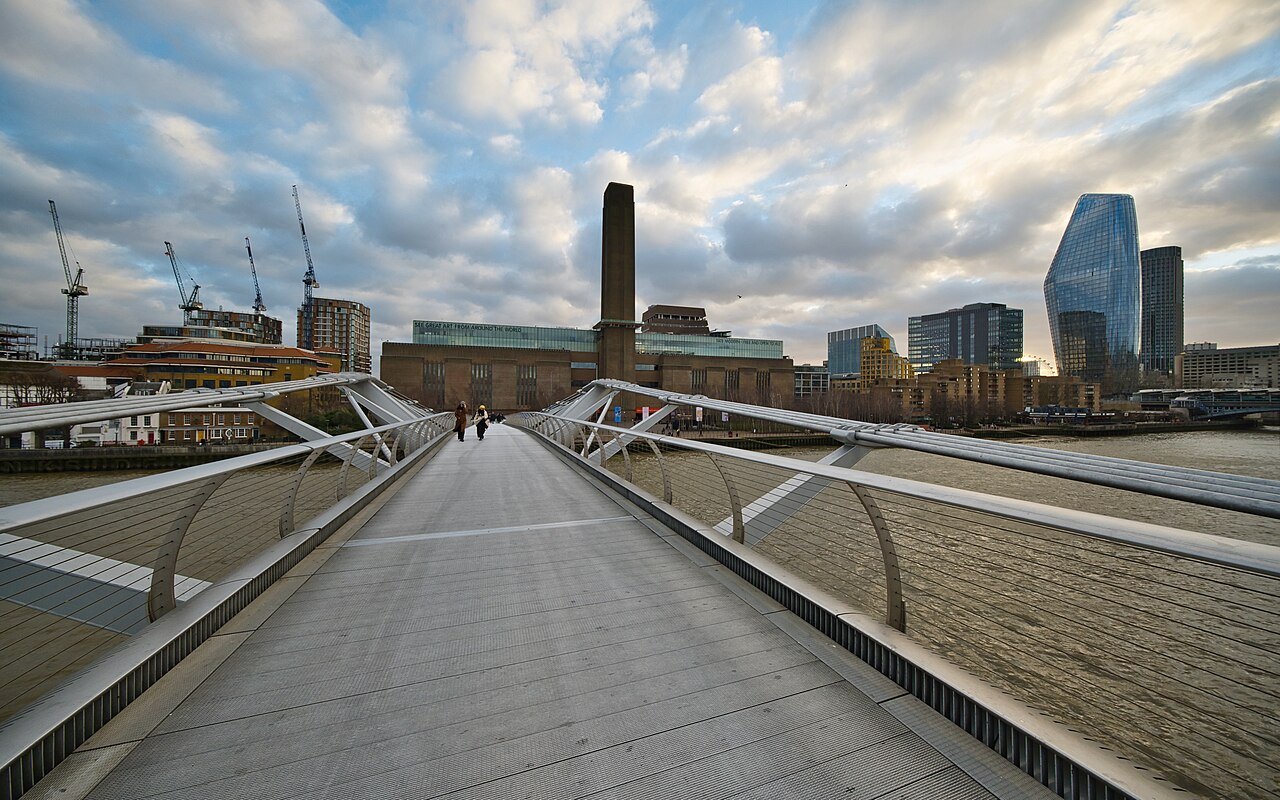
The success of the gallery led to plans for expansion from 2004. The southern third of the building was the old switch house, and when the electricity company released part of it, a new tower was designed by Herzog and de Meuron to rise over the old oil tanks. The three round underground tanks were converted first, and then the tower, with its stepped brick form pierced with a lattice of openings, opened in 2016 as the Blavatnik Building, nearly doubling the display space.
The tower has a public viewing level at the top, with a view across the river to St Paul's and over the City, and in the other direction over the south London skyline. The Tanks below are used for live performance and installation art and are one of the more unusual spaces in any national museum.
Why it worked
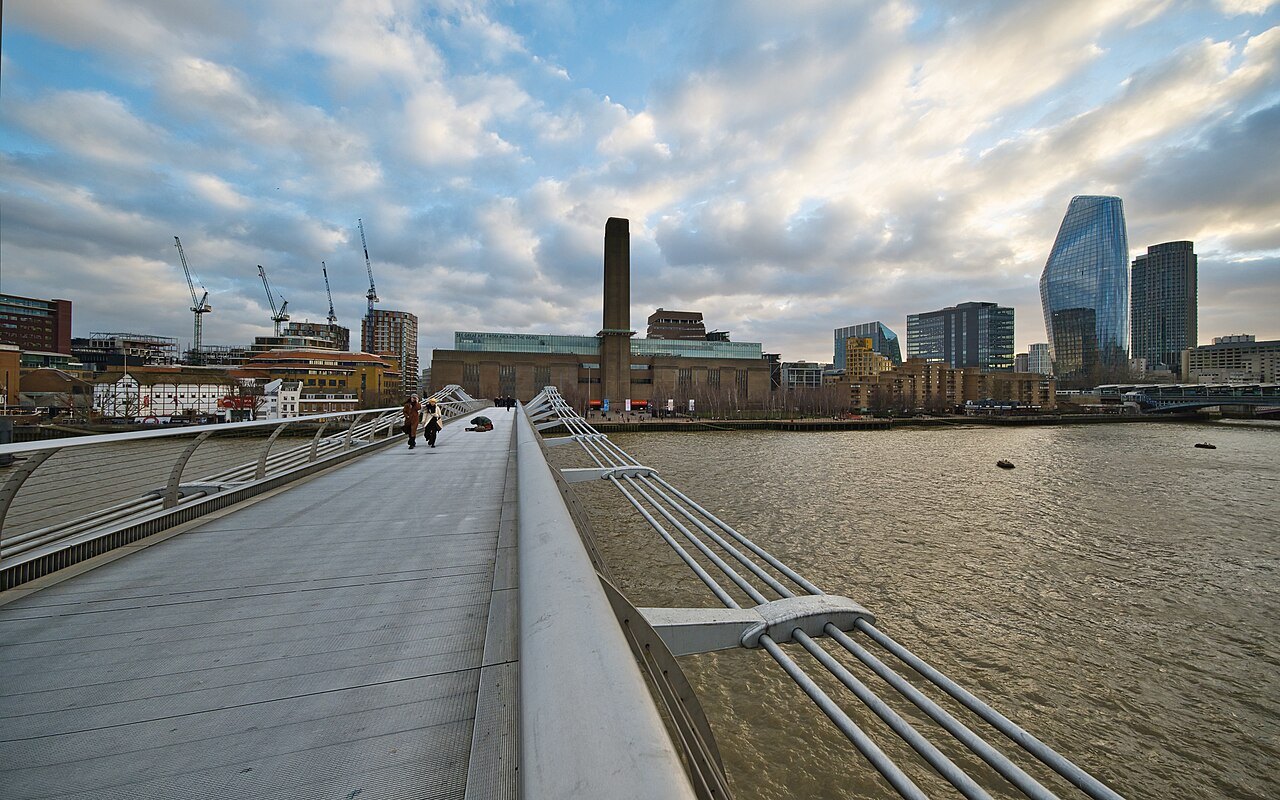
Few people expected a gallery in a disused power station to succeed, and it drew twice the crowd its backers had planned for. Part of the reason is the building itself. The raw brick, the high spaces and the industrial scale make a visit feel less formal than a trip to an old-fashioned picture gallery, and that suits art that is large, strange or made from unexpected materials.
The gallery also sits in a good place. The south bank was run-down when it opened, and Tate Modern, with the Millennium Bridge and the Globe, helped turn the riverside into a continuous walk from Westminster to Tower Bridge. Today it is one of the busiest stretches of pavement in the city, lined with street performers, food stalls and benches facing the water.
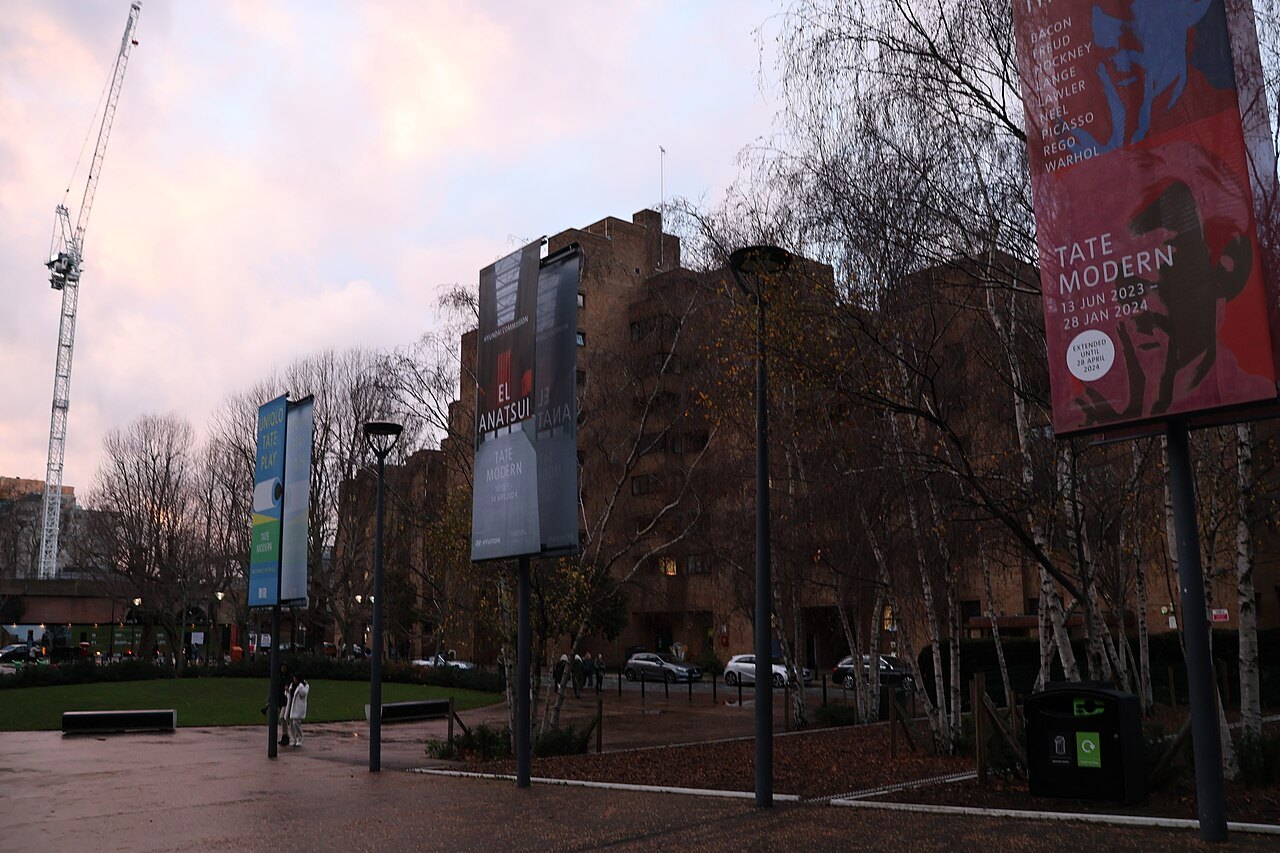
If the main galleries are crowded, take the stairs to a quieter floor, or step out onto the terrace on the river side, where you can see St Paul's framed by the bridge.
Visiting
The collection is arranged by theme and period, not simply by artist, so that works from different countries and decades share a room. There are famous pictures by Picasso, Matisse, Dalí and Warhol, as well as rooms of recent work you may never have heard of. It rewards curiosity, and you are free to leave a room that does not speak to you.
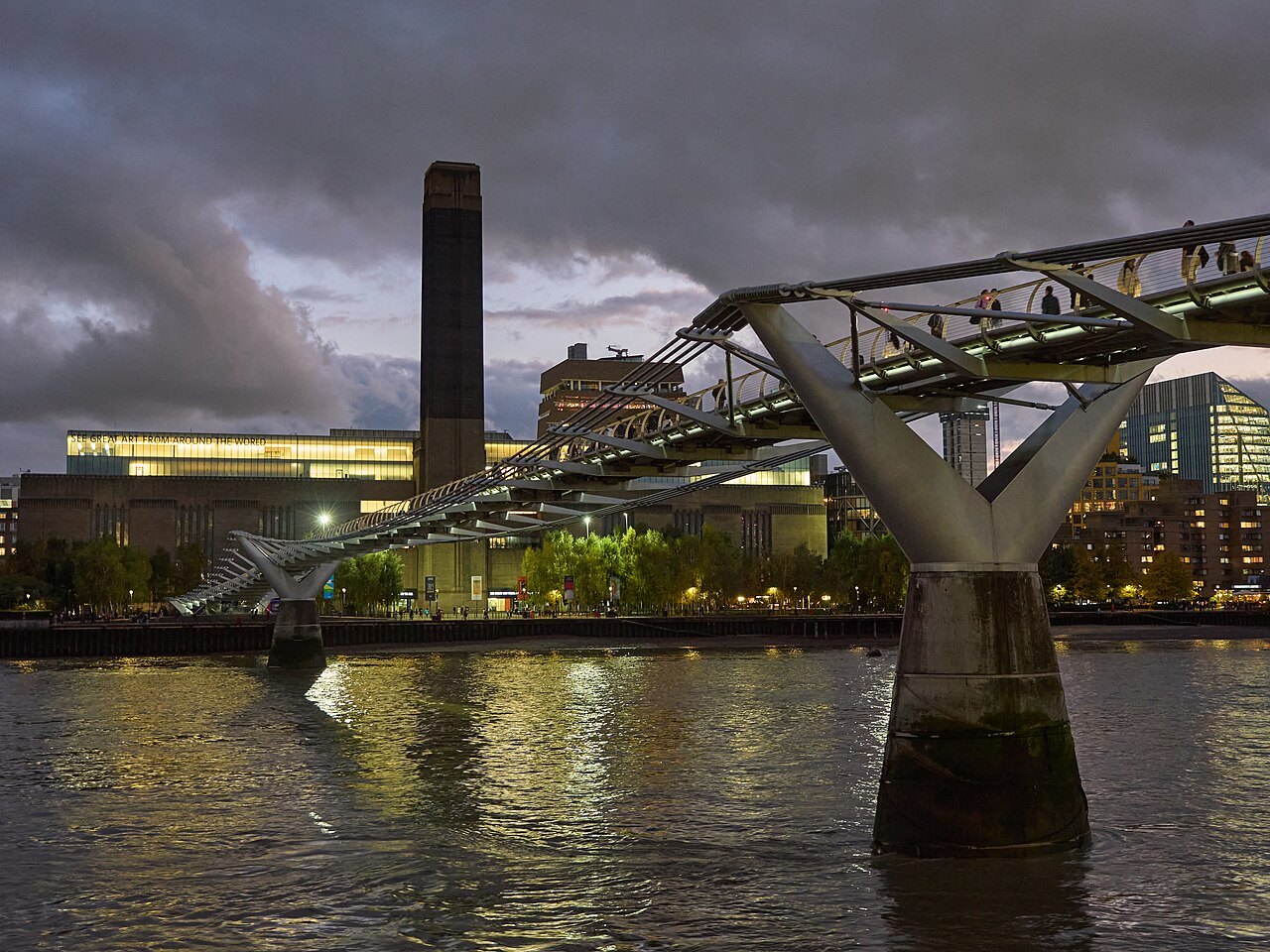
The museum is on the south bank, reached from the north by the Millennium Bridge, which runs straight from the steps of St Paul's Cathedral to the gallery's door. A few minutes' walk upriver is Shakespeare's Globe, and downriver lies Borough Market. For ticketing for temporary shows see Booking Ahead.
Nearby
Where to go next
- Nearby · Bankside · south bankShakespeare's GlobeA reconstruction of the open-air Elizabethan playhouse where Shakespeare's company performed, completed in 1997 close to the site of the original beside the Thames.Read the page →
- Nearby · City of LondonSt Paul's CathedralChristopher Wren's Baroque cathedral, finished in 1710 after the Great Fire, with a dome that was the tallest structure in London for more than two and a half centuries.Read the page →
- Nearby · Southwark · south bankBorough MarketA food market beside London Bridge with roots in the twelfth century or earlier, now under Victorian ironwork and mostly selling specialty foods to the public.Read the page →