Home · Sights · The Victoria and Albert Museum
The Victoria and Albert Museum
What you are looking at
South Kensington
- 1The Cast CourtsTwo great halls of plaster casts of famous sculptures and monuments, including Trajan's Column in two halves.
- 2The Raphael CartoonsSeven designs for tapestries, among the great treasures of the Renaissance.
- 3Fashion and textilesFive centuries of dress, from court clothes to couture.
- 4Asian collectionsStrong holdings of ceramics and metalwork, and a large Islamic art collection.
- 5The courtyard and cafesThe first museum cafe in the world, in the Gamble Room and its neighbours.
Reading the place
The sight in full
What it is
The Victoria and Albert Museum, known as the V&A, is the world's largest museum of applied arts, decorative arts and design, with a permanent collection of nearly three million objects. It spans 5,000 years, from ancient history to the present day, and it includes works from Europe, the Americas, Africa and Asia. Its Islamic art collection is among the largest in the Western world, and its collection of Italian Renaissance sculpture is the largest outside Italy.
Like other national museums in the UK, it is free to enter. The South Kensington site is the original and the biggest, covering many acres with more than 145 galleries, so it is easy to feel overwhelmed. It is best seen by theme, not by room number.
From the Great Exhibition
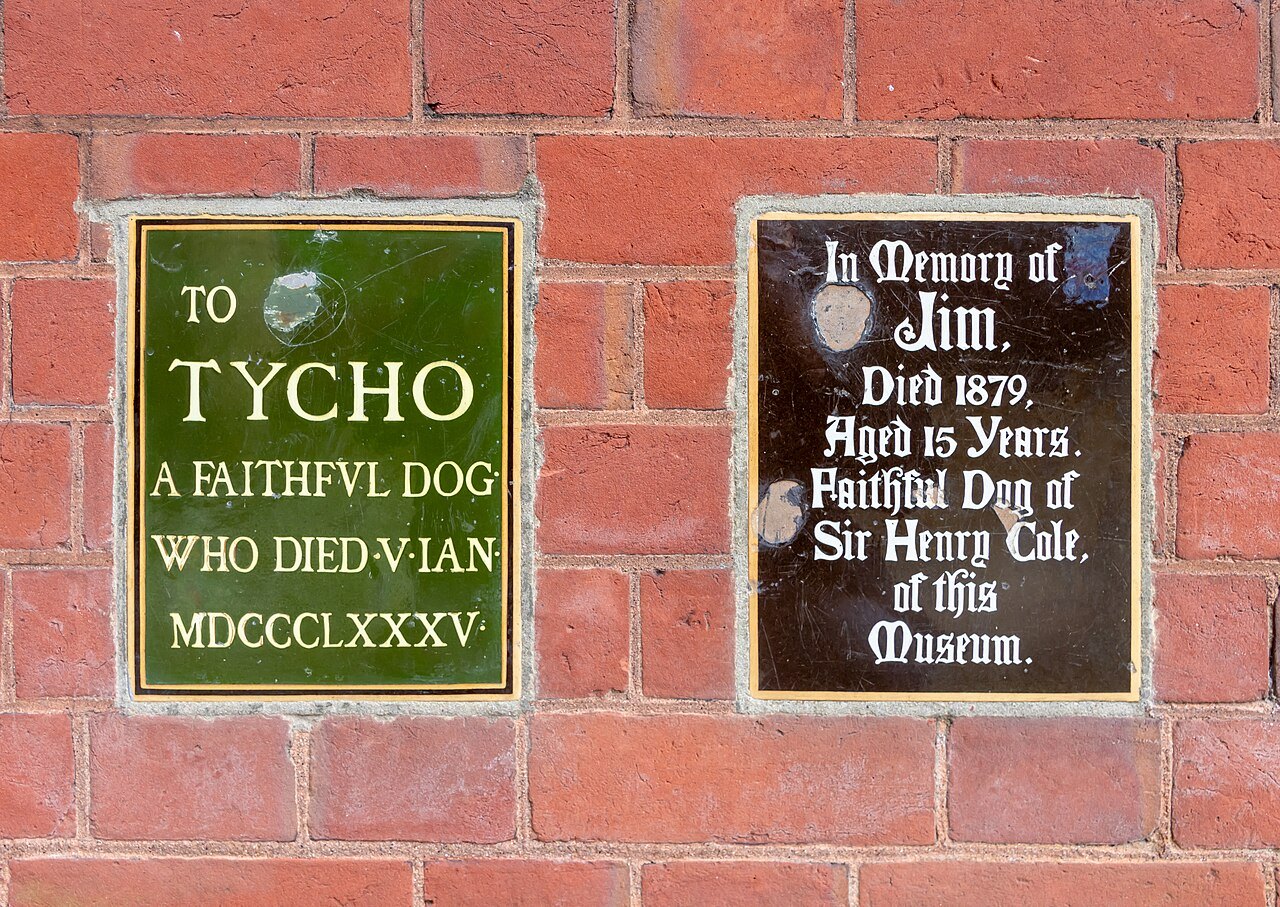
The museum began as the Government School of Design in 1832, set up because the government feared that poor art education was hurting British industry. In 1852 Henry Cole became its head and set out to reach the whole public, not only artisans. Prince Albert supported him, and Cole used a parliamentary grant to buy objects from the Great Exhibition of 1851, which gave the new Museum of Manufactures its first treasures.
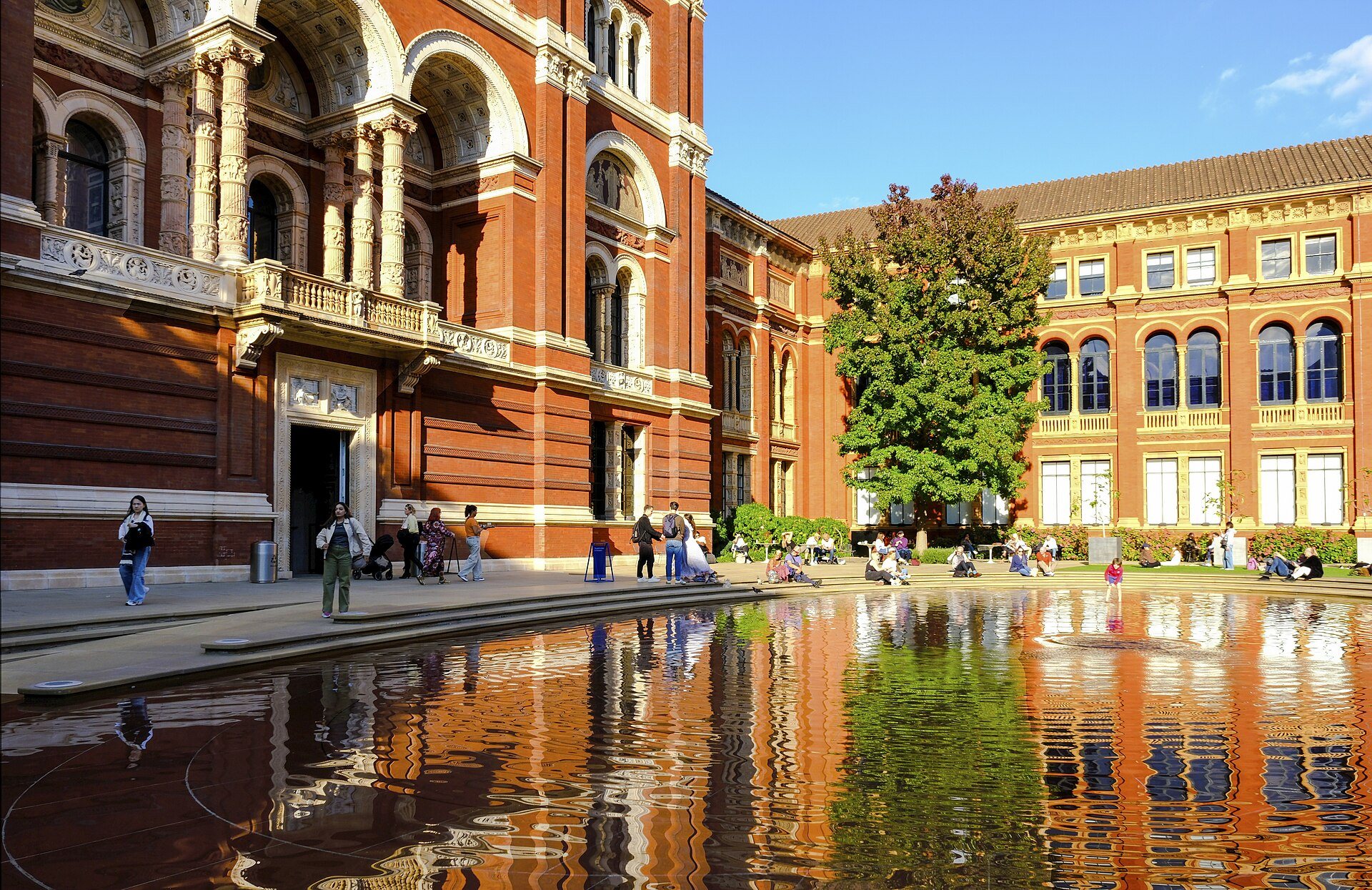
Prince Albert had plans for a group of institutions on the edge of central London, funded by the profits of the Great Exhibition, which the press called Albertopolis. Cole persuaded the authorities to rename the area from Brompton to South Kensington to make it more attractive, and in 1857 the museum moved there. Soon it became the first in the world to offer visitors a refreshment room.
The building
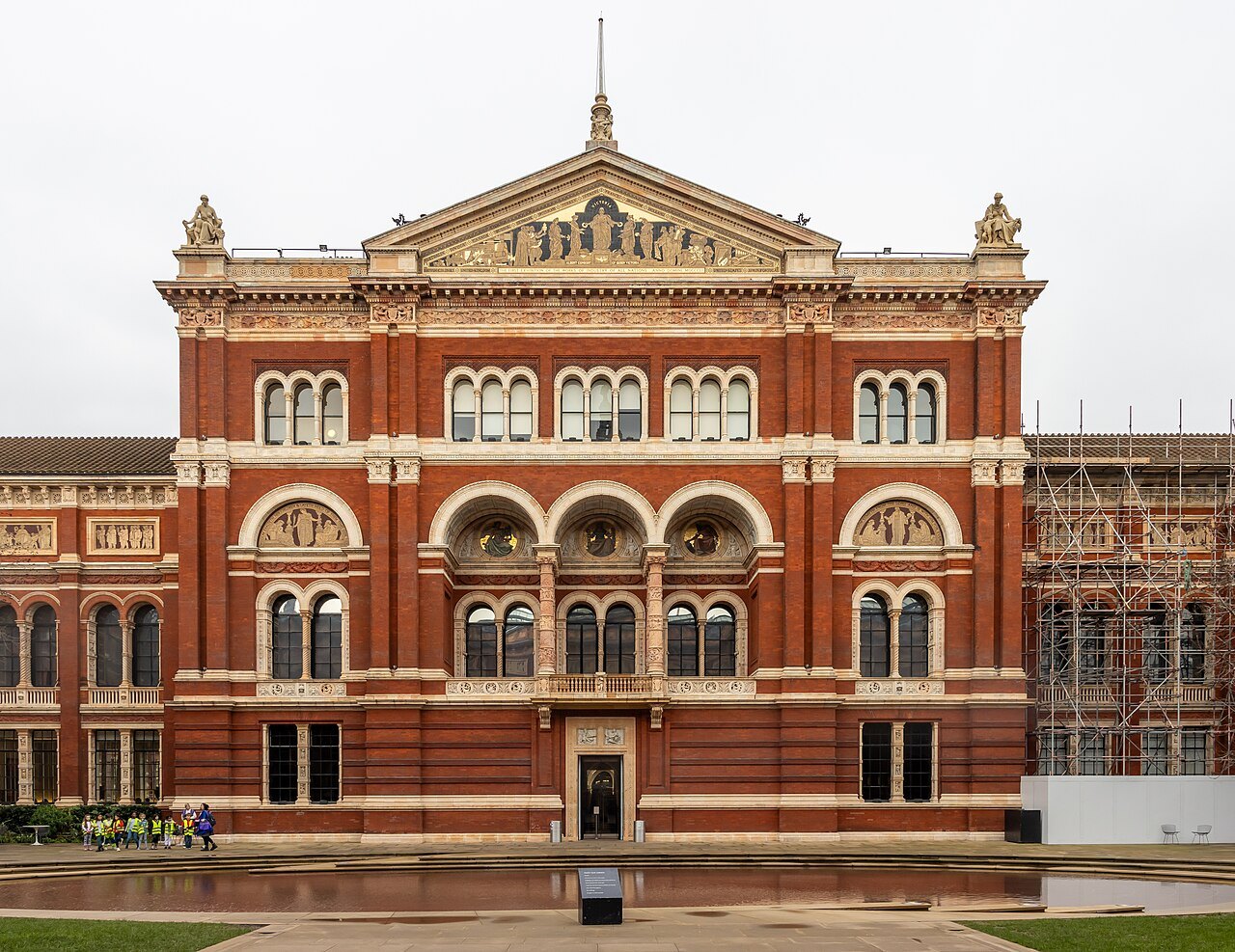
The first buildings on the site were iron sheds nicknamed the Brompton Boilers, which were later taken down and rebuilt in east London as the Bethnal Green branch. The museum then grew in stages, with courtyards and galleries added through the Victorian period. The great facade on Cromwell Road, with a central tower topped by a crown, was added in the early twentieth century and gives the museum its present face.
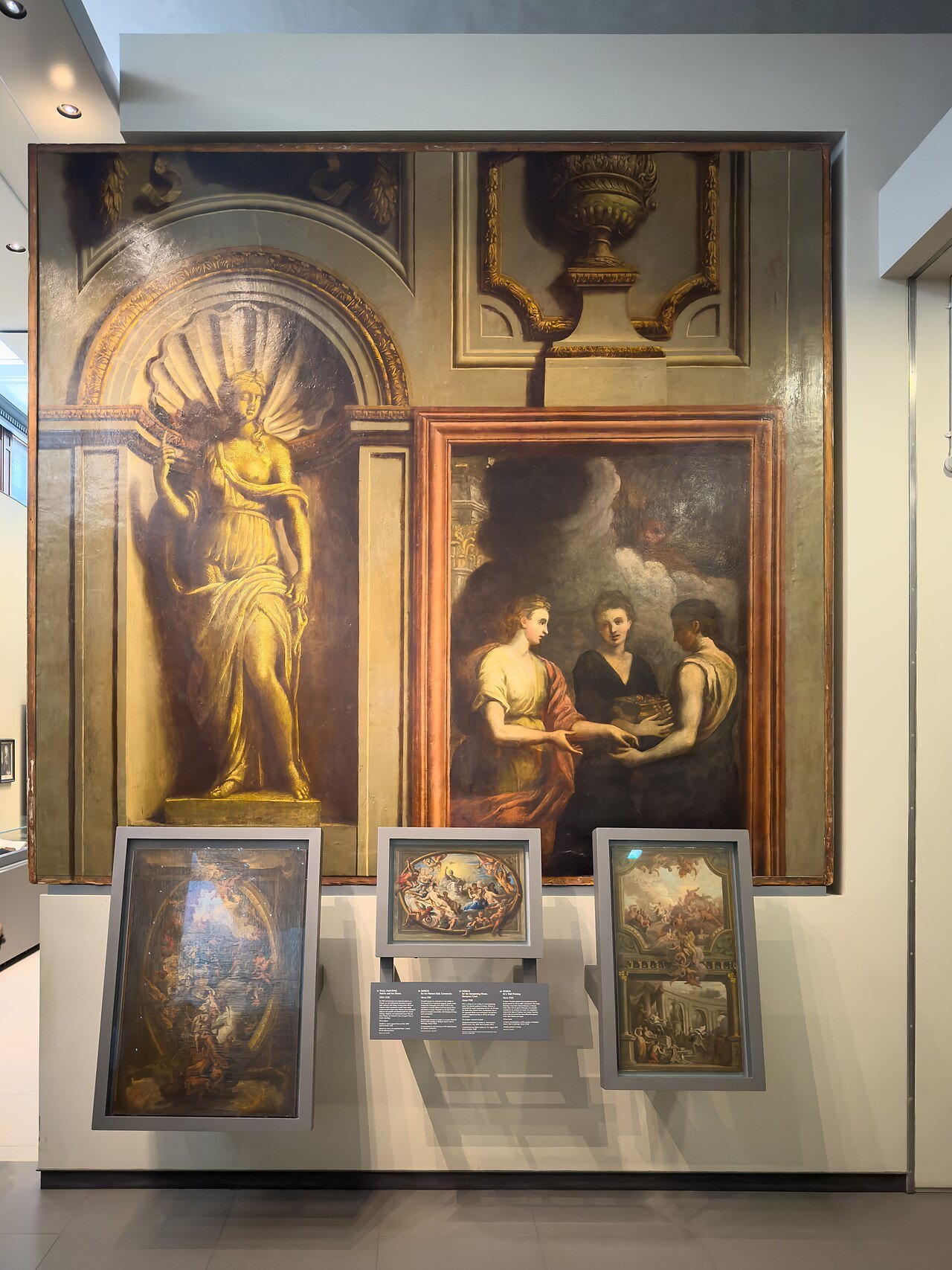
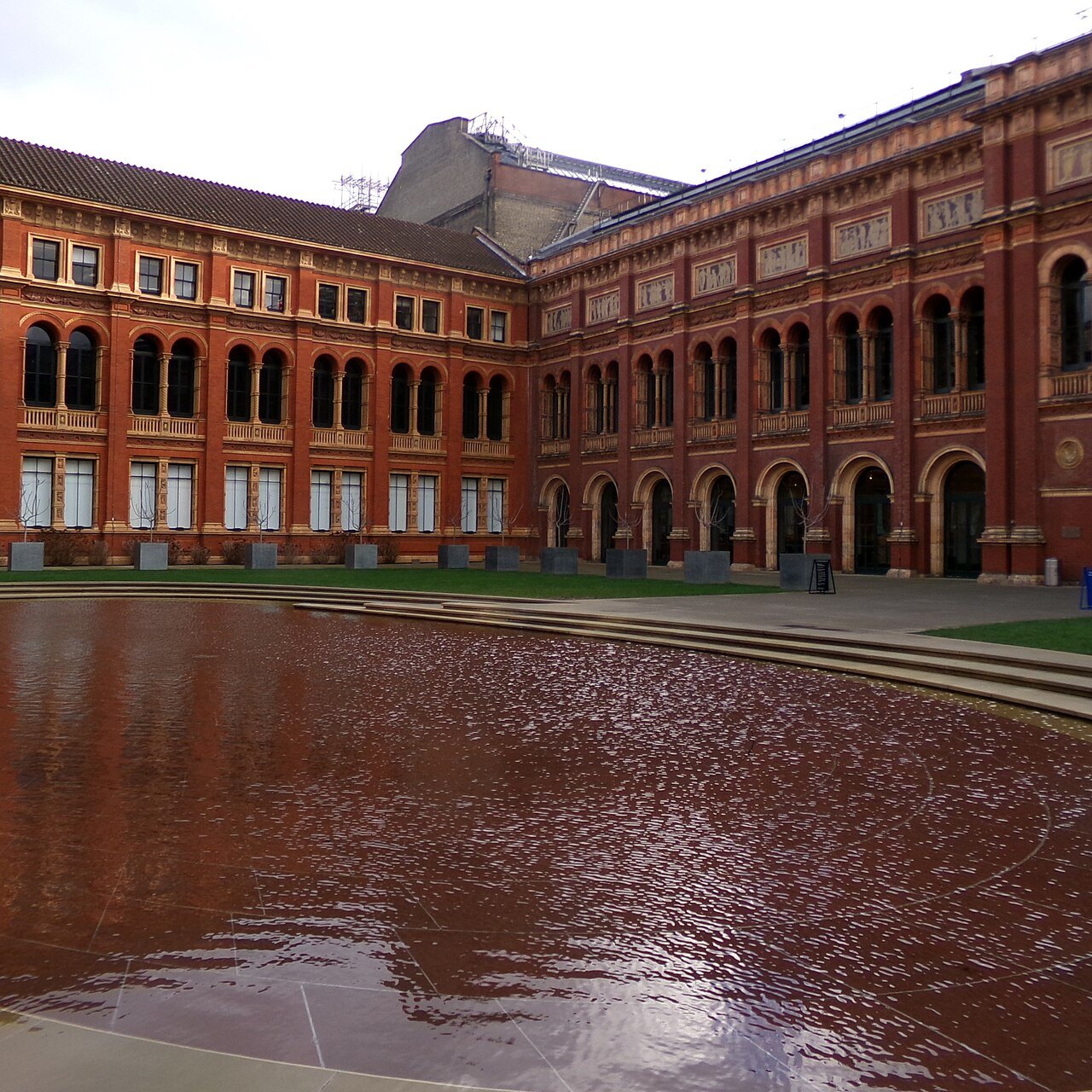
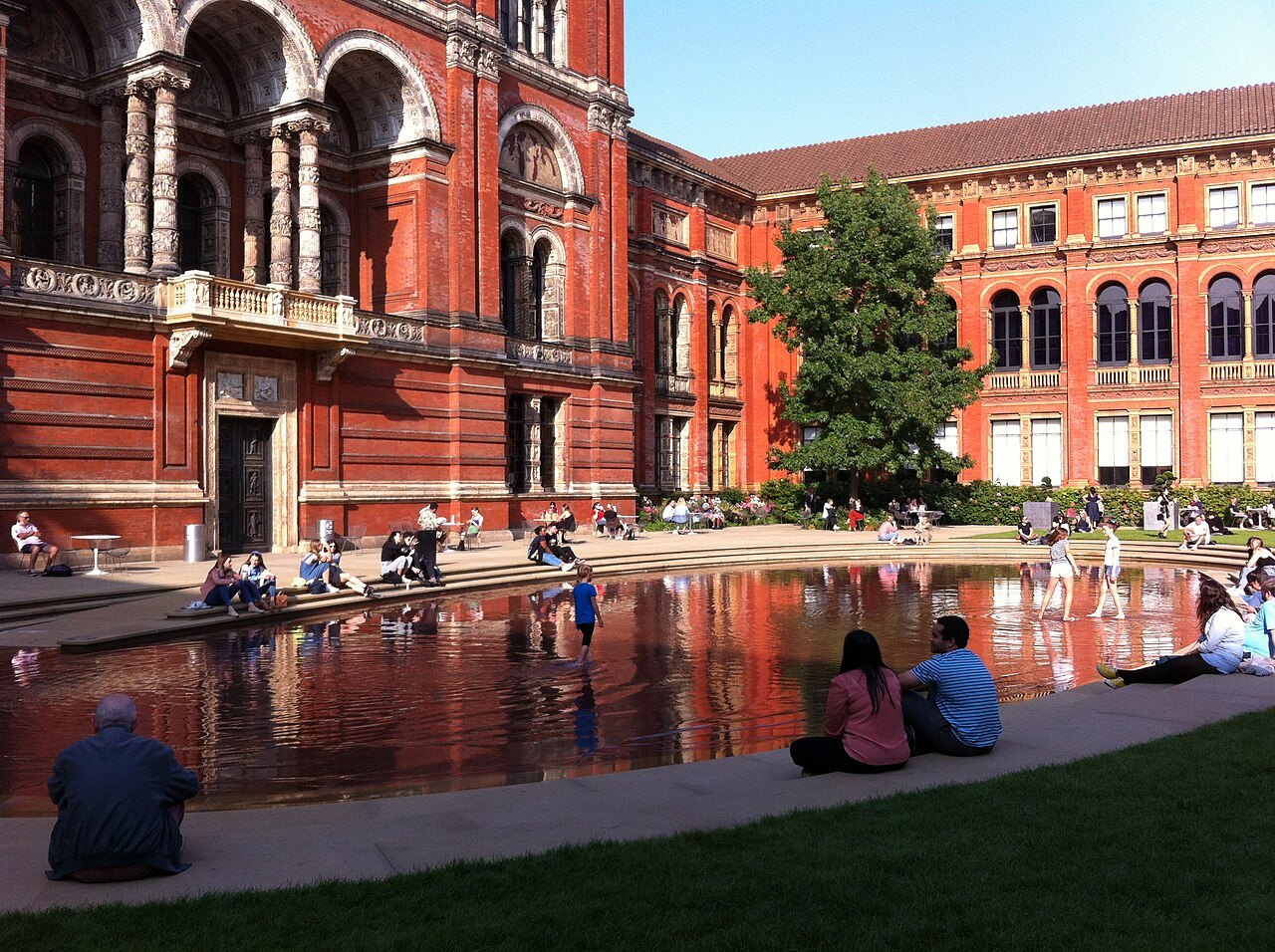
Inside, a series of Victorian galleries opens one into the next in a way that suits wandering. The museum's Italian Renaissance galleries and its Cast Courts have the scale of cathedral naves, and the central garden courtyard provides a place to sit in the middle of the day.
What to look for
The Cast Courts hold plaster reproductions of great sculptures and monuments from across Europe, made in the nineteenth century when travel was hard, including a copy of Trajan's Column cut into two pieces to fit under the roof. They are among the most striking rooms in London. The Raphael Cartoons, seven large designs for tapestries for the Sistine Chapel, are on loan from the Royal Collection and hang in their own gallery.
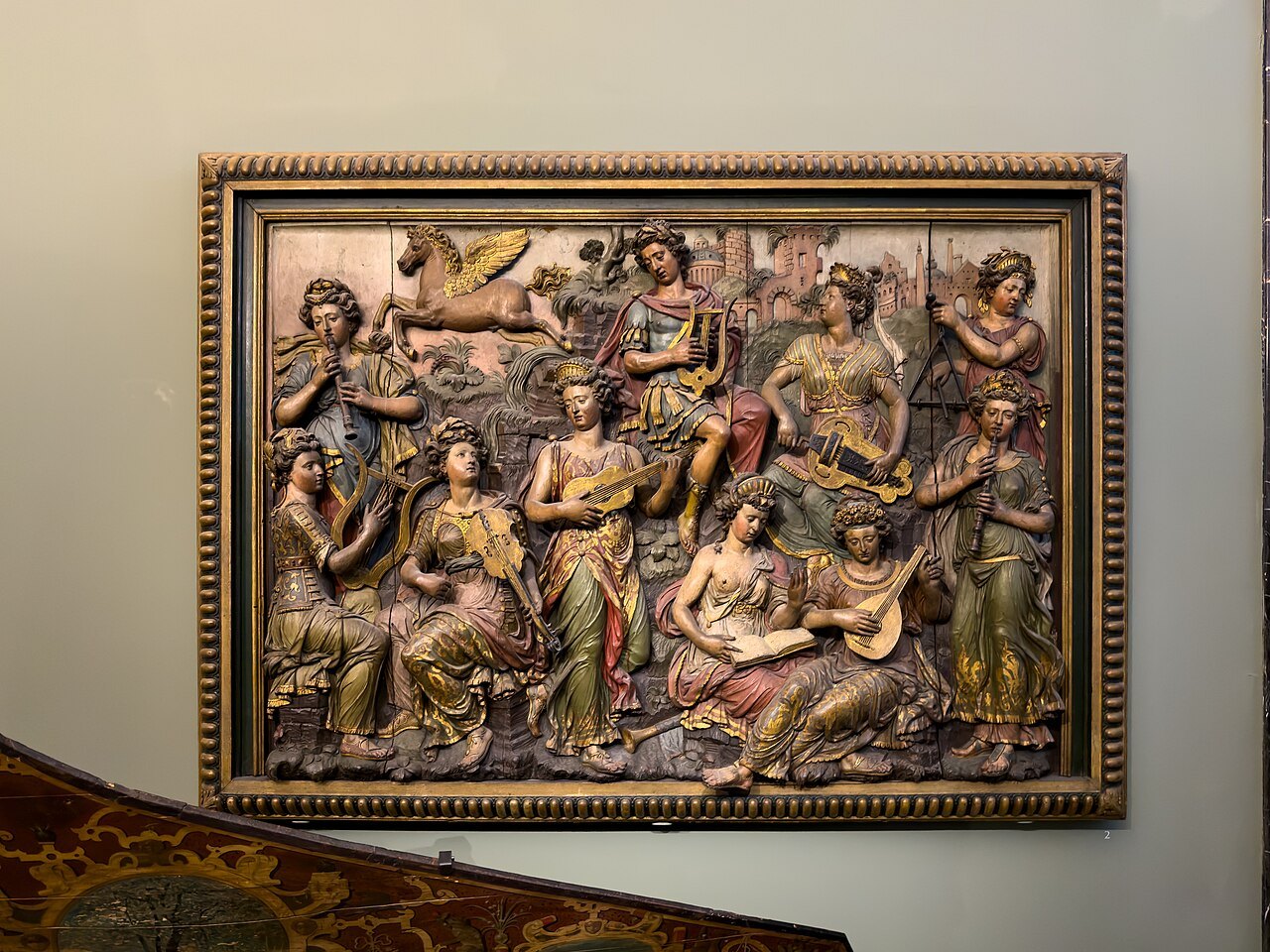
The fashion galleries trace five centuries of dress, and the jewellery gallery is dazzling. The East Asian collections are particularly strong in ceramics and metalwork. The museum also holds prints, drawings, photographs, furniture, glass and medieval objects, more than most visitors expect from a museum of design.
A museum of making
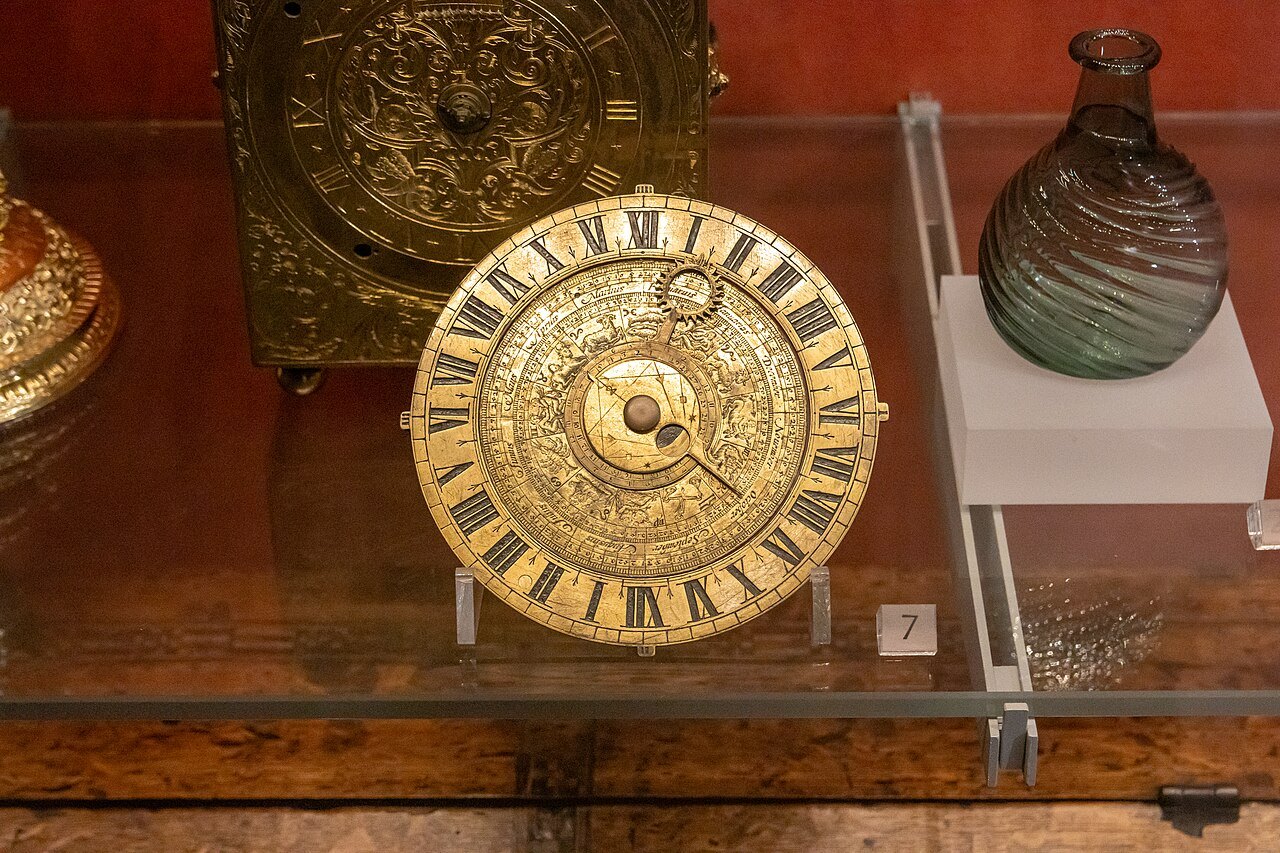
What sets the V&A apart from museums of fine art is its interest in how things are made and used. A chair, a teapot, a dress and a poster each get the same attention as a painting. Many of the objects were bought or commissioned in the nineteenth century as models for designers and manufacturers to study, which was the original purpose of the museum, and the habit of looking closely at craft has stayed.
That is why a visit can be so varied. A single afternoon might take you from a medieval stained-glass window to a Japanese kimono, an Indian carpet, a Renaissance bronze and a pair of modern trainers. The museum also holds the national collections of theatre and performance, photography and the art of the book, and its temporary exhibitions often cover fashion, pop music or film, which draw a younger crowd.
Look out for the small rooms. The jewellery gallery, the silver rooms and the glass galleries are quiet, and each could occupy an hour. The seats in the galleries are well placed for a pause, and the cafes and courtyard are never far away. Bring comfortable shoes, because the galleries cover a great deal of ground and the floors change level more often than the signs suggest.
Other sites
The V&A is a family of museums spread across the country. In London, the Young V&A in Bethnal Green is the children's museum, and the V&A East in the Queen Elizabeth Olympic Park is a newer branch. There is also a branch in Dundee, in Scotland. The South Kensington site is the one most visitors mean when they say the V&A.
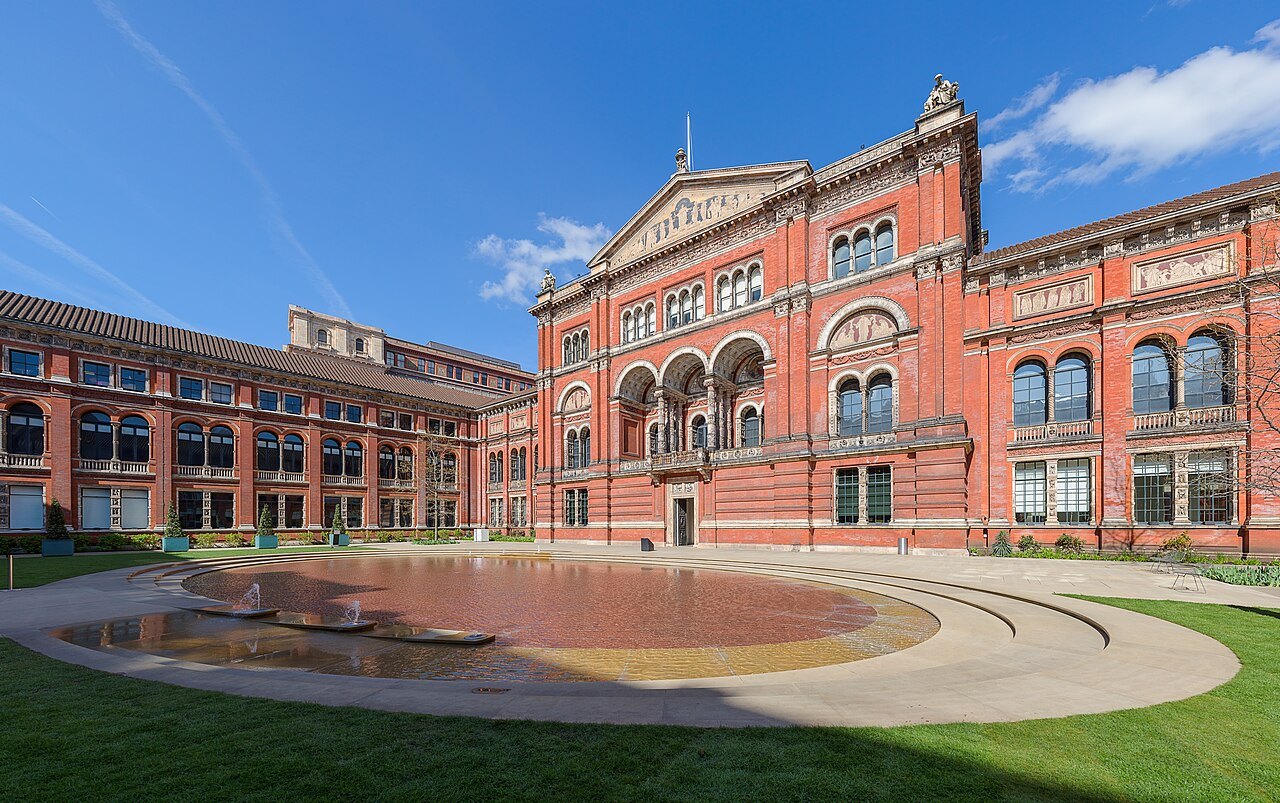
Because there is so much, give yourself a theme. Choose fashion, or Asia, or the Cast Courts, and see them well. The museum has seats and cafes throughout, and you can break the visit in the garden courtyard.
Planning your visit
Entry to the permanent collection is free, with charges for major exhibitions, and the details are in Booking Ahead. The museum is a few minutes' walk from South Kensington station, along the pedestrian tunnel that also serves the Natural History Museum.
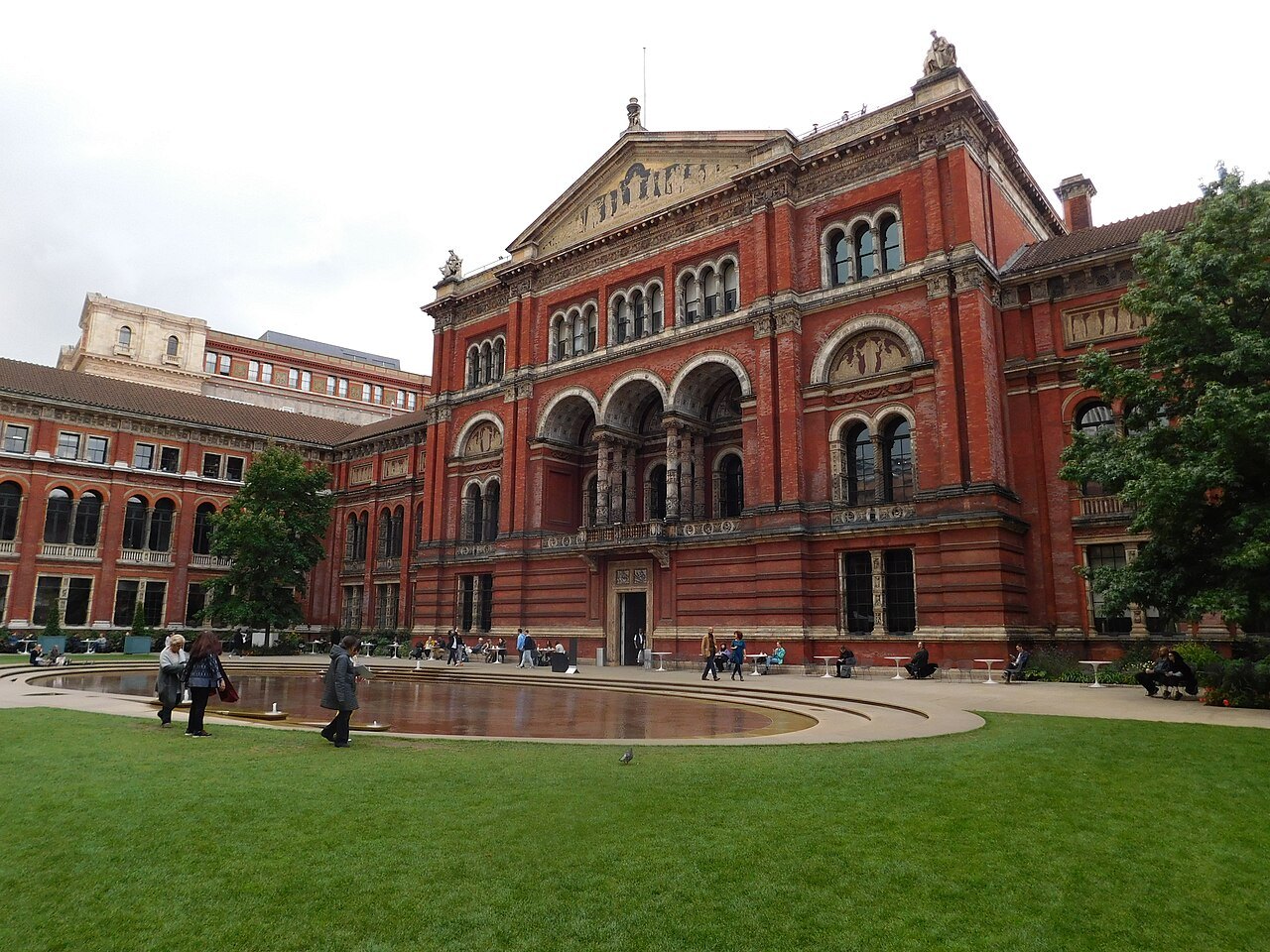
Next door is the Natural History Museum, and the two make a good pairing for a day in South Kensington. Hyde Park and Kensington Gardens lie a short walk north, past the Albert Memorial and the Royal Albert Hall, both products of the same Victorian idea.
Nearby
Where to go next
- Nearby · South KensingtonThe Natural History MuseumAlfred Waterhouse's terracotta palace on Cromwell Road, opened in 1881, holding some 80 million specimens, with a blue whale skeleton in its great hall and free entry to the main galleries.Read the page →
- Nearby · Westminster · KensingtonHyde Park and Kensington GardensA 350-acre Royal Park in the middle of London, first a royal hunting ground and now the city's great open lawn, with a lake, a free-speech corner and Kensington Gardens beside it.Read the page →
- Nearby · BloomsburyThe British MuseumFounded in 1753 on the collections of Sir Hans Sloane, the museum holds some eight million objects of human history and culture, from the Rosetta Stone to the Parthenon sculptures, and admission to its permanent collection is free.Read the page →