Home · The Parks
The parks, by size and by place
Seven greens
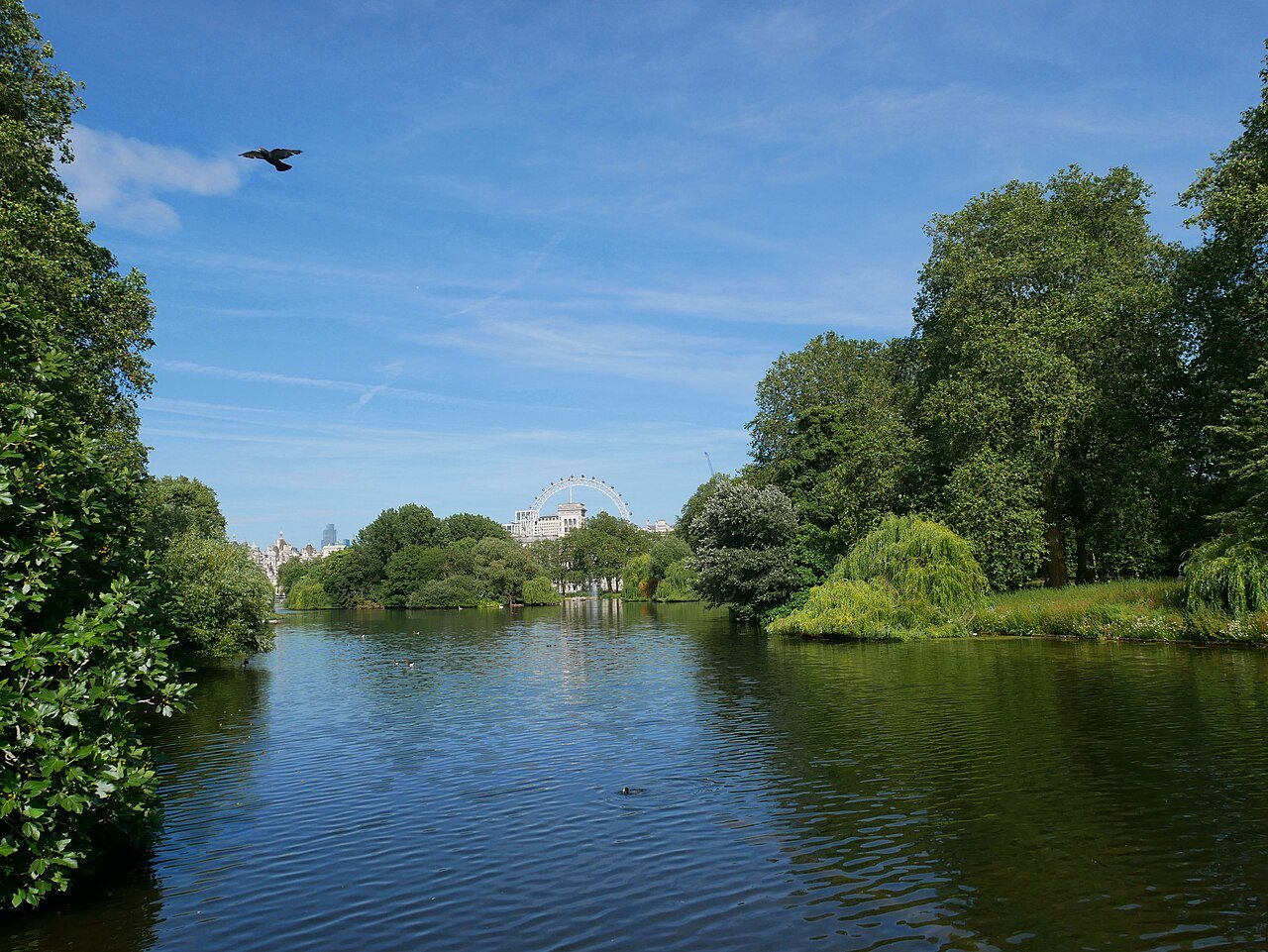
- 57ACRESSt James's ParkA small lake with pelicans, between Buckingham Palace and Horse Guards, the most easterly of the central chain.
- 40ACRESThe Green ParkLawns and trees with no lake and no buildings, between St James's Park and Hyde Park.
- 350ACRESHyde ParkThe largest park of the central chain, with the Serpentine and Speakers' Corner.
- 260ACRESKensington GardensThe more formal western part, with Kensington Palace and the Round Pond.
- 410ACRESThe Regent's ParkNash's terraces round a lake, with the zoo and Queen Mary's Gardens.
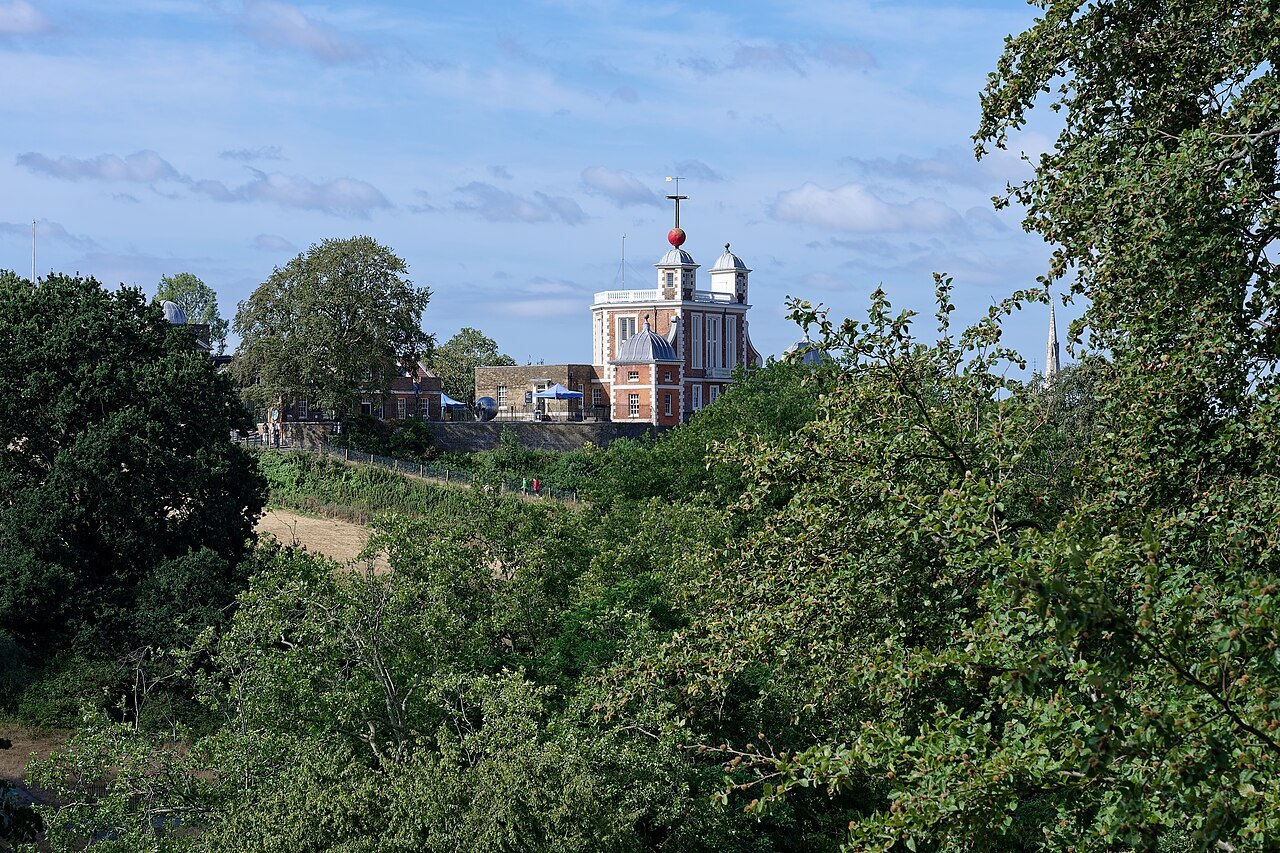
- 180ACRESGreenwich ParkThe first enclosed Royal Park, on a hill, with the Observatory.
- 2,360ACRESRichmond ParkThe largest, a royal deer park on the western edge of the city.
The Parks
In full
Eight parks, one crown
The Royal Parks were once the hunting grounds of the monarch, and they are still owned by the Crown. Eight parks bear the name, and together they cover almost 4,900 acres of Greater London. A charity, the Royal Parks, manages them on behalf of the government. They are Richmond Park, Bushy Park, the Regent's Park with Primrose Hill, Hyde Park, Kensington Gardens, Greenwich Park, St James's Park and the Green Park.
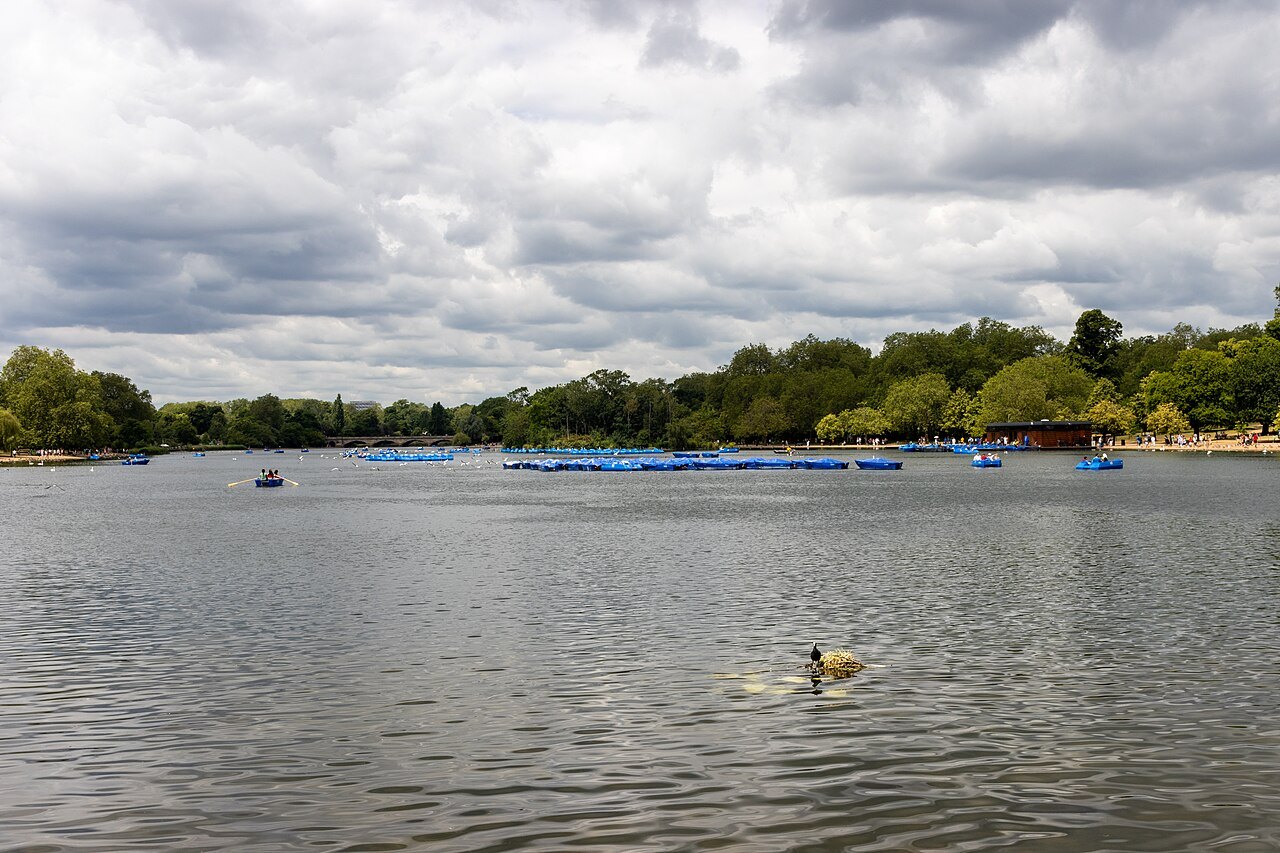
Five of the eight lie in central London. After the Crown Lands Act of 1851, former hunting and farming land was preserved as open space for everyone, and the parks became the green lungs of the city. They are free to enter, open from early morning, and used year round by walkers, joggers, cyclists and picnickers.
The central chain
Four parks form a near-continuous chain from Westminster to Kensington. Buckingham Palace stands at its eastern hub, with St James's Park to the east and the Green Park to the north. Moving west through the Hyde Park Corner, the chain continues into Hyde Park and then Kensington Gardens.
You can walk from Westminster to Kensington Palace almost without crossing a road for much of the way, which is about four miles and a half day's pleasant walking, and it passes some of the best-known scenes in London.
St James's Park and the Green Park
St James's Park is the smallest, at 57 acres, and the most ornamental. Its lake has two islands and a colony of waterfowl, and its pelicans descend from those given to Charles II in 1664 by a Russian ambassador. It was enclosed for Henry VIII in the 1530s as a deer park near the Palace of Whitehall, and the view along the lake toward Horse Guards Parade is one of London's best.
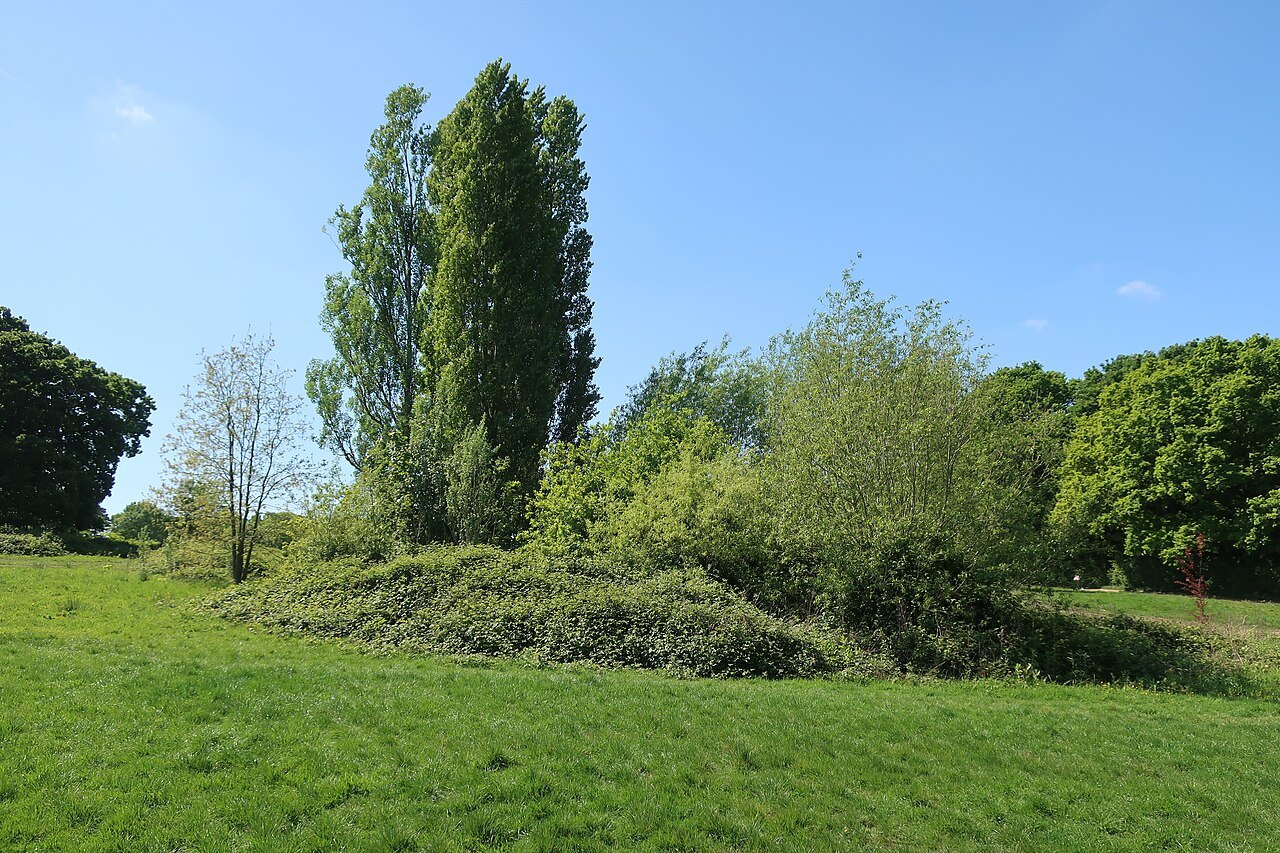
The Green Park, next door, is notable for having no lakes or buildings and almost no flower beds, apart from wild narcissi in spring. It covers about 40 acres between the palace and Piccadilly, and its tall trees give shade on hot days. Together they link the monarchy's address to the rest of the chain.
Hyde Park and Kensington Gardens
Hyde Park is the biggest of the central parks, at about 350 acres, with the Serpentine lake, Speakers' Corner and the Diana memorial fountain. Kensington Gardens, to its west, was once the private garden of Kensington Palace. It is more formal, with a long Round Pond, a sunken garden, and a playground near the Peter Pan statue.
The two parks merge in daylight, but Kensington Gardens closes at dusk, while Hyde Park stays open into the night. Between them they hold lakes, galleries, memorials and some of London's best big trees.
The Regent's Park
North of the center, the Regent's Park covers 410 acres and was laid out in the 1810s for the Prince Regent by John Nash. Its formal outline is lined with white stucco terraces, and it has a lake with a heronry, boating, an open-air theatre and Queen Mary's Gardens, with thousands of roses. London Zoo lies on its northern edge, and Regent's Canal runs along it.
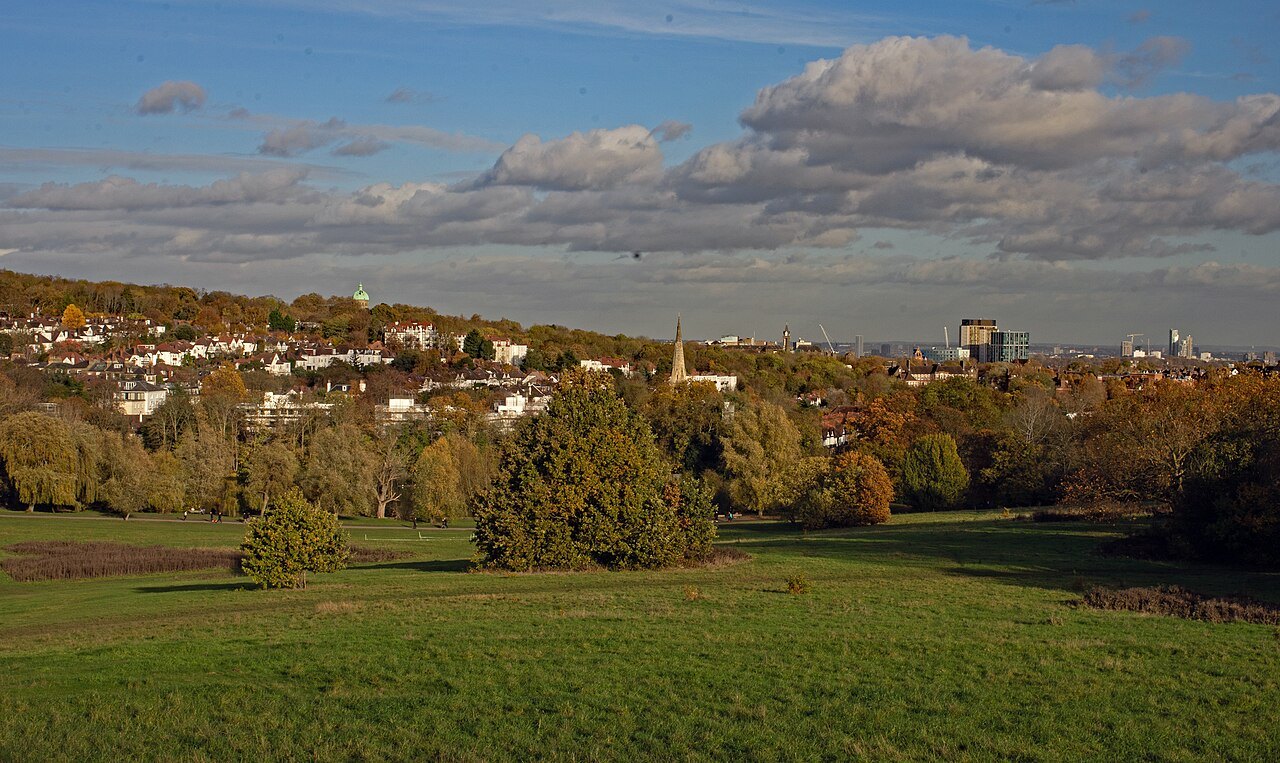
The park is mostly pedestrian, and its Outer Circle makes a walk of about three miles. It is a ten-minute stroll from Baker Street and connects to Primrose Hill, which has one of the classic views of the skyline.
Greenwich Park and Richmond Park
Greenwich Park, 180 acres, is the oldest enclosed Royal Park, fenced in 1433. It rises to a hilltop where the Royal Observatory stands and the Prime Meridian passes, and the view across the river to the City and Canary Wharf is one of the best in London. It is part of the Greenwich World Heritage Site.
Richmond Park, at 2,360 acres, is the largest of all, a wild landscape of grassland, ancient oaks and herds of deer on the western edge of the city. It is a long way from the center, and a visit is a day out, well combined with Kew Gardens, which is nearby. Bushy Park, its neighbor, is similar.
Wildlife, trees and quiet
The parks are also wildlife refuges. Besides the pelicans of St James's Park, you will see herons, swans, geese and tufted ducks on the lakes, and green ring-necked parakeets noisily in the plane trees of the central parks. Squirrels are everywhere and often bold. Richmond Park's herds of red and fallow deer are wild animals and should not be approached, especially in autumn when the stags are in rut.
The trees repay a closer look. Hyde Park and Kensington Gardens hold great planes, limes and horse chestnuts, and Greenwich Park has a few sweet chestnuts that are centuries old. In spring, daffodils and cherry blossom fill the lawns, and in autumn the colour is at its best in Regent's Park and Richmond.
Early mornings are the quietest time, when the joggers and the dog walkers have the paths almost to themselves, and the light on the lakes is at its best for photography. Most parks have a cafe, a toilet and a bench within sight of any path.
A walk through the chain
A good half-day route begins at Westminster, walks through St James's Park to Buckingham Palace, crosses the Green Park to Hyde Park Corner, follows the south side of Hyde Park past the Serpentine and crosses into Kensington Gardens, ending at Kensington Palace and the Round Pond. It covers about four miles on level ground, with cafes at the palace end, by the Serpentine and at the Round Pond.
For a shorter walk, choose either the lake in St James's Park and the Mall, or the Serpentine and Kensington Gardens. Both give you the character of the parks and can be reached from Underground stations on their edges.
Using the parks
Because the parks are public, they are the cheapest and most relaxing sights in London. Pick one with a purpose: a picnic by the Serpentine, a pelican spot in St James's Park, a boat on the Regent's Park lake or a walk to the Observatory. Paths are mostly paved and level, with cafes in each park.
Events and concerts can close parts of a park, and opening times change with the season, so check the Royal Parks site before you go. The Thames provides the river walk that links many of the same areas, and the itineraries work the parks into the day.
More photographs
Seen on the way
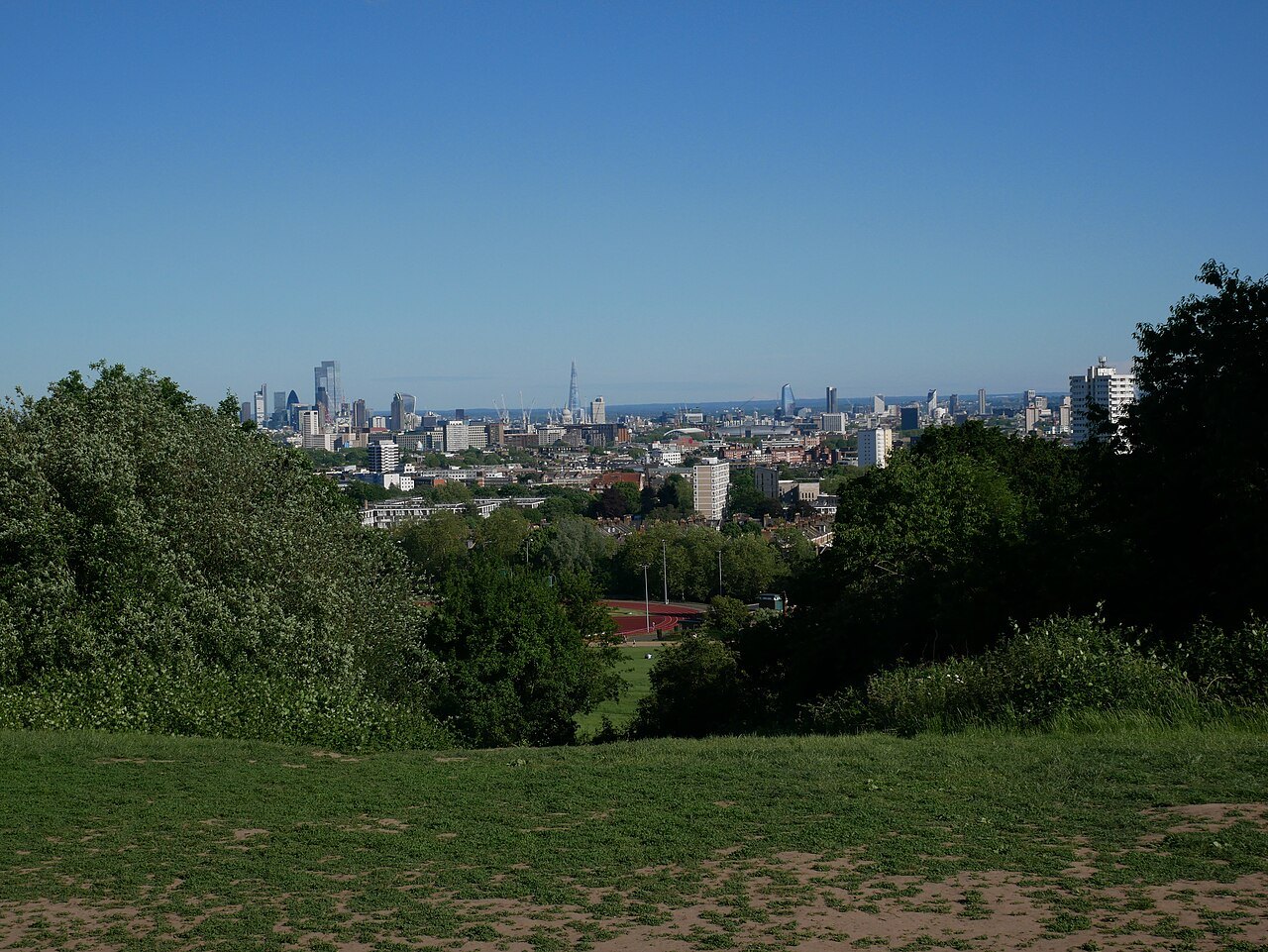
London's skyline from Parliament Hill, the towers of the City rising beyond the parkEthan Doyle White, Wikimedia Commons, CC BY-SA 4.0