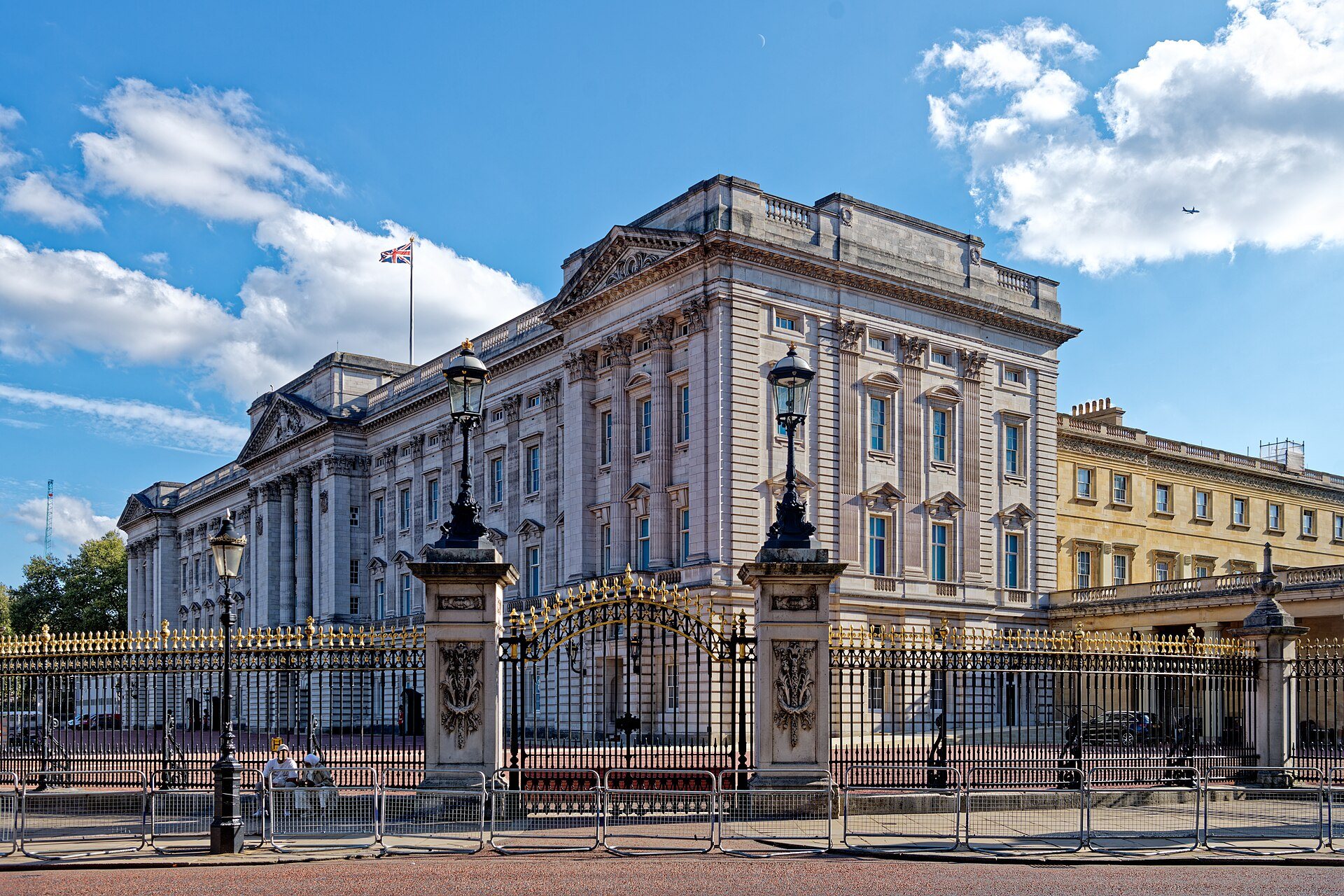
Home · Sights · Buckingham Palace
Buckingham Palace
What you are looking at
Westminster
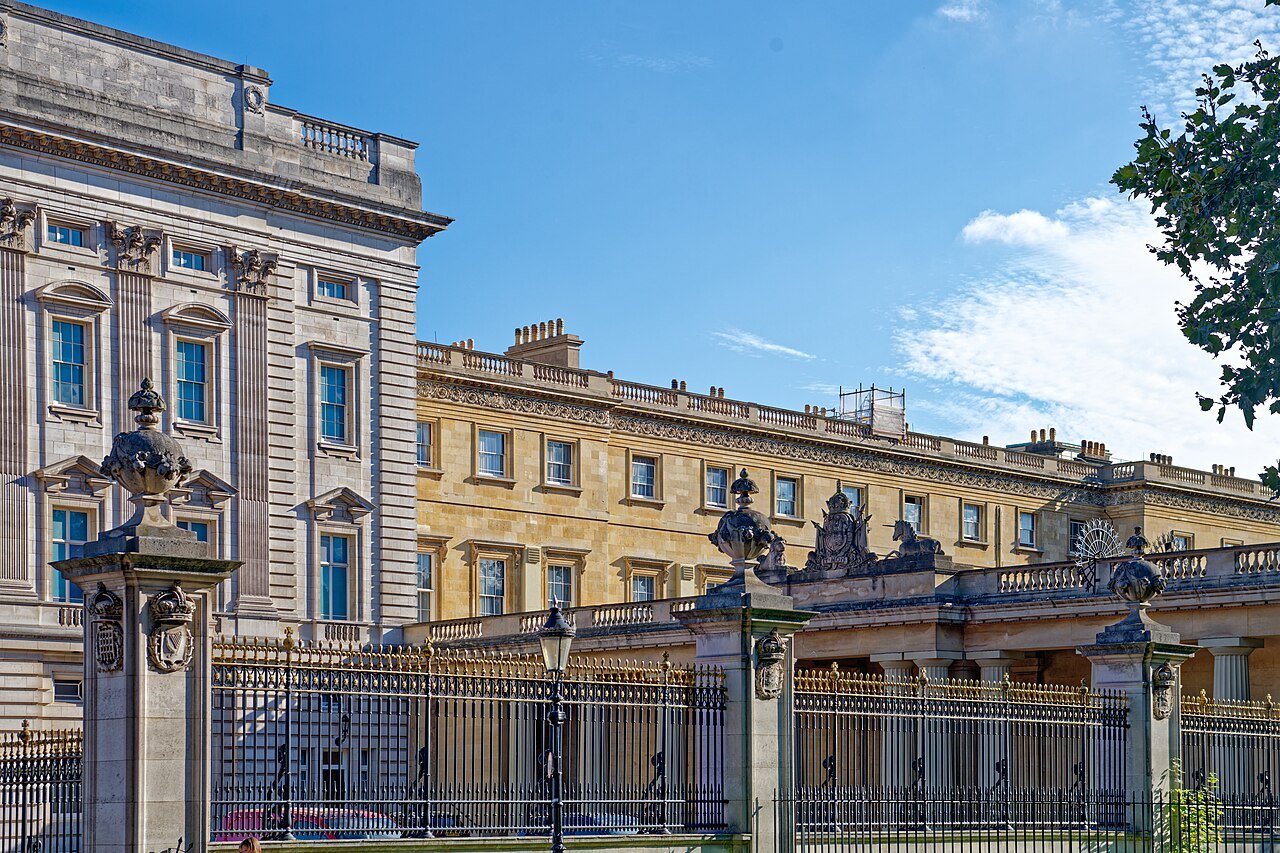
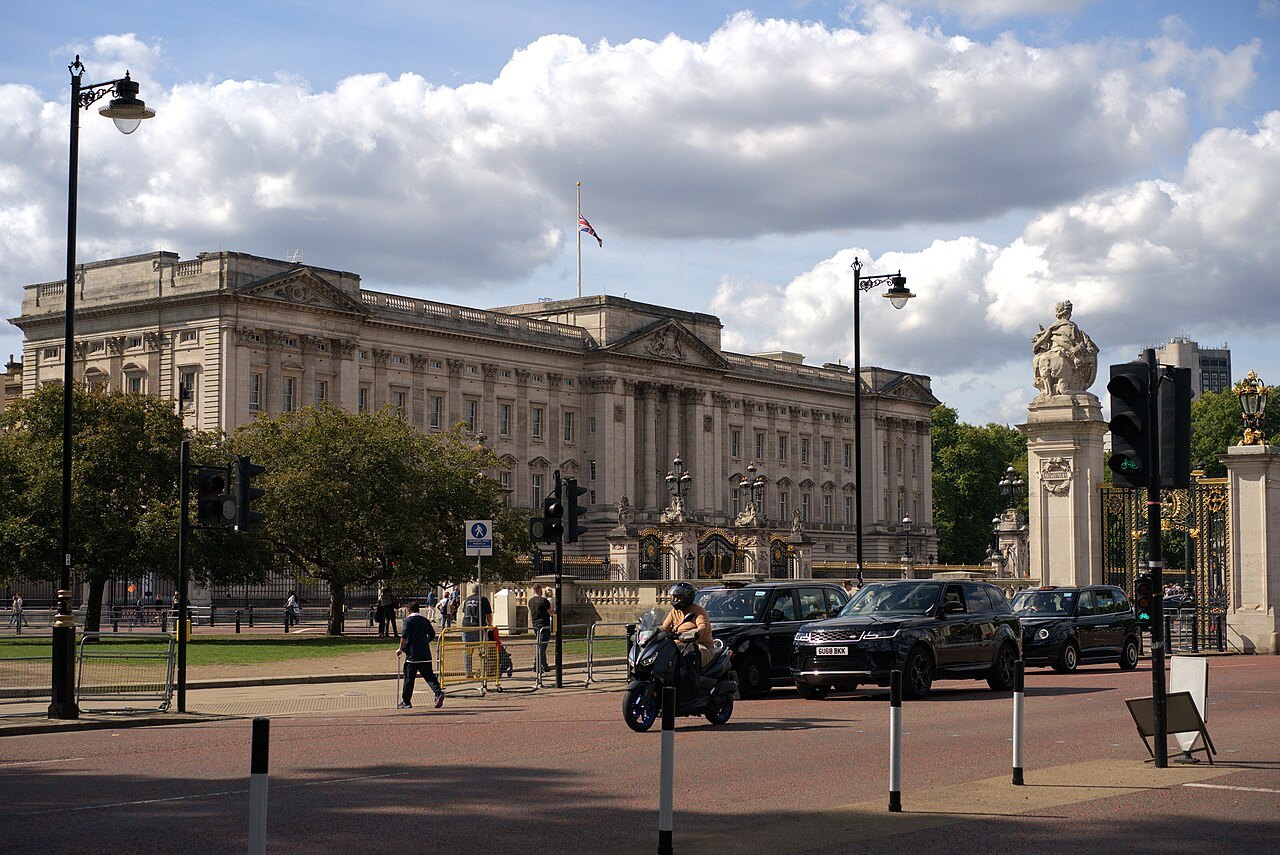
- 1The East FrontThe facade facing the Mall, with the famous balcony, added in the late nineteenth and early twentieth centuries.
- 2The State RoomsRooms for official entertaining, opened to visitors each summer.
- 3The gardenThe largest private garden in London, with a lake and a mulberry garden planted in the early 1600s.
- 4The Mall approachA long avenue of plane trees and flags leading to the palace gates.
- 5The King's GalleryBuilt on the site of the chapel destroyed in the Second World War, it shows works from the Royal Collection.
Reading the place
The sight in full
What it is
Buckingham Palace is the official residence and administrative headquarters of the monarch of the United Kingdom. It stands at the end of the Mall, in the City of Westminster, and it is often the focus of state occasions, royal hospitality and public gatherings at moments of rejoicing or mourning. The palace has 775 rooms, and its garden is the largest private garden in London.
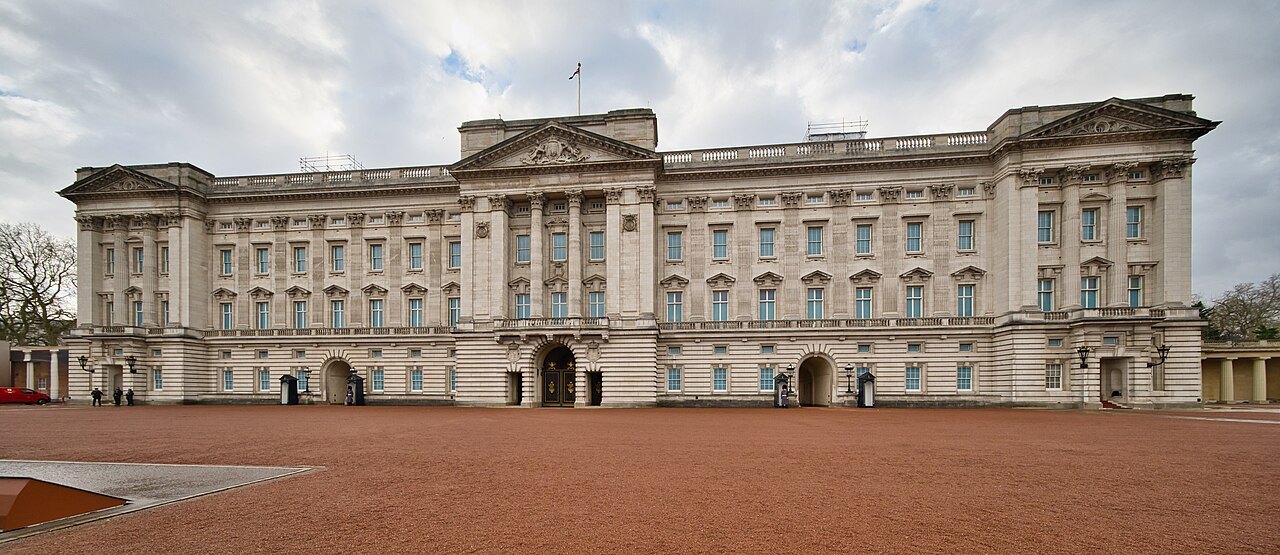
It is a working building, not a museum. The monarch's staff work here, and state visits, investitures and receptions take place in its rooms. King Charles III, who succeeded in 2022, continues to live at nearby Clarence House while conducting official duties at the palace.
From a house to a palace
The building began as Buckingham House, a large townhouse built in 1703 for the Duke of Buckingham and Normanby. George III bought it in 1761 as a private home for Queen Charlotte, and it was called the Queen's House; fourteen of their fifteen children were born there. St James's Palace, nearby, remained the official royal residence for another seventy years.
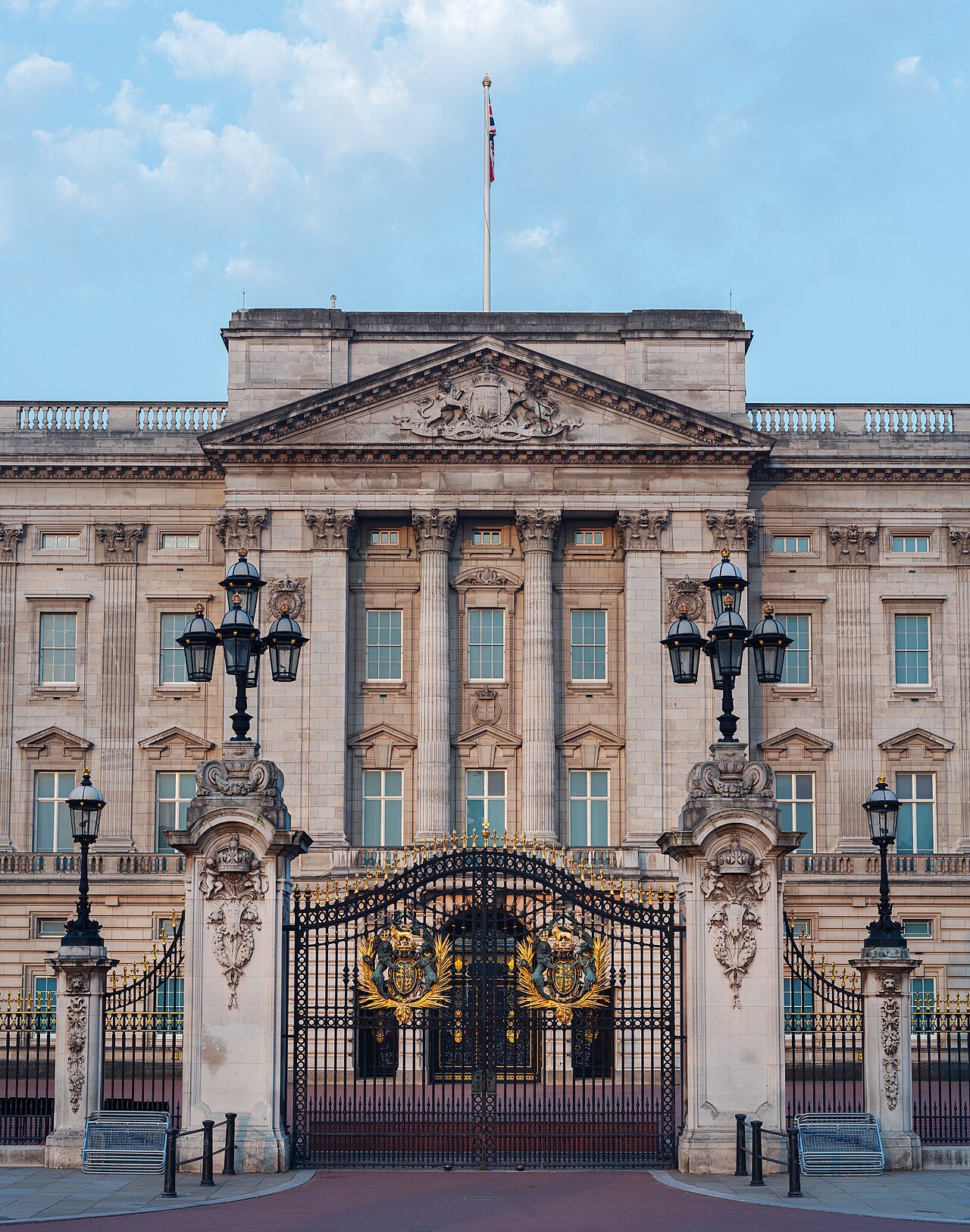
After he took the throne in 1820, George IV set out to make a small, comfortable home, then changed his mind in 1826 and decided to turn it into a palace with the architect John Nash. The costs grew sharply, and Nash was removed from the project in 1829. William IV hired Edward Blore to finish the work, but he never moved in, and Queen Victoria became the first monarch to live here when she acceded in June 1837.
The facade and the balcony
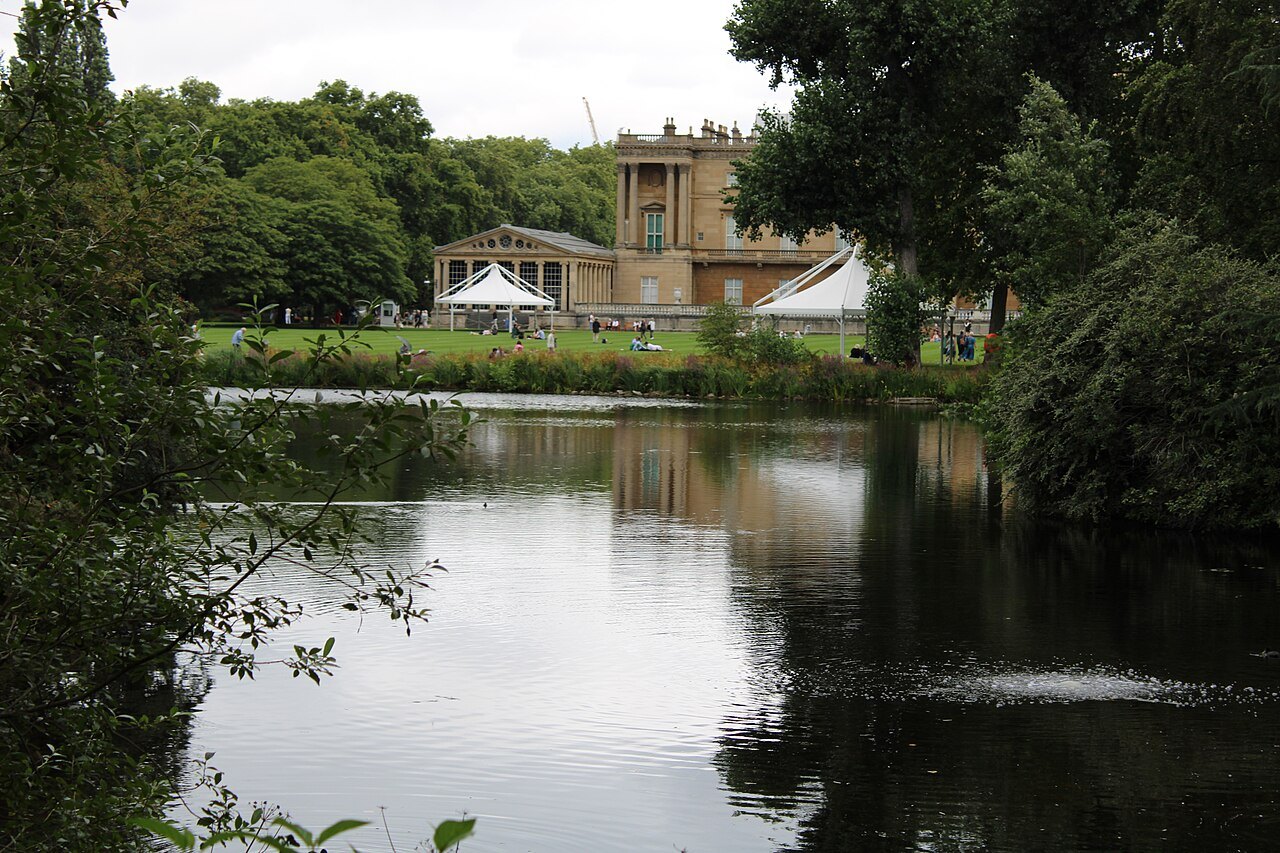
The side most people photograph, the East Front facing the Mall, is not Nash's. It was one of the last major additions, built in the late nineteenth and early twentieth centuries, and it holds the balcony where the royal family traditionally appears to greet the crowds. In front of it stands the Victoria Memorial, a monument to Queen Victoria that makes a roundabout of the space before the gates.
The Second World War brought bomb damage, and one German bomb destroyed the palace chapel. The King's Gallery was built on that site and opened to the public in 1962 to display works from the Royal Collection.
Inside the State Rooms
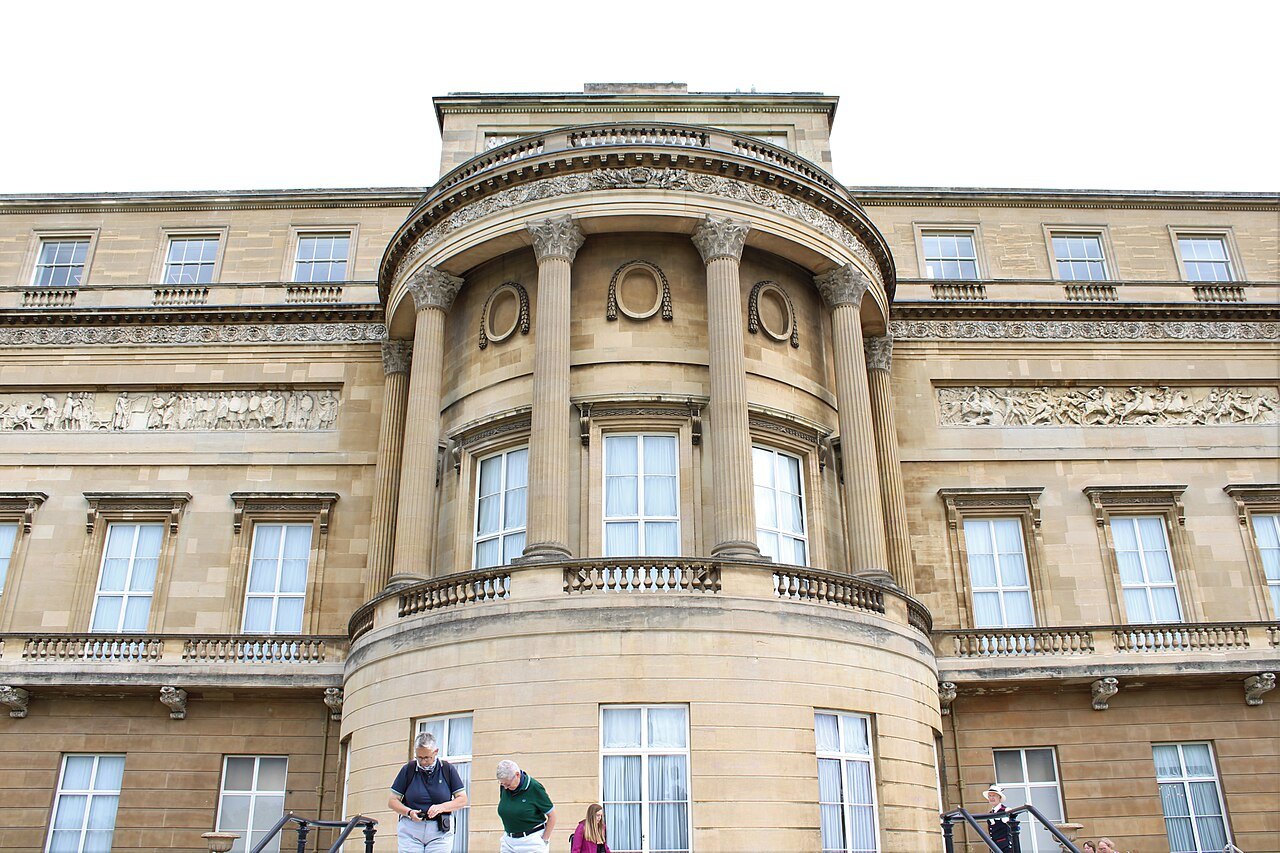
The interior has been remodelled more than once. Nash's original schemes, with brightly coloured scagliola and blue and pink marbling, survive in many places. Edward VII oversaw a partial redecoration in cream and gold, and many of the smaller reception rooms are furnished in the Chinese Regency style, using pieces brought from the Royal Pavilion on the south coast and from Carlton House.
The State Rooms are shown to the public for most of the summer and on selected days in winter and spring. You must book to enter, and the rules on ticketing are covered in Booking Ahead. A room can be withdrawn at short notice when it is needed for official business.
Ceremony and the crowd
The palace forecourt is the stage for the Changing of the Guard, a ceremony in which a new guard takes over from the old, accompanied by a band, and it draws a large crowd along the railings. The soldiers wear the traditional scarlet tunics and bearskin caps of the Foot Guards, and the guard travels between its barracks and the palace on foot. The exact days and times are announced by the palace and change with the season, so check an official source before you plan a morning around it.
The best viewing is not always at the gates themselves. The steps of the Victoria Memorial give height over the heads of the crowd, and the Mall and St James's Park give long views of the procession on the move. Visitors who come at other times will find a calmer palace, with a pale stone front and a flag that tells you something: the royal standard flies when the monarch is in residence, and the Union Flag when they are not.
Around the palace
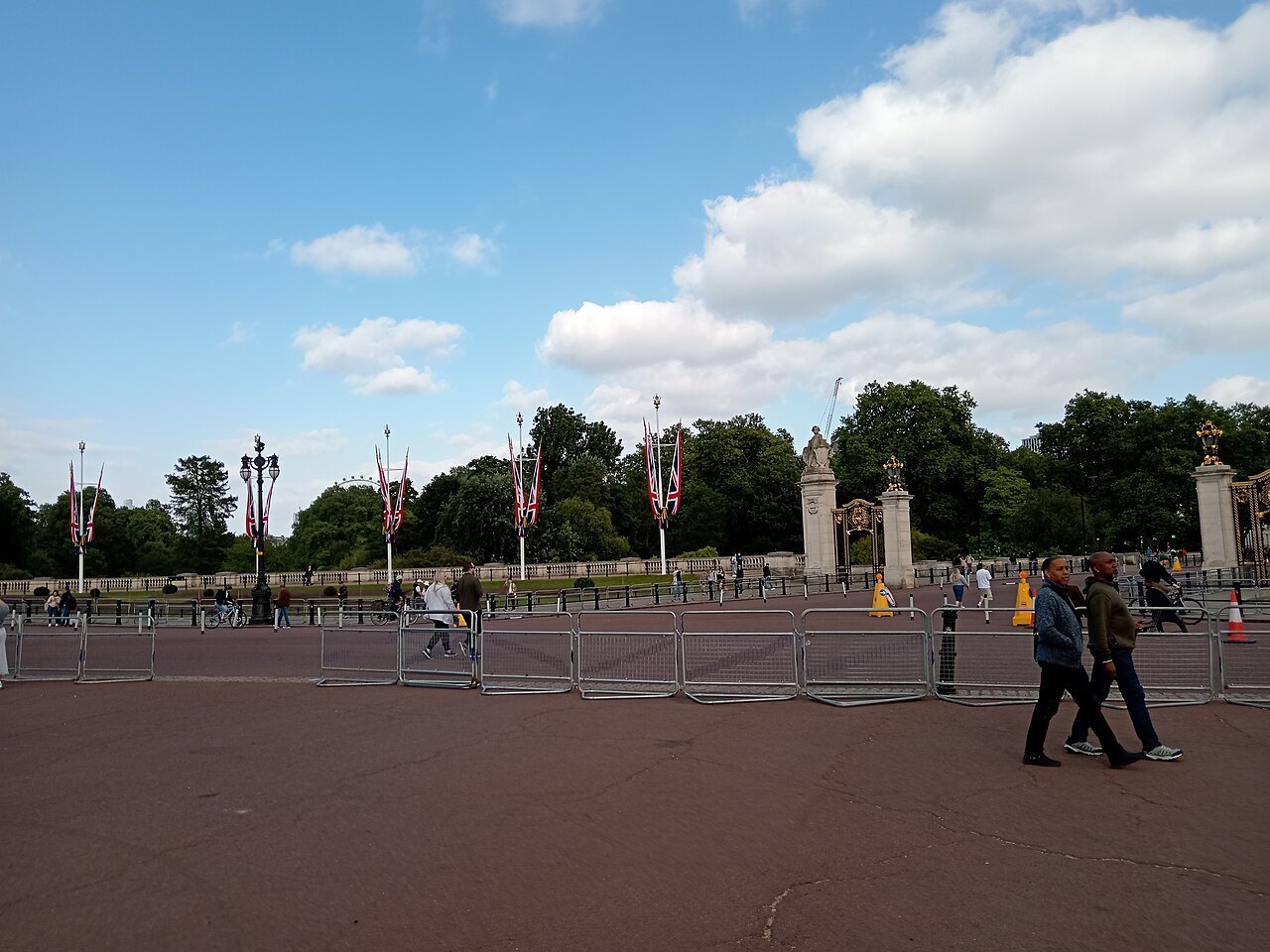
The streets around the palace are among the most orderly in London. The Mall is a broad, red-surfaced road that runs northeast toward Admiralty Arch and Trafalgar Square, and it is shut to traffic for ceremonies. To the south is the Royal Mews, which houses the state coaches, and to the west lies Green Park, the quieter of the two parks beside the palace.
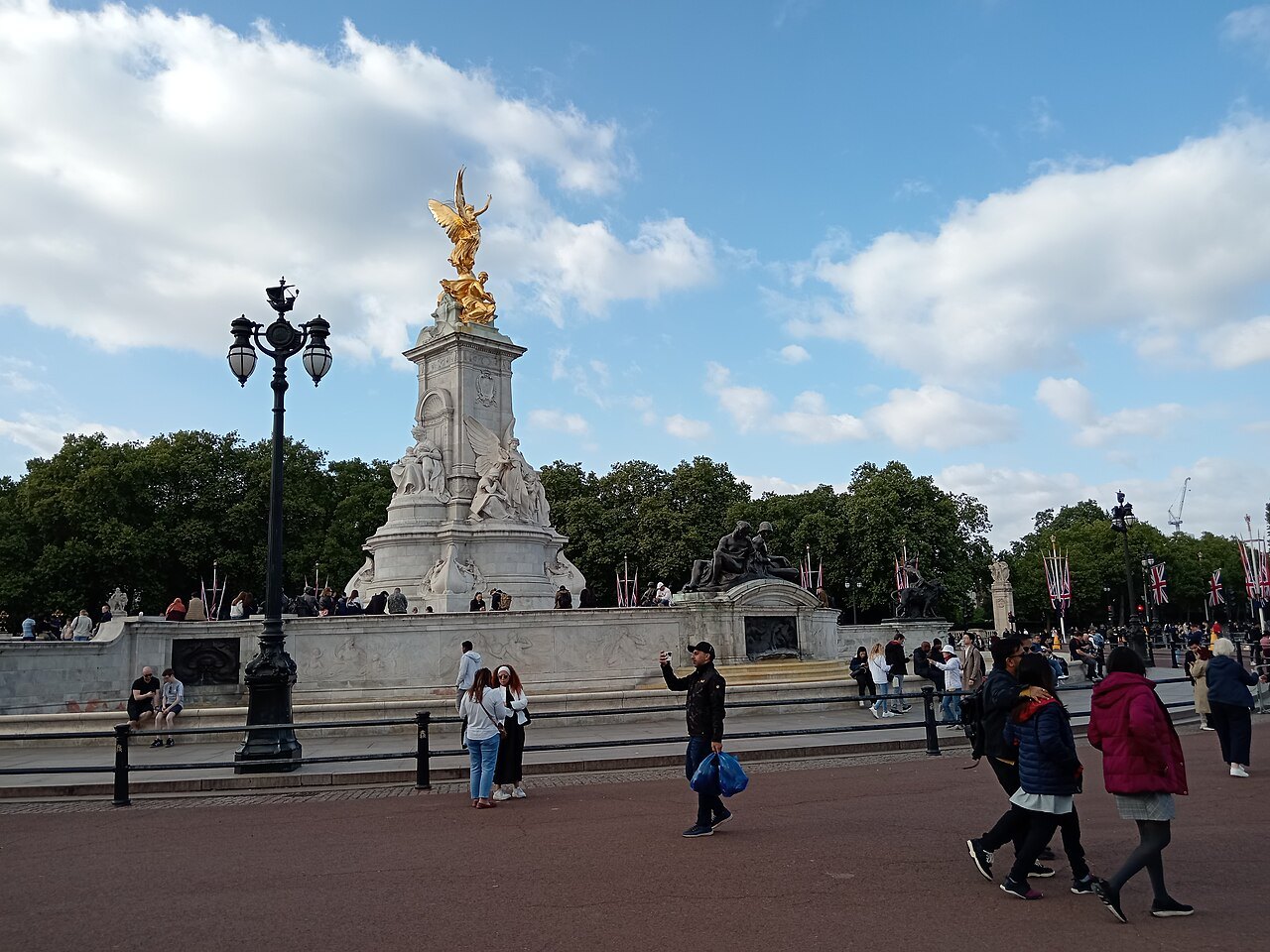
St James's Park, with its lake and pelicans, runs along the other side, and the walk across it from the palace to Horse Guards or Westminster takes about a quarter of an hour. Between them the palace, the parks and the processional route make up a single stretch of ceremonial London, designed over three centuries to show the monarchy to its subjects.
The land beneath it
Before there was a house, the site was marshy ground beside the river Tyburn, which still runs below the courtyard and the south wing. In the early 1600s James I planted a four-acre mulberry garden here in a failed attempt to produce silk, and part of that garden is the north-west corner of today's grounds. The Tyburn is a buried river, one of London's lost streams.
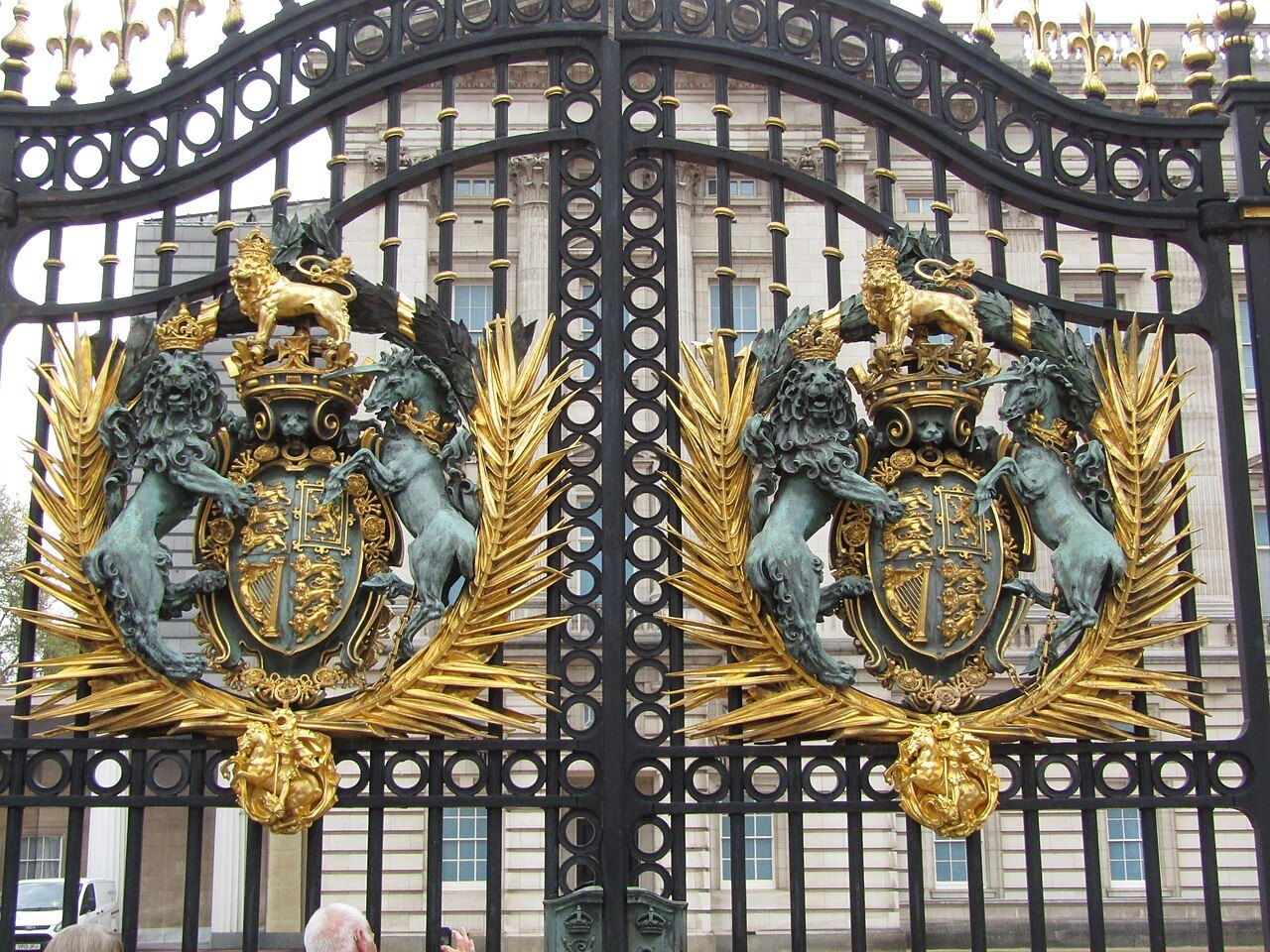
The palace is the end point of the Mall, which runs through St James's Park and the other royal parks, and it is a short walk from Westminster Abbey. The ceremonies on the forecourt are best seen with some planning, and the details change, so check the Royal Household's own pages before you go.
Nearby
Where to go next
- Nearby · WestminsterWestminster AbbeyThe Gothic church beside Parliament where monarchs have been crowned since 1066 and more than 3,300 people are buried or commemorated, from kings to poets to the Unknown Warrior.Read the page →
- Nearby · Westminster · north bankThe Palace of Westminster and Big BenThe Gothic Revival palace where the UK Parliament meets, rebuilt after the fire of 1834, with the Elizabeth Tower at its north end holding the bell nicknamed Big Ben.Read the page →
- Nearby · Westminster · KensingtonHyde Park and Kensington GardensA 350-acre Royal Park in the middle of London, first a royal hunting ground and now the city's great open lawn, with a lake, a free-speech corner and Kensington Gardens beside it.Read the page →