Home · When to Come
Month by month
The year
A band of iron marks the months with ten or more rainy days.
- JanuaryThe coldest month, with highs around 47°F and lows near 38°F. Rain falls on about 10 days, and the sun is out for roughly an hour a day. Hotel rooms and the big museums are at their quietest after the New Year sales.
- FebruaryHighs reach about 49°F and nights stay near 38°F, with about 9 rainy days. Still short days and low sun, but the museums, theatres and covered markets are comfortable and uncrowded.
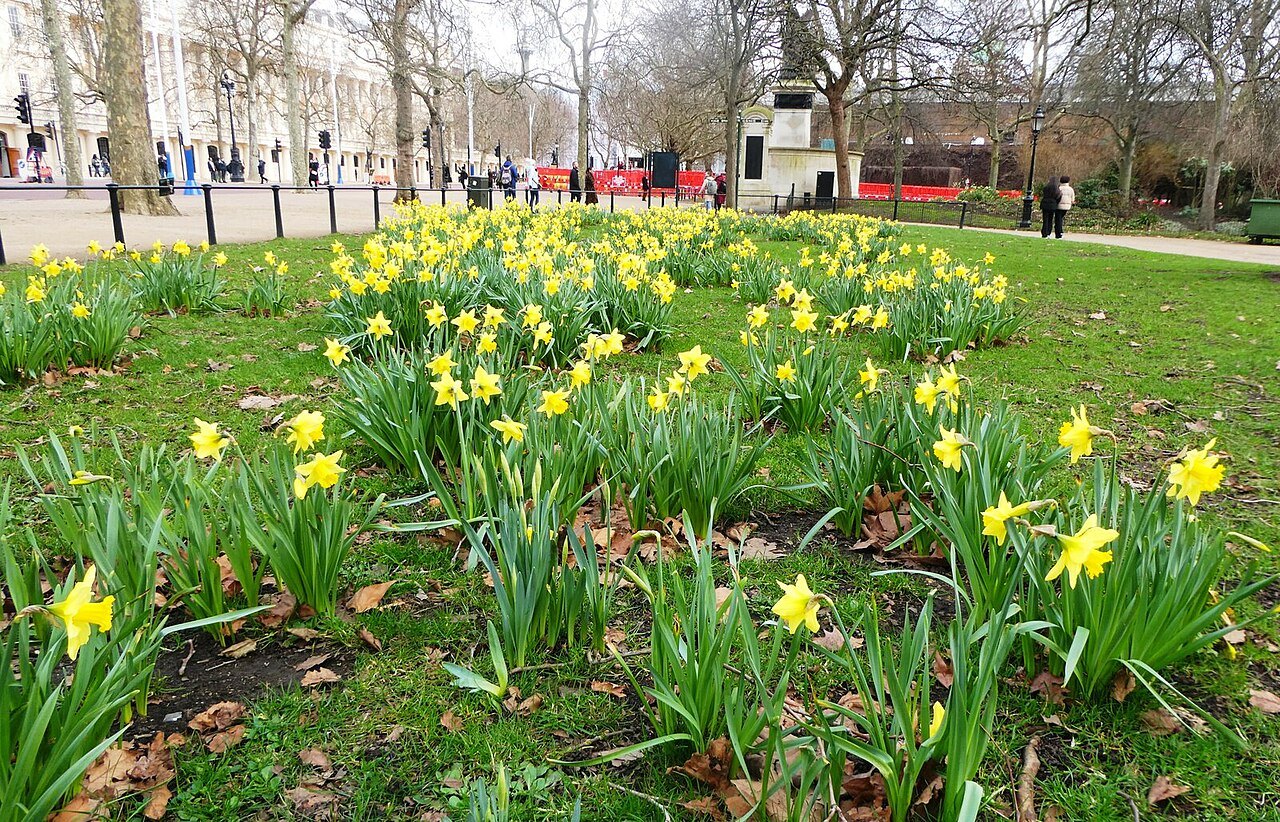
- MarchHighs rise to about 54°F with lows near 40°F, and rain on about 8 days. Spring bulbs begin in the parks, the clocks go forward at the end of the month and evenings lengthen.
- AprilHighs near 60°F and lows around 43°F, with rain on about 8 days. A good month for walking, with blossom in the parks and the marathon on a Sunday in the middle of it; Easter weekends are busy.
- MayHighs near 65°F and lows around 48°F, with about 8 rainy days and around six hours of sun a day. Gardens at their best, Kew and the royal parks in full leaf, and a flower show in the spring.
- JuneHighs near 71°F and lows around 54°F, with about 8 rainy days. The days are very long, and the evening light lasts well into the night. Wimbledon begins at the end of the month.
- JulyThe warmest month, with highs near 75°F and lows around 57°F, and the driest by days, about 7 rainy days. Crowds peak, the river and parks are full and evening concerts fill the city. The record of 104°F was set in July 2022.
- AugustHighs near 74°F and lows around 57°F, with about 8 rainy days and the wettest summer rainfall. The Notting Hill Carnival fills the last weekend, and the city is crowded but many Londoners are away.
- SeptemberHighs near 69°F and lows around 53°F, with about 8 rainy days. Often one of the best months: warm light, thinner crowds as schools return, and the last of the summer concerts.
- OctoberHighs near 60°F and lows around 48°F, with about 10 rainy days. Autumn colour in the parks, falling light by late afternoon, and the clocks go back at the end of the month.
- NovemberHighs near 53°F and lows around 43°F, with about 11 rainy days, the most of any month. Dark by late afternoon. Bonfire Night on 5 November and the Lord Mayor's Show give the month its events.
- DecemberHighs near 48°F and lows around 39°F, with about 10 rainy days and little sun. Christmas lights, markets and pantomimes make it a festive, busy month, quieter only in the days after Christmas.
When to Come
In full
The short answer
London has a temperate oceanic climate, with cool winters, mild to warm summers and rain spread fairly evenly through the year. Weather records at Greenwich show monthly average highs from about 47°F in January to about 75°F in July, and average lows from about 38°F in winter to about 57°F in summer. There is no dry season and no season in which you can reasonably leave an umbrella behind.
That shapes the advice. The city is a good place to visit all year, because most of what there is to see is indoors or can be seen in a short walk, and the best time depends on what you want: long light evenings and outdoor events in summer, the quietest galleries and cheapest rooms in winter, and the best balance of weather and crowds in late spring and early autumn.
How much does it really rain?
London is drier than its reputation. Annual rainfall at Greenwich averages about 22 inches, less than many cities in Europe and the eastern United States, and it falls on roughly 105 days a year, which means that rain is frequent but light. A typical rainy day is a shower or an hour of drizzle, not a downpour that ruins a day.
The practical lesson is to plan for showers, not a washout. Carry a small umbrella or a light waterproof coat, wear shoes that handle wet pavements, and keep an indoor alternative ready, such as a museum, so that a shower becomes a reason to go inside. Snow is uncommon and brief, and thunderstorms are rare.
Spring: March to May
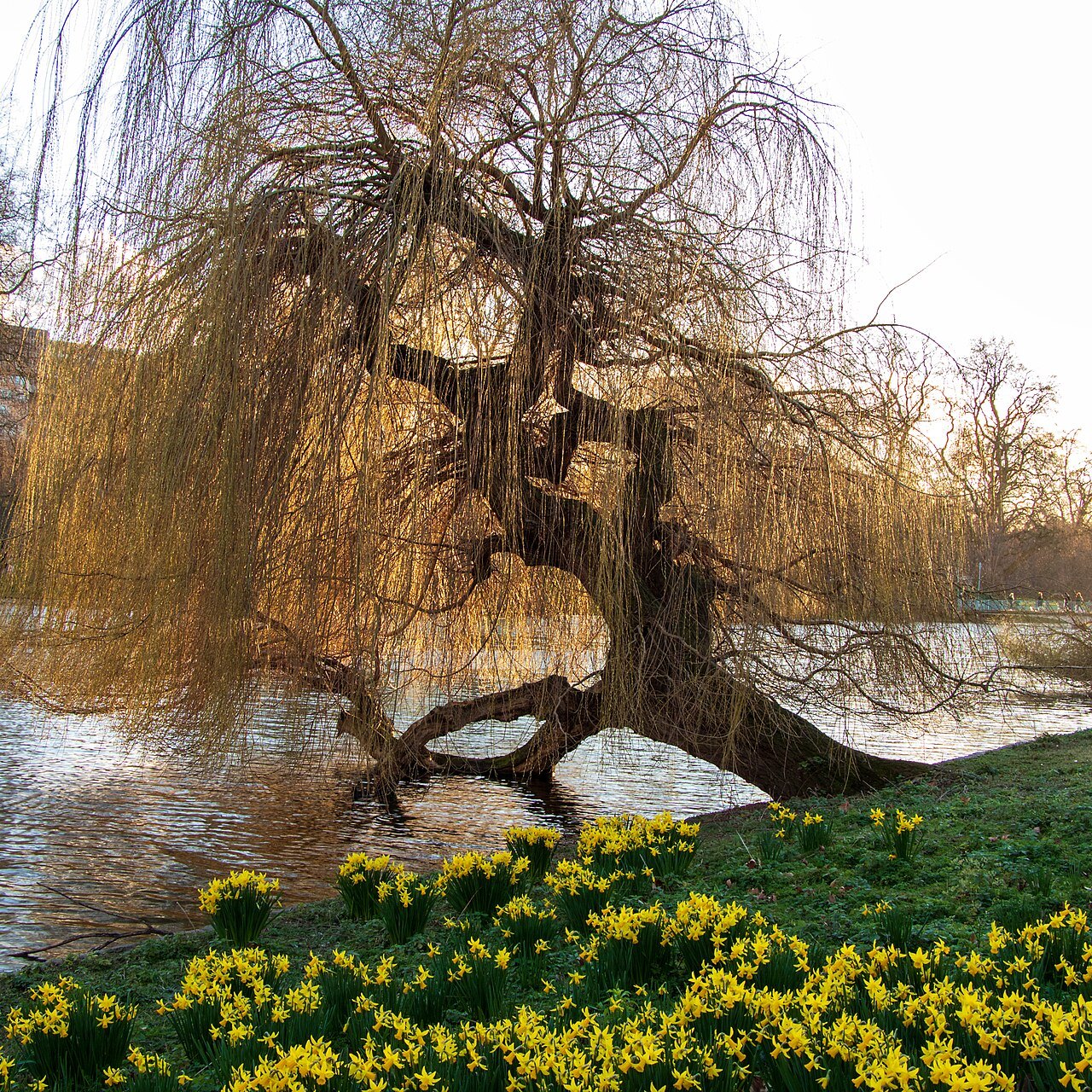
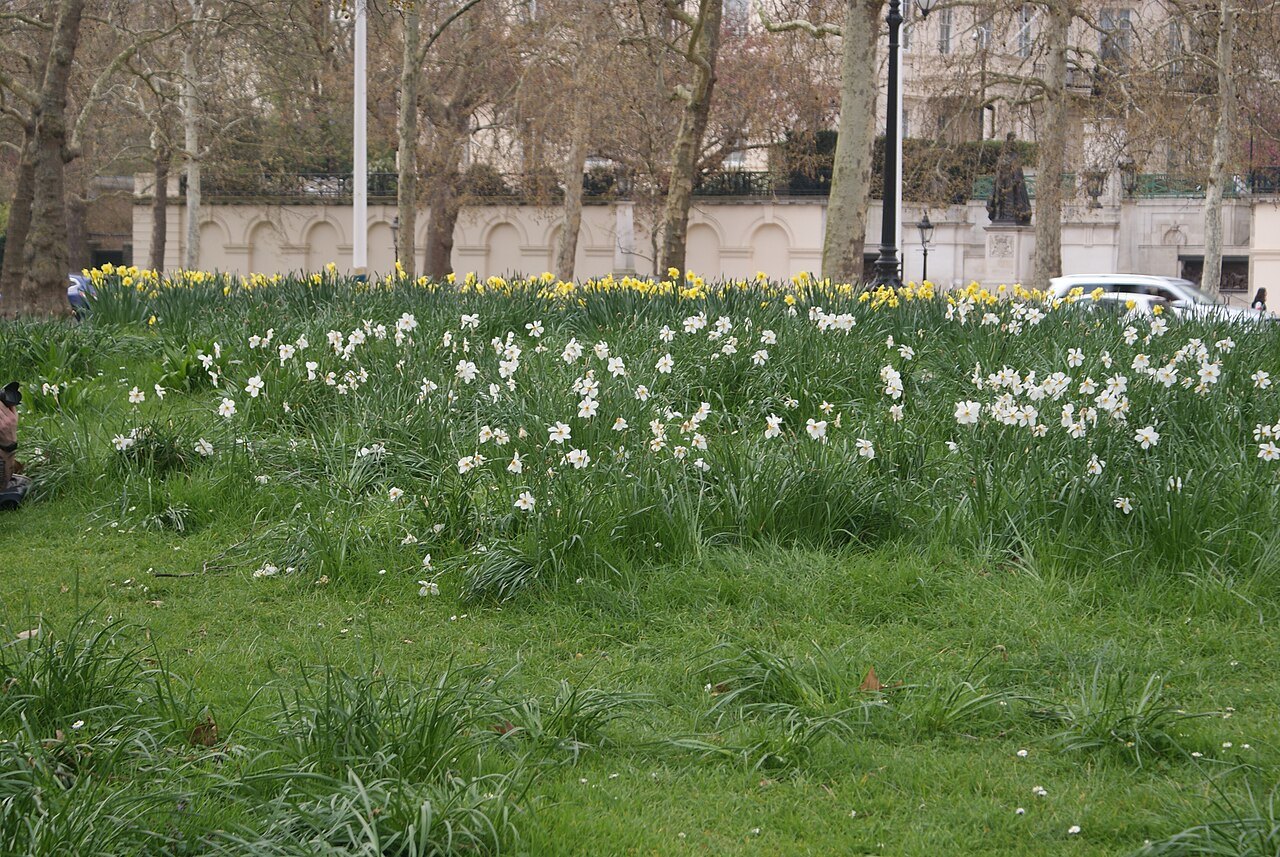
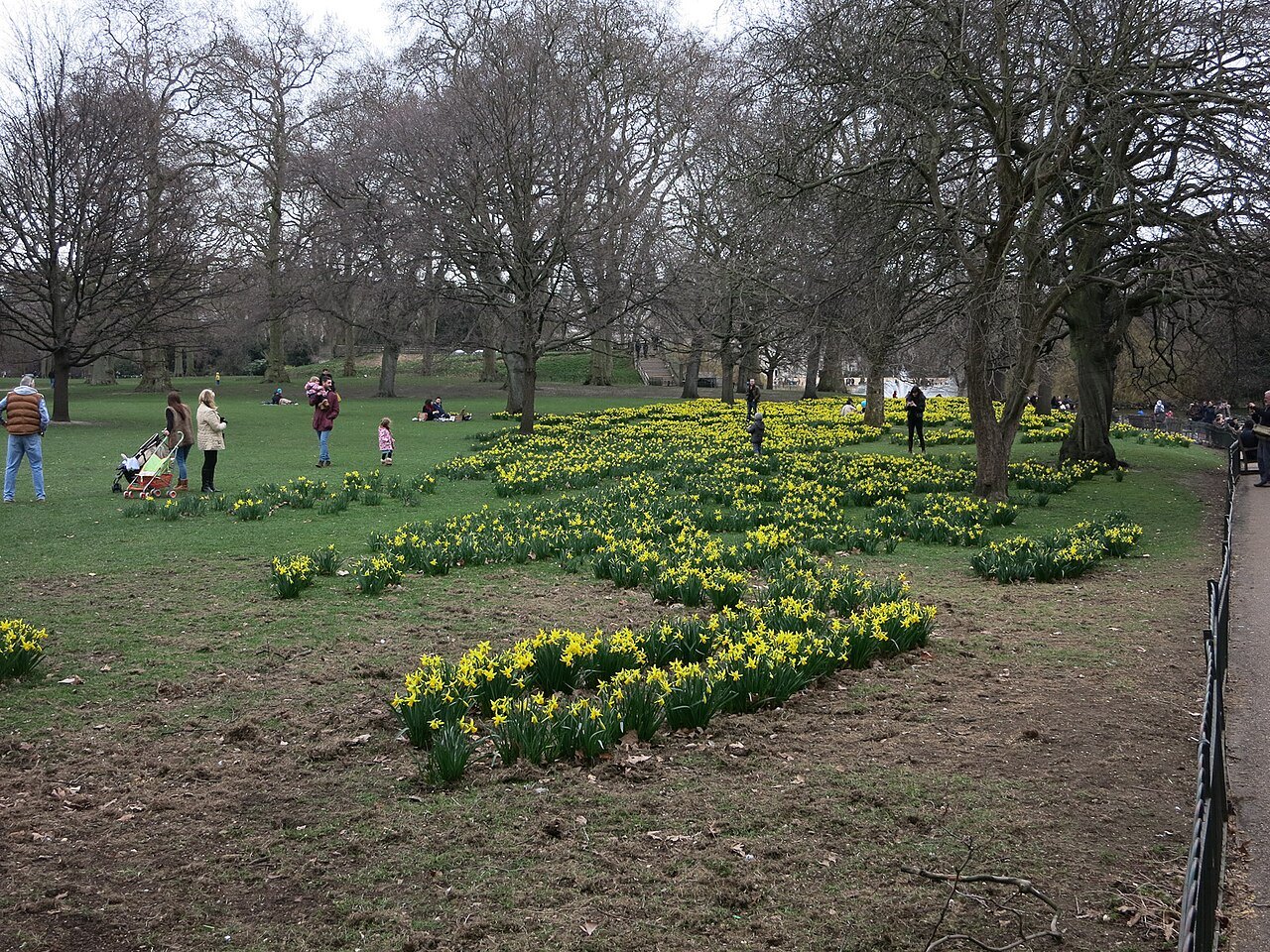
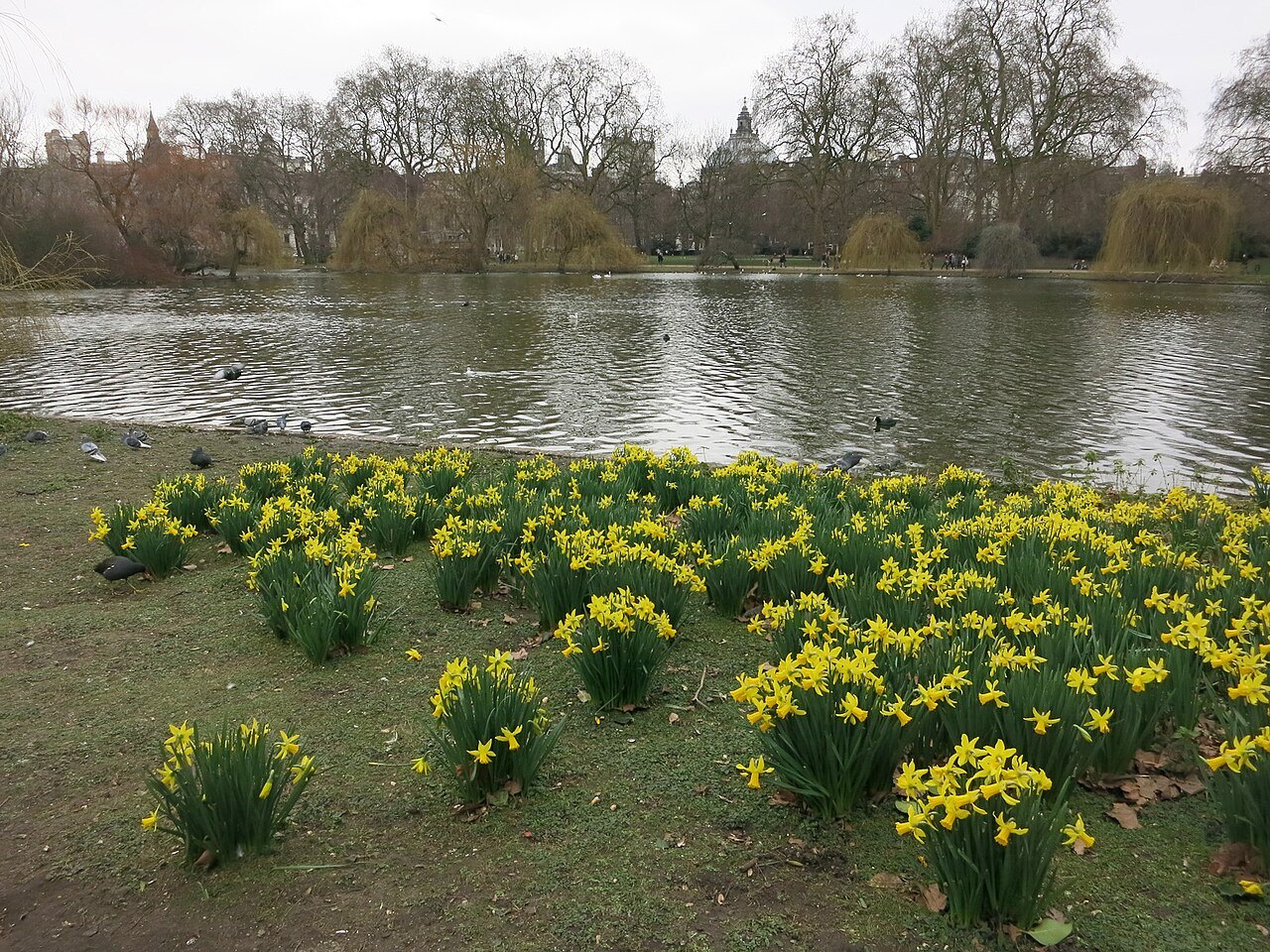
Spring is when the parks come alive. Daffodils appear in March, cherry and magnolia blossom follows in April, and by May the gardens at Kew are in full colour. Highs rise from about 54°F in March to 65°F in May, and the evenings lengthen after the clocks go forward at the end of March. A flower show takes over a corner of west London in May.
It is also a changeable season, so layers are the answer. April showers are a cliché because they are true, and mornings can be chilly even when the afternoon is warm. Easter and the school holidays bring crowds to the main sights, and the first weeks of May, after the holiday and before the summer rush, are among the best of the year.
Summer: June to August
Summer is the busiest season, with highs in the low to mid 70s and daylight lasting until late in the evening. Nearly every sight keeps its longest hours, outdoor events fill the calendar and the river walks and the parks are at their best. Wimbledon takes place at the end of June and the start of July, and the Notting Hill Carnival fills the streets on the last weekend of August.
The cost is crowds and prices. The big sights such as the Tower of London and Buckingham Palace are at their most crowded, and the State Rooms at the palace are shown only in the summer season, so book ahead as Booking Ahead explains. Heat can be an issue on the Underground, where deep lines have no air-conditioning, and in July 2022 London recorded 104°F, a national record.
Autumn: September to November
September is often the best month of the year, with warm light, highs near 69°F and the crowds thinning once schools go back. October brings autumn colour to the parks, especially in Regent's Park and Richmond, and the clocks go back at the end of the month, so the light fades early. By November the weather is cool and wet, and the days are short.
Autumn has its own events. Bonfire Night on 5 November is marked by fireworks across the city, and the Lord Mayor's Show in the City is a parade on a Saturday in the middle of the month. Theatres and concert halls begin their main seasons, and the museums are comfortable before the Christmas rush.
Winter: December to February
Winter is cold but rarely freezing in the city, with highs of 47°F to 49°F and nights near 38°F. The days are short, with only an hour or two of direct sun on average in midwinter, so plan the outdoor sights for the middle of the day and the indoor ones for the rest. In return, winter has the shortest queues and the lowest hotel rates.
December is the exception. The lights on Regent Street and Oxford Street, the Christmas markets, the skating rinks and the pantomimes make it a festive month, and rooms are in demand until the days before Christmas. Many shops and attractions close on Christmas Day, and public transport is reduced, so check ahead. New Year's Eve is marked by fireworks over the Thames, and the riverside is crowded from the afternoon.
The quiet weeks and the big weekends
If you can choose, the calmest weeks are in January and early February, after the holidays, and in the second half of November before the Christmas season. The most crowded are the weeks around Easter, the last half of July and August, and the run to Christmas. Bank holiday weekends bring crowds to the parks and the river but empty the City.
Big events can close roads and fill hotels. The London Marathon in April, the Boat Race in spring, Trooping the Colour in June and the Notting Hill Carnival in August each change the shape of a weekend. If one of them is not why you are coming, check the dates before you book.
What to pack
Dress in layers and plan for a range of 20 degrees in a single day. A waterproof jacket with a hood is more useful than an umbrella on a windy day, and comfortable, waterproof shoes are essential because you will walk more than you expect. In summer carry a light sweater for air-conditioned museums and the evenings; in winter a hat and gloves for the river.
London's daylight changes more than many visitors expect. In midsummer it is light for around sixteen hours, and in midwinter only eight, which matters for planning the open-air sights. A winter afternoon at the Tower or on the river can be over by the time you have found a seat in the cafe, while a summer evening on the south bank can last until the pubs close. The itineraries take that into account.