Home · Sights · Hyde Park and Kensington Gardens
Hyde Park
What you are looking at
Westminster · Kensington
- 1The SerpentineThe long lake that divides the park, with rowing boats and a swimming area.
- 2Speakers' CornerThe north-east corner near Marble Arch, a place for open-air debate since 1872.
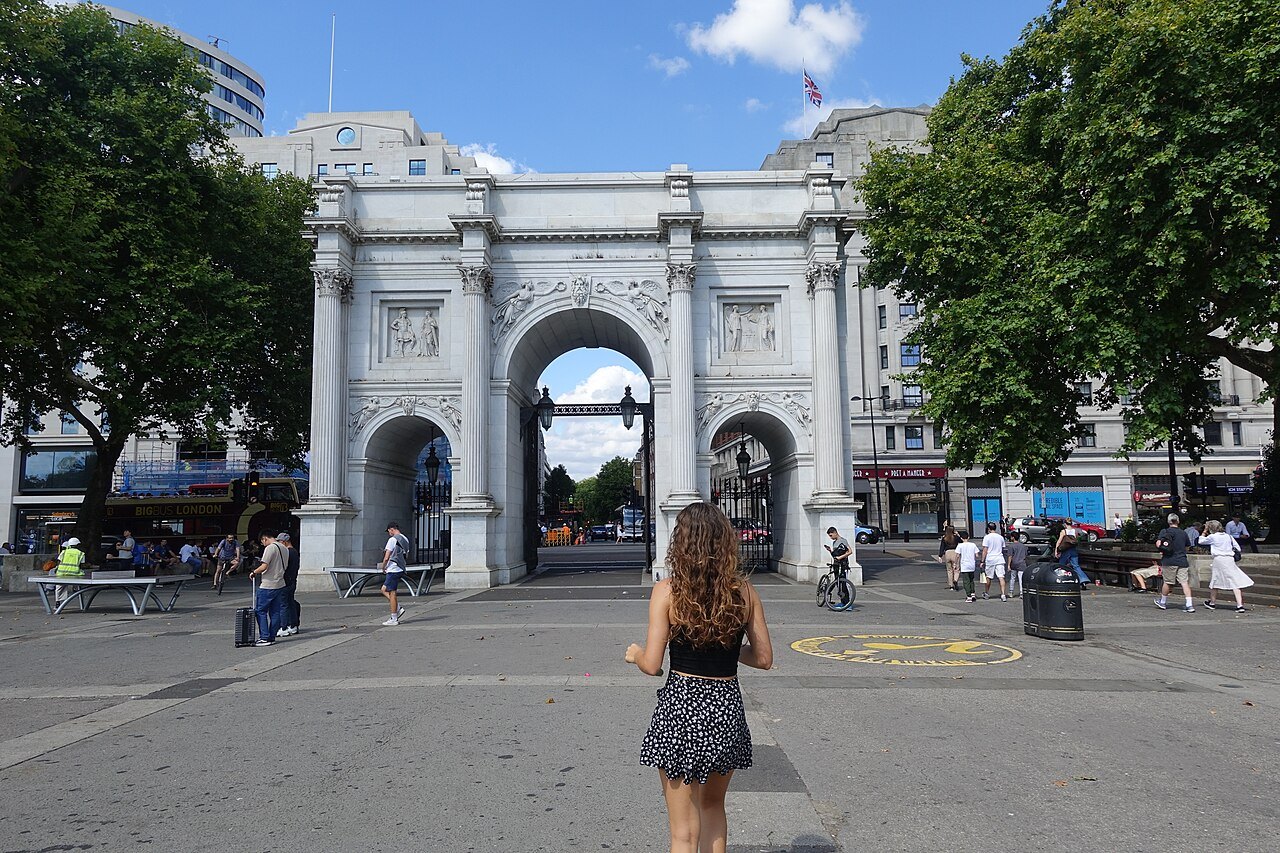
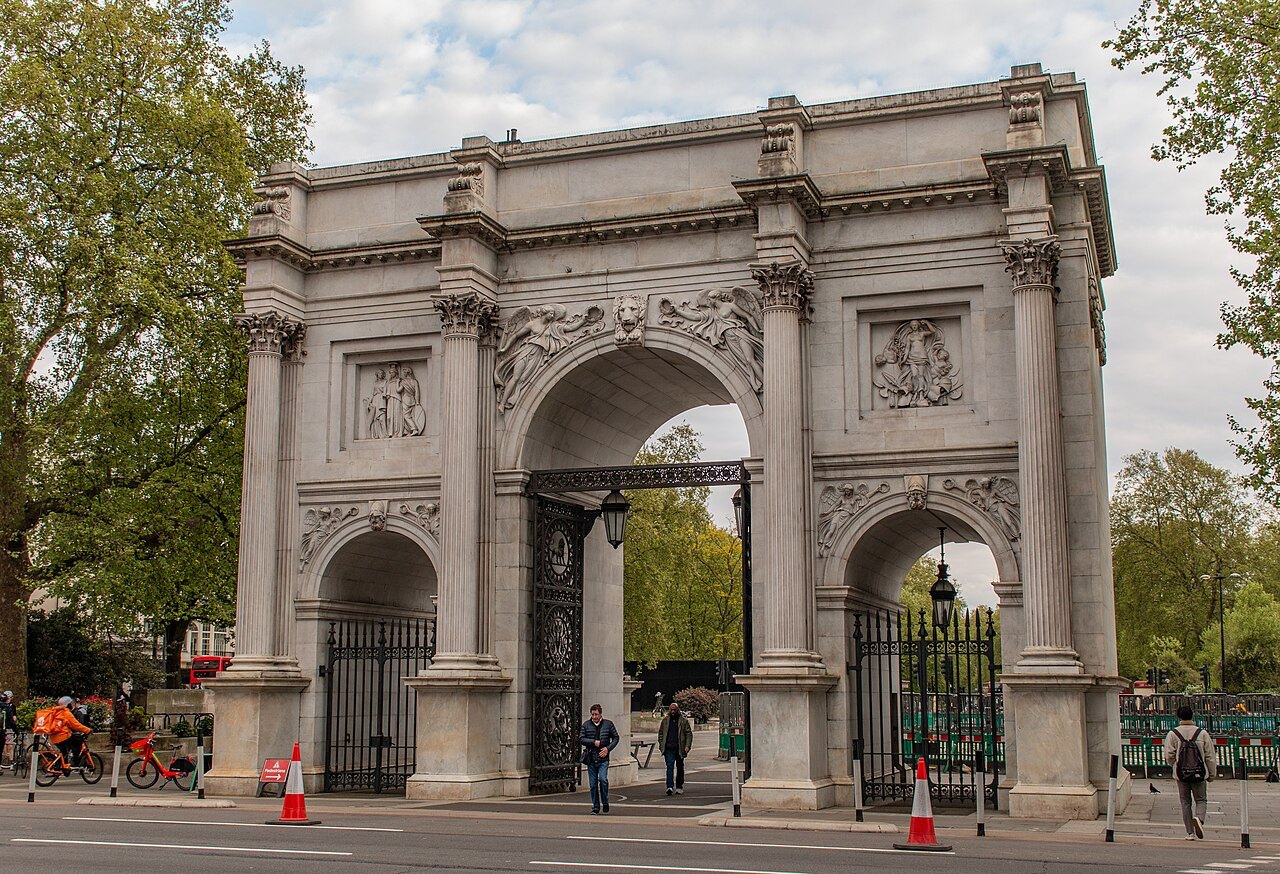
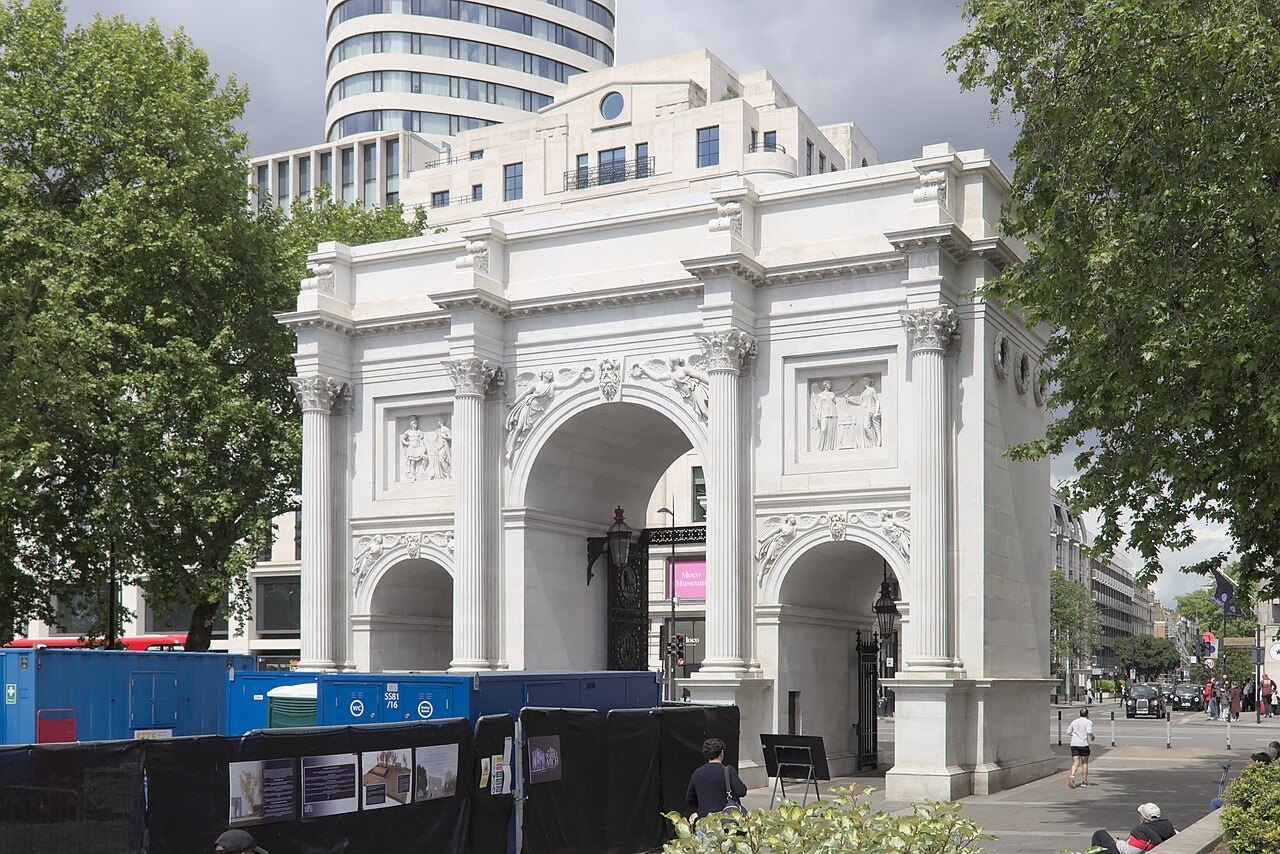
- 3Marble ArchThe white triumphal arch at the park's corner, once a gateway to Buckingham Palace.
- 4Kensington GardensThe western part, separated in 1728 and home to Kensington Palace.
- 5The Diana memorial fountainAn oval ring of water in the south of the park.
Reading the place
The sight in full
What it is
Hyde Park is a 350-acre Royal Park in Westminster, the largest of the chain of parks that runs from Kensington Palace through Kensington Gardens and Hyde Park, past Green Park and Buckingham Palace to St James's Park. It is bounded on the north by Bayswater Road, on the east by Park Lane and on the south by Knightsbridge, and it is divided by the Serpentine and the Long Water.
The park is Grade I listed and one of the best places in London to see ordinary life: joggers, cyclists, horse riders, picnickers and swimmers share it with the cafes and boats. At the west it merges with Kensington Gardens, and in daylight the two seem to be one park.
From hunting ground to public park
The name comes from the Manor of Hyde, which appears in the Domesday Book and belonged to Westminster Abbey through the Middle Ages. Henry VIII took the land from the abbey in 1536 and enclosed it as a deer park for hunting. James I allowed limited access, and in 1612 the walks were replanted with lime trees from the Low Countries.
Charles I opened the park to the public in 1637, and it quickly became a favourite gathering place, especially for May Day parades. During the Civil War forts were built on the east side, and in 1652 Parliament sold the park off. Charles II took it back at the Restoration and walled it in. In the Great Plague of 1665 it served as a military camp.
Queen Caroline and the lake
In the early eighteenth century Queen Caroline, the wife of George II, remade the park. She divided Kensington Gardens from Hyde Park in 1728 and had a chain of ponds joined into the Serpentine, a long curving lake. It is spanned by a bridge that marks the old boundary between the two parks. The park was also a place for duels in this period, often between noblemen.
The lake now has a boathouse with rowing boats for hire, a swimming area for the warm months, and the Serpentine Galleries for contemporary art close by. A walk around the whole shore takes about an hour.
The Great Exhibition and the Crystal Palace
In 1851 the Great Exhibition was held in the park, in a vast building of iron and glass designed by Joseph Paxton and known as the Crystal Palace. It drew six million visitors and funded the museums of South Kensington. The building was later moved to south London, where it burned down in 1936.
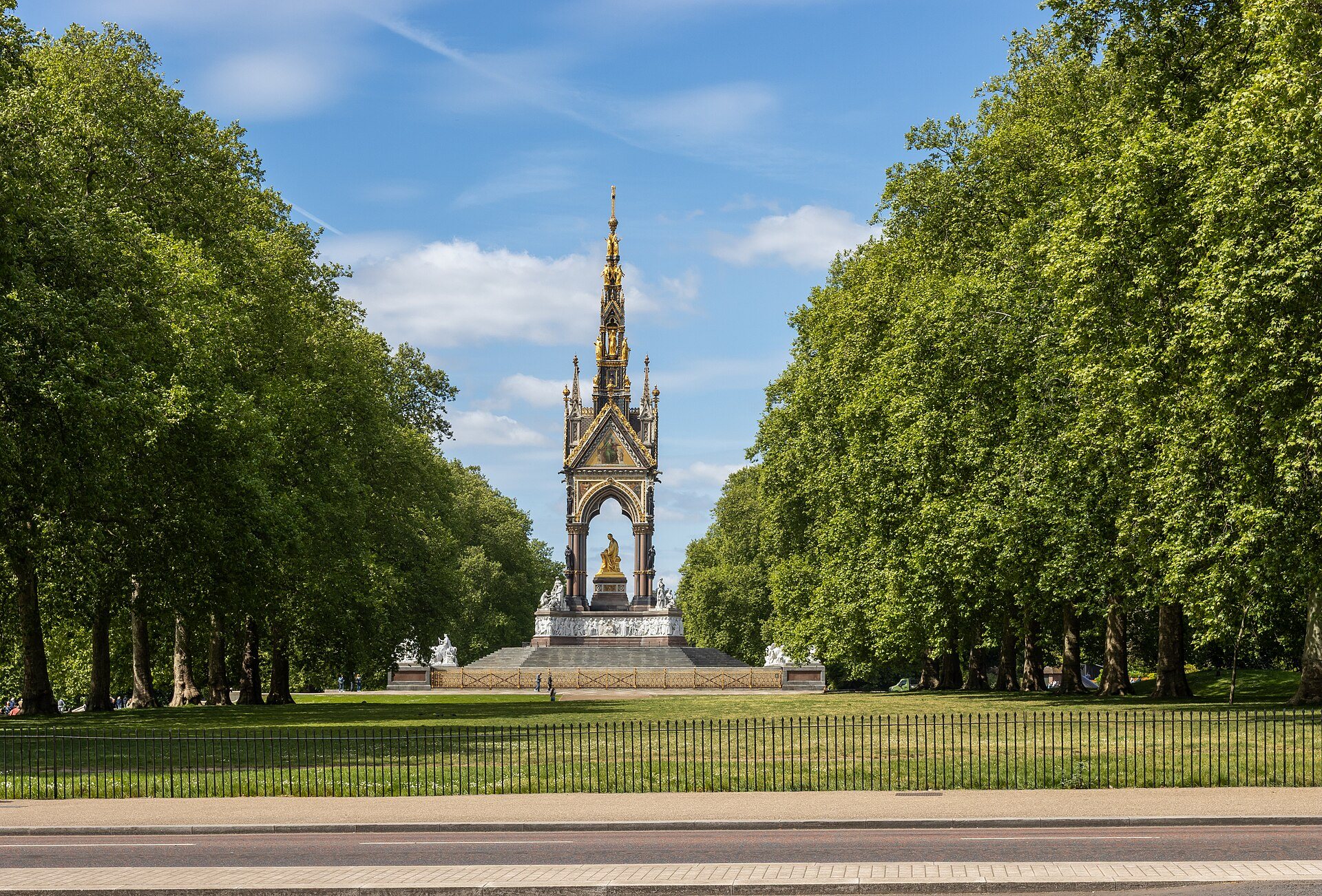
Nothing survives of it in the park, but the Albert Memorial and the Royal Albert Hall on the southern edge stand as part of the same Victorian idea, and the museums nearby, the V&A and the Natural History Museum, owe their origin to the profits.
Speakers' Corner and protest
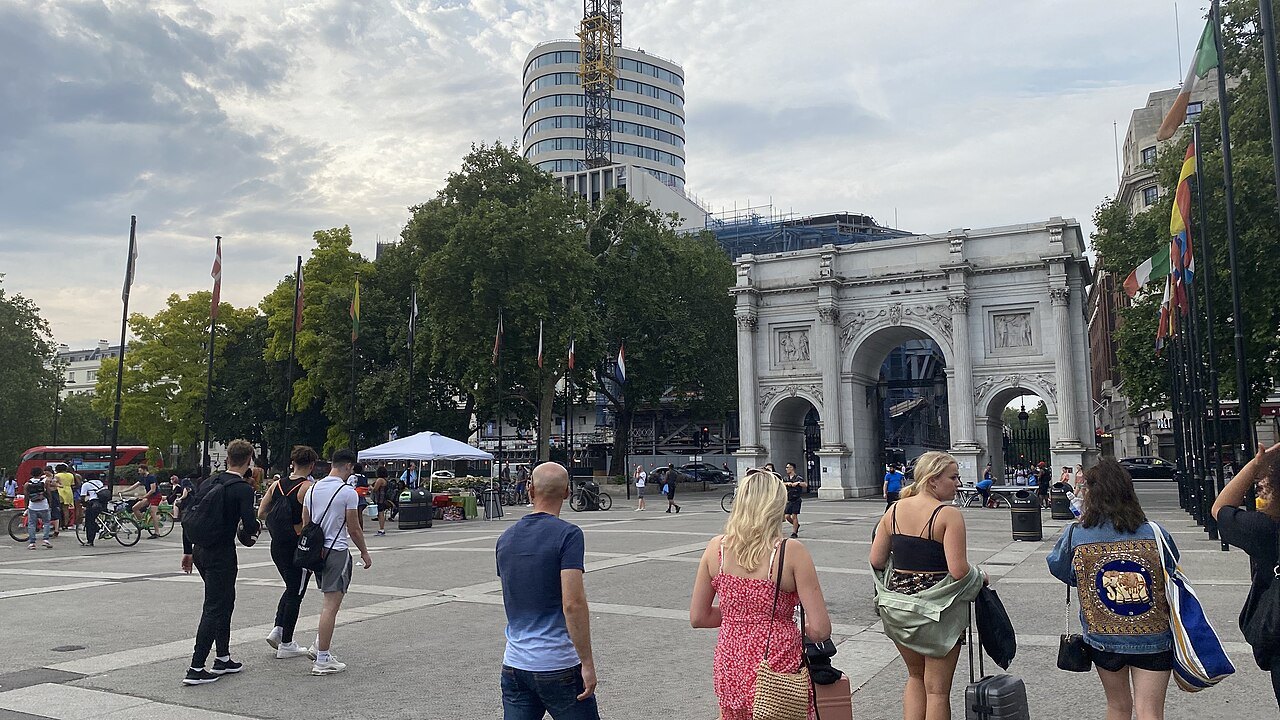
Free speech and demonstration have been part of Hyde Park since the nineteenth century. Speakers' Corner, in the north-east corner near Marble Arch, has been established as a point for open-air public speaking since 1872. Anyone can speak on any subject as long as the police consider it lawful, and there is no special immunity from the law, contrary to popular belief. On Sundays you will find a handful of speakers and hecklers.
The Chartists, the Reform League, the suffragettes and many later movements have held mass rallies in the park. In the late twentieth century it hosted large free rock concerts, and it continues to stage music, a winter fair and other big events, so parts of it can be fenced off when one is on.
Trees, lawns and wildlife
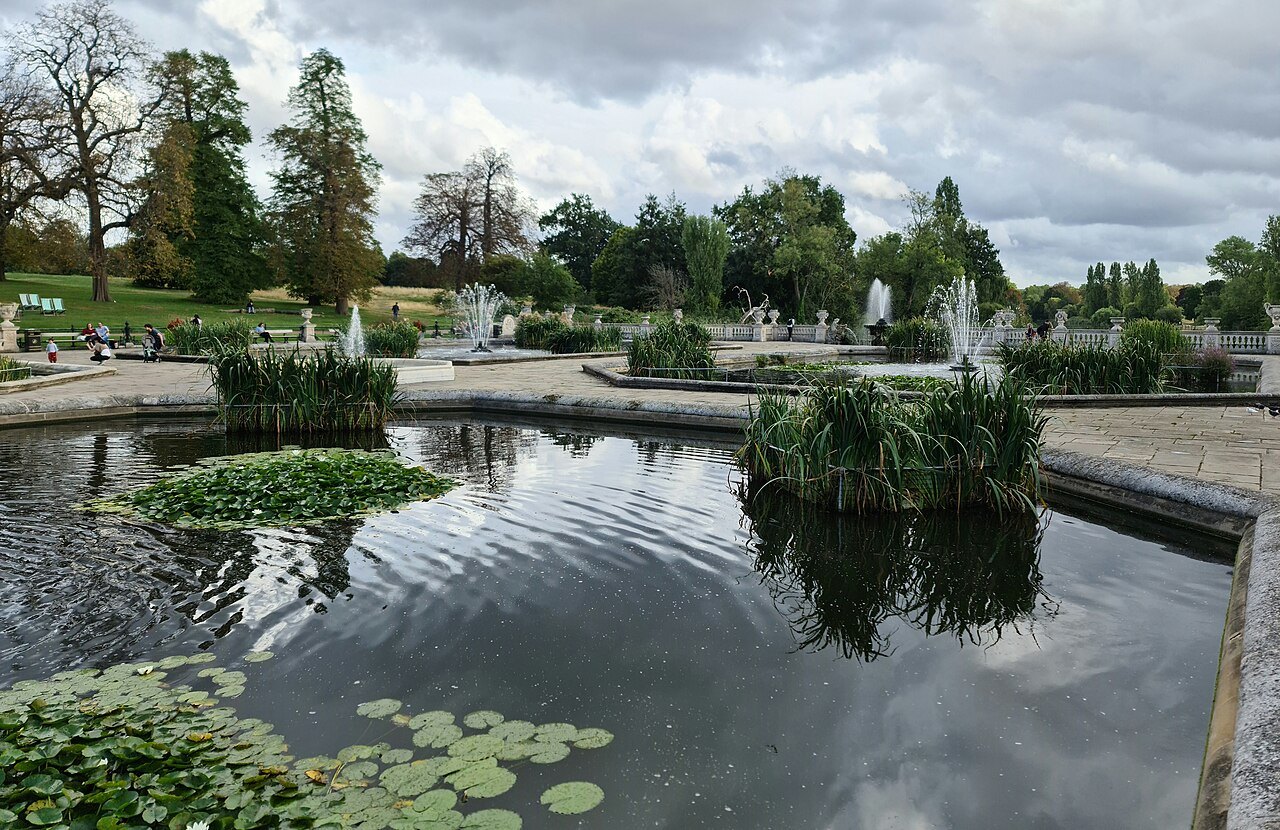
Beyond the lake and the monuments, the park is a place to enjoy ordinary pleasures. The great plane and lime trees give shade in summer, and the open lawns are filled with people on warm days. Rotten Row, the sandy track along the south side, is still used by riders from the stables nearby, and the Serpentine has rowing boats, pedal boats and a lido for swimmers. Waterfowl, parakeets and squirrels make themselves at home among the picnickers.
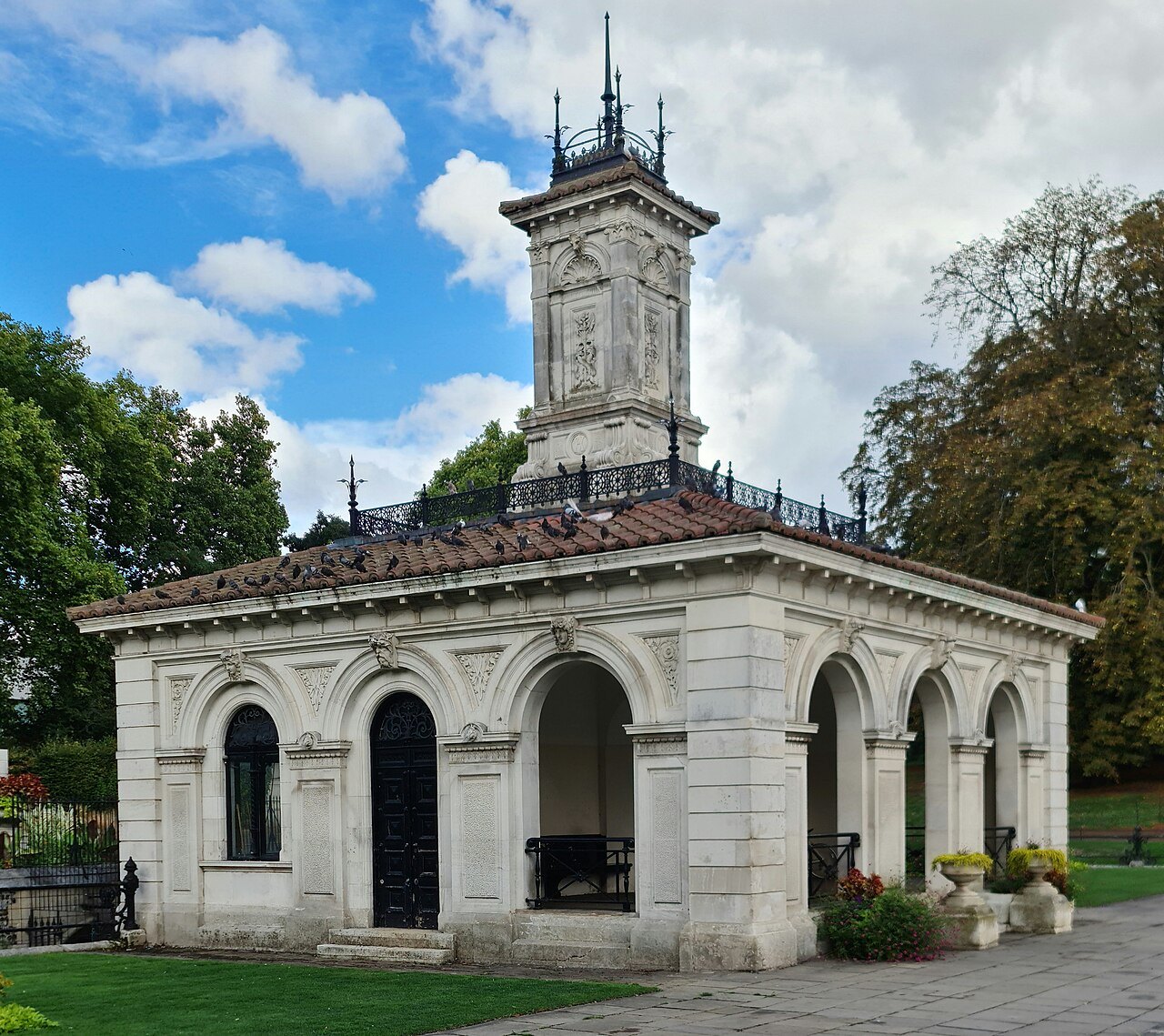
The best time for quiet is early morning, when joggers and dog walkers have the paths nearly to themselves, and the lawns and lake sit under mist in spring and autumn. Big events, such as concerts or a winter fair, can close sections of the park and fill others, so check the park's own notices if you plan to cross it at a particular time. Marble Arch, at the north-east corner, is worth a look as well: it was designed by John Nash as a ceremonial gateway for Buckingham Palace, but proved too narrow for the state coach and was moved here in the 1850s. It now stands marooned on a traffic island, and its position marks the site of Tyburn, where public executions took place for centuries.
Using the park
The park is easy to reach from several Underground stations, including Marble Arch, Hyde Park Corner and Lancaster Gate. A good route runs from Hyde Park Corner along the south side past the Diana memorial fountain, across the Serpentine bridge into Kensington Gardens, and out near Kensington Palace. That takes in the main sights in a couple of hours.
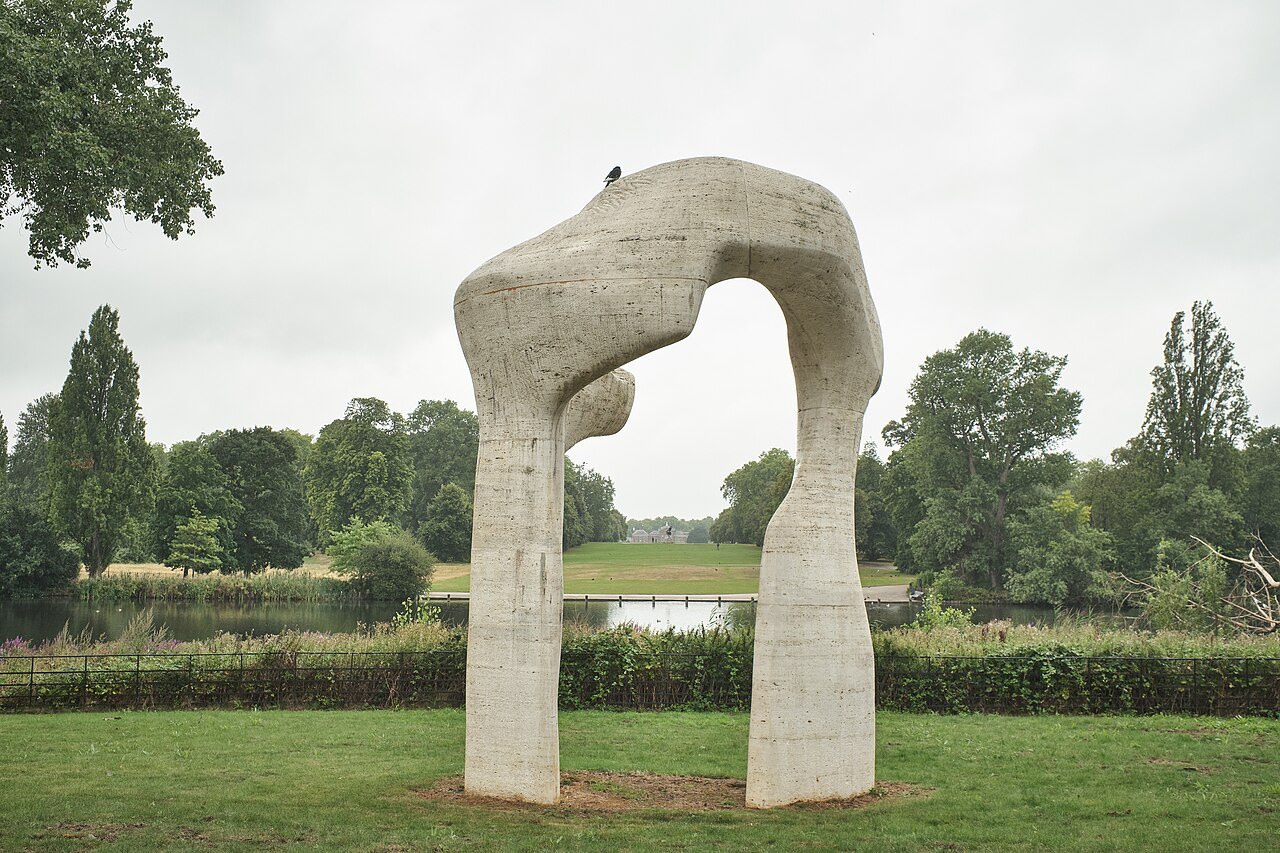
The park is part of a chain of green spaces, described in The Royal Parks, and it is a short walk from Buckingham Palace by way of Green Park. For a longer day, pair it with the museums of South Kensington.
Nearby
Where to go next
- Nearby · WestminsterBuckingham PalaceThe King's London residence and administrative headquarters, a Georgian townhouse enlarged into a palace in the 1820s, with a balcony that has framed national celebrations ever since.Read the page →
- Nearby · South KensingtonThe Natural History MuseumAlfred Waterhouse's terracotta palace on Cromwell Road, opened in 1881, holding some 80 million specimens, with a blue whale skeleton in its great hall and free entry to the main galleries.Read the page →
- Nearby · South KensingtonThe Victoria and Albert MuseumThe largest museum of applied arts, decorative arts and design in the world, born from the profits of the Great Exhibition, with more than two million objects and free entry.Read the page →