Home · Booking Ahead
What to book, and what not to
Worth arranging
| What | Ahead? | What to know |
|---|---|---|
| The Tower of London | Book ahead | A ticketed site run by the charity Historic Royal Palaces. Buy on its official site to choose a day, and expect long queues at the Crown Jewels at busy times. |
| Buckingham Palace State Rooms | Book ahead | The State Rooms are shown for most of the summer and on selected days in winter and spring, by timed ticket from the Royal Collection Trust. |
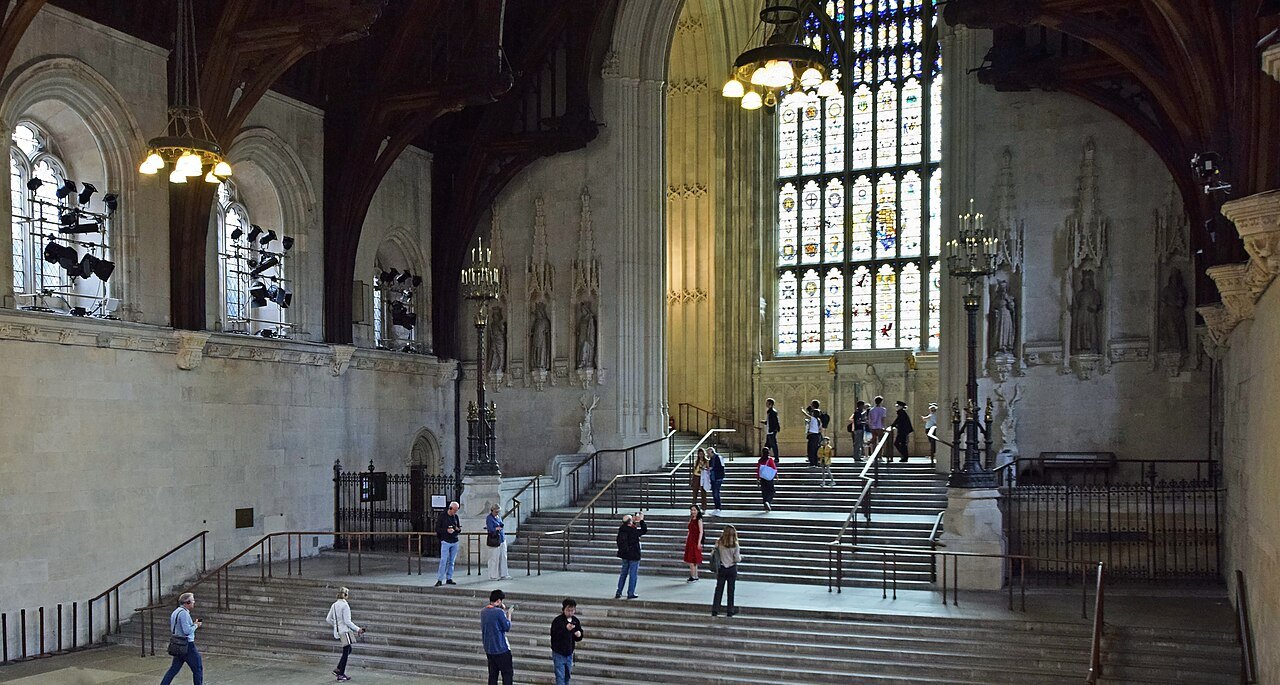
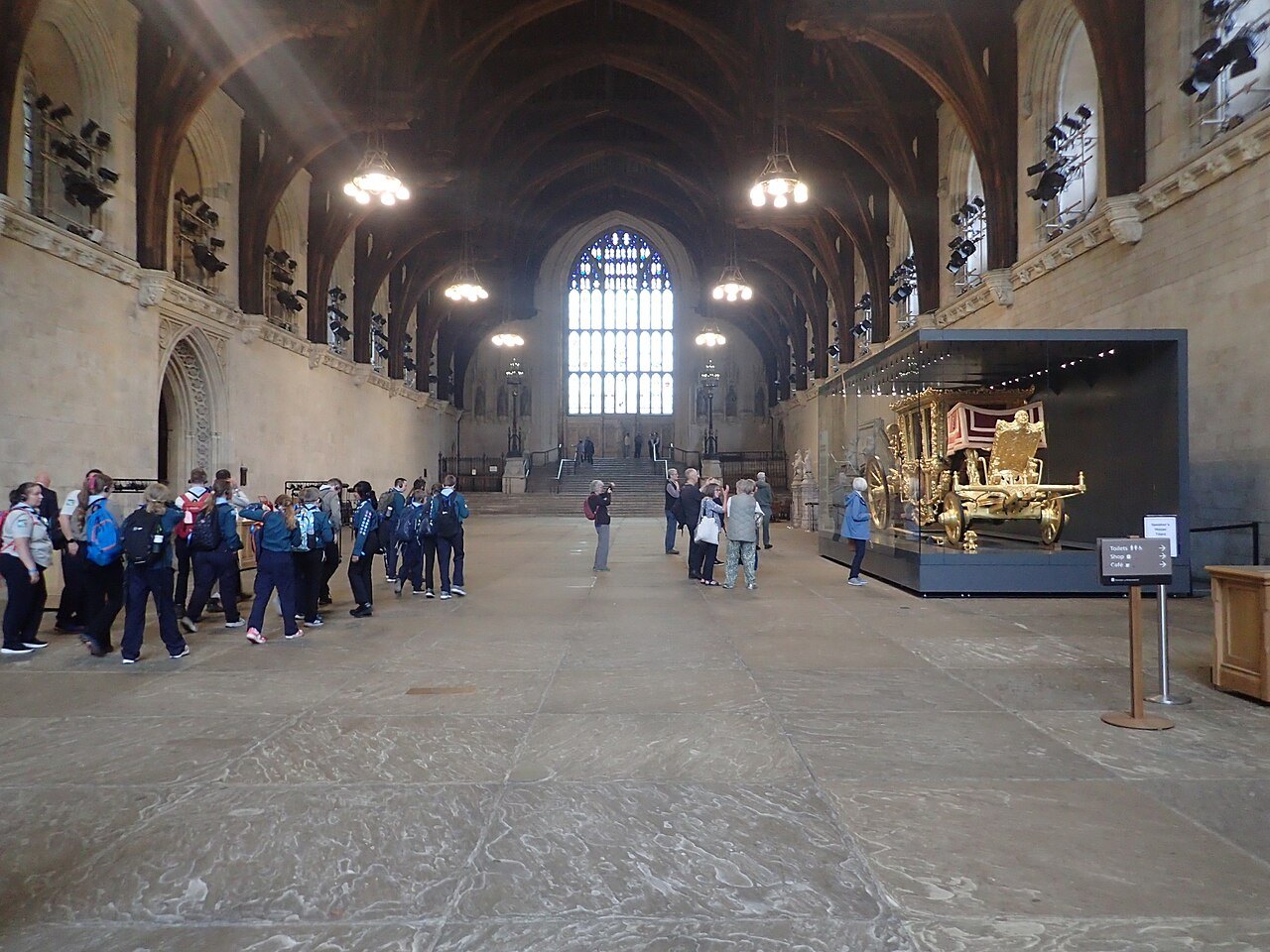
| The Palace of Westminster | Book ahead | There is no casual entry. Guided tours are ticketed, and debates and committee sessions have their own public galleries. |
| Westminster Abbey | Book ahead | A working church with a ticketed visit; buy online for a time, and check for closures on service days and state occasions. |
| St Paul's Cathedral | Book ahead | An entry fee applies for sightseeing, though worshippers pay nothing; the dome climb is part of the visit. |
| The London Eye and the View from The Shard | Book ahead | Both are timed, ticketed rides, and booking ahead is sensible, especially at weekends and in summer. |
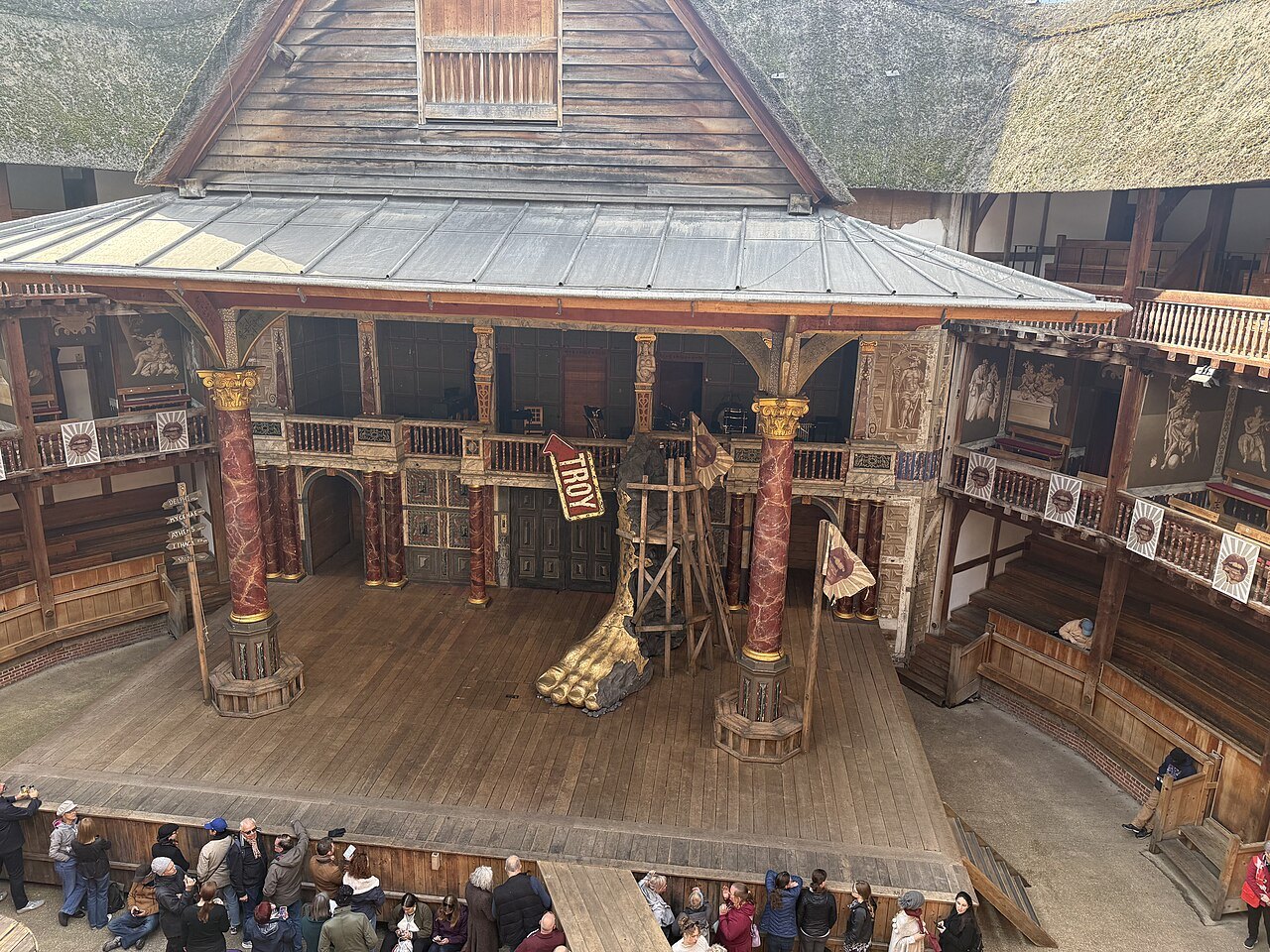
| Shakespeare's Globe | Book ahead | Plays in the open-air theatre run in the summer season; book by performance, with standing yard tickets and seats in the galleries. |
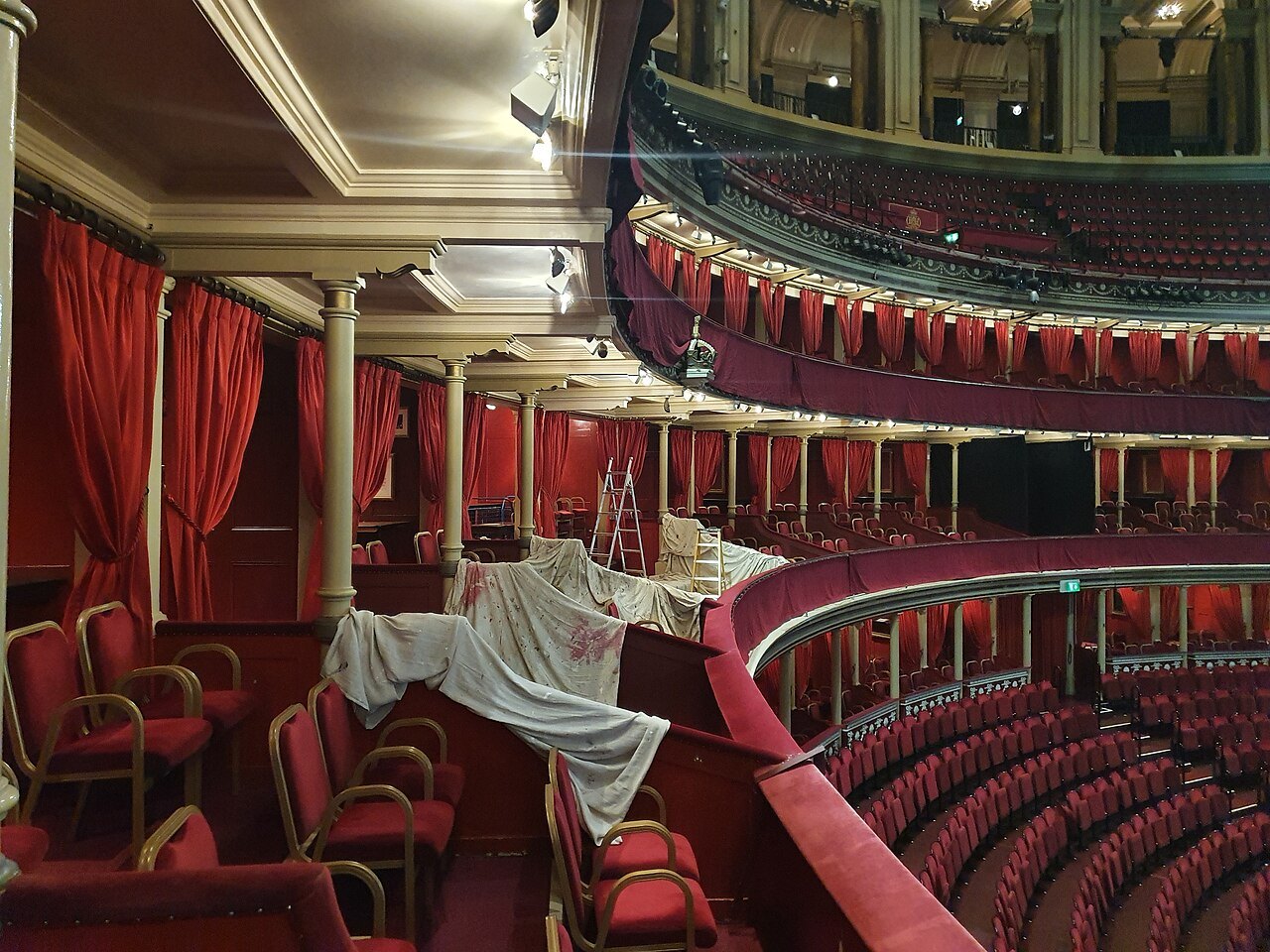
| West End theatres and the Royal Opera House | Book ahead | Popular shows and opera sell out, so book through the theatre's own site or box office, avoiding unofficial resellers. |
| Kew Gardens, Greenwich and the Cutty Sark | Optional | Ticketed, but rarely sold out; buy online for convenience, and check what the ticket includes. |
| The British Museum, National Gallery, Tate Modern, V&A and Natural History Museum | Just go | Entry to the main collections is free; only special exhibitions are ticketed, and the museums may ask for a timed slot on busy days. |
| Parks, markets, squares and the river walk | Just go | Hyde Park, Trafalgar Square, Borough Market, Covent Garden and the south bank path need no ticket. |
| Tower Bridge and Greenwich Royal Observatory | Optional | The bridge can be crossed free, while its walkways and the observatory galleries are ticketed. |
Booking Ahead
In full
Why booking matters here
London has more to see than most cities, and several of its best sights run on timed tickets, because the buildings are small, historic or still in use. The Tower of London, the State Rooms at Buckingham Palace, the Palace of Westminster and Westminster Abbey are the clearest cases. Turning up without a ticket can mean a long queue or no entry at all.
The reverse is also true. Many of the greatest attractions, including the national museums and galleries, the parks and the markets, need nothing at all. A visit that mixes the two works best: book the three or four sights that matter most, and leave the rest free.
Tickets that need a date
The Tower of London is run by Historic Royal Palaces, an independent charity that also manages Kensington Palace, Hampton Court and Kew Palace. It sells timed tickets online, and visiting on a summer weekend without one risks a long wait. The Crown Jewels are the busiest part, and early arrival helps.
Buckingham Palace opens its State Rooms to the public for most of the summer and on selected days in winter and spring, and the palace is a working building, so dates vary. Book through the Royal Collection Trust, and do not rely on resellers. The Palace of Westminster has no casual access: guided tours are ticketed, and anyone may queue to watch a debate or committee when Parliament sits.
Churches and viewpoints
Westminster Abbey and St Paul's Cathedral are working churches that charge visitors an entry fee, and each sets sightseers aside during certain services and events. Book online for a time, and read the closure notices on their own sites. Worshippers attending a service pay nothing.
The London Eye and the View from the Shard are timed rides with queues that grow at weekends and on clear days. Buying a slot in advance is the usual advice, and a clear day is worth waiting for, since a tower in cloud shows little.
The stage
The West End has some forty theatres, and the long-running musicals and plays sell out well ahead, especially for weekend evenings. Book through the theatre's own site, or its box office, to avoid inflated resale prices. A few theatres hold same-day seats or standing places, and the details are on their sites.
Shakespeare's Globe stages plays in the open air in the summer and in its candle-lit indoor playhouse during the rest of the year. The Royal Opera House in Covent Garden sells opera and ballet by season, and popular productions sell quickly.
What never needs a ticket
The national museums, including the British Museum, the National Gallery, Tate Modern, the V&A and the Natural History Museum, do not charge for their main collections. Special exhibitions are ticketed and often sell out, and on busy days a museum may ask visitors to take a free timed slot.
The parks, the squares and the river walk are free: Hyde Park, Trafalgar Square, Borough Market and the south bank path need no ticket. Tower Bridge can be crossed on foot at no cost, though its high walkways are ticketed.
Plans, queues and security
For a first visit of three or four days, book the Tower of London, one timed viewpoint, either the Eye or the Shard, and one evening in the theatre, and keep the rest of the days free for walking and the free museums. That mix gives the headline sights without turning the trip into a series of appointments, and a missed slot costs little.
For families with children, the Tower and the Natural History Museum are the main draws, and both reward an early start. For a short stay of one or two days, choose one ticketed sight and spend the rest of the time on the free ones, since the river walk and the parks make a day on their own.
Even with a ticket, most major sights have an airport-style security check at the door, and it adds a quarter of an hour on a busy day. Bags are searched, and large luggage is not accepted at many places, so leave your suitcase at the hotel or a left-luggage office. Sharp objects and bulky items are refused at the Tower, the palaces and Parliament.
The first hour of opening and the last two hours before closing are usually the quietest at the big sights, and midday is the peak. A timed ticket for the first slot of the day is often the best use of money, because you enter before the crowds build.
Concessions, passes and booking well
Several sights offer reduced rates for children, students and older visitors, and some are free for young children, so check the category before you buy. Members of the charities that run the sights, such as Historic Royal Palaces, enter free for a year, which can pay for itself over a few visits.
Multi-attraction passes exist, but they only save money for people who visit many paid sights in a few days. Add up the sights you actually plan to see before you buy one, since free museums and parks fill much of a typical visit and a pass cannot be used at them.
Outlying sights and day trips
Kew Gardens and Greenwich are ticketed but rarely sell out. Kew sells tickets online and at the gates, and in Greenwich the Cutty Sark and the Royal Observatory each have their own ticket, while the grounds of the Old Royal Naval College and the park are free to enter.
Day trips outside London, covered under Day Trips, call for rail tickets booked ahead for the best fares, and some of the sights there, such as Windsor Castle and Stonehenge, have timed entry.
Reselling, refunds and arriving
Always buy from the official site of the place itself, and read the terms on refunds and changes. Search results can show resellers at the top, and prices on unofficial sites can be much higher than the real fare. Print or save the ticket on your phone, because the signal in a stone building can be weak.
Entry times are strict at the timed sites, so arrive a little early, allow for security checks and bring photo ID if the booking requires it. For when to come, see When to Come, since booking is most important in summer, and the calmer months need less planning.
More photographs
Seen on the way
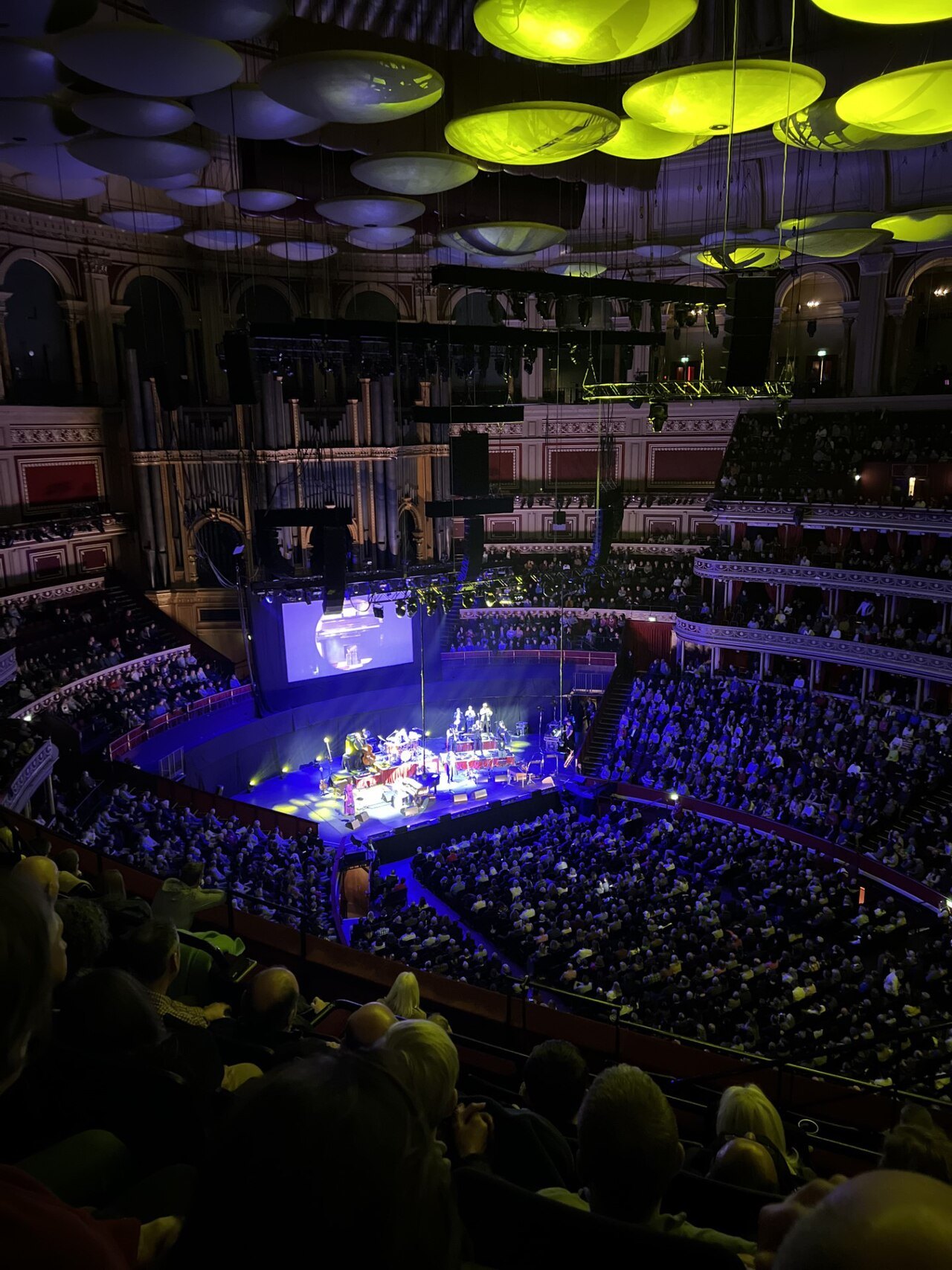
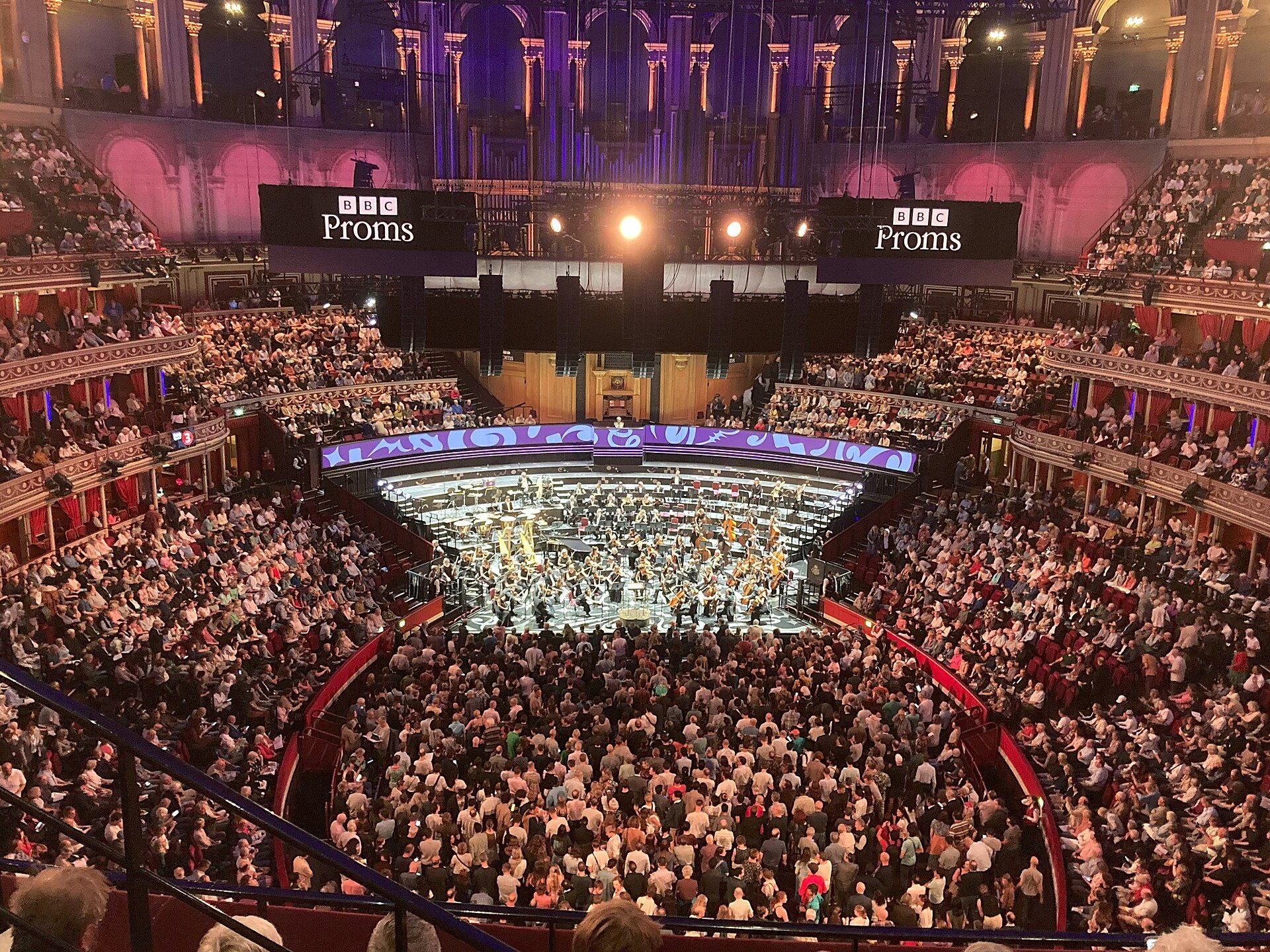
The Royal Albert Hall from the gallery, filled for an evening concertNeil Theasby, Wikimedia Commons, CC BY-SA 2.0