Home · Sights · The Palace of Westminster and Big Ben
The Palace of Westminster and Big Ben
What you are looking at
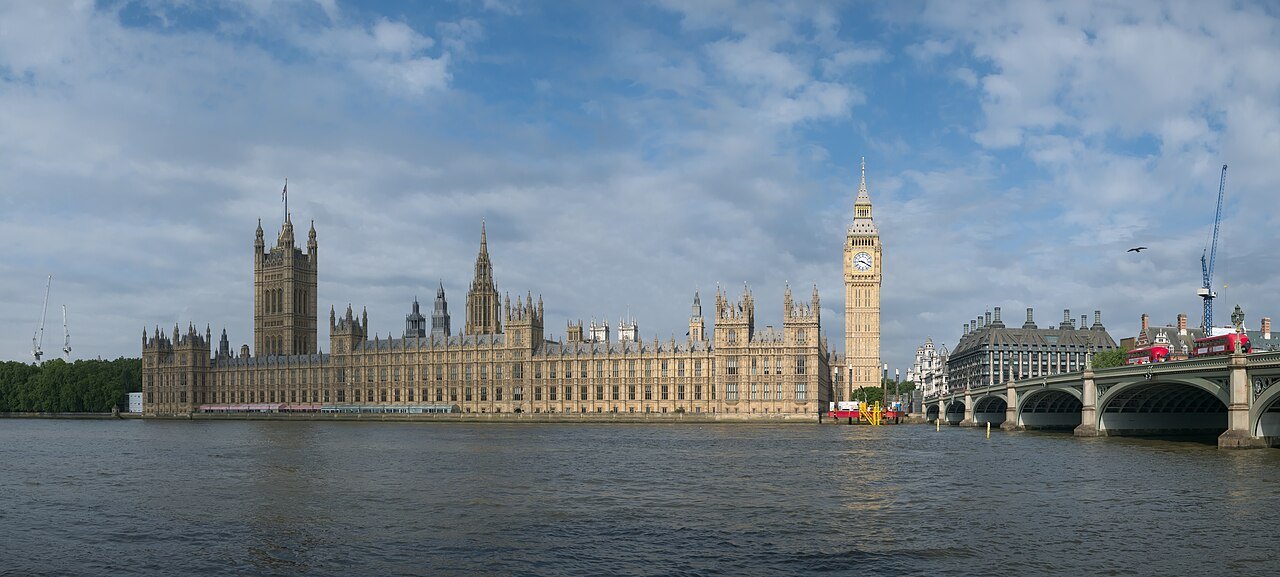
Westminster · north bank
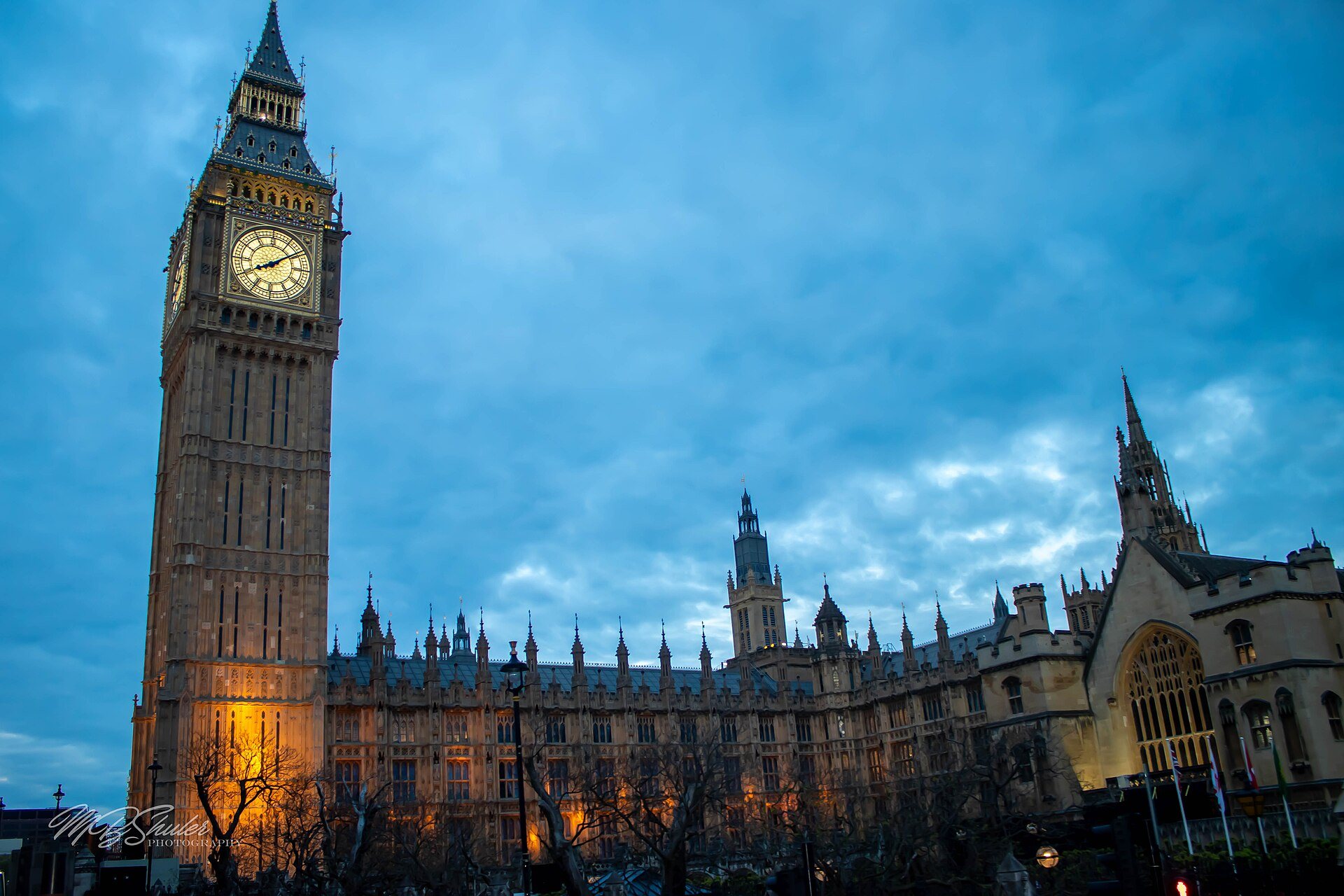
- 1The Elizabeth TowerCompleted in 1859 and 316 feet tall, it holds the Great Clock and the five bells above it.
- 2The Great BellBig Ben is the nickname of the Great Bell, and by extension the tower; its crack gives it a distinctive tone.
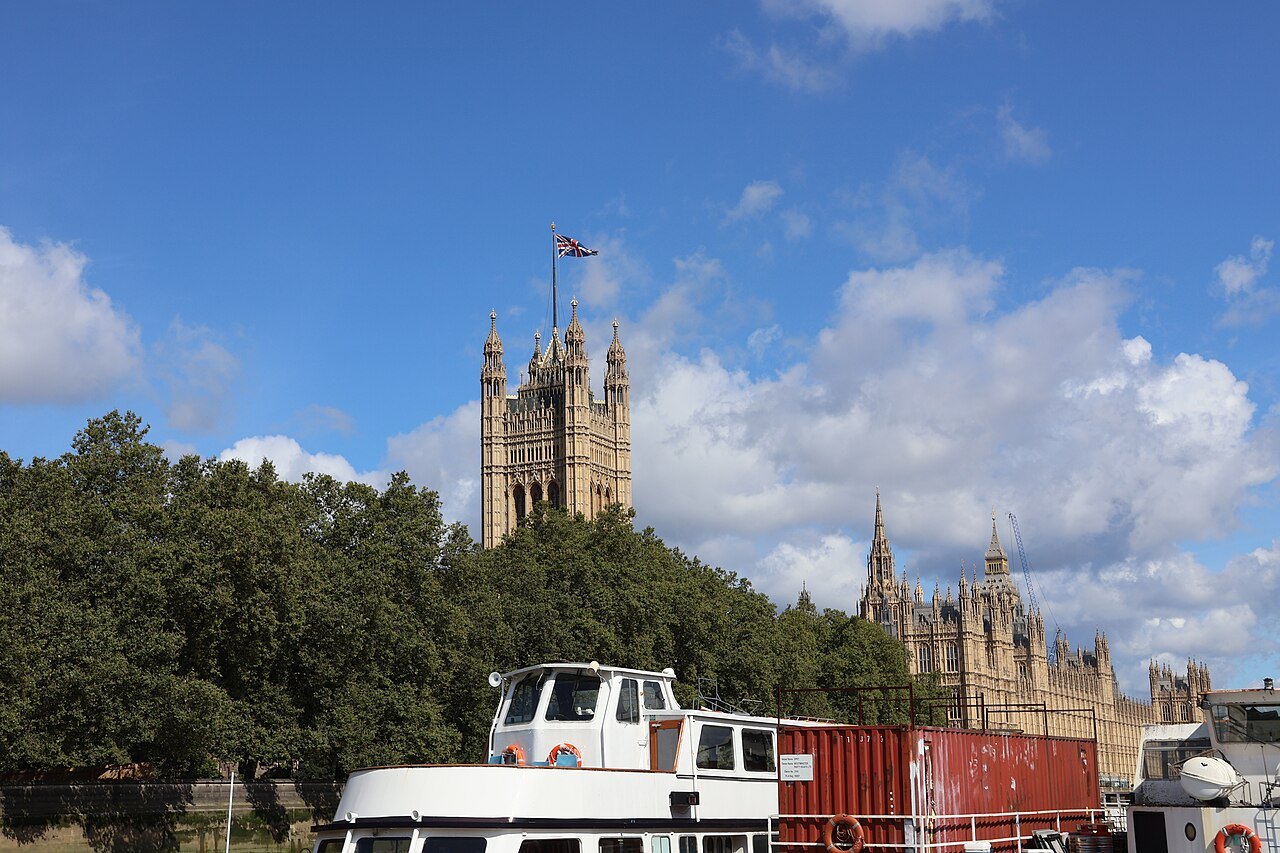
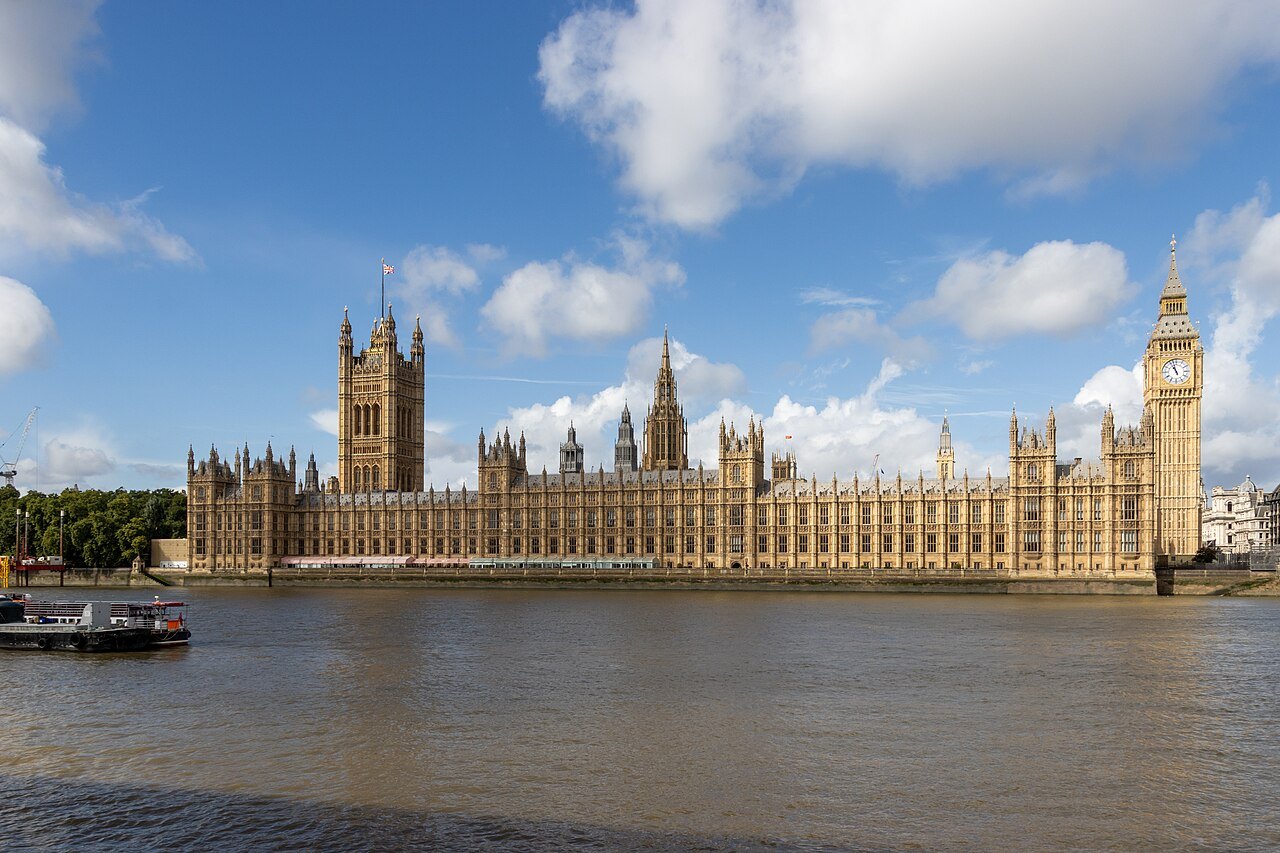
- 3The Victoria TowerThe tallest tower, at the south-west corner, holds the Parliamentary Archives and the Sovereign's Entrance.
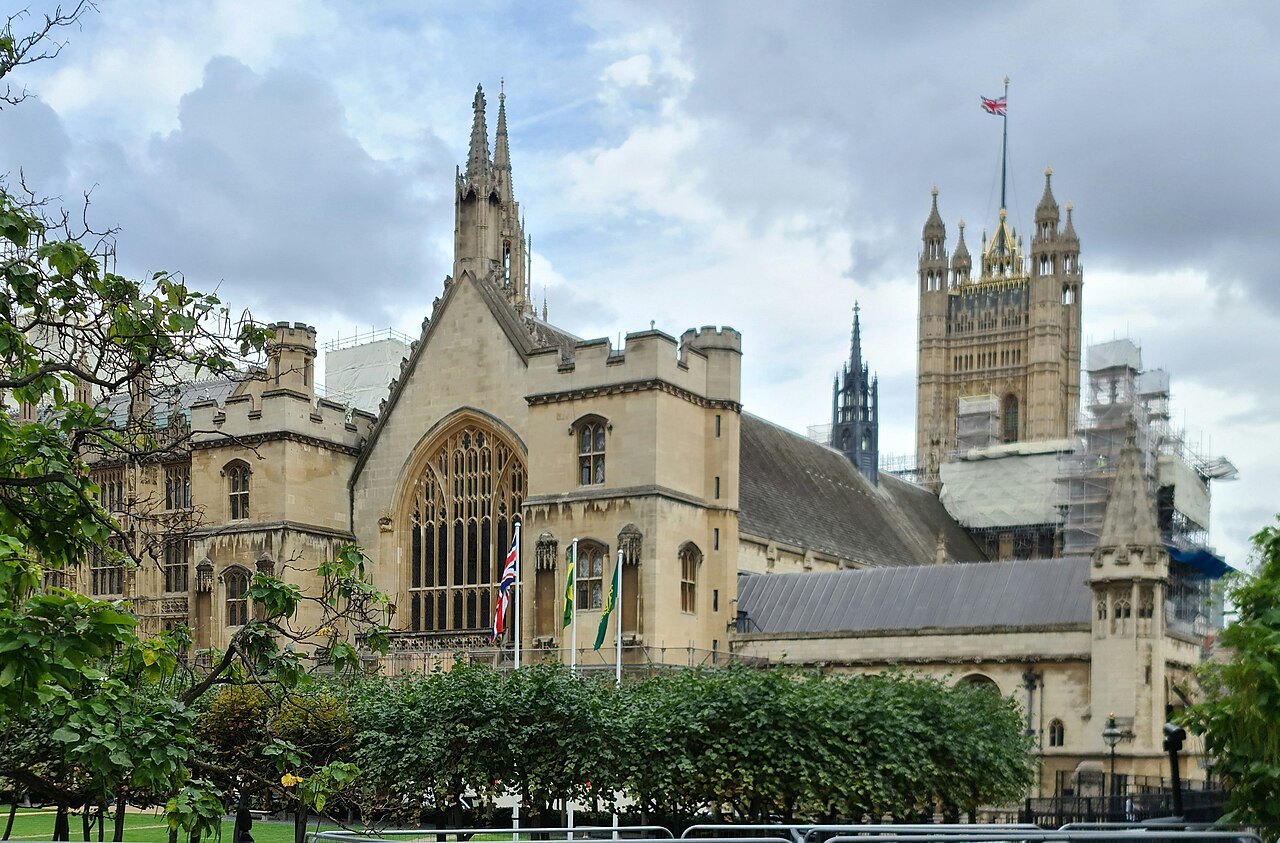
- 4Westminster HallThe oldest surviving part of the palace, built in 1097, with a hammerbeam roof ordered by Richard II.
- 5The river frontCharles Barry and Augustus Pugin's Perpendicular Gothic facade, in sand-coloured limestone, faces the Thames.
Reading the place
The sight in full
Why it matters
The Palace of Westminster is the meeting place of the Parliament of the United Kingdom, and it is called the Houses of Parliament after the two chambers, the Commons and the Lords, that sit inside it. The word Westminster has become shorthand for the whole system of UK government, and the building has been a Grade I listed structure since 1970 and part of a World Heritage Site, with Westminster Abbey and St Margaret's Church, since 1987.
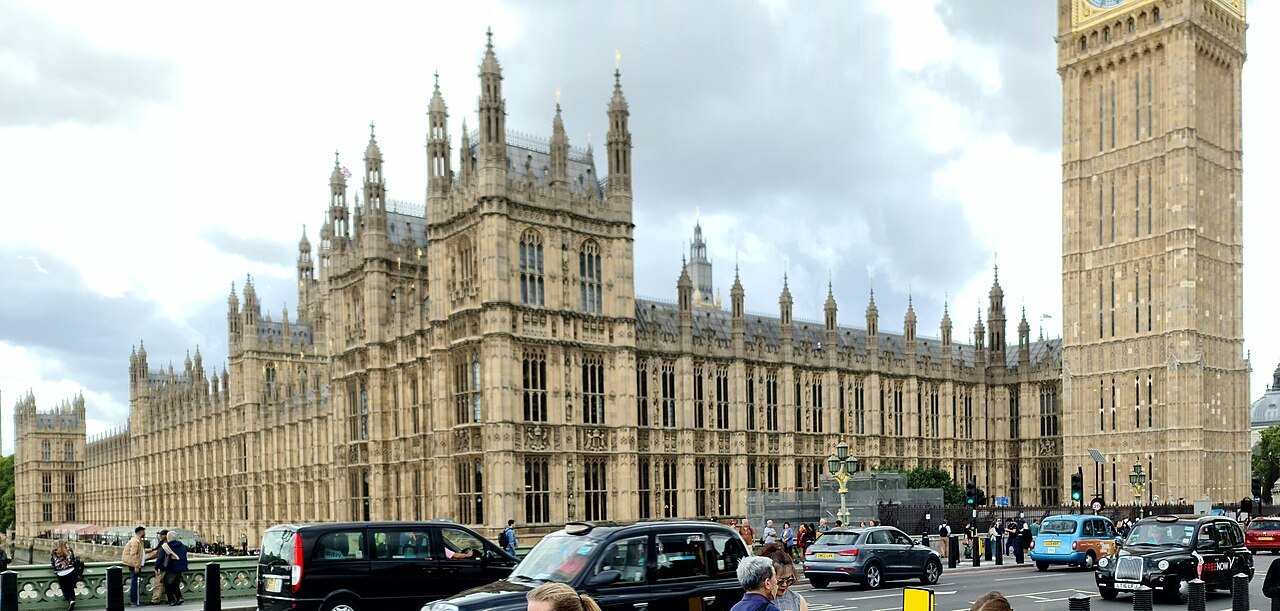
Its outline is also the best-known image of London. The Elizabeth Tower, with its clock, rises at the north end beside Westminster Bridge, and from the river the whole long front reads as a single Gothic composition.
From royal palace to Parliament
A palace stood here in the eleventh century, when Edward the Confessor built a royal residence beside the first Westminster Abbey. It was the main home of English kings until 1512, when a fire destroyed the royal apartments and Henry VIII moved to the Palace of Whitehall. The Parliament of England, which had met at Westminster since the thirteenth century, stayed on in the old buildings and settled there for good.
On 16 October 1834 an overheated stove, burning the Exchequer's stock of tally sticks, set fire to the Lords Chamber. Both Houses were destroyed, along with most of the palace. Westminster Hall was saved by firefighters and a change in the wind, and so were the Jewel Tower and the undercroft and cloisters of St Stephen's Chapel. The king offered Buckingham Palace as a replacement, and Parliament turned it down.
Barry and Pugin's palace
A design competition chose the Perpendicular Gothic Revival scheme of Charles Barry. Barry was a classical architect with little Gothic experience and relied on Augustus Pugin for the details, an arrangement that left Pugin unhappy: he called the result all Grecian, sir, Tudor details on a classic body. The Lords Chamber opened in 1847 and the Commons Chamber in 1852, and building went on for about thirty years, late and over budget.
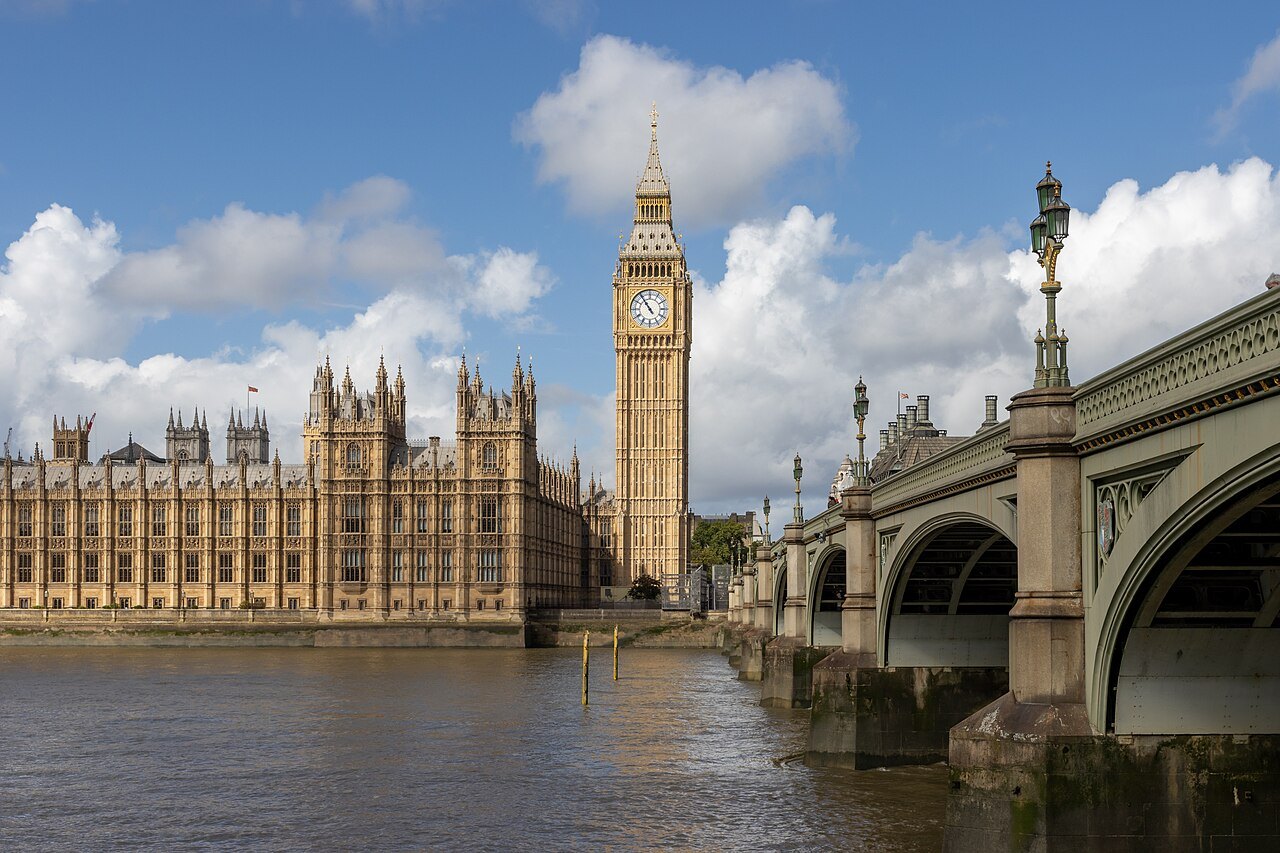
The stone was chosen on a tour of quarries in 1839. Barry picked Anston, a sand-coloured magnesian limestone from South Yorkshire, partly because it could be shipped by canal, sea and river and was easy to carve. It soon began to decay in London's polluted air, and in the twentieth century large areas were refaced in honey-coloured Clipsham stone from Rutland.
Three towers
The Victoria Tower, at the south-west corner, is 323 feet high and was the tallest secular building in the world when it was completed in 1858. At its foot is the Sovereign's Entrance, used when the monarch opens Parliament, and inside it the Parliamentary Archives hold the master copy of every Act of Parliament since 1497, the original Bill of Rights and the death warrant of Charles I.
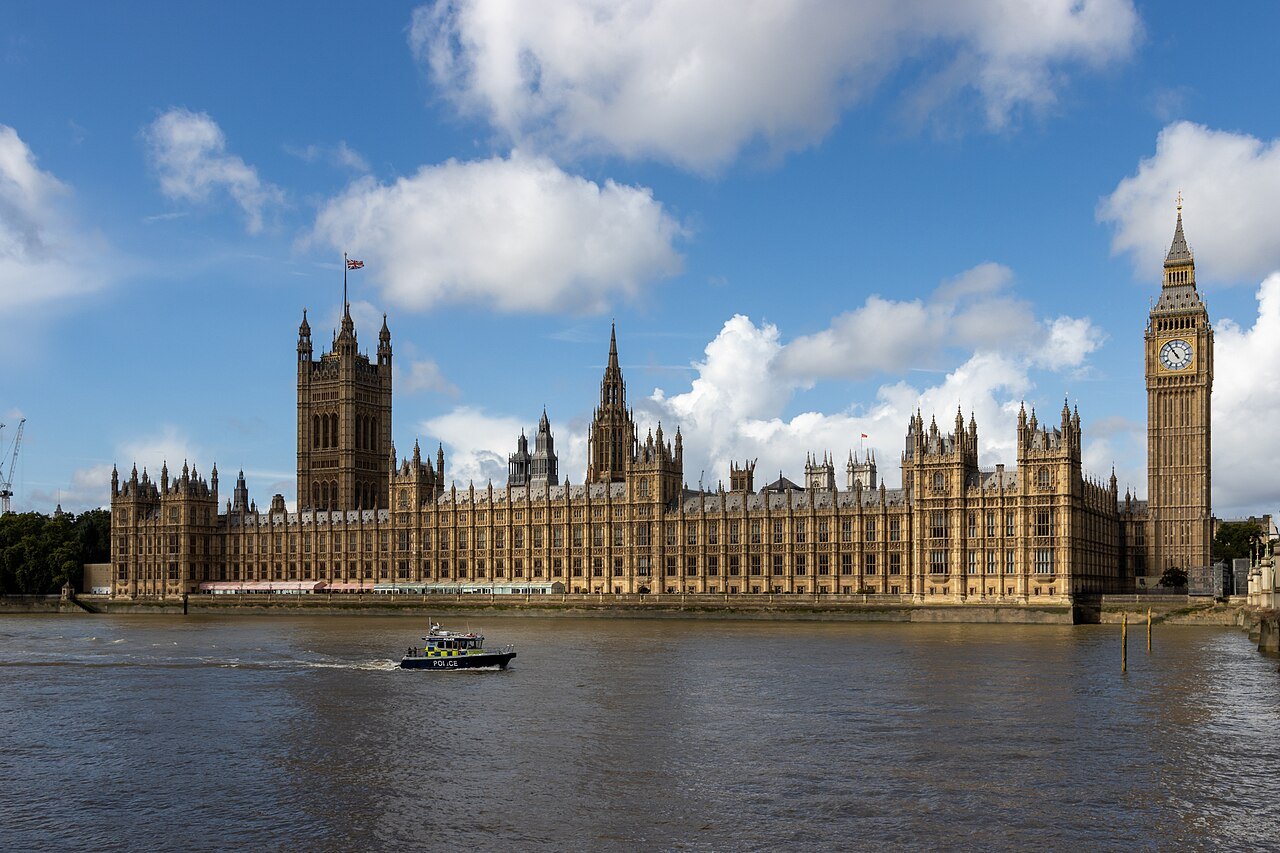
The octagonal Central Tower, at 299 feet, stands over the Central Lobby. It exists for ventilation, not display: the engineer David Boswell Reid wanted a central chimney to draw foul air out of the building, and many of the smaller turrets mask ventilation shafts too.
The tallest of the three is the Victoria Tower, but the one everyone knows is at the other end.
The tower, the clock and the bell
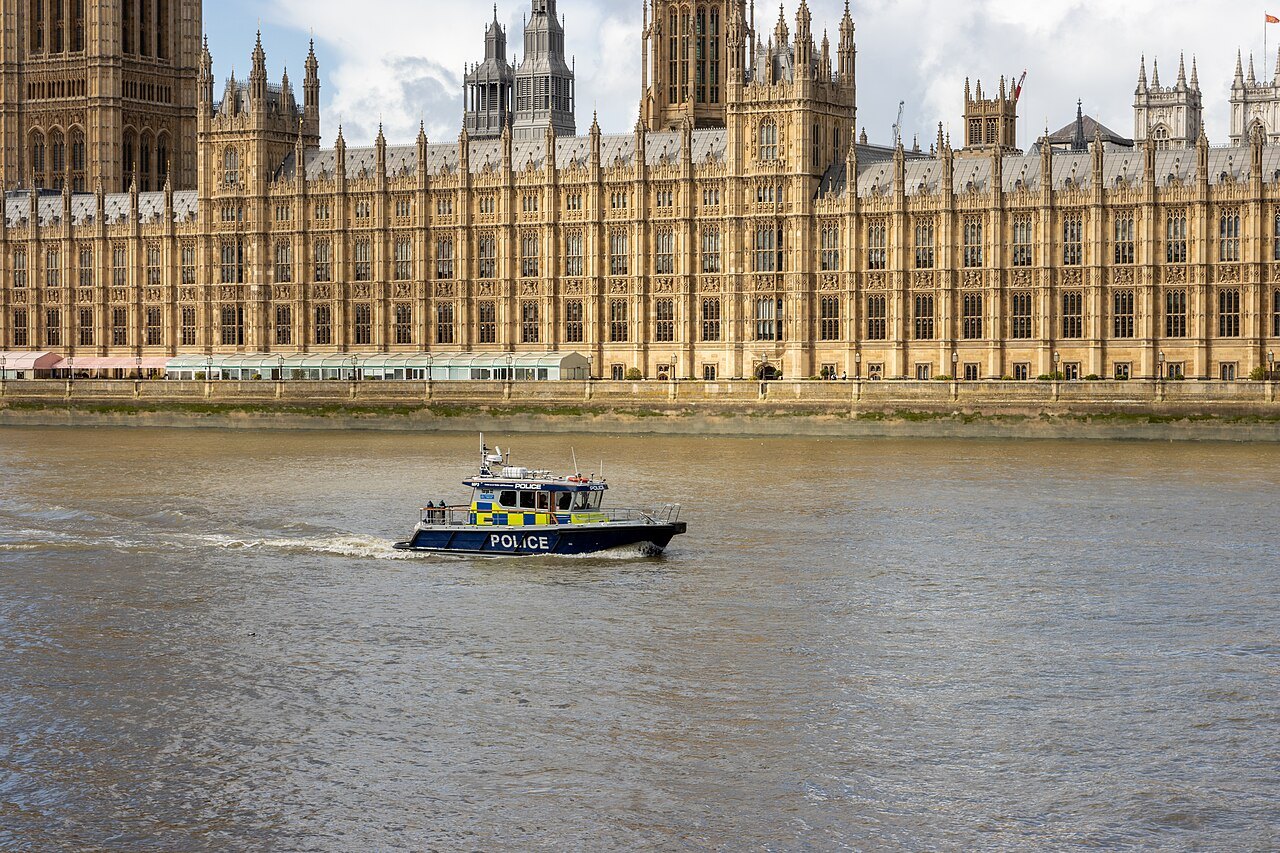
The Elizabeth Tower was called the Clock Tower until 2012, when it was renamed for Queen Elizabeth II's Diamond Jubilee. Pugin designed it and it was completed in 1859, at 316 feet tall and a mere 40 feet wide at the base. Big Ben, strictly, is the nickname of the Great Bell inside, which is why guides stress that the building is the tower and the bell is Ben. Over time the nickname has been applied to the tower as a whole, and the public overwhelmingly uses it that way.
The Great Clock uses its original mechanism, built by Edward John Dent to a design by the amateur horologist Edmund Beckett Denison and the Astronomer Royal George Airy. Its four dials are 23 feet across and made of milk glass lit from behind. The clock strikes the quarters with four smaller bells and the hours with the Great Bell, which cast in 1858 cracked under testing and was recast; the second bell, hung in 1859, developed a crack of its own and has sounded a little differently ever since. Above the clock, the Ayrton Light in the lantern shines when either House sits after dark.
The tower was surrounded by scaffolding for the refurbishment of 2017 to 2021, during which the bells were largely silent.
Westminster Hall and the interior
The oldest part of the palace is Westminster Hall, built in 1097 for William Rufus, when it was the largest hall in Europe. Its great hammerbeam roof, commissioned for Richard II in 1393 and made by the royal carpenter Hugh Herland, is the largest clear-span medieval roof in England. The oak came from woods in the south-east and was assembled near Farnham. The hall has served as a law court, a banqueting hall and, since the twentieth century, the usual place for lyings in state.
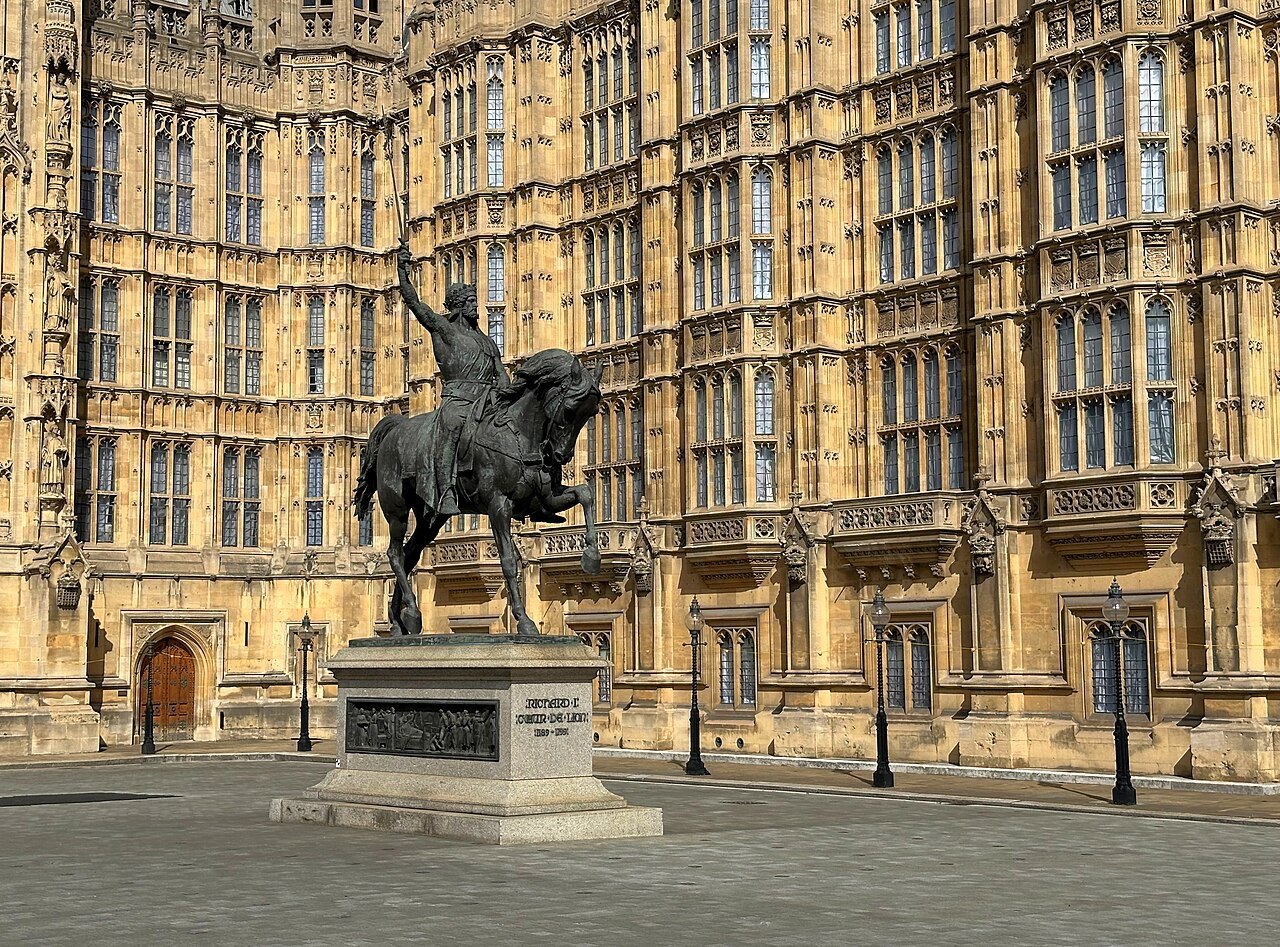
Bombs hit the palace on fourteen separate occasions in the Second World War. In the raid of 10 to 11 May 1941 the Commons Chamber was destroyed; firefighters could not save both it and the hall, and they chose the hall. The chamber was rebuilt in a simplified style and finished in 1950.
Seeing it
There is no casual access to the interior. Visitors enter by guided tour, by a ticket arranged through a member, or by queuing for a debate or a committee session while the Houses sit; what needs booking is set out at Booking Ahead. The exterior needs nothing: cross the river toward the wheel for the long view of the facade, or stand in Parliament Square.
Next door stands Westminster Abbey, which shares the World Heritage listing, and the river walk downstream begins here. For the stretch of water it faces, see the Thames.
Nearby
Where to go next
- Nearby · WestminsterWestminster AbbeyThe Gothic church beside Parliament where monarchs have been crowned since 1066 and more than 3,300 people are buried or commemorated, from kings to poets to the Unknown Warrior.Read the page →
- Nearby · South BankThe London EyeA cantilevered observation wheel on the South Bank, 443 feet tall, opened in 2000 as the Millennium Wheel and now the best-known fixture on the Thames beside Parliament.Read the page →
- Nearby · WestminsterBuckingham PalaceThe King's London residence and administrative headquarters, a Georgian townhouse enlarged into a palace in the 1820s, with a balcony that has framed national celebrations ever since.Read the page →