Home · Where to Stay
Seven bases around the river
Where to stay
- Westminster and St James'sCeremonial London on foot, first visits, a short walk to Parliament and the palaceThe seat of government, with the Abbey, the Palace of Westminster and Buckingham Palace within a walk. Grand and quiet in the evening, with fewer restaurants than the West End.
- Covent Garden and SohoTheatre, restaurants and nightlife at the doorThe entertainment heart of the West End, with the Opera House, the theatres and Chinatown. Lively and loud late into the night, with small rooms and busy streets.
- BloomsburyThe British Museum, rail links and a calmer baseA district of garden squares, university buildings and publishers beside the British Museum, with King's Cross and Euston close by. Quiet in the evenings and good for transport.
- The CitySt Paul's and the Tower, weekday business and weekend quietThe Square Mile, the historic core and the financial center. It empties at weekends, and hotels can be good value then.
- Southwark and the South BankRiver walks, Borough Market, Tate Modern and the GlobeThe oldest part of south London, facing the City across the water. Lively by day, with the riverside walk on the doorstep and quick links to London Bridge and Waterloo.
- South Kensington and KensingtonFamilies, museums and the parksThe three great museums, Kensington Gardens and Hyde Park, in a district of stucco terraces. Elegant and calm, with the Tube close but fewer evening options.
- GreenwichA quiet village by the river, longer staysA World Heritage district to the east, with the Observatory, the park and the Cutty Sark. Far from the center but linked by boat, train and the Docklands Light Railway.
Where to Stay
In full
Choose by what you will do
London is large and its districts are far apart, so the best base depends on the trip you plan. A visitor who wants the ceremonial sights stays near Westminster, one who wants the theatre stays in the West End, and one who wants quiet streets and museums chooses Bloomsbury or South Kensington. None of the central areas is more than twenty minutes from the others by Underground, so the choice is about atmosphere and convenience, not distance.
Zone 1 hotels are the most convenient and the most expensive. A room in zone 2 or 3, near a fast line, can be much cheaper and add only a few minutes to each journey, which is worth thinking about on a longer stay. The map below shows the districts and how they relate to the sights.
Westminster and the West End
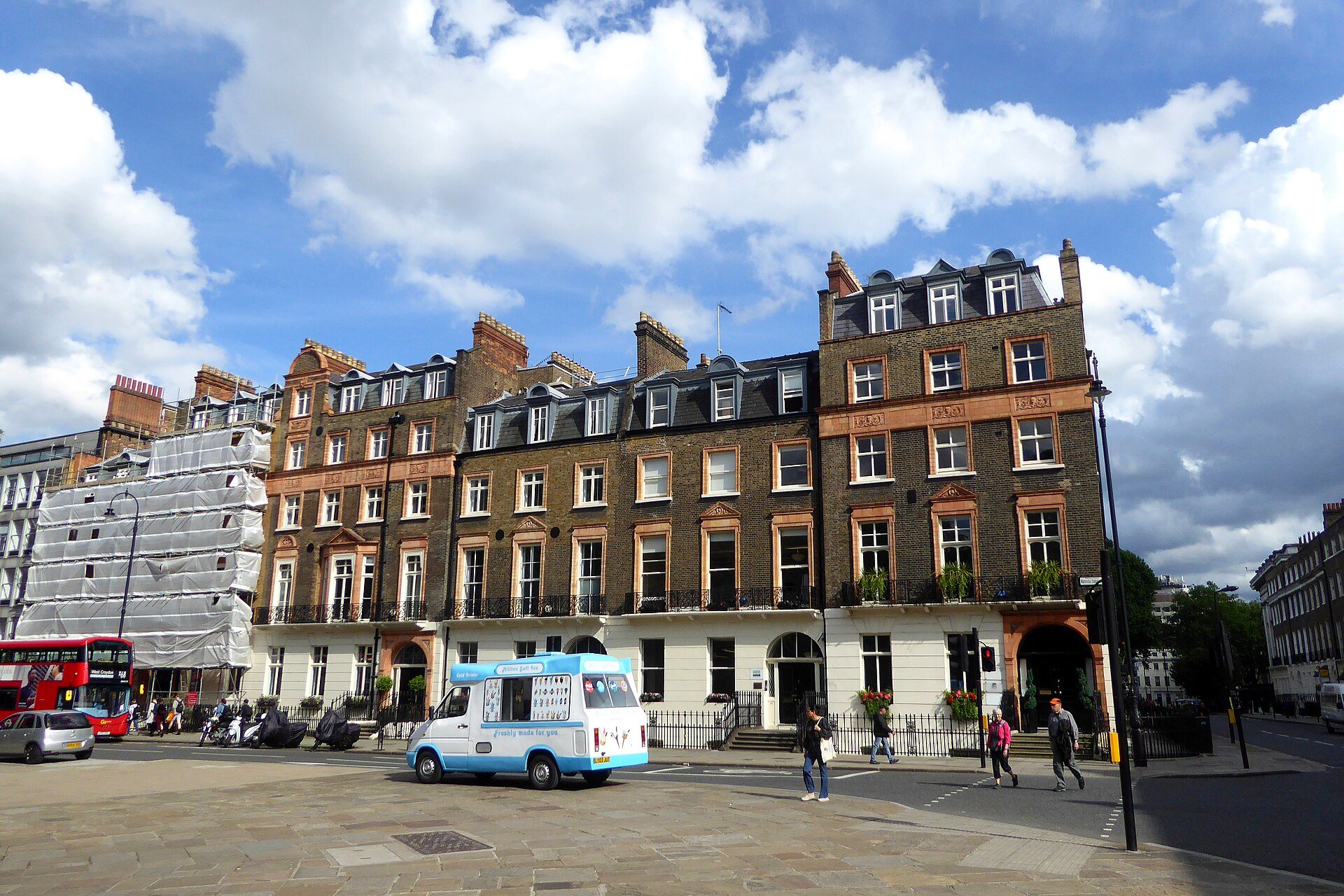
Westminster extends from the river to Oxford Street and holds the Palace of Westminster, Buckingham Palace, Westminster Abbey and Trafalgar Square, along with much of the theatre district. It is the most convenient base for a first visit, since the main sights are within walking distance. The streets are quiet after the offices close, and restaurants are fewer near Parliament than in the West End.
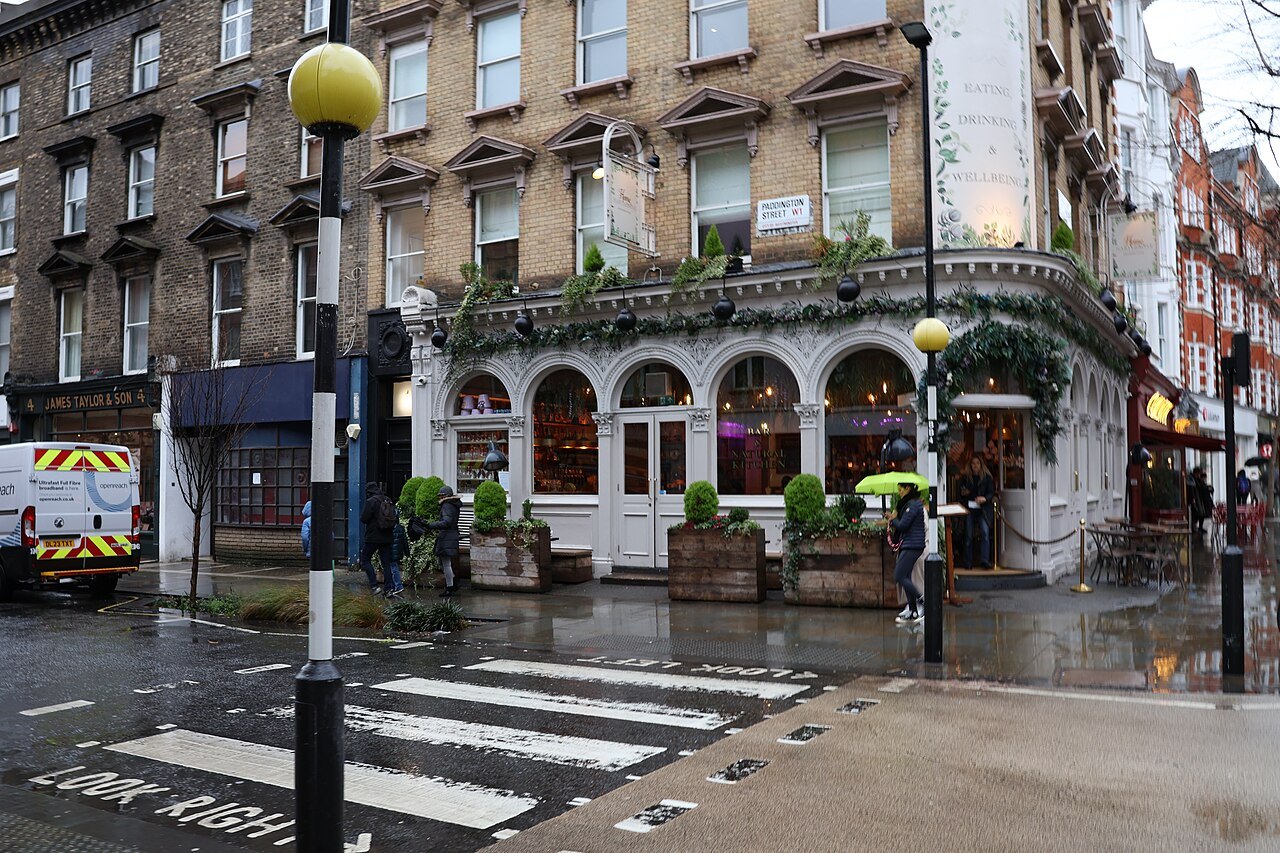
Soho and Covent Garden are the opposite. Soho has been an entertainment district since the nineteenth century, with restaurants, bars and theatres, and Old Compton Street is the center of London's best-known gay village. Rooms here are small and the streets are busy late, so light sleepers should ask for a quiet room at the back.
Bloomsbury, the City and the south bank
Bloomsbury is a district of garden squares, university colleges and publishers, with the British Museum at its heart. It is calm in the evening, close to King's Cross, St Pancras and Euston for trains, and within walking distance of Covent Garden. It suits visitors who value quiet streets and good transport.
The City of London, the historic Square Mile, is where the Romans founded Londinium, and it holds St Paul's and the Tower close by. It is a financial district, busy on weekdays and empty on weekends, when hotel rates often fall. Across the river, Southwark and the South Bank are the oldest part of south London, with Borough Market, Tate Modern and the river walk on the doorstep.
South Kensington and the west
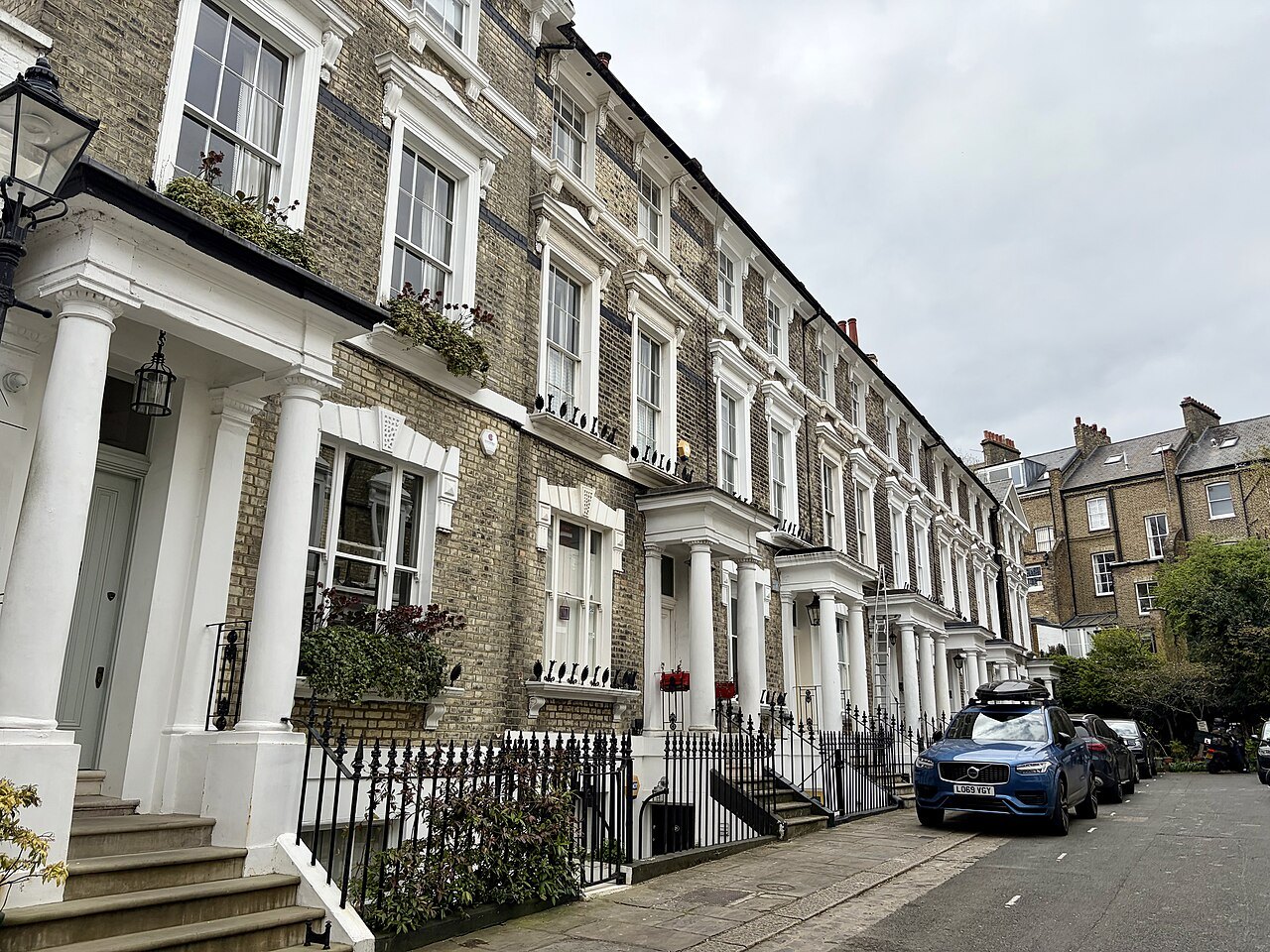
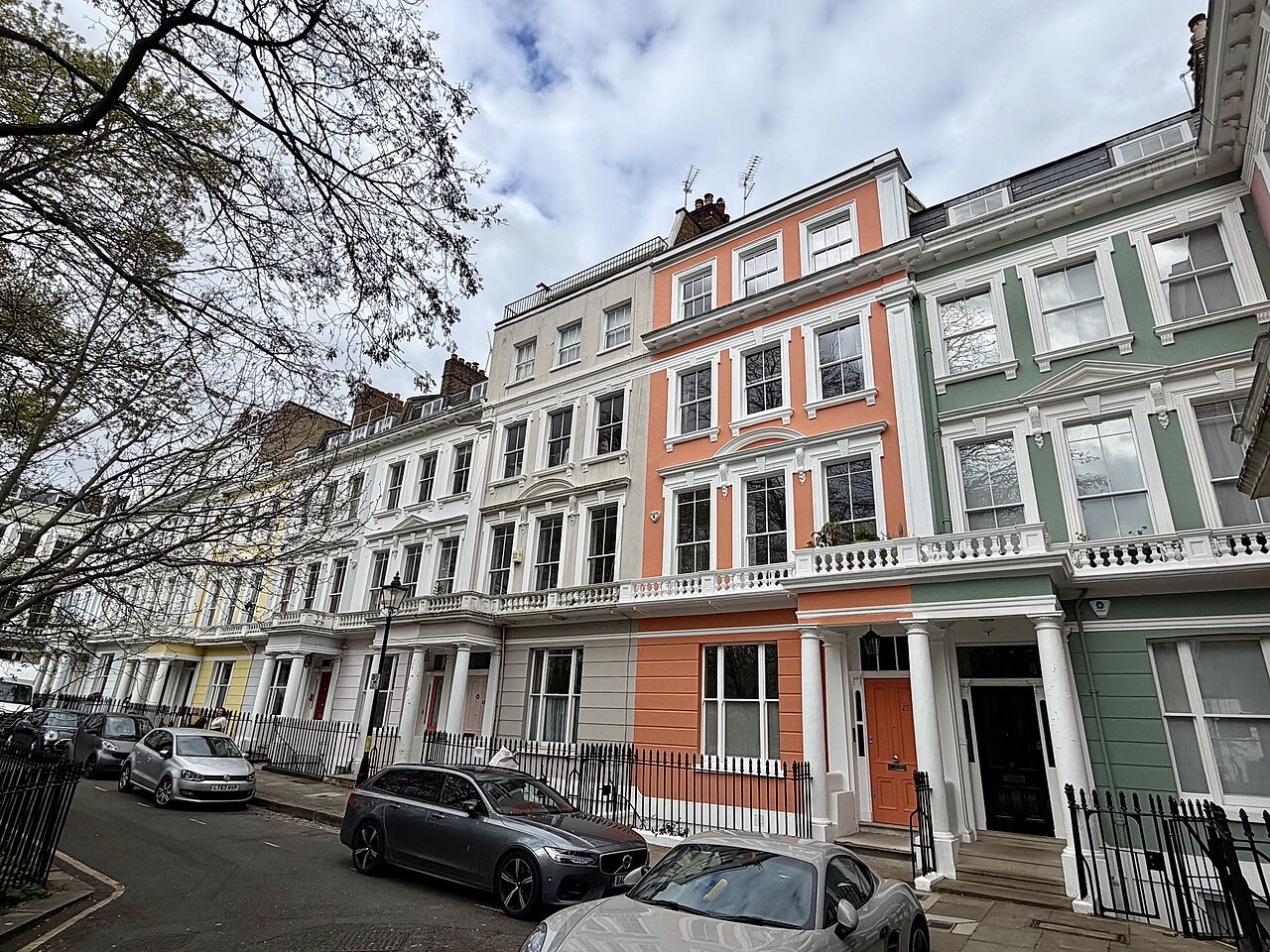
South Kensington is the district of the great museums, the Natural History Museum and the V&A, and it is a few minutes from Hyde Park. The streets are lined with white stucco terraces, and the area suits families, since the museums are free and the parks are close. It has fewer late-night options than the center.
Further west, Notting Hill is a cosmopolitan area known for the Portobello Road Market and the carnival at the end of August, and it has become an affluent and fashionable neighborhood. It is a pleasant base on a longer stay but is farther from the main sights, and rooms are costly.
Greenwich and the outer areas
Greenwich is a good base for a longer stay, with a village feel, a market, the park and good transport to the center. It is a long way from the West End, about half an hour by train, but the boat to Westminster is a pleasure in itself.
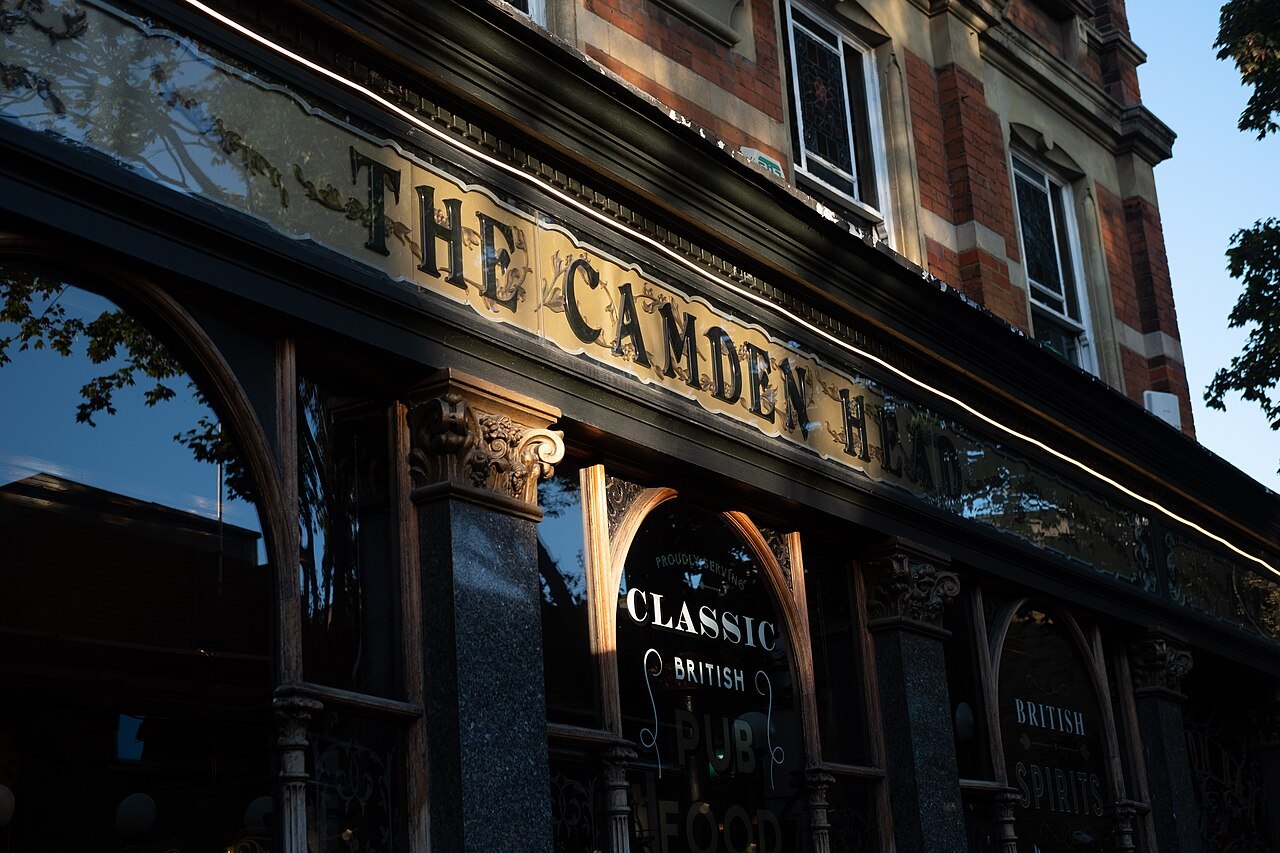
Camden Town, to the north, is known for its street markets and music venues, and it suits younger visitors. The outer areas along the Elizabeth line, the Piccadilly line and the Overground are cheaper, and the trains run late. Choose a hotel within a few minutes of a station on a line that reaches the center quickly.
Reading the map
The Thames makes the first division. North of the river lie Westminster, the West End, Bloomsbury and the City, with the densest hotels and the most evening life. South of it, the South Bank and Southwark are quieter but walkable, and the river path ties them to the north bank by its bridges.
The second division is the Underground. The Piccadilly, Jubilee, Northern and Central lines run through the center and make the trunk of the network, and a hotel within five minutes of one of these stations is easy to live in. The Elizabeth line now connects Heathrow, Paddington, the West End, the City and the east, which makes stations such as Paddington and Liverpool Street good arrival bases.
A third consideration is the noise. Streets near Soho and Camden are loud late at night, while Bloomsbury squares and the quieter side streets of South Kensington are calm. Check the street, not just the district, and ask the hotel which side of the building the quiet rooms face. A room above a bar or a late-night street can undo the best location. Light sleepers should also ask about air-conditioning and double glazing, which are not universal in older buildings, and pack earplugs as a cheap insurance.
Staying for a week or more
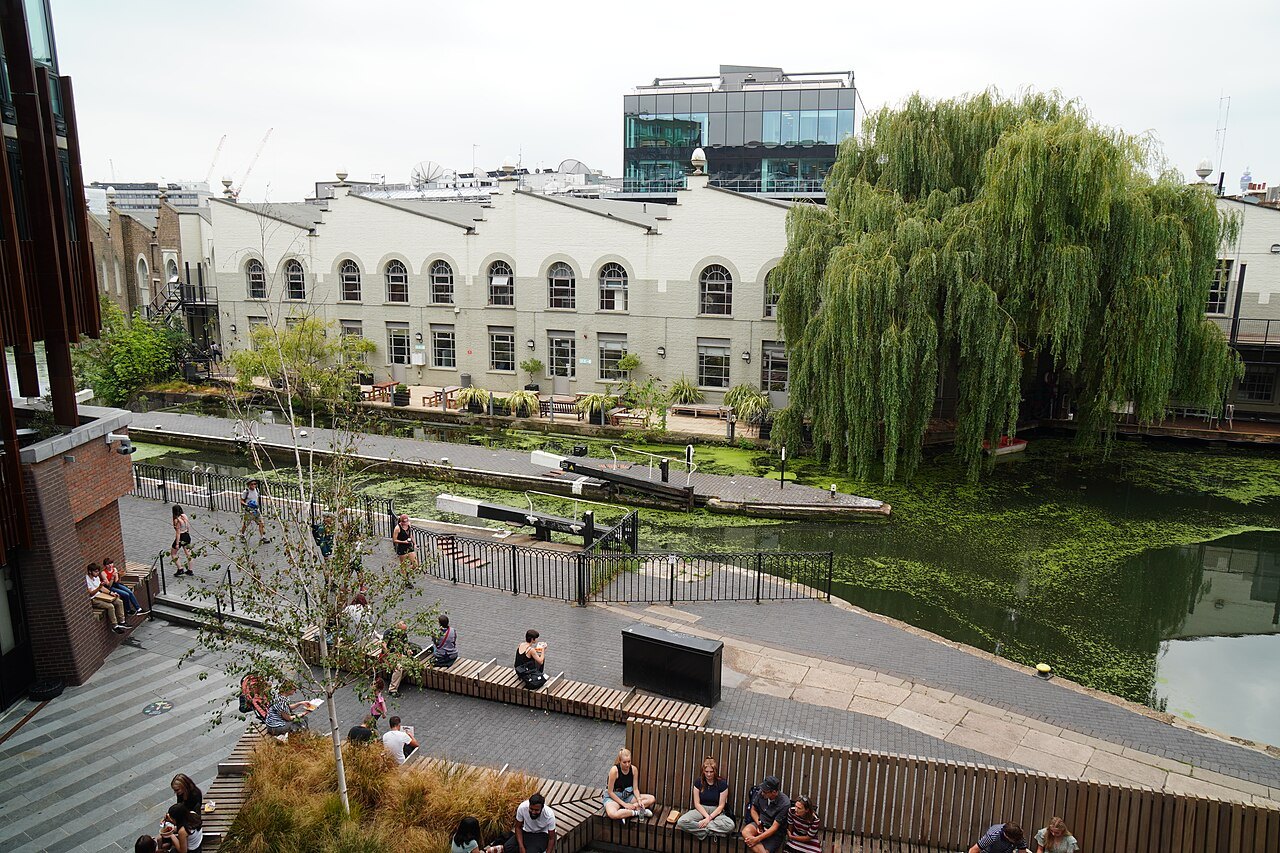
A longer stay changes the calculation. A flat or aparthotel with a kitchen can save money on food and give some space, and neighborhoods with a market and a supermarket nearby suit that, such as Southwark or Bloomsbury. Greenwich and the western suburbs along the Elizabeth line offer a calmer base and a village feel at lower prices.
Being near a good Underground interchange, such as King's Cross, Victoria or Waterloo, cuts journey times across a week, and hotels near those stations are often worth a small premium.
Practical advice on rooms
Book early for summer, for the weeks around Christmas and during big events, when prices rise sharply. Rooms in London are smaller than in many countries, and air-conditioning is not universal, so check that it is included if you visit in July or August. Many hotels charge extra for breakfast.
A few sensible questions help: how far is the nearest station, is there a lift, and how noisy is the street. Reading recent guest reviews for the room type is more useful than the star rating. For getting from the airports to your district, see Getting Here, and for the next step on foot or by train, Getting Around.
More photographs
Seen on the way
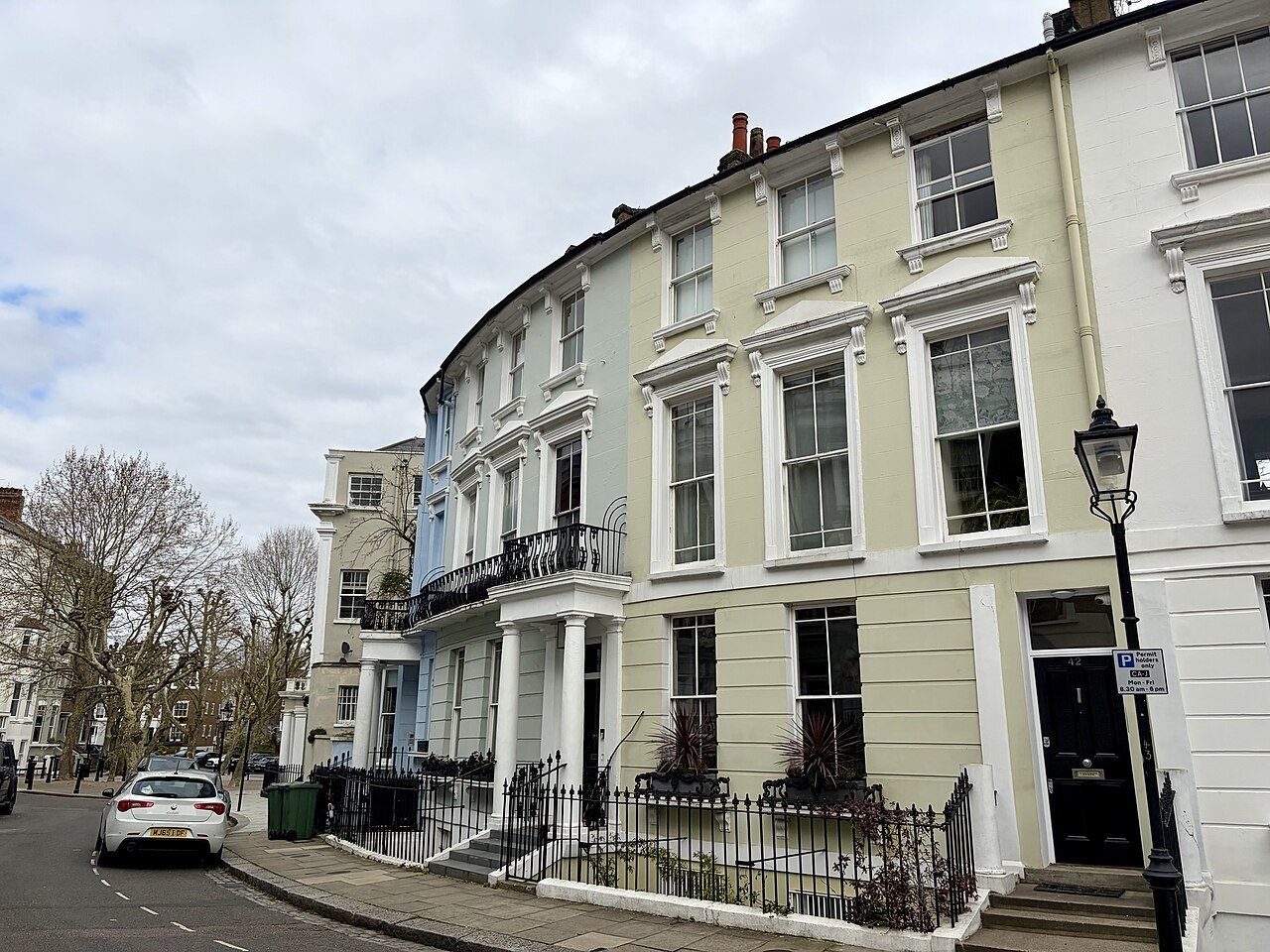
A curved terrace of cream stucco houses on a corner in Primrose HillNo Swan So Fine, Wikimedia Commons, CC BY-SA 4.0 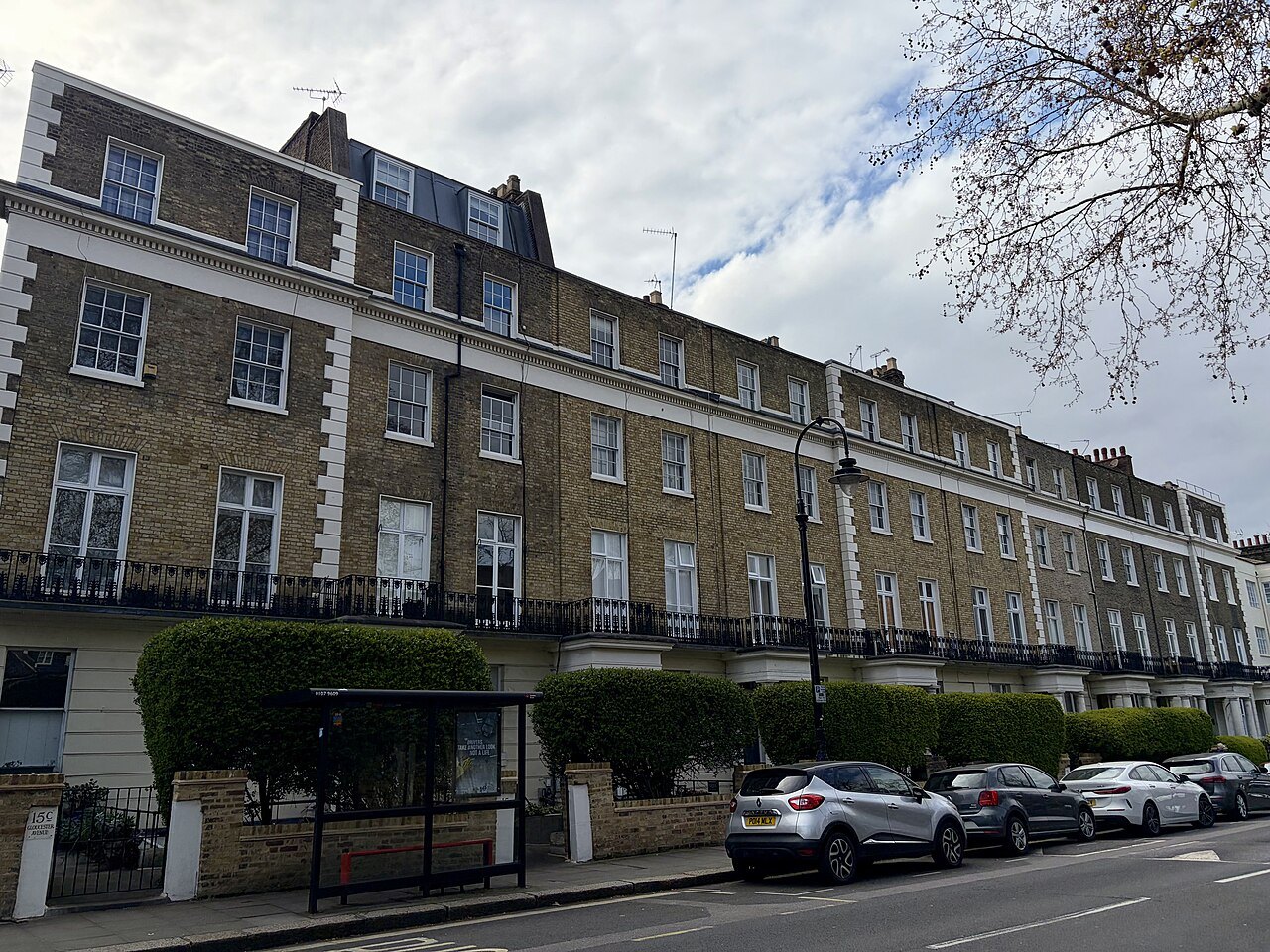
A long terrace of brick houses with railings and a bus stop in Primrose HillNo Swan So Fine, Wikimedia Commons, CC BY-SA 4.0 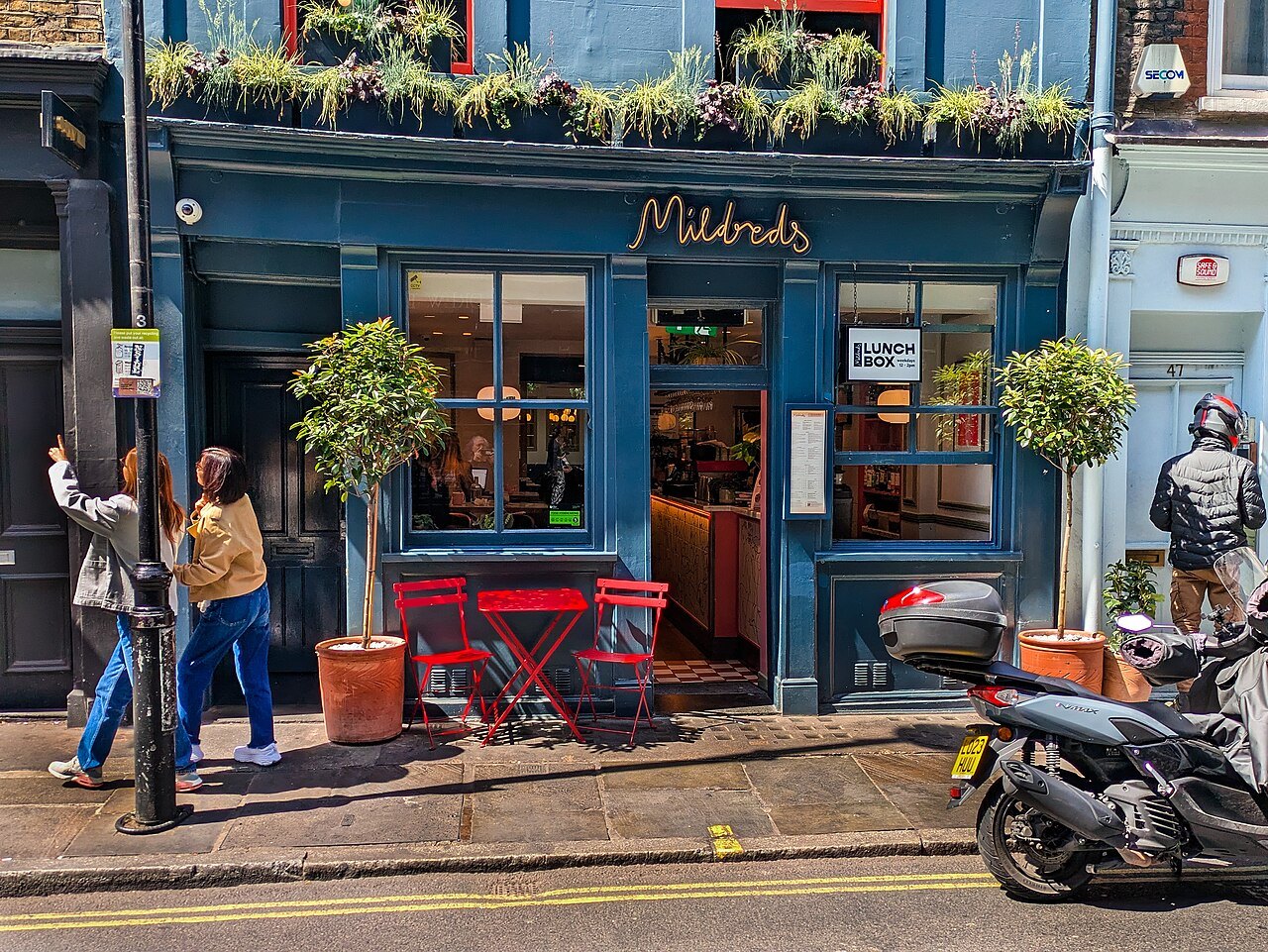
The blue front of a cafe in Soho with red chairs and plants above the window, and people passing on the pavementMitch Altman, Wikimedia Commons, CC BY-SA 2.0