Which London museums are free?
THE NATIONAL COLLECTIONS, THE CHARGES AND THE EXCEPTIONS
The national museums of the UK charge nothing for their permanent collections. Which London museums that covers, what still costs money, why timed slots appear, and a few tips for visiting the free ones well.
Read on
The answer in full
The general rule
Like all UK national museums, the great collections of London charge no admission fee for their permanent displays. That covers the British Museum, the National Gallery, Tate Modern, the Victoria and Albert Museum and the Natural History Museum, which together hold some of the richest collections in the world. You can walk in, look at what you like, and leave without paying.
The free entry is a matter of national policy, and it means that a visit to London can include several of the best museums on earth at no cost for admission. The exceptions are special exhibitions, which charge, and a small number of places that are not national collections.
What is free
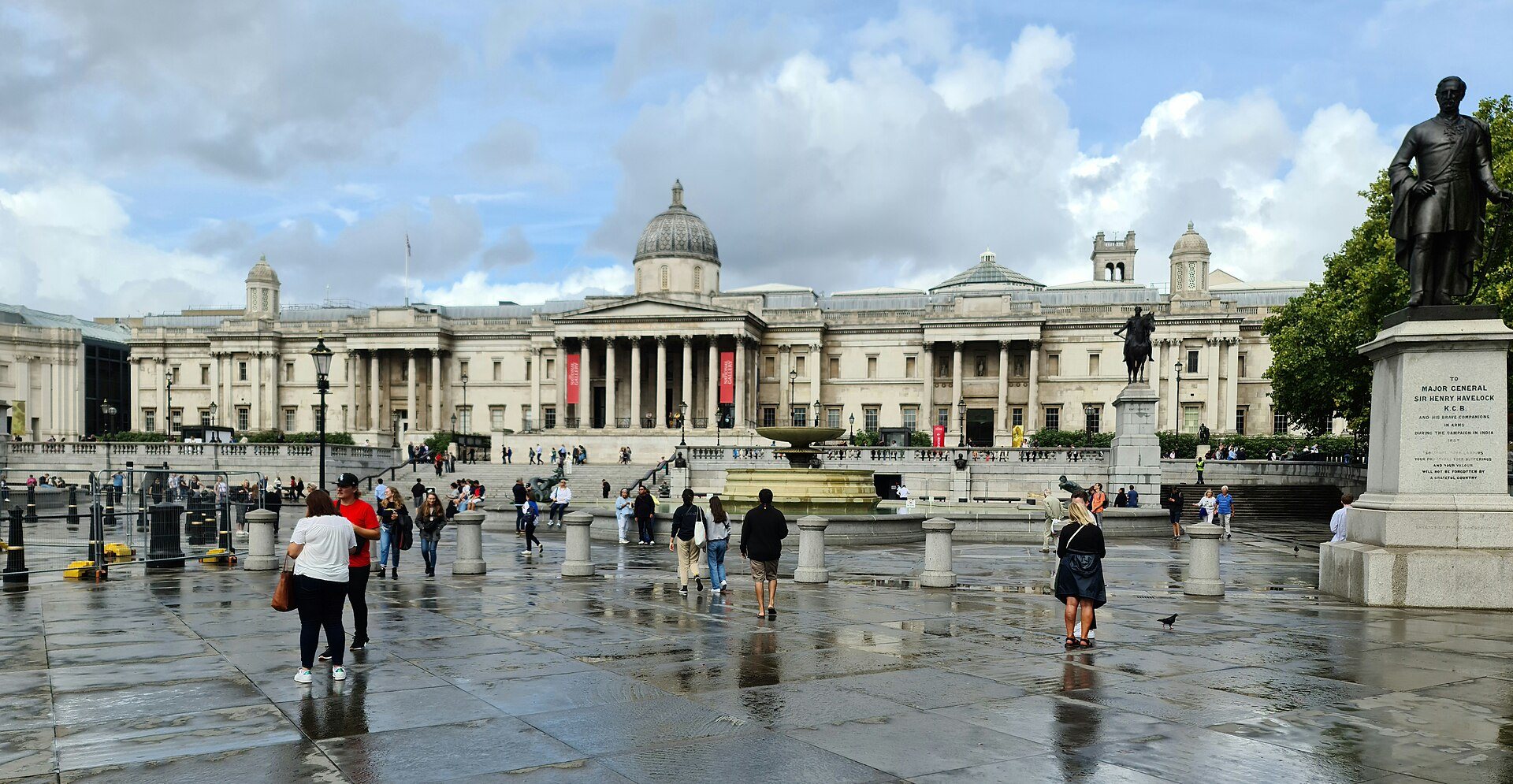
The British Museum in Bloomsbury holds some eight million objects and charges no fee except for loan exhibitions. The National Gallery on Trafalgar Square has more than 2,300 paintings and is free for the main collection. Tate Modern charges nothing for its collection displays, which take up most of the space.
In South Kensington, the V&A and the Natural History Museum are both free, along with the Science Museum next door. Together the three form a cluster that can fill a whole day for a family with no admission cost.
What costs money
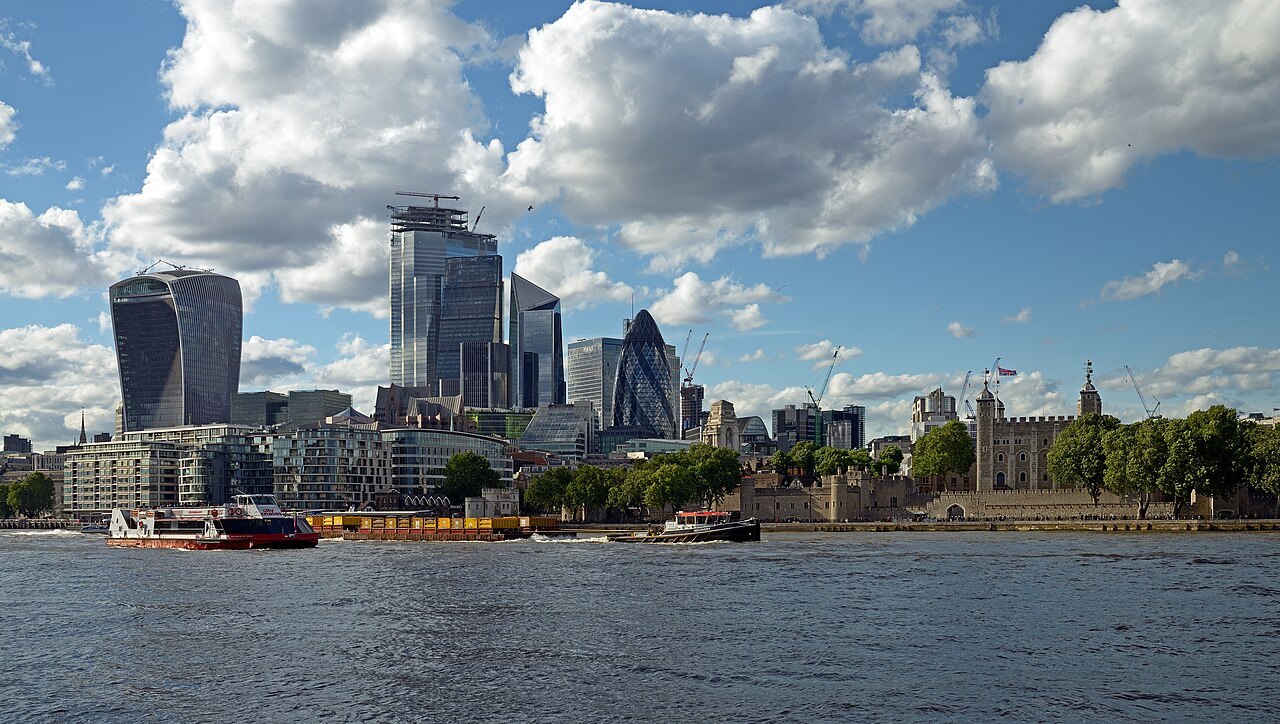
Several well-known places charge for entry. The Tower of London, the royal palaces run by Historic Royal Palaces, the State Rooms at Buckingham Palace and the climb at St Paul's all have admission fees, as do the London Eye and the Shard's viewing gallery. Westminster Abbey charges visitors, though worshippers do not pay.
Special exhibitions at the free museums are also ticketed, and the popular ones sell out. A free museum is not a free outing if the show you want is a paid one, so check the exhibition programme before you plan the day.
Why there are timed slots
On busy days a free museum may ask you to take a timed entry slot, which is also free. The reason is crowd control: the galleries are old buildings with limited space, and a rush at weekends or in school holidays can make a visit unpleasant. The slots are a way of spreading the load across the day.
The practical advice is to look at the museum's own website before you go, take a slot if one is offered, and arrive a little early. Weekday mornings are generally calmer than weekend afternoons, and the last hour before closing is often quiet.
Tips for visiting well
Free entry removes the pressure to see everything, so use it. Choose two or three galleries and see them properly, then leave and come back another day if you can. The museums are large, and trying to cover them in a single visit is the most common mistake. A free museum is also a good shelter on a wet afternoon and a good place to rest between sights.
Many of the museums ask for donations at the door, and a contribution is welcome but not required. Cloakrooms may be limited, and large bags can be refused at the door, so travel light. Cafes and shops in the museums are not free, but there are benches and quiet corners.
Other free museums
The national museums are not the only free ones. The Science Museum in South Kensington and the Imperial War Museum in Lambeth are national collections that charge nothing for their main displays. The National Portrait Gallery, behind the National Gallery, and Tate Britain, on the river at Millbank, are also free. Several smaller museums and houses, such as Sir John Soane's Museum, the Wallace Collection and the Horniman, charge no admission either.
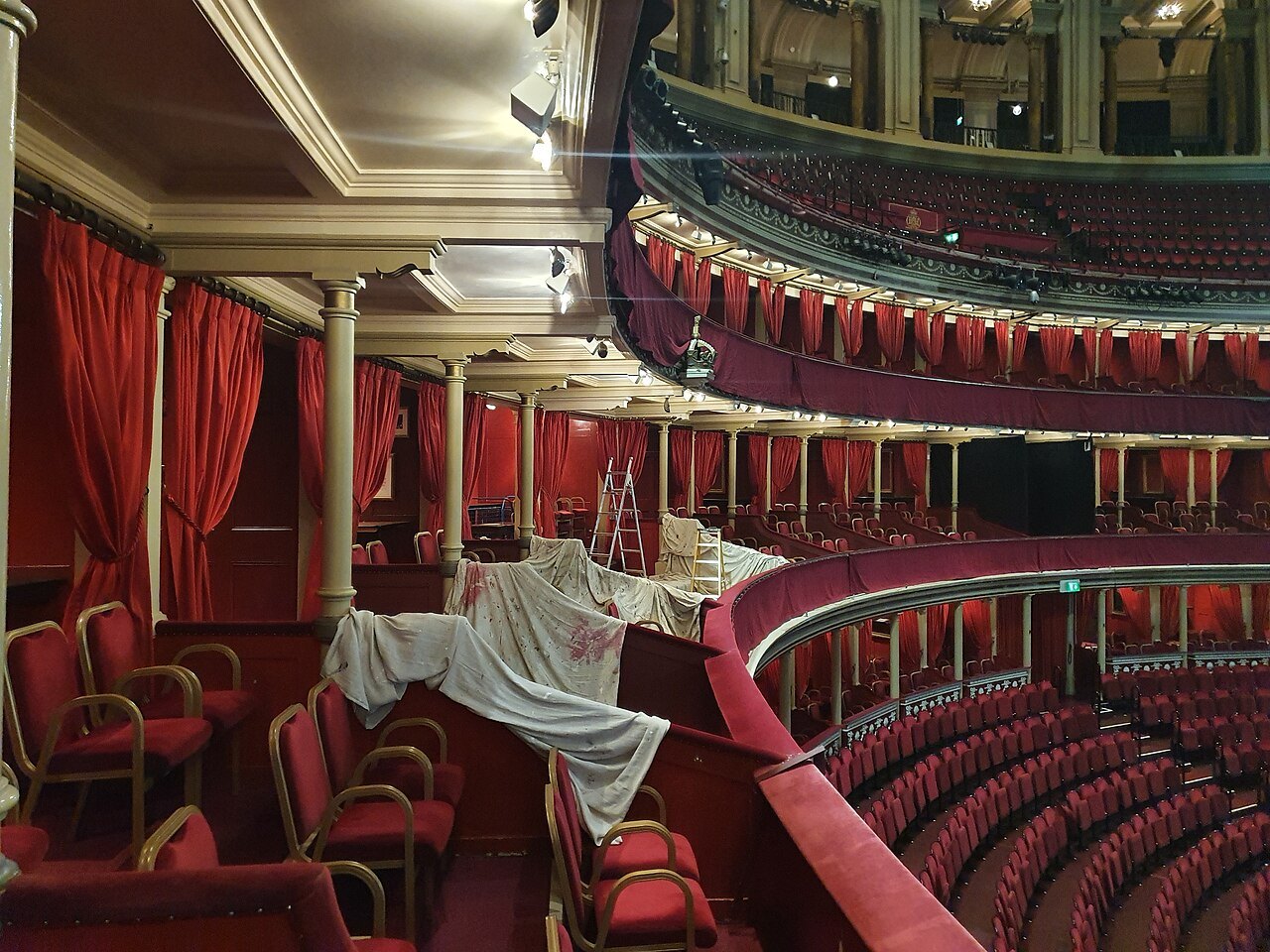
Small free museums often reward the visitor most, because they are quiet. Check each one's own site for current arrangements, as some have changed their rules over the years, and some ask for booking on busy days or for a donation.
What free entry does not cover
Free admission does not cover everything inside a museum. Audio guides, guided tours, cloakrooms, workshops and some family activities may charge. Cafes and shops are commercial, and a large lunch at a museum cafe can cost more than you expect. A packed lunch on a bench in a nearby square is a traditional answer.
Special exhibitions are the biggest extra. They are often the most talked-about part of a museum's year, and tickets can be bought in advance or at the door, depending on the museum. If you have your heart set on one, book it first and plan the free visit around it.
How the free arrangement began
Free entry has not always been the rule. The British Museum was founded in 1753 as the first national museum open to the public, belonging to neither church nor king, and it admitted visitors without charge from the start, although at first by application. The National Gallery, founded in 1824, has been free in the same spirit, and the Victorian museums of South Kensington were created to educate the public.
Charges were introduced at some museums in the late twentieth century and then removed again in 2001, and since then free admission to the permanent collections has been the practice at the national museums. It is a policy that governments can change, which is another reason to check the museum's own site before you go.
The principle behind it is the one that founded the first of them: that a nation's collections belong to its people, and anyone who comes through the door, from a schoolchild to a visitor from abroad, is welcome to look. It is also why the museums are staffed and funded as public institutions, and why they sit at the heart of the city's tourism and its sense of itself.
Planning a free day
A fully free day could begin at the British Museum in the morning, walk south to Trafalgar Square for the National Gallery after lunch, and finish with a walk along the river to Tate Modern. Another day could be spent in South Kensington with the V&A and the Natural History Museum, followed by Hyde Park.
The full list of which sights need tickets and which do not is in Booking Ahead, and the routes that combine them are in Itineraries.
More from the journal
Read next
- Getting HereHow do you get from Heathrow to central London?Heathrow is 14 miles west of central London and has three rail routes into the city, plus coaches, buses and taxis. What each one is, where it stops, which terminal station to use, and how to choose.Read the piece →
- Where to StayWhat is the difference between the City of London and Greater London?The City of London is a tiny ancient area of about a square mile; Greater London is the metropolis of 33 districts and more than nine million people. How they differ, who governs each, and why visitors need to know.Read the piece →
- Tower BridgeHow do you tell Tower Bridge from London Bridge and the Tower of London?The Tower of London is a fortress, Tower Bridge is the Victorian bridge with two towers beside it, and London Bridge is a plain bridge half a mile upstream. How to tell them apart, and the story of the American who bought the wrong bridge.Read the piece →