How do you get from Heathrow to central London?
THE ELIZABETH LINE, THE HEATHROW EXPRESS AND THE PICCADILLY LINE
Heathrow is 14 miles west of central London and has three rail routes into the city, plus coaches, buses and taxis. What each one is, where it stops, which terminal station to use, and how to choose.
Read on
The answer in full
The airport
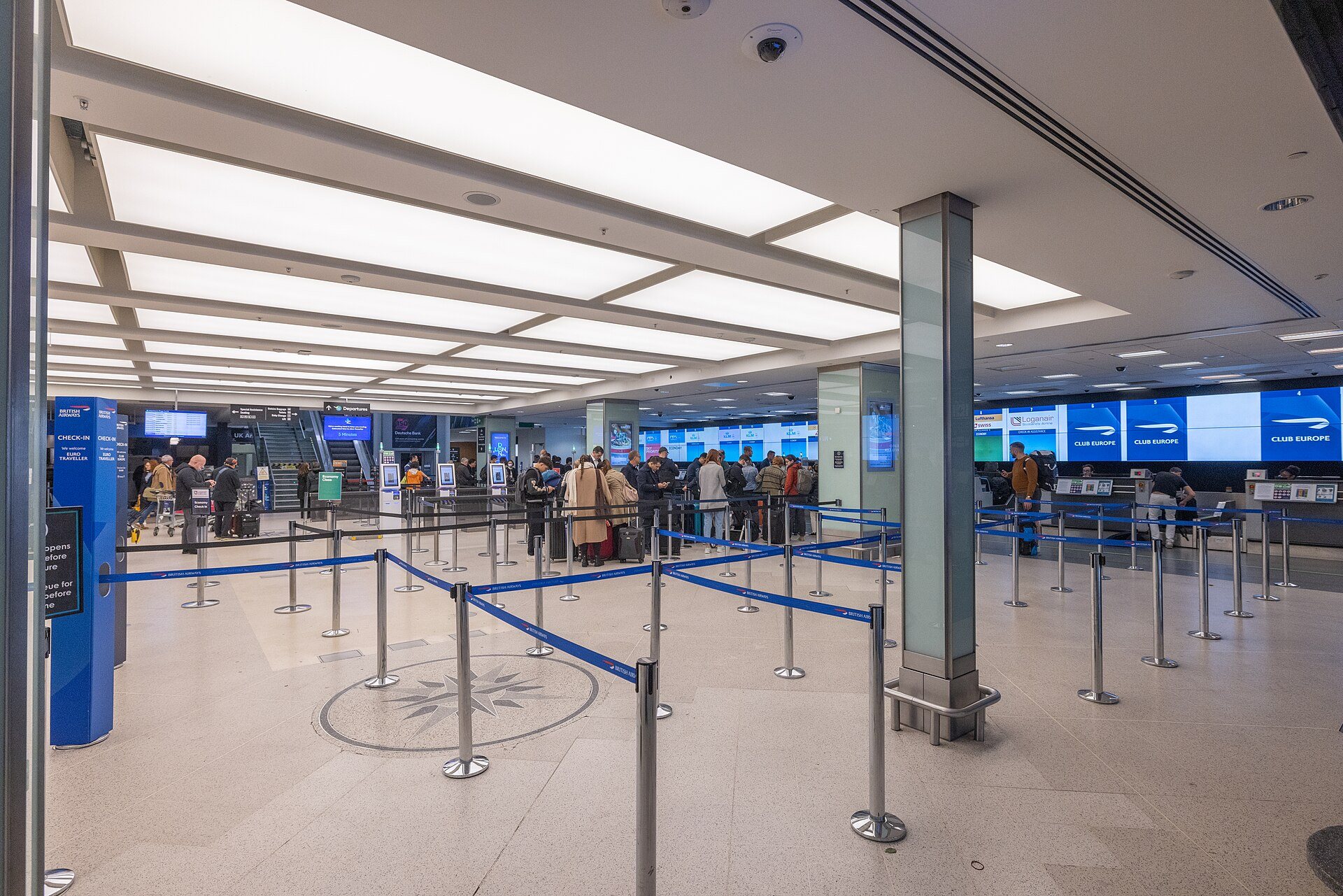
London Heathrow is the largest of London's six international airports and the busiest in Europe by passenger numbers. It lies 14 miles west of central London, has two parallel runways and four passenger terminals numbered 2 to 5, and is the main hub of British Airways and Virgin Atlantic. Most long-haul visitors arrive here.
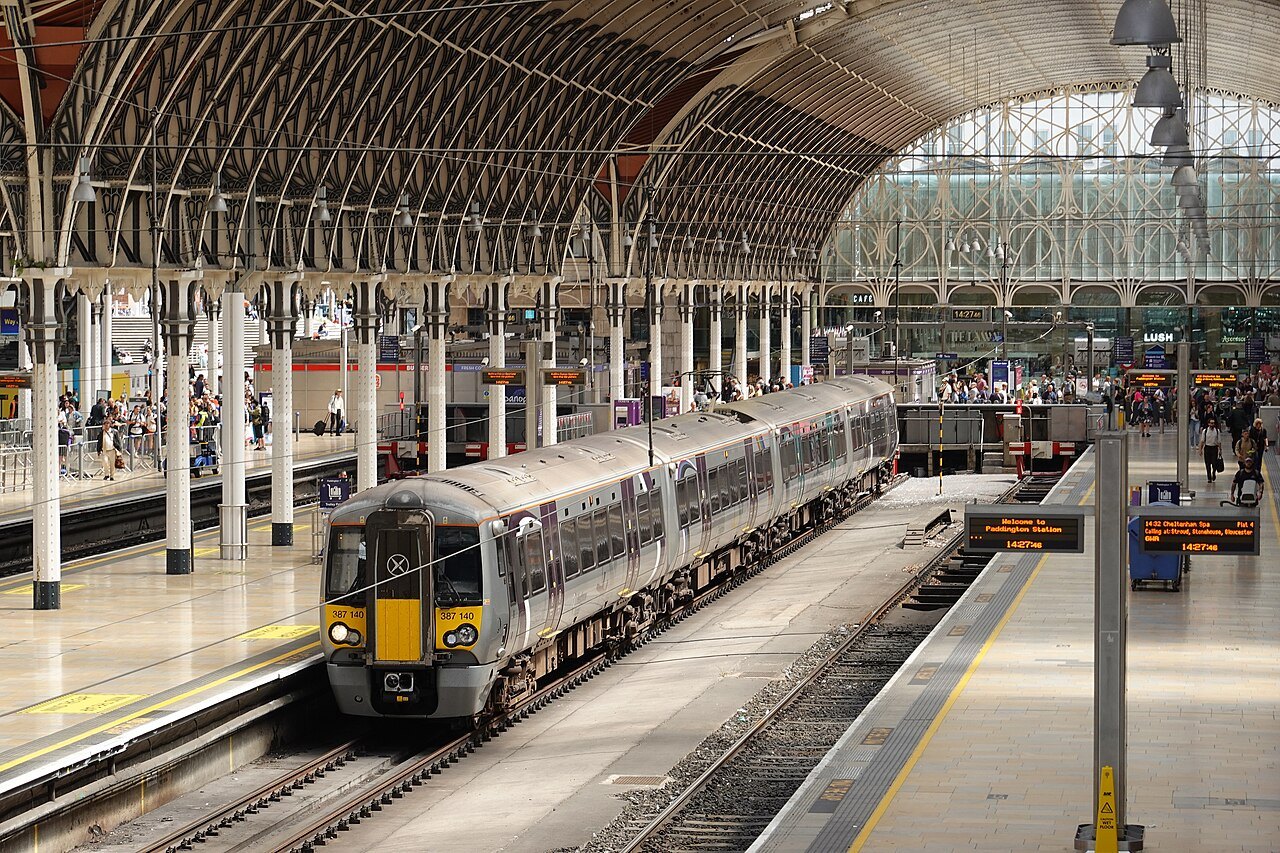
Three railway services link it to the center, and they differ in speed, cost and where they take you. Coaches, buses and taxis make up the rest. This article takes each in turn and ends with a simple way to choose.
The Elizabeth line
The Elizabeth line is the newest route. It opened in 2022 and runs from Heathrow through central London, with stops at Paddington, Bond Street, Tottenham Court Road, Farringdon, Liverpool Street, Whitechapel and Canary Wharf, continuing east. It was named for Queen Elizabeth II, who opened it in May 2022. The trains are long, air-conditioned and step-free, and the stations in the center are deep, with long escalators.
A premium fare applies to journeys to and from Heathrow on this line, in line with the Heathrow Connect service it replaced. The line is operated for Transport for London, but it counts as a separate service and not as part of the Underground, and an Oyster card does not work for journeys to stations beyond the London fare zones. For a traveler heading to the West End, Soho or the City, it is usually the best choice, since it avoids a change.
The Heathrow Express
The Heathrow Express is the fastest. It runs non-stop between the airport and Paddington, and it is operated separately from Transport for London on an open-access basis. It suits travelers who are going to Paddington itself or who want the shortest time, and it costs more than the other rail options.
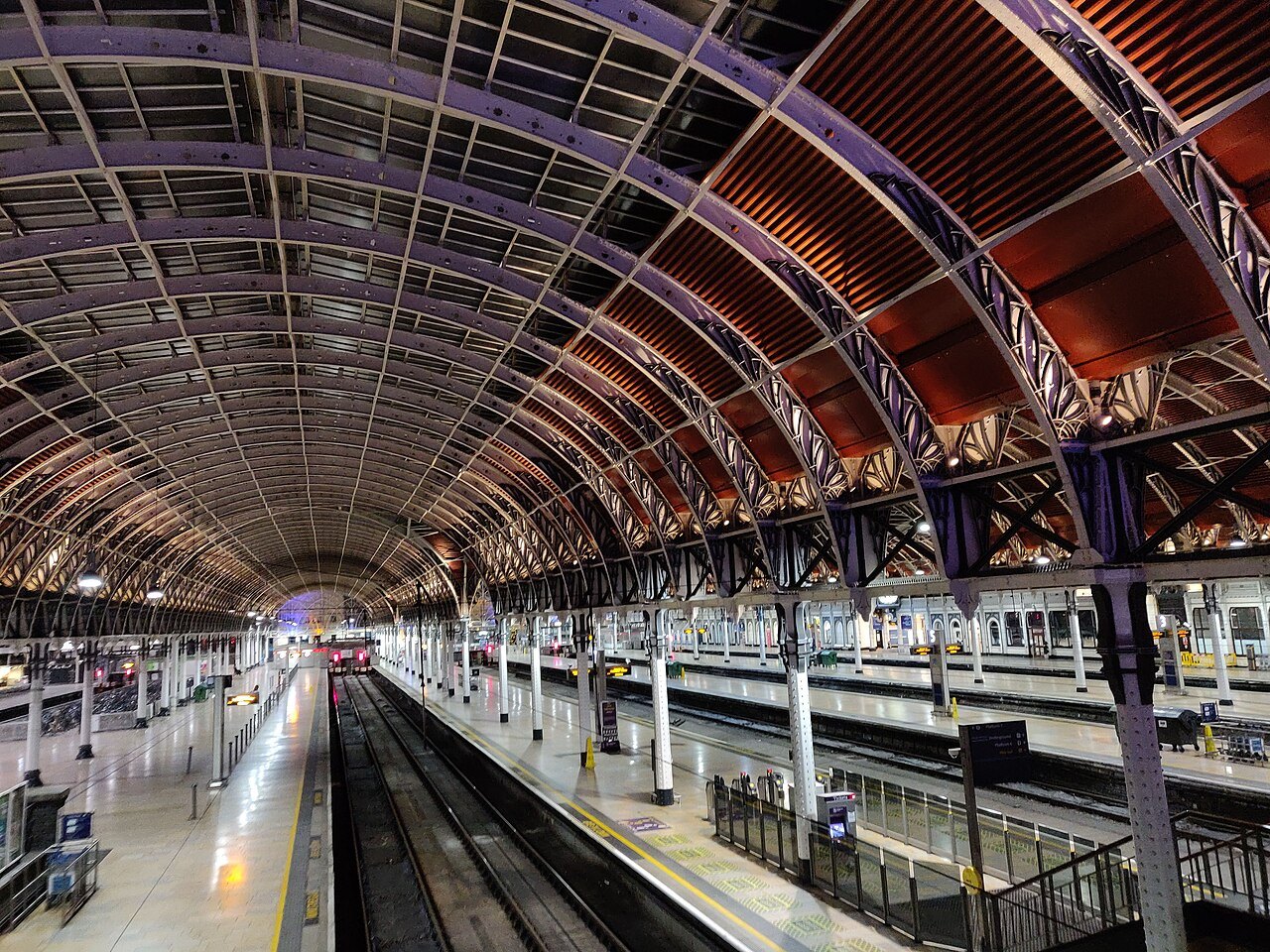
From Paddington you can continue by the Underground, by taxi or on the Elizabeth line, which serves the same station, so the choice between the two trains is mainly a question of price and whether you want the extra stops.
The Piccadilly line
The Piccadilly line of the Underground is the slowest and the cheapest, and it is the only route that runs on the ordinary Underground fares. It runs from Heathrow through west London and Kensington, to South Kensington, Knightsbridge, Hyde Park Corner, Green Park, Piccadilly Circus, Leicester Square and Covent Garden, and on north.
For a hotel in South Kensington, Knightsbridge or around Covent Garden, the Piccadilly line takes you to the door without a change, which can make up for the longer journey. It is also the best choice if you are carrying a lot of luggage and want to avoid stairs, as many stations have lifts. It does not run all night, so check the last train.
Coaches, buses and taxis
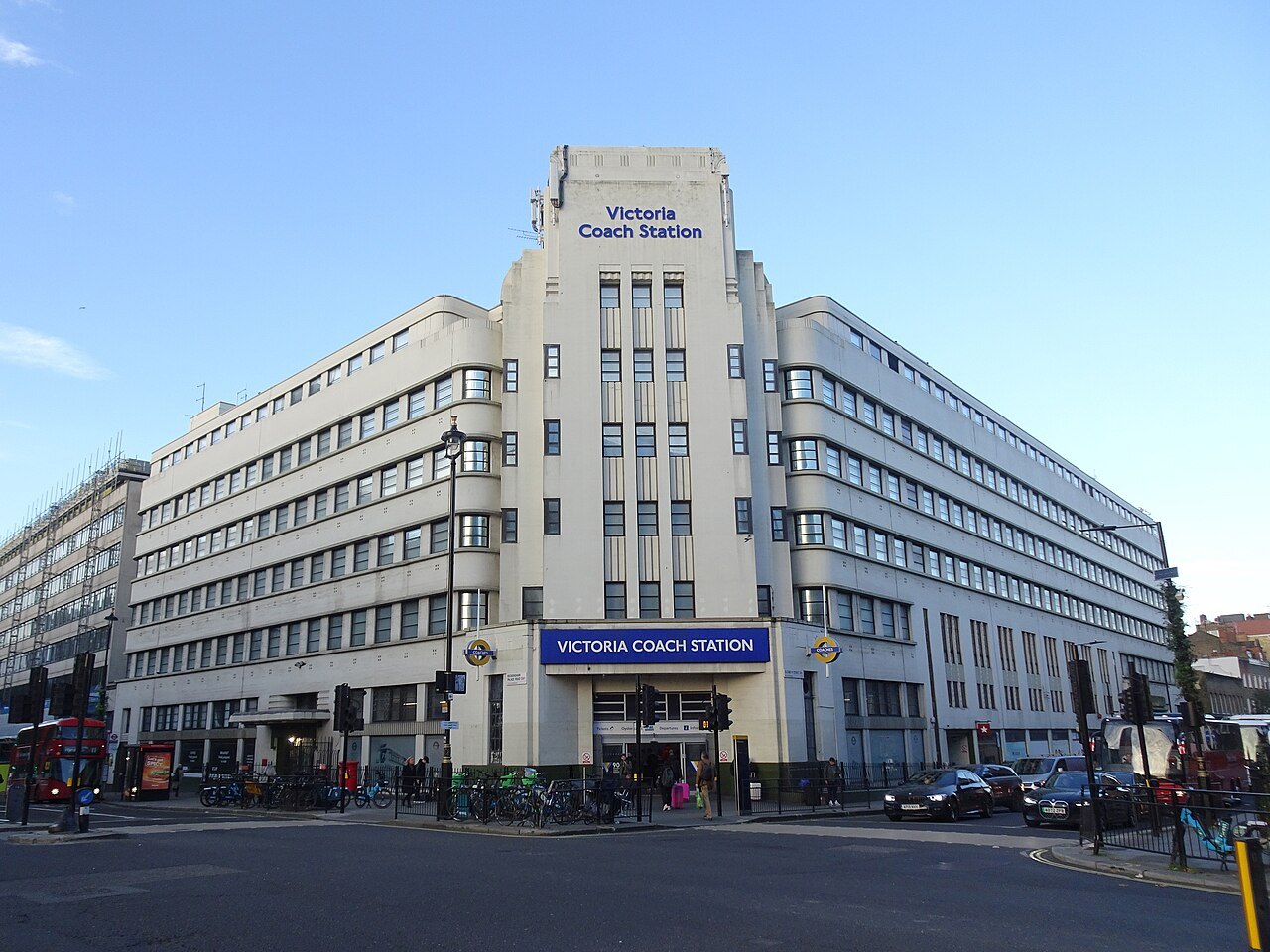
Long-distance and airport coaches run from Heathrow to Victoria Coach Station and other stops, and they are often cheapest for a group. Night buses serve the airport when the trains are not running, and the journey is slow but direct.
Black cabs and licensed taxis wait outside each terminal. A taxi takes the most direct route and goes door to door, which is worth considering for a family with heavy luggage or a late arrival, but the fare rises with traffic and is far higher than the train.
Which to choose
If you are going to the West End, Soho, Bloomsbury or the City, take the Elizabeth line. If you are going to Paddington or want the shortest possible journey, take the Heathrow Express. If you are going to South Kensington, Knightsbridge, Green Park or Covent Garden, or you want the cheapest fare, take the Piccadilly line. If you arrive late at night or with a lot of luggage, consider a taxi or a coach.
Wherever you go, a contactless bank card or an Oyster card works on the Piccadilly line, and the others accept ticket types explained on their own sites. The sections on Getting Around cover the Underground in general, and the airport itself is the starting point of the whole visit.
What the journey is like
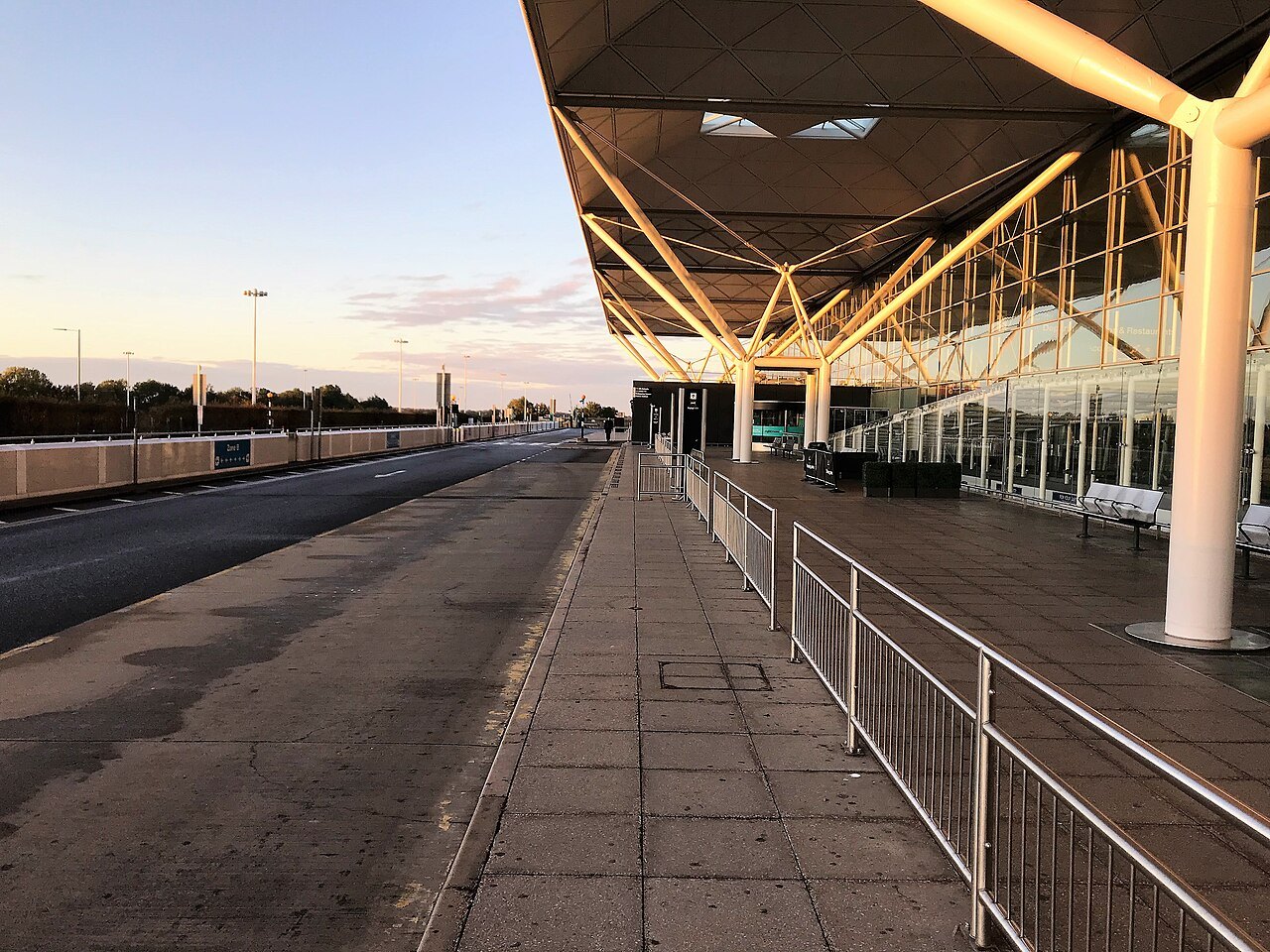
All three rail routes take well under an hour to reach the center, and the difference between the fastest and the slowest is a matter of minutes, not hours. The Elizabeth line and the Heathrow Express use main-line tracks and run at higher speeds than the Underground, and the Piccadilly line stops at many more stations, so it takes longer.
Trains are most crowded on weekday mornings and evenings, when commuters fill the Piccadilly line, and on Sunday afternoons when the weekend flights arrive. Luggage space is limited on the Piccadilly line, while the Elizabeth line and the Express have racks and open floor space. If you travel at peak, expect to stand on the Underground.
Engineering works can change the service at weekends, with replacement buses on some sections, so check the operator's page for the day of travel before you set out.
The Piccadilly line accepts contactless bank cards and Oyster cards at the same fares as the rest of the Underground, with a daily cap, and the gates at Heathrow take them. The Elizabeth line and the Express have their own fares, bought at the station, on the operator's site or in an app, and a premium applies on the Elizabeth line between Heathrow and the center.
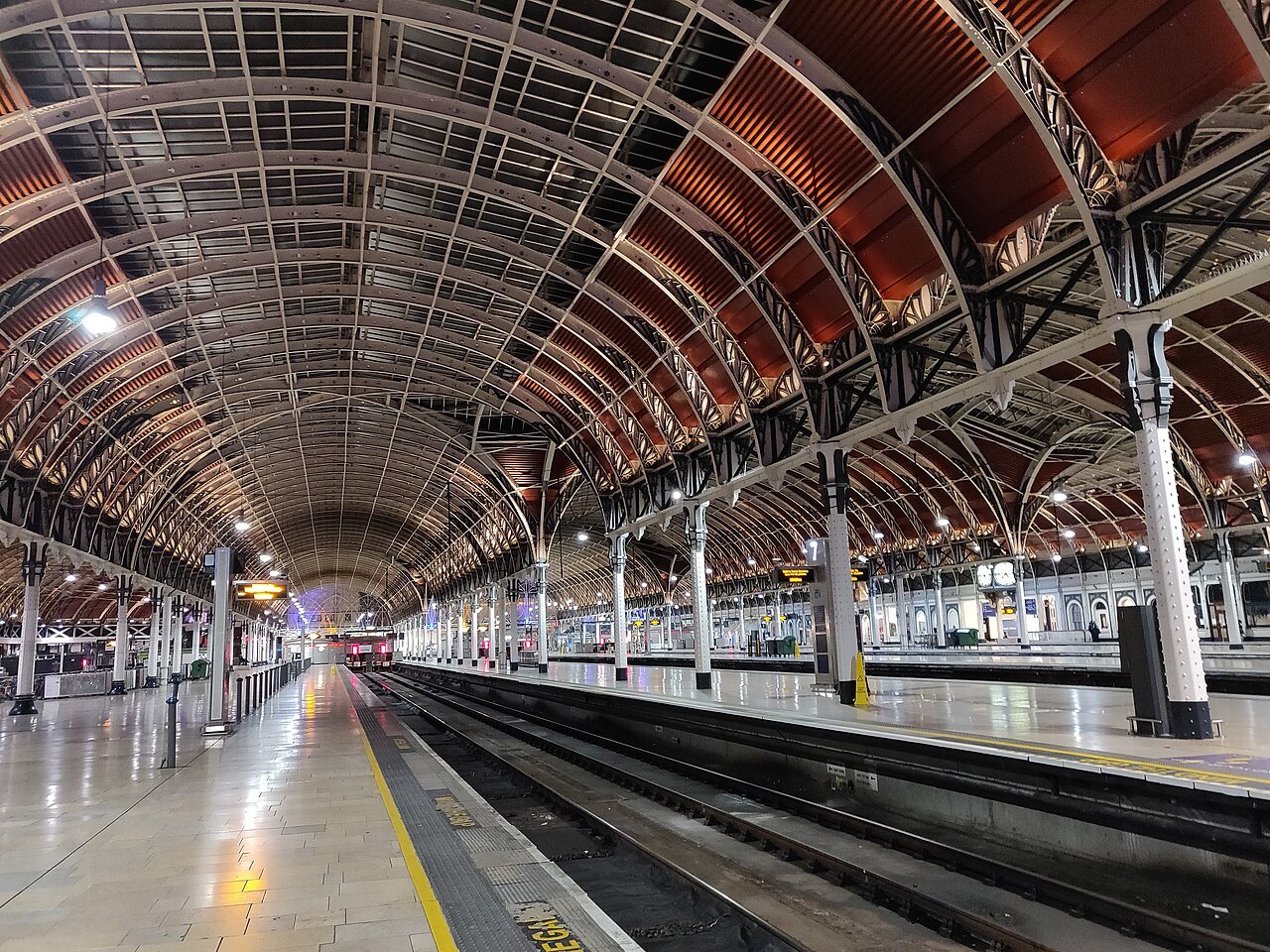
Because fares and ticket rules change, the sensible approach is to look at the operator's own site before you travel, compare the total for your party, and keep the ticket until you have left the station at the other end, since gates require it to exit.
Other airports
Heathrow is only one of six international airports serving London, and the options are different at the others. Gatwick connects by rail to Victoria and to stations on the Thameslink line, Stansted by an express train to Liverpool Street, Luton by a shuttle to a railway station and Thameslink trains, and London City by the Docklands Light Railway. They are described in Getting Here.
If you have a choice of airport when you book a flight, compare the cost of reaching the center as well as the fare, since a cheaper flight to a farther airport can cost more in the end.
At the airport end
Terminals 2 and 3 share a station, Terminal 4 has its own station, and Terminal 5 has another, so check which terminal you will arrive at and follow the signs to the rail station. The stations are close to the arrival halls, and the walk is short with level access. Passport control and baggage collection come first, and on a busy morning they can take an hour, so do not book a train in advance without leaving time for them.
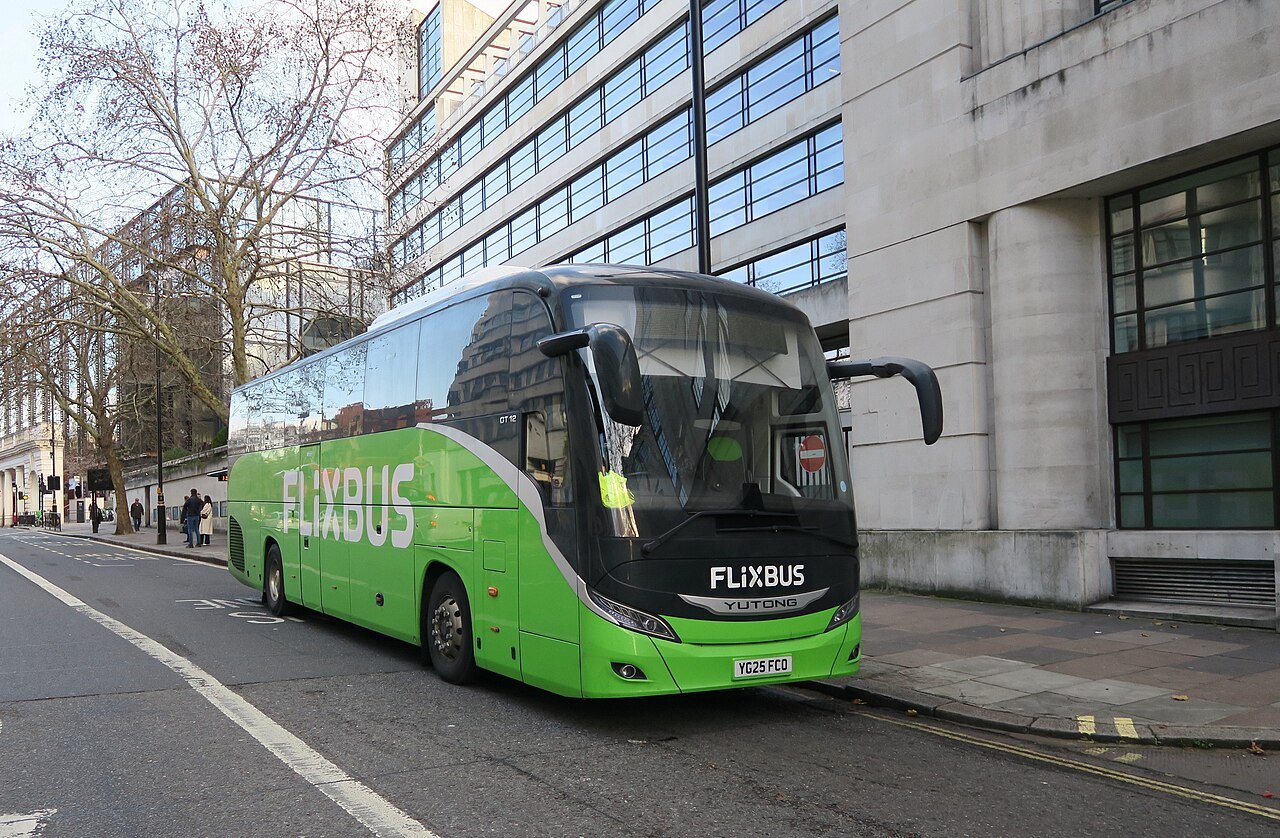
If you are connecting between terminals, free transfer trains and walkways link them, and you do not have to leave the secure area. Left-luggage services at the terminals are an option if you arrive hours before your hotel room is ready.
More from the journal
Read next
- Booking AheadWhich London museums are free?The national museums of the UK charge nothing for their permanent collections. Which London museums that covers, what still costs money, why timed slots appear, and a few tips for visiting the free ones well.Read the piece →
- Where to StayWhat is the difference between the City of London and Greater London?The City of London is a tiny ancient area of about a square mile; Greater London is the metropolis of 33 districts and more than nine million people. How they differ, who governs each, and why visitors need to know.Read the piece →
- Tower BridgeHow do you tell Tower Bridge from London Bridge and the Tower of London?The Tower of London is a fortress, Tower Bridge is the Victorian bridge with two towers beside it, and London Bridge is a plain bridge half a mile upstream. How to tell them apart, and the story of the American who bought the wrong bridge.Read the piece →