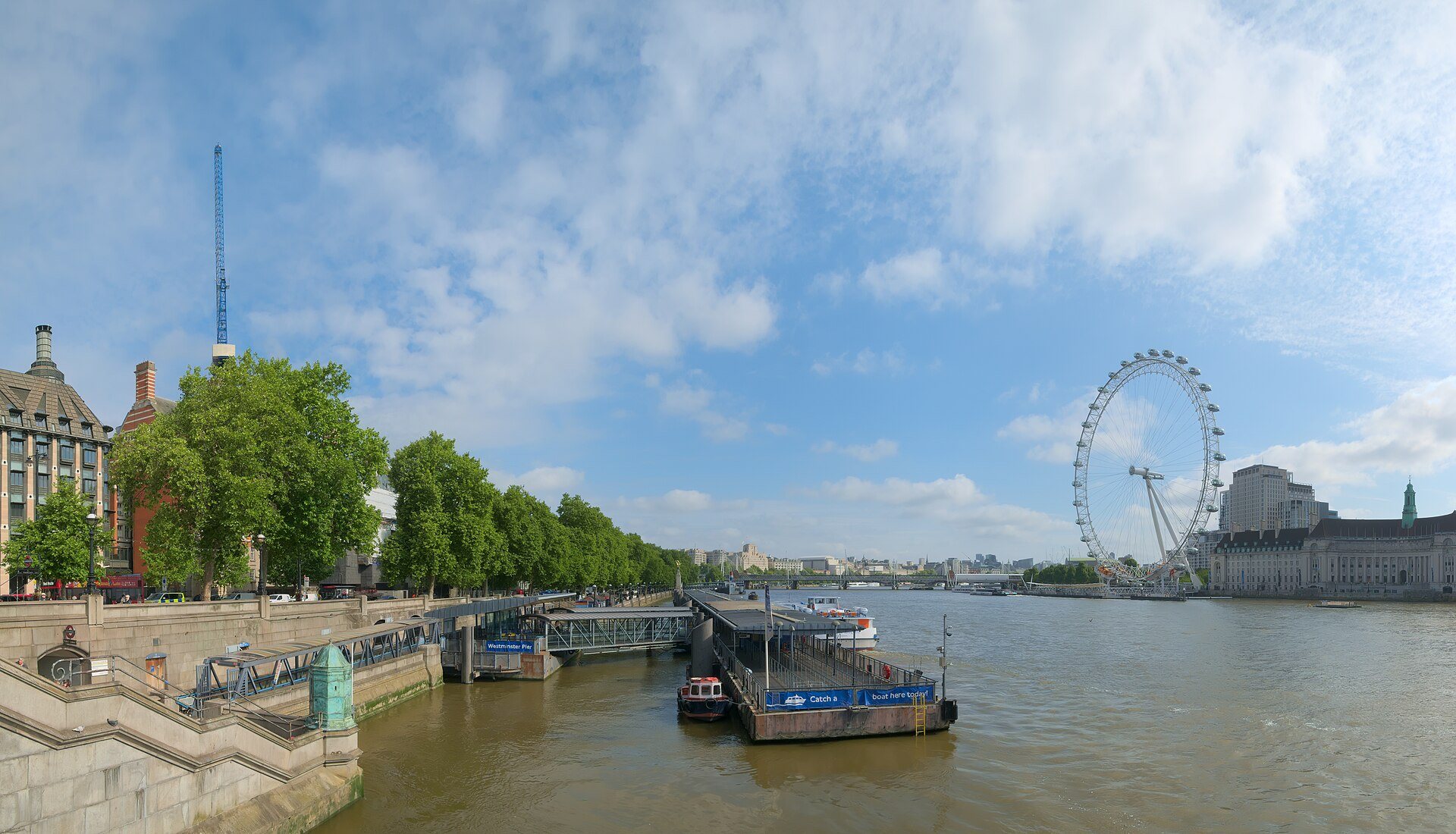
What is the difference between the City of London and Greater London?
THE SQUARE MILE, THE 32 BOROUGHS AND THE METROPOLIS
The City of London is a tiny ancient area of about a square mile; Greater London is the metropolis of 33 districts and more than nine million people. How they differ, who governs each, and why visitors need to know.
Read on
The answer in full
Two things with one name
The word London is used for two quite different things. The City of London, also known as the City or the Square Mile, is a very small area of a little over one square mile, with about 8,600 residents. Greater London is the whole metropolis, an administrative area of 33 districts that holds more than nine million people.
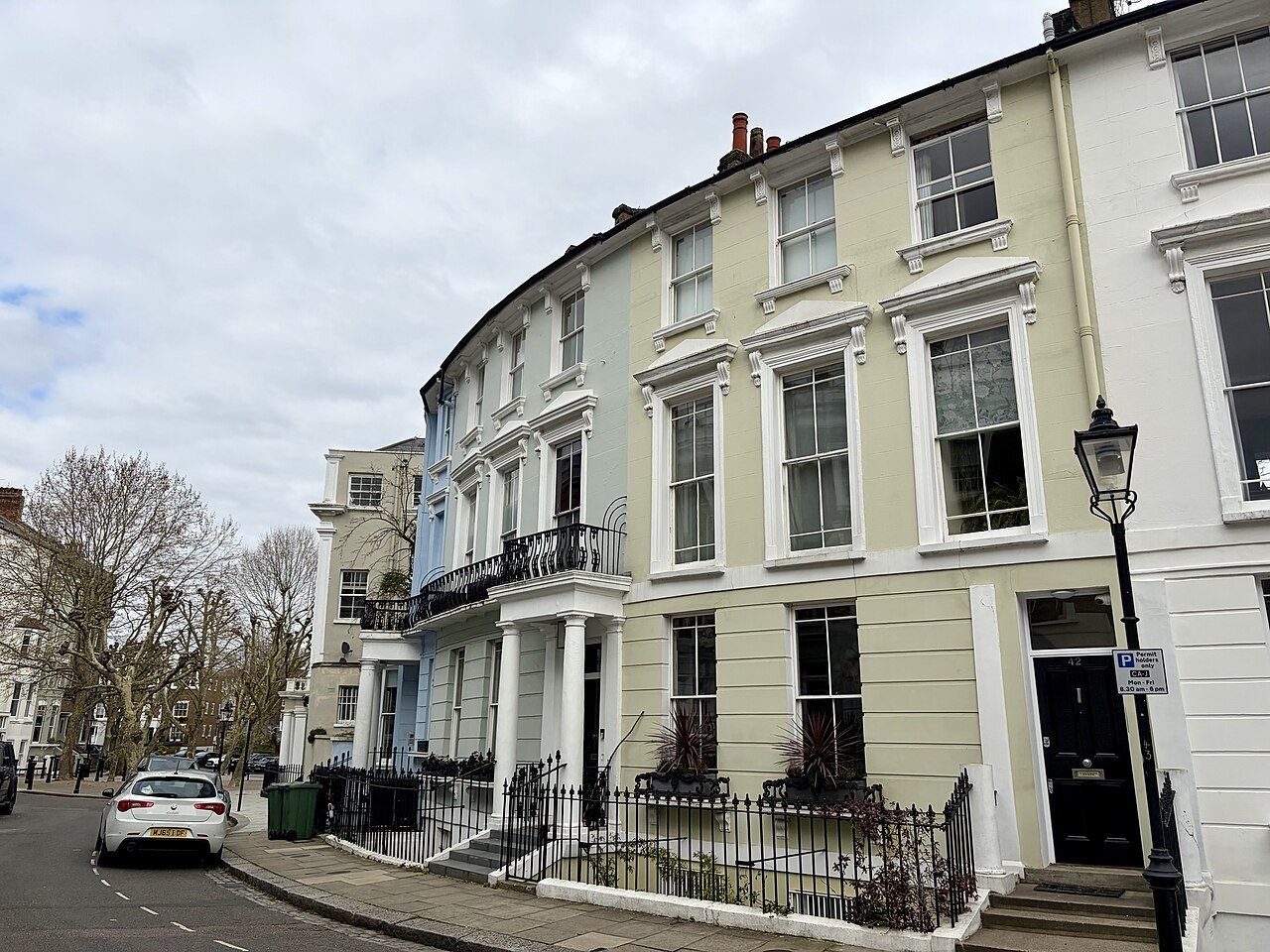
The two have different governments, different histories and different characters. Knowing which one a sign or a guidebook refers to saves confusion, especially when a hotel advertises that it is in the City, or a map shows the borders of a borough.
The City
The City of London was established by the Romans around AD 47 as Londinium, and it forms the historic center of the metropolis. For centuries it was most of London. It is the smallest city in the United Kingdom by area, with a nickname that comes from its size, and it has kept its medieval boundaries, which follow the line of the old Roman wall in part.
Today it is one of the world's leading financial centers. The Bank of England and the London Stock Exchange are both based there, and over half a million people work in the area by day. It contains St Paul's Cathedral, the Monument to the Great Fire, the Guildhall, the Royal Exchange, the Old Bailey and Smithfield Market. At weekends it is noticeably quiet.
Greater London
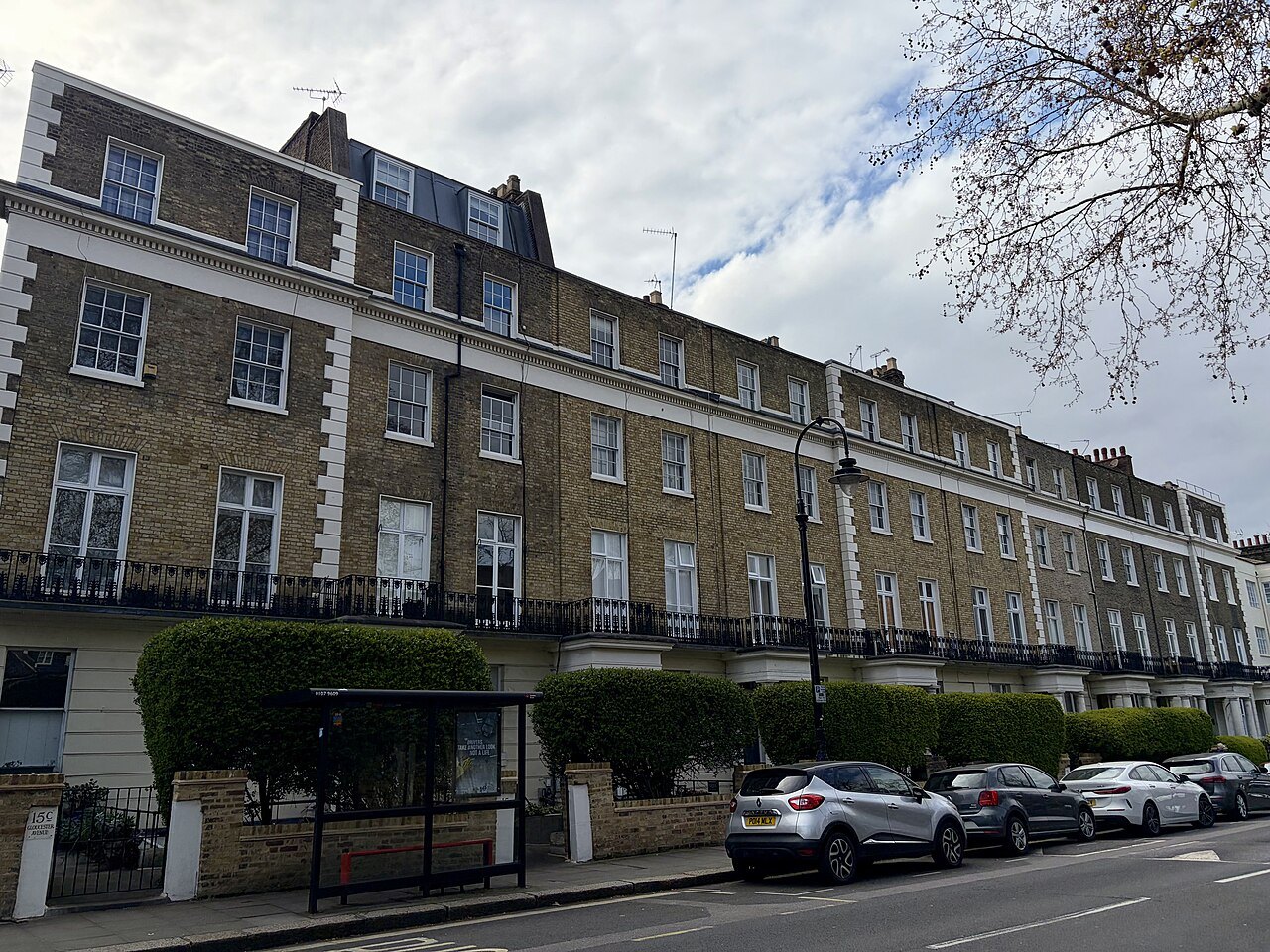
Greater London is the area governed by the Greater London Authority and covers about 600 square miles. It has 33 local government districts: the 32 London boroughs and the City of London. Westminster, Camden, Southwark, Greenwich and Richmond upon Thames are all boroughs, and the sights in this guide are spread across them.
Greater London was created in 1965, when it replaced the older County of London, and the Greater London Authority and the elected mayor date from 2000. Historically the area was part of Middlesex, Essex, Surrey, Kent and Hertfordshire, and some of the outer boroughs still feel like separate towns.
Westminster is something else again
The City of Westminster is a third thing, a borough of Greater London that is also a city in its own right. It is where Parliament, Buckingham Palace, Westminster Abbey, Trafalgar Square and much of the West End stand. It lies west of the City, which is why the abbey takes its name from its position relative to an older church.
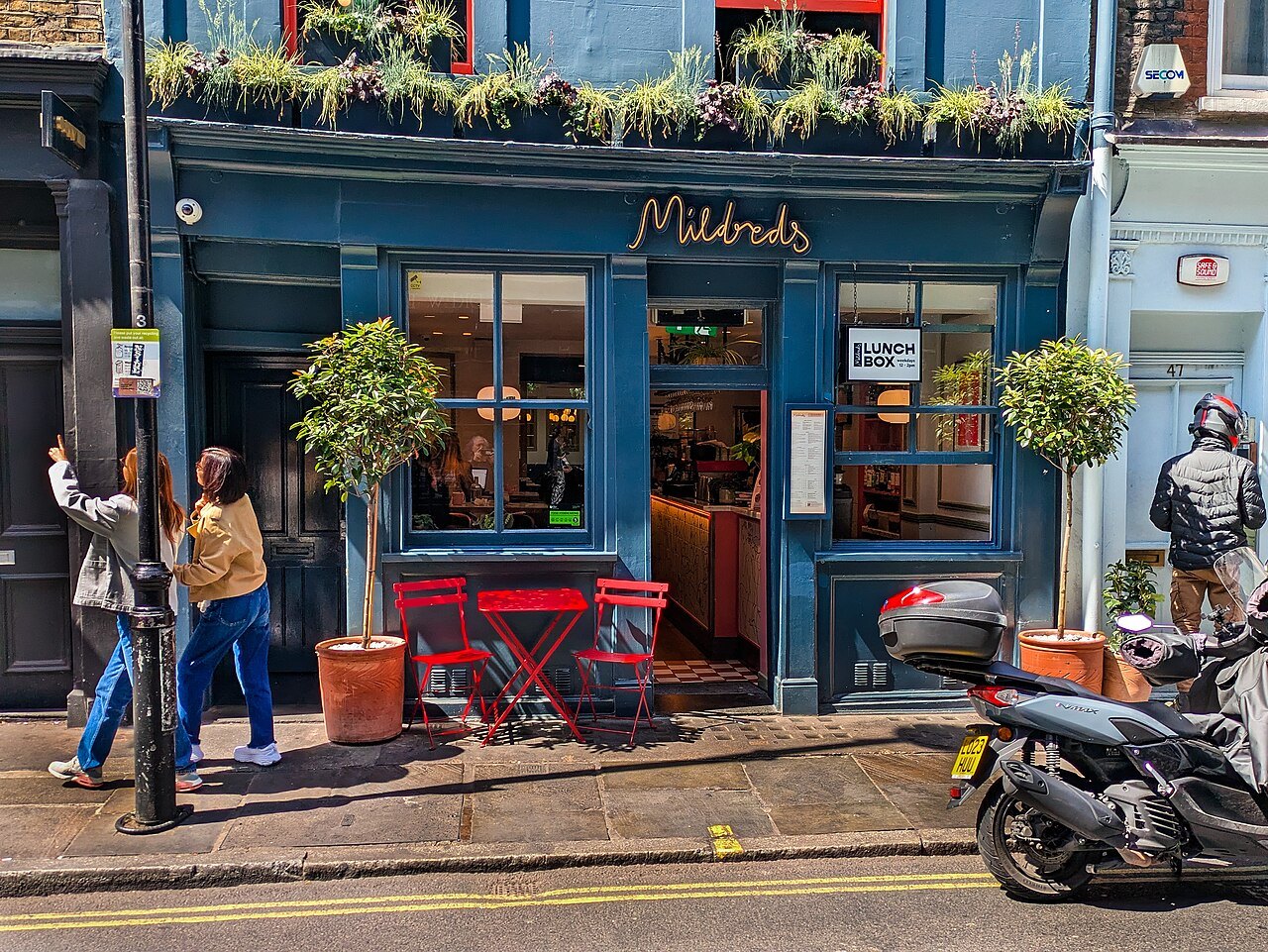
That is why a guide may speak of the two cities of London and Westminster, which grew toward each other until they merged. The government sits in Westminster, and the finance sits in the City, and the visitor's trip often runs between them.
Why it matters to visitors
For a visitor, the distinction affects how you read a map and a hotel listing. A hotel described as being in the City is in the Square Mile and likely to be quiet on weekends. A hotel in central London may be in Westminster, Camden or Southwark. Transport zones, which set fares, are a separate system again and do not follow borough boundaries.
It also explains the sights. St Paul's Cathedral and the Tower of London stand at the City's edge, the Palace of Westminster in the City of Westminster, and Greenwich and Kew in outer boroughs.
Who governs what
The City of London has its own government, the City of London Corporation, which has existed since the Anglo-Saxon period and is led by the Lord Mayor of London. The Lord Mayor of the City is a different person from the Mayor of London, who is elected to lead the Greater London Authority. The Lord Mayor's Show, a parade in November, belongs to the City, not to the wider metropolis.
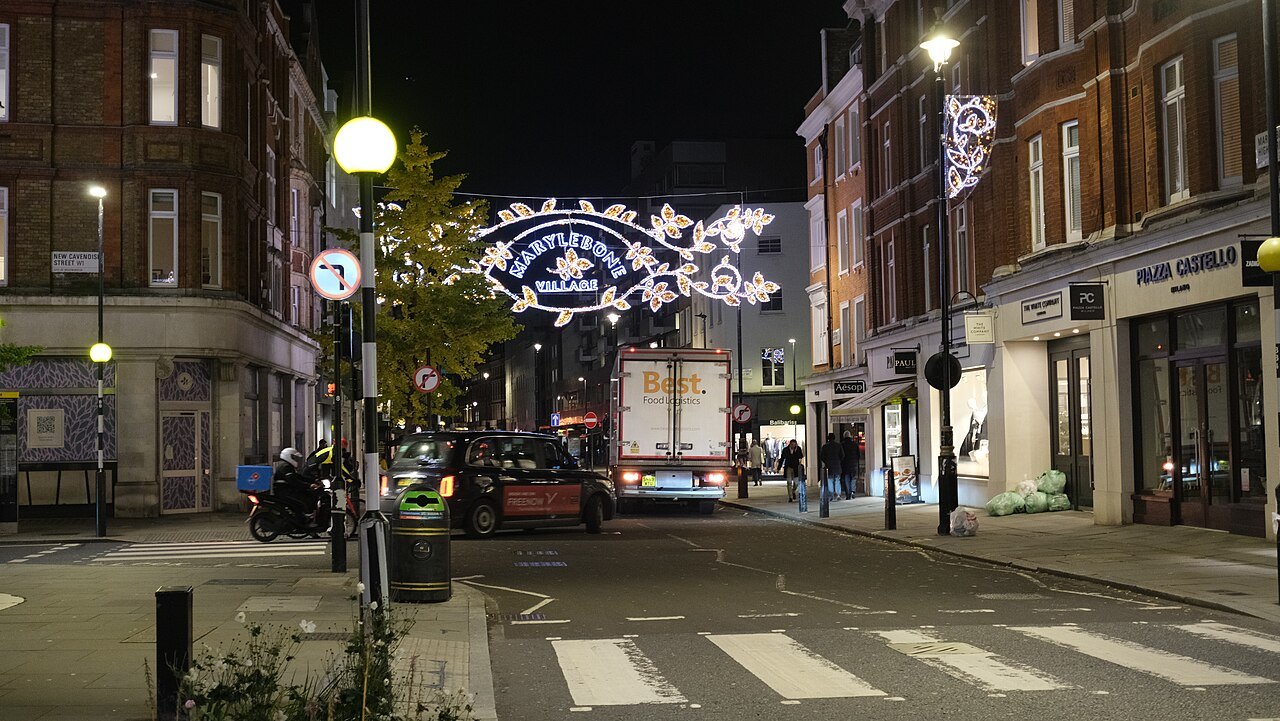
The City also has its own police force, the City of London Police, while the rest of Greater London is policed by the Metropolitan Police. Each of the 32 boroughs has its own council for local services, and the Greater London Authority handles strategic matters such as transport and planning across the region.
The old wall and the boundaries
The boundaries of the City follow the line of its medieval wall in many places, which in turn followed the Roman wall of Londinium. Street names such as London Wall, Aldgate, Moorgate and Bishopsgate recall the gates through it, and a few stretches of the Roman and medieval masonry still stand, notably near the Tower and by the Barbican.
Many of the sights in this guide sit just inside or just outside the line. The Tower of London stands outside the old wall, and St Paul's stands within it. Crossing from the City into Westminster or Southwark means crossing a very old administrative divide, though the street looks much the same.
Reading signs and addresses
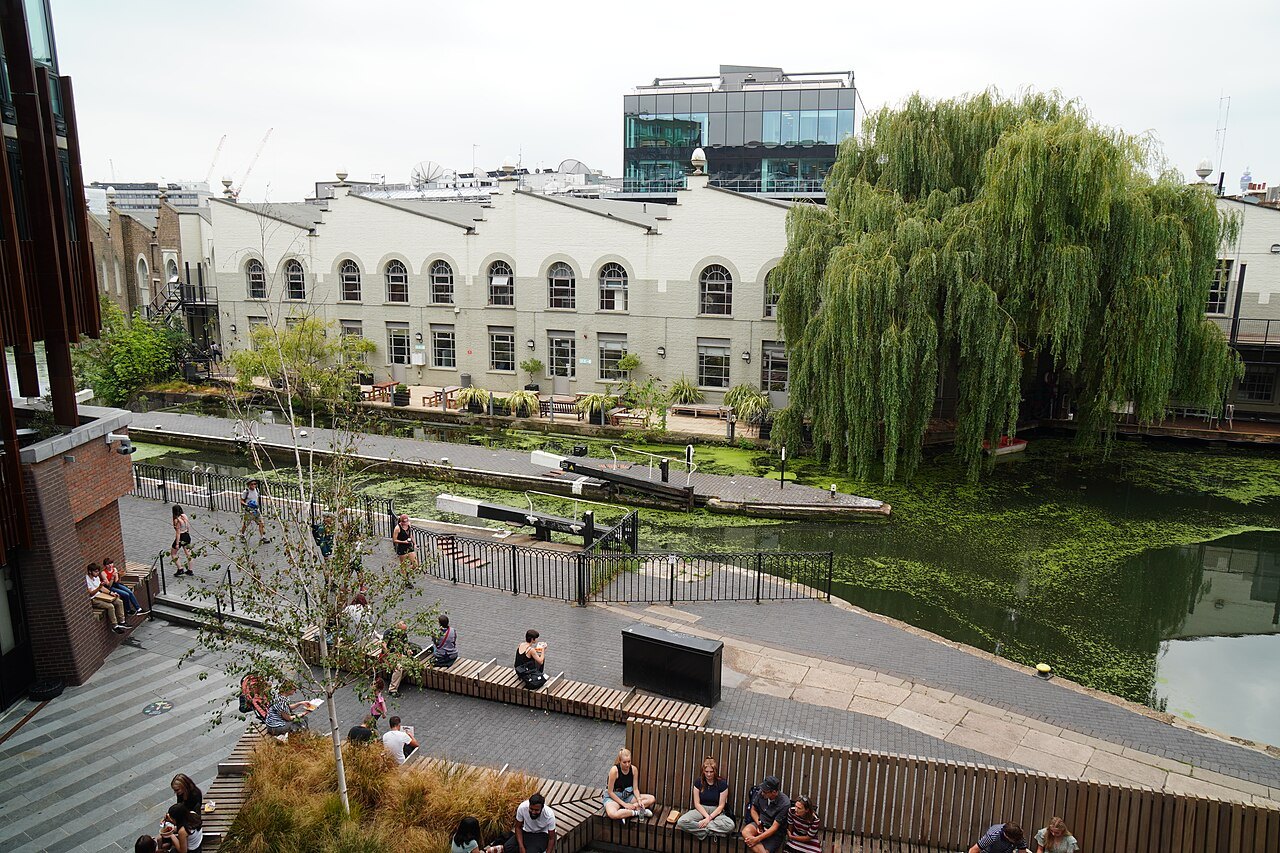
Postal addresses add a further layer. A London address uses a postcode district, such as EC for the old eastern central area, WC for the western central, or SE for south-east, and these do not follow the borders of the City or the boroughs. The postcode is for the post, not for government.
On the street, the clearest sign of the City is its crest, with the red cross and the sword of St Paul, which appears on lampposts, bollards and bridges inside the Square Mile. When you see it, you have crossed into the City, and when it stops, you have left. The boundary stones on some bridges carry the same crest, and the dragons that stand guard at the edge of the area on the main roads are a more theatrical marker. A walk from Fleet Street toward Temple Bar, where one such dragon stands, shows the change from Westminster to the City in a single step.
Where to base yourself
Because the City empties at weekends, hotels there can be good value then, but restaurants close early. Westminster and the West End are busy and expensive but central. Outer boroughs are cheaper and quieter, and a fast rail line can bring them within reach of the center.
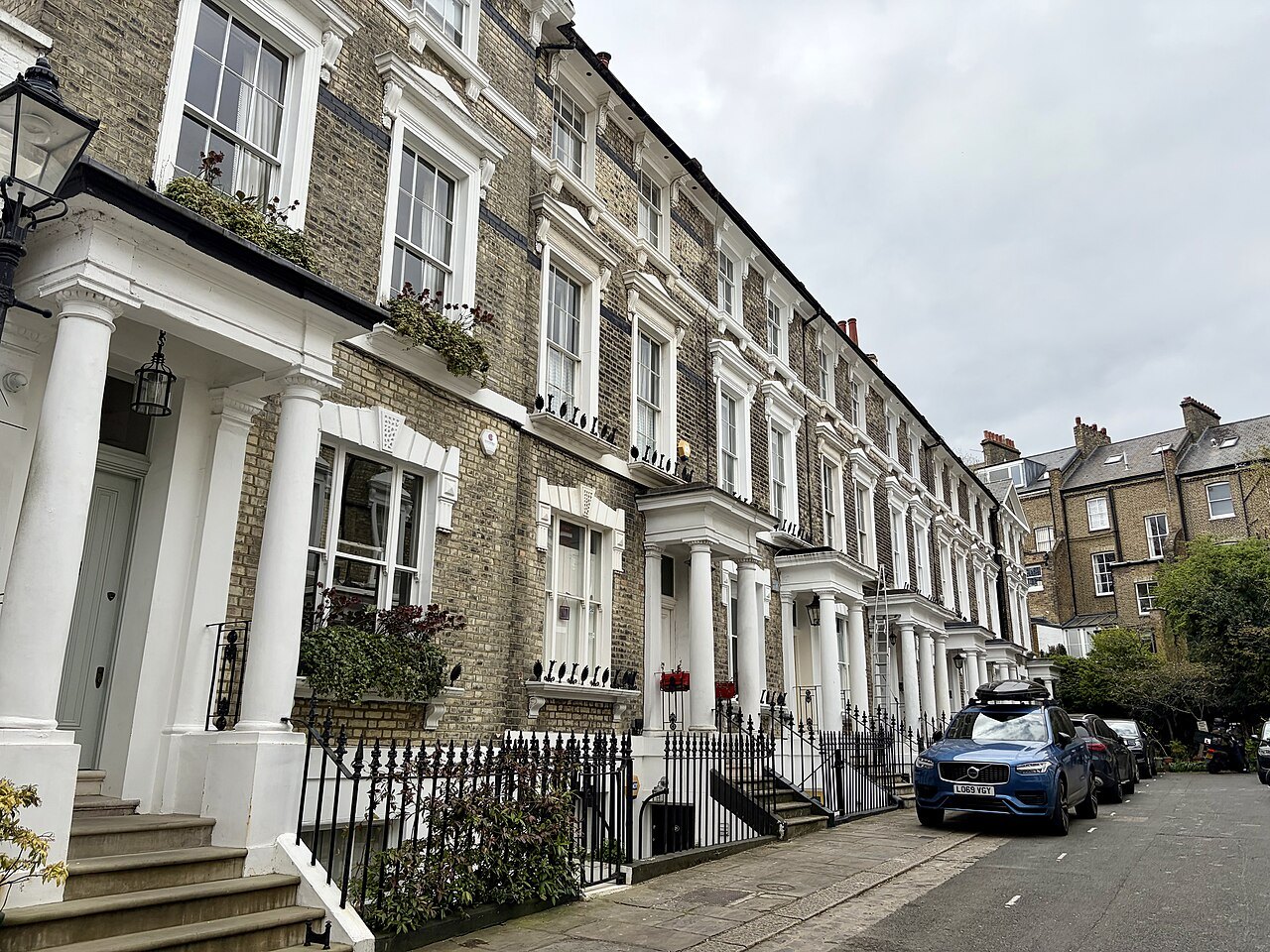
The districts are set out in Where to Stay, and the way the river divides the city is explained in The Thames.
More from the journal
Read next
- Tower BridgeHow do you tell Tower Bridge from London Bridge and the Tower of London?The Tower of London is a fortress, Tower Bridge is the Victorian bridge with two towers beside it, and London Bridge is a plain bridge half a mile upstream. How to tell them apart, and the story of the American who bought the wrong bridge.Read the piece →
- Getting HereHow do you get from Heathrow to central London?Heathrow is 14 miles west of central London and has three rail routes into the city, plus coaches, buses and taxis. What each one is, where it stops, which terminal station to use, and how to choose.Read the piece →
- The Palace of Westminster and Big BenIs Big Ben the bell or the tower?Big Ben is the nickname of the Great Bell, and by extension of the clock tower that holds it. What the tower is really called, how the clock and bells work, why the tower leans, and what the light at the top means.Read the piece →