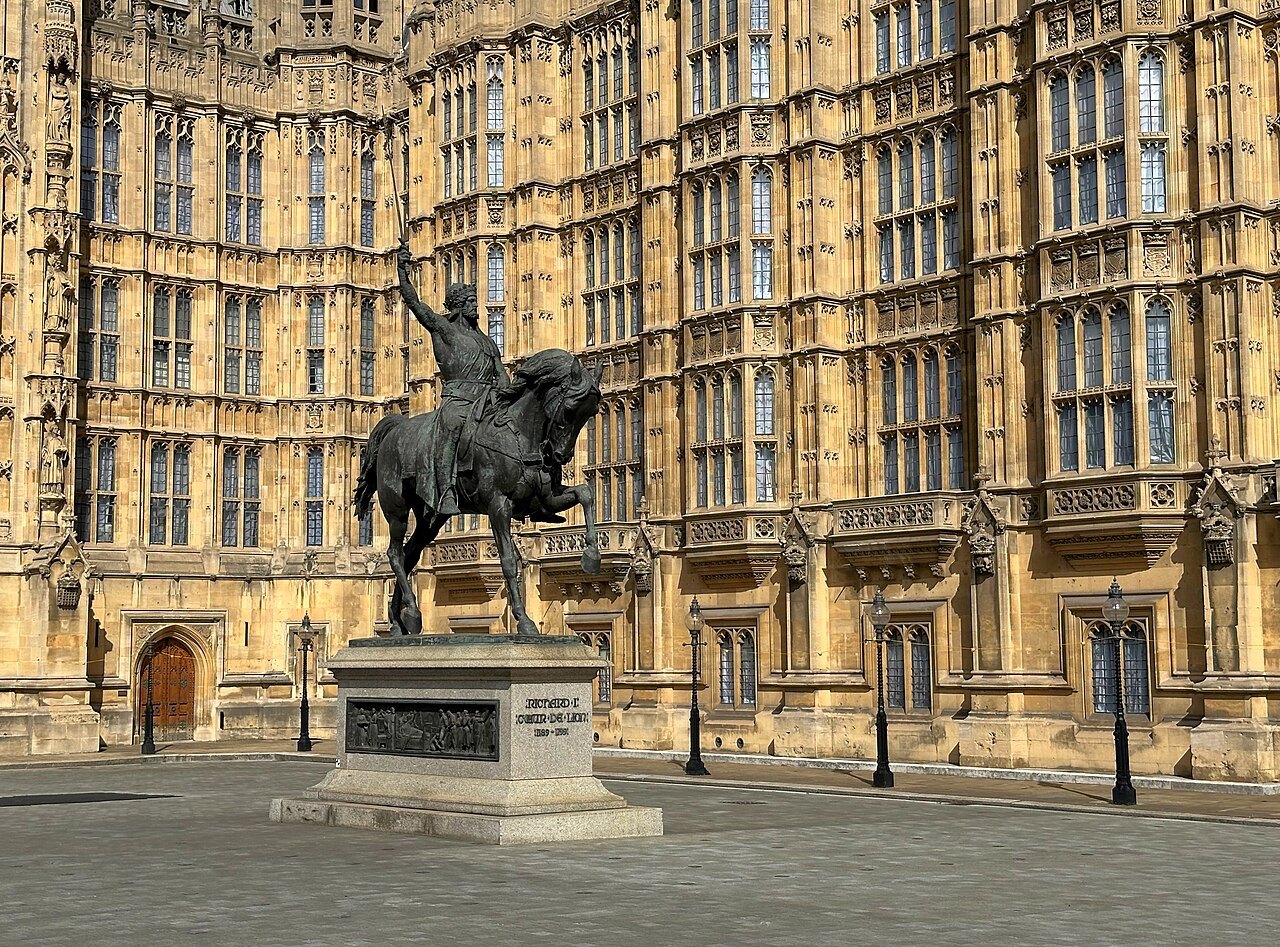
How did the fire of 1834 start?
THE BLAZE THAT REBUILT WESTMINSTER
How an overheated stove and an old stockpile of tally sticks destroyed the medieval Palace of Westminster in 1834.
Read on
The answer in full
A Royal Palace, Then a Parliament
The Palace of Westminster is the meeting place of the UK Parliament, its two chambers known as the Commons and the Lords, and the word Westminster has become shorthand for the whole system of government. The building has been a Grade I listed structure since 1970 and part of a World Heritage Site, with Westminster Abbey and St Margaret's Church, since 1987.
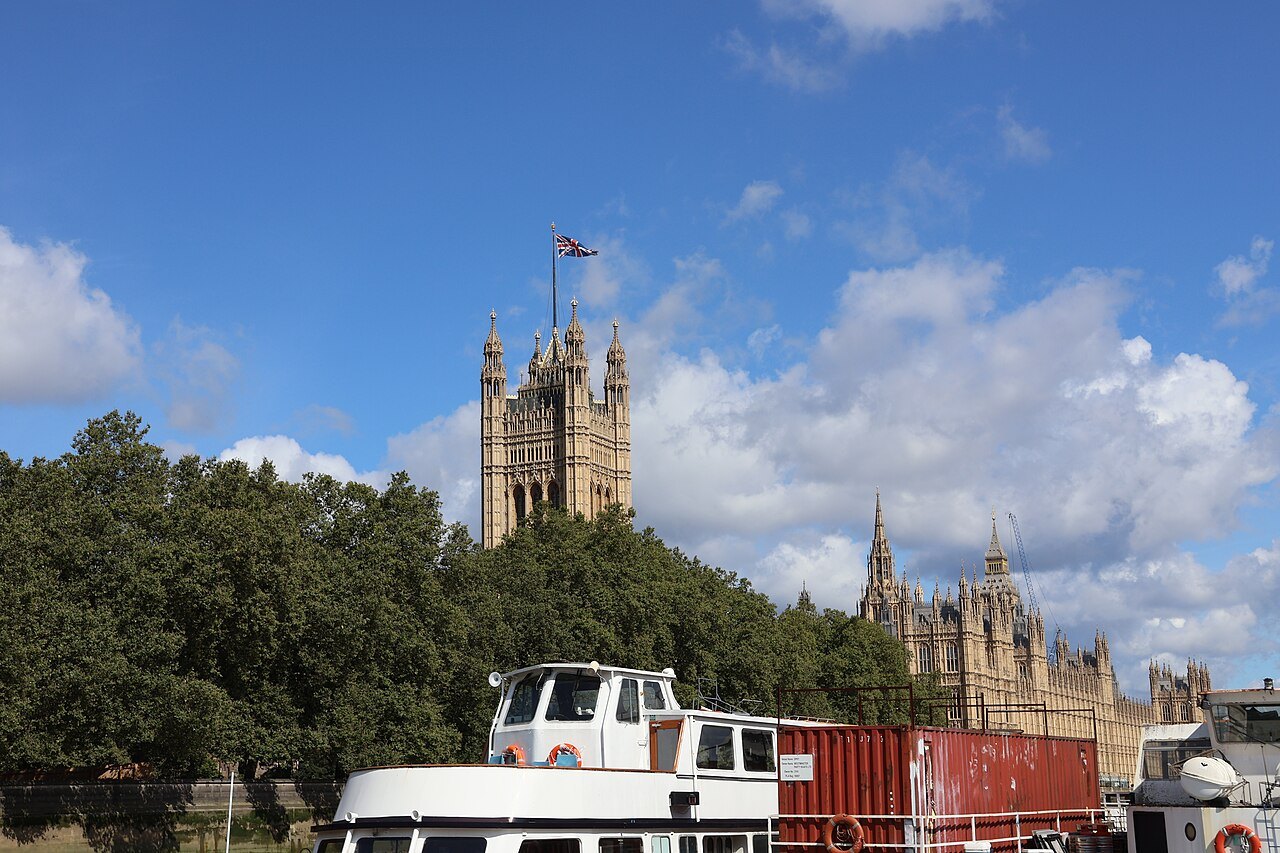
A palace stood on this site as early as the eleventh century, when Edward the Confessor built a royal residence beside the first Westminster Abbey. It remained the main home of English kings until 1512, when a fire destroyed the royal apartments and Henry VIII moved his household to the Palace of Whitehall.
The Parliament of England had already been meeting at Westminster since the thirteenth century, and after Henry VIII left for Whitehall, it stayed on in the old buildings for good. By the early nineteenth century the palace was a sprawling, centuries-old complex of royal and parliamentary rooms, with the Lords and Commons each sitting in chambers adapted from older halls and chapels.
That older palace is almost entirely gone now, lost in a fire that reshaped the building seen today. What follows is the story of how the blaze began, what it destroyed within hours, and which parts of the medieval complex survived to be folded into the Gothic Revival palace that replaced it.
The Night of 16 October 1834
The fire began on the evening of 16 October 1834, when an overheated stove set fire to the Lords Chamber. The stove had been used to burn the Exchequer's old stock of tally sticks, notched wooden sticks that had served as financial records for centuries and were by then obsolete and being cleared out.
Tally sticks had been used for centuries as a simple method of financial record-keeping: a wooden stick was notched to show an amount, then split lengthwise so each party to a transaction held half as a receipt. The practice had been phased out in favor of paper accounts well before 1834, leaving the Exchequer with an old stockpile that needed disposing of.
The blaze spread quickly through the old timber-framed buildings, and by the time it burned out, both the Lords Chamber and the Commons Chamber had been destroyed, along with most of the rest of the medieval and later palace that had grown up on the site over many preceding centuries.
The fire was one of the most dramatic events London had seen in decades, and it left the Houses of Parliament with no chamber to sit in. Some elements of the old palace escaped the flames, thanks partly to the firefighters on the scene and partly to a shift in the wind, and those survivors shaped what came next.
What the Fire Destroyed and What It Spared
Both chambers were gone, and with them most of the palace's state rooms, but the fire did not take everything. Westminster Hall, the oldest part of the complex, survived because firefighters worked to protect it and the wind shifted away from it at a critical moment, sparing the hall from the flames that consumed buildings close by.
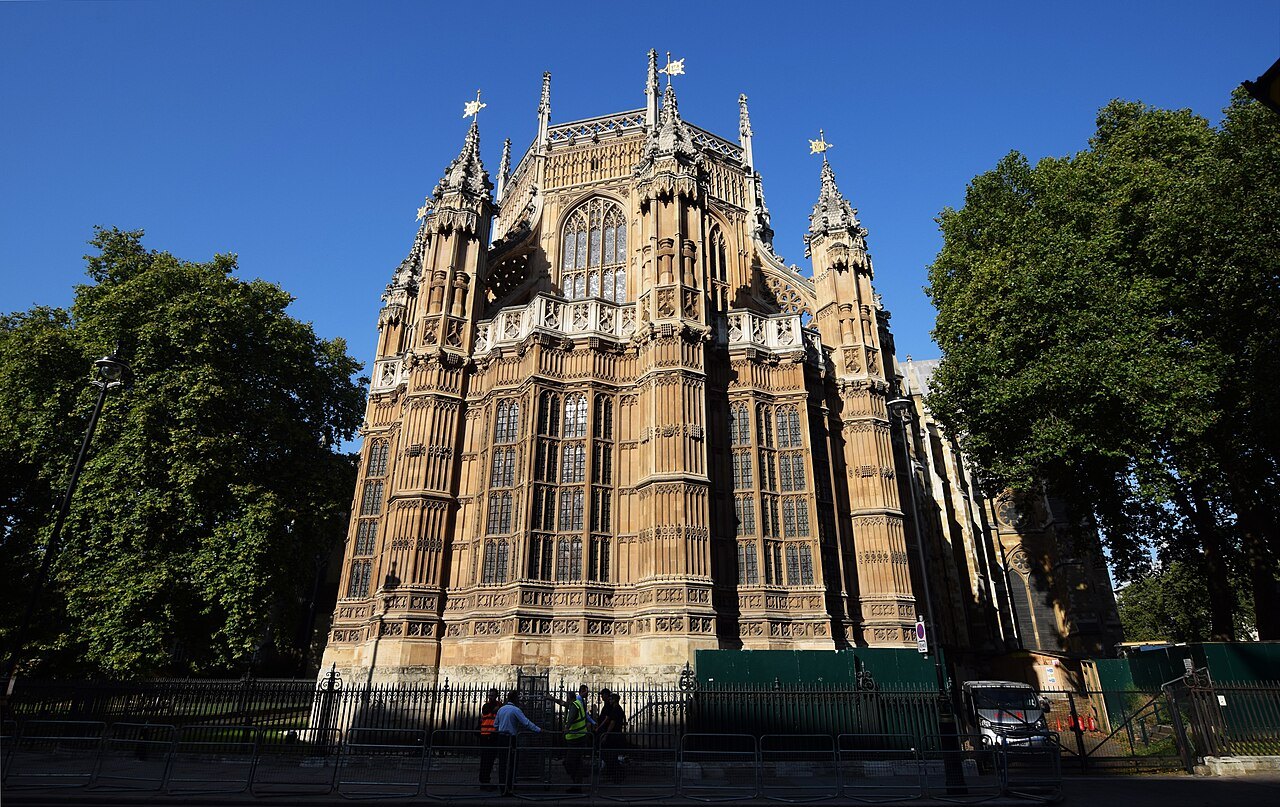
Two smaller survivors were just as significant. The Jewel Tower, built to hold royal treasure, escaped the blaze, and so did the undercroft and cloisters of St Stephen's Chapel, fragments of the chapel that had stood within the palace since the Middle Ages. Both now sit within or beside the Victorian building that replaced the rest.
Westminster Hall itself dates to 1097, built for William Rufus, when it was the largest hall in Europe, and its hammerbeam roof, commissioned for Richard II in 1393 and built by the royal carpenter Hugh Herland, remains the largest clear-span medieval roof in England. Its survival in 1834 kept one of the building's oldest and most important spaces intact.
A Palace Refused
In the aftermath, King William IV offered Buckingham Palace to Parliament as a temporary or permanent replacement, a striking gesture given the scale of the loss. Parliament turned the offer down, choosing instead to rebuild on the historic site at Westminster, next to the surviving hall, tower and chapel remains that had made it through the fire.
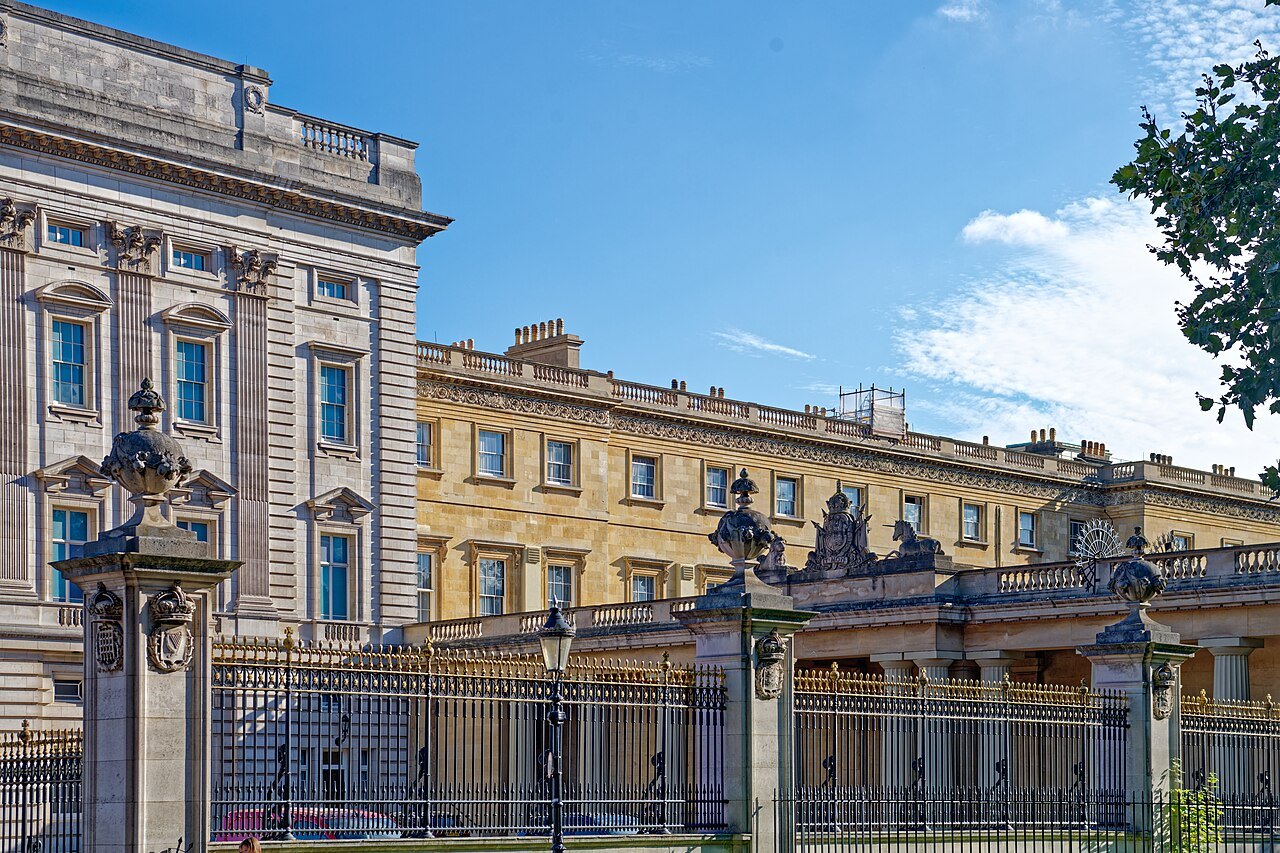
A design competition followed, and the winning entry was Charles Barry's Perpendicular Gothic Revival scheme. Barry was trained as a classical architect with little Gothic experience, so he relied heavily on Augustus Pugin for the Gothic detailing, an arrangement that left Pugin unhappy; he complained that the result was all Grecian, sir, Tudor details on a classic body.
Building took decades to finish. The Lords Chamber opened in 1847 and the Commons Chamber followed in 1852, while construction of the wider palace continued for about thirty years in total, running late and over budget for most of that time, long after the original medieval buildings had stood on the same ground for centuries.
Choosing the Stone
Barry toured quarries in 1839 to choose a building stone and settled on Anston, a sand-colored magnesian limestone from South Yorkshire. It was easy to carve into the elaborate Gothic detailing that Pugin designed, and it could be shipped to London relatively cheaply by canal, sea and river, which mattered for a project already facing a huge construction job.
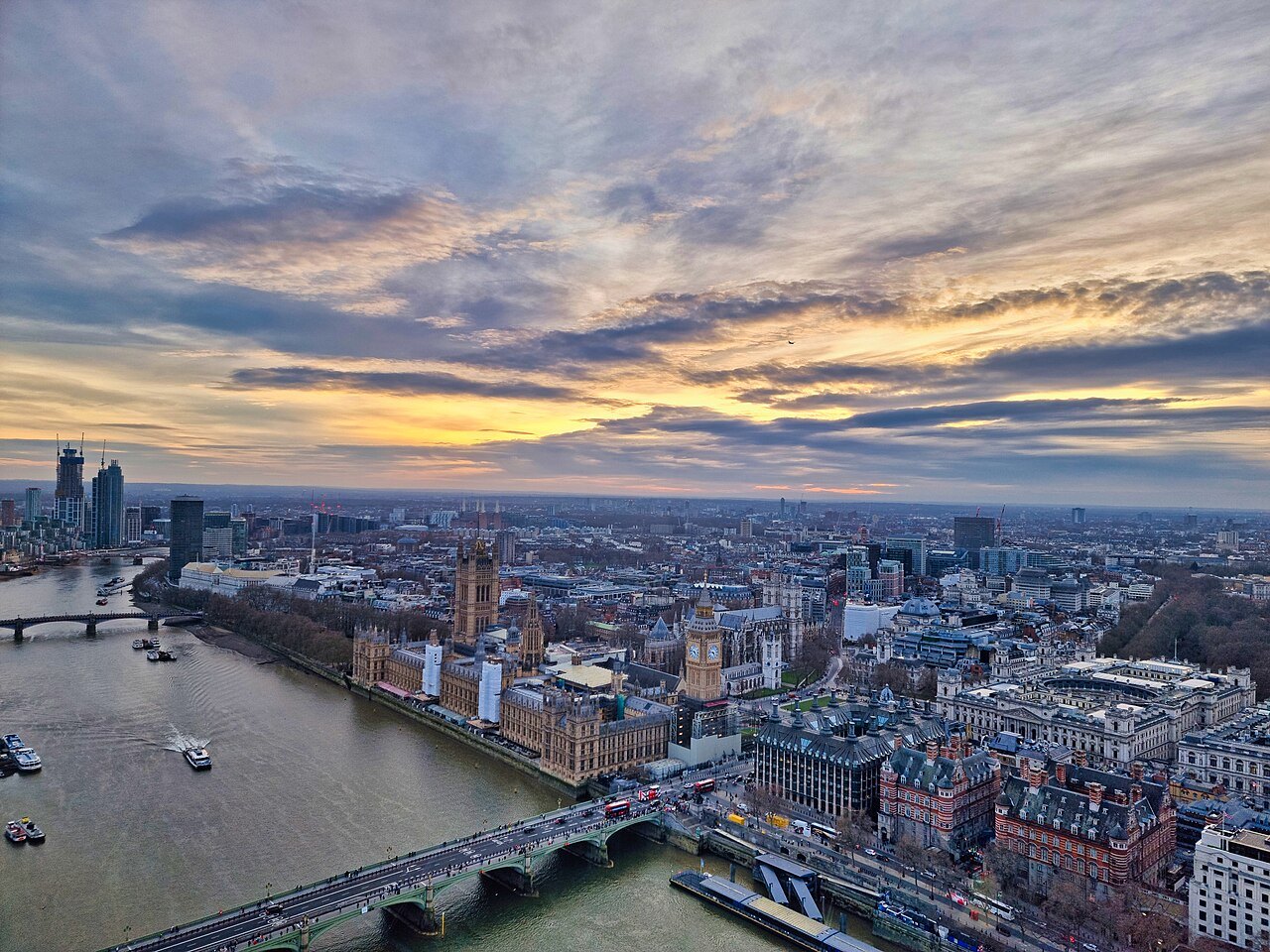
The choice did not wear well. Anston stone began to decay quickly in London's polluted nineteenth and twentieth century air, blackening and crumbling on the exposed façade. In the twentieth century, large areas of the exterior were refaced in honey-colored Clipsham stone from Rutland, which is why the building's surface is not uniform in color today.
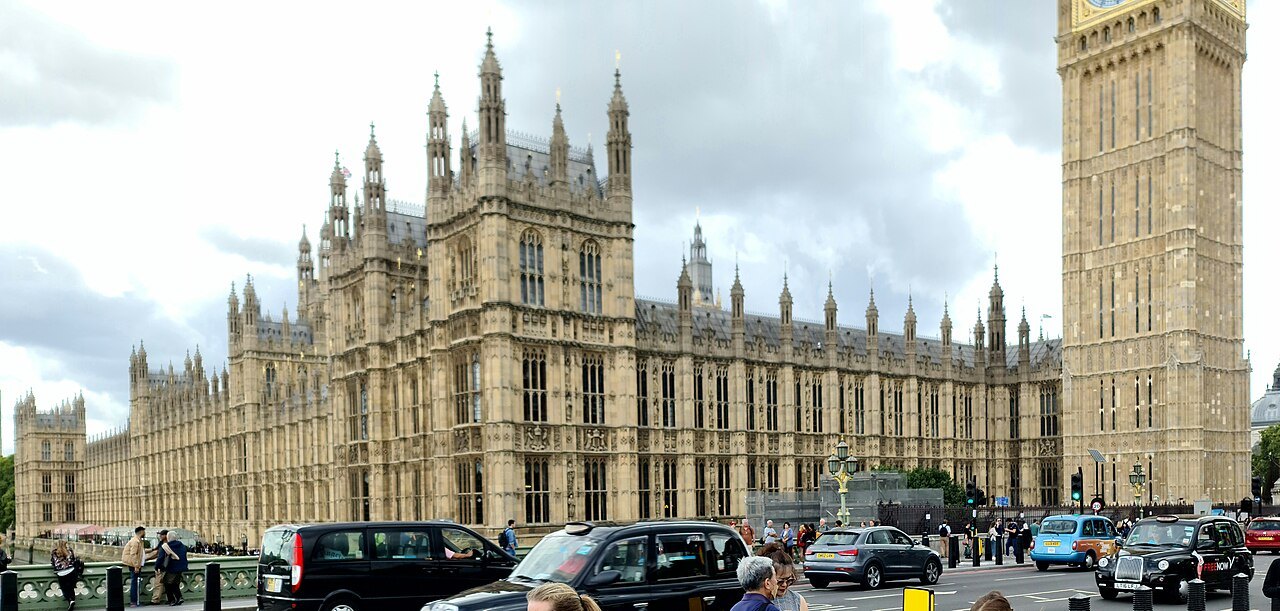
None of the three towers visitors see today existed before the fire. The Victoria Tower, the Central Tower and the Elizabeth Tower, along with the clock and the Great Bell commonly called Big Ben, all belong to Barry and Pugin's rebuilding, finished decades after the flames of 1834 had died down.
Seeing the Site Today
Visitors cannot simply walk into the Palace of Westminster and look around. Entry is by guided tour, by a ticket arranged through a member of the House, or by queuing to watch a debate or committee session while the Houses are sitting; check what needs to be booked ahead of a visit at Booking Ahead.
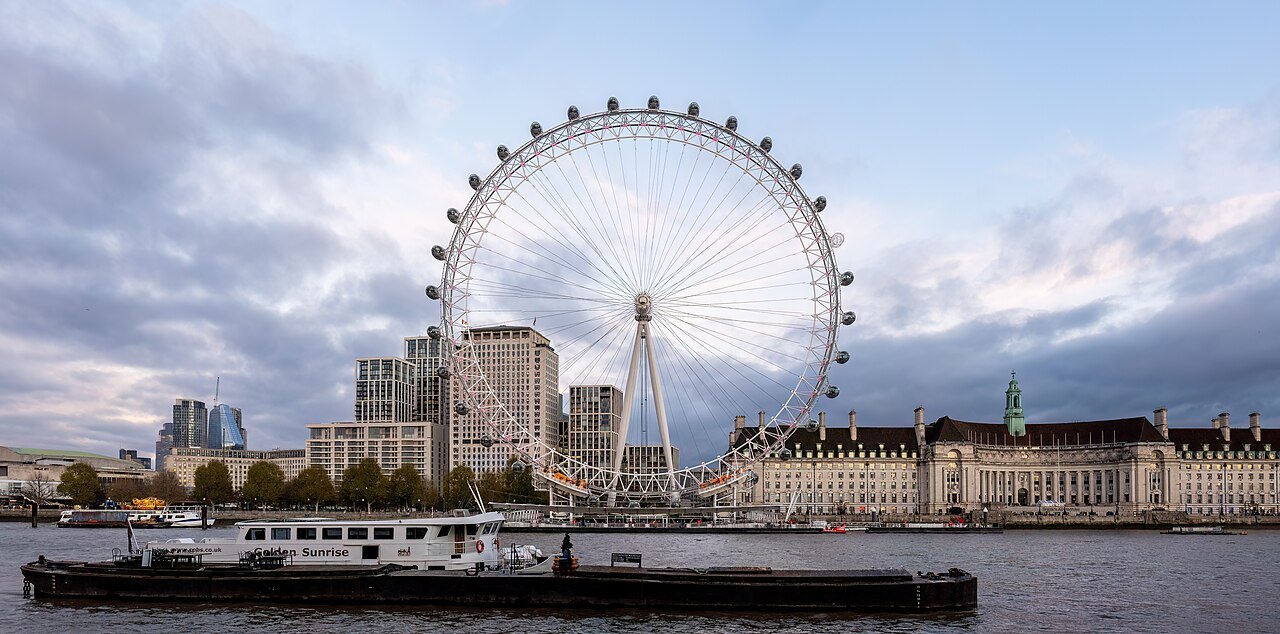
No booking is needed to see the exterior, which is the view most associated with the fire's legacy: the long Gothic facade built after 1834, with the Elizabeth Tower rising at the north end by Westminster Bridge. Cross the river toward the wheel for the best long view, or stand in Parliament Square to look straight at the front.
Next door stands Westminster Abbey, which shares the World Heritage listing with the palace, and the river walk downstream begins here, following the Thames past sights built long after the fire of 1834 reshaped this stretch of the city into the skyline visitors recognize now, from the Elizabeth Tower to the towers of the Abbey itself.
More from the journal
Read next
- The Palace of Westminster and Big BenIs Big Ben the bell or the tower?Big Ben is the nickname of the Great Bell, and by extension of the clock tower that holds it. What the tower is really called, how the clock and bells work, why the tower leans, and what the light at the top means.Read the piece →
- The Palace of Westminster and Big BenWhat is Westminster Hall, and what has happened there?The oldest part of the Palace of Westminster, its hammerbeam roof, and the fires and bombs it survived.Read the piece →
- Getting HereHow do you get from Heathrow to central London?Heathrow is 14 miles west of central London and has three rail routes into the city, plus coaches, buses and taxis. What each one is, where it stops, which terminal station to use, and how to choose.Read the piece →