How do you tell Tower Bridge from London Bridge and the Tower of London?
THREE NAMES, THREE DIFFERENT THINGS · A FORTRESS AND TWO BRIDGES
The Tower of London is a fortress, Tower Bridge is the Victorian bridge with two towers beside it, and London Bridge is a plain bridge half a mile upstream. How to tell them apart, and the story of the American who bought the wrong bridge.
Read on
The answer in full
The three in one line
The Tower of London is a medieval fortress and royal palace on the north bank of the Thames. Tower Bridge is the Victorian bridge with two Gothic towers and a raising roadway, just downstream of the fortress. London Bridge is the plain concrete and steel bridge about half a mile upstream, which has nothing to do with either of them except its name and its location in the same part of the river.
People mix them up constantly, partly because the names overlap and partly because Tower Bridge looks like the bridge anyone would imagine when they hear London Bridge. This article sets out what each one is, so you can tell them apart in a photograph or on the river.
The Tower of London
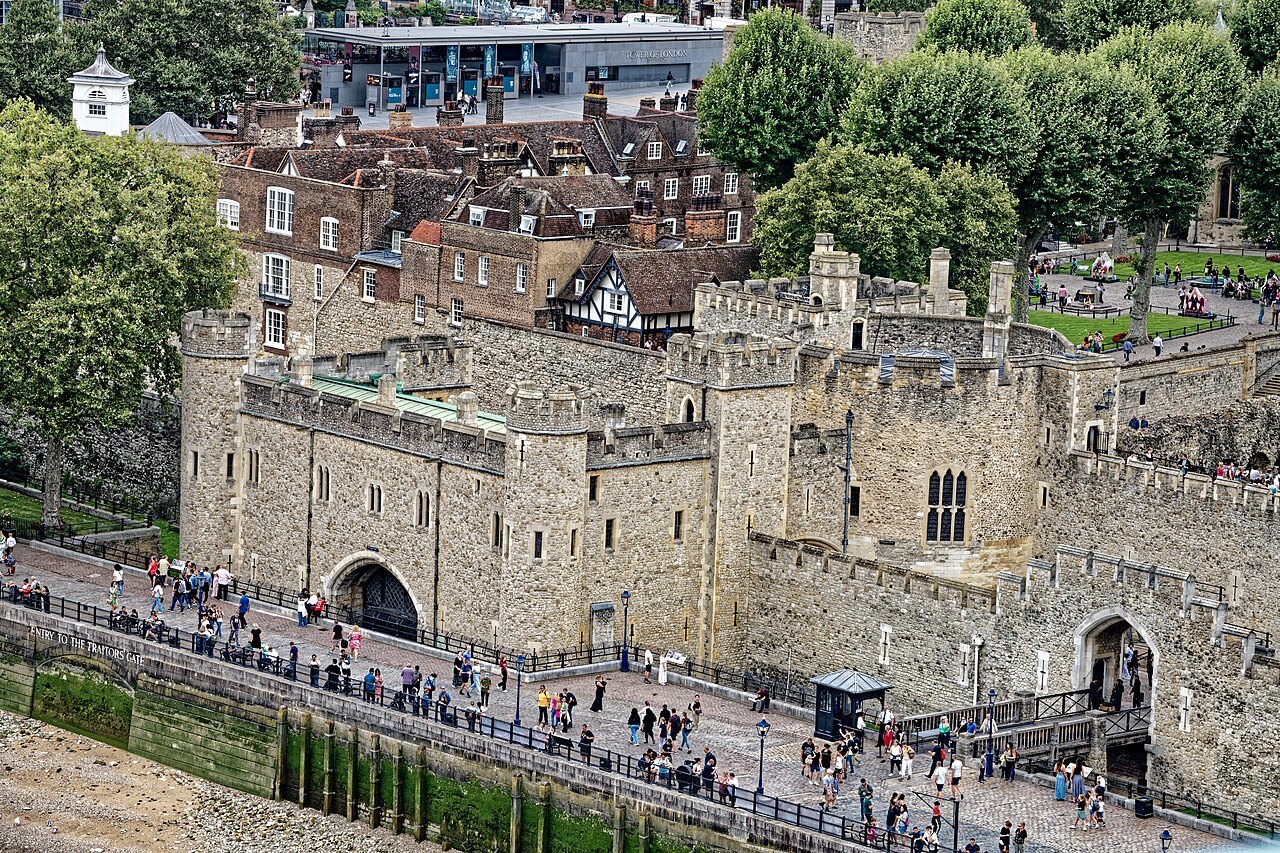
The Tower of London is the fortress begun by William the Conqueror, whose White Tower dates from 1078. It is a walled complex of towers on the north bank, which has served as a royal palace, a prison, an armoury and the home of the Crown Jewels. It is guarded by Yeoman Warders, popularly known as Beefeaters, and has a resident colony of ravens.
It is a fortress with walls and a moat, not a bridge and not a single tower. The details are on the Tower of London page.
Tower Bridge
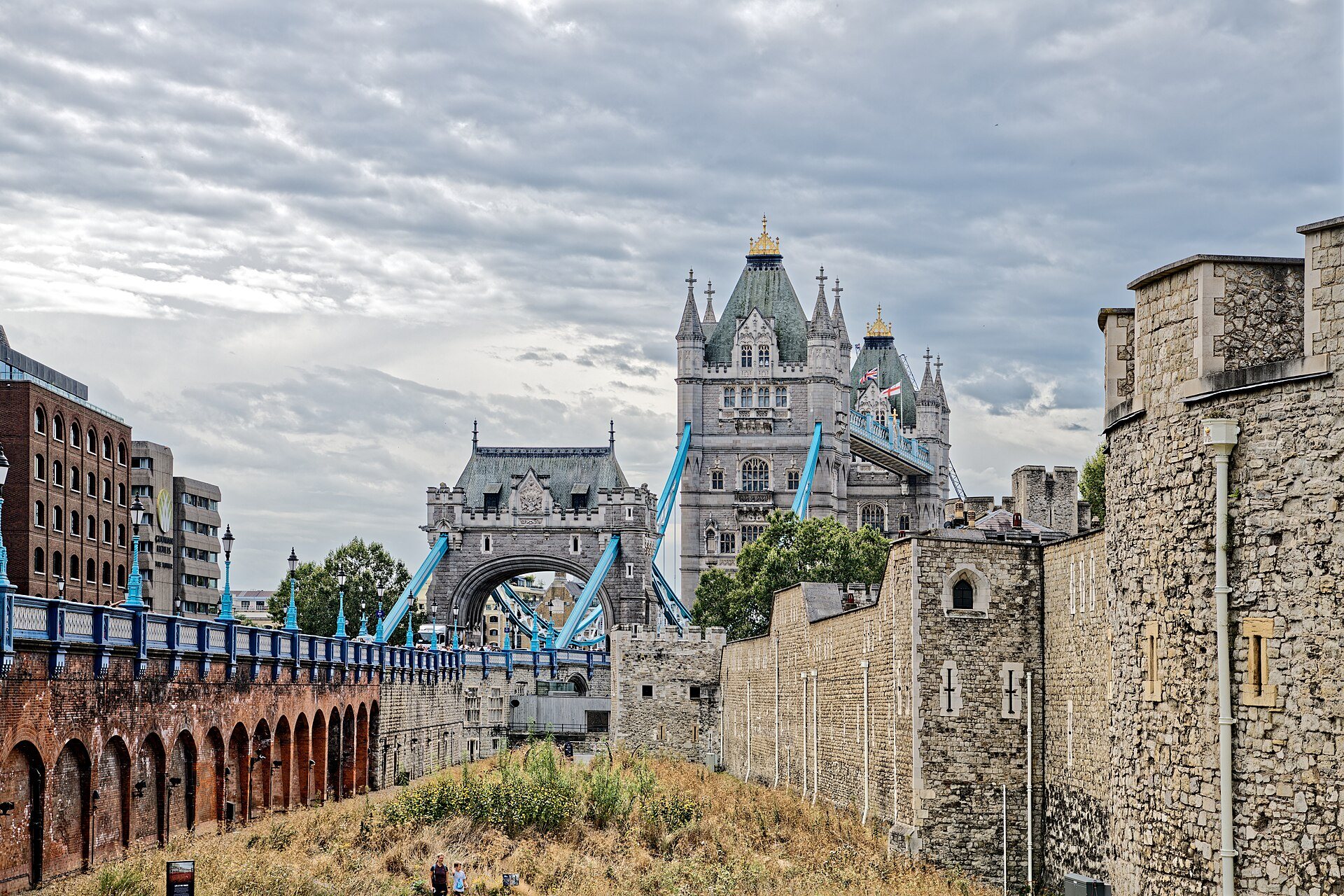
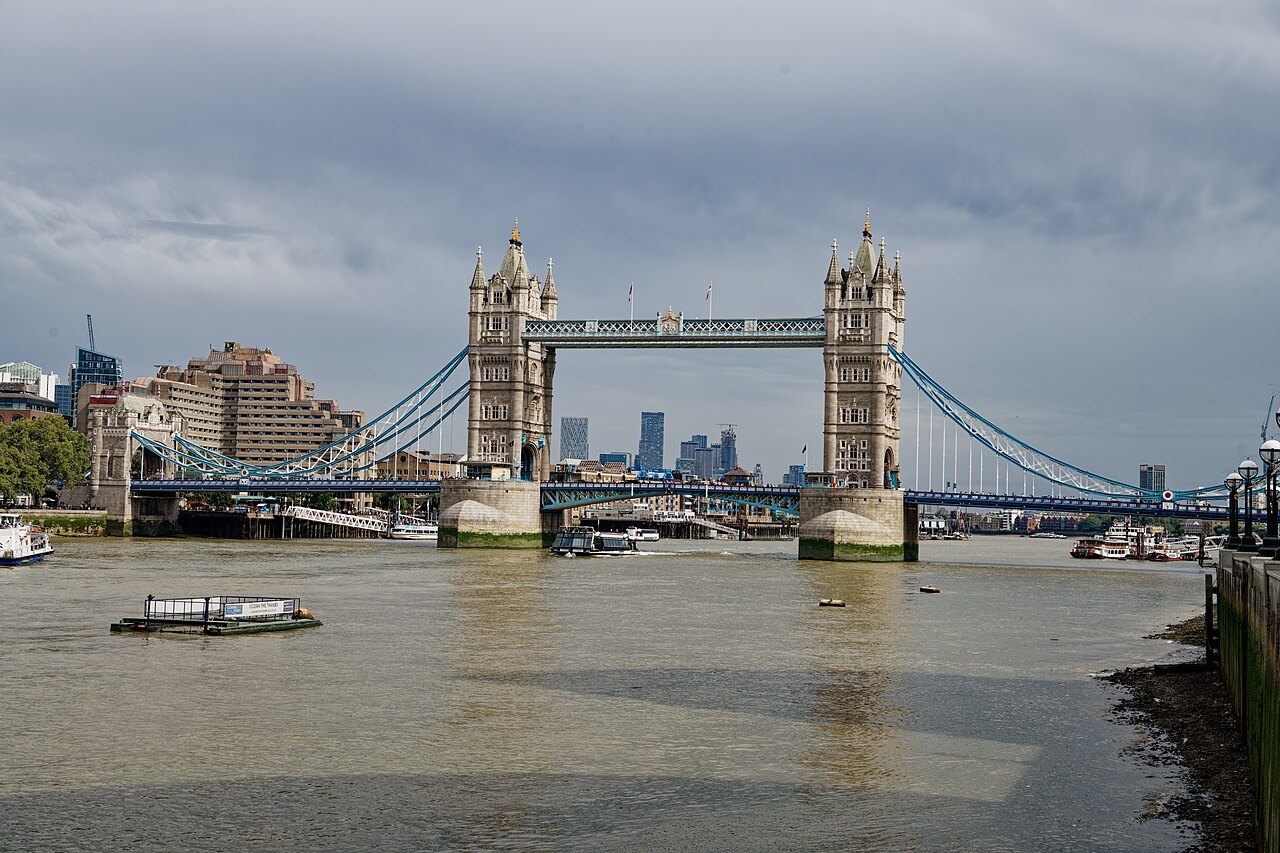
Tower Bridge is a combined bascule and suspension bridge, built between 1886 and 1894 to a design by Horace Jones, with engineering by John Wolfe Barry and Henry Marc Brunel. It was opened on 30 June 1894 by the Prince and Princess of Wales. It is 940 feet long and has two bridge towers connected at the top by high-level walkways, with a central pair of bascules that can open to let ships pass.
It was built to connect the population living east of London Bridge, which was a large share of the city, while still allowing sailing ships to reach the Pool of London between the Tower and London Bridge. It is named for the Tower of London beside it, and that explains the name but not the confusion. You can walk or drive across the bridge freely; its high walkways are a ticketed exhibition. The Tower Bridge page has the full story.
London Bridge
The name London Bridge refers to several crossings that have stood at roughly the same place since Roman times. The first was built by the Romans around AD 50, and until Putney Bridge opened in 1729, London Bridge was the only road crossing of the Thames downstream of Kingston. The medieval bridge, which lasted 600 years, carried houses and shops, and it was replaced by a stone arch bridge in the nineteenth century.

The present London Bridge opened to traffic in 1973 and is a box girder bridge of concrete and steel. It is unremarkable to look at, and it is the one in the nursery rhyme, which is a children's song about disaster, although the rhyme is about the medieval bridge that stood for six hundred years. It stands at the western end of the Pool of London, about half a mile upstream from Tower Bridge.
The legend of the wrong bridge
The persistent story is that an American bought London Bridge, believing it to be Tower Bridge. The story concerns the stone bridge of 1831, which was taken apart when it was replaced and sold in 1968, and rebuilt in Arizona. The tale that the buyer thought he was buying the grander bridge is a legend, and the confusion that gave it life is real.
The story shows how often the two get confused. If you can see two towers and a roadway that lifts, you are looking at Tower Bridge. If you see a plain bridge with a railway station beside it, it is London Bridge.
Why Tower Bridge looks the way it does
Tower Bridge looks medieval, and it is not. The Victorian planners wanted a bridge in harmony with the old fortress beside it, and Horace Jones gave the towers a Gothic look to fit. Behind the stone cladding, though, is a modern steel frame, which was the hidden structure that carried the loads. The stone was added to satisfy taste and the steel to do the work.
The bascules, or lifting roadways, were originally powered by hydraulic engines fed by steam, and the system was converted to electro-hydraulic power in 1972. The bridge still opens for tall ships and is part of London's inner ring road, carrying about 40,000 crossings a day.
How to see all three in an hour
A simple way to settle the matter is to walk it. Start at London Bridge station, walk to the river and look downstream: the bridge you stand on is London Bridge, and the one in the distance with towers is Tower Bridge. Follow the south bank path, which passes the old Pool of London and the City Hall, and cross Tower Bridge on foot, with the Tower of London on the north bank ahead of you.
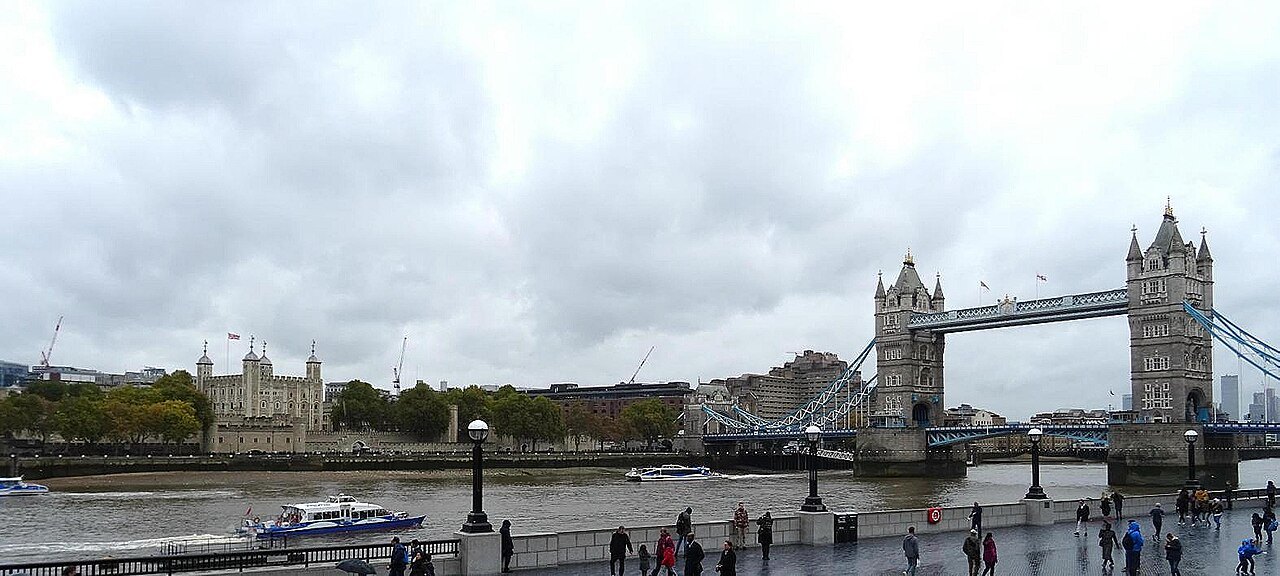
On the north side, the fortress walls and the White Tower rise on your right, and the path runs along the water. The walk is about a mile and takes less than an hour without stops. It shows the three side by side and leaves no room for confusion.
A quick test
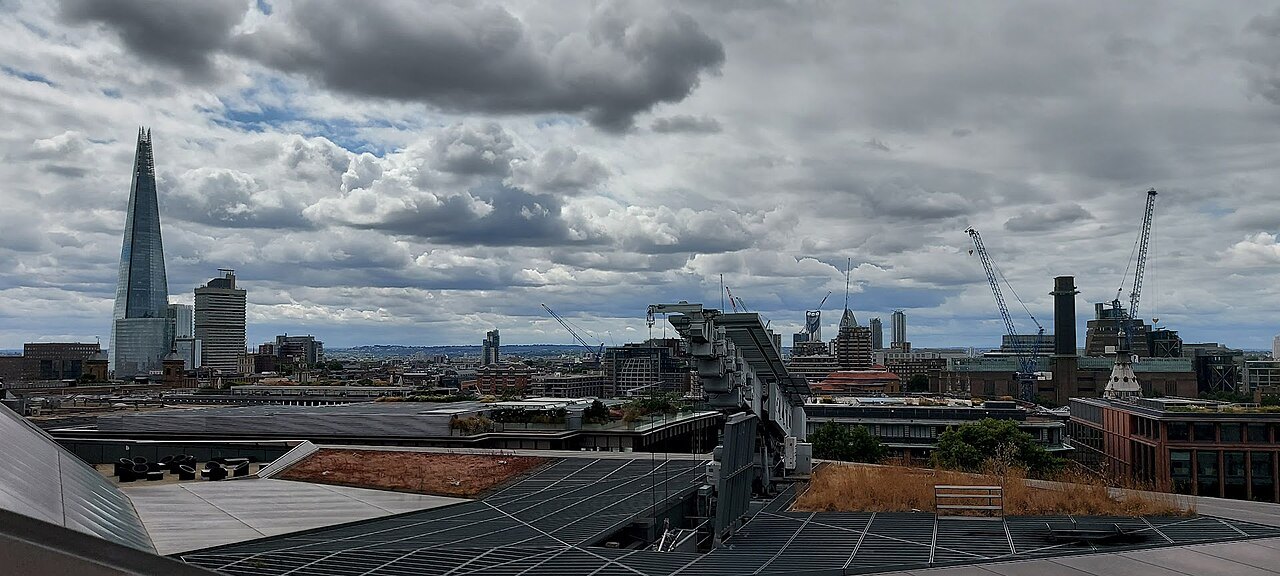
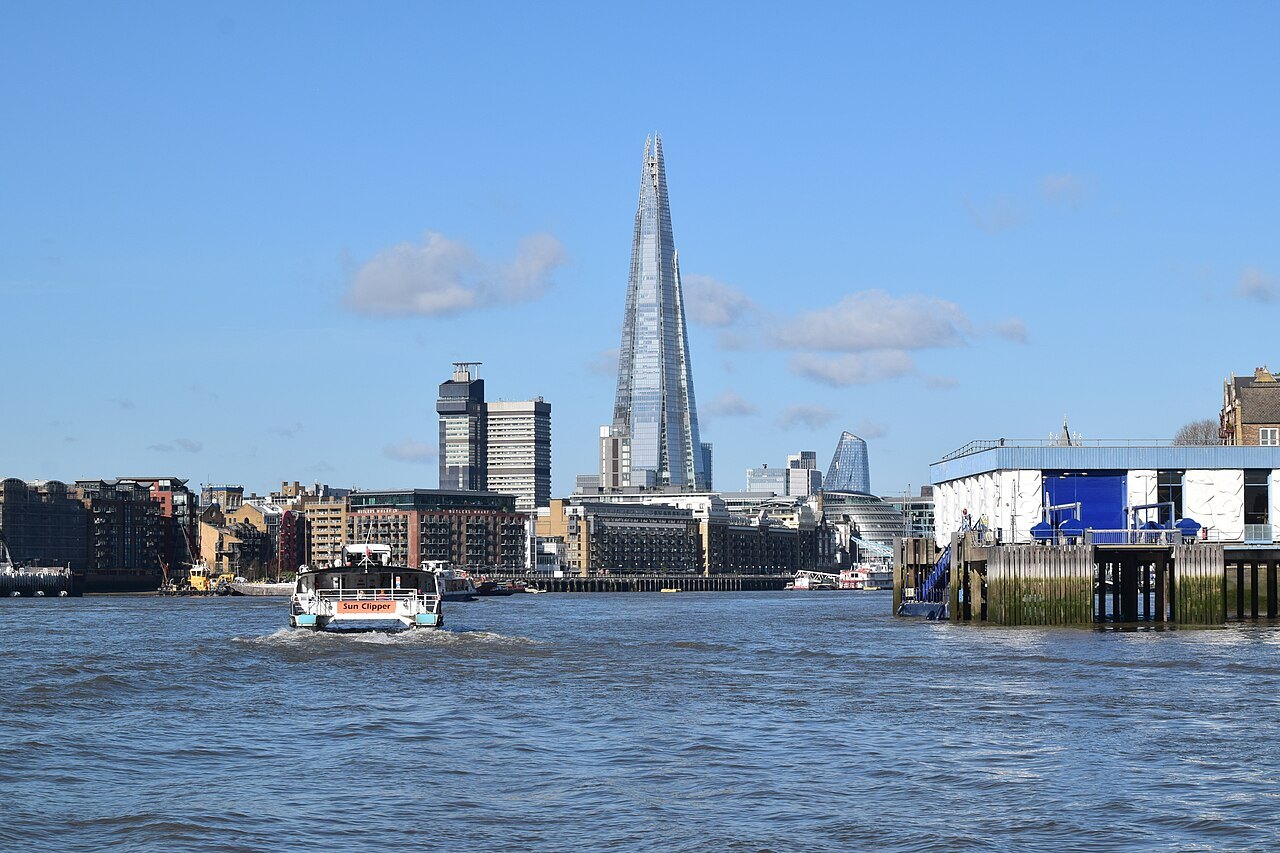
Look for the towers. Two Gothic towers with walkways at the top mean Tower Bridge. A square white tower inside a walled fortress means the Tower of London. A plain bridge with no towers means London Bridge. The three stand within about a mile of each other, so you can see all of them on one walk along the river. If you are working out which one a photograph shows, check the background as well: a modern glass tower behind the bridge, the Shard, usually means London Bridge or the south bank, while a white tower and a moat means the fortress.
Another clue is the water: Tower Bridge crosses the river where tall ships once came and still can, so you will often see it paired with moored vessels and cruise boats, whereas London Bridge carries only traffic and pedestrians and has a station at its southern end.
A good route runs from London Bridge past Borough Market and along the south bank toward the fortress. The routes for a day downstream are laid out in Itineraries.
More from the journal
Read next
- The Palace of Westminster and Big BenIs Big Ben the bell or the tower?Big Ben is the nickname of the Great Bell, and by extension of the clock tower that holds it. What the tower is really called, how the clock and bells work, why the tower leans, and what the light at the top means.Read the piece →
- Where to StayWhat is the difference between the City of London and Greater London?The City of London is a tiny ancient area of about a square mile; Greater London is the metropolis of 33 districts and more than nine million people. How they differ, who governs each, and why visitors need to know.Read the piece →
- Getting HereHow do you get from Heathrow to central London?Heathrow is 14 miles west of central London and has three rail routes into the city, plus coaches, buses and taxis. What each one is, where it stops, which terminal station to use, and how to choose.Read the piece →