Why did St Paul's survive the Blitz?
HOW THE DOME SURVIVED THE BLITZ
How Wren's triple-shell dome and crypt withstood two direct hits during the Blitz, and what that history looks like today.
Read on
The answer in full
A dome built in three parts
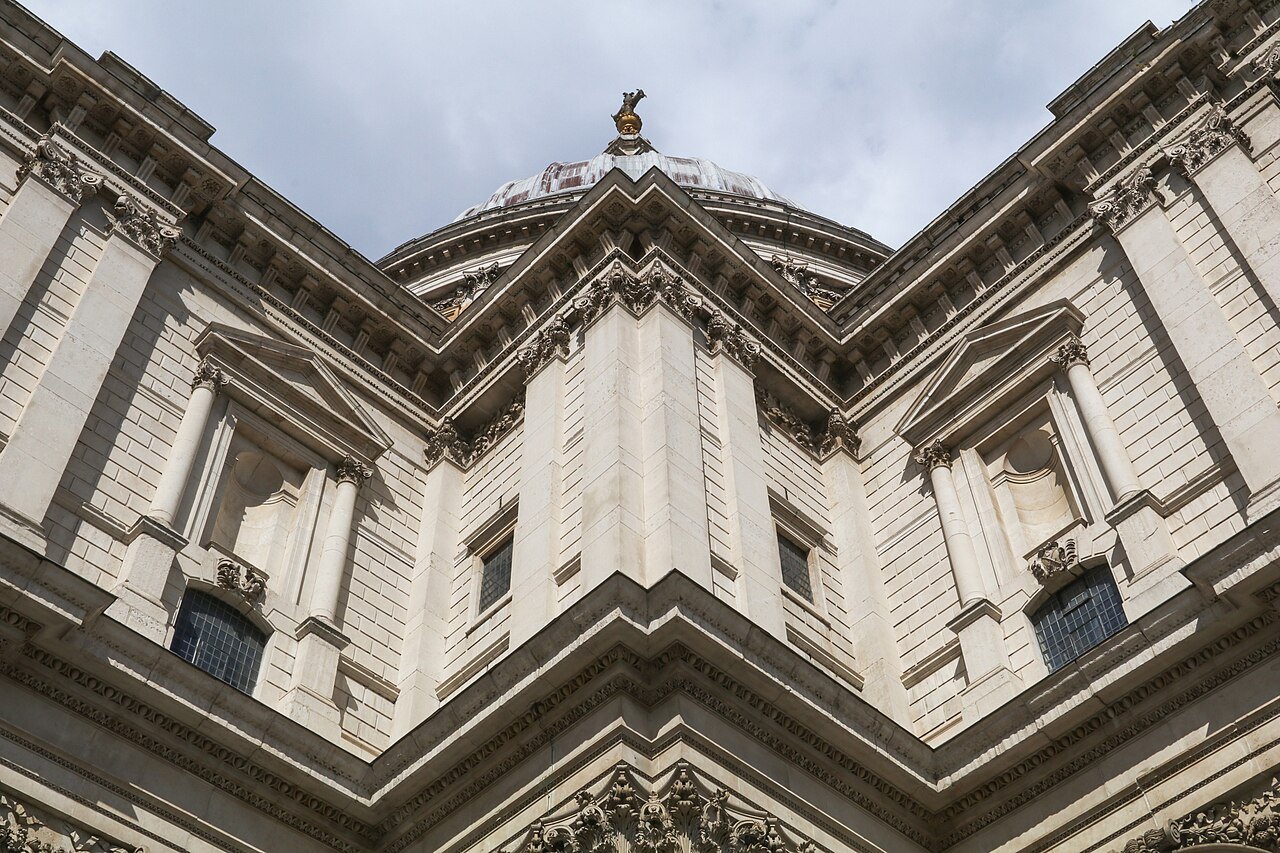
Today's St Paul's Cathedral is Christopher Wren's design, raised after the Great Fire of 1666 destroyed the medieval Old St Paul's, whose wooden roof and scaffolding fed the flames. Wren laid the first stone in June 1675 and the building was finished in 1710, within his own lifetime, something unusual for a cathedral of this scale. The result was a wholly new structure, built in stone and brick rather than the timber that had doomed its predecessor.
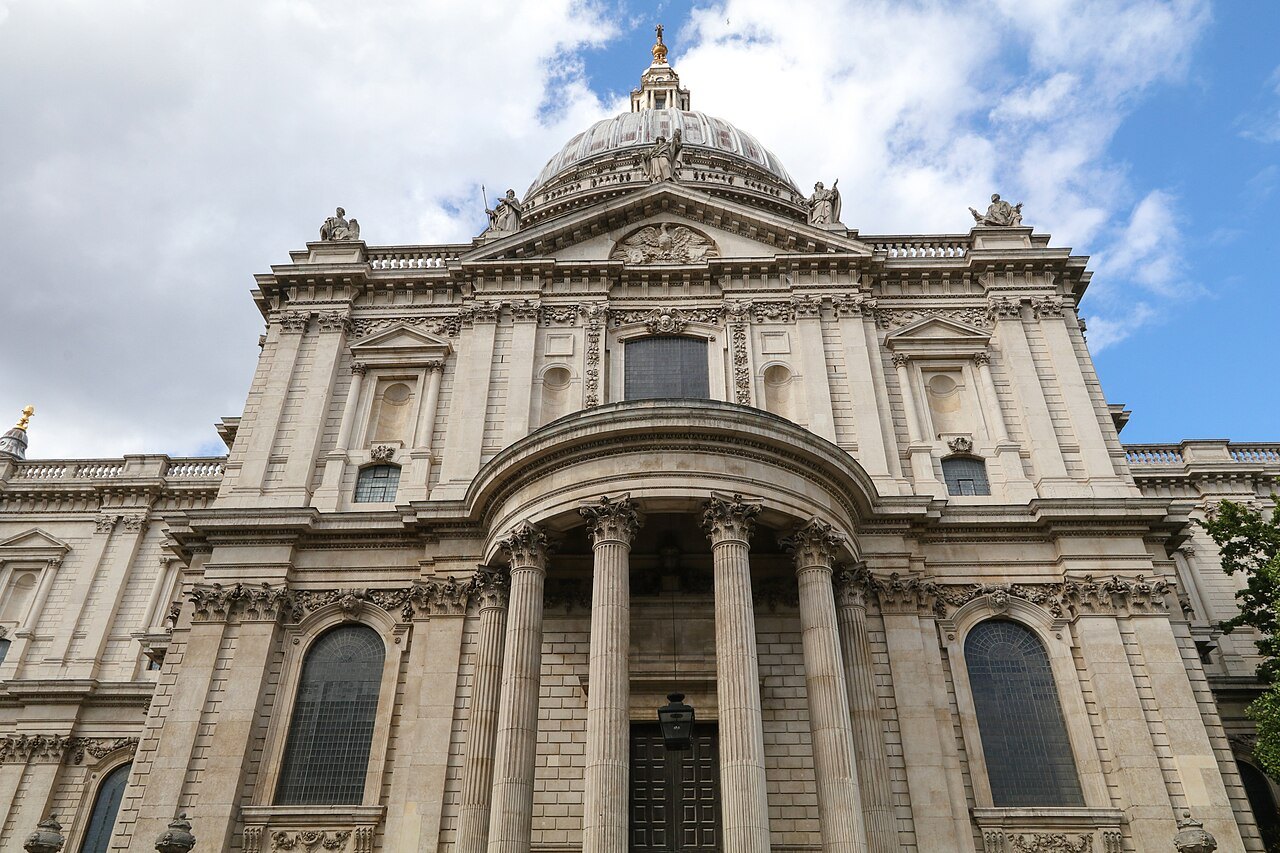
The famous dome is not one shell but three. An inner dome is what a visitor sees from the cathedral floor, a brick cone rises above it to carry the weight of the lantern, and an outer shell of timber covered in lead creates the profile recognized across the city. This layered construction let Wren build something tall and light-looking on the outside while keeping a solid, weight-bearing core inside, a structural idea quite different from a single dome of stone.
Because the cathedral sits on weak London clay, Wren set the whole building on a crypt whose massive piers carry the weight down through the ground. The crypt, now the largest in Europe, functions as the foundation as much as a burial place. That combination, a heavy masonry base under a lighter triple-shell dome, is the starting point for understanding how the building later withstood the stress of wartime bombing.
Two nights of bombing
On 10 October 1940, during the Blitz, a bomb struck St Paul's and destroyed the high altar, the focal point of the cathedral's daily worship. The wider building, including the dome, remained standing after this first strike, and the damage was concentrated at the east end rather than through the structure as a whole.
A second, more serious hit came on 17 April 1941, when a bomb shifted the whole dome slightly. That the dome could move under that kind of force without collapsing says something about the strength of the layered structure described above, though a full engineering account of the damage and its repair is not something a general guide can responsibly set out; visitors curious about the specifics should ask cathedral staff on site.
Between these two strikes, and through the rest of the war, the cathedral remained a working church in a city under repeated attack. Its survival through one hit that reached the altar and another that moved the dome itself is the core of the story most visitors hear when they look up at the lantern from the Whispering Gallery or the open galleries above it.
The photograph that became a symbol
Photographs taken during the Blitz show St Paul's dome rising above drifting smoke from fires elsewhere in the City, with the rest of the skyline barely visible. Those images were widely reproduced at the time and have remained a fixture of books about London ever since, standing for the idea that the city, and the cathedral at its center, held on through the bombing.
Part of what made the picture so effective is the cathedral's position. St Paul's stands on Ludgate Hill, the highest ground in the City of London, so its dome was visible over the smoke and the damaged buildings around it in a way that a lower building would not have been. The hilltop setting that Wren inherited turned out to matter as much in 1940 as it had when the site was first chosen centuries earlier.
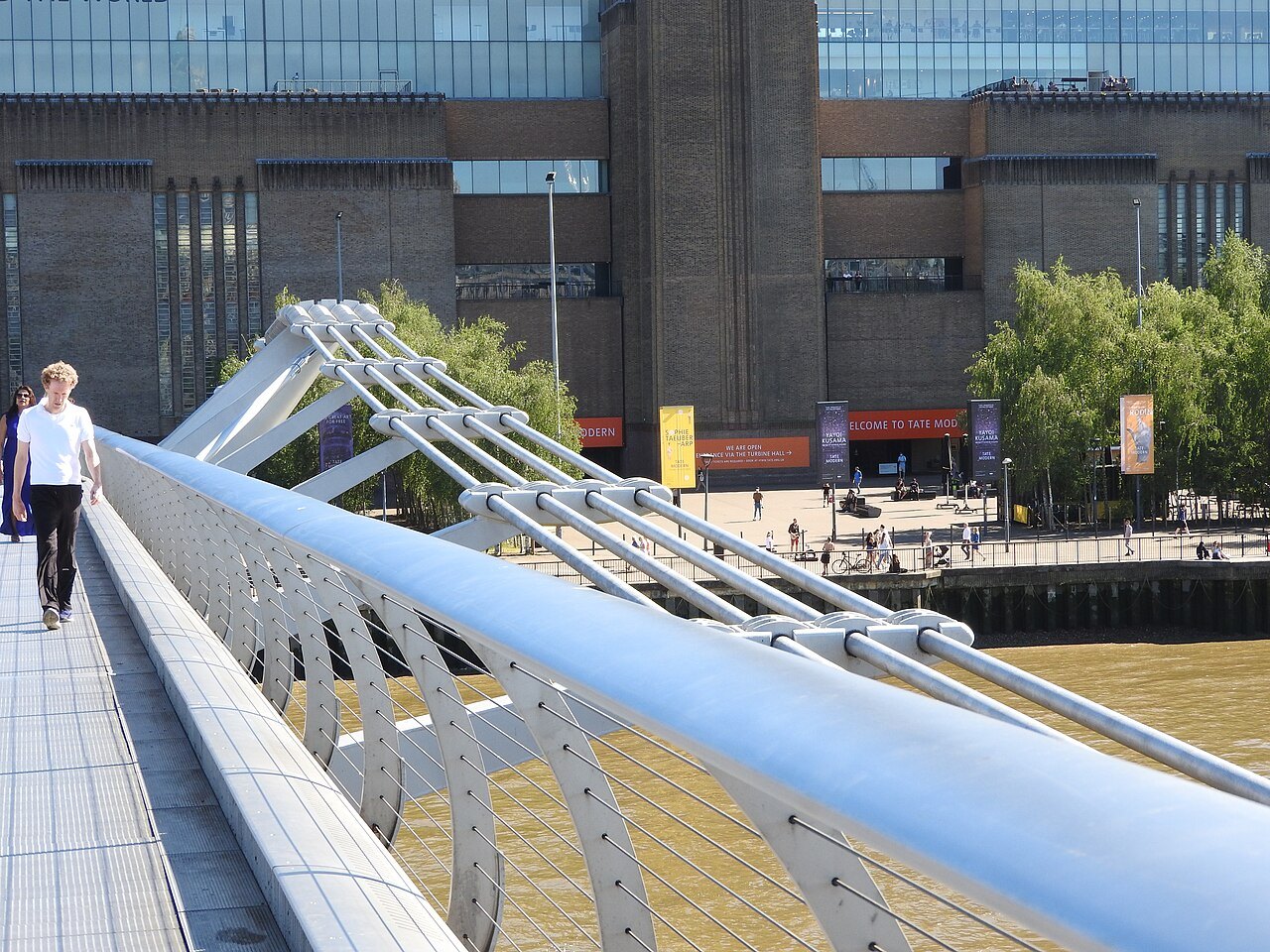
The same sightline is available to visitors now, without smoke. The dome is visible from the river and from the Millennium Bridge, and from the south bank in the evening it stands lit against the sky, the view that made the wartime photographs recognizable to people far from London.
What the structure held
The facts behind the cathedral's survival are simple to state and harder to explain in engineering detail: two direct hits, one that destroyed the high altar and one that shifted the dome, and a building that did not come down. The heavy masonry crypt beneath the whole cathedral and the layered construction of the dome are the obvious candidates for why the structure absorbed the shock rather than collapsing.
Wren built with this kind of resilience already in mind, though for a different threat. Old St Paul's had been lost to fire because its roof and scaffolding were wood; Wren's cathedral was built in stone and brick specifically to avoid that fate. The building that stood up to bombs in 1940 and 1941 was, in that sense, already designed against catastrophic loss, even if the danger its builders had in mind was quite different.
Visitors wanting a fuller technical account of the 1941 damage and its repair should ask the cathedral's guides, since that level of detail sits outside what a general guide can responsibly state. What is certain is that the building visible today, dome and all, is substantially the one that stood through the war.
Visiting the dome today
The climb to the Whispering Gallery is 259 steps, reaching a circular walkway 99 feet above the cathedral floor at the base of the inner dome. A whisper against the wall there can be heard by someone with an ear to the wall on the opposite side, the effect that gave the gallery its name.
Above the Whispering Gallery, the Stone Gallery and then the Golden Gallery are both outdoors, reached by further narrow stone stairs with no lift, so the climb is a serious one and not suited to every visitor. From the top, the view runs over the roofs of the City to the river beyond. Details on tickets and how the climb is organized belong with Booking Ahead.
Below ground, the crypt, the largest in Europe, holds Nelson's tomb, a marble sarcophagus originally made for Cardinal Wolsey, close to Wellington's memorial, and Wren's own tomb with its inscription asking visitors who seek his monument to look around them. Many others connected with the cathedral's history, including Florence Nightingale and J. M. W. Turner, are commemorated here as well.
Nearby and how it compares
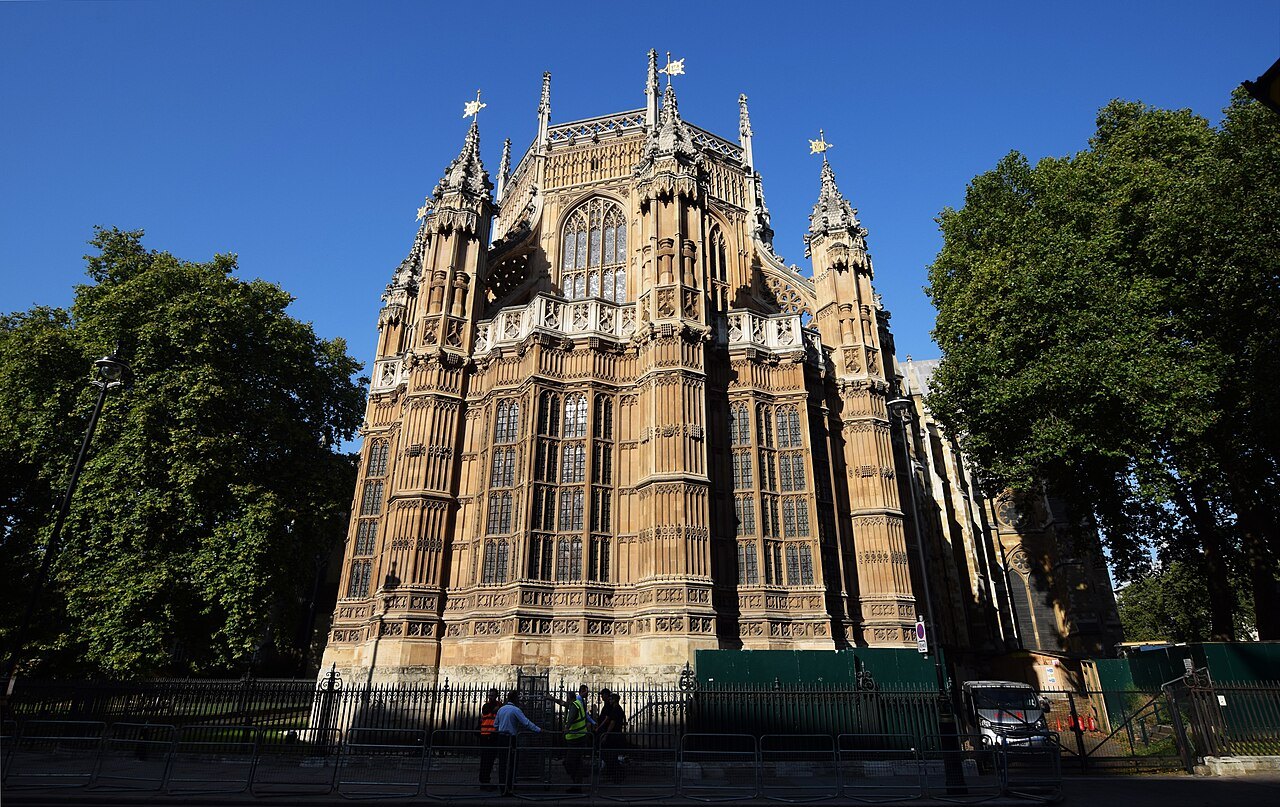
St Paul's is often compared with Westminster Abbey, two miles upstream, but the two buildings serve different roles: the Abbey is a royal, Gothic church with two pale towers, while St Paul's is Baroque, round-topped, and belongs to the City and the Church of England's diocese. A dome on the skyline marks one; twin towers mark the other.
A short walk across the Millennium Bridge leads to the south bank, home to Tate Modern and Shakespeare's Globe, and the bridge itself gives a clear sightline back to the dome, much like the wartime photographs taken from across the river.
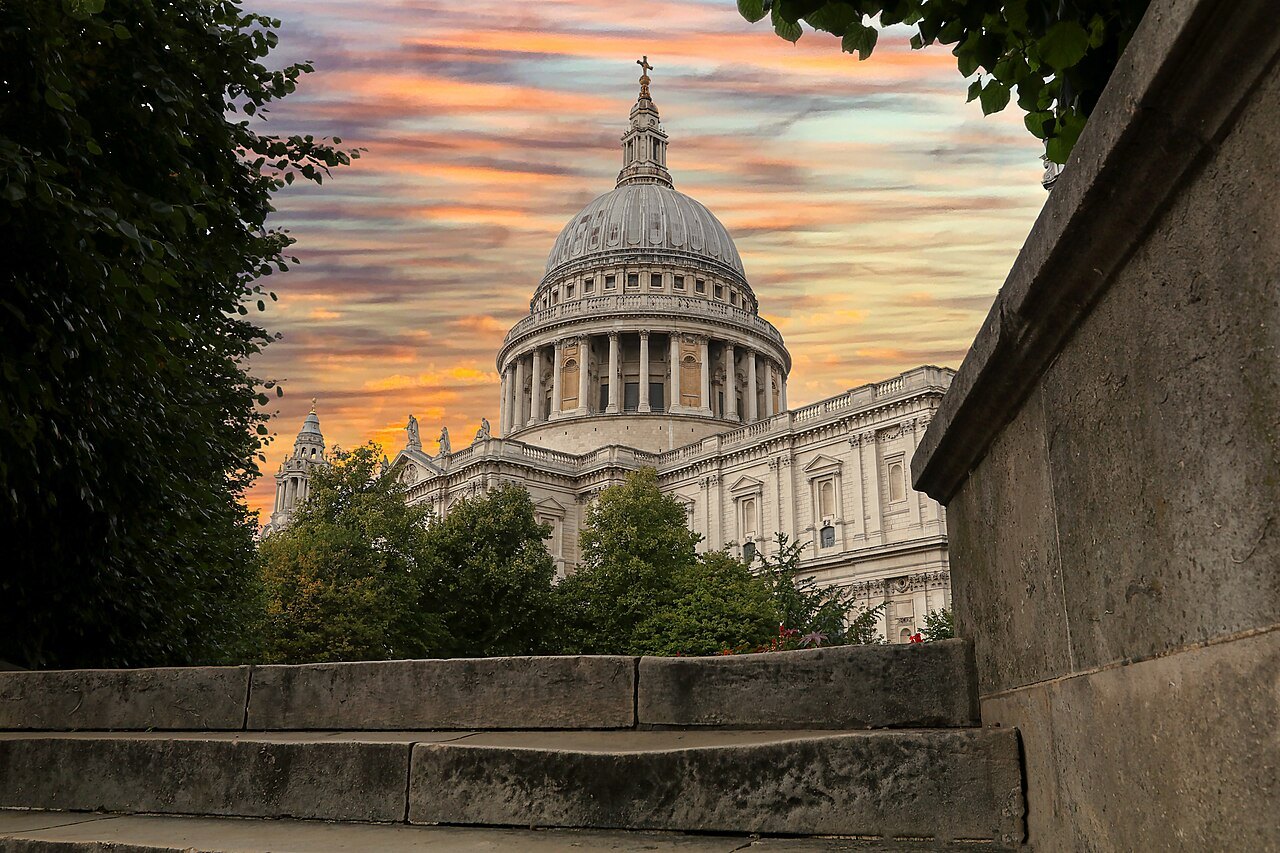
The churchyard around the cathedral remains a gathering place, much as it was in the centuries before the Great Fire, and the steps on the west front are a popular spot to sit. Visitors planning a route to the cathedral should check the official site for the nearest stations before setting out.
More from the journal
Read next
- St Paul's CathedralHow does the Whispering Gallery work?How St Paul's famous acoustic trick works, how high the gallery sits, and how to reach it on the dome climb.Read the piece →
- Where to StayWhat is the difference between the City of London and Greater London?The City of London is a tiny ancient area of about a square mile; Greater London is the metropolis of 33 districts and more than nine million people. How they differ, who governs each, and why visitors need to know.Read the piece →
- The Palace of Westminster and Big BenHow did the fire of 1834 start?How an overheated stove and an old stockpile of tally sticks destroyed the medieval Palace of Westminster in 1834.Read the piece →