How does the Whispering Gallery work?
HOW A WHISPER TRAVELS AROUND THE DOME
How St Paul's famous acoustic trick works, how high the gallery sits, and how to reach it on the dome climb.
Read on
The answer in full
A gallery built for a whisper
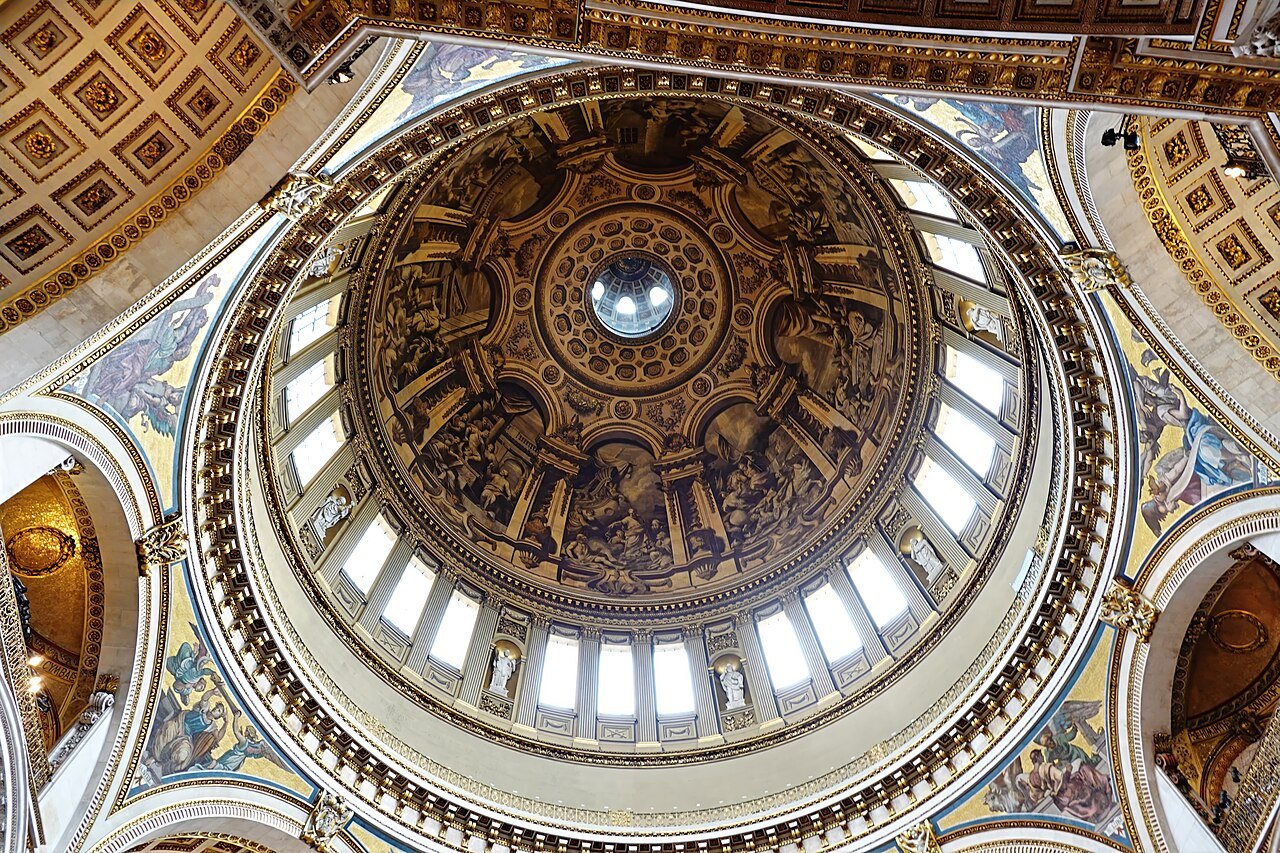
The Whispering Gallery is the first stop on the climb into the dome of St Paul's Cathedral. It is a circular walkway around the base of the inner dome, ninety-nine feet above the cathedral floor and reached by two hundred fifty-nine steps from ground level. From the gallery, visitors look down into the nave far below and up toward the painted dome overhead.
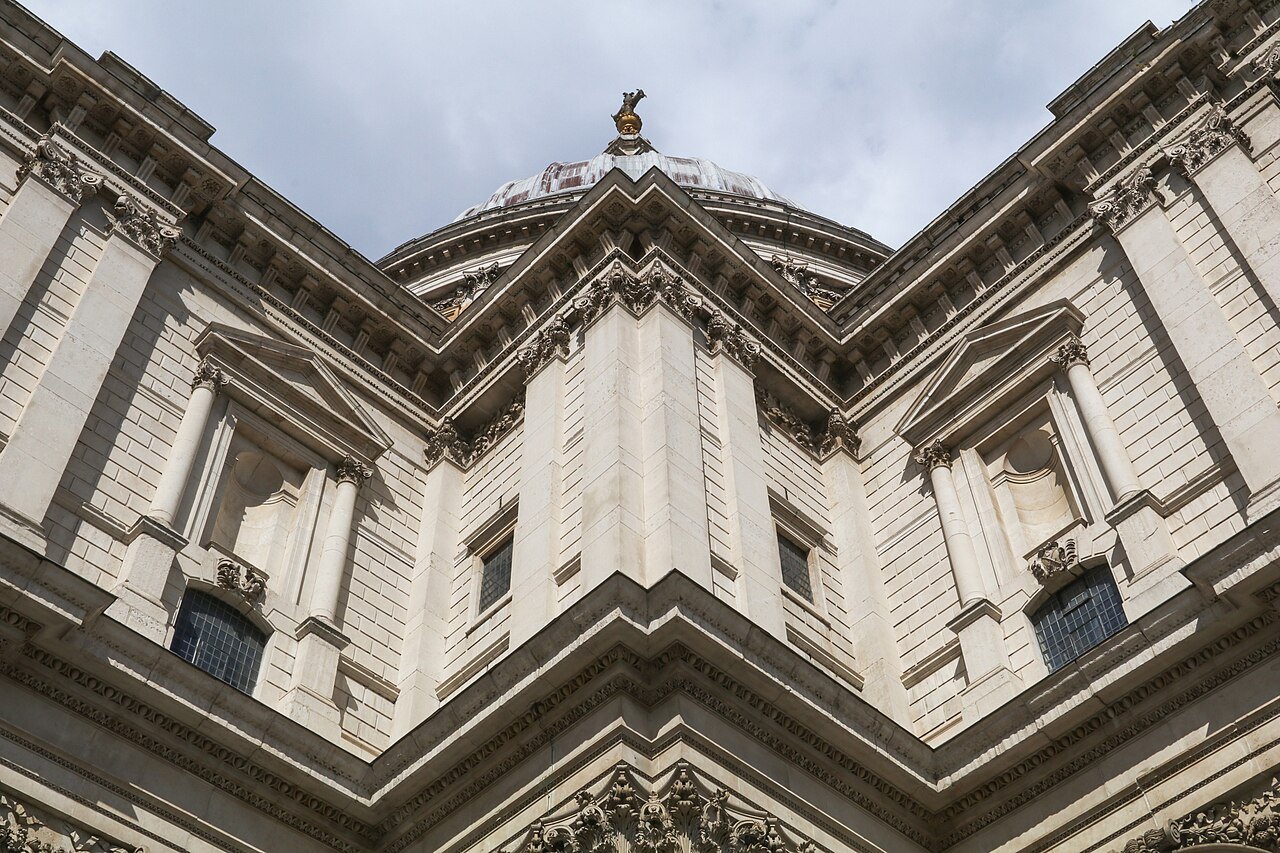
The gallery runs most of the way around the dome's base, letting visitors walk nearly the full circle before heading back toward the stairs. A stone balustrade separates the walkway from the open drop to the cathedral floor, and the curved wall beside it is what makes the gallery's whisper possible. It is usually the busiest of the dome's viewpoints.
The acoustic trick was first described here, and it gave the gallery its name. Visitors typically pair up on opposite sides of the circle, one whispering close to the stone while the other listens with an ear to the wall, before swapping places to try it the other way around.
The gallery belongs to Christopher Wren's design, completed in 1710, and is part of the same dome that has risen over the City skyline for more than three centuries. It was built within Wren's own lifetime, unusual for a cathedral of this scale, and the gallery has drawn visitors curious about its acoustics ever since.
The climb up
Reaching the gallery means climbing two hundred fifty-nine stone steps from the cathedral floor, on stairs that are narrow and spiral in places. No lift carries visitors up; the ascent is entirely on foot, so anyone who finds stairs difficult, or who feels uneasy with heights, should weigh the climb before setting out toward the dome.
The climb continues beyond the Whispering Gallery to two further viewpoints, the Stone Gallery and, higher still, the Golden Gallery, both reached by additional flights and both outdoors. Visitors who only want the Whispering Gallery can stop there and return to the cathedral floor without climbing any further, which keeps the visit shorter for anyone short on time or stamina.
How tickets for the climb work, and what to check before visiting, including any current restrictions on the dome route, is covered in Booking Ahead. It is worth checking this before arriving, since the stairs are the sole route up and down to every gallery above the cathedral floor, with no shortcut partway up the dome.
How the whisper travels
The effect is simple to try. A visitor whispers close to the stone wall on one side of the circular gallery, and a second visitor standing with an ear to the wall on the far side, many feet away, can hear the words clearly, even though the two could not hear each other at a normal speaking volume across the open space between them.
A single clap produces not one echo but several, repeating in quick succession as the sound travels around the curve of the wall. Visitors often test the effect by clapping or speaking in turn, listening for the overlapping echoes before trying a whisper of their own against the stone wall at a quieter moment.
The effect was first described at St Paul's, and it is why the gallery lent its name to the general phenomenon. Any curved space that carries a whisper around its wall in the same way has since come to be called a whispering gallery, after this one, though the name is now used loosely for many different spaces.
Why the dome carries sound
The dome of St Paul's is not a single shell but three structures built one inside the other. An inner dome is what visitors see from the cathedral floor, a brick cone hidden between the layers carries the weight of the lantern above, and an outer dome of timber and lead gives the building its familiar profile on the skyline.
The Whispering Gallery sits at the base of the inner dome, where the curved masonry wall is continuous and unbroken. A whisper spoken close to such a wall travels around its curve rather than spreading into the open room, which is why it reaches a listener on the far side more clearly than it would reach someone standing in the middle of the gallery.
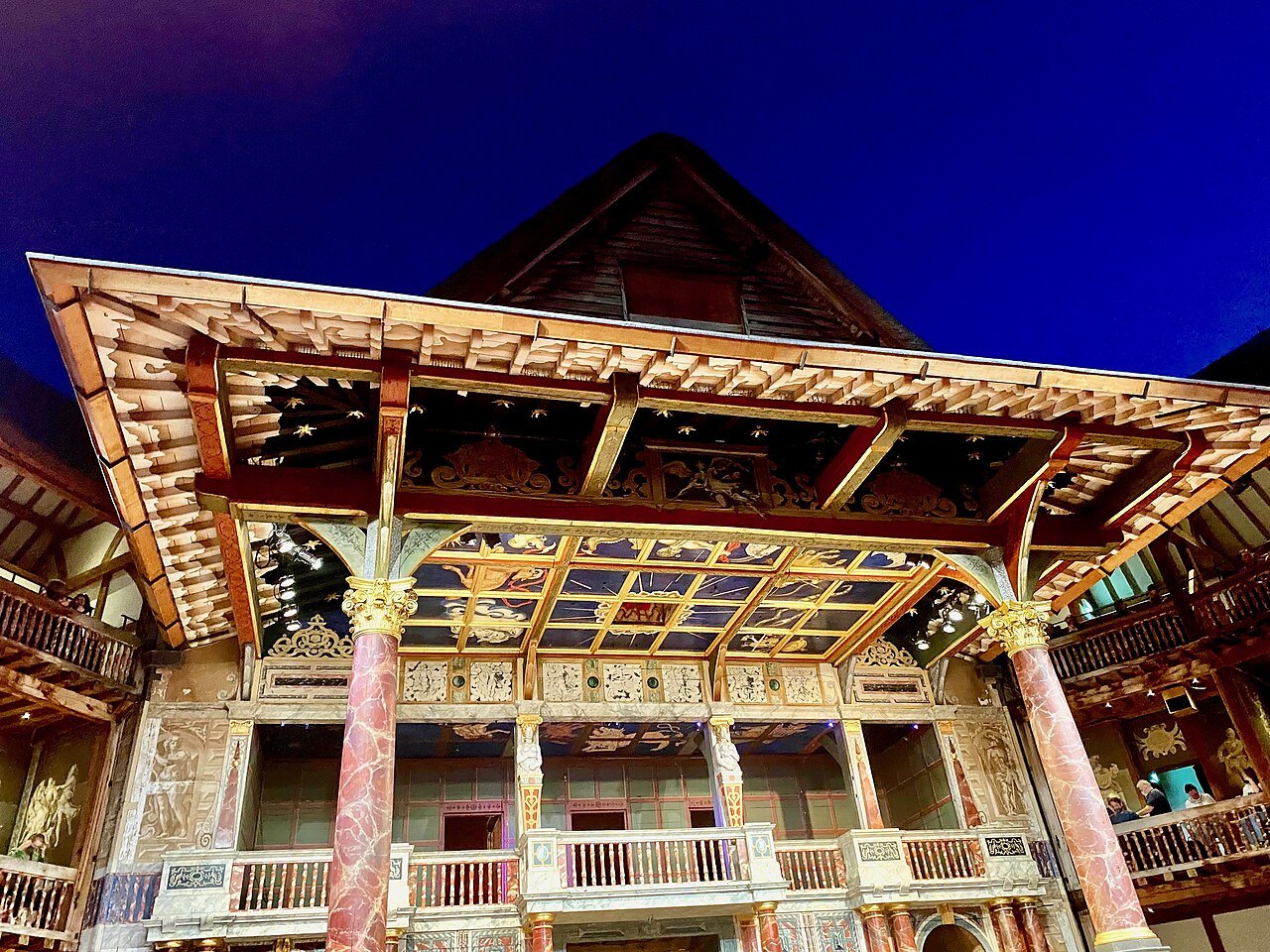
Above the gallery, the inside of the dome is painted with scenes by James Thornhill, visible to anyone walking the circular floor below. The gallery is the closest point from which to see this painted ceiling up close, so the stop rewards visitors with both a view and an echo in the same few minutes.
The cathedral as a whole stands on London clay, which is too weak to support the dome directly, so the crypt beneath the entire building carries the weight on massive stone piers. This foundation, hidden from visitors in the Whispering Gallery, is part of the same structural system that lets the dome rise as high and as wide as it does.
Beyond the Whispering Gallery
Visitors who continue past the Whispering Gallery climb further stone stairs to the Stone Gallery, an outdoor walkway around the base of the dome's outer structure, and then higher still to the Golden Gallery, just below the lantern at the very top of the dome, reached by yet another set of narrow steps.
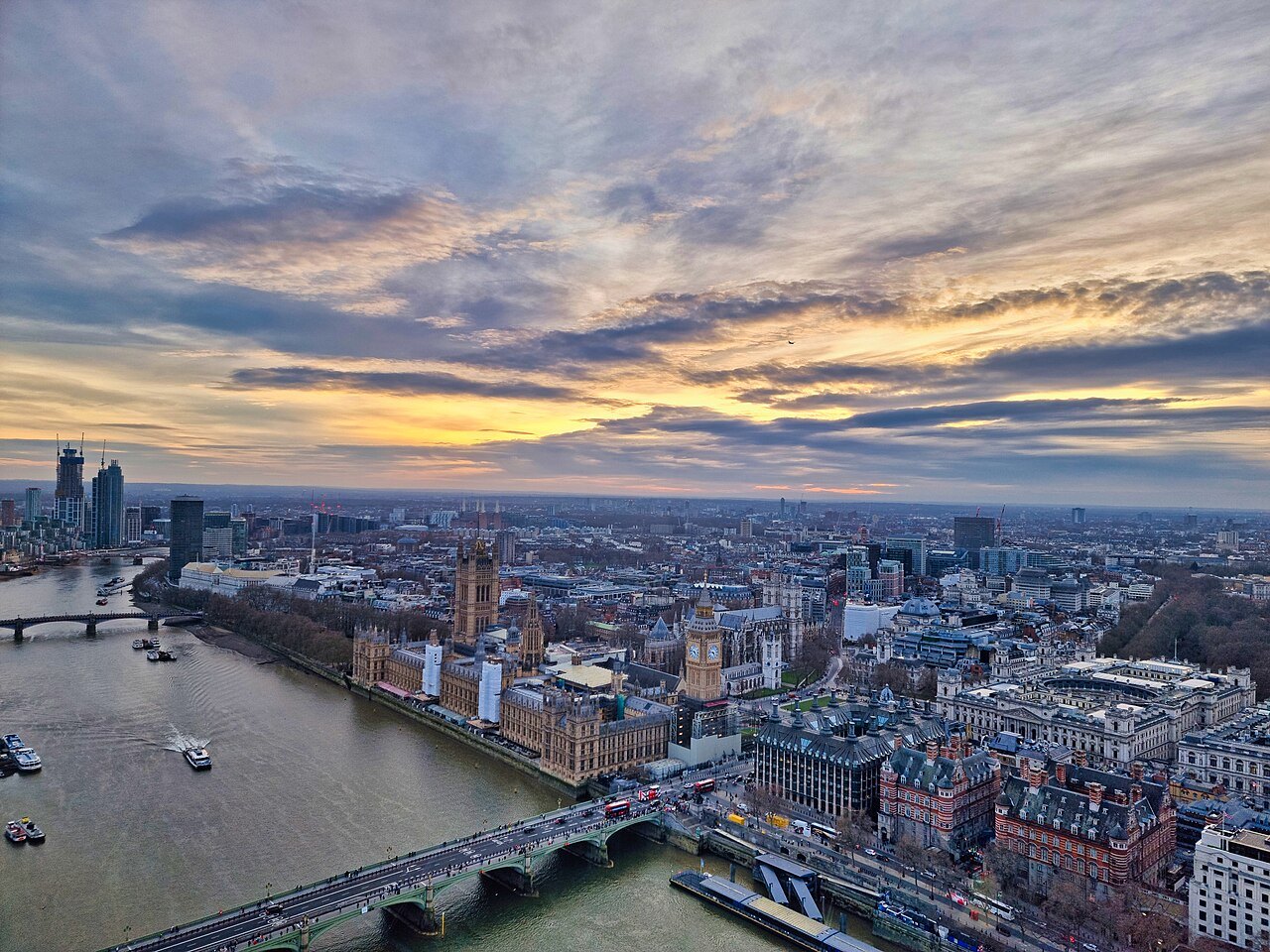
Both of these upper galleries are in the open air and give views over the rooftops of the City of London, with the River Thames visible beyond. The climb to reach them is longer and steeper than the stretch to the Whispering Gallery, with more stone steps on narrow stairs.
These later stages are optional. Visitors who have seen the Whispering Gallery and heard its echo can turn back and descend without continuing further, while those who want the rooftop views should allow extra time and stamina for the additional climb, since the stairs cannot be skipped by returning later in the same visit.
Visiting practically
The Whispering Gallery is part of the standard climb into the dome rather than a separate attraction, but how the route is organized, and whether timed access applies on a given day, is worth confirming with the cathedral before setting out, since arrangements for the dome can differ from the arrangements for the nave and crypt below.
Because the climb is entirely on narrow stairs, visitors with mobility difficulties or anyone uneasy with heights should weigh the length of the ascent in advance. Comfortable shoes help, since the stone steps wind tightly in places, with little room to pass another visitor coming the other way along the curve.
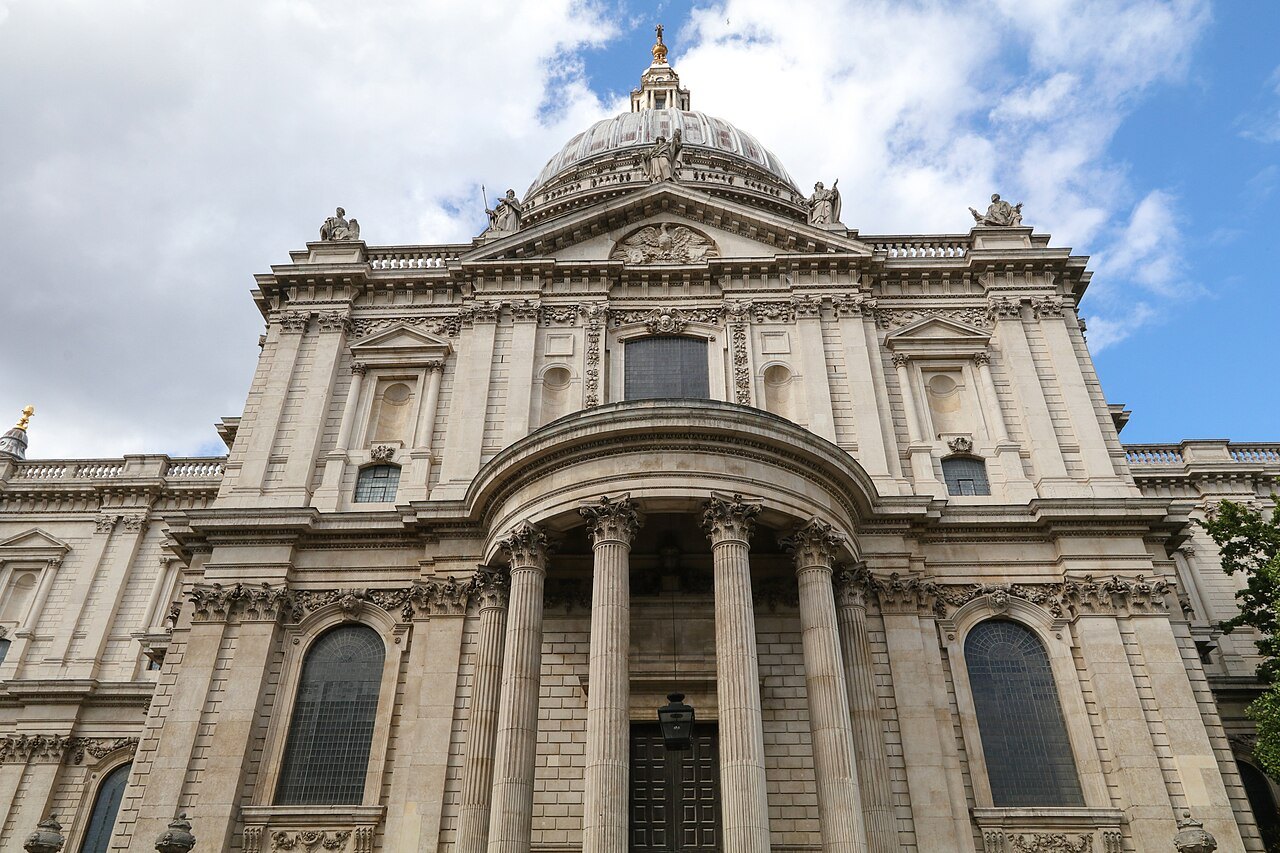
After the dome, the standard route often continues to the crypt, where Wren himself is buried along with Nelson and Wellington, and to the Geometric Staircase in the south-west tower, usually seen only as part of a guided tour. Together these form the fuller visit to the cathedral beyond the dome climb.
More from the journal
Read next
- Where to StayWhat is the difference between the City of London and Greater London?The City of London is a tiny ancient area of about a square mile; Greater London is the metropolis of 33 districts and more than nine million people. How they differ, who governs each, and why visitors need to know.Read the piece →
- Westminster AbbeyWho is buried in Poets' Corner?A guide to the writers, monarchs, and the unknown soldier buried within Westminster Abbey's south transept and beyond.Read the piece →
- The Palace of Westminster and Big BenHow did the fire of 1834 start?How an overheated stove and an old stockpile of tally sticks destroyed the medieval Palace of Westminster in 1834.Read the piece →