Who is the Unknown Warrior?
A SOLDIER WITHOUT A NAME
Who the Unknown Warrior is, why he lies near the west door of Westminster Abbey, and what the soil around him means.
Read on
The answer in full
A grave near the west door
Just inside the west entrance of Westminster Abbey, set into the floor rather than raised as a monument, lies the grave of the Unknown Warrior. Visitors heading in from the great door pass directly over the spot, and it is usually one of the first things noticed inside the nave, a plain black slab among the abbey's grander, named tombs.
The soldier buried here was a British serviceman killed in the First World War whose identity could never be established. He was brought back from France and buried in the abbey in 1920, placed under soil carried over from the battlefields where so many men like him had died.
Visitors are asked not to walk on the grave, and the request is observed closely by those passing through the nave. It is a small, deliberate break from the abbey's usual traffic of sightseers moving between tombs and chapels toward the choir and the shrine beyond.
Unlike the carved and labeled tombs nearby, the grave offers no name, no dates, and no coat of arms to read. That absence is the point: the slab commemorates not a specific biography but an entire category of loss that the war left behind.
What unknown means here
The grave does not mark a particular man whose name has been lost to record keeping. It marks one of the very large number of British dead of the First World War who could not be identified at all, men whose remains gave no name, regiment, or family to notify.
By burying one such soldier among kings and poets, the abbey turned an individual loss into a collective one. The grave stands for every family that had no body to bury and no marked grave abroad to visit, which is why it carries a weight unlike the named tombs around it.
The fact base behind this page does not record how that particular soldier was selected from among the war's unidentified dead, and the abbey's own information office is the place to check for that detail, along with any current arrangements for commemorations held at the grave.
Brought home in 1920
The reburial took place in 1920, two years after the war's end, when the scale of loss was still raw across the country. Bringing an unidentified soldier back from France and burying him inside one of the country's oldest and most visited churches was a way of giving that loss a fixed, permanent place.
The choice of Westminster Abbey was itself significant. This is the church where forty monarchs have been crowned and where eighteen are buried, along with more than three thousand three hundred other people commemorated inside, from medieval queens to the writers gathered in Poets' Corner. Placing an anonymous soldier among them was a deliberate leveling of rank.
Nothing in the abbey's record suggests the grave has been moved or altered since 1920, and it remains set into the nave floor near the west door exactly where it was first laid, close to the spot where most visitors first step inside.
Company in a crowded church
The abbey holds an unusual mix of the famous and the ordinary. Isaac Newton has a monument in the nave; Geoffrey Chaucer was the first writer buried in what became Poets' Corner, in 1400; the shrine of Edward the Confessor, the church's founder, once drew pilgrims from across the country to the east end.
Against that backdrop of named greatness, the Unknown Warrior's grave is pointedly without a name. It sits near tombs of queens and poets but identifies no one, and that contrast is part of what makes it affecting rather than merely another stop on a long walk through the nave toward the coronation chair.
The artist William Morris once called the abbey a National Valhalla, a gathering of the nation's dead regardless of era. The Unknown Warrior fits that description as well as anyone, standing for a generation of men who have no individual monument anywhere else.
The soil and the symbol
The earth beneath the slab was brought specifically from the battlefields of France, so that the soldier would be buried, in effect, with his fallen comrades rather than in English ground alone. That detail is part of what separates this grave from an ordinary war memorial listing names and dates.
The grave sits close to other markers of national remembrance scattered through the abbey and the surrounding streets of Westminster, though the fact base behind this page does not describe those in detail. Visitors wanting the wider context of the war's memorials in the area should check with the abbey or a guided tour for specifics.
Because the grave speaks for an entire group rather than one man, it tends to draw a different kind of attention than the named tombs nearby. Visitors often pause longer here than at grander, more elaborately carved monuments a few steps away.
Visiting the grave
Because the abbey is a working church with a daily pattern of services, access to parts of the nave can change at short notice, particularly around state occasions. Before visiting, check the abbey's own notice of closures so the grave and the surrounding nave are not missed because of a service already under way.
The grave itself needs no separate arrangement to see, but general entry to the abbey often needs arranging in advance; the practical detail on timed entry and what to book is covered in Booking Ahead, which is worth reading before the day of the visit.
Most visitors reach the grave within minutes of entering, since it lies so close to the west door, but allow a good half day for the abbey as a whole if the cloisters, the chapter house, and the undercroft museum are also on the list for the same visit.
Nearby and further context
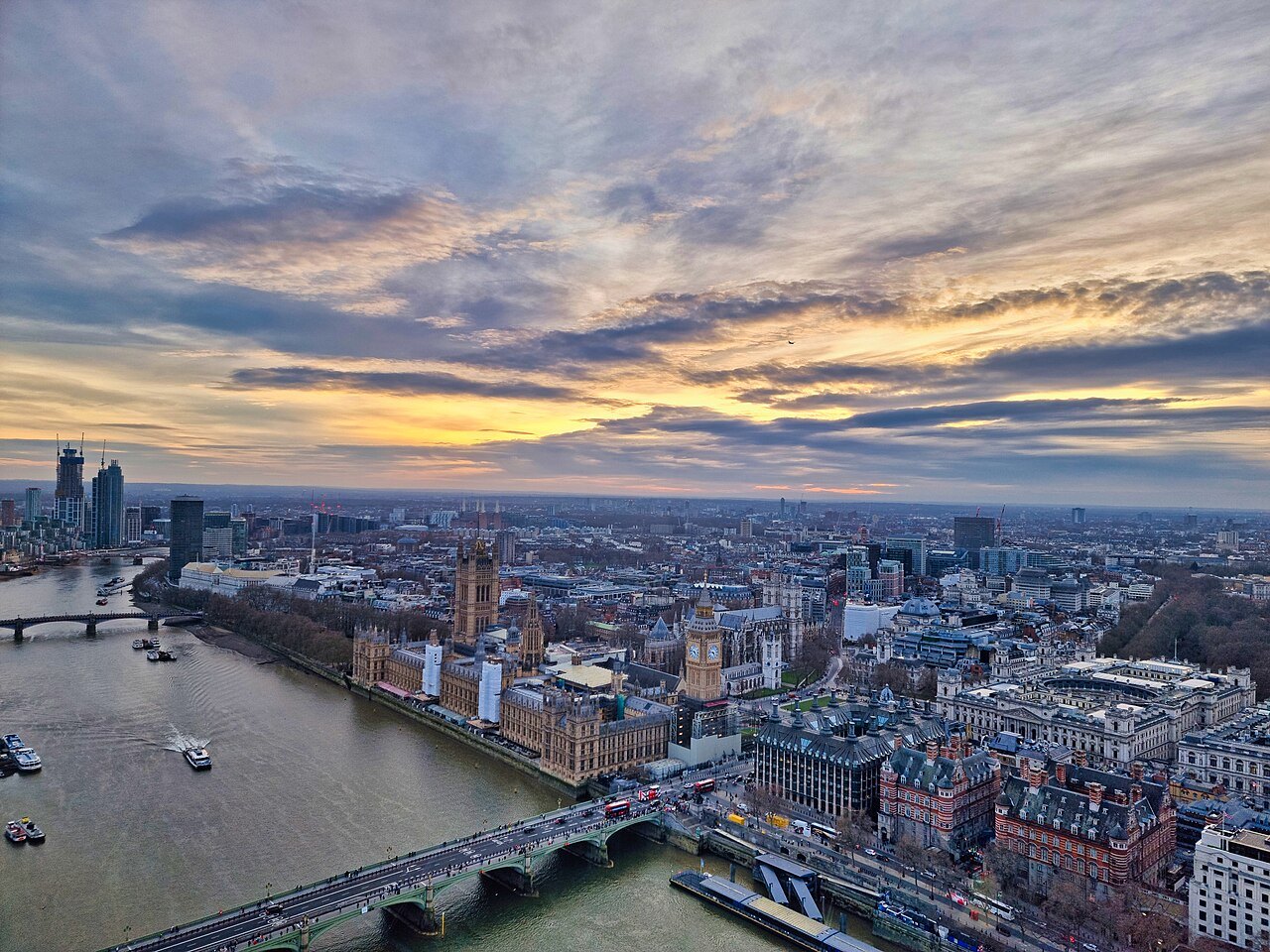
The abbey sits directly beside the Palace of Westminster, and the two buildings are often confused by visitors moving between them, though one is a church and the other is the seat of government. A walk from the abbey through St James's Park leads toward Buckingham Palace for those continuing their day on foot.
For a wider sense of what else London holds from the same centuries of history, the Sights overview and the Itineraries page both set the abbey within a longer day's route through Westminster and beyond.
Whatever else is on the plan, the grave by the west door is worth the few quiet minutes it asks for before moving on to the abbey's older and grander monuments, including the coronation chair and the chapel built for Henry the Seventh.
More from the journal
Read next
- Westminster AbbeyWho is buried in Poets' Corner?A guide to the writers, monarchs, and the unknown soldier buried within Westminster Abbey's south transept and beyond.Read the piece →
- Westminster AbbeyWhat is the Stone of Scone, and why was it stolen in 1950?How a captured Scottish relic came to sit beneath the Coronation Chair, and who took it from the abbey one Christmas.Read the piece →
- The Palace of Westminster and Big BenHow did the fire of 1834 start?How an overheated stove and an old stockpile of tally sticks destroyed the medieval Palace of Westminster in 1834.Read the piece →