Who is buried in Poets' Corner?
WRITERS, KINGS, AND ONE SOLDIER
A guide to the writers, monarchs, and the unknown soldier buried within Westminster Abbey's south transept and beyond.
Read on
The answer in full
A gathering of writers
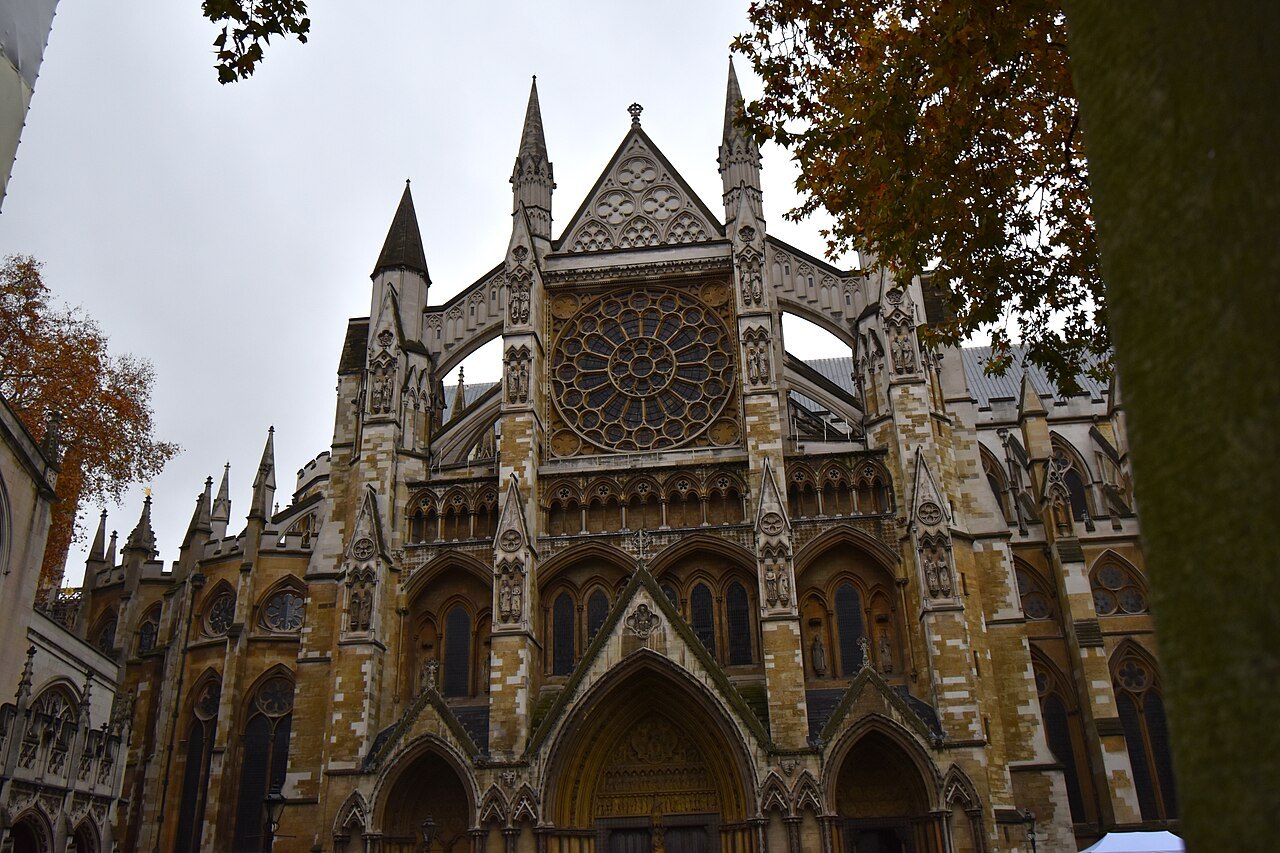
Poets' Corner sits in the south transept of Westminster Abbey, the wing of the church that opens south of the main crossing. It is not a single chapel but a gathering of floor stones, wall plaques, and monuments that has grown for more than six centuries, honoring writers whose remains may lie elsewhere. The artist William Morris once called the whole abbey a National Valhalla, and Poets' Corner is where that description feels most literal.
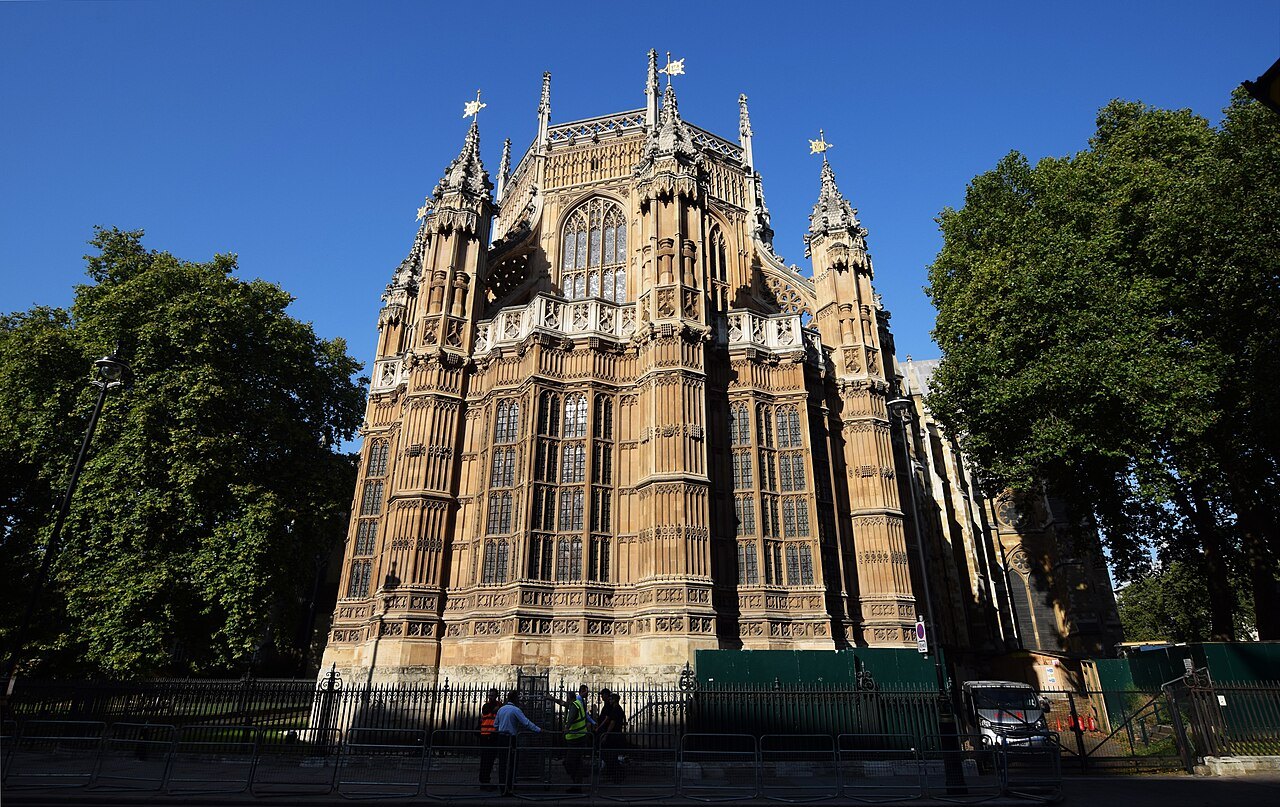
The abbey holds more than three thousand three hundred burials and memorials in total, spread through the nave, the transepts, the cloisters, and the chapels at the east end. Poets' Corner is only one part of that larger pattern, but it is the part most visitors come looking for, and the one most often mentioned in guidebooks and school lessons about English literature.
Not everyone named here is buried beneath the floor. Some have a monument or a plaque without a grave, their remains resting elsewhere, in a family plot, a country churchyard, or a foreign grave. The abbey does not always make the distinction obvious at a glance, so a monument's wording is worth reading rather than assumed.
Chaucer and the start of the tradition
Poets' Corner began with one burial. Geoffrey Chaucer, the author of The Canterbury Tales, was buried in the south transept in 1400. He had worked near the abbey as Clerk of the King's Works, which is likely why he was buried here at all rather than for his writing, since his literary fame grew mostly after his death.
Chaucer's original grave was modest, and the elaborate tomb now linked with his name was added later, well after his death, once his reputation as the father of English poetry was fixed. His presence set a pattern: other writers were buried nearby or commemorated near him, and the south transept slowly filled with memorials to literary figures rather than courtiers or clergy.
By the time the custom had a name, it covered centuries of English writing. The term Poets' Corner describes the practice more than it describes any formal plan by the abbey's Dean and Chapter, who have continued, case by case, to accept new memorials and the occasional burial long after Chaucer's death.
From Dickens to Hardy
Over the centuries the south transept gathered writers whose careers spanned very different periods of English literature, from Charles Dickens in the nineteenth century to Thomas Hardy at the turn of the twentieth. Many more names fill the floor and walls around them, and the abbey's own records cover the gathering in far greater detail than any single guidebook page can.
Burial here was never automatic, and it was not reserved only for poets despite the name; novelists, playwrights, and other writers of standing were added over time. Some arrived soon after death, others by later campaigns to honor a writer whose reputation had grown. A few memorials mark writers whose actual grave lies elsewhere.
Visitors hoping to find a specific name should check the abbey's own plan or ask the stewards inside, since the floor is closely packed with inscriptions and the arrangement is not organized by period or by reputation. A guide or printed plan, available from the abbey itself, makes it far easier to find any one name among the crowd of memorials.
Newton and the rest of the nave
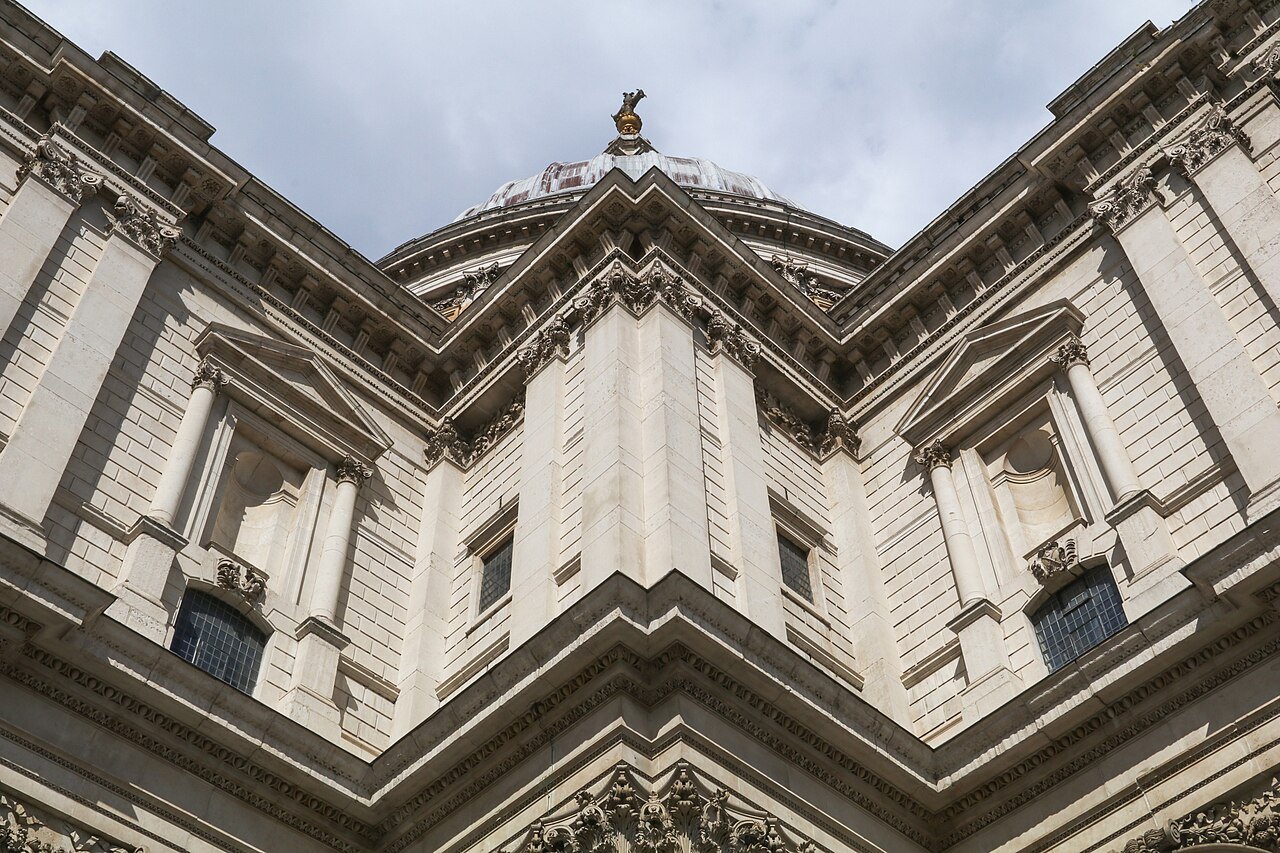
Not every well-known memorial sits inside Poets' Corner itself. Isaac Newton's monument stands in the nave, beside the choir screen, some distance from the south transept. It is one of the abbey's most visited markers and a reminder that Poets' Corner is only part of a much wider pattern of commemoration across the building.
The abbey's memorials together cover scientists, statesmen, and military figures as well as writers, which is why Morris's description as a Valhalla fits the building as a whole rather than any one corner of it. Visitors who come only for Poets' Corner may want to budget time to see Newton's monument and the other markers scattered through the nave and transepts.
The sections on what else fills the church, including the Henry VII Chapel, the Coronation Chair, and the tombs of earlier kings, are covered on the main Westminster Abbey page, and are worth reading before a visit so the full scale of the building is not a surprise once inside its doors.
The Unknown Warrior
Near the west door lies the grave of the Unknown Warrior, a different kind of memorial from the literary monuments elsewhere in the church. The grave holds an unidentified British soldier of the First World War, brought back from France in 1920 and buried under soil carried from the battlefields where so many had died without a name.
The grave is one of the few places in the abbey where visitors are specifically asked not to walk across the stone, a mark of the respect given to the unnamed dead it represents. It sits close to the entrance most visitors use, so it is often one of the first things seen on the way in, before the crowds thin toward the east end.
Its position near Poets' Corner, though it is not part of that tradition, makes an interesting contrast within the same walk: one corner of the church names individuals across six centuries of writing, while this single grave deliberately commemorates a soldier who can never be named, standing for all those who died without record.
Monarchs among the tombs
Eighteen monarchs are buried within Westminster Abbey, a tradition that began with Edward the Confessor, whose church this originally was. He was buried here in January 1066, shortly after his new Romanesque building was consecrated, and his shrine later drew pilgrims for centuries after he was made a saint in 1161.
Henry VII, who built the fan-vaulted chapel at the abbey's east end, is buried there himself after his original plan to bury Henry VI nearby as a second royal saint fell through. Behind the chapel's altar lie Elizabeth I and her half-sister Mary I, buried together in a single grave despite their very different reigns.
These royal tombs sit apart from Poets' Corner but belong to the same larger pattern of burial and memory that fills the church. A visitor moving from the literary monuments in the south transept to the Henry VII Chapel passes through centuries of English history condensed into a single building.
Visiting Poets' Corner
Westminster Abbey is a working church with daily services, and sections including the transepts can close at short notice when a service or state occasion is taking place. Check the abbey's own notice of closures before planning a visit built around Poets' Corner specifically, since access to the south transept can change from one day to the next.
Details on timed tickets and what needs booking in advance are covered in Booking Ahead. Allow plenty of time inside; the abbey rewards at least a half day if the cloisters and chapter house are also on the list, and Poets' Corner itself repays slow, careful reading rather than a quick walk-through past the stones.
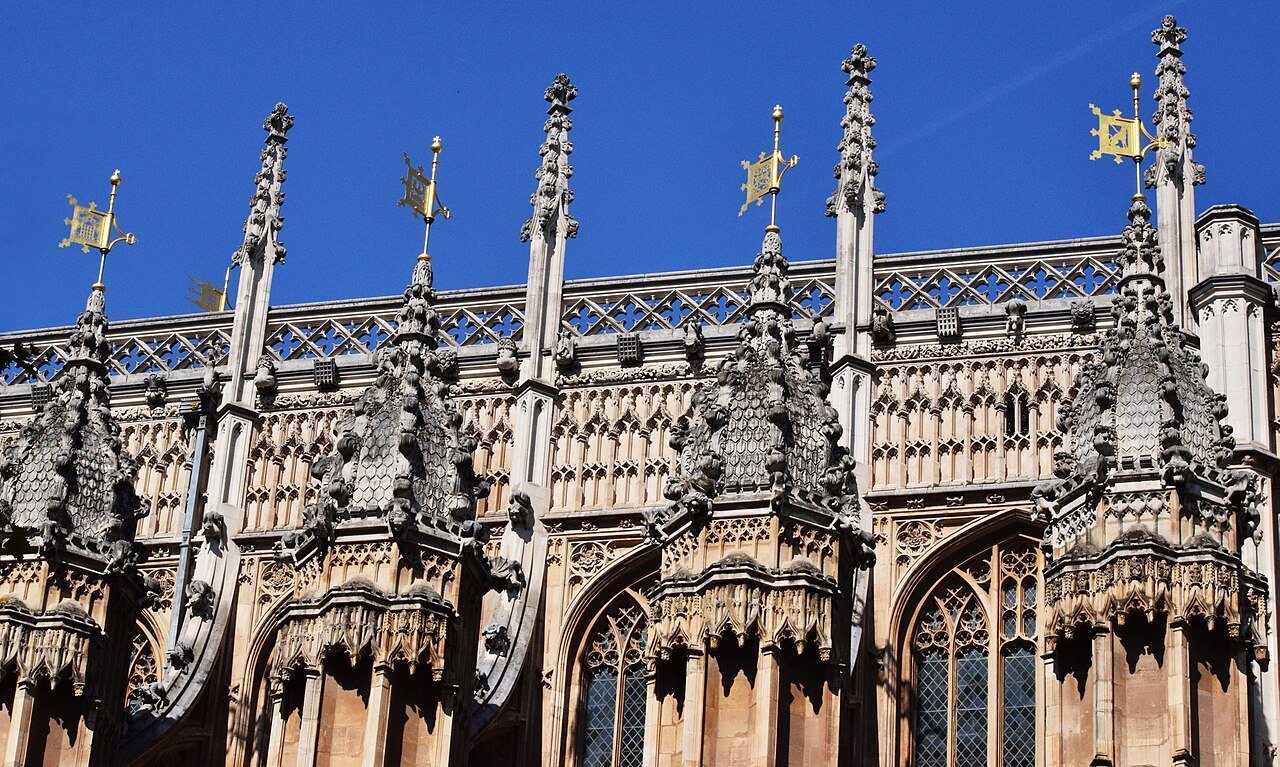
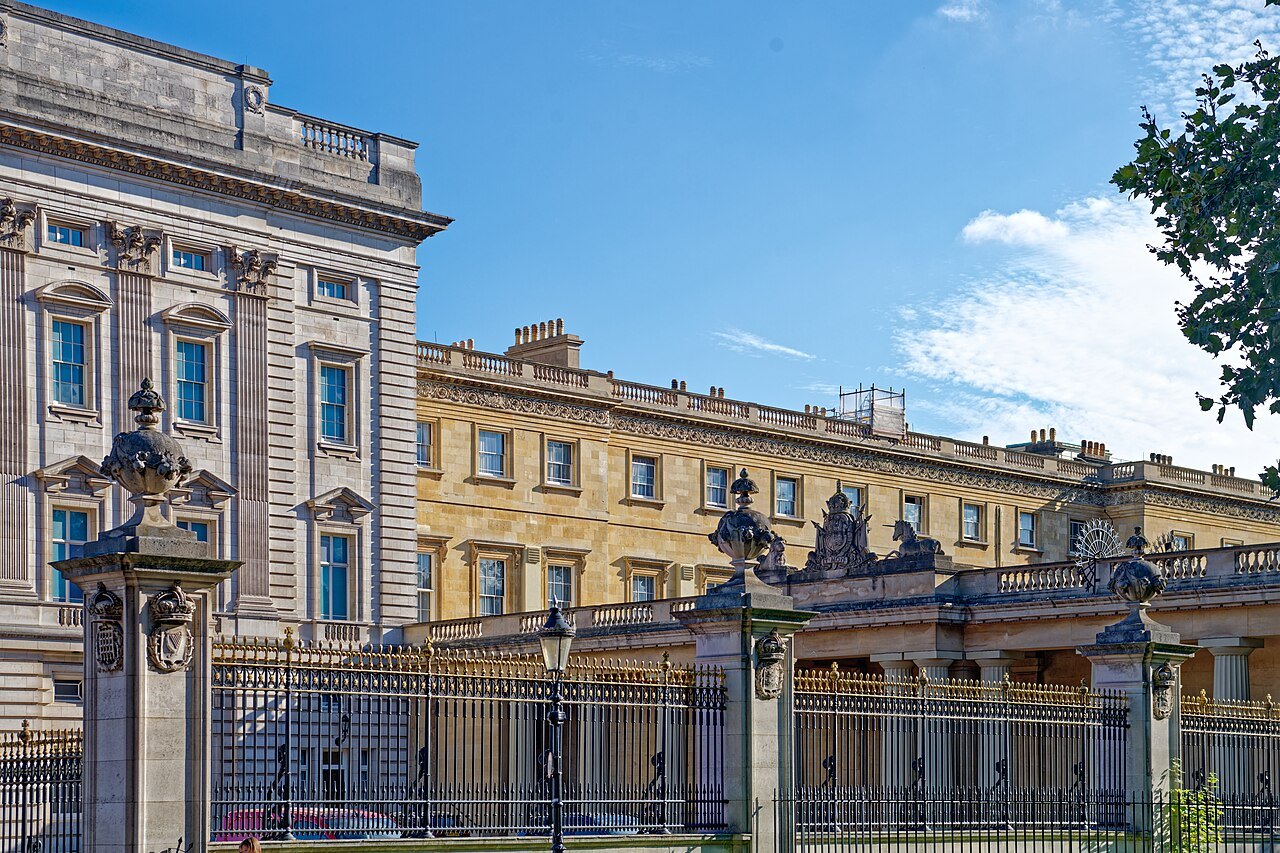
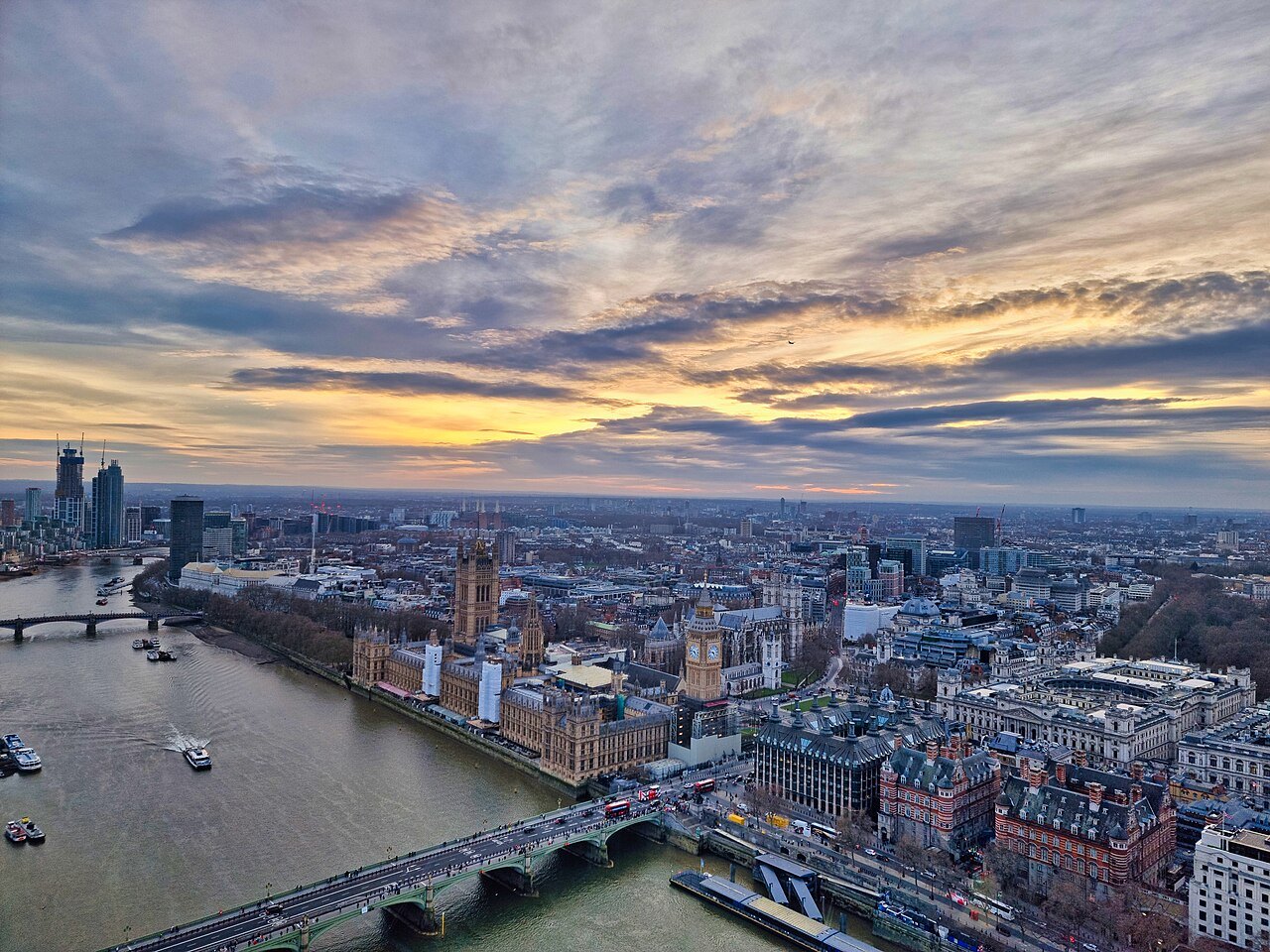
The abbey sits beside the Palace of Westminster, and the wider list of what else lies nearby, including Buckingham Palace across St James's Park, appears on the general Sights page, which is useful for building a longer day in Westminster around a visit that starts with Poets' Corner and the rest of the abbey's memorials.
More from the journal
Read next
- The Palace of Westminster and Big BenWhat is Westminster Hall, and what has happened there?The oldest part of the Palace of Westminster, its hammerbeam roof, and the fires and bombs it survived.Read the piece →
- The Palace of Westminster and Big BenIs Big Ben the bell or the tower?Big Ben is the nickname of the Great Bell, and by extension of the clock tower that holds it. What the tower is really called, how the clock and bells work, why the tower leans, and what the light at the top means.Read the piece →
- The Palace of Westminster and Big BenHow did the fire of 1834 start?How an overheated stove and an old stockpile of tally sticks destroyed the medieval Palace of Westminster in 1834.Read the piece →