What is the Ayrton Light on the Elizabeth Tower?
THE LAMP ABOVE BIG BEN
What the small lantern light atop the Elizabeth Tower signals, where it sits, and how to spot it from outside Parliament.
Read on
The answer in full
What the Light Signals
The Ayrton Light sits in the lantern that crowns the Elizabeth Tower, above the four clock faces, and it is lit whenever either the House of Commons or the House of Lords is sitting after dark. It works as a simple signal to the city: a lamp glowing against the night sky tells anyone looking toward Westminster that Parliament is still at work inside, long after the chamber lights below have faded from view across the river.
The light has nothing to do with telling the time and is not part of the Great Clock mechanism; it is purely a sitting indicator, switched on and off according to the business of the two Houses rather than any fixed schedule. Visitors should not expect it to follow a predictable evening pattern, since sitting hours vary with the parliamentary calendar from one day to the next.
For anyone wanting to know whether a sitting is underway on a given evening, the reliable source is Parliament's own site, which publishes the business of both Houses. The light itself is only confirmation after the fact, visible from the street rather than something worth planning an evening's itinerary around.
Where It Sits on the Tower
The Elizabeth Tower, designed by Augustus Pugin and completed in 1859, rises three hundred sixteen feet above the north end of the palace beside Westminster Bridge, and is a mere forty feet wide at its base. It was known as the Clock Tower until 2012, when it was renamed to mark Queen Elizabeth II's Diamond Jubilee, and the lantern housing the Ayrton Light sits at its very top, above everything else.
Below the lantern are the four dials of the Great Clock, twenty-three feet across and made of milk glass lit from behind, which is why the clock face glows at night even when the Ayrton Light above it is dark. The two features are easy to tell apart once a visitor knows to look above, rather than at, the clock.
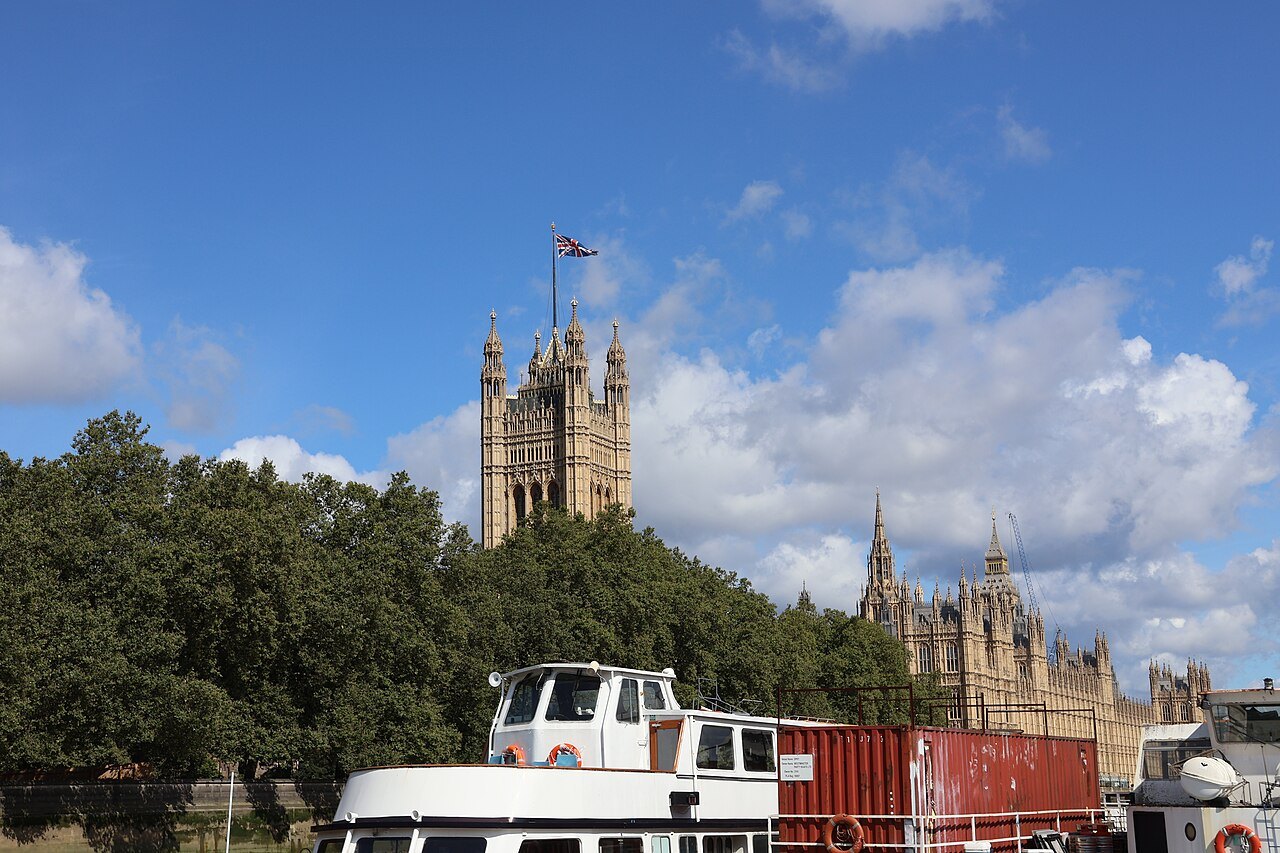
The Elizabeth Tower is not the tallest of the palace's three towers. That distinction belongs to the Victoria Tower at the south-west corner, three hundred twenty-three feet high and once the tallest secular building in the world, with the octagonal Central Tower, built for ventilation rather than display, rising two hundred ninety-nine feet between them. The tower everyone recognizes, though, is the one at the other end.
Big Ben: The Bell and the Tower
Big Ben, strictly speaking, is the nickname of the Great Bell hanging inside the tower, not the tower itself, which is why guides in Westminster are careful to say that the building is the tower and the bell is Ben. Over the decades the public has overwhelmingly applied the nickname to the whole structure, and visitors will hear it used that way constantly.
The Great Bell was cast in 1858 and cracked during testing; the replacement, hung in 1859, developed a crack of its own not long after and has sounded with a slightly different tone ever since, a quirk many visitors notice once it is pointed out. The clock strikes the quarters with four smaller bells and the hours with the Great Bell itself.
None of this affects the Ayrton Light, which is a separate fixture entirely, but the three elements together, bell, clock, and lantern, make the top of the tower worth studying for a minute rather than glancing past on the way to Westminster Abbey or the river.
The Clock Mechanism and the Recent Refurbishment
The Great Clock still runs on its original mechanism, built by Edward John Dent to a design worked out by the amateur horologist Edmund Beckett Denison together with the Astronomer Royal, George Airy. It is one of the oldest working tower clock mechanisms still doing the job it was built for in the nineteenth century, a detail that tends to surprise visitors more than the bell's nickname does.
The tower was covered in scaffolding for a long refurbishment between 2017 and 2021, during which the bells were largely silent. Anyone planning a visit around hearing the chimes, or seeing the tower's upper stages clearly, should check current conditions with Parliament's official site before arriving, since appearance and sound can both be affected by maintenance work.
Whether the Ayrton Light itself was altered during that work is not something a guidebook can state with confidence; anyone with a specific question about the lantern's present state should direct it to Parliament's visitor services rather than guess from photographs taken before or after the scaffolding came down.
Seeing the Tower and the Light from Outside
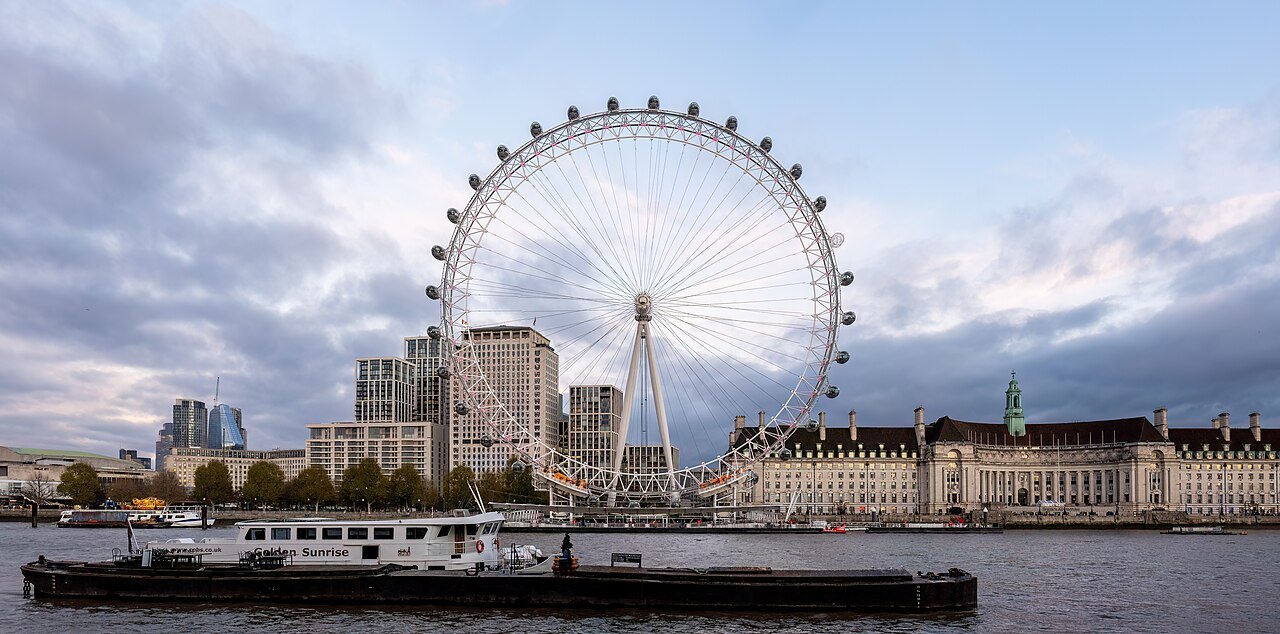
No ticket or advance arrangement is needed to see the Elizabeth Tower from the street, only a reasonable vantage point. Crossing the river toward the London Eye gives the classic long view of the facade with the tower rising at its north end, and Parliament Square offers a closer, more vertical look at the clock and lantern above it.
Because the Ayrton Light sits above the clock faces, it is best picked out after dark from a distance, from the bridge or the opposite bank, where the whole top of the tower is visible against the sky rather than foreshortened by looking straight up from the pavement beside the palace walls.
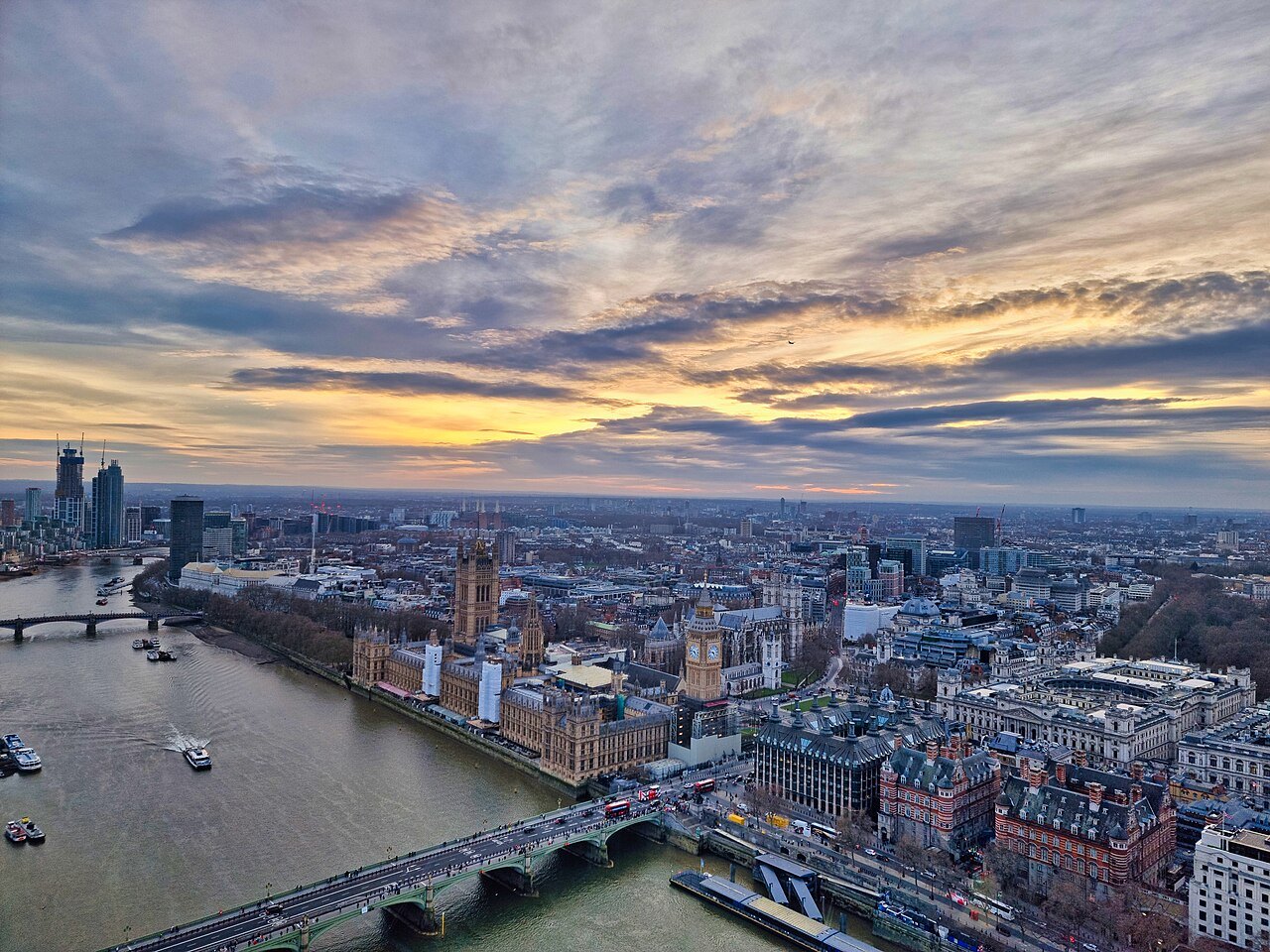
For the view across the water more generally, including the stretch of the river the palace faces, see the guide to the Thames, which covers the walk downstream past this stretch of the bank.
Visiting the Palace and Nearby Sights
Entry to the interior of the Palace of Westminster is by guided tour, by a ticket arranged through a member, or by queuing for a public debate or committee session while the Houses are sitting. What needs to be arranged ahead of time is set out at Booking Ahead.
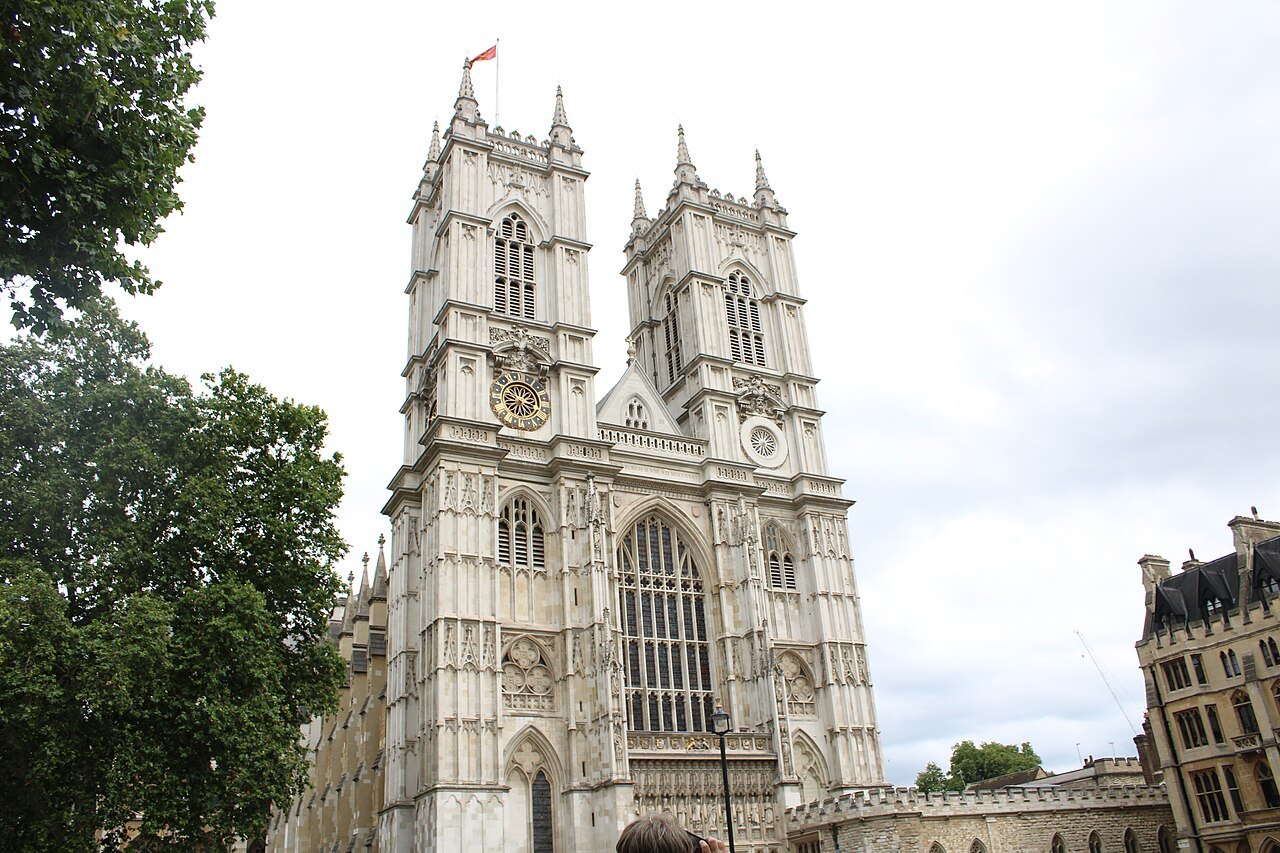
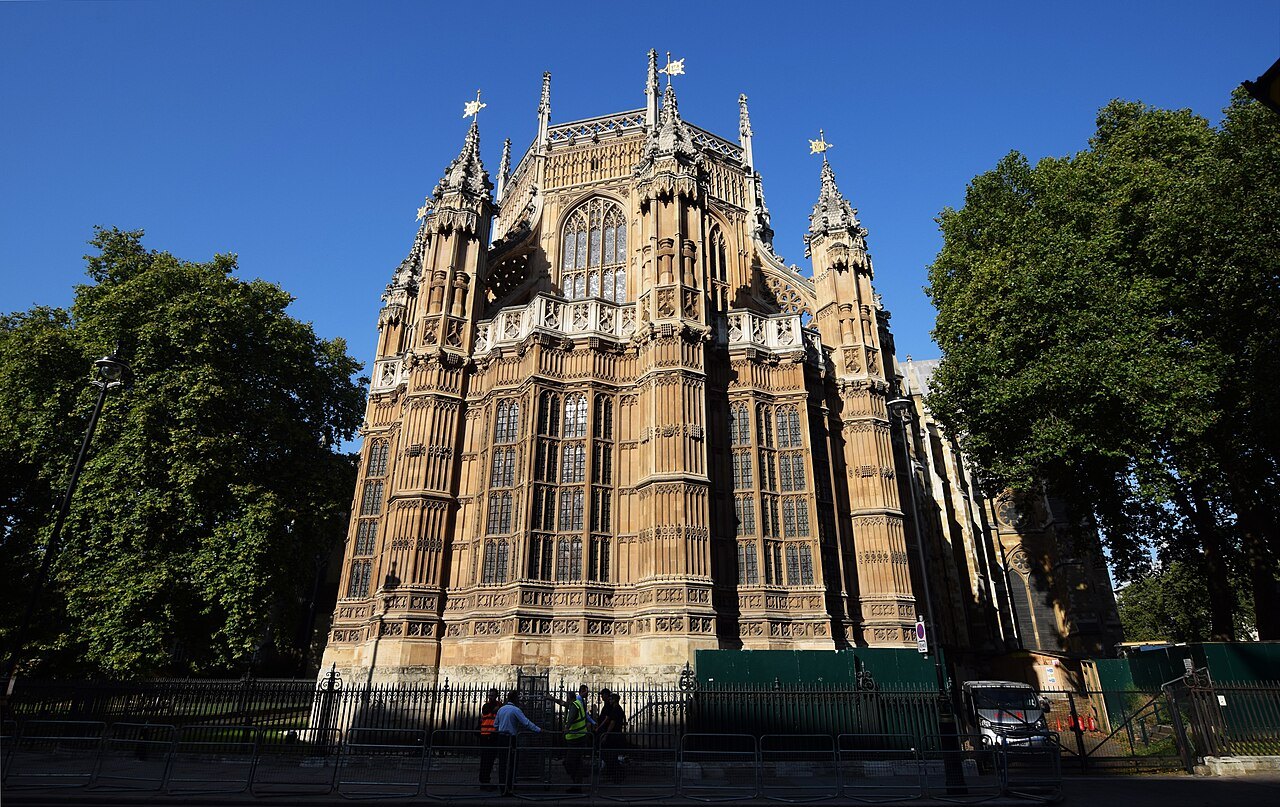
Next door stands Westminster Abbey, which shares the World Heritage listing with the palace and St Margaret's Church, and makes a natural pairing with a visit to see the tower and clock up close before moving on to the abbey's own entrance.
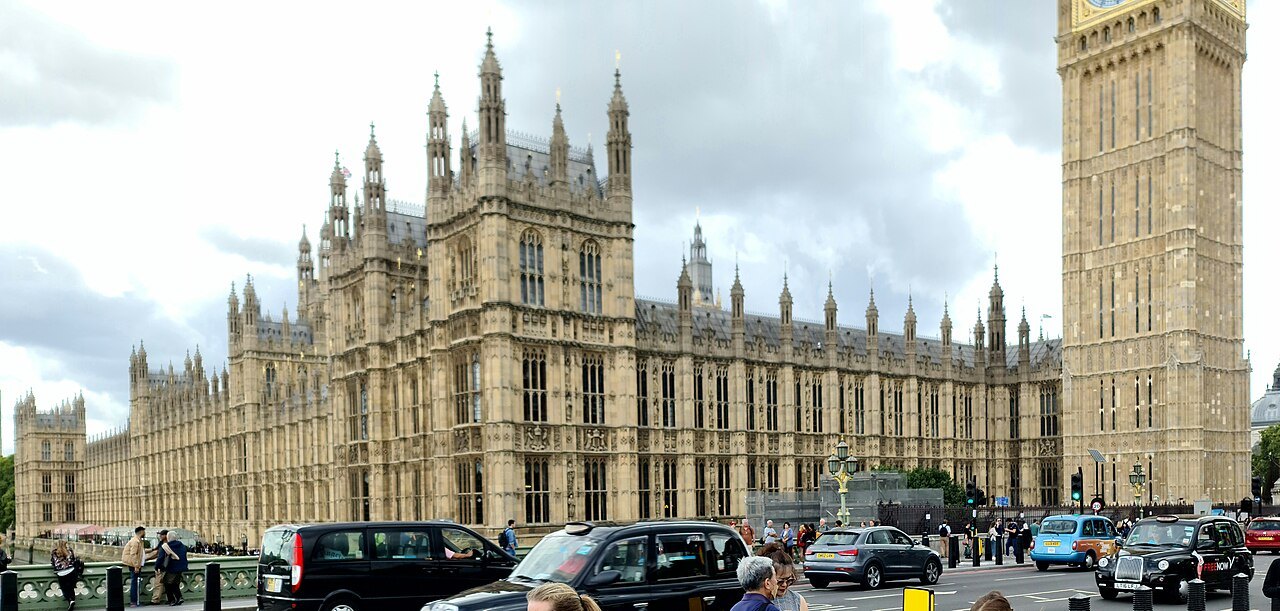
The river walk downstream from Westminster begins at this point, past the London Eye and on toward the South Bank, making the Elizabeth Tower and its lantern a useful first landmark for orienting a longer day along the river.
More from the journal
Read next
- The Palace of Westminster and Big BenIs Big Ben the bell or the tower?Big Ben is the nickname of the Great Bell, and by extension of the clock tower that holds it. What the tower is really called, how the clock and bells work, why the tower leans, and what the light at the top means.Read the piece →
- The Palace of Westminster and Big BenWhat is Westminster Hall, and what has happened there?The oldest part of the Palace of Westminster, its hammerbeam roof, and the fires and bombs it survived.Read the piece →
- The Palace of Westminster and Big BenHow did the fire of 1834 start?How an overheated stove and an old stockpile of tally sticks destroyed the medieval Palace of Westminster in 1834.Read the piece →