Is Big Ben the bell or the tower?
THE GREAT BELL, THE GREAT CLOCK AND THE ELIZABETH TOWER
Big Ben is the nickname of the Great Bell, and by extension of the clock tower that holds it. What the tower is really called, how the clock and bells work, why the tower leans, and what the light at the top means.
Read on
The answer in full
The short answer
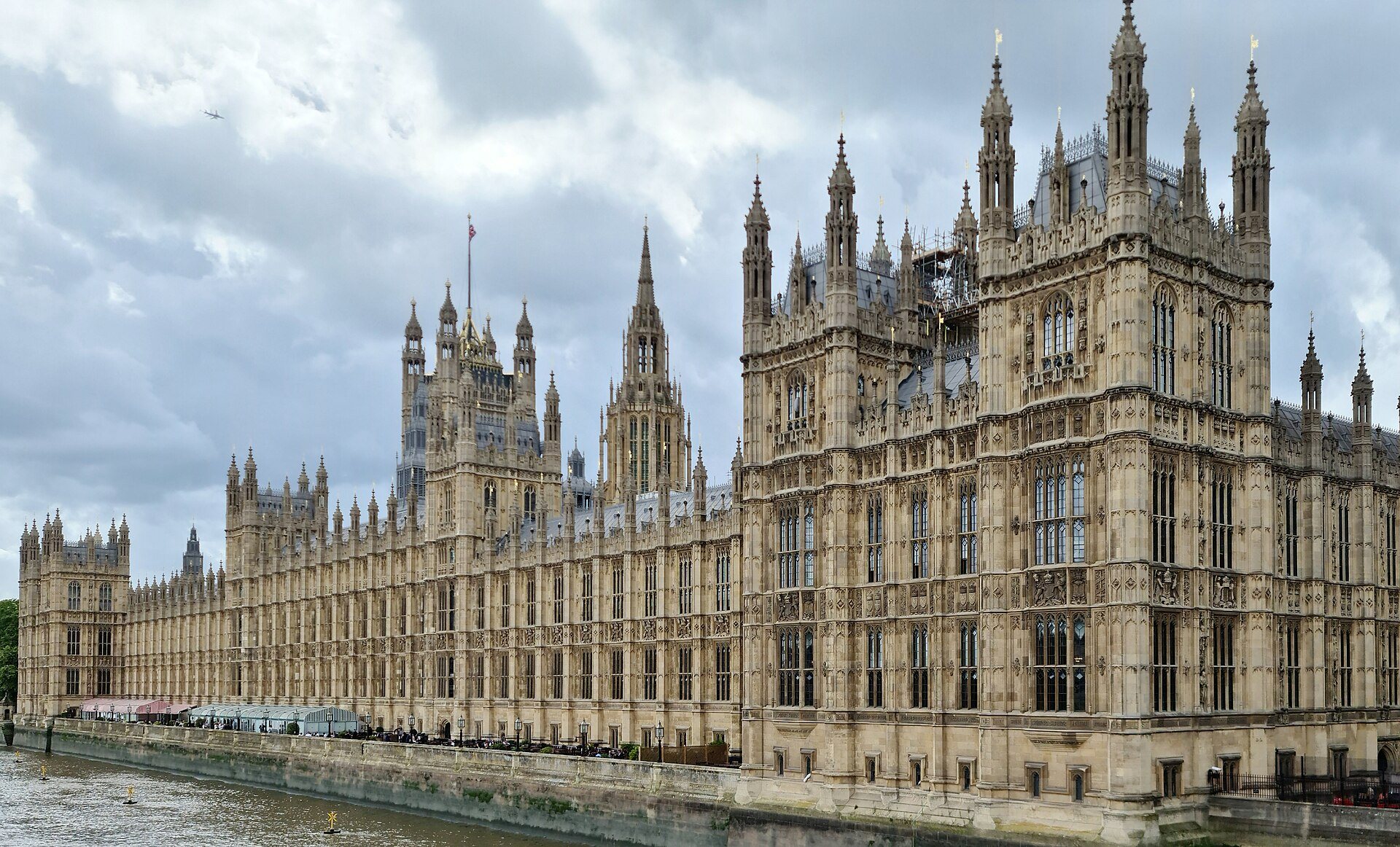
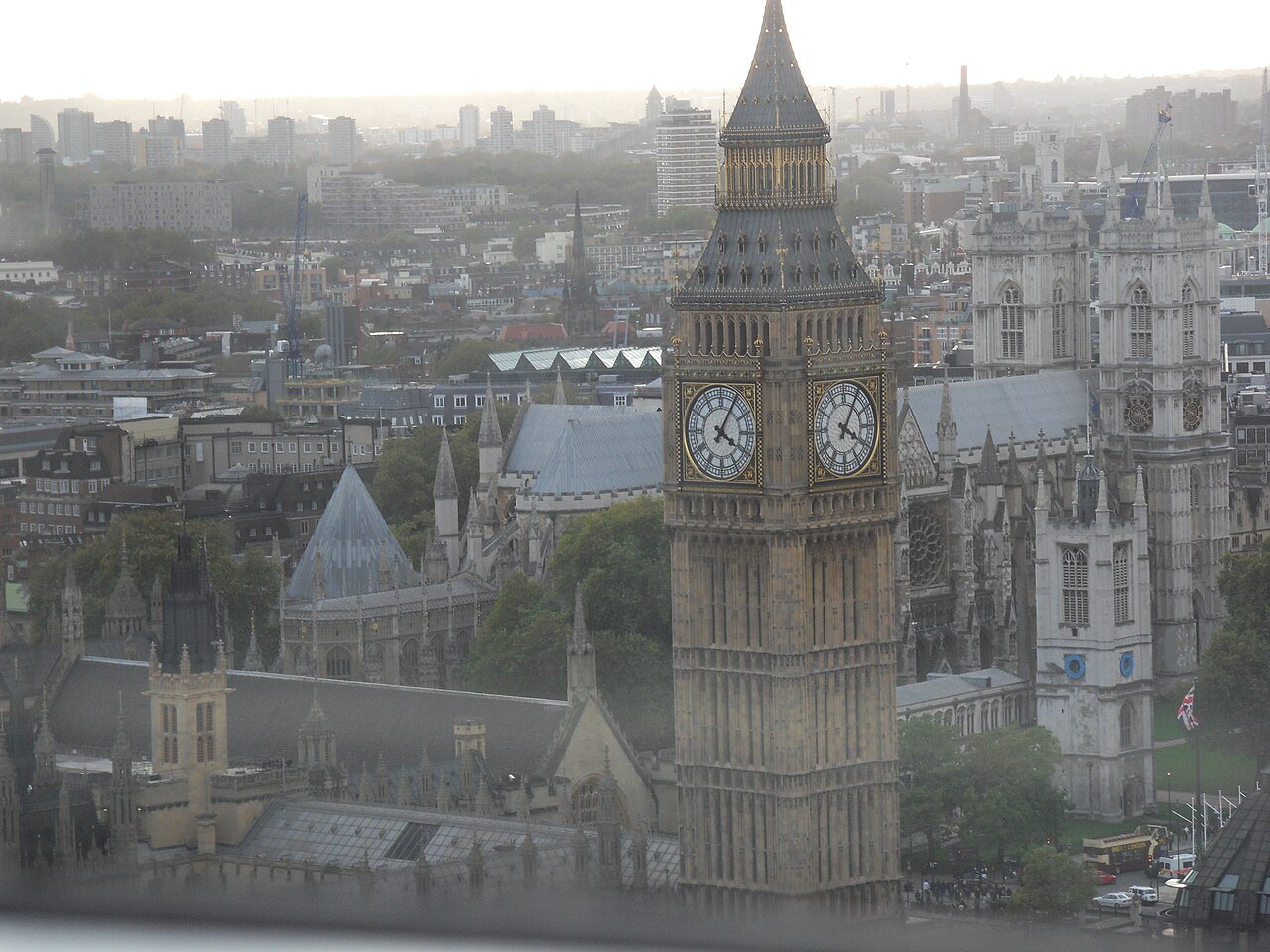
Strictly, Big Ben is the nickname of the Great Bell of the Great Clock of Westminster. By extension, almost everyone uses the name for the clock tower at the north end of the Palace of Westminster, and that use is now so common that nobody will correct you for it. The tower itself was called the Clock Tower until 2012, when it was renamed the Elizabeth Tower to mark the Diamond Jubilee of Queen Elizabeth II.
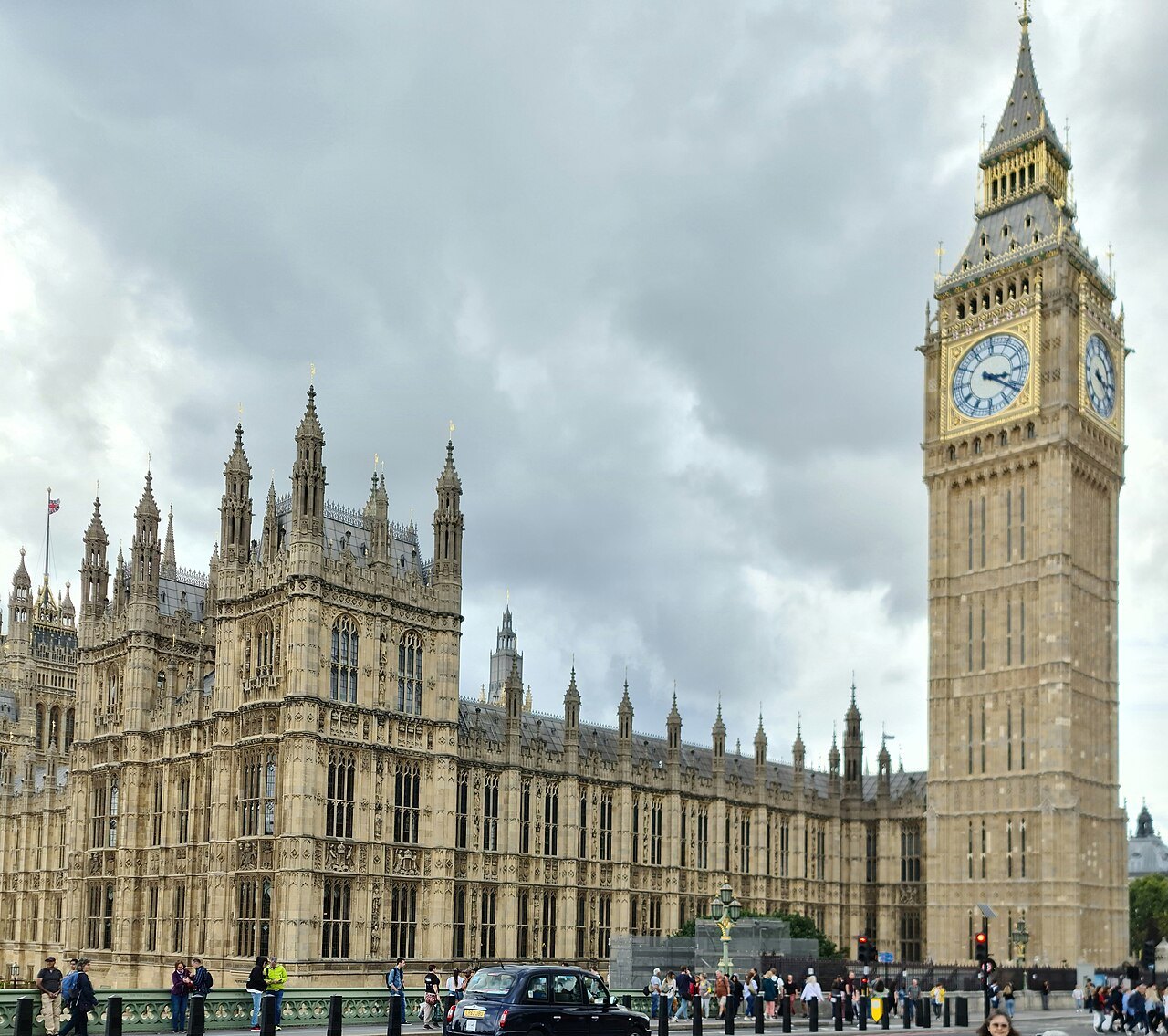
So there are three things with three names: the Elizabeth Tower is the building, the Great Clock is the timepiece in it, and Big Ben is the biggest of the five bells. The rest of this article takes them in turn, because the details explain why visitors keep mixing them up and why the answer is more interesting than a one-line correction.
The tower
The tower was built as part of Charles Barry's design for the new Palace of Westminster, which replaced the old palace after the fire of 16 October 1834. Barry was the chief architect of the Gothic Revival palace, but he turned to Augustus Pugin for the design of the tower. It was Pugin's last design before his illness and death in 1852. Construction began on 28 September 1843, and the tower was finished in 1859.
It stands 316 feet tall on a square base measuring 40 feet on each side. The walls are brick clad in sand-coloured Anston limestone from South Yorkshire, and the spire is covered in cast-iron roof tiles. Above the belfry, 52 shields carry the emblems of the four countries of the United Kingdom, along with the Tudor rose, the portcullis of Parliament and the fleur-de-lis. A spiral staircase of 290 steps leads to the clock room and a further 44 to the belfry.
The clock
The Great Clock was designed by the lawyer and amateur horologist Edmund Beckett Denison with the Astronomer Royal, George Airy, and built by Edward John Dent and his stepson Frederick. It still uses its original mechanism, and when it was finished it was the largest and most accurate four-faced striking and chiming clock in the world. The dials are about 23 feet across.
It has a famous way of being adjusted: the clock keeps time by a pendulum, and its rate can be changed by adding or removing old pre-decimal pennies on the pendulum. A small stack of coins is enough to change the time by a fraction of a second a day. The clock has a reputation for reliability that few other public clocks can match.
The bells
There are five bells in the tower: four smaller quarter bells that chime the quarter hours, and the Great Bell that strikes the hours. The Great Bell weighs about 14 tonnes and was cast by the Whitechapel Bell Foundry. The first bell cracked during testing and was recast, and the second bell, hung in 1859, developed a crack of its own and has sounded a little differently ever since.
The nickname Big Ben is usually traced to Sir Benjamin Hall, the tall official, a minister of works, who oversaw the installation of the bell. The tolling of the bells is broadcast on the BBC, and the sound has become one of the best known in the world.
The light and the lean
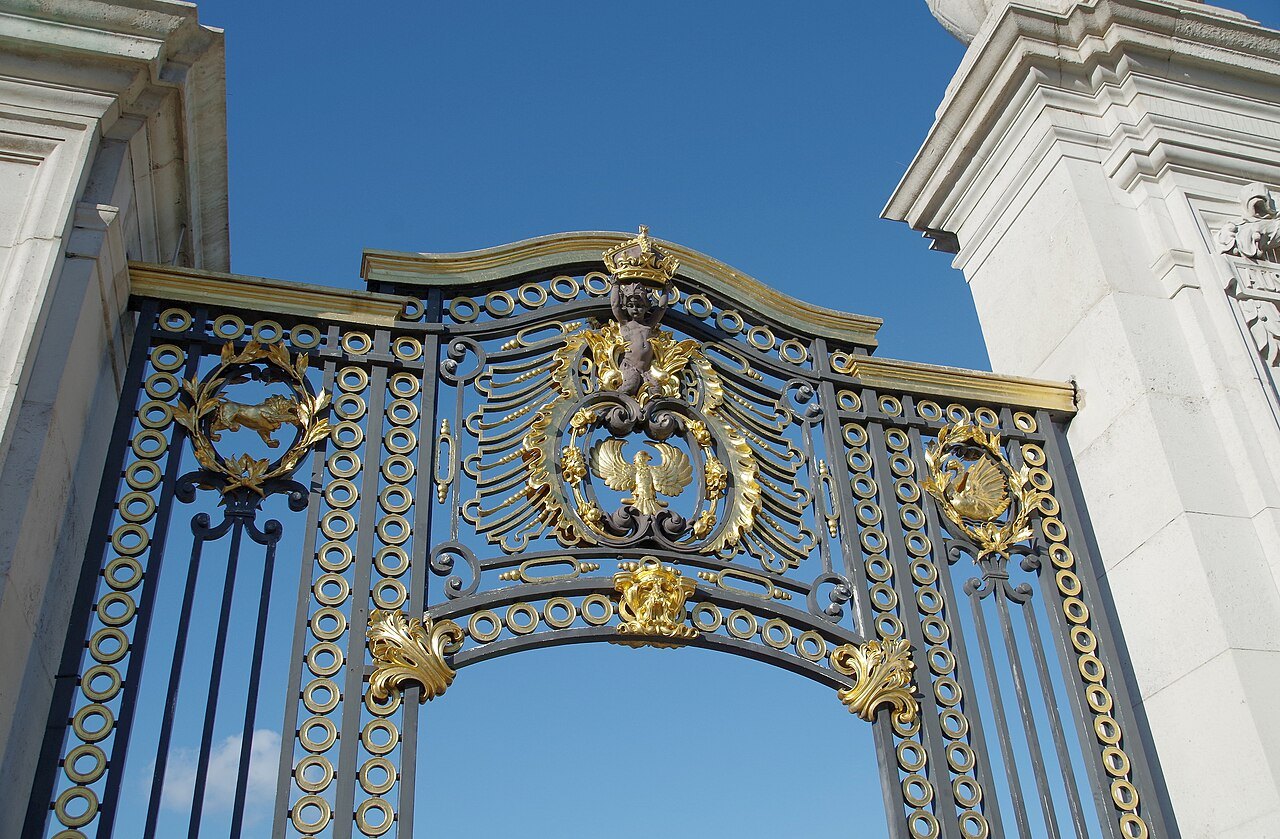
Above the belfry sits the Ayrton Light, a lantern added in 1873 and lit whenever the House of Commons sits after dark. It was first placed so that Queen Victoria could look from a window of Buckingham Palace and see that the Commons were at work. If the light is on, Parliament is sitting.
The tower also leans. It stands on a layer of gravel above London Clay, and the soft ground has left it tilted slightly to the north-west. During the building of the Jubilee line tunnels in the 1990s, thousands of tons of concrete were pumped under the tower to hold it steady. Experts believe the lean will not be a problem for thousands of years.
Why the names got mixed
The confusion has an easy explanation. When the Clock Tower was built nobody gave it a grander name, and the bell inside was the thing the public talked about, so the nickname spread from the bell to the tower that housed it. Over a century and a half it became the name of the building for almost everybody, including the BBC, newspapers and schoolchildren.
When the tower was renamed in 2012, many people reasonably asked what was wrong with the old name. The answer was that nothing was wrong, but the Clock Tower had never really had a name of its own, and the renaming honoured a long reign. Visitors can use any of the three names and be understood, although the order of precision runs from the tower to the clock to the bell.
What the tower carries
Look closely at the stonework below the belfry and you find the Latin inscription that celebrates Queen Victoria, under whose reign the palace was built. The carvings on the walls show symbols of the four countries of the United Kingdom: the rose of England, the thistle of Scotland, the shamrock of Northern Ireland and the leek of Wales, along with the Tudor emblems.
Inside the tower, a ventilation shaft designed by David Boswell Reid was meant to draw fresh air into the palace, but it did not work as planned and was used as a chimney until about 1914. There is also an oak-panelled Prison Room reached only from the House of Commons, last used in 1880 when a newly elected member who refused a religious oath was held there.
Seeing it
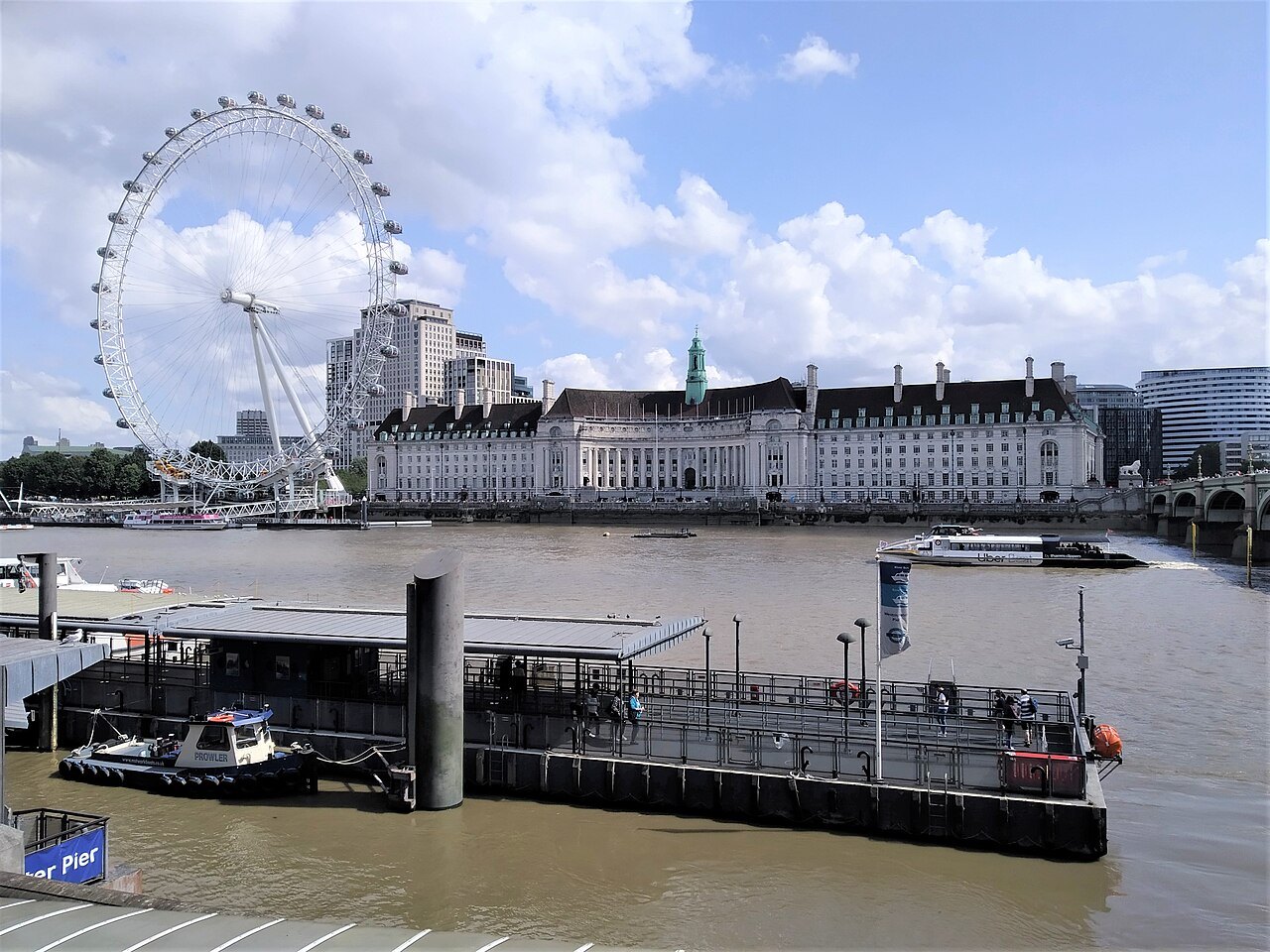
The best views of the tower are from Westminster Bridge, from Parliament Square and from the south bank beside the London Eye. Most visitors see the tower from outside, since the interior is not open to casual visits. The whole building is described on the Palace of Westminster page.
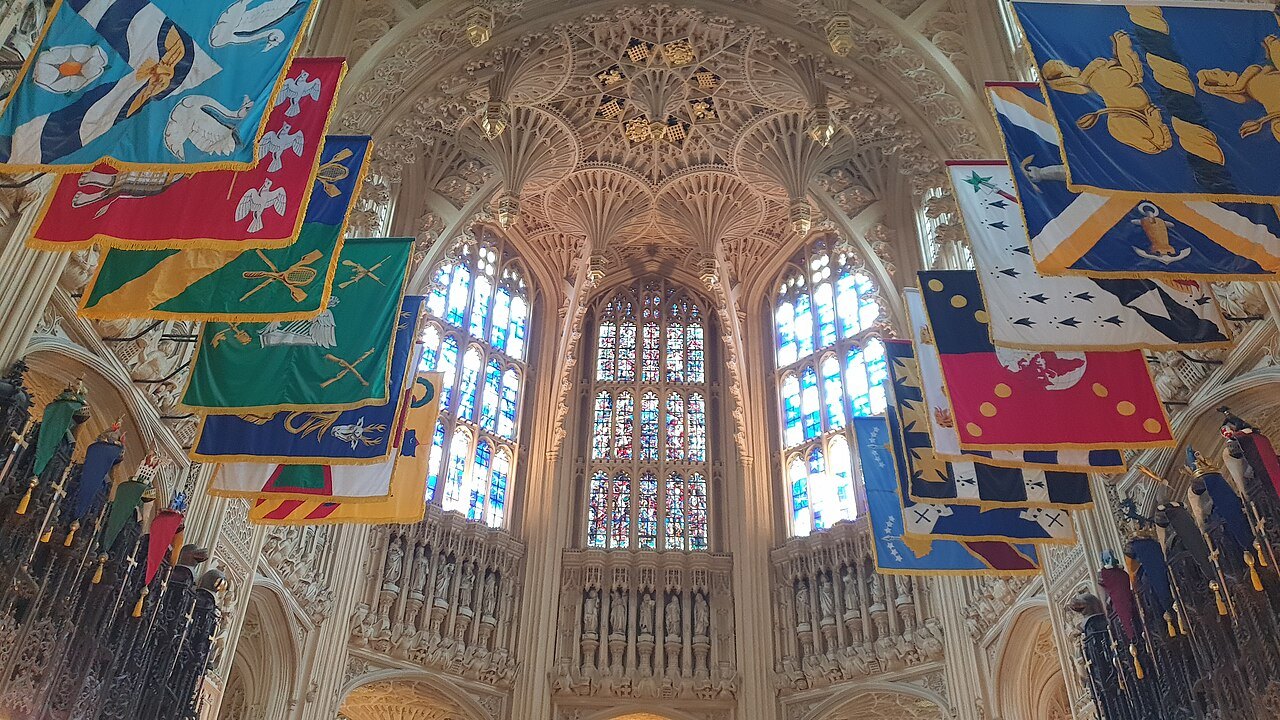
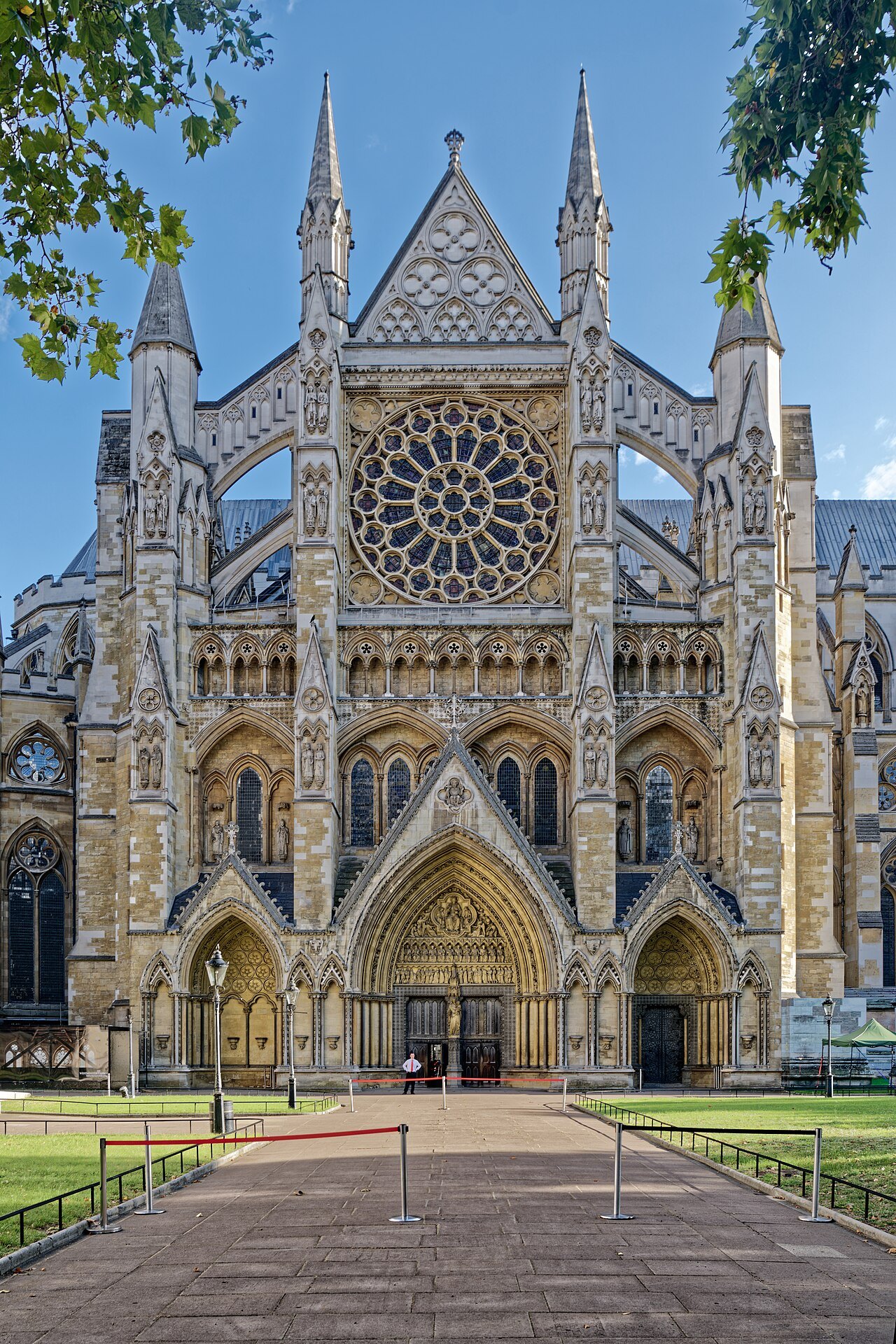
For the abbey next door, which is a different building altogether, see Westminster Abbey, and for how to see the palace's interior, Booking Ahead explains the options.
More from the journal
Read next
- Tower BridgeHow do you tell Tower Bridge from London Bridge and the Tower of London?The Tower of London is a fortress, Tower Bridge is the Victorian bridge with two towers beside it, and London Bridge is a plain bridge half a mile upstream. How to tell them apart, and the story of the American who bought the wrong bridge.Read the piece →
- GreenwichWhat is the Prime Meridian, and why is it at Greenwich?The Prime Meridian is the line of zero degrees longitude, and it passes through the Royal Observatory at Greenwich. How an astronomer's line became the world's, the 1884 conference, what the brass line shows, and what has replaced it.Read the piece →
- Getting HereHow do you get from Heathrow to central London?Heathrow is 14 miles west of central London and has three rail routes into the city, plus coaches, buses and taxis. What each one is, where it stops, which terminal station to use, and how to choose.Read the piece →