Why does the Tower of London keep ravens?
GUARDIANS OF THE CROWN
Why the Tower of London keeps at least six ravens, and what the old prophecy about them actually says.
Read on
The answer in full
A Legend With Teeth
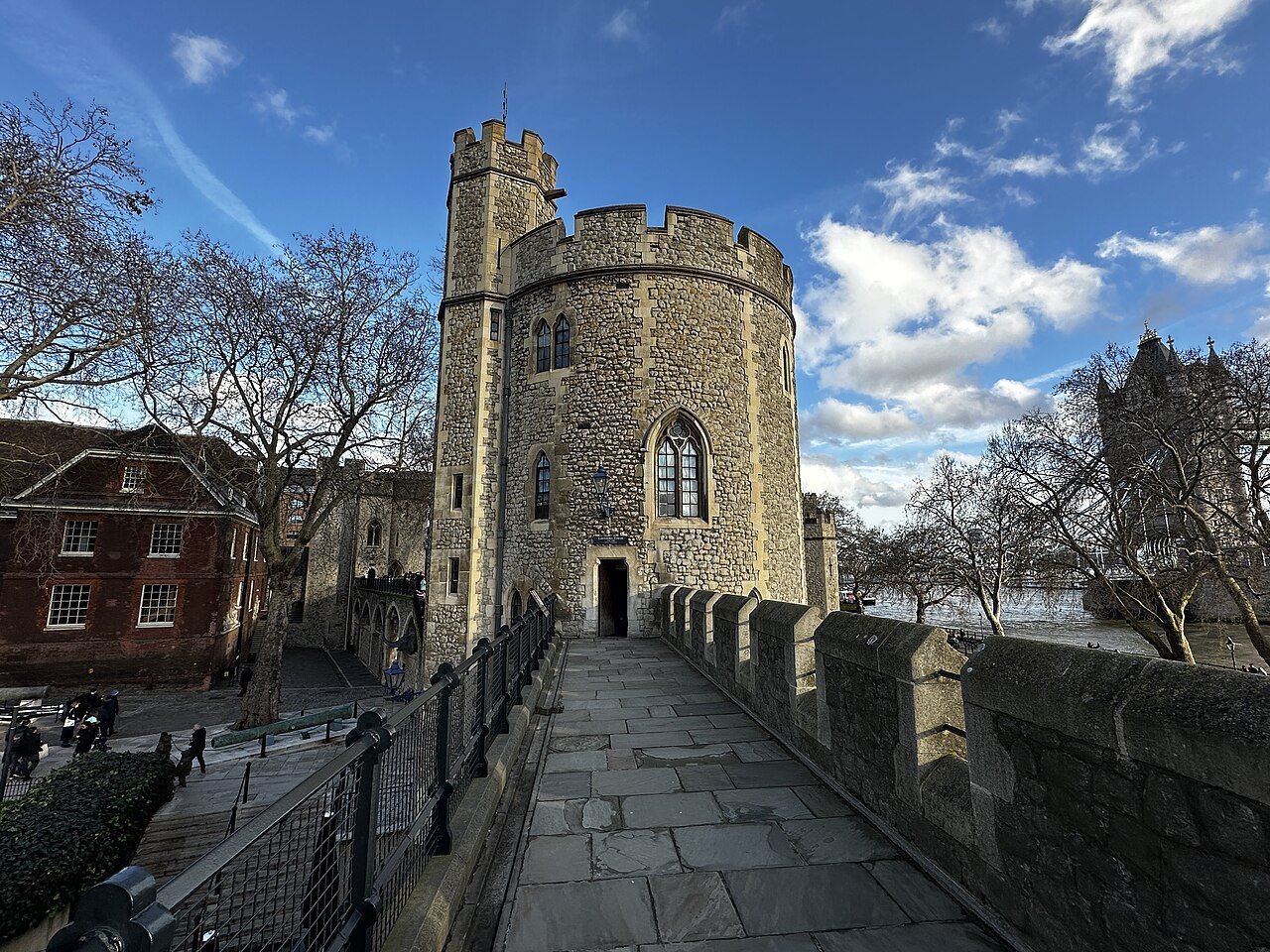
Among the many stories told about the Tower, the ravens draw the most questions from visitors who find them stalking the lawns near the White Tower. His Majesty's Royal Palace and Fortress, founded toward the end of 1066 as part of the Norman Conquest, keeps at least six of these large black birds on the grounds at all times, year round.
The explanation visitors are usually given is a tradition rather than a historical record: if the ravens ever leave the Tower, the Crown will fall and the kingdom with it. Because of that belief, the castle has never left the birds to chance, keeping a fixed minimum number under formal watch rather than treating them as wildlife that simply happens to nest nearby.
Whether the prophecy itself is ancient or comparatively recent is a separate question from whether the birds are real, and they plainly are. Anyone visiting today can expect to see them moving through the inner ward, in the charge of a Tower warder whose post exists largely because of this one piece of castle folklore.
Where the Legend Comes From
The Tower's own historian takes a skeptical view of how old the raven story really is. The earliest known photograph of ravens at the castle dates only from 1883, which points toward a Victorian origin for the legend rather than anything handed down directly from the medieval or Tudor Tower.
That dating matters, because so much of what now feels ancient about this place, the sense of a fortress thick with ghosts and unbroken customs, was in fact reshaped during the nineteenth century, when novelists and illustrators reworked the castle's darker history for a wide reading public. Writers such as William Harrison Ainsworth did something similar with the Tower's torture-chamber myth.
None of that makes the ravens a trick played on visitors. A legend can be a few generations old and still be taken seriously enough to shape how a working royal palace is run day to day, and the Tower has kept to this one for well over a century now, treating the minimum headcount as a working rule rather than mere folklore.
The Ravenmaster's Job
One of the Yeoman Warders carries the title of Ravenmaster, a responsibility for the birds that no other member of the garrison holds. It is a single named role within the wider body of warders, distinct from the general duties of leading tours or standing ceremonial guard elsewhere around the walls.
Day-to-day detail about how the birds are managed, fed and kept on site is a matter for Historic Royal Palaces and the Ravenmaster, not something to guess at from outside. Visitors curious about current arrangements, or about where the ravens are likeliest to be seen on a given day, should ask a warder on site or check the official Tower information.
What is fixed, and stated plainly by the Tower itself, is the minimum: at least six ravens are kept at the castle at all times, a number maintained because of what the old warning says will follow should the last one ever depart. The Ravenmaster's post exists to see that the prophecy is never tested.
The Guardians Who Watch Over Them
The Yeoman Warders, popularly called Beefeaters, are the ceremonial guardians of the whole castle, and the Ravenmaster is simply one of their number given an extra charge. Every warder is a retired member of the armed forces who served at least twenty-two years as a warrant officer before taking up the post.
The garrison numbers thirty-two warders and a Chief Warder, and they have led guided tours of the site since the Victorian era, the same stretch of time that produced the earliest known raven photograph. Alongside a detachment of the King's Guard, warders also take part in the daily Ceremony of the Keys, the ritual locking of the castle gates.
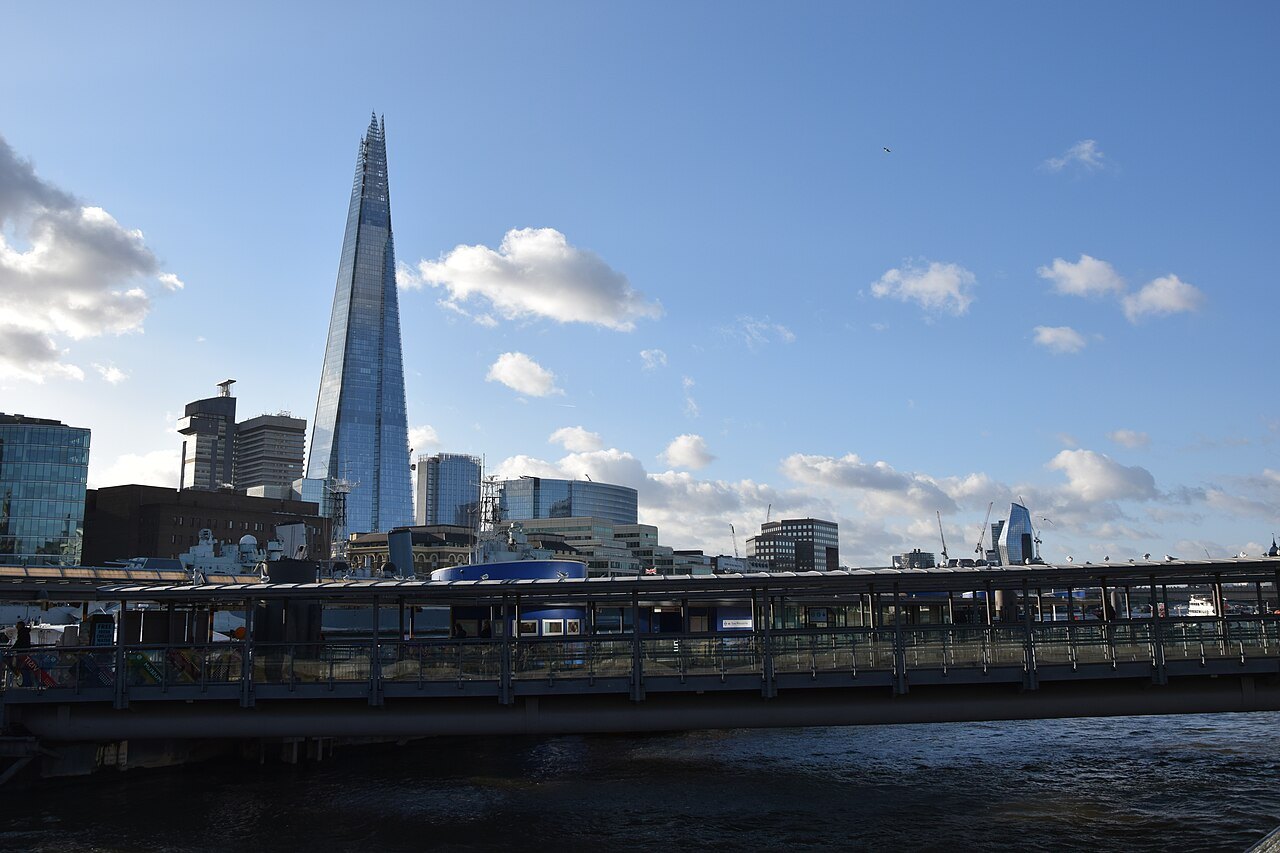
A warder-led tour is the clearest way to hear the raven story set properly against the rest of the Tower's history of siege, imprisonment and royal residence. Tours begin from the near end of the castle, and following one is a practical way to see the ravens in the course of a wider visit.
Birds Before Ravens: The Royal Menagerie
The ravens are not the first wild animals associated with the Tower. A Royal Menagerie once lived within the walls, going back to King John, and it grew into one of the castle's stranger attractions long before the ravens took on their present symbolic role in the nineteenth century.
Henry III received three leopards in about 1235 and a polar bear in 1252, which was kept on a long chain and allowed to fish in the Thames, with an elephant following a few years later. The collection eventually opened to the paying public in the eighteenth century, turning parts of the fortress into something close to a zoo.
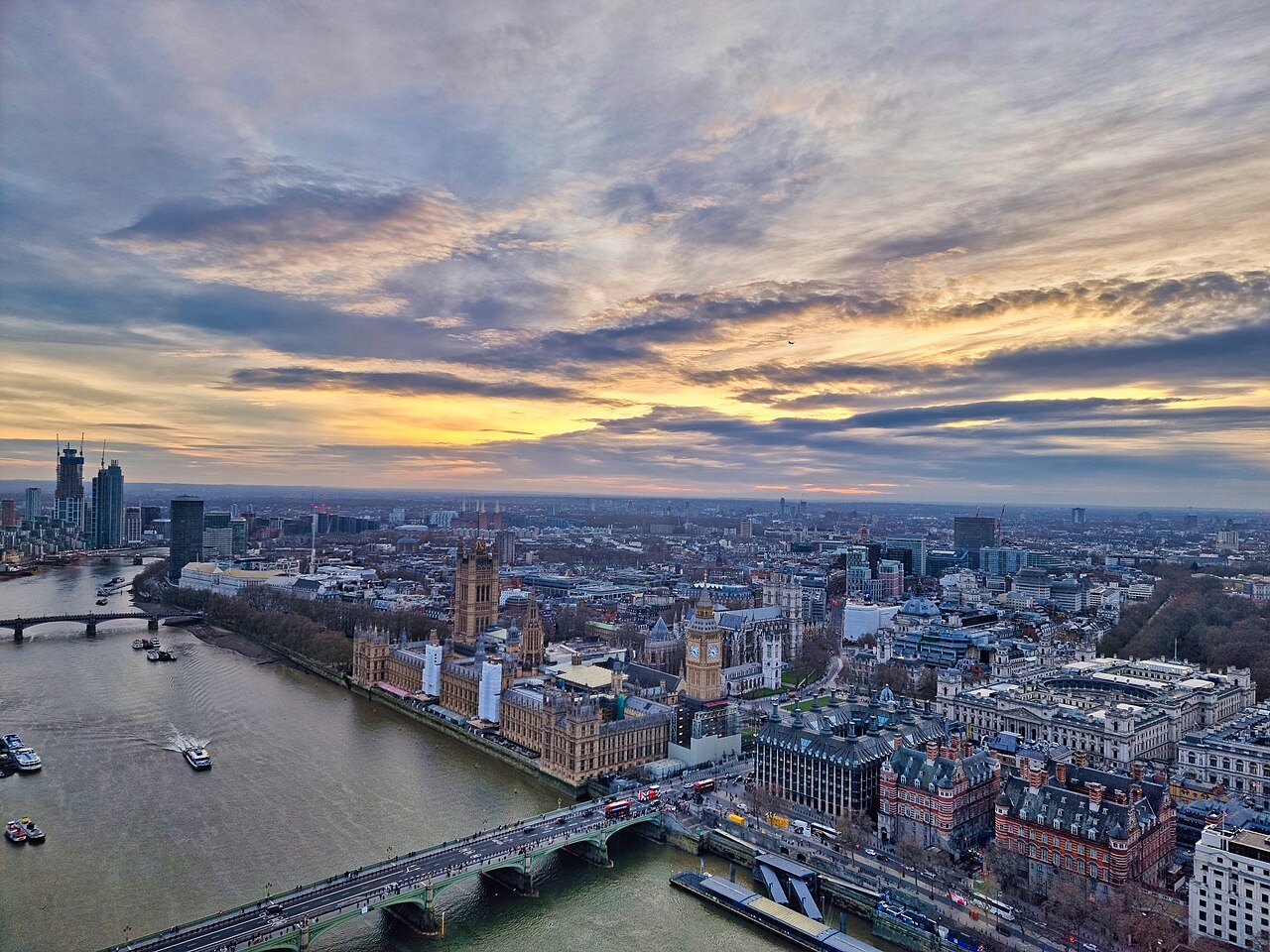
The menagerie did not last. The animals were moved out to the new Zoological Gardens in Regent's Park in 1831 and 1835, and the Lion Tower that had housed them was demolished in 1853. The ravens, kept for an entirely different reason, are what remains today of the Tower's long association with captive wildlife.
Visiting Well
The Tower encloses almost twelve acres across three wards, so the ravens are one stop among several, alongside the White Tower, the Jewel House and the medieval palace rooms down by the river. A warder-led tour is a practical way to take in all of it without walking past the smaller details.
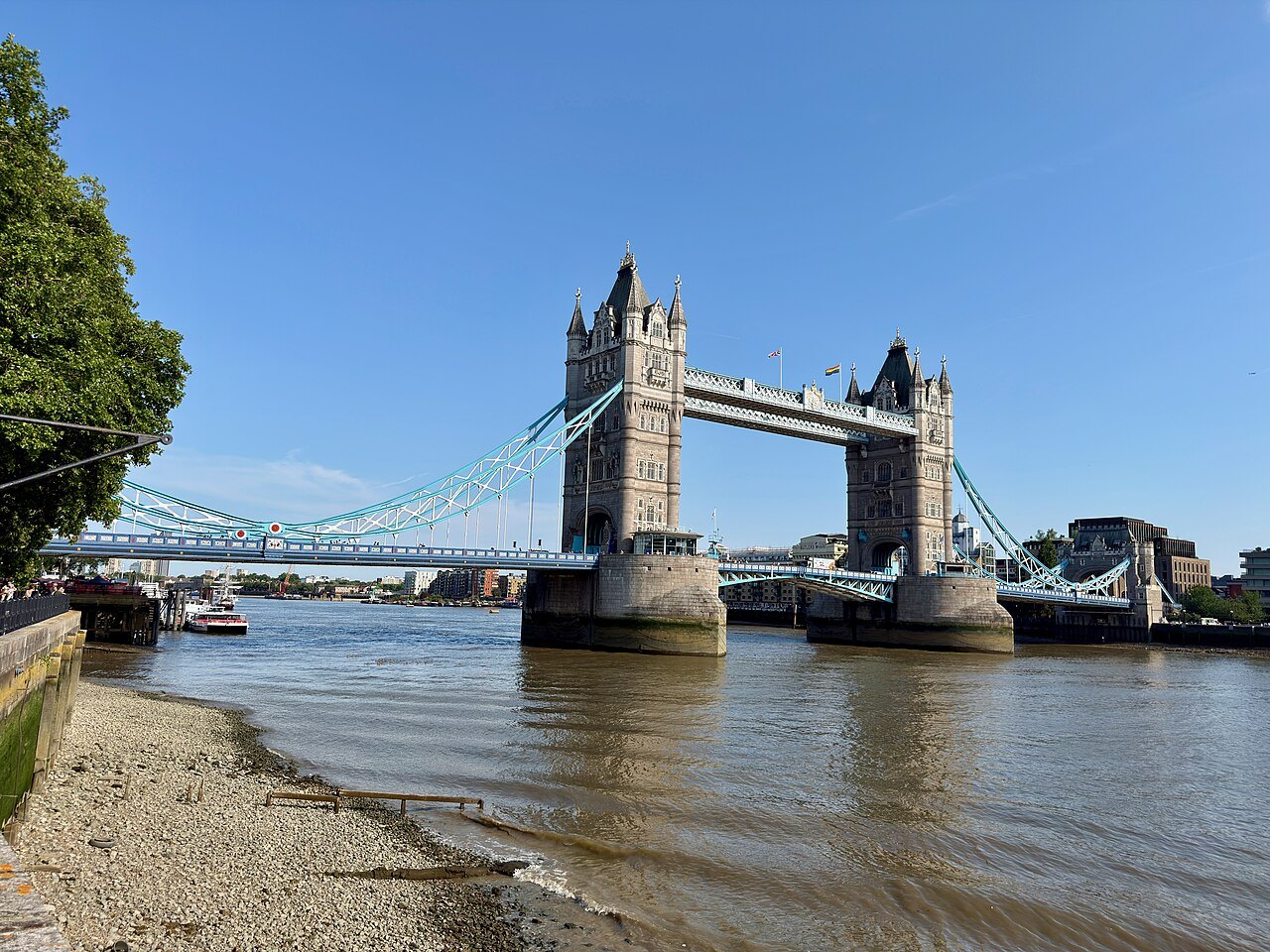
The castle stands beside Tower Bridge, and the two are often confused by name alone; the Tower of London is the fortress, not the bridge next to it. For timed entry, the Jewel House and anything else that needs arranging ahead of a visit, check Booking Ahead before setting out for the day.
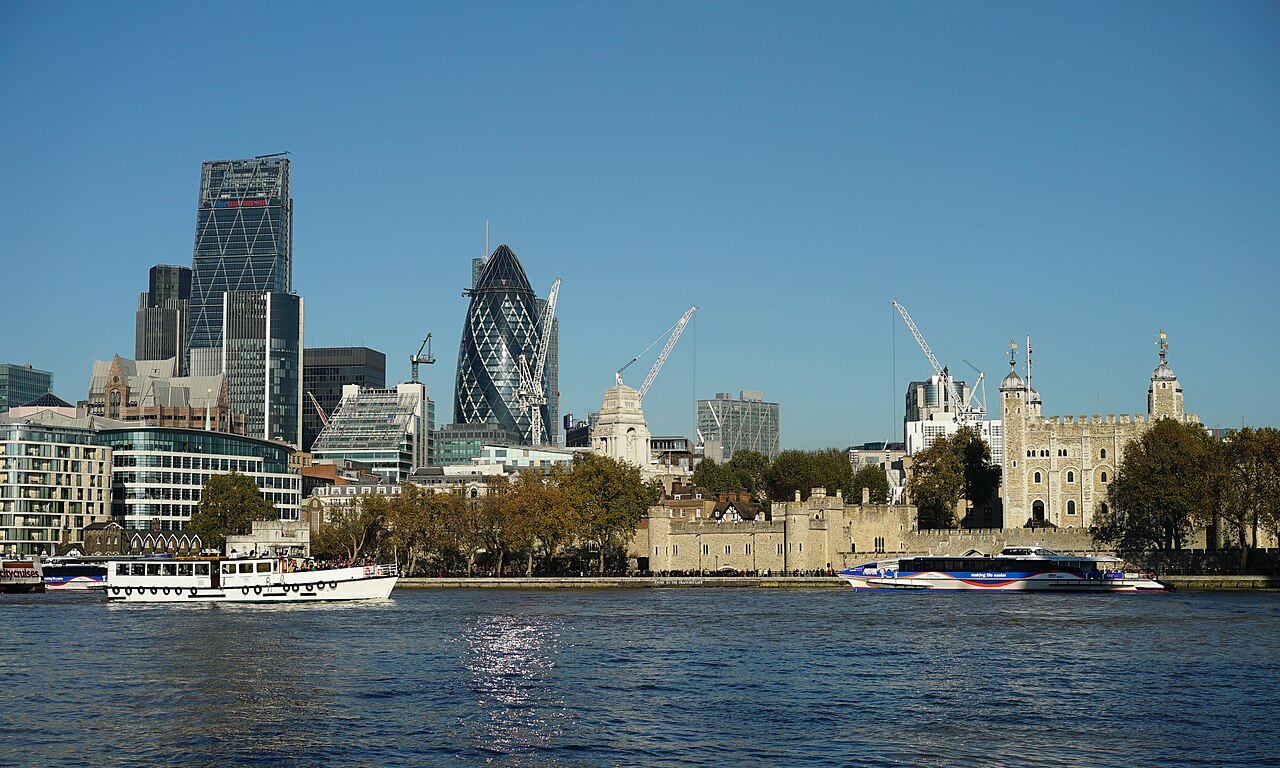
Those extending the visit along the river can walk from here in either direction; the route that ends at the Tower after passing the seats of government begins at the Palace of Westminster. For the castle's wider history, from the Norman Conquest to the Crown Jewels, see the full Tower guide.
More from the journal
Read next
- The Tower of LondonWho are the Yeoman Warders, and why are they called Beefeaters?Meet the Yeoman Warders who guard the Tower of London, the ravens they keep, and the mystery behind the name Beefeater.Read the piece →
- Tower BridgeHow do you tell Tower Bridge from London Bridge and the Tower of London?The Tower of London is a fortress, Tower Bridge is the Victorian bridge with two towers beside it, and London Bridge is a plain bridge half a mile upstream. How to tell them apart, and the story of the American who bought the wrong bridge.Read the piece →
- Getting HereHow do you get from Heathrow to central London?Heathrow is 14 miles west of central London and has three rail routes into the city, plus coaches, buses and taxis. What each one is, where it stops, which terminal station to use, and how to choose.Read the piece →