Who are the Yeoman Warders, and why are they called Beefeaters?
GUARDS, RAVENS AND AN OLD NICKNAME
Meet the Yeoman Warders who guard the Tower of London, the ravens they keep, and the mystery behind the name Beefeater.
Read on
The answer in full
Who the Yeoman Warders Are
The Yeoman Warders are the ceremonial guardians of the Tower of London, the small garrison that keeps watch over the castle today just as soldiers once did under William the Conqueror. Known informally as Beefeaters, they are among the most photographed sights at the site, and their presence links the modern visitor to centuries of continuous use of the fortress beside the Thames.
Every Yeoman Warder is a retired member of the armed forces, and the role is not open to newcomers: each candidate must have served at least twenty-two years as a warrant officer before being considered. The garrison today numbers thirty-two warders under a single Chief Warder, a small body of people responsible for a site that covers almost twelve acres.
The post is centuries old, though the exact founding date is not something a short guide can confirm with precision. What is well documented is the warders' long association with public engagement: they have led guided tours of the castle since the Victorian era, making the Tower one of the few London sights where the same kind of guide has worked continuously for well over a century.
Why They're Called Beefeaters
The nickname Beefeater is so firmly attached to the Yeoman Warders that many visitors know it before they know the formal title at all. Exactly where the name came from is one of those London details that popular stories disagree on, and nothing in a short visitor's guide can responsibly settle the question with certainty.
Rather than repeat an unverified explanation, the simplest approach for a visitor is to ask directly. The warders lead the castle's guided tours in person, answer visitor questions as part of that role, and are well placed to explain the nickname's history, or at least the version they prefer to tell.
For anything beyond what a tour covers, such as the precise origin of the nickname or details of the warders' uniform, Historic Royal Palaces, the charity that cares for the Tower, is the right authority to check with, either through a warder on the day or through the charity's own visitor information before setting out.
Daily Duties and the Ceremony of the Keys
Beyond leading tours, the Yeoman Warders take part each day in the Ceremony of the Keys, the ritual locking of the Tower's gates, performed together with a detachment of the King's Guard. It is one of the castle's oldest surviving customs and ties the warders' modern ceremonial role to the centuries when the Tower's gates genuinely needed guarding against attack.
Attending the ceremony in person usually requires planning ahead, since the number of spectators allowed is limited and the way to apply can change from time to time. Anyone hoping to see it should check directly with Historic Royal Palaces for how reservations for Tower events are generally handled before planning a visit.

The warders' day-to-day work also includes overseeing visitors across the castle's three wards: the innermost ward around the White Tower, the inner ward that wraps around it, and the outer ward beyond, together enclosing almost twelve acres. Given that spread, a warder-led tour remains the simplest way to understand how the different parts of the site connect.
The Ravens and the Ravenmaster
Alongside the Yeoman Warders, another resident of the Tower has its own dedicated keeper: the ravens kept within the walls. Tradition holds that the Tower and the Crown will fall if the ravens ever leave, and partly because of that belief, at least six ravens are kept at the castle at all times.
One of the Yeoman Warders holds the separate title of Ravenmaster and is responsible for the birds' daily care. The earliest known photograph of ravens at the Tower dates from 1883, which gives some sense of how long the custom has been documented, even if its deeper origins remain less clear.
The Tower's own historian has suggested that the legend linking the ravens to the Crown's survival may actually be a Victorian invention rather than an ancient tradition. Whatever the truth of the story, the birds themselves are certainly real, and the Ravenmaster's care of them remains part of daily life at the castle.
A Long Tradition of Keepers
The Yeoman Warders are the latest in a long line of people entrusted with guarding what has been held inside the Tower, whether prisoners, treasure or, for several centuries, wild animals. King John kept animals at the castle, and Henry III received three leopards in about 1235, a polar bear in 1252 that fished in the Thames on a chain, and an elephant a few years later.
That Royal Menagerie opened to the public in the eighteenth century before moving to the new Zoological Gardens in Regent's Park in 1831 and 1835, after which the Lion Tower that had housed it was demolished in 1853. The Yeoman Warders inherited none of that role directly, but the long history of specialized keepers at the Tower makes their modern position feel less invented and more like a continuation.
Prisoners, too, were once the responsibility of the Lieutenant of the Tower, an officer who could arrange better food and even tapestries for high-status captives such as Walter Raleigh, whose rooms were altered for his family and whose son was born in the castle in 1605. Only seven people were ever executed inside the walls before the twentieth century; most sentences were carried out on nearby Tower Hill.
Executions and imprisonment continued into the modern era: eleven men were shot for espionage during the First World War, and Rudolf Hess, Hitler's deputy, was held for four days in 1941 as the last state prisoner. Josef Jakobs, shot on the fifteenth of August 1941, was the last person executed at the Tower, a reminder that the castle's grim reputation, however exaggerated in places, has some real history behind it.
Seeing the Warders on a Visit
For most visitors, the easiest way to meet a Yeoman Warder is to join one of their guided tours, which begin near the entrance to the castle. Since the site covers three wards and almost twelve acres, a warder's tour is also the fastest way to get oriented before exploring further on foot alone.
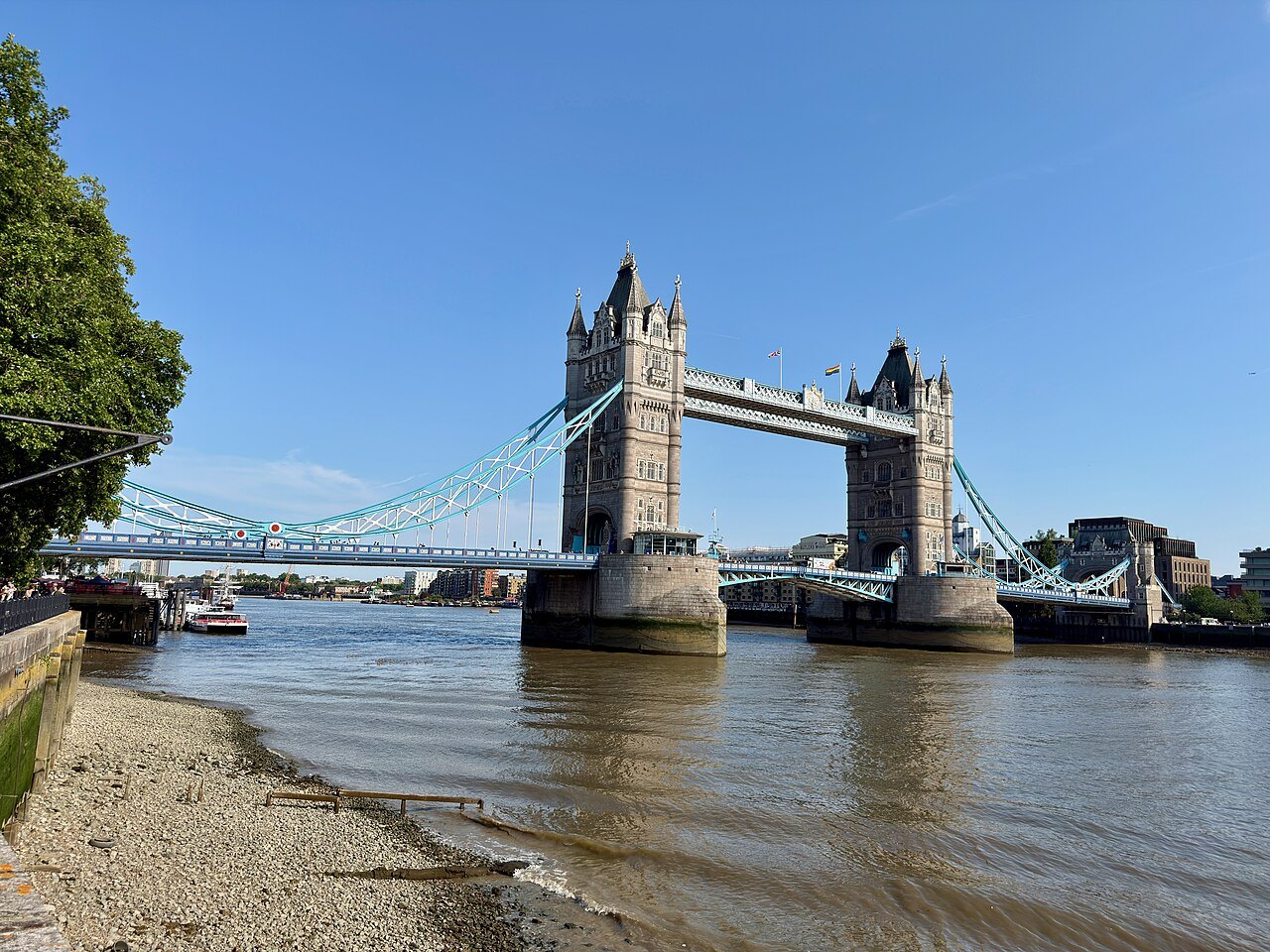
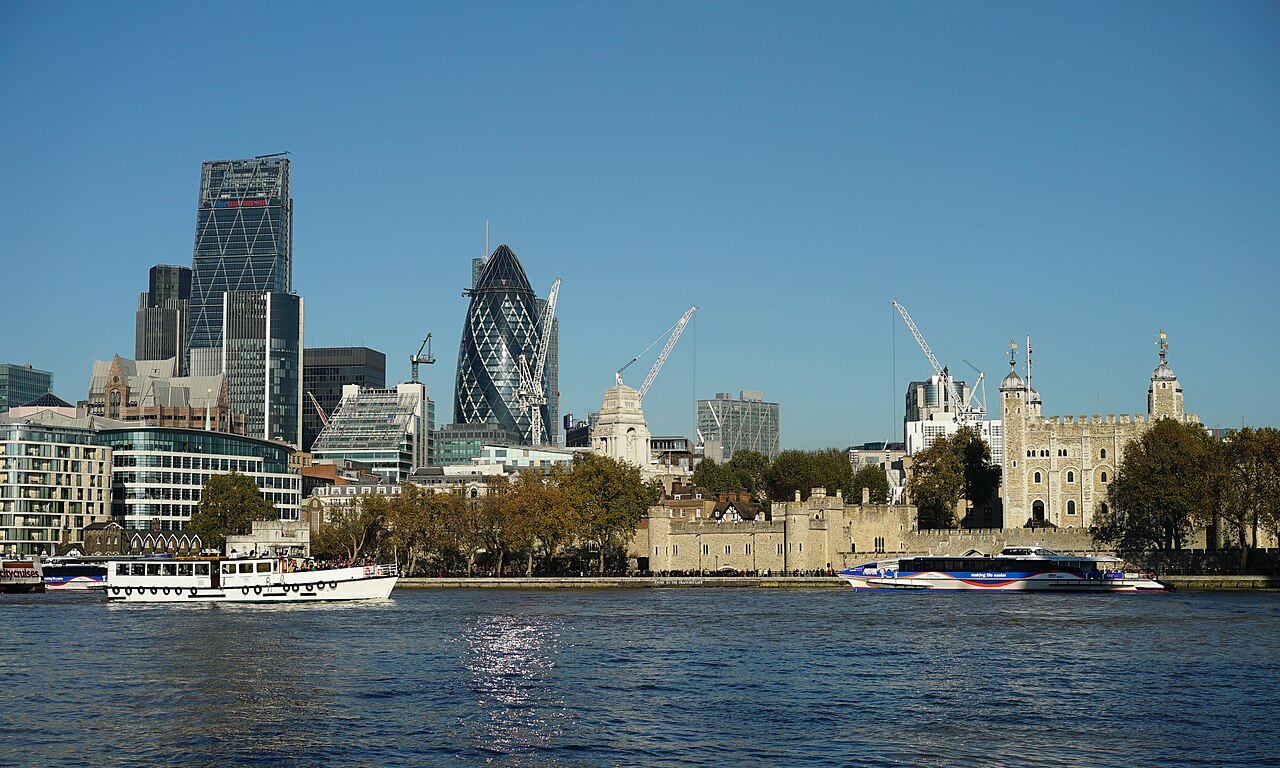
The Tower stands beside Tower Bridge, and the two are easy to confuse by name alone, though they are entirely separate structures with no connection beyond proximity. Visitors planning a day that takes in both should allow enough time to explore the castle's three wards properly before crossing over to the bridge.
Because parts of the Tower, including the Jewel House, the White Tower and the medieval palace rooms, sit in different wards and some require separate timed arrangements, it is worth checking well in advance what needs to be booked through the Booking Ahead guide before setting out for the day.
Anyone wanting specifics on a warder's daily schedule, on attending the Ceremony of the Keys, or on the current state of any part of the castle should check directly with Historic Royal Palaces, the charity that manages the Tower of London, rather than relying on guesswork or an outdated guidebook.
More from the journal
Read next
- Tower BridgeHow do you tell Tower Bridge from London Bridge and the Tower of London?The Tower of London is a fortress, Tower Bridge is the Victorian bridge with two towers beside it, and London Bridge is a plain bridge half a mile upstream. How to tell them apart, and the story of the American who bought the wrong bridge.Read the piece →
- Where to StayWhat is the difference between the City of London and Greater London?The City of London is a tiny ancient area of about a square mile; Greater London is the metropolis of 33 districts and more than nine million people. How they differ, who governs each, and why visitors need to know.Read the piece →
- Getting HereHow do you get from Heathrow to central London?Heathrow is 14 miles west of central London and has three rail routes into the city, plus coaches, buses and taxis. What each one is, where it stops, which terminal station to use, and how to choose.Read the piece →