What is Traitors' Gate, and who came through it?
THE TOWER'S RIVER ENTRANCE
The water-gate that carried prisoners in by boat from the Thames, and the figures tradition says passed through it.
Read on
The answer in full
A Gate With a Grim Name
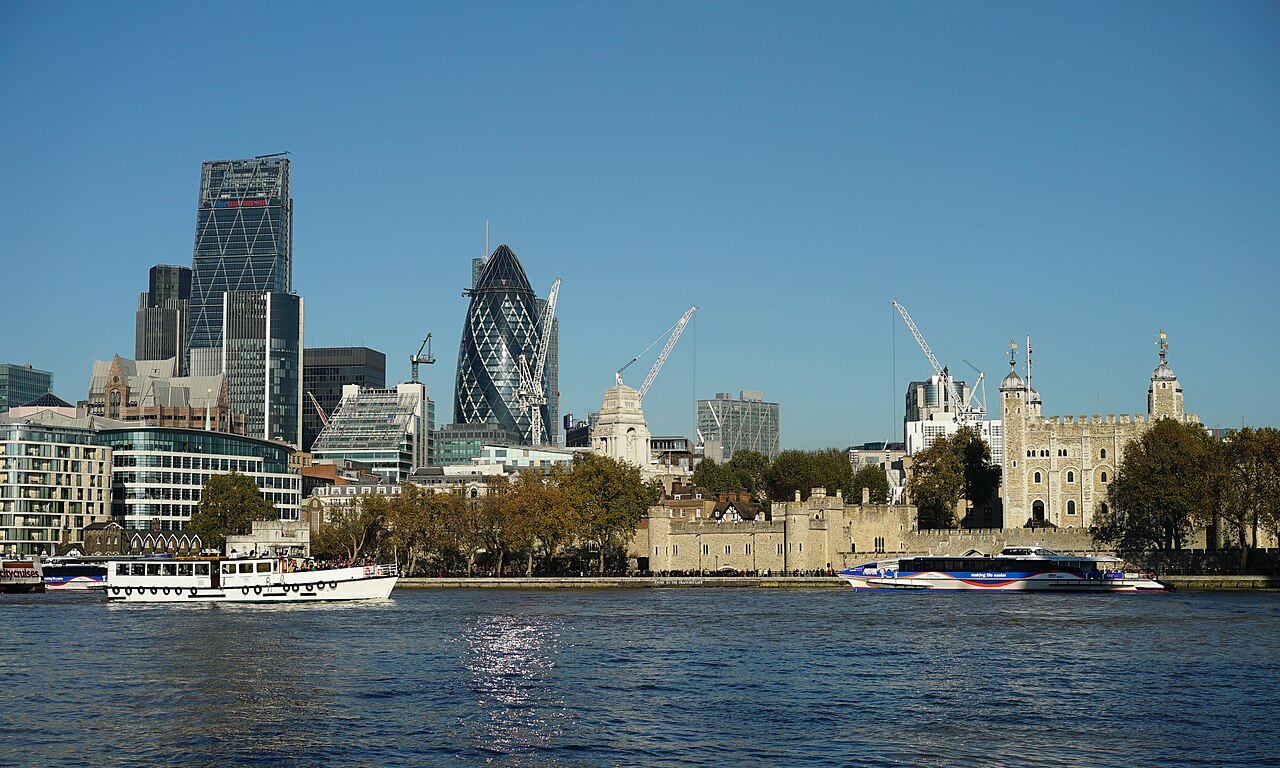
The Tower of London's river frontage includes a water-gate that has carried the name Traitors' Gate since the sixteenth century, when the castle's reputation as a prison was at its height. It stands within the riverside defenses built up through the thirteenth century, in the stretch where Richard I's chancellor dug the moat and Henry III and Edward I completed the walls that still define the site. Anyone arriving by boat from the river entered the fortress through this gate rather than through the streets of the City of London.
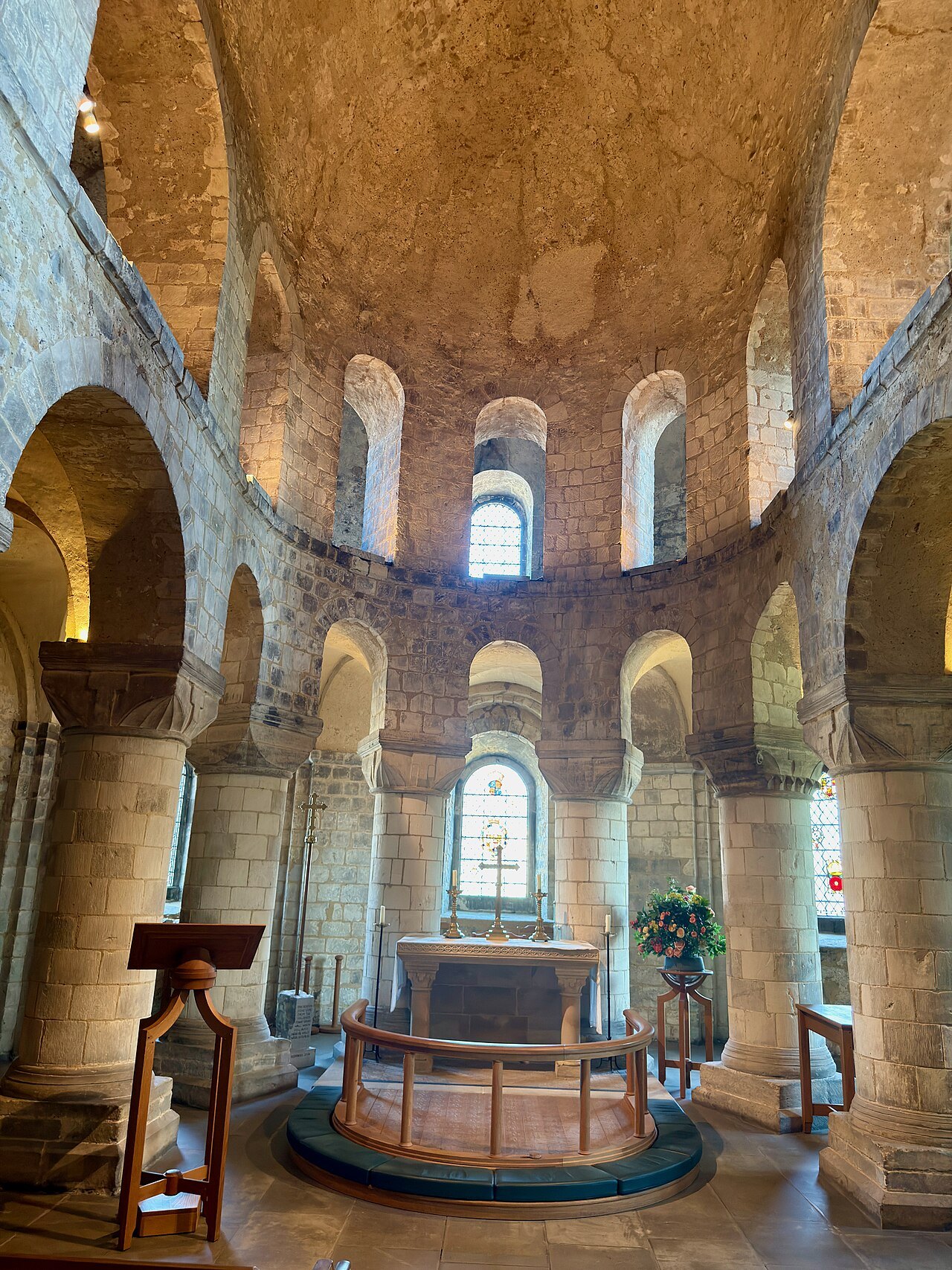
The gate takes its place beside the Wakefield and Lanthorn Towers, built from around 1220 as the private lodgings of the king and queen before the castle's reputation for fear overtook its earlier role as a palace. Visitors who want the clearest sense of this riverside stretch should look to the medieval palace rooms nearby, open to visitors since 2006, which show the Tower as a place meant to be lived in rather than merely feared.
The gate's position on the Thames made sense of the Tower's whole plan. Founded toward the end of 1066 on the north bank of the river, the castle was always built to be reached by water as readily as by land. Bringing a prisoner in from the river, away from public streets, kept the business of a state trial contained and out of sight of the crowds beyond Tower Hill.
Why Prisoners Came by River
State trials for many of the Tower's most notable prisoners were often held elsewhere, closer to Westminster, and the accused were then brought back downstream by boat. The water-gate let them step directly from a vessel into the castle without passing through the streets, a route that matched the practical workings of a fortress whose business was often kept separate from the City of London just across Tower Hill.
The fortress stood apart from the City of London from its founding, separated by the open ground of Tower Hill, and this separation shaped how prisoners were moved as much as it shaped how the castle itself was built. The Thames offered the quickest, most controlled route in an age when the crowded streets of the city could not be guaranteed to stay orderly around a well-known prisoner's passage.
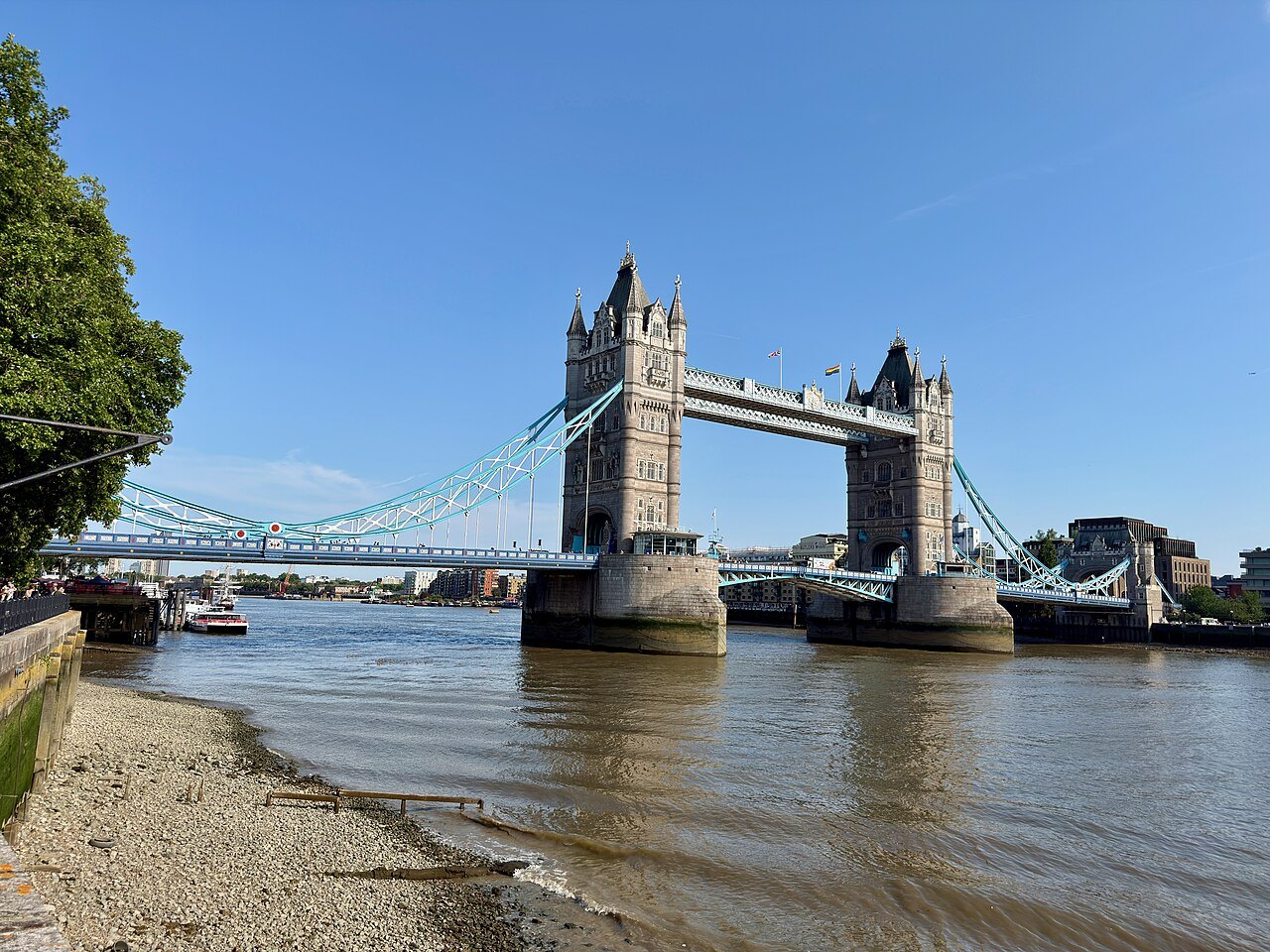
Visitors today can walk the same stretch of riverbank the boats once used, since the Tower sits directly beside the water and close to Tower Bridge, whose name is often confused with the castle itself though the two are separate structures entirely. The Thames remains the simplest way to picture how the whole site, and this gate in particular, actually worked.
Prisoners Linked to the Gate
Tradition and the Tower's own record connect the water-gate most closely to the high-status prisoners of the Tudor period, among them figures whose fate is marked elsewhere on the site. Anne Boleyn's grave lies in the chapel of St Peter ad Vincula, rebuilt during Henry VIII's works of 1519, and she is among the prisoners of that era whose passage into the castle is remembered at this gate.
Walter Raleigh was held at the Tower long enough that his rooms were altered for his family, and his son was born within the walls in 1605; prisoners of his rank were often permitted better food and furnishings, arranged through the Lieutenant of the Tower, which shows how varied a state prisoner's experience could be even after a grim entrance.
The Bloody Tower, nearby, took its current name in the sixteenth century from the belief that it was where the Princes in the Tower were murdered, a story that belongs to the same climate of fear that gave the water-gate its name. Visitors should treat these associations as part of the Tower's long tradition of storytelling rather than as settled fact in every case.
Not Every Entrance Ended Badly
Despite the name, most people brought to the Tower were held for a limited time rather than executed. Executions actually carried out inside the walls were rare, only seven before the twentieth century's world wars, and the great majority of sentences, 112 over four hundred years, were carried out instead on Tower Hill, outside the castle itself.
The furnishings a prisoner received depended on status rather than on the gate they had passed through. High-ranking prisoners could buy better food and tapestries through the Lieutenant of the Tower, and some, like Raleigh, kept something close to a household around them inside the walls. The water-gate marked an uncomfortable entrance, not automatically a death sentence.
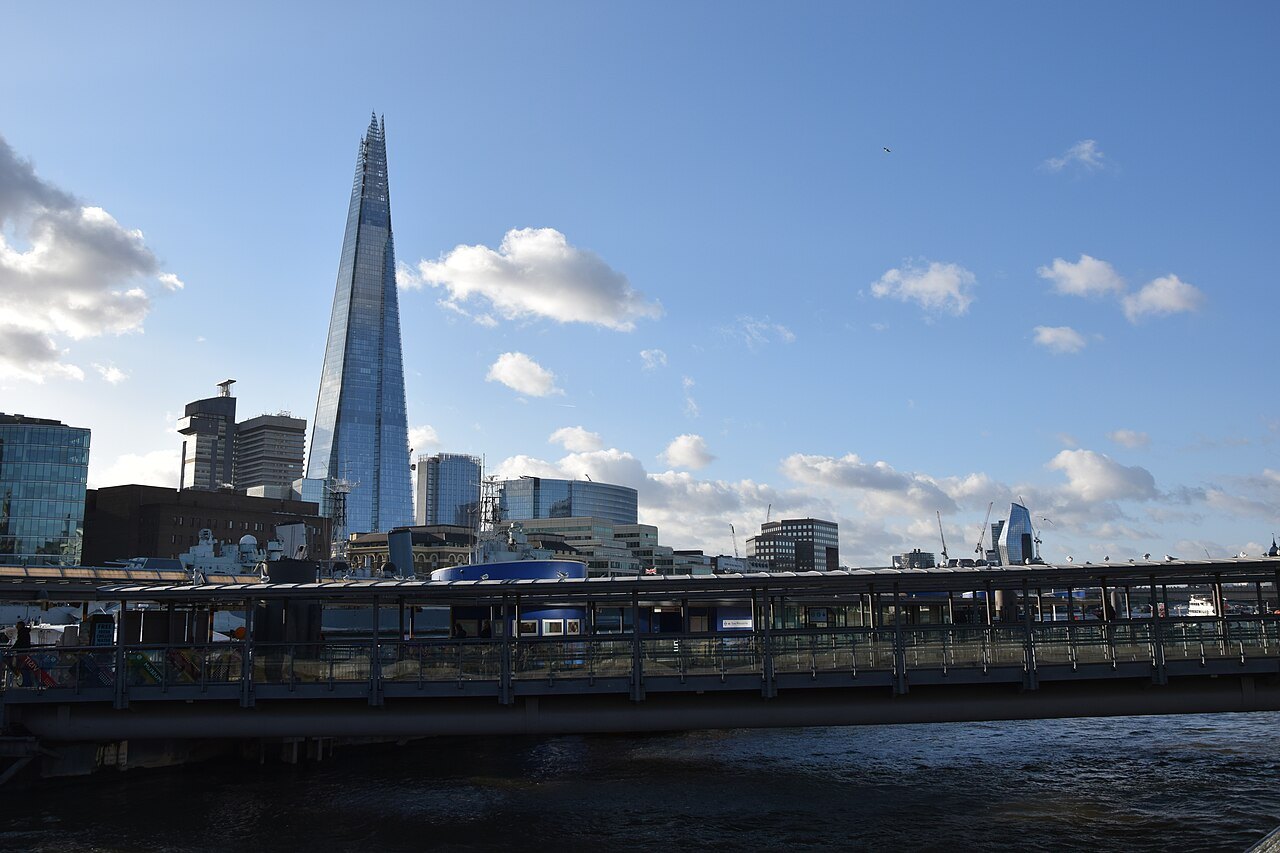
The twentieth century brought the Tower's last state prisoners by very different routes. Eleven men were shot for espionage during the First World War, and Rudolf Hess, Hitler's deputy, was held for four days in 1941, the last state prisoner at the castle. Josef Jakobs, shot on 15 August 1941, was the last person executed here.
A Myth Worth Setting Aside
The water-gate's grim reputation has encouraged a related myth: that the Tower held a permanent underground torture chamber reached from the riverside. This picture of dungeons beneath the walls owes more to nineteenth-century fiction, including the novels of William Harrison Ainsworth, than to the historical record kept by the castle itself.
The real evidence is more modest. The basement of the White Tower did hold a rack in later periods, used occasionally rather than routinely, and the elaborate dungeon scenes attached to the castle in popular imagination were largely invented long after the Tudor period had ended. Visitors should treat the more lurid stories attached to any single gate or tower with the same caution.
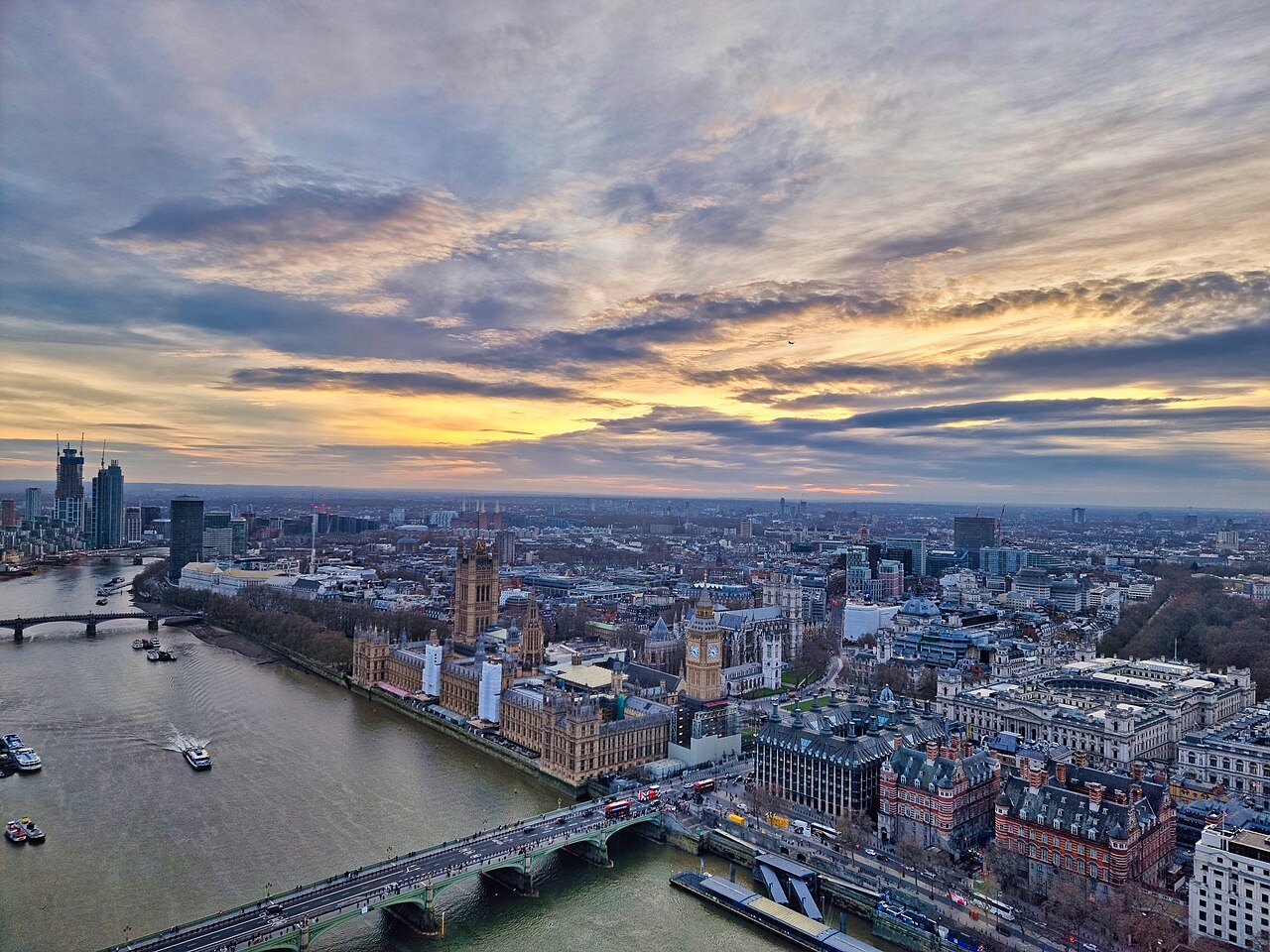
The gate's name itself belongs to this pattern. It describes who was believed to pass through it rather than any instrument kept there, and the castle's own historians note that several of its most frightening associations took firmer shape in the Victorian era than in the centuries the stories claim to describe.
Finding the Gate on Site
Traitors' Gate sits on the riverside stretch of the castle, close to the Wakefield and Lanthorn Towers and not far from the medieval palace rooms that have been open to visitors since 2006. The site covers almost twelve acres across three wards, so finding the gate works best as part of a planned route rather than a wander between the better-known White Tower and the Jewel House.
Warder-led tours, led by the Yeoman Warders, begin near the entrance and are the simplest way to see the gate placed in context alongside the rest of the riverside defenses. For timed entry and anything that needs arranging ahead of a visit, including the Jewel House, see Booking Ahead before planning the rest of the day.
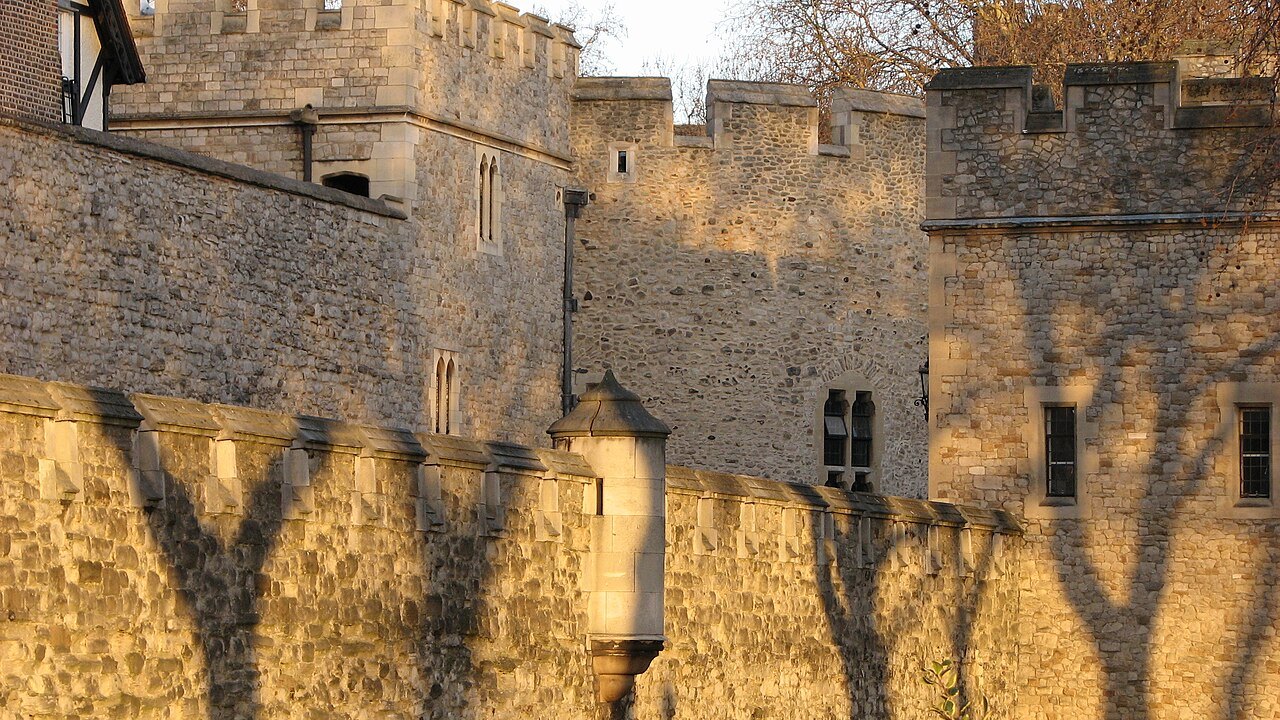
The Tower stands directly beside the river and close to Tower Bridge, so a visit to the gate pairs naturally with a walk along the water or a look at the bridge itself, provided visitors keep in mind that the bridge and the castle are two separate landmarks often confused by newcomers to the city.
More from the journal
Read next
- The Tower of LondonWho are the Yeoman Warders, and why are they called Beefeaters?Meet the Yeoman Warders who guard the Tower of London, the ravens they keep, and the mystery behind the name Beefeater.Read the piece →
- Tower BridgeHow do you tell Tower Bridge from London Bridge and the Tower of London?The Tower of London is a fortress, Tower Bridge is the Victorian bridge with two towers beside it, and London Bridge is a plain bridge half a mile upstream. How to tell them apart, and the story of the American who bought the wrong bridge.Read the piece →
- Where to StayWhat is the difference between the City of London and Greater London?The City of London is a tiny ancient area of about a square mile; Greater London is the metropolis of 33 districts and more than nine million people. How they differ, who governs each, and why visitors need to know.Read the piece →