What is the Changing of the Guard, and how does it work?
ROYAL GUARD CEREMONY
How the Changing of the Guard works at Buckingham Palace, who takes part, and where to get the best view.
Read on
The answer in full
What happens on the forecourt
The palace forecourt, the paved area in front of Buckingham Palace's East Front, is the stage for the Changing of the Guard. One group of soldiers, the guard that has been on duty, formally hands over responsibility to a fresh guard, and the handover is marked by music from an accompanying band. The whole event draws a large crowd along the railings facing the forecourt.
The soldiers taking part belong to the Foot Guards regiments, recognizable by their scarlet tunics and tall bearskin caps. These are the same regiments that keep watch at the palace throughout the year, and the ceremony is simply the formal moment when one shift replaces another, carried out in public rather than behind closed gates.
The guard does not arrive by vehicle. It travels on foot between its barracks and the palace, forming a marching procession that passers-by can watch along the route as well as at the forecourt itself. This on-foot movement is part of what gives the ceremony its scale, since the sight of the guard on the move extends well beyond the gates.
Days, times and checking ahead
The exact days and times of the Changing of the Guard are set by the palace and change with the season, so no visitor should plan a morning around a fixed assumption carried from somewhere else. The Royal Household publishes the current schedule, and that official page is the only reliable source to check before setting out.
Because the pattern shifts through the year, older guides and casual notes from other travelers are not dependable references for a specific date. Visitors with a tight schedule, especially those trying to fit the ceremony around other central sights, should confirm the timing on the morning they plan to attend, rather than relying on anything checked days in advance.
Arriving well before the ceremony is advisable, since the railings fill from the front backward and a late arrival often means a view obstructed by the crowd ahead. Anyone who wants certainty about the exact timing should treat the palace's own announcement as the final word, not any secondhand schedule found elsewhere.
Where to stand
The gates directly facing the forecourt are the obvious place to watch, but they are not the only vantage point, and they fill quickly. The steps of the Victoria Memorial, the monument to Queen Victoria standing in the roundabout space before the palace gates, give height over the heads of the crowd and a wide view across the forecourt itself.
The Mall, the broad road running from the palace toward Admiralty Arch and Trafalgar Square, and St James's Park on the other side of the palace both give long views of the guard on the move, rather than only the stationary ceremony at the gates. Standing along the route lets visitors watch the procession pass instead of competing for a spot at the railings.
The Mall closes to traffic for ceremonies, which makes it a comfortable place to stand without worrying about road crossings. Visitors who want to combine the ceremony with time in The Parks can watch part of the procession, then continue across St James's Park toward Horse Guards or Westminster, a walk of roughly a quarter of an hour.
The palace while you wait
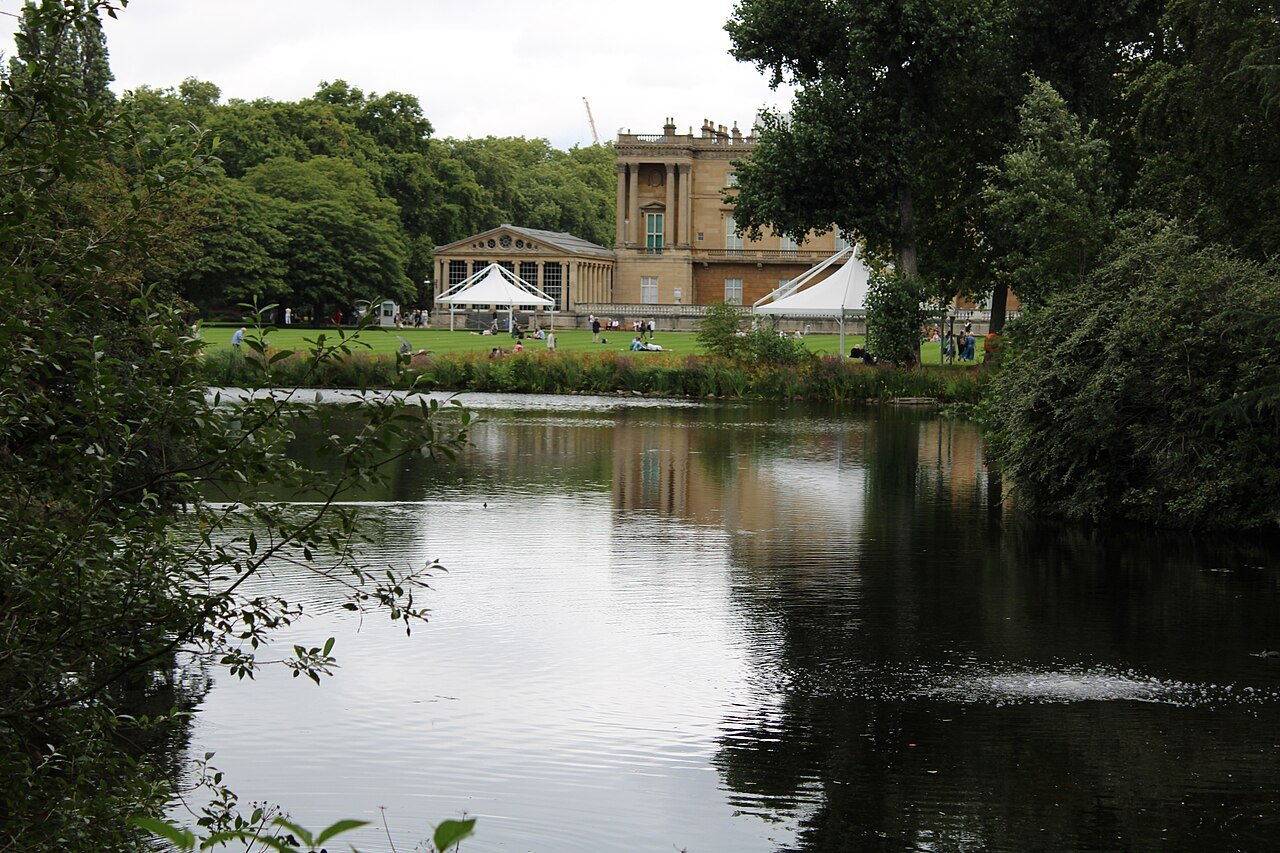
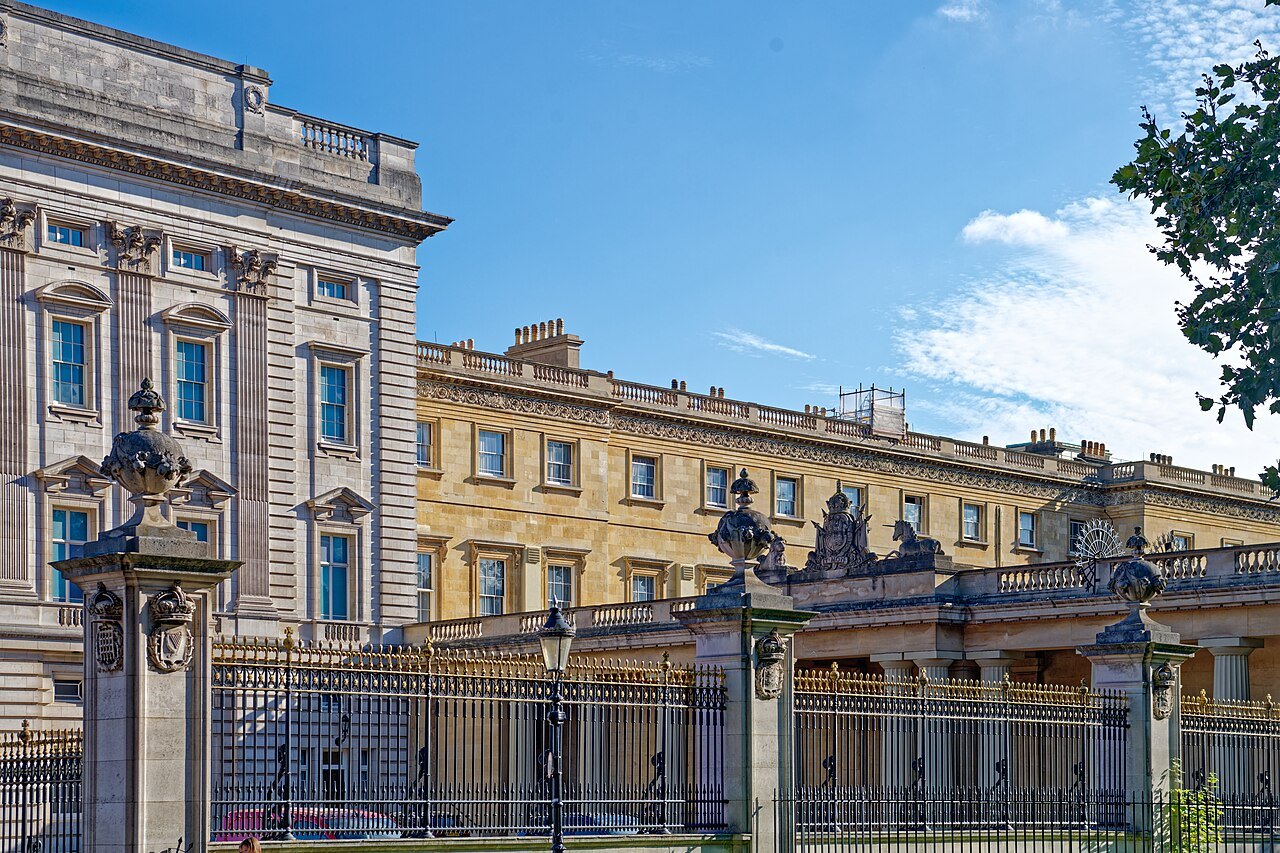
While waiting for the ceremony, it is worth looking at the building itself. The East Front, the side facing the Mall, holds the balcony where the royal family traditionally appears to greet crowds, though it was one of the palace's later additions rather than part of the original design by the architect John Nash.
A flag flying above the palace tells visitors something useful without needing to check any further source: the royal standard means the monarch is in residence, and the Union Flag flies when they are not. It is a quick way to read the building's status at a glance, ceremony or no ceremony.
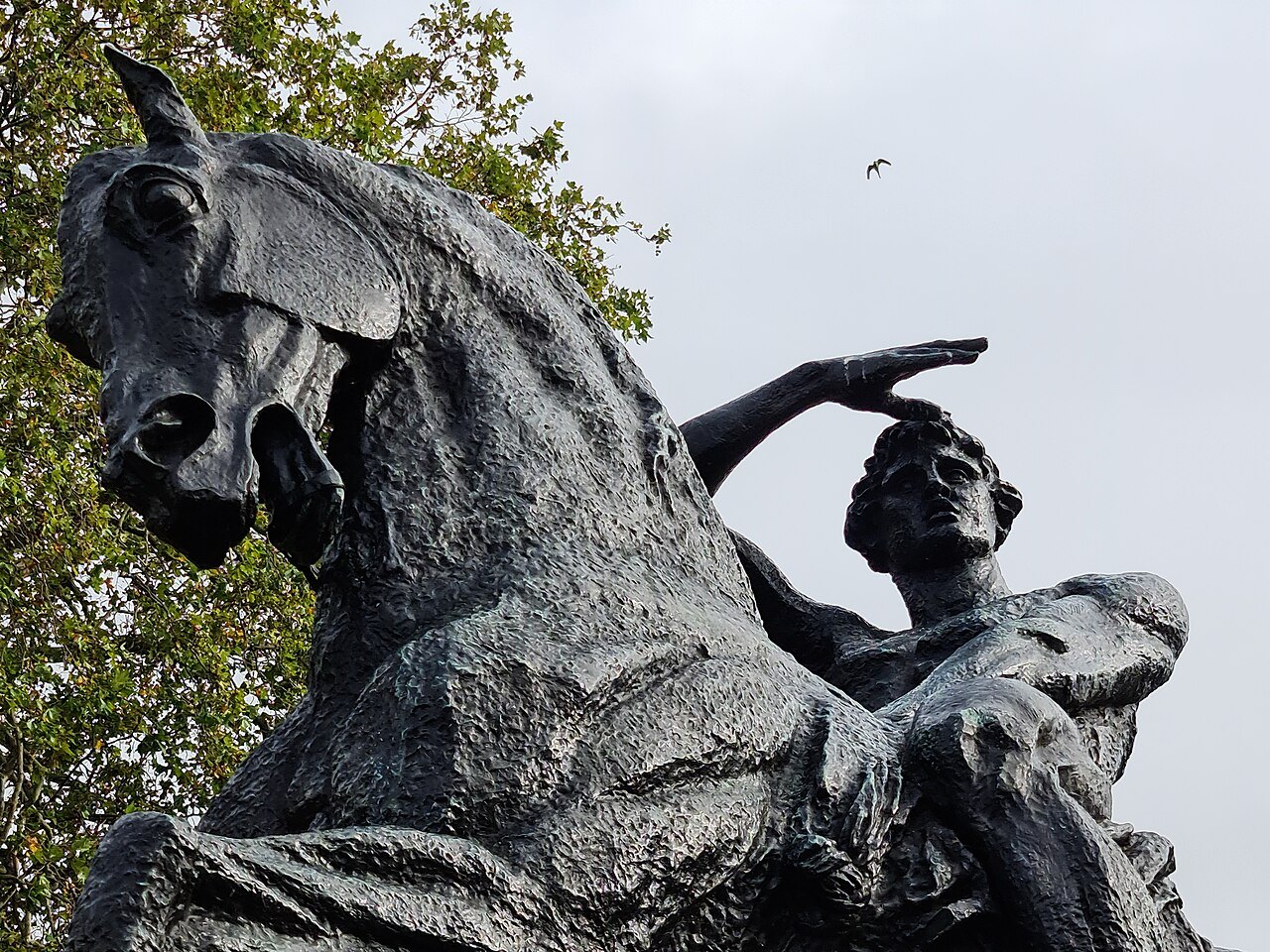
The forecourt and the Victoria Memorial sit at the end of a long ceremonial stretch of London, built up over three centuries to connect the palace, the Mall and St James's Park. Visitors who arrive early for the guard have time to take in this wider setting before the ceremony itself begins.
Getting to the palace
Most visitors reach the area on foot through St James's Park or along the Mall, and general advice on routes and connections across the city is covered in Getting Around. Because the roads around the palace close for ceremonies, allowing extra walking time is sensible, especially when coming from a station some distance away.
Visitors combining the guard with other central sights, such as Trafalgar Square or Westminster Abbey, should factor in the closures and crowds that build before the ceremony starts. The walk between the palace and Westminster, across St James's Park, takes roughly fifteen minutes, and it gives a good sense of how the ceremonial route links these places together.
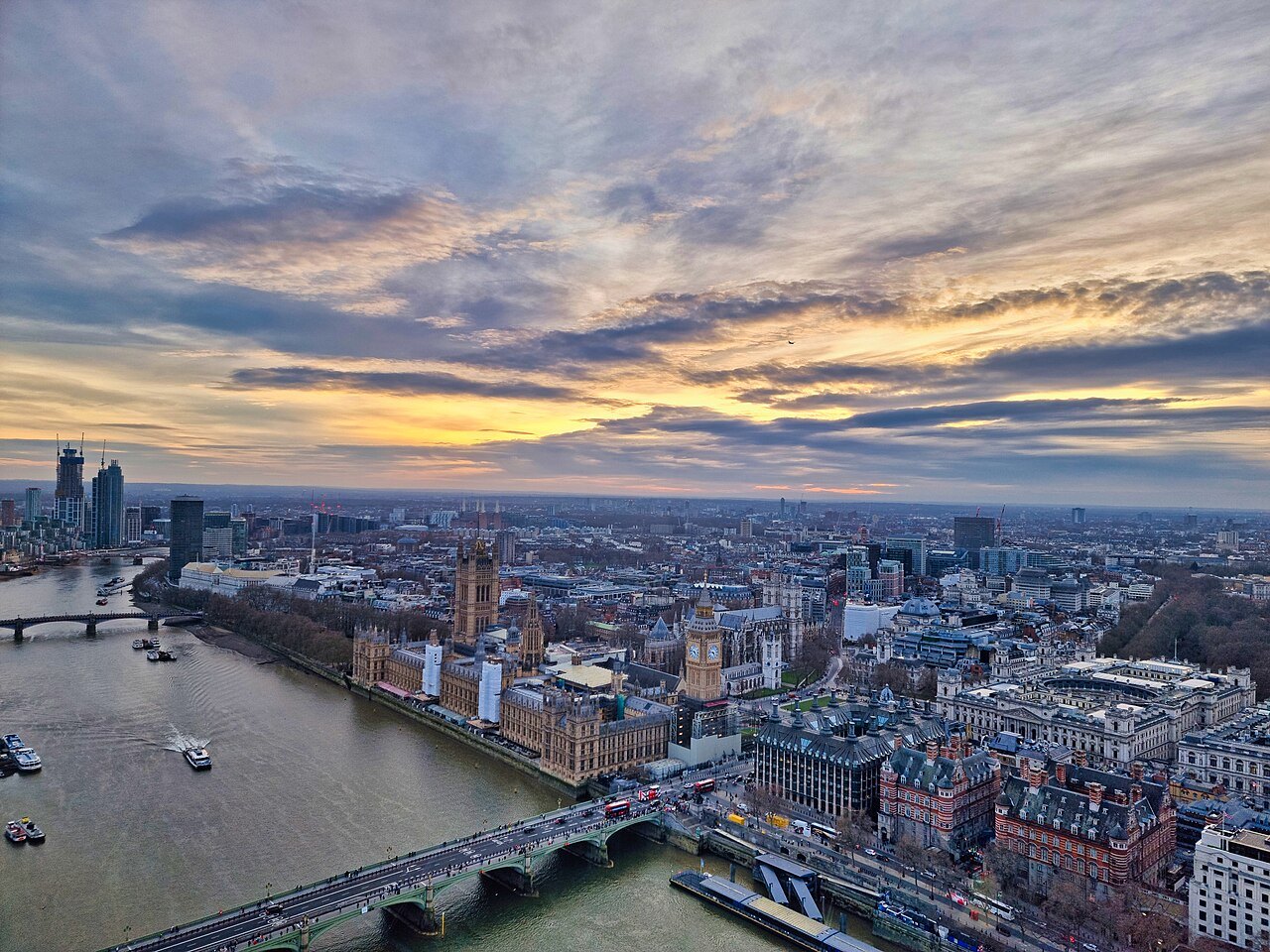
Visitors who also plan to see the State Rooms inside the palace, shown to the public for most of the summer and on selected days in winter and spring, need to book ahead; the rules on ticketing are covered in Booking Ahead. A room can be withdrawn from the public tour at short notice when it is needed for official business, so checking current access with the palace is worthwhile regardless of the guard ceremony.
Planning around the season
Because the ceremony's frequency and timing shift across the year, it helps to think of the Changing of the Guard as one piece of a wider visit rather than a fixed daily event. Confirming the Royal Household's current schedule once travel dates are fixed is more useful than relying on a general sense of when it usually happens.
Weather and season also affect comfort on the day: standing outdoors for a ceremony, whether at the gates or along the Mall, means dressing for whatever the forecast brings. Watching the procession on the move rather than standing in one place for the whole event can also help on colder or wetter days.
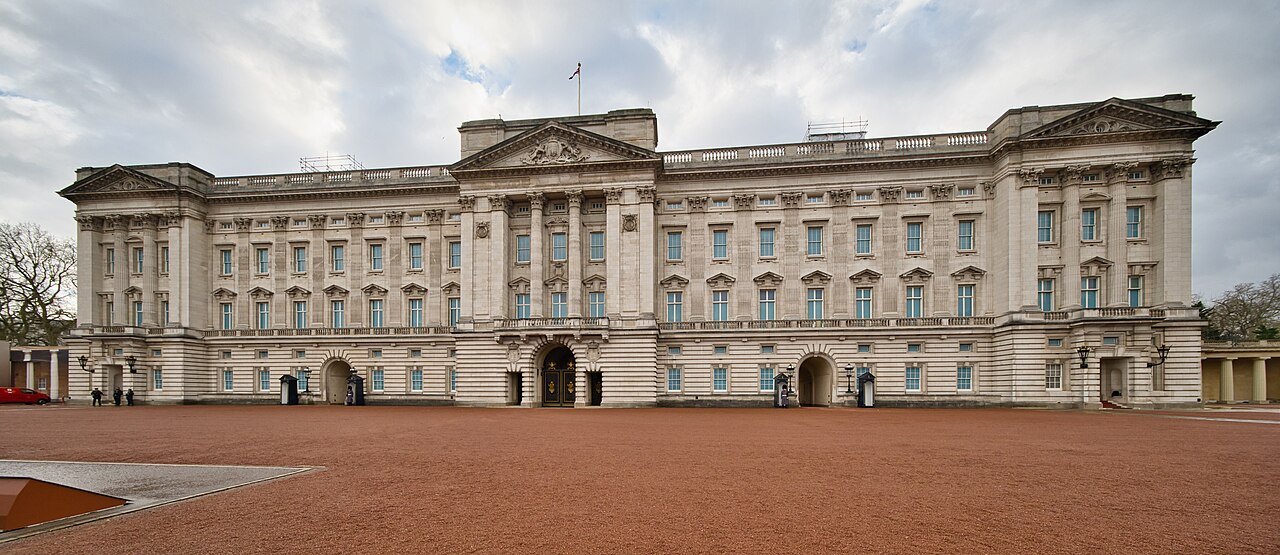
Whatever the time of year, the core mechanics stay the same: a guard arriving on foot, a band, a handover on the forecourt, and a flag above the palace that tells its own story. Confirming the schedule with the palace before setting out remains the one step no visitor should skip.
More from the journal
Read next
- Getting HereHow do you get from Heathrow to central London?Heathrow is 14 miles west of central London and has three rail routes into the city, plus coaches, buses and taxis. What each one is, where it stops, which terminal station to use, and how to choose.Read the piece →
- The Palace of Westminster and Big BenIs Big Ben the bell or the tower?Big Ben is the nickname of the Great Bell, and by extension of the clock tower that holds it. What the tower is really called, how the clock and bells work, why the tower leans, and what the light at the top means.Read the piece →
- Where to StayWhat is the difference between the City of London and Greater London?The City of London is a tiny ancient area of about a square mile; Greater London is the metropolis of 33 districts and more than nine million people. How they differ, who governs each, and why visitors need to know.Read the piece →